Haunted North Carolina

97 haunted destinations cataloged across North Carolina, spanning 38 counties. The collection features museum, haunted house, and outdoor — every listing verified with family ratings, accessibility info, and practical visit logistics.

97 locations 38 counties 12 classifications 51 wheelchair accessible

Featured in North Carolina

Top 6
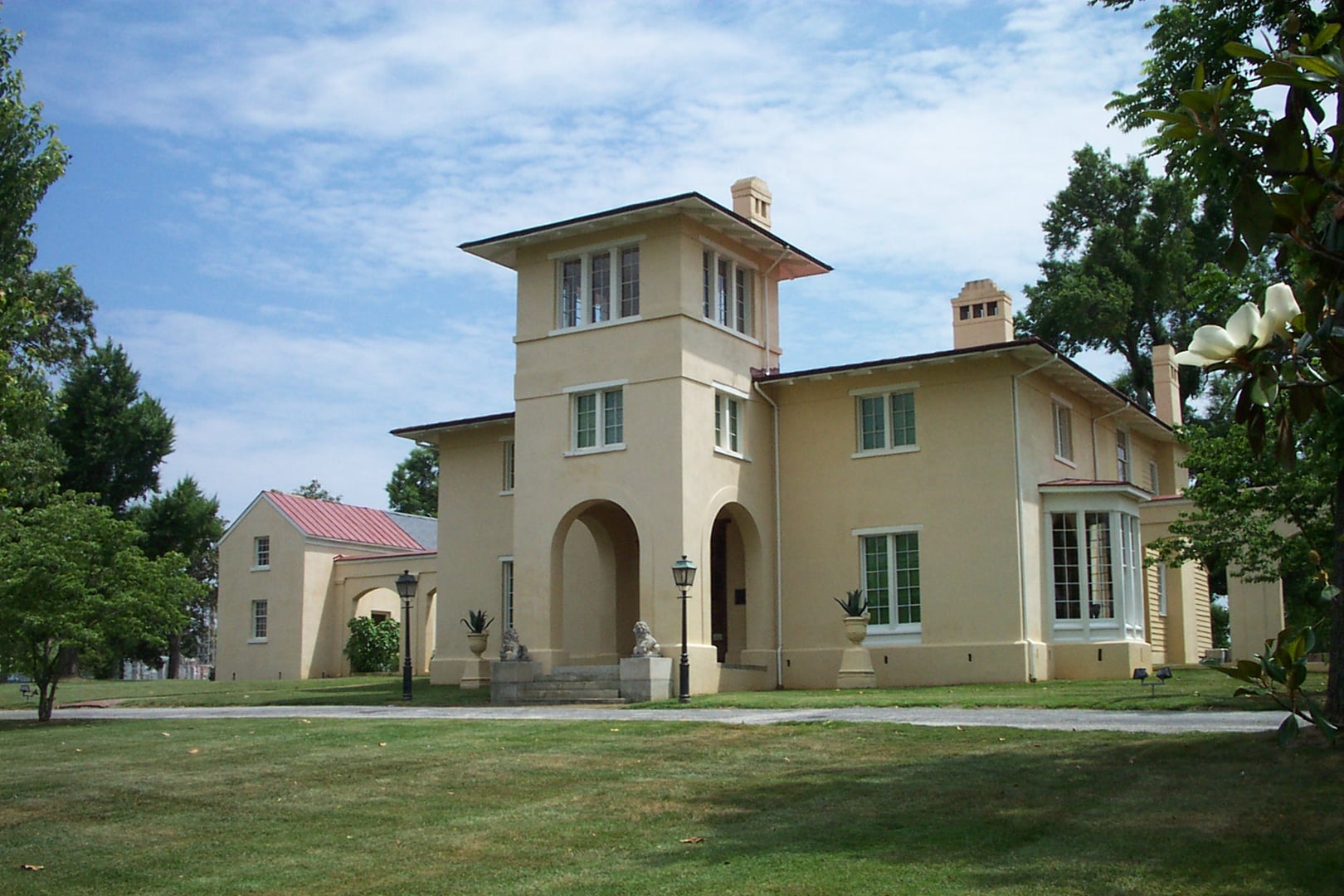
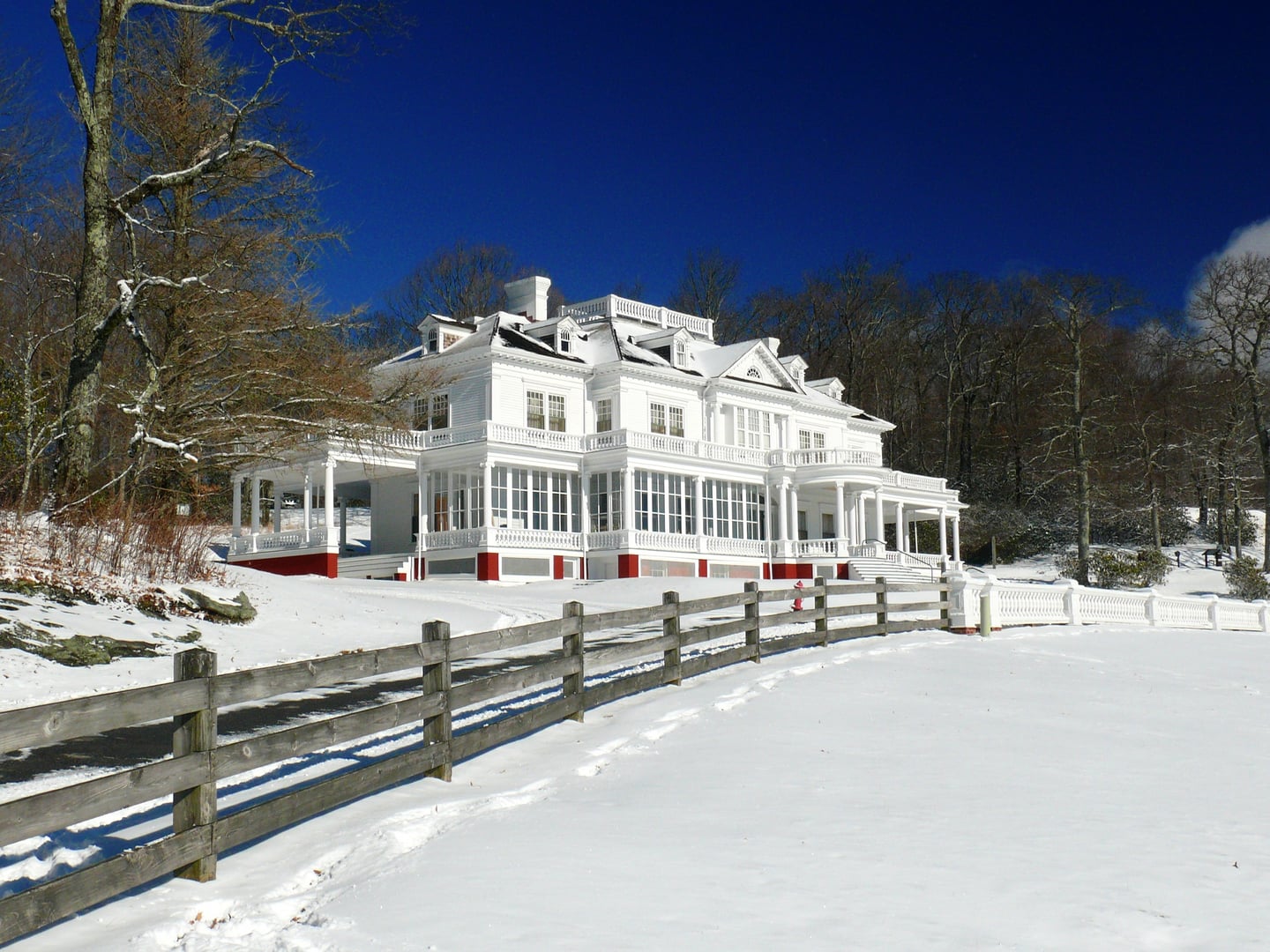
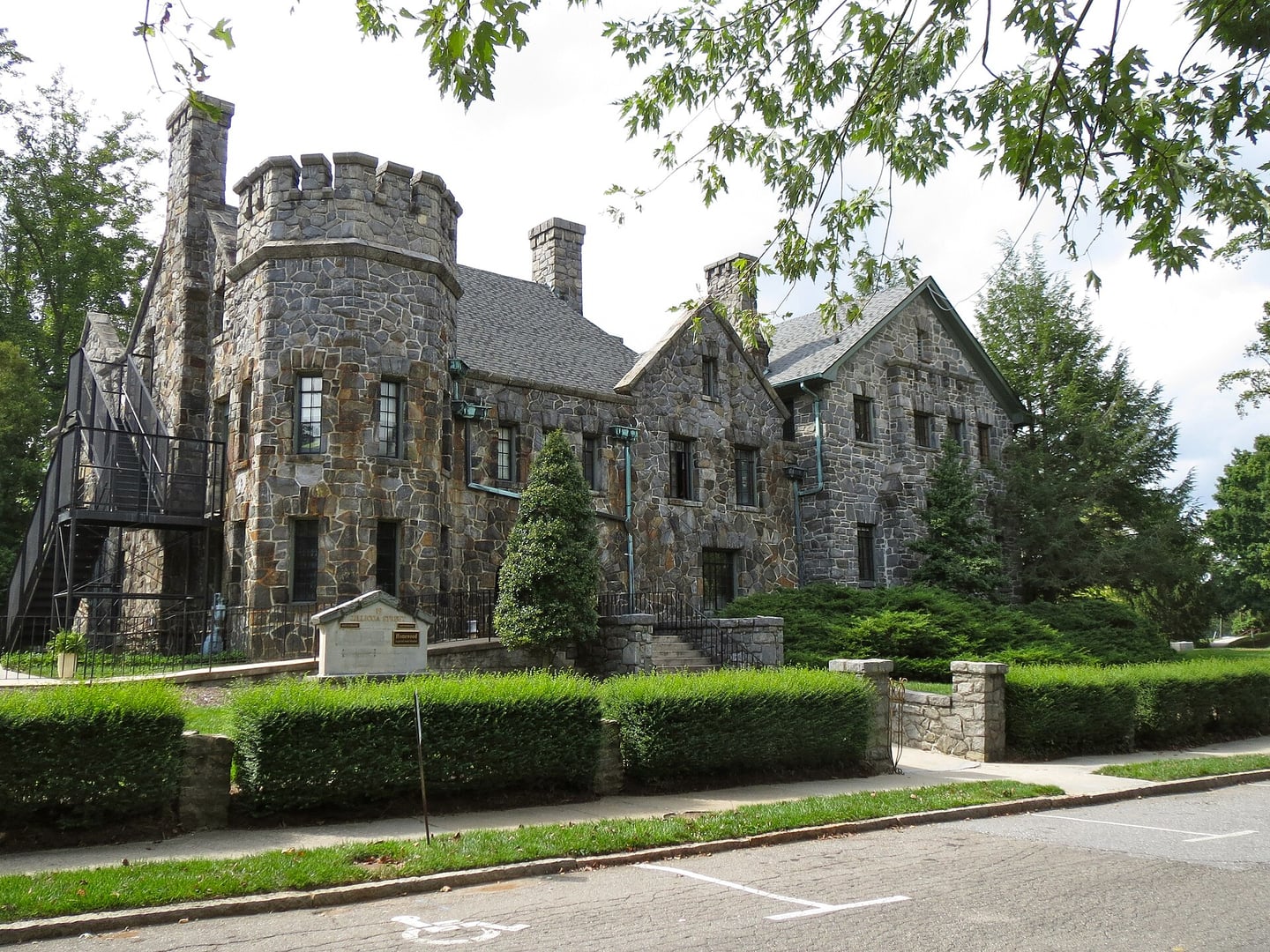
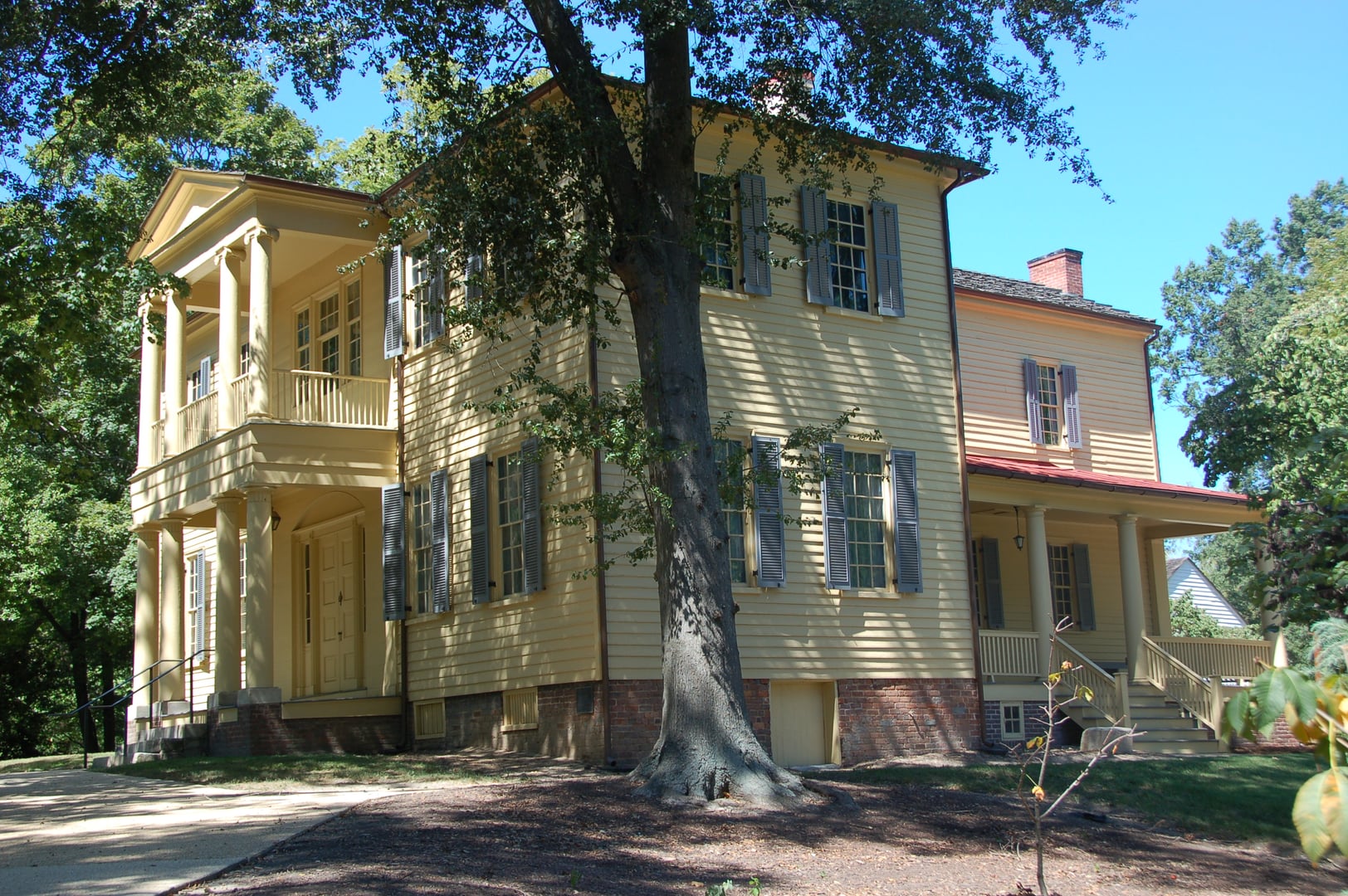
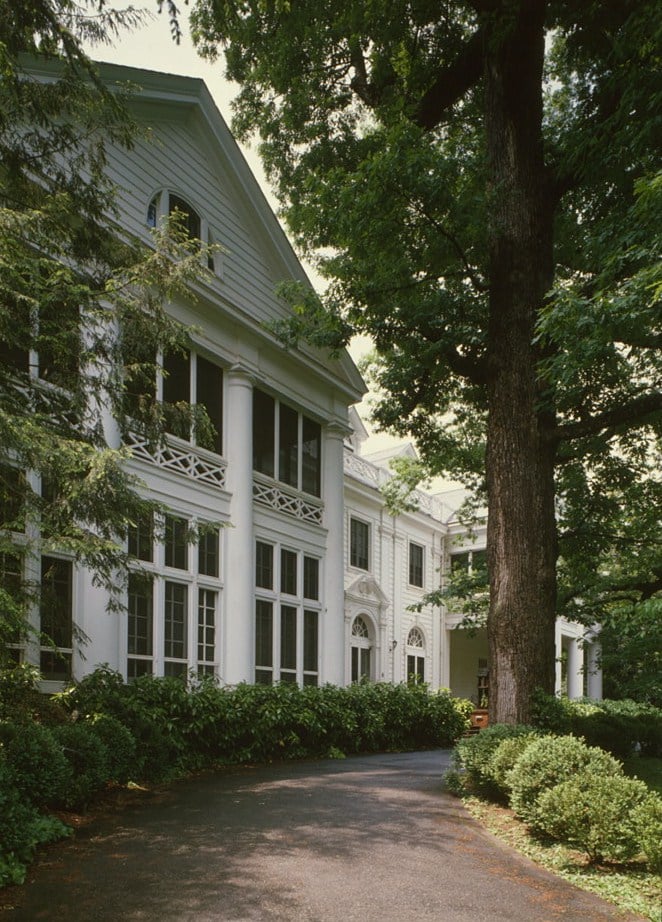
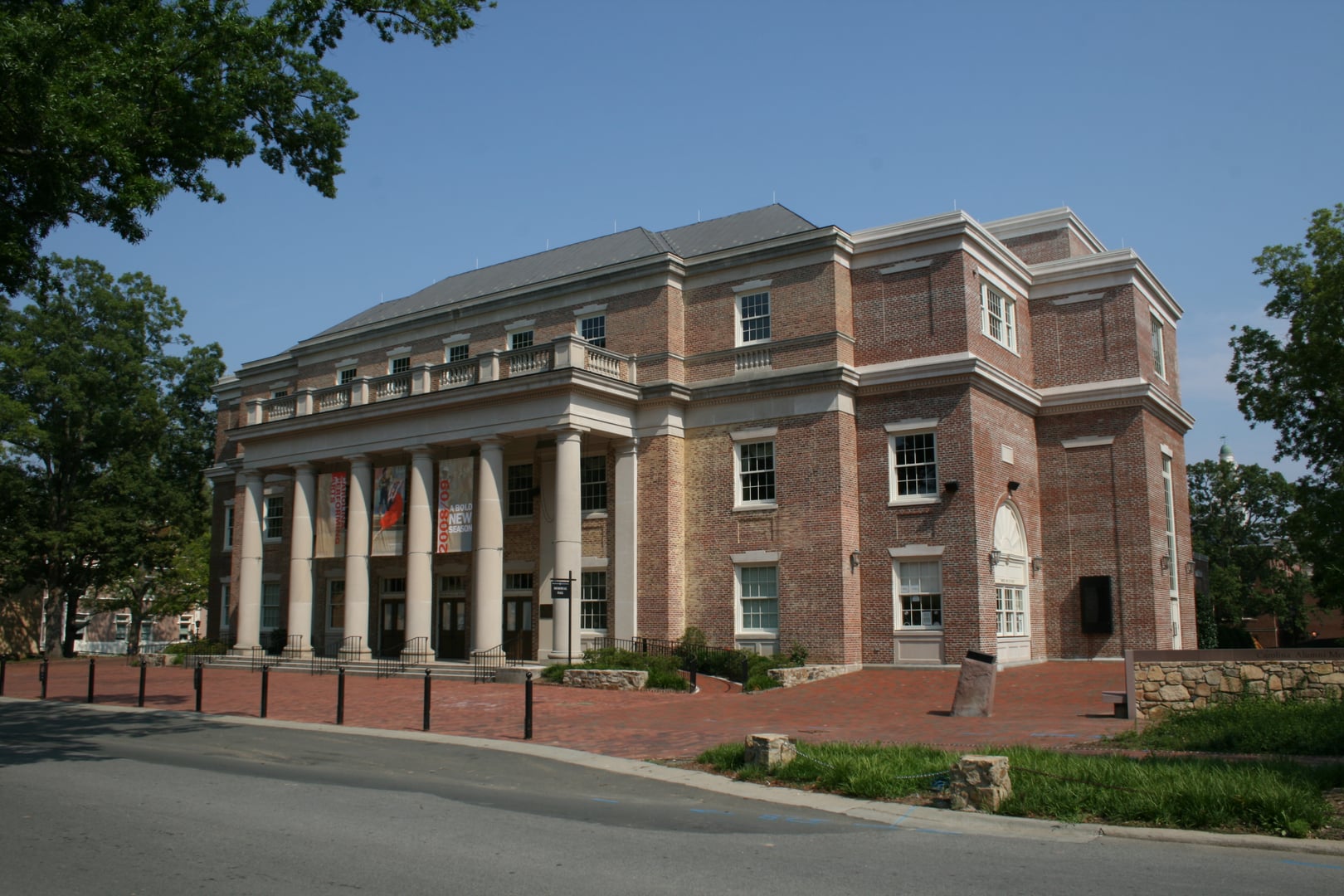
Homewood building on Zillicoa Street in Asheville's Montford Historic District, formerly part of Highland Hospital campus
Asylum / Hospital

Highland Hospital (Homewood / Highland Hall site)

Asheville, NC

Highland Hospital was a private psychiatric hospital in Asheville's Montford district founded in 1904 by Dr. Robert S. Carroll. On the night of March 10-11, 1948, a fire in the Central Building's diet kitchen killed nine women, including the writer and artist Zelda Fitzgerald. Highland Hall, Rumbough House, and Homewood Castle still stand on Zillicoa Street.

$ All Ages Family: Moderate
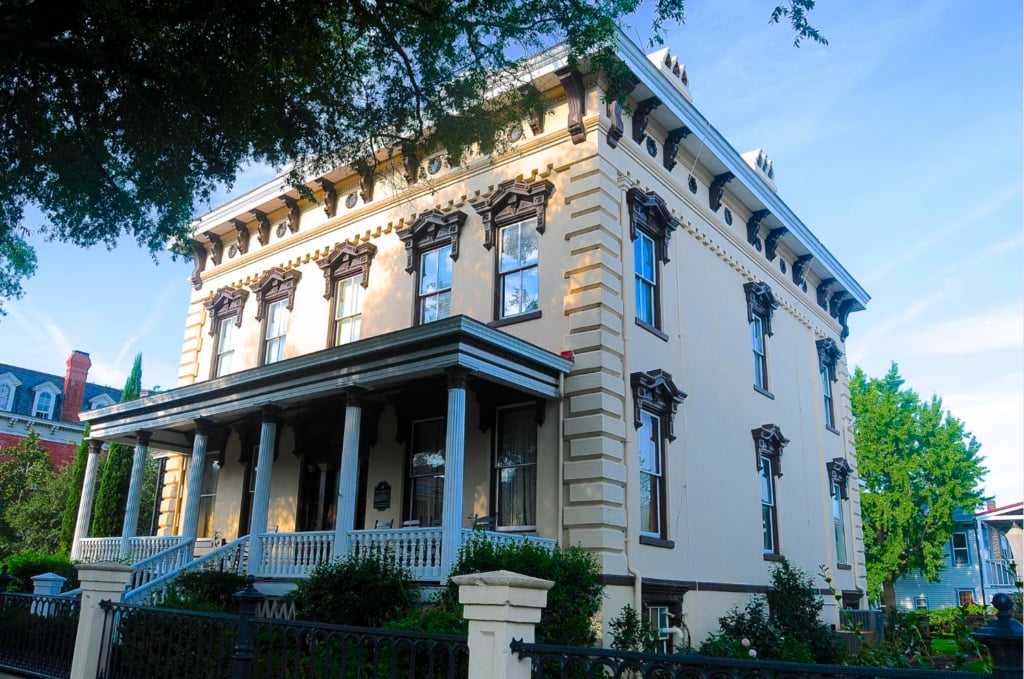
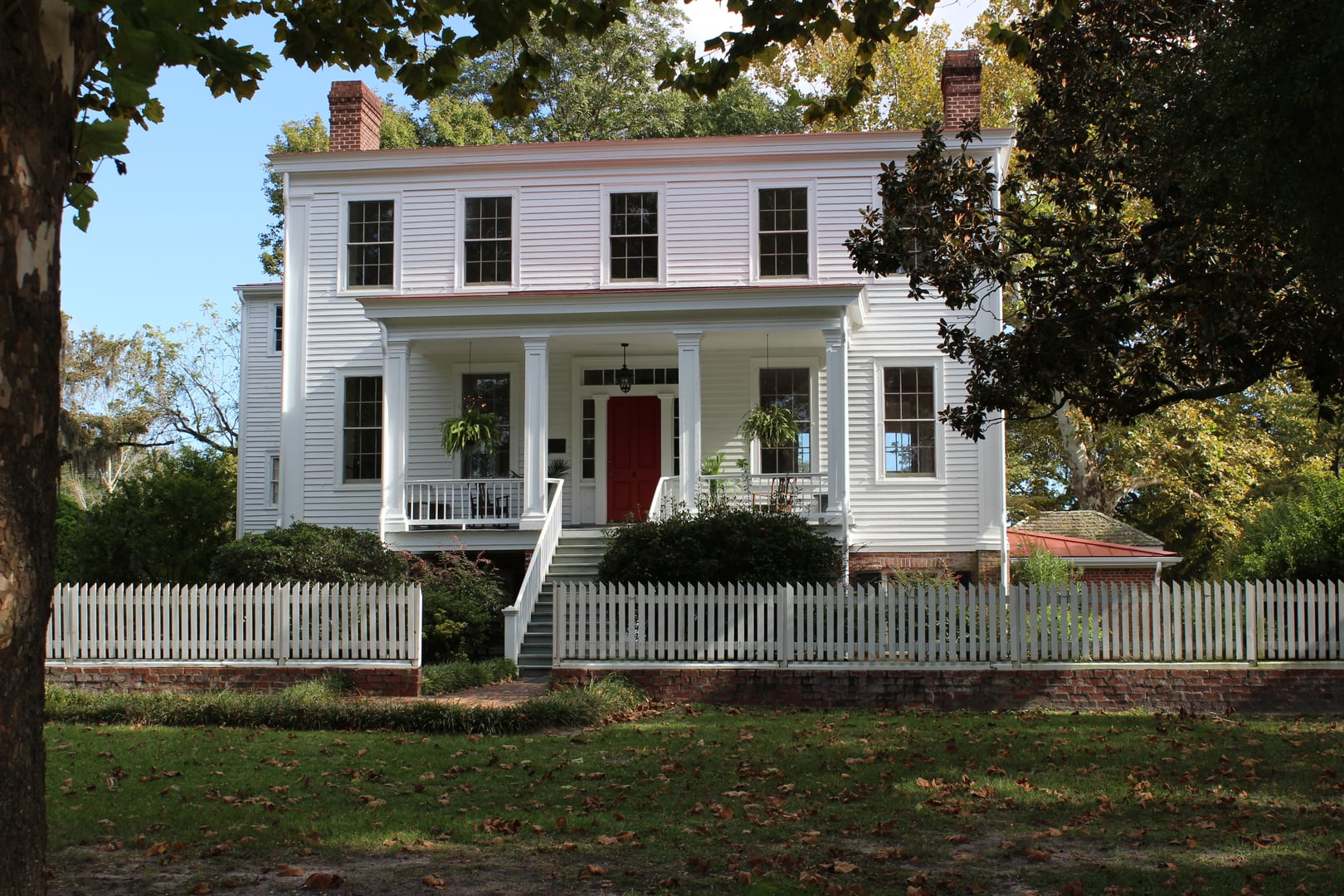
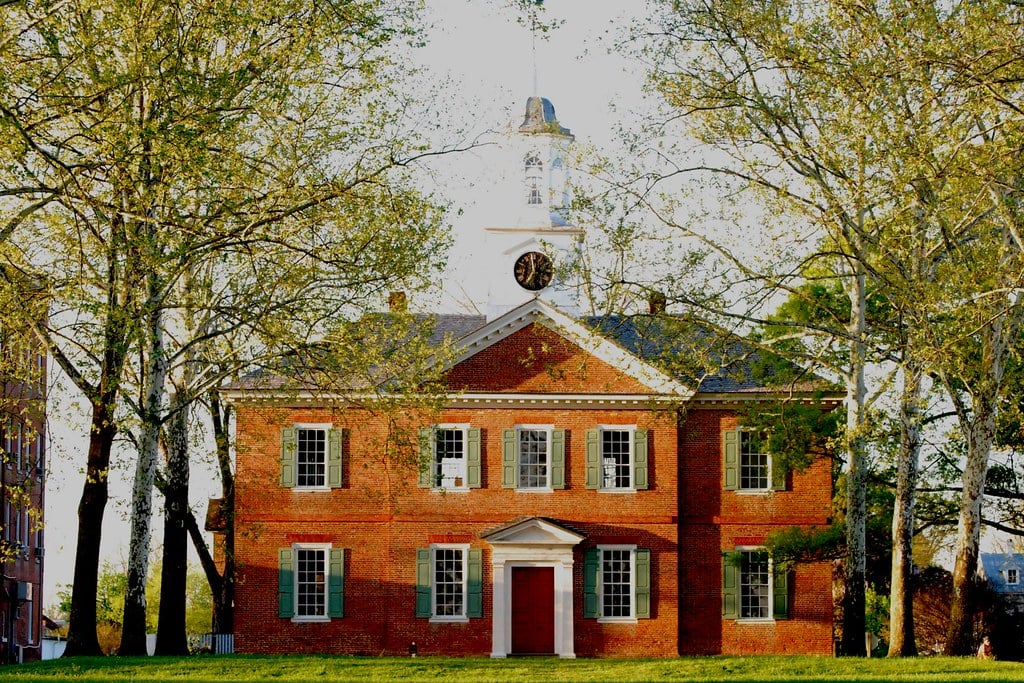
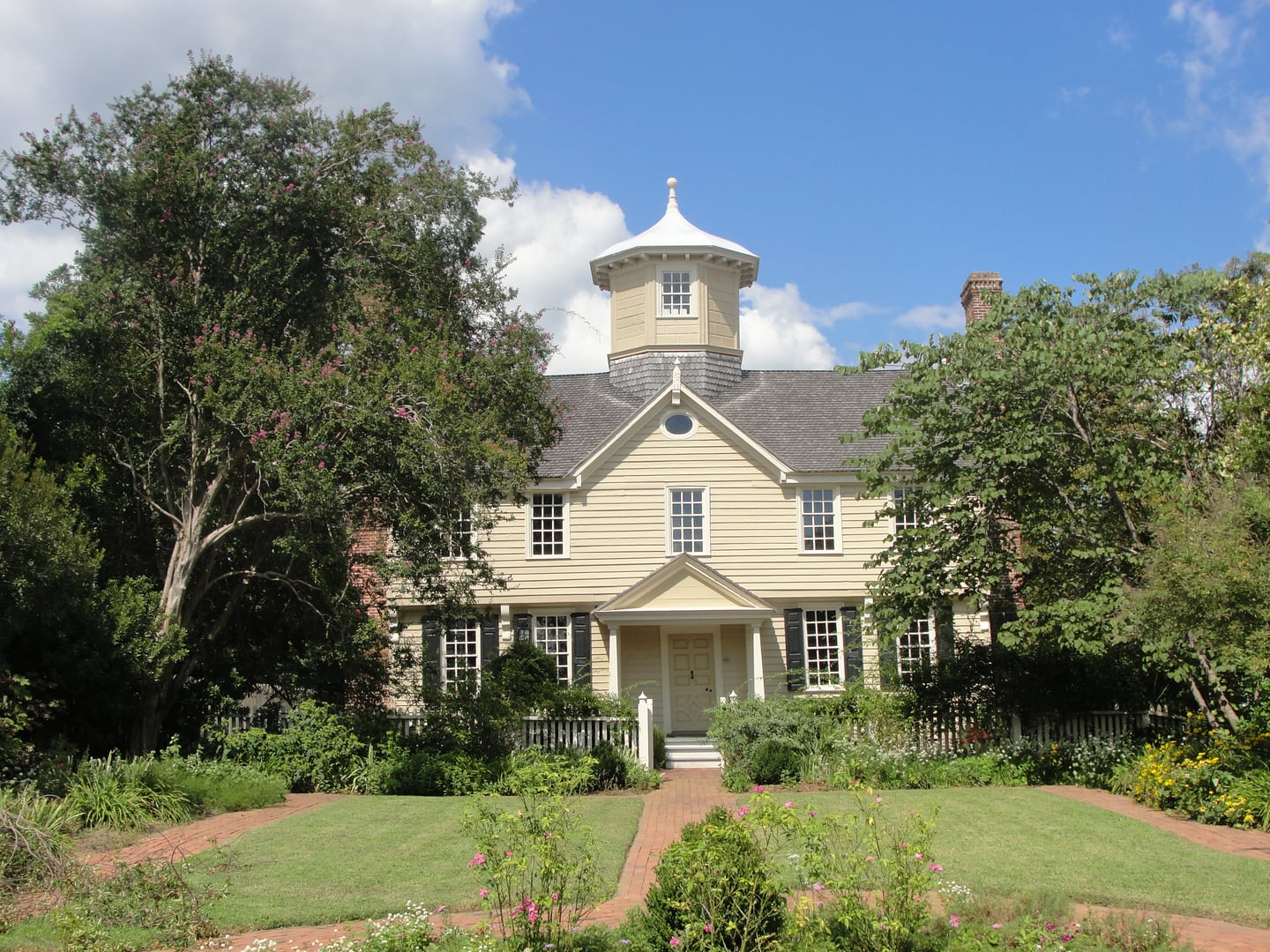
Exterior of the 1843 Price-Gause House along Market Street, Wilmington NC
Photo coming soon
Haunted House / Historic Home

Price-Gause House

Wilmington, NC

The Price-Gause House at 514 Market Street in Wilmington, North Carolina was built in 1843 by Dr. William Price on a parcel historically known as Gallows Hill — a site at which public hangings occurred during the colonial and early-republic eras, with many unclaimed bodies reportedly buried on the property. The house currently functions as private commercial offices and is not open to the public.

$ All Ages Family: Moderate
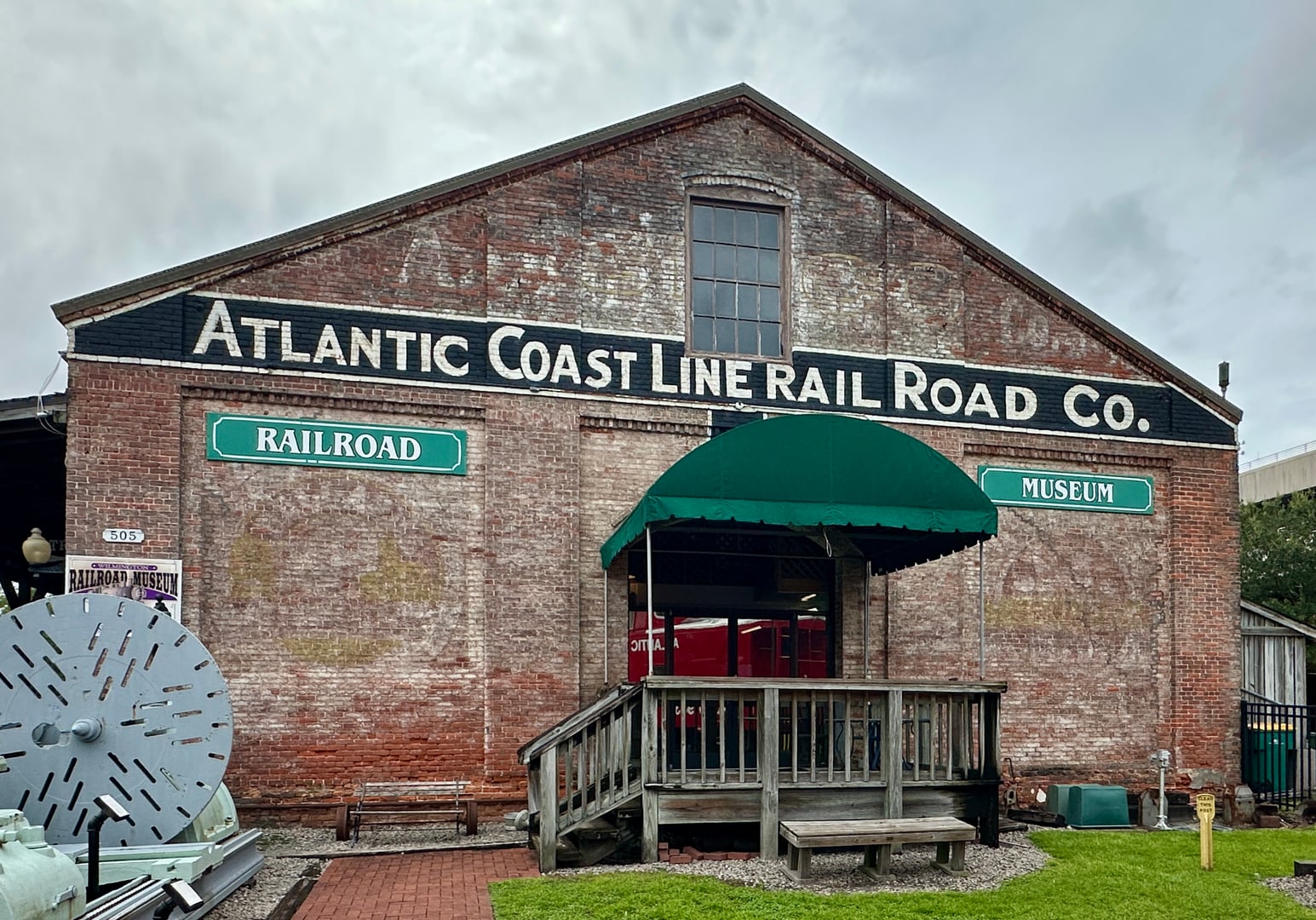
Wilmington Railroad Museum exterior at 505 Nutt Street, Wilmington NC
Photo coming soon
Museum / Historical Site

Wilmington Railroad Museum

Wilmington, NC

The Wilmington Railroad Museum at 505 Nutt Street in Wilmington, North Carolina has operated since 1979 in a late-1800s warehouse preserving the history of the Atlantic Coast Line Railroad, headquartered in Wilmington from 1840 until its move to Jacksonville in 1960. The building is part of Wilmington's broader downtown waterfront railroad heritage corridor.

$ All Ages Family: High
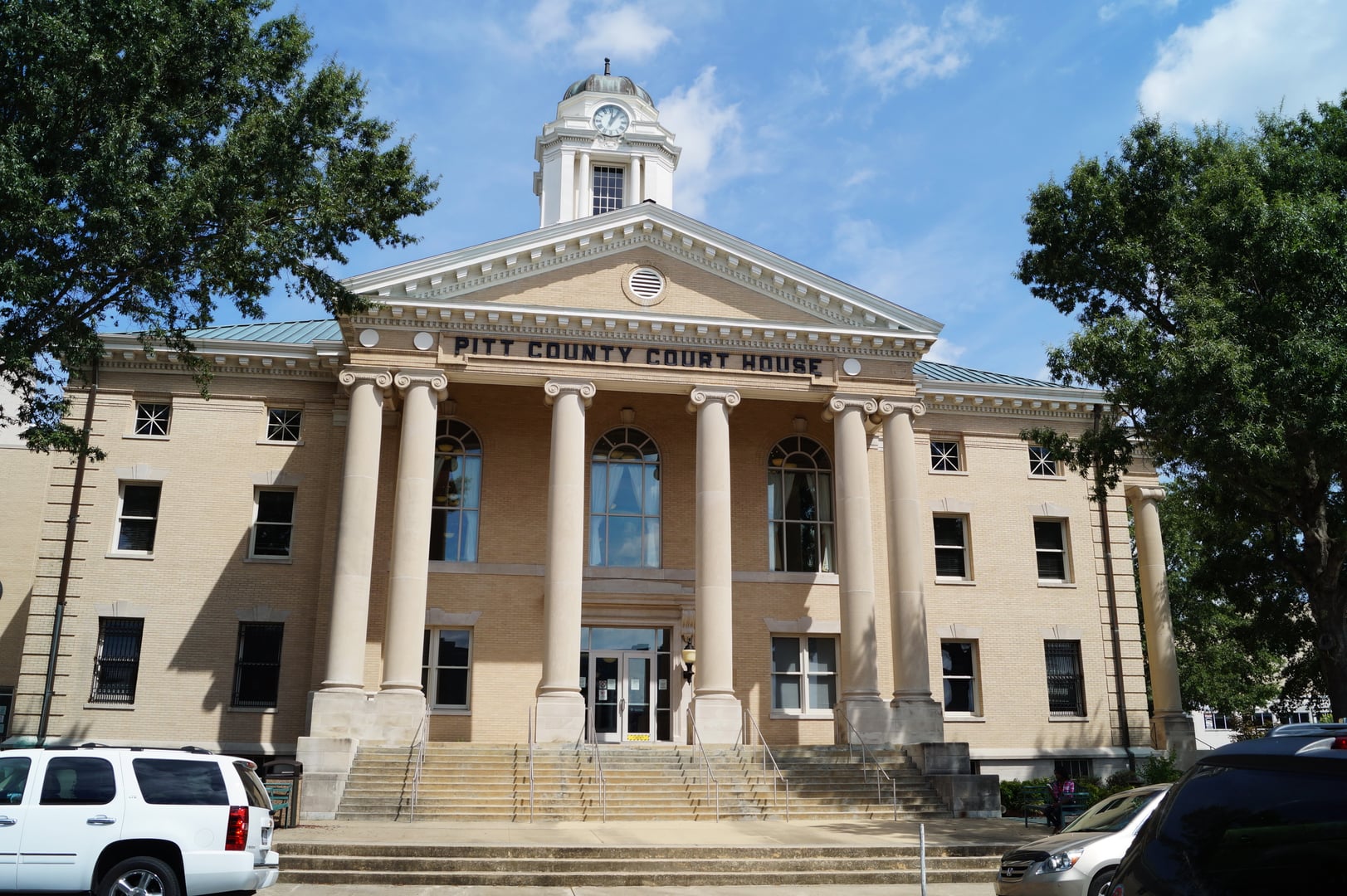
Exterior of the historic Snow Building, a 1933 Art Deco office tower at 331 W Main Street in downtown Durham, North Carolina.
Museum / Historical Site

Snow Building

Durham, NC

Completed in 1930 and designed by Durham architect George Watts Carr Sr. with George W. Kane as general contractor, the Snow Building is considered — alongside the Kress Building — one of Durham's two most elaborate Art Deco buildings. It was developed by Anna Exum Snow on family land gifted to her as a wedding present and continues to function as offices, retail, and a rooftop penthouse.

$ All Ages Family: High
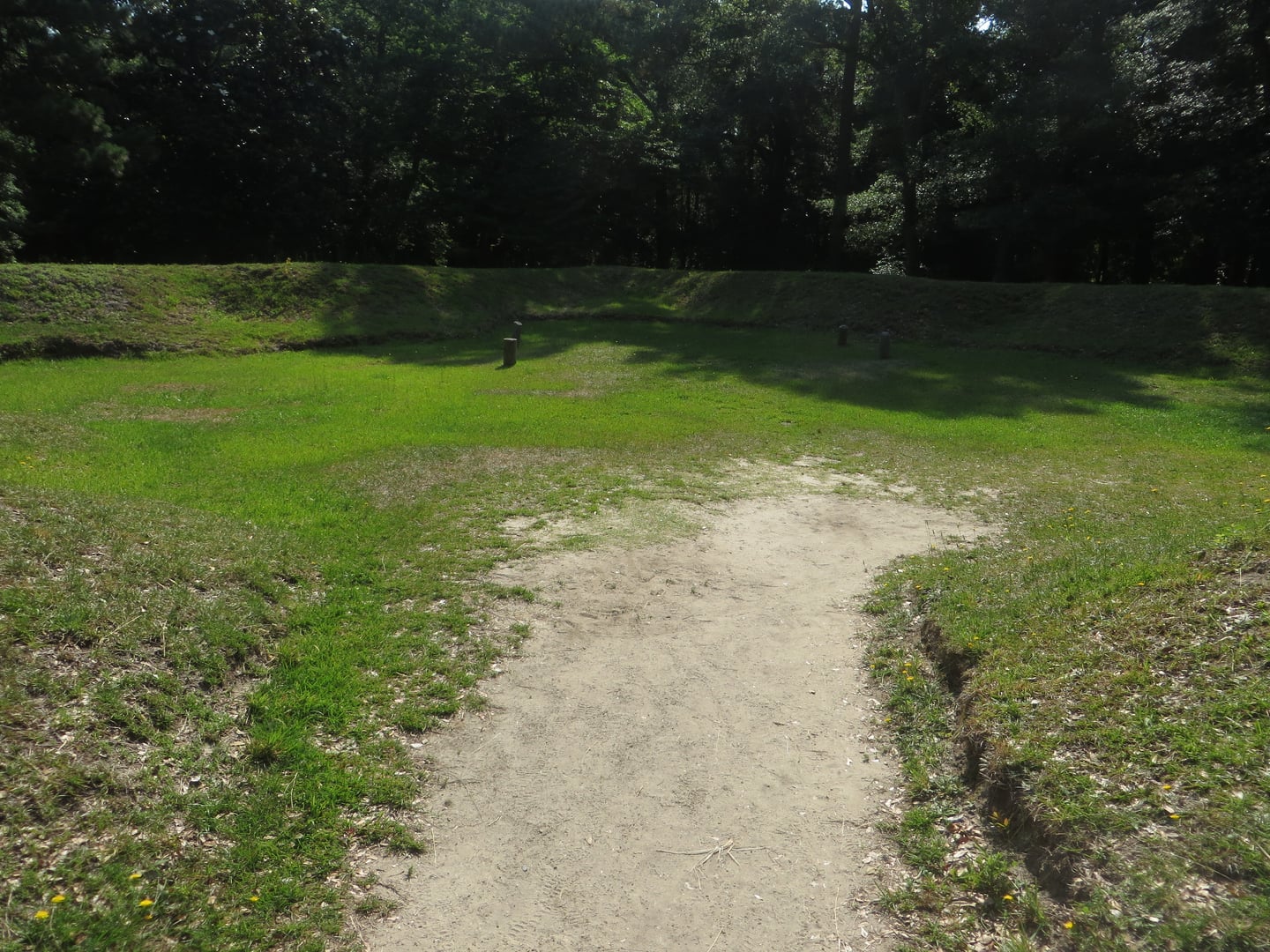
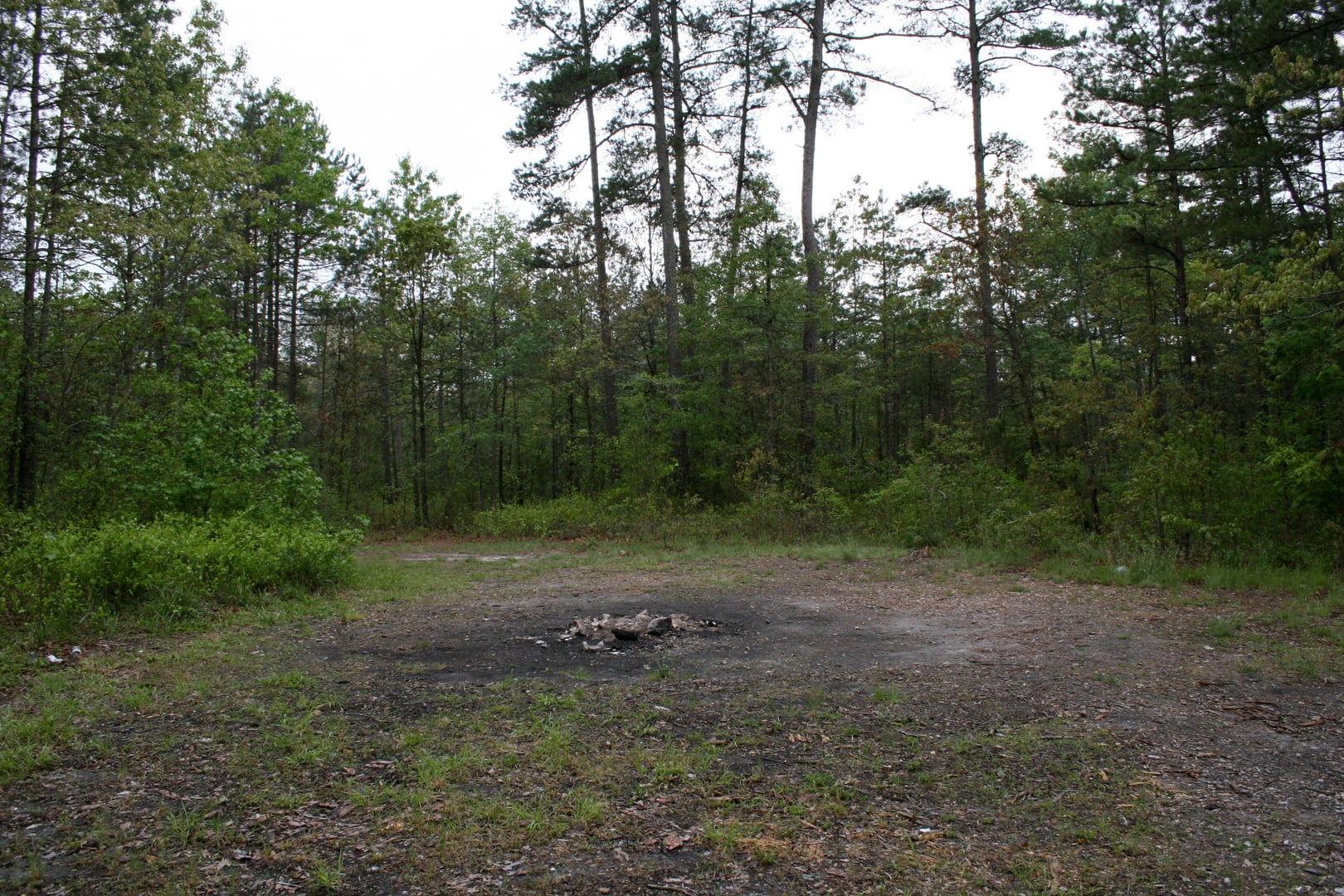
The Devil's Tramping Ground bare-earth circle in the woods of Chatham County, North Carolina
Outdoor / Natural Site

Devil's Tramping Ground

Bear Creek, NC

The Devil's Tramping Ground in Chatham County, North Carolina is a 40-foot circle of bare earth where a foot-wide path supports no vegetation. Written accounts date to the 1800s; oral accounts extend to before the American Revolution. The site sits ten miles from Siler City in the Harper's Crossroads area of Bear Creek and appears on state historical records through the NCpedia and Visit North Carolina databases.

$ All Ages Family: High
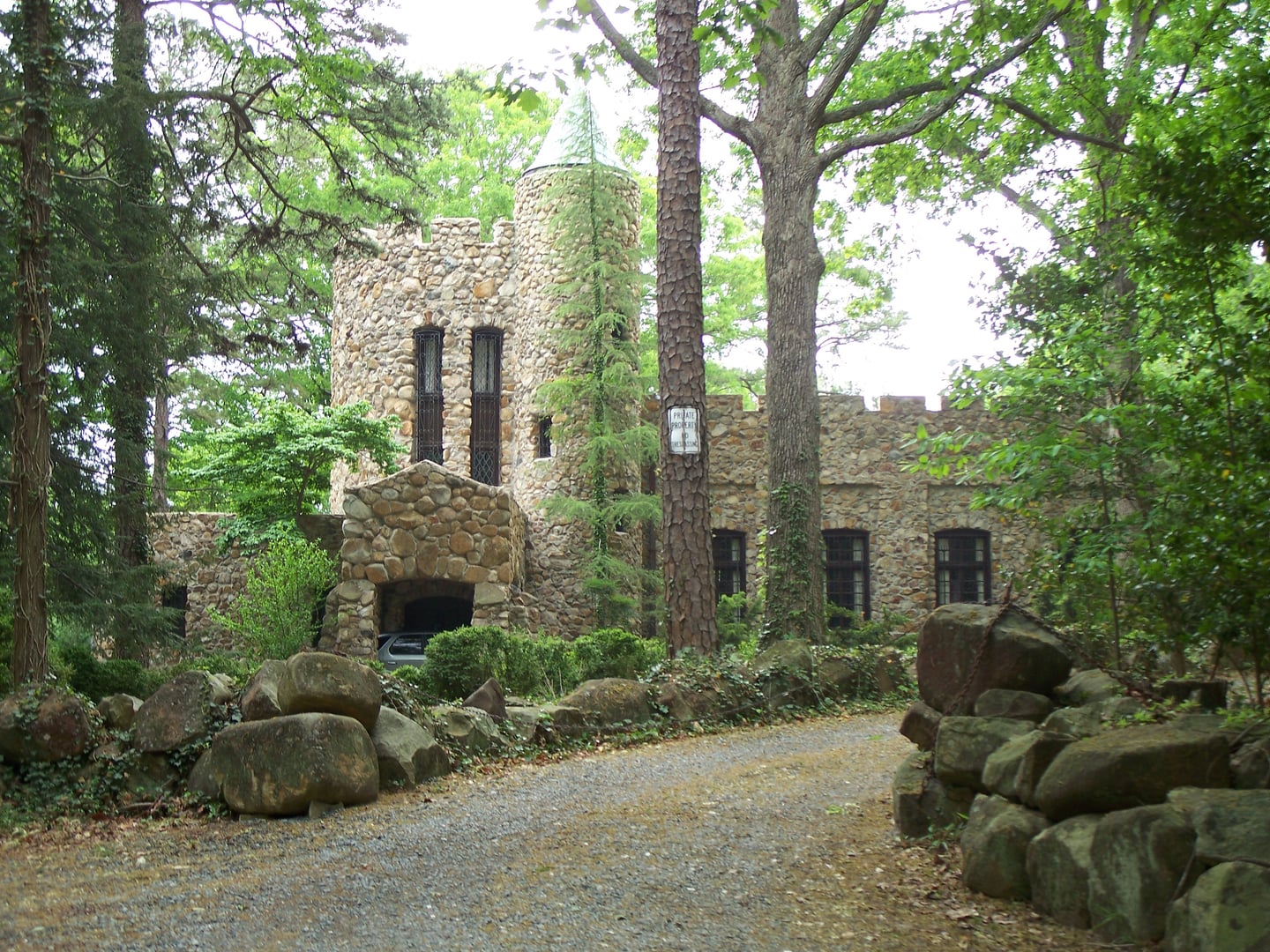
Fieldstone exterior of Gimghoul Castle on Point Prospect in Chapel Hill, North Carolina, the 1926 meeting lodge of the University of North Carolina secret society the Order of Gimghoul.
Haunted House / Historic Home

Gimghoul Castle (Dromgoole's Castle)

Chapel Hill, NC

Gimghoul Castle is the Chapel Hill, North Carolina, headquarters of the Order of Gimghoul, a secret society founded in 1889 at the University of North Carolina. The fieldstone building was completed in 1926 by Waldensian stonemasons from Valdese, North Carolina. It sits near Battle Park and is closed to the public.

$ All Ages Family: Moderate

More in North Carolina

Asheville — 13

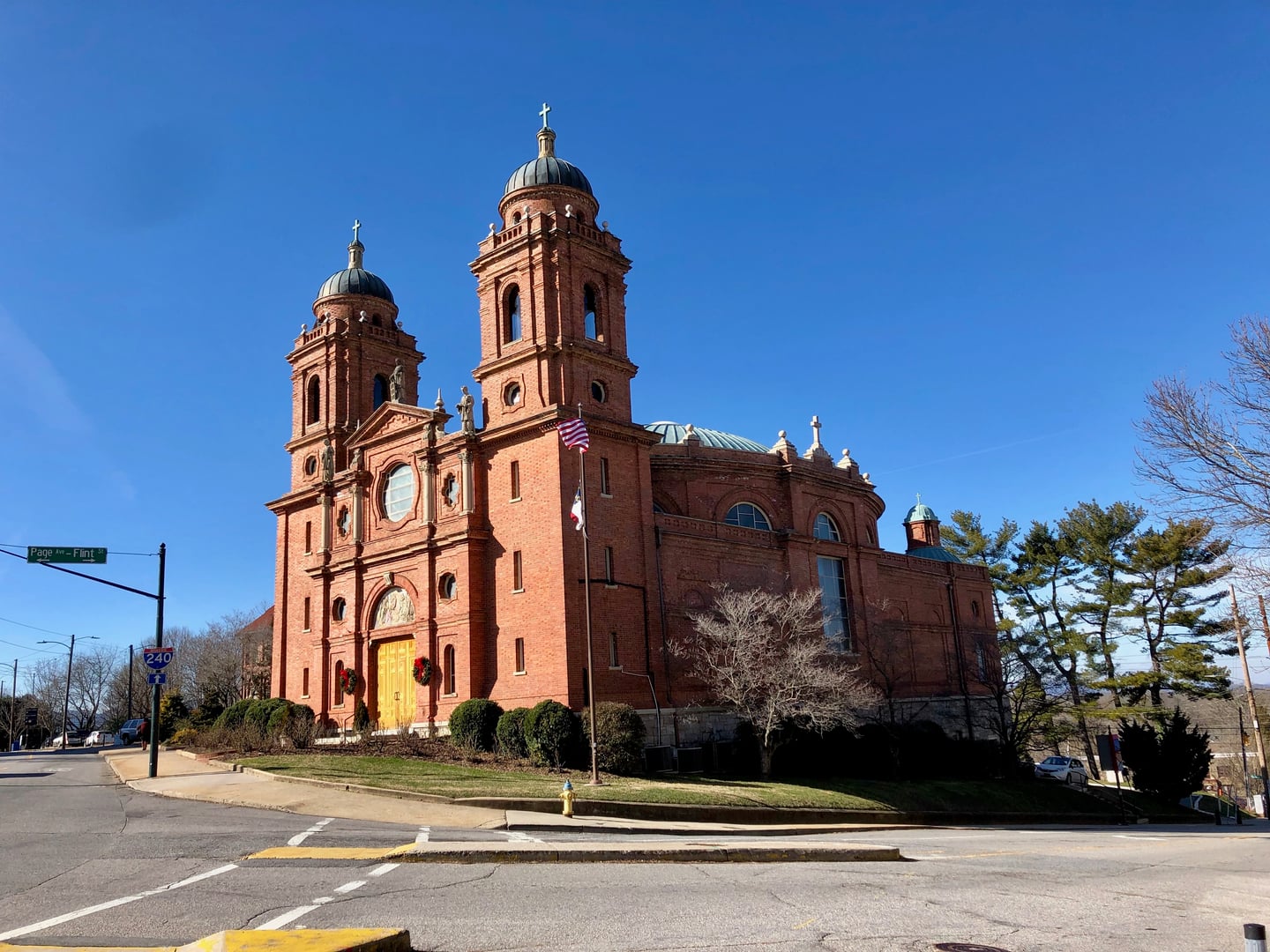
Spanish Renaissance Revival facade and tile dome of the Basilica of St. Lawrence on Haywood Street in downtown Asheville, North Carolina, a minor basilica completed in 1909.
Other Dark Tourism Site

Basilica of St. Lawrence

Asheville, NC

The Basilica of St. Lawrence is a Spanish Renaissance Revival Catholic church completed in 1909, designed by Spanish architect Rafael Guastavino with R.S. Smith. Its 58-by-82-foot freestanding tile dome is reported as the largest of its kind in North America. Pope John Paul II elevated the church to minor basilica status in 1993.

$ All Ages Family: High
Molly Must's rooster mural at the entrance to Chicken Alley in downtown Asheville
Photo coming soon
Outdoor / Natural Site

Chicken Alley

Asheville, NC

Chicken Alley is a short downtown Asheville passageway between North Lexington Avenue and Carolina Lane, near Woodfin Street. The alley is named for the chicken-processing plant operated by Sam and Argie Young that once stood there, and is now defined by Molly Must's 2011 rooster mural.

$ All Ages Family: High
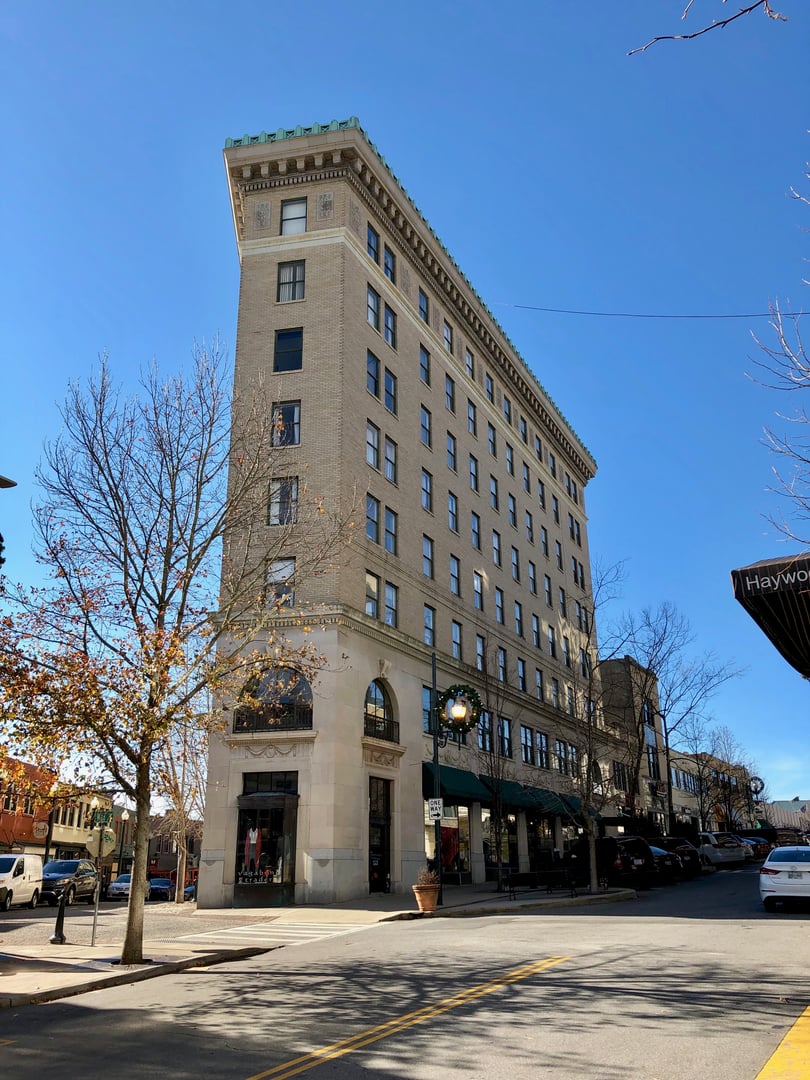
Vertical view of the nine-story 1926 Flat Iron Building at Battery Park Avenue and Wall Street in downtown Asheville, North Carolina.
Haunted Hotel / Inn

Flatiron Building (Flat Iron Hotel)

Asheville, NC

The Flatiron Building is a nine-story, 52,000-square-foot Beaux-Arts office building at the corner of Battery Park Avenue and Wall Street, completed in 1926 by architect Albert C. Wirth for developer L.B. Jackson as part of E.W. Grove's Battery Park Hill redevelopment. It opened on May 15, 2024 as the 71-room Flat Iron Hotel after a multi-year restoration.

$$$ All Ages Family: Moderate
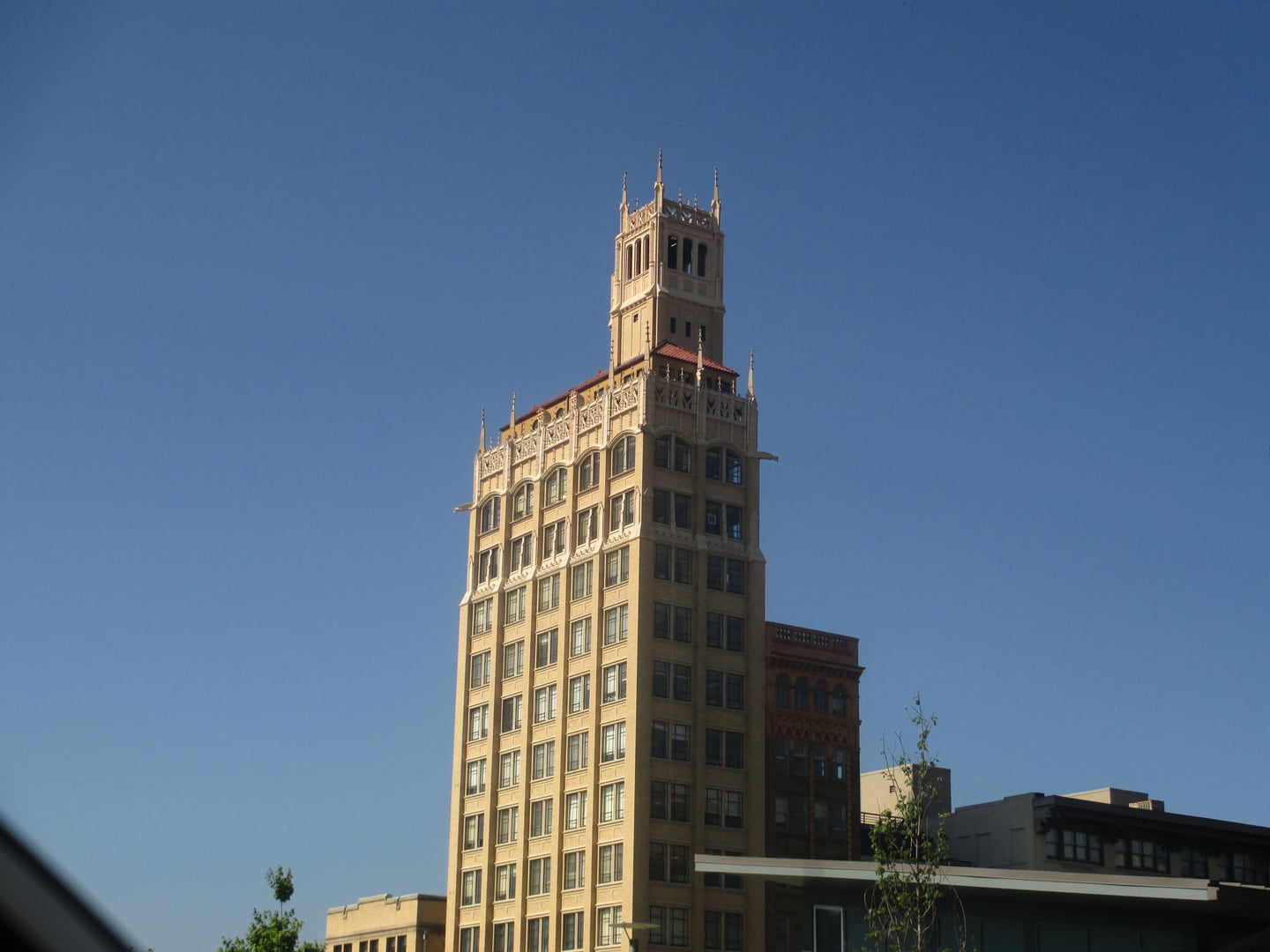
Neo-Gothic terra-cotta facade of the 1924 Jackson Building, the first skyscraper in western North Carolina, rising over Pack Square in downtown Asheville.
Museum / Historical Site

Jackson Building

Asheville, NC

The Jackson Building is a 15-story, 140-foot neo-Gothic skyscraper completed in 1924 on Pack Square, the first skyscraper in Western North Carolina. Developer Lynwood B. Jackson commissioned architect Ronald Greene to design it on a 27-by-60-foot lot previously occupied by Thomas Wolfe's father's tombstone business.

$ All Ages Family: Moderate
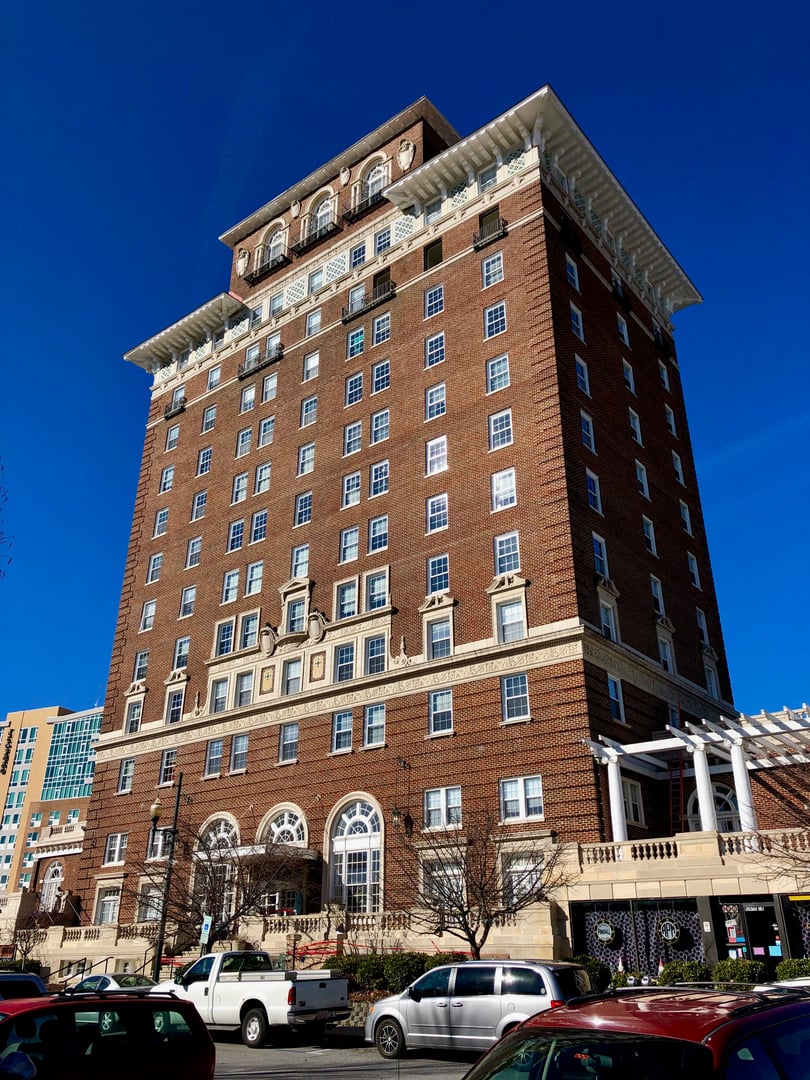
Battery Park Hotel 14-story Renaissance Revival brick tower in downtown Asheville, North Carolina
Other Dark Tourism Site

Battery Park Hotel

Asheville, NC

The Battery Park Hotel is a 14-story brick Renaissance Revival hotel completed in 1924 in downtown Asheville. Built by tonic magnate Edwin W. Grove on the leveled site of an earlier 1886 Queen Anne hotel of the same name, the building closed as a hotel in 1972 and was converted into senior apartments, which it remains today.

$ All Ages Family: Moderate
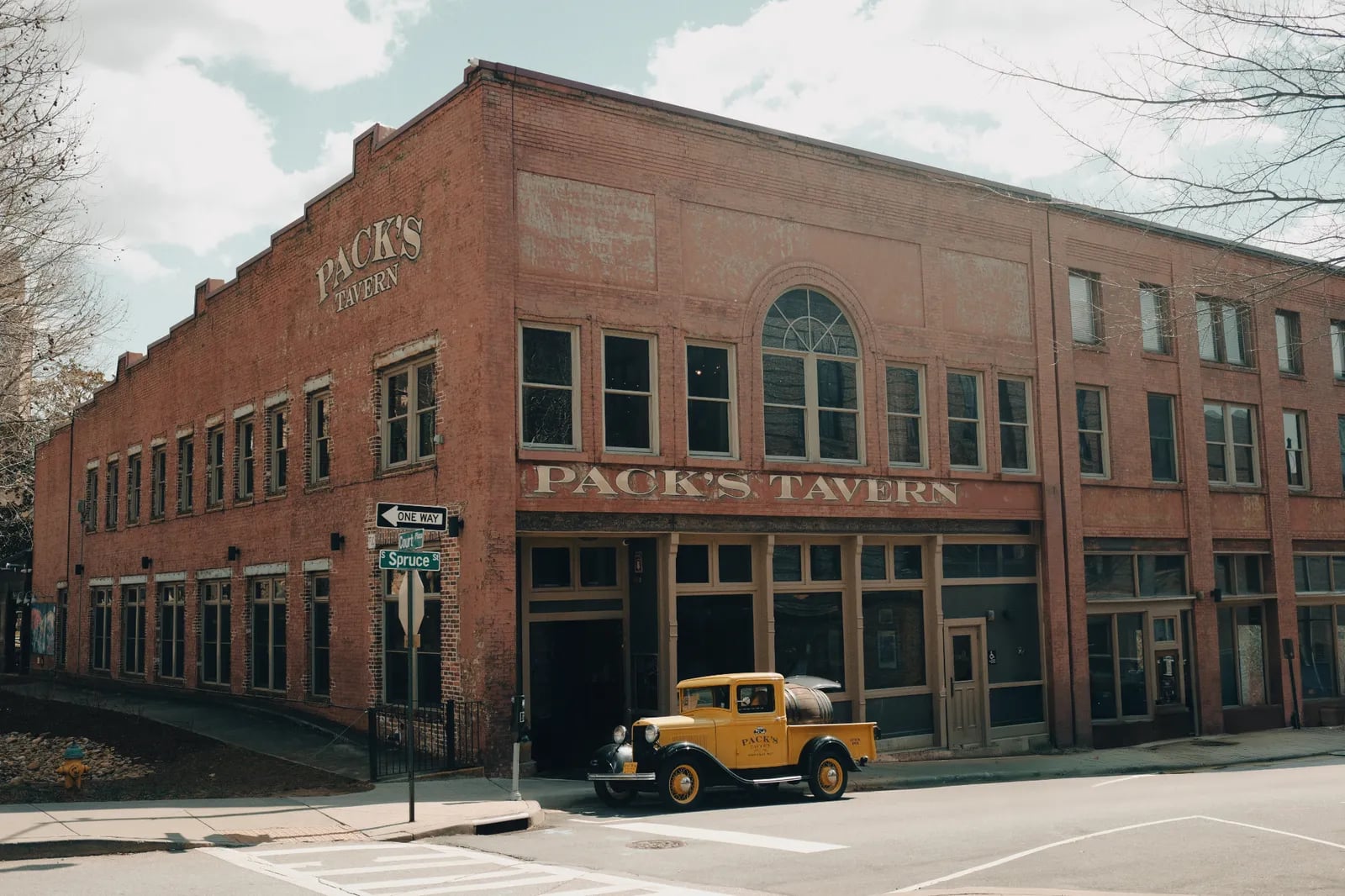
Exterior front facade of the restored 1907 Hayes and Hopson Building housing Pack's Tavern at 20 S Spruce Street in downtown Asheville, North Carolina
Haunted Dining / Bar

Pack's Tavern

Asheville, NC

Pack's Tavern occupies the Hayes and Hopson Building, built in 1907 as a lumber supply warehouse behind Pack Square. During Prohibition (1920-1933), the basement was a major moonshine distribution hub linked by an underground tunnel under Eagle Street. The building became Pack's Tavern in 2010.

$$ All Ages Family: Moderate
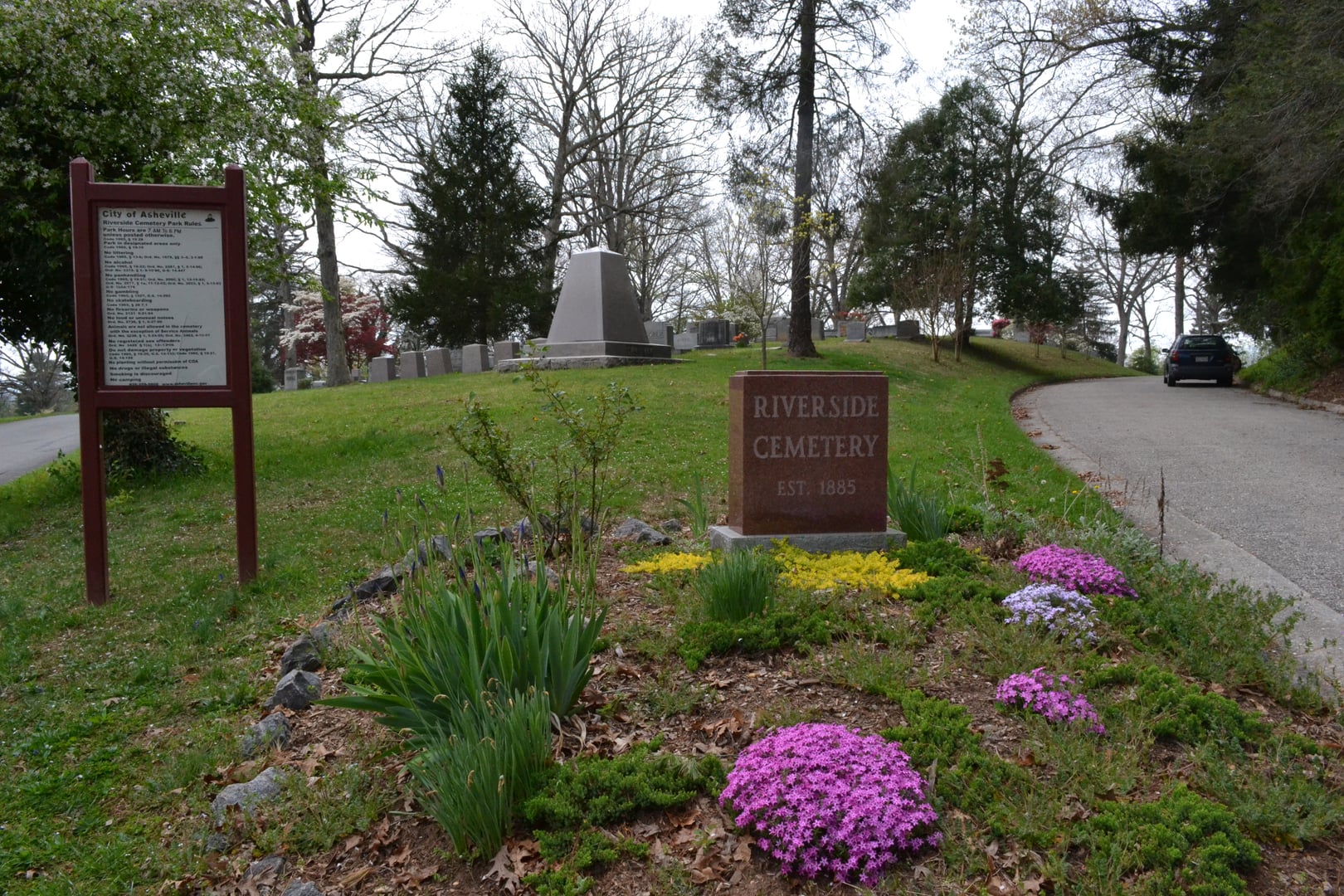
Headstones and shaded paths at Riverside Cemetery in Asheville, North Carolina, burial place of Thomas Wolfe and O. Henry.
Cemetery / Burial Ground

Riverside Cemetery

Asheville, NC

Riverside Cemetery was founded on August 4, 1885 by the Asheville Cemetery Company as a garden-style burial ground in the Montford neighborhood. The 87-acre site contains more than 13,000 burials including writers Thomas Wolfe and O. Henry, and sits near the location of the 1865 Battle of Asheville. The City of Asheville has owned and operated the cemetery since 1952.

$ All Ages Family: High
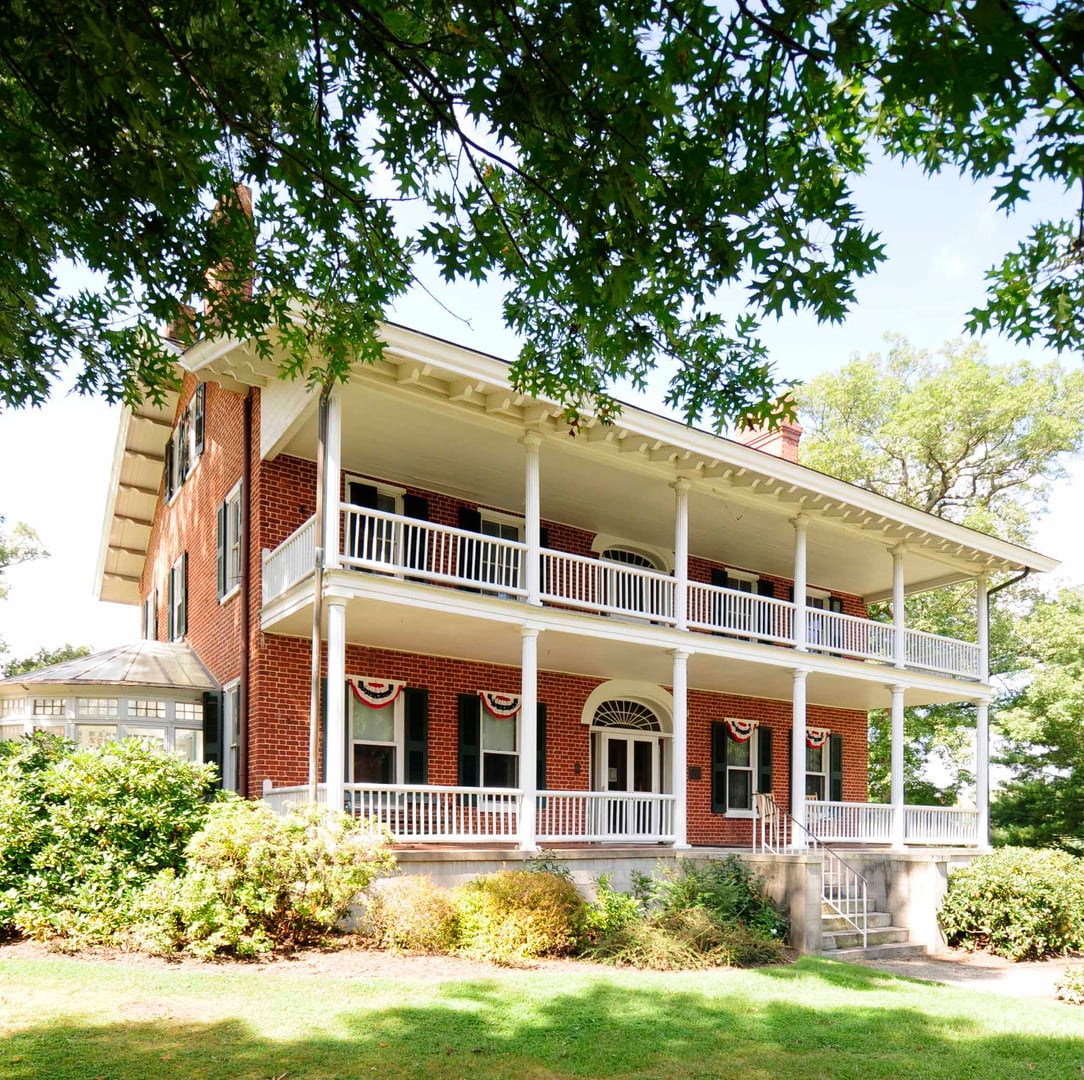
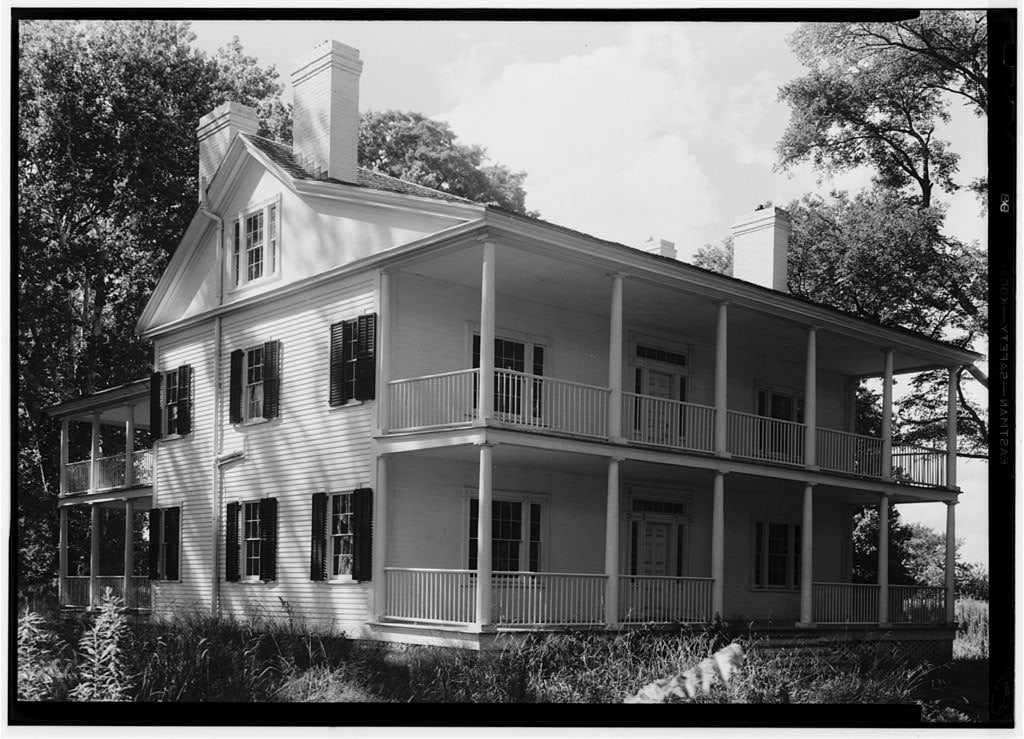
Brick Greek Revival facade of the c.1840 Smith-McDowell House on Victoria Road in Asheville, North Carolina, the oldest brick home in Buncombe County.
Haunted House / Historic Home

Smith-McDowell House

Asheville, NC

The Smith-McDowell House is a c.1840 brick Greek Revival mansion in Asheville — the oldest surviving brick structure in Buncombe County — built by James McConnell Smith, one of the county's largest enslavers. The house was added to the National Register in 1975 and now operates as the Asheville Museum of History under the Western North Carolina Historical Association.

$$ All Ages Family: Moderate
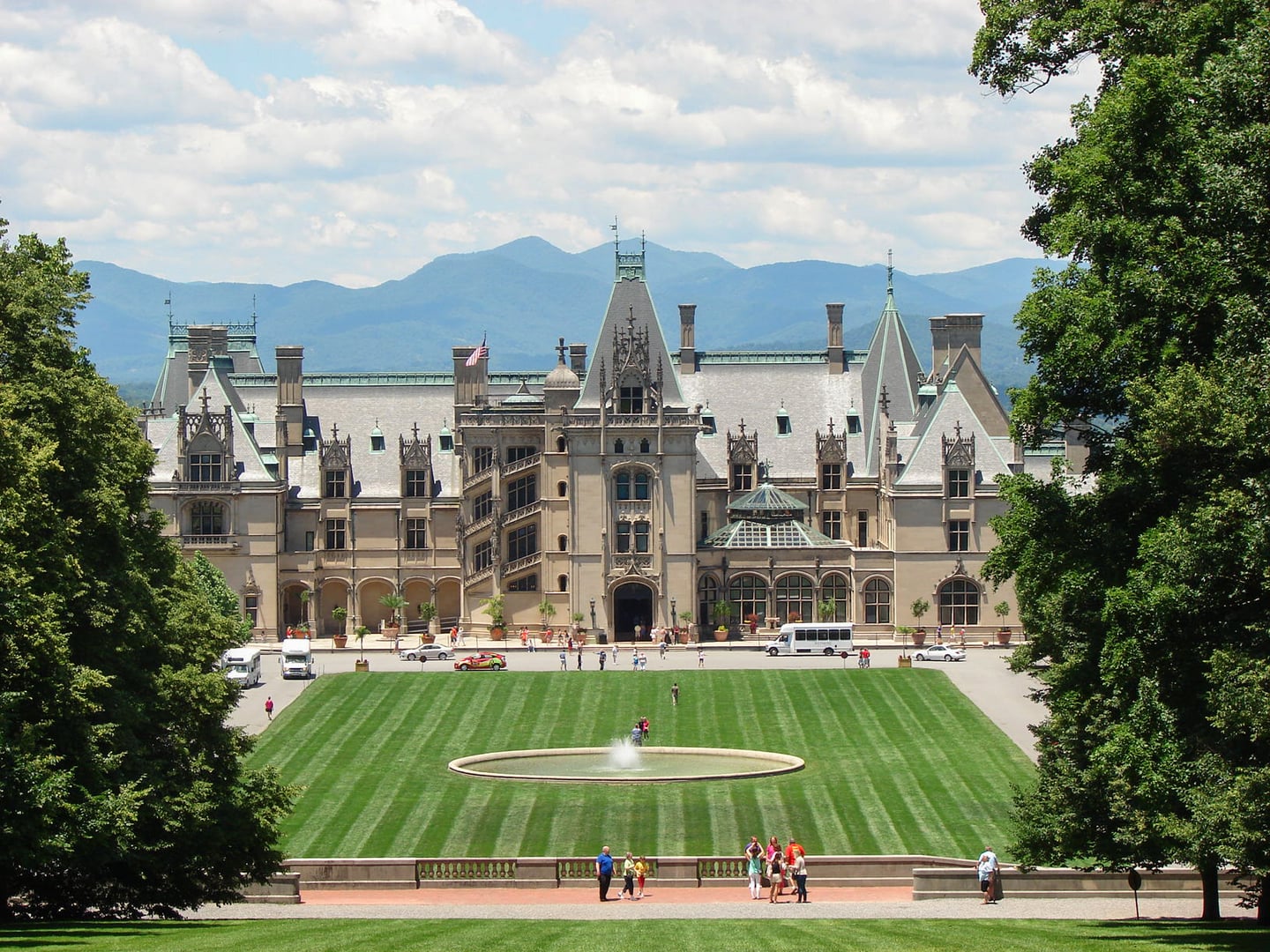
Biltmore Estate front facade in Asheville North Carolina, 1895 Vanderbilt 250-room mansion
Haunted House / Historic Home

The Biltmore Estate

Asheville, NC

The Biltmore Estate in Asheville, North Carolina was designed by Richard Morris Hunt and constructed between 1889 and 1895 for George Washington Vanderbilt II. At 178,926 square feet with 250 rooms, it remains the largest privately owned house in the United States. Vanderbilt died unexpectedly in 1914 from complications following an appendectomy; the estate has been open to the public since 1930 and was designated a National Historic Landmark in 1963.

$$$ All Ages Family: High
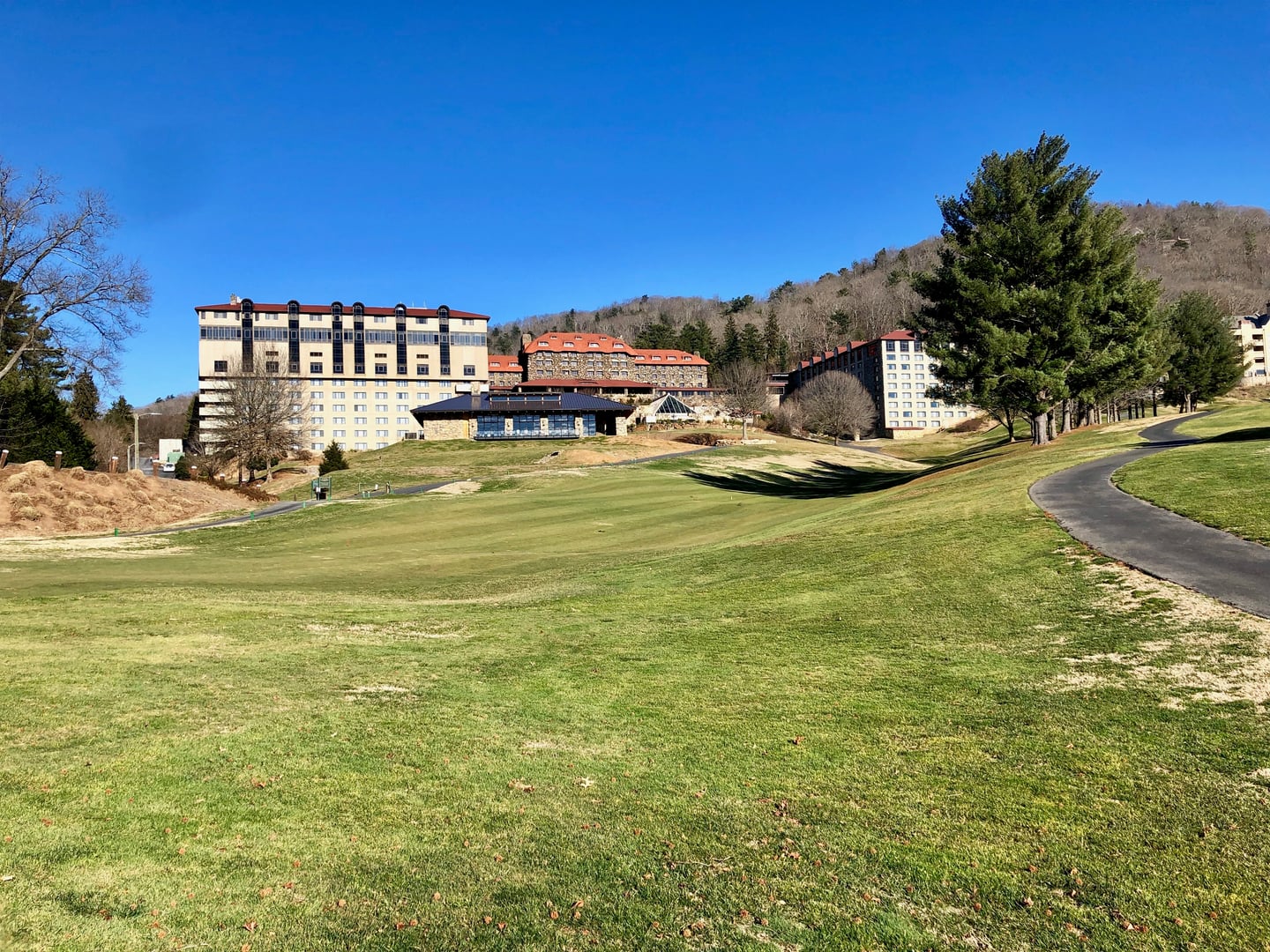
Granite Arts and Crafts facade of The Grove Park Inn on Sunset Mountain in Asheville, North Carolina
Haunted Hotel / Inn

The Grove Park Inn

Asheville, NC

The Grove Park Inn opened on July 12, 1913, built in just under a year by St. Louis pharmaceutical magnate Edwin Wiley Grove and his son-in-law Fred Loring Seely. The Arts and Crafts resort is faced with native granite hauled from Sunset Mountain.

$$$$ All Ages Family: High
Queen Anne Victorian Old Kentucky Home boardinghouse, the Thomas Wolfe Memorial, on North Market Street in downtown Asheville, North Carolina.
Museum / Historical Site

Thomas Wolfe Memorial (Old Kentucky Home)

Asheville, NC

The Thomas Wolfe Memorial is the 29-room Queen Anne boardinghouse 'Old Kentucky Home,' purchased in 1906 by Julia Wolfe and immortalized as 'Dixieland' in her son Thomas Wolfe's 1929 novel Look Homeward, Angel. The house was built in 1883 and designated a National Historic Landmark in 1971.

$ All Ages Family: High
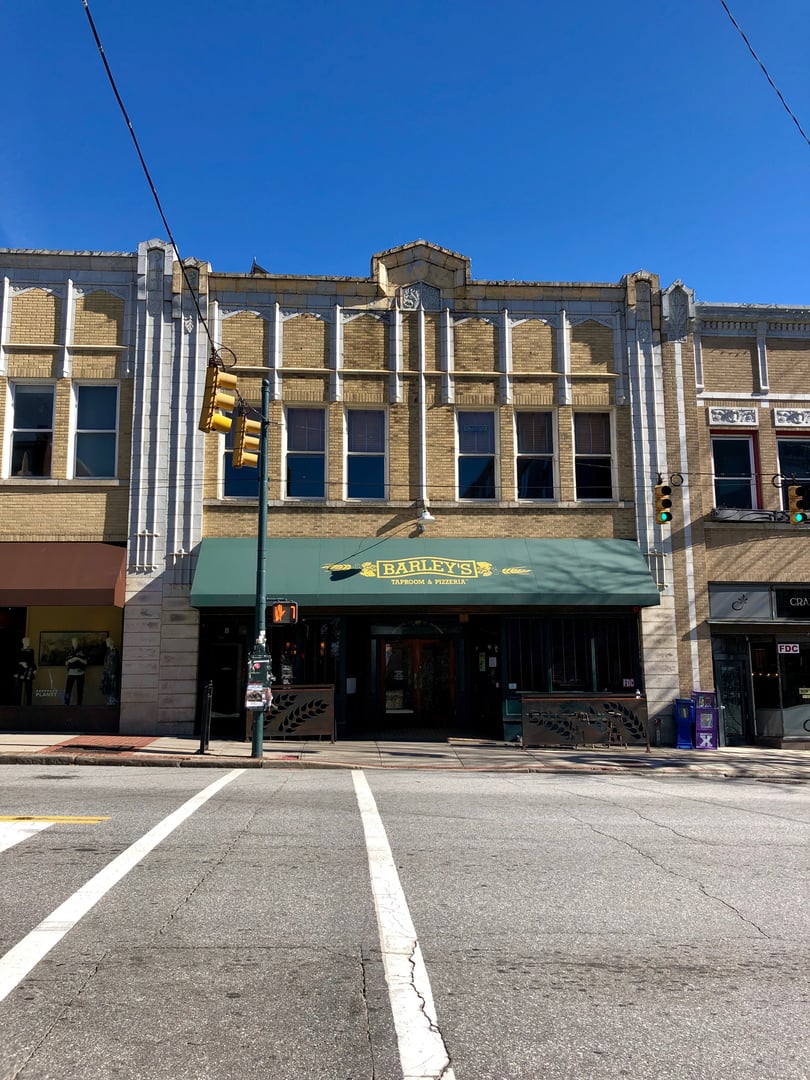
Barley's Taproom storefront on Biltmore Avenue, downtown Asheville
Photo coming soon
Haunted Dining / Bar

Barley's Taproom & Pizzeria

Asheville, NC

Barley's Taproom occupies a 1920s commercial building on Biltmore Avenue, originally constructed as the Wright Building / Albert-Brown Appliance store. The wider block sits in the historic core of downtown Asheville near the site of the 1906 Will Harris mass shooting, an event that left five people dead — two police officers and three Black civilians — and remains one of the city's most consequential incidents of early-20th-century racial violence.

$$ All Ages Family: Moderate
The 1847 Reynolds House in Asheville, North Carolina, a pre-Civil War brick mansion listed on the National Register of Historic Places.
Haunted Hotel / Inn

Reynolds Mansion

Asheville, NC

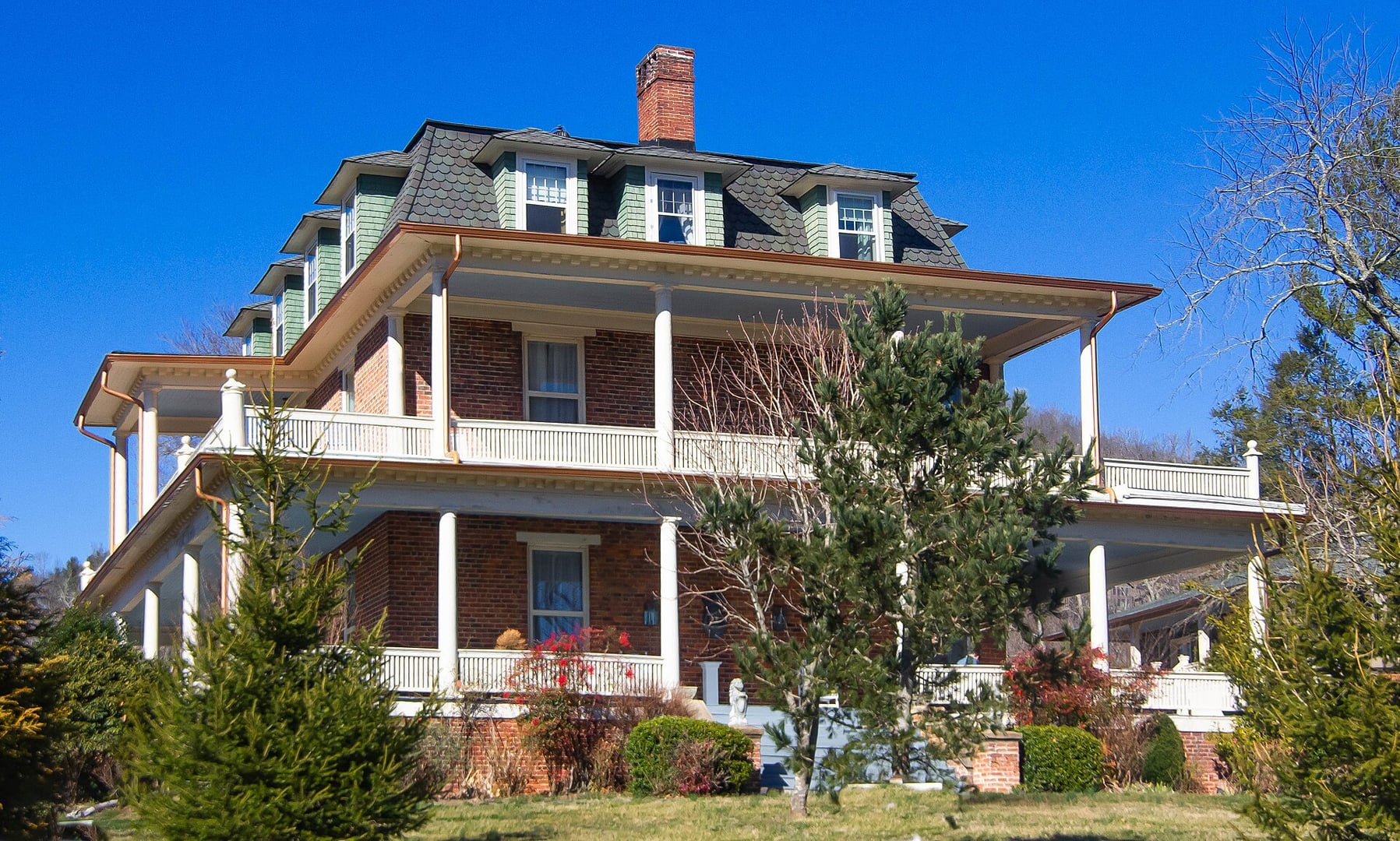
Colonel Daniel Reynolds built this 'double-pile' brick home on a knoll of Reynolds Mountain in 1847 on roughly 1,500 acres given to his wife Susan Adelia Baird by her father Israel Baird. The house remained in the Reynolds family until 1972, when it became a bed-and-breakfast. It was listed on the National Register of Historic Places on September 13, 1984 and is one of fewer than ten surviving pre-Civil War brick houses in Western North Carolina.

$$$ All Ages Family: Moderate

Charlotte — 12

Loonis McGlohon Theatre at Spirit Square — 1909 former First Baptist Church in downtown Charlotte, North Carolina
Photo coming soon
Theater / Performance Venue

Loonis McGlohon Theatre at Spirit Square

Charlotte, NC

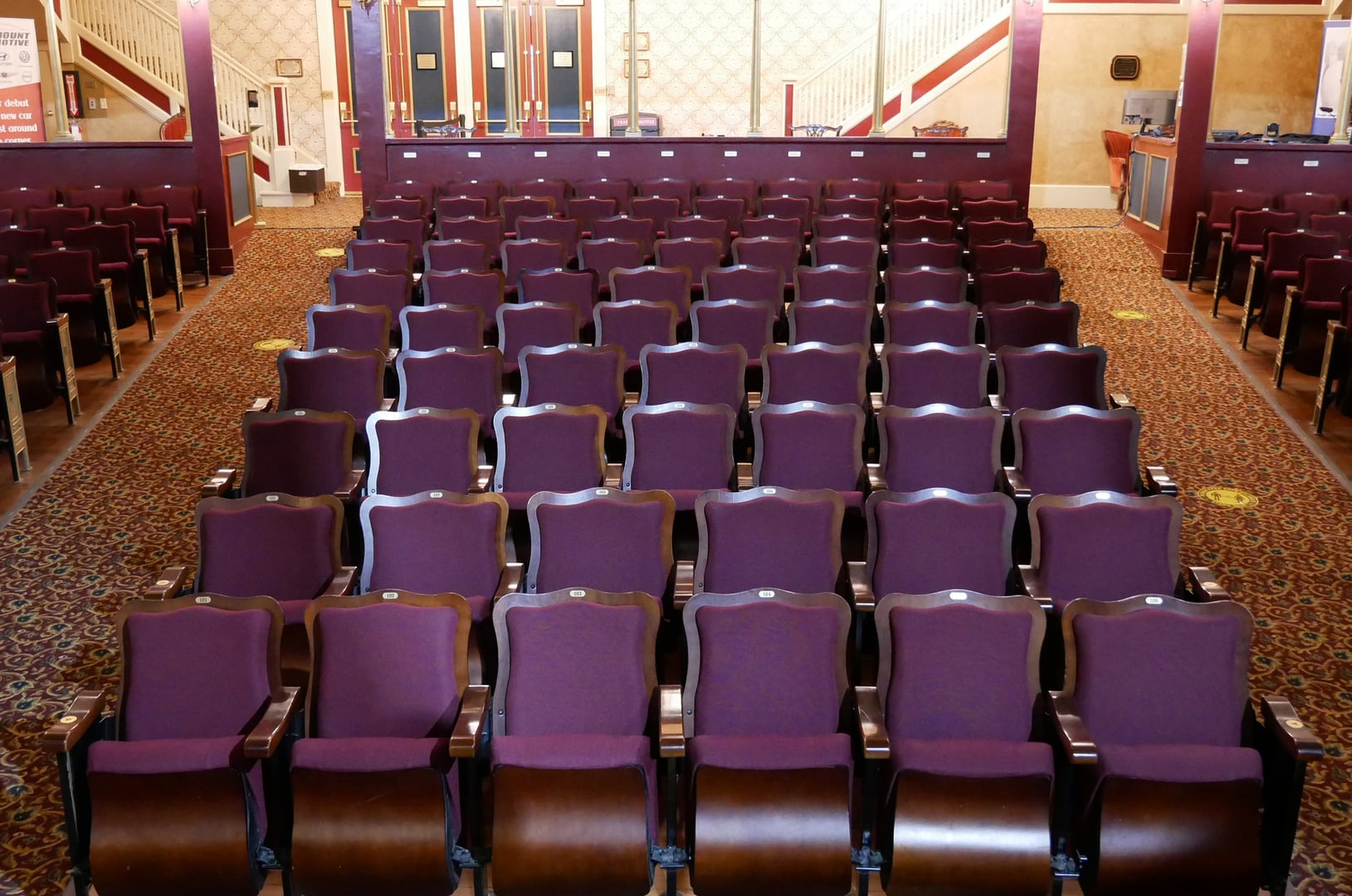
The Loonis McGlohon Theatre occupies the 1909 former First Baptist Church sanctuary in downtown Charlotte, North Carolina. The building was converted to a performing-arts venue in 1976 as the centerpiece of Spirit Square, an arts campus now operated by Blumenthal Performing Arts. The theater is named for the late Charlotte jazz pianist and composer Loonis McGlohon.

$$ All Ages Family: High
Stone ruins of the Lucas Family Grist Mill along McAlpine Creek greenway trail
Photo coming soon
Outdoor / Natural Site

McAlpine Creek Park

Charlotte, NC

McAlpine Creek Greenway, opened in 1978 as North Carolina's first Piedmont public greenway, follows a creek corridor near Charlotte's Independence Boulevard. The trail passes the ruins of the Lucas Family Grist Mill, constructed in the early 1900s on the foundations of a mill operating as early as 1820.

$ All Ages Family: High
Corner facade of Alexander Michael's tavern in the 1897 Crowell-Berryhill Store building at 401 West 9th Street in Charlotte's Fourth Ward.
Photo coming soon
Haunted Dining / Bar

Alexander Michael's (Crowell-Berryhill Store)

Charlotte, NC

The building at 401 West 9th Street was built in 1897 as the Crowell-Berryhill Store, a fixture corner-store in Charlotte's Fourth Ward in the late nineteenth and early twentieth centuries. Ernest Wiley Berryhill, who passed away in 1931, operated the store as one of the partners. Alexander Michael's Restaurant opened in the building in January 1983 and continues to operate as a neighborhood tavern.

$$ All Ages Family: High
Eastlake / Queen Anne facade of the 1894 Bootlegger House at 400 N Poplar Street in Charlotte's Fourth Ward.
Photo coming soon
Haunted House / Historic Home

Bootlegger House

Charlotte, NC

The Bootlegger House is an 1894 Queen Anne / Eastlake cottage originally built in Charlotte's Brooklyn (now Second Ward) neighborhood. When Brooklyn was demolished by urban renewal in the 1970s, Michael Trent purchased the house for $50 and paid to have it moved to its current Fourth Ward location at 400 N Poplar Street. The home is named for hidden compartments under the foyer stairs reportedly used during Prohibition.

$ All Ages Family: High
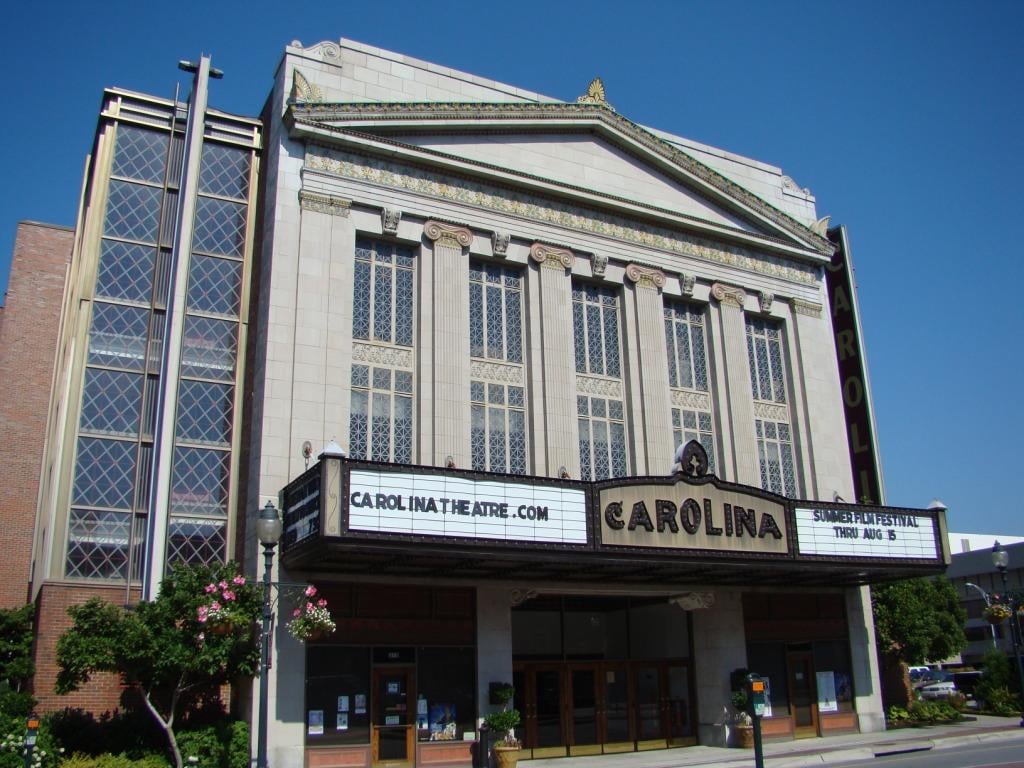
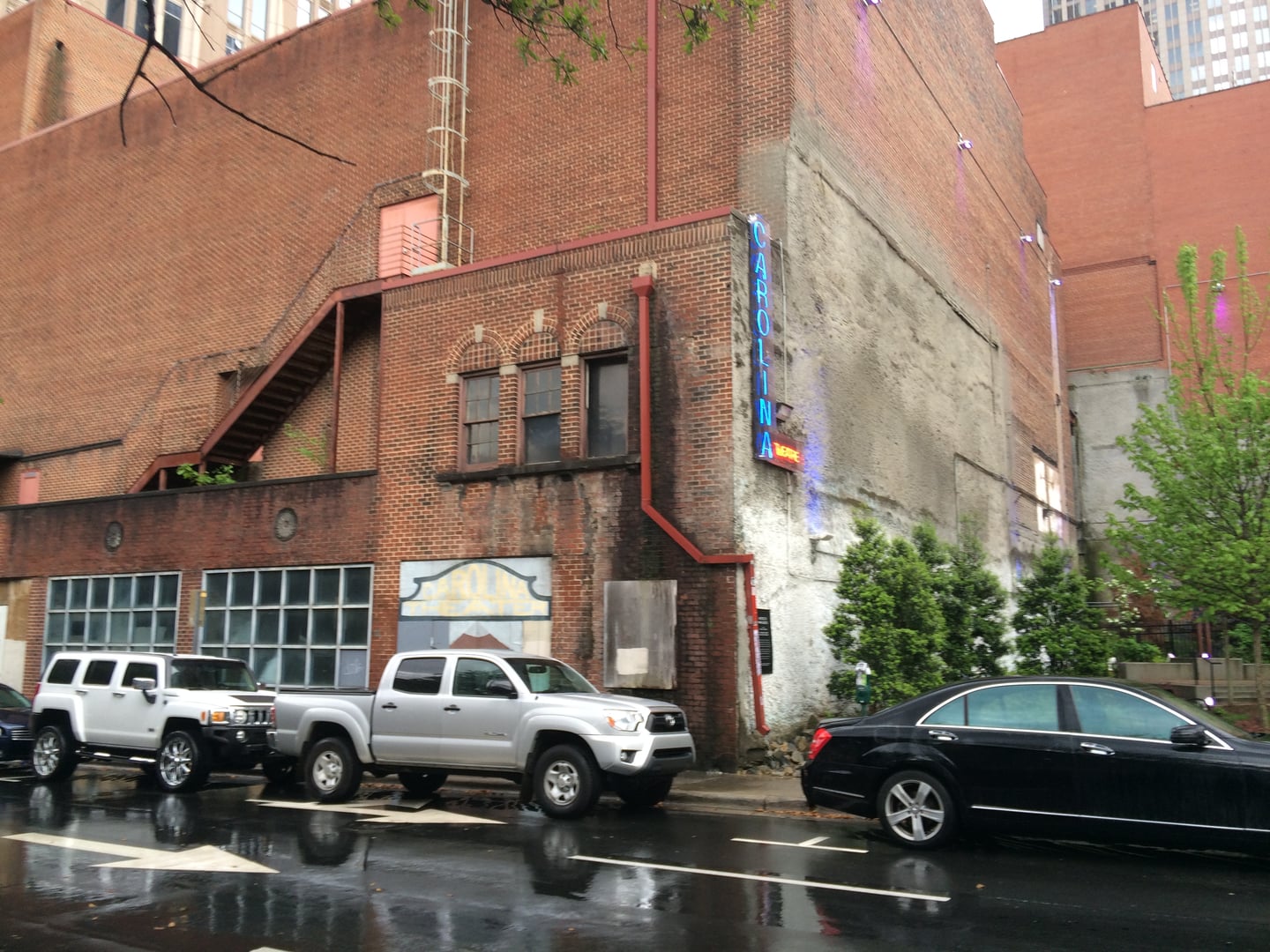
Marquee and facade of the Carolina Theatre at 230 North Tryon Street in Uptown Charlotte, North Carolina.
Photo coming soon
Theater / Performance Venue

Carolina Theatre (Charlotte)

Charlotte, NC

The Carolina Theatre at 230 North Tryon Street opened in 1927 as a movie and vaudeville palace and closed in 1978 after decades of decline. Foundation For The Carolinas led a roughly $90 million restoration campaign beginning in 2017, and the 906-seat theatre reopened in March 2025 after nearly fifty years dark, anchored to a new mixed-use development that includes the Foundation's headquarters.

$$ All Ages Family: High
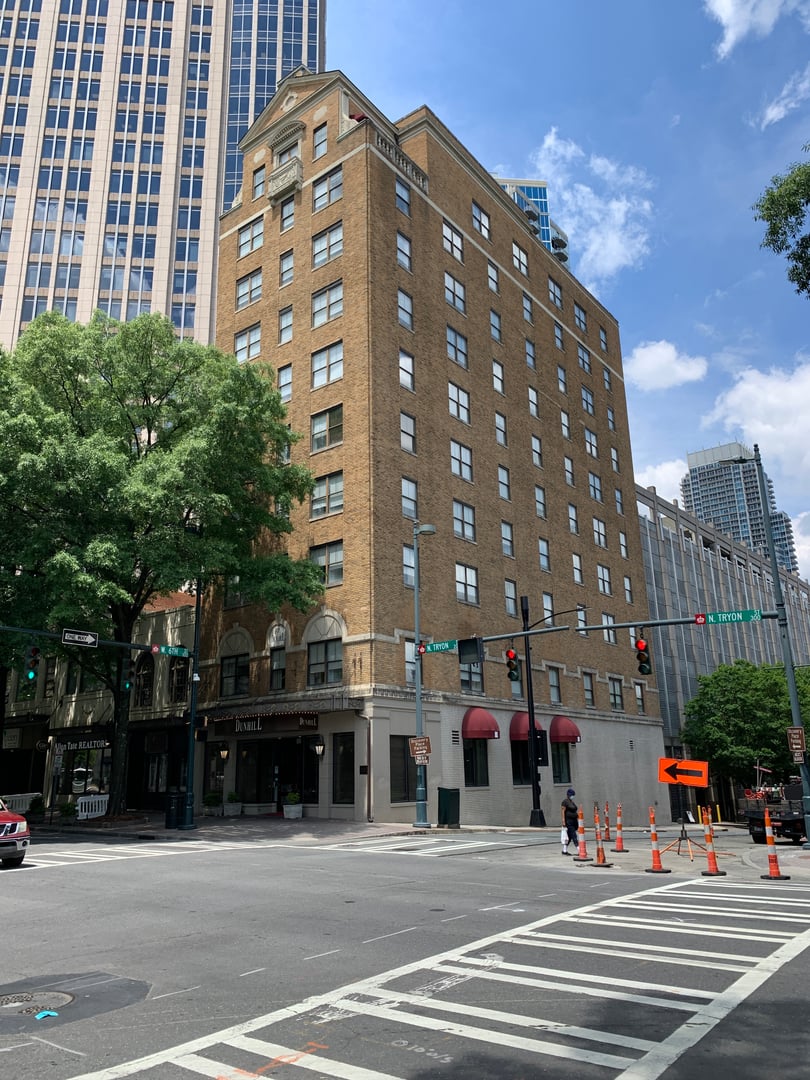
Facade of the 1929 Dunhill Hotel at 237 North Tryon Street in Uptown Charlotte, North Carolina.
Photo coming soon
Haunted Hotel / Inn

The Dunhill Hotel

Charlotte, NC

The Dunhill Hotel opened in 1929 at 237 North Tryon Street as Mayfair Manor, a 10-story Louis Asbury Sr.-designed apartment-hotel. The building sat abandoned after 1981 and was acquired by Dunhill Development for a 1988 renovation; during that work human remains were discovered in the elevator shaft. The remains were identified by Charlotte-Mecklenburg Police in May 2023 as Oliver 'Doc' Mundy, a WWII veteran from Mooresville. The Dunhill operates today as a 60-room boutique hotel on the National Register and Historic Hotels of America rosters.

$$$ All Ages Family: Moderate
Historic gravestones at Elmwood / Pinewood Cemetery in Uptown Charlotte, North Carolina.
Photo coming soon
Cemetery / Burial Ground

Elmwood / Pinewood Cemetery

Charlotte, NC

Elmwood / Pinewood Cemetery is a 72-acre historic municipal cemetery in Uptown Charlotte, established in 1853 to serve the growing city. The grounds operated as two segregated burial grounds — Elmwood for white burials and Pinewood for Black burials — with a fence separating them through the early 20th century. City Councilman Fred Alexander led the campaign that culminated in the fence's removal in January 1969.

$ All Ages Family: Moderate
Federal-style facade of Historic Rosedale on North Tryon Street in Charlotte, North Carolina.
Photo coming soon
Haunted House / Historic Home

Historic Rosedale

Charlotte, NC

Historic Rosedale is an 1815 Federal-style 15-room plantation home on the remaining nine acres of the original 900-acre Caldwell-Davidson family property. The site operates today as a house museum and event venue with regular interpretive programming and partnerships with the Charlotte Area Paranormal Society.

$$ All Ages Family: Moderate
Queen Anne / Shingle-style facade of the 1892 McNinch House at 511 North Church Street in Charlotte's Fourth Ward.
Photo coming soon
Haunted Dining / Bar

McNinch House Restaurant

Charlotte, NC

The Liddell-McNinch House was commissioned in 1892 by businessman Vinton Liddell in Charlotte's Fourth Ward and is one of the finest surviving Queen Anne / Shingle-style residences in North Carolina. Charlotte Mayor Samuel S. McNinch later acquired and lived in the home, which hosted President William Howard Taft on May 20, 1909. The house has operated as the McNinch House Restaurant since 1989 and is listed on the National Register of Historic Places.

$$$$ All Ages Family: Moderate
Facade of the 1925-era Old Fire Station No. 4 at 420 West 5th Street in Uptown Charlotte, North Carolina.
Photo coming soon
Museum / Historical Site

Old Fire Station No. 4

Charlotte, NC

Charlotte Fire Station No. 4 was built in the 1925 era and served as an active firehouse for decades. On April 1, 1934, firefighter Pruett L. Black was killed when he fell roughly 14 feet headfirst through the second-floor pole opening while responding to an alarm. The building later housed the Charlotte Firefighters Museum from 2002 to 2009 and is now an adaptive-reuse commercial property.

$ All Ages Family: High
Historic gravestones at Old Settlers' Cemetery in Uptown Charlotte, North Carolina, with First Presbyterian Church visible in the background.
Photo coming soon
Cemetery / Burial Ground

Old Settlers' Cemetery

Charlotte, NC

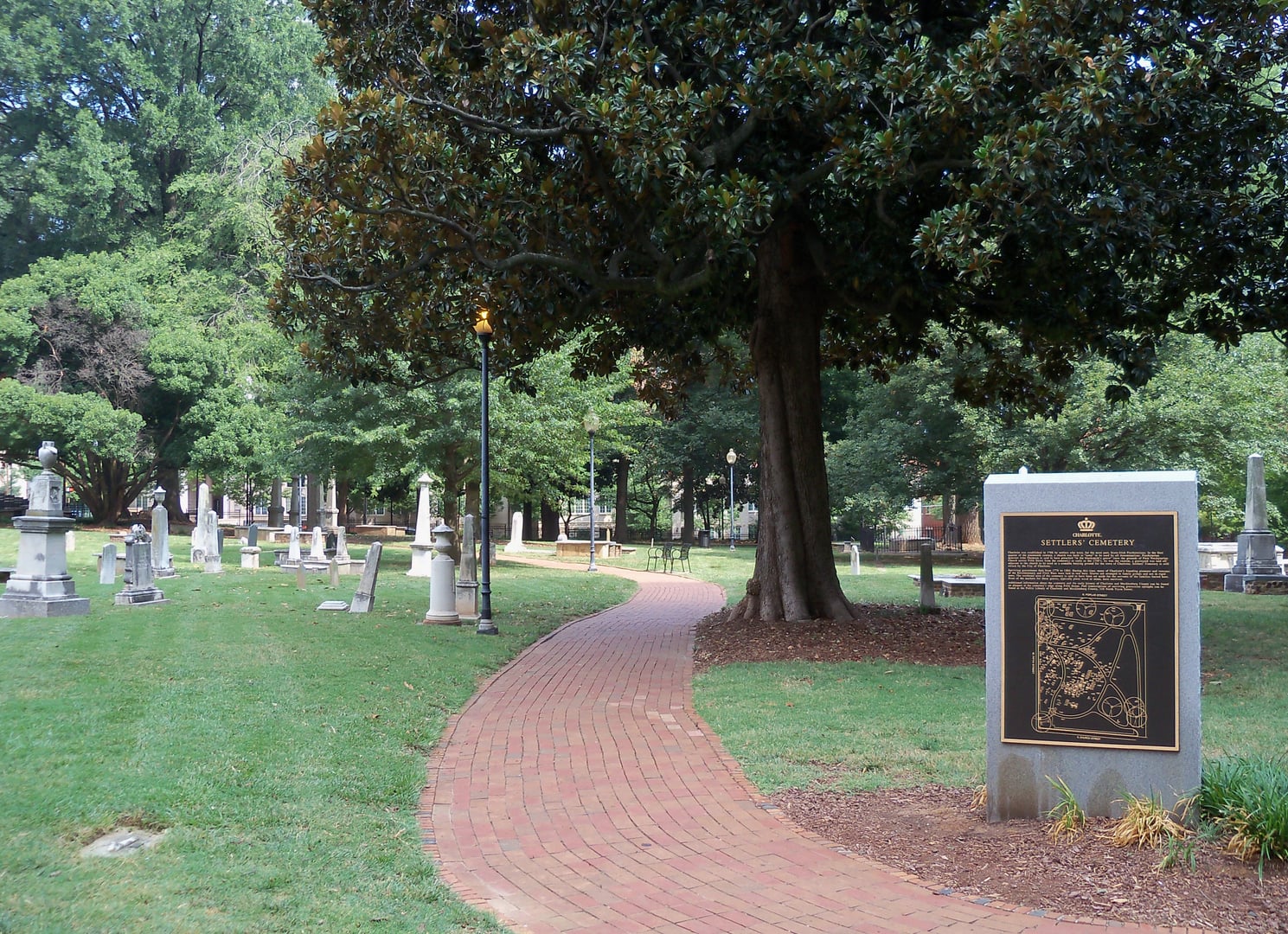
Old Settlers' Cemetery served as Charlotte's first municipal burial ground from about 1776 until 1884. It holds the graves of Revolutionary War and Civil War dead, Charlotte's founding father Colonel Thomas Polk, and North Carolina Governor Nathaniel Alexander. The City of Charlotte continues to administer the grounds today.

$ All Ages Family: High
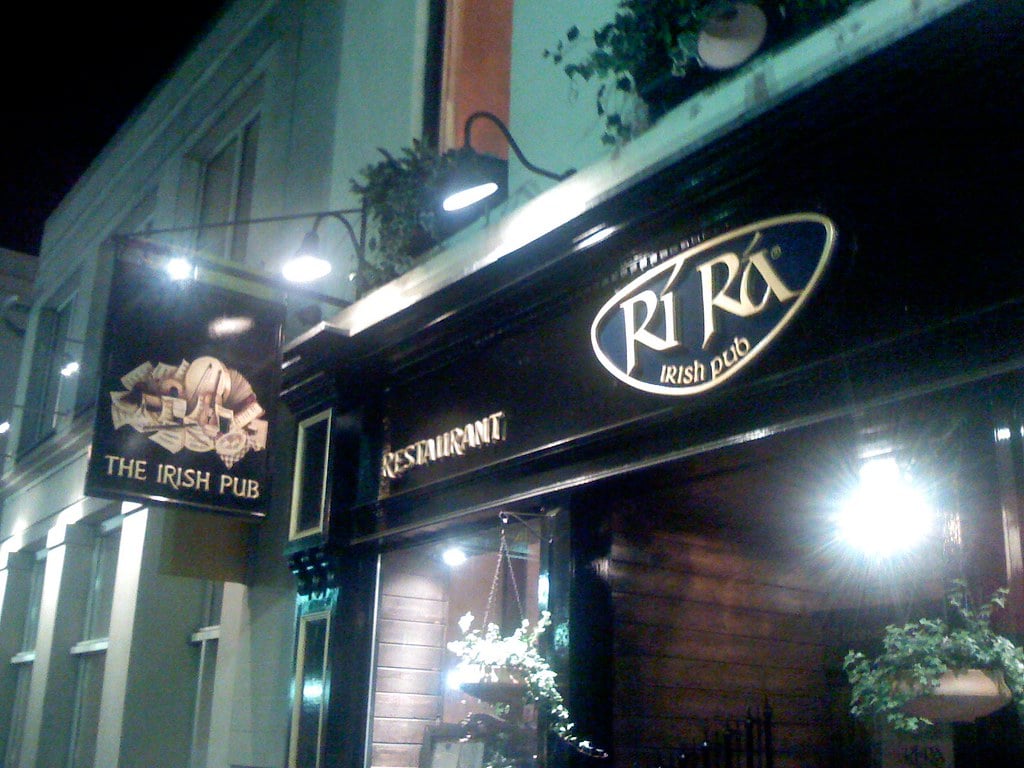
Storefront of Rí Rá Irish Pub at 208 North Tryon Street in Uptown Charlotte, North Carolina.
Photo coming soon
Haunted Dining / Bar

Rí Rá Irish Pub

Charlotte, NC

Rí Rá Irish Pub Charlotte opened on March 14, 1997 at 208 North Tryon Street in what local sources describe as the second-oldest original building in Uptown Charlotte. The building previously served as a bank and a textile factory. The pub survived a major fire in 2009 and is part of the larger Rí Rá Irish Pub group, designed with a Victorian bar restored from a Dublin barracks and a statue of St. Patrick from the mid-1800s.

$$ All Ages Family: High

Wilmington — 12

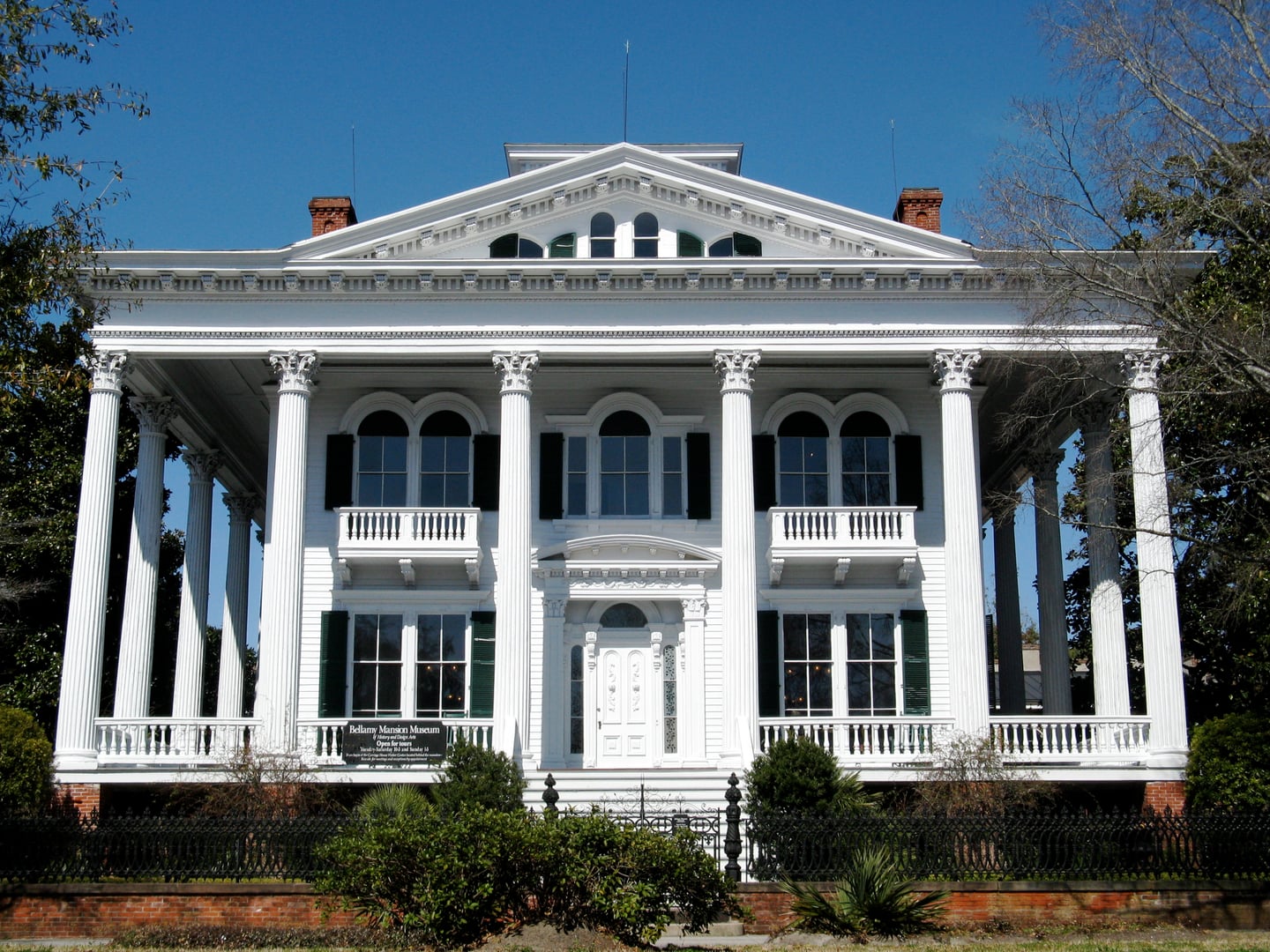
Front exterior view of the Italianate Bellamy Mansion in Wilmington, North Carolina
Haunted House / Historic Home

Bellamy Mansion

Wilmington, NC

The Bellamy Mansion at 503 Market Street in Wilmington, North Carolina was constructed between 1859 and 1861 for Dr. John D. Bellamy and his family. The 22-room Italianate mansion was built largely by enslaved and freed Black artisans. Union forces occupied the home in early 1865, and two Bellamy daughters — Eliza and Ellen — lived in the house until their deaths, with Ellen remaining until 1946.

$$ All Ages (museum); 18+ for ghost hunts Family: Moderate
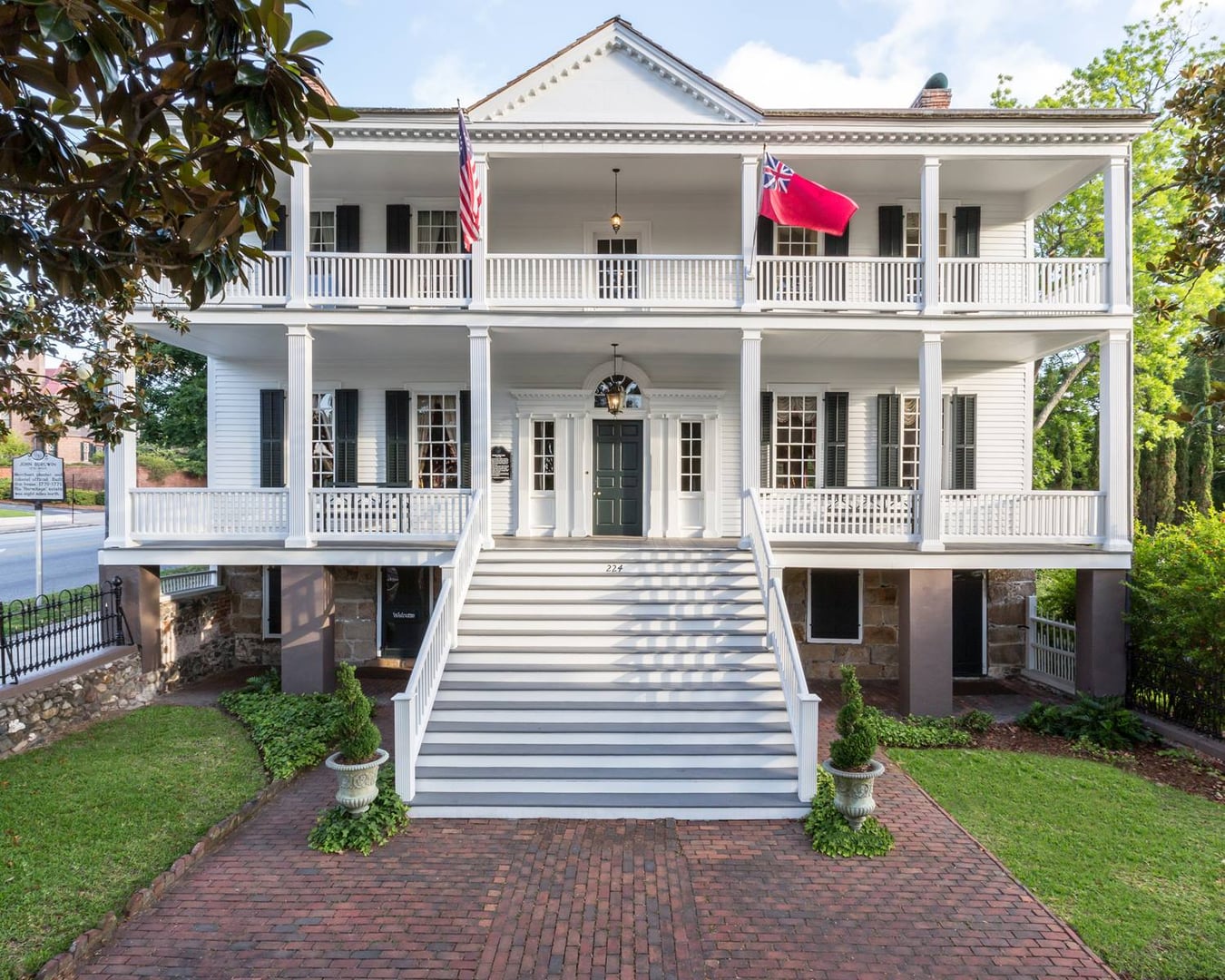
Front exterior of the 1770 Burgwin-Wright House at 224 Market Street in downtown Wilmington, North Carolina.
Museum / Historical Site

Burgwin-Wright House

Wilmington, NC

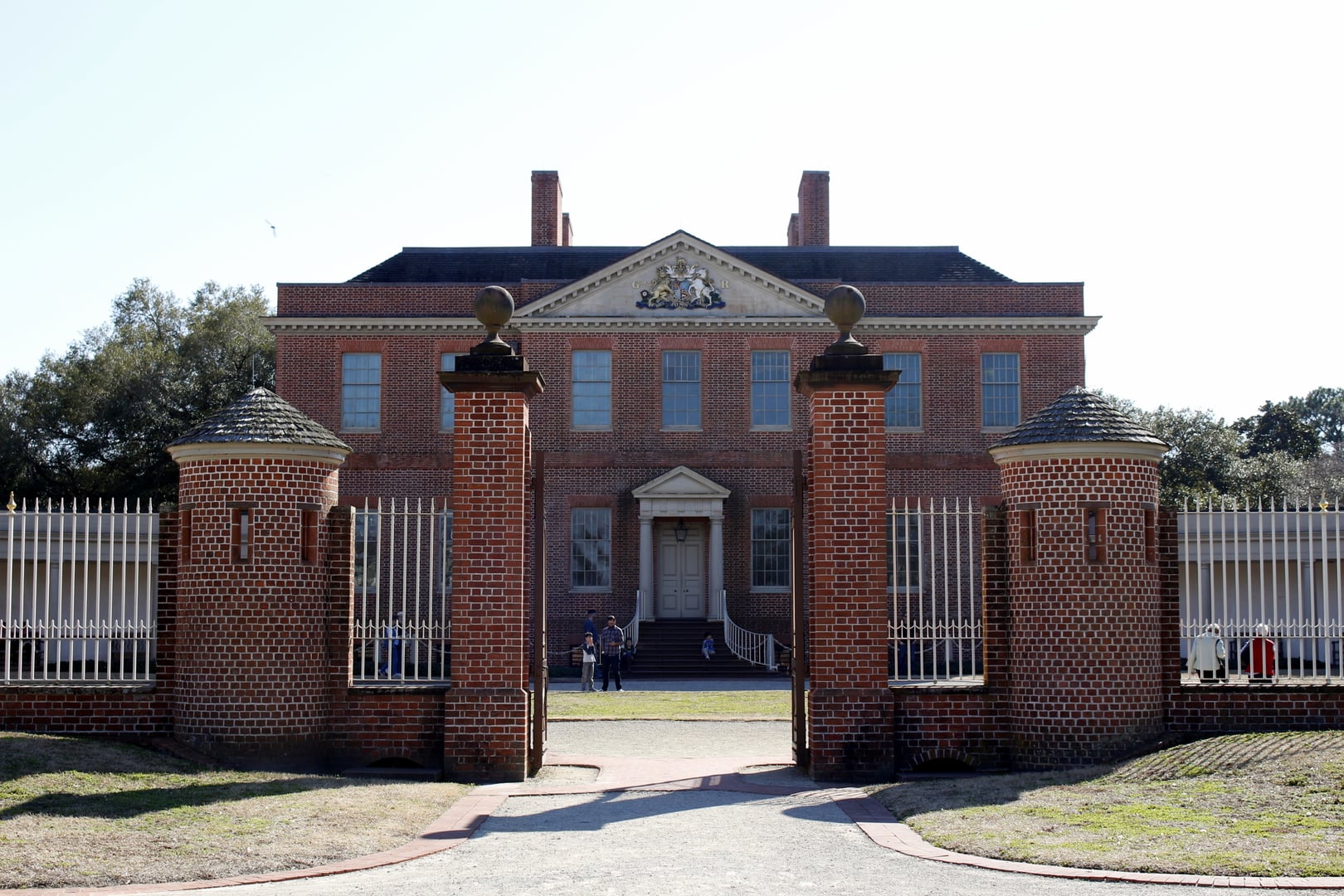
The Burgwin-Wright House at 224 Market Street in Wilmington, North Carolina was built in 1770 for merchant, planter, and government official John Burgwin atop the ballast-stone foundations of Wilmington's former town jail (1744-1768). It is the only Wilmington structure from the colonial era open to the public and is preserved as a house museum by the National Society of The Colonial Dames of America in the State of North Carolina.

$ All Ages Family: High
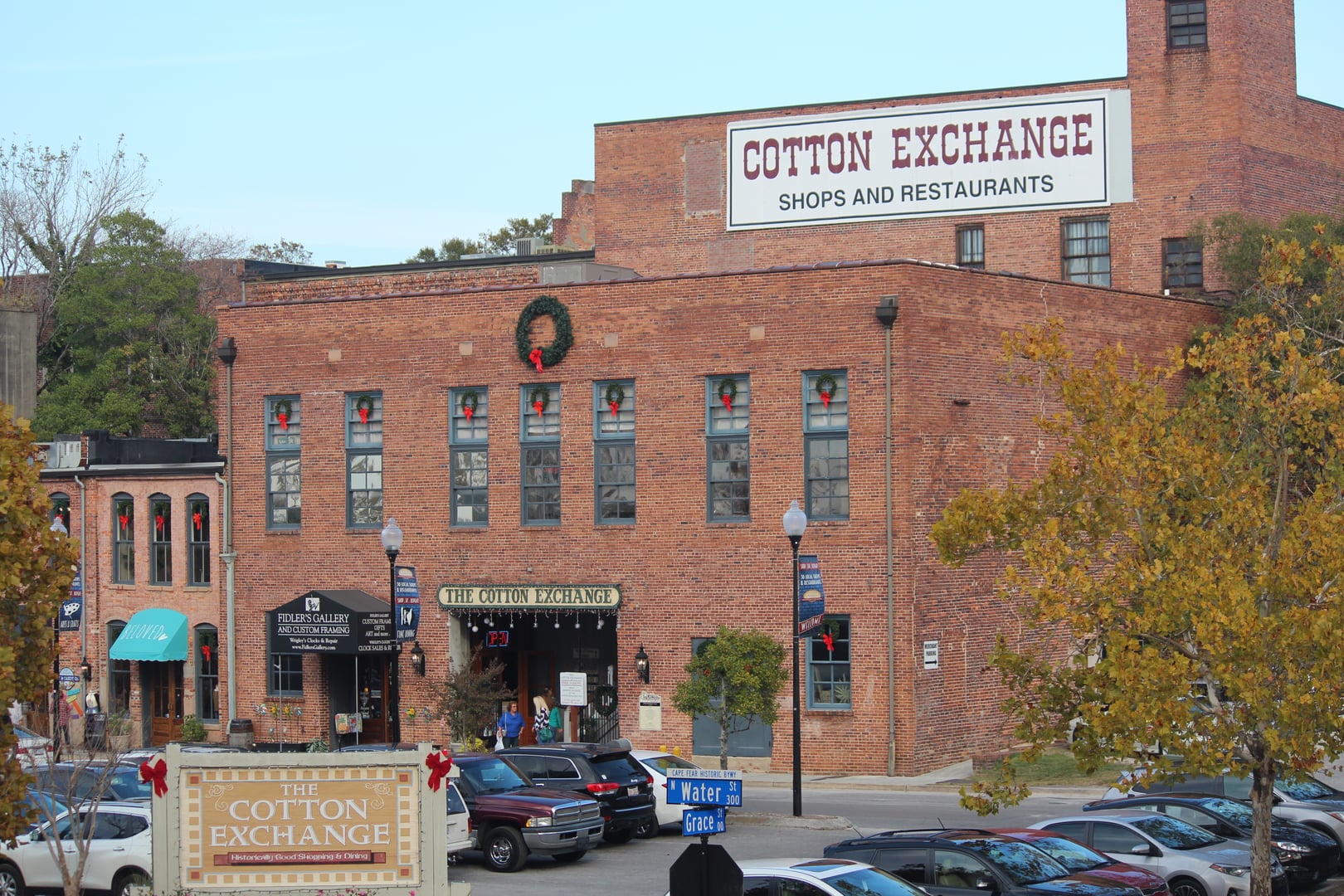
Brick exterior of The Cotton Exchange complex on North Front Street in downtown Wilmington, North Carolina.
Haunted Dining / Bar

The Cotton Exchange

Wilmington, NC

The Cotton Exchange at 321 North Front Street in Wilmington, North Carolina is a downtown commercial complex of eight restored 19th-century buildings — many of them associated with the cotton trade that defined the city's commerce in the late 1800s — that have been adaptively reused since the 1970s as a unified shopping and dining district housing about 30 tenants.

$ All Ages Family: High
Exterior view of the Latimer House Museum, an 1852 Italianate-style mansion at 126 S 3rd Street in Wilmington, North Carolina.
Haunted House / Historic Home

Latimer House Museum

Wilmington, NC

The Latimer House at 126 South Third Street in Wilmington, North Carolina was completed in 1852 for merchant Zebulon Latimer and his family. The four-story, 10,000-square-foot Italianate home was acquired by the Lower Cape Fear Historical Society in 1963 and serves as its headquarters and as a house museum. The property includes preserved outbuildings associated with the people Latimer enslaved.

$ All Ages Family: Moderate
Front entrance of Michael's on the Waterfront on South Water Street, Wilmington NC
Photo coming soon
Haunted Dining / Bar

Michael's on the Waterfront

Wilmington, NC

Michael's on the Waterfront occupies a 19th-century building at 5 South Water Street in Wilmington, North Carolina, on the city's downtown waterfront. According to local tour operators and the Wilmington tourism board, the building's earlier life included use as the Blue Post Bar, identified in waterfront folklore as a 19th-century brothel and drinking establishment.

$$ All Ages Family: Moderate
Exterior of the New Hanover County Public Library main branch at Third and Chestnut Streets, Wilmington NC
Photo coming soon
Museum / Historical Site

New Hanover County Public Library (Main Branch)

Wilmington, NC

The main branch of the New Hanover County Public Library at 201 Chestnut Street in Wilmington, North Carolina opened in March 1981 in a converted former Belk-Beery department store at the corner of Third and Chestnut Streets. The library houses the North Carolina Room, the county's principal local-history and genealogy collection.

$ All Ages Family: High
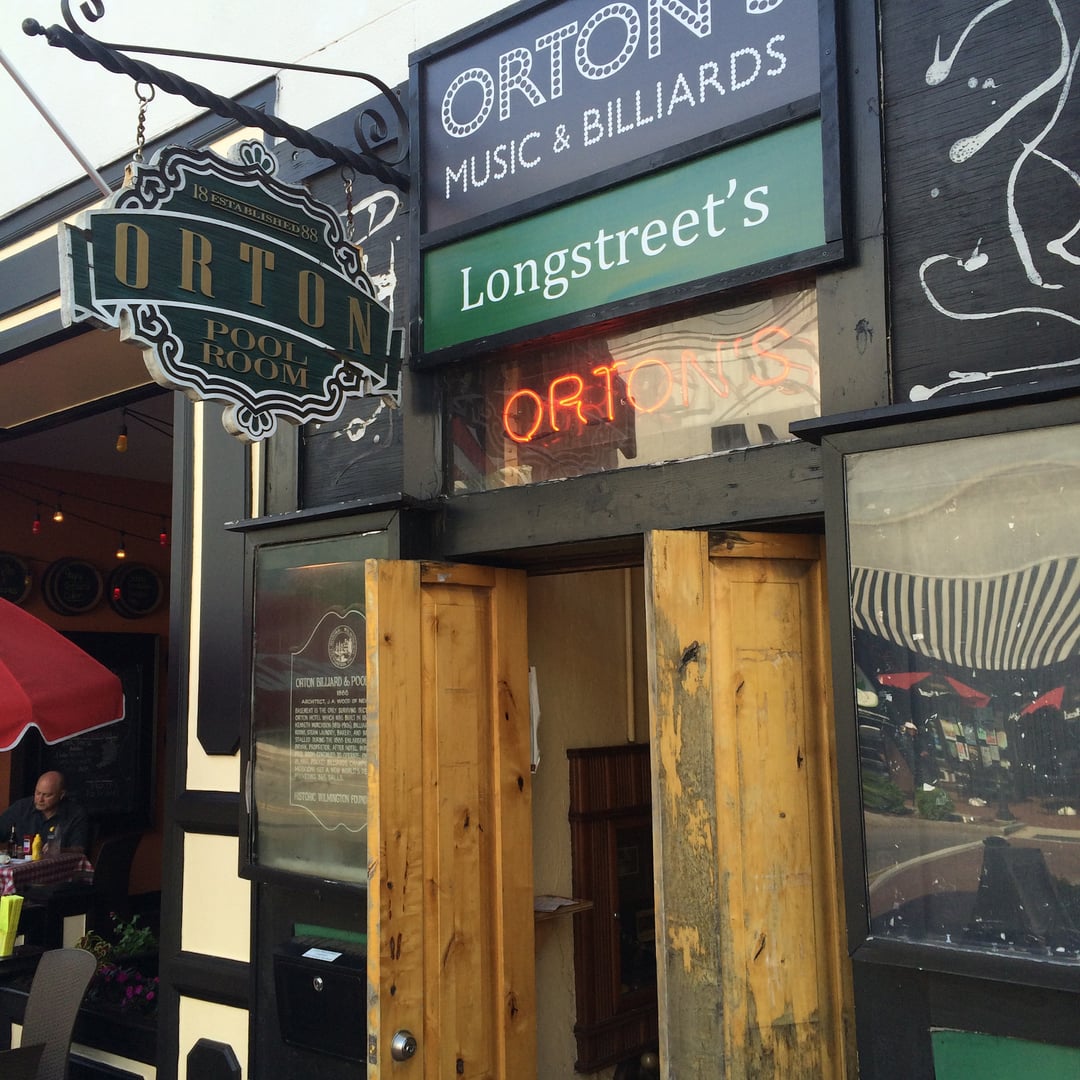
Front Street entrance to the basement Orton Billiards and Pool Room, Wilmington NC
Photo coming soon
Haunted Dining / Bar

Orton Billiards and Pool Room

Wilmington, NC

The Orton Billiards and Pool Room at 133 North Front Street in Wilmington, North Carolina occupies the surviving basement of the Orton Hotel (built 1886), which burned in a 1949 fire that killed at least two guests. The pool room added in 1888 has operated continuously since and is recognized as the oldest continuously operating pool room in the United States.

$$ 21+ Family: Not Recommended
Antebellum manor house at Poplar Grove Plantation on US-17 north of Wilmington, North Carolina
Haunted House / Historic Home

Poplar Grove Plantation

Wilmington, NC

Poplar Grove Plantation north of Wilmington, North Carolina began when James Foy purchased the land in 1795. His grandson Joseph Mumford Foy rebuilt the manor house circa 1849 after the original homestead burned, and under his stewardship the plantation became one of North Carolina's earliest large-scale peanut farms, encompassing over 2,000 acres with 59 enslaved workers by 1860. The manor was restored in 1980 and listed on the National Register of Historic Places.

$$ Not recommended for children under 12 for paranormal tours Family: Moderate
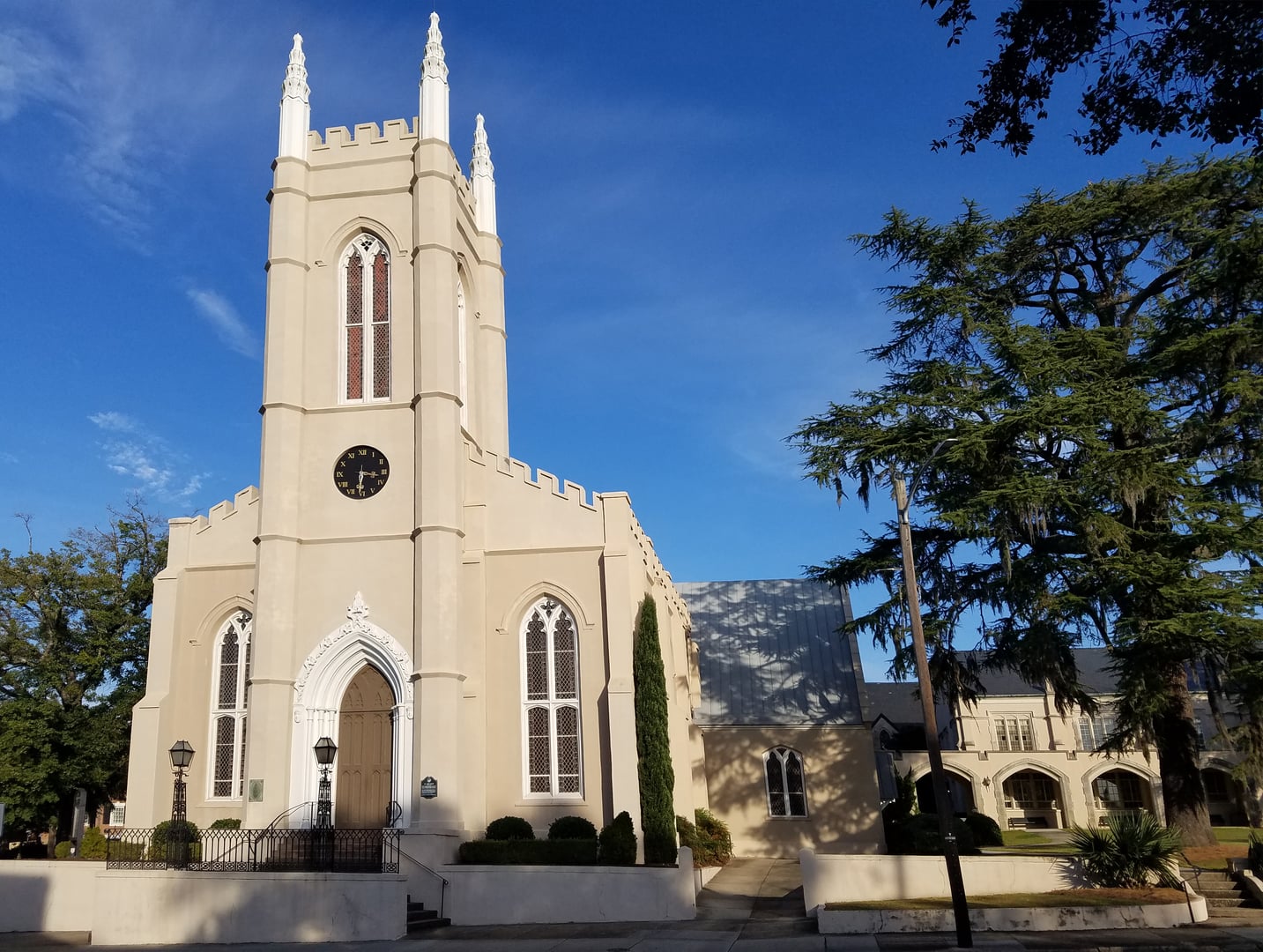
Gothic Revival exterior of St. James Episcopal Church at 25 South Third Street in Wilmington, North Carolina.
Other Dark Tourism Site

St. James Episcopal Church and Graveyard

Wilmington, NC

St. James Episcopal Church at 25 South Third Street in Wilmington, North Carolina is a Gothic Revival parish church whose current building was completed in 1840 for a congregation chartered in 1729. The adjacent graveyard is the oldest cemetery in Wilmington and remained the primary downtown burying ground until Oakdale Cemetery opened in 1855.

$ All Ages Family: Moderate
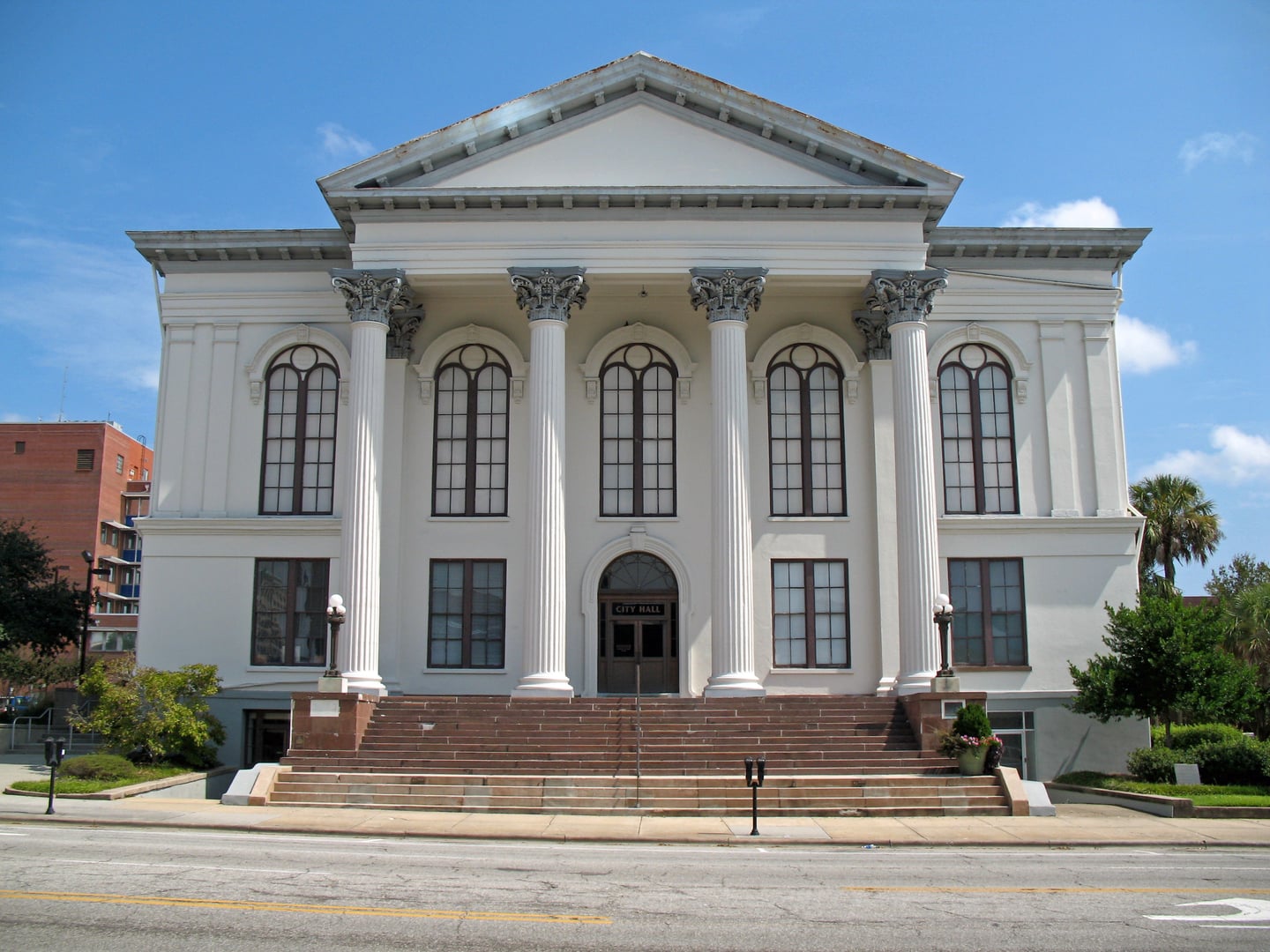
Italianate facade of Thalian Hall and Wilmington City Hall at 310 Chestnut Street in downtown Wilmington, North Carolina.
Theater / Performance Venue

Thalian Hall

Wilmington, NC

Thalian Hall at 310 Chestnut Street in Wilmington, North Carolina opened on October 12, 1858 as the combined east wing of Wilmington City Hall and a public theater. Designed by John Montague Trimble, the leading 19th-century American theater architect, it is the only surviving Trimble theater and one of the oldest continuously operating performing-arts venues in the United States.

$ All Ages Family: High
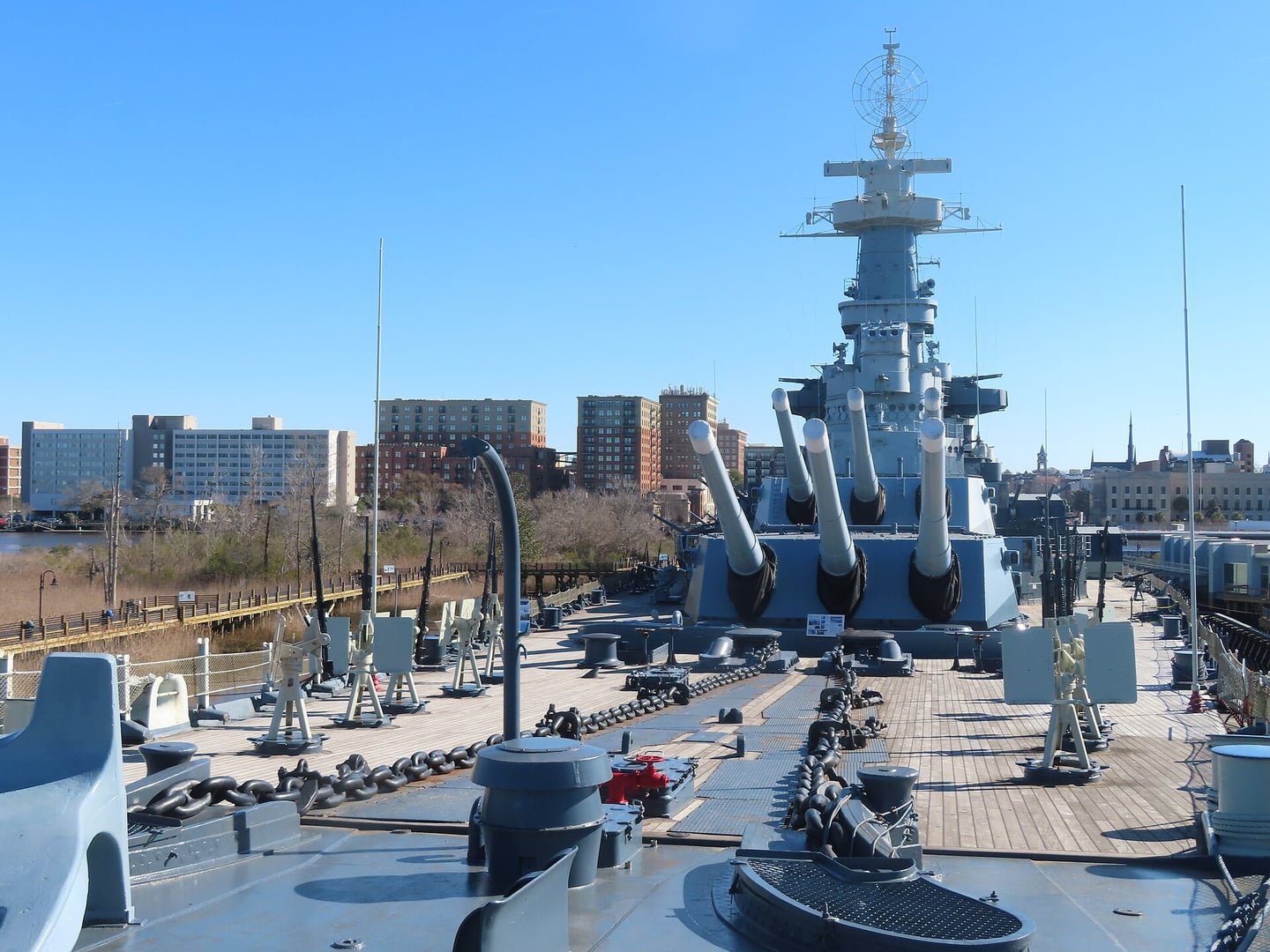
USS Battleship North Carolina moored on the Cape Fear River in Wilmington, NC with 16-inch gun turrets visible
Photo coming soon
Museum / Historical Site

USS Battleship North Carolina

Wilmington, NC

The USS North Carolina (BB-55) was commissioned in April 1941 and served throughout the Pacific War, earning 15 battle stars — more than any other American battleship. When the Navy scheduled her for scrapping in 1960, North Carolina citizens launched a successful campaign to preserve the ship. She has been moored on the Cape Fear River in Wilmington as a memorial and museum since October 1961.

$$ All Ages for daytime museum; 18+ for ghost hunts Family: Moderate
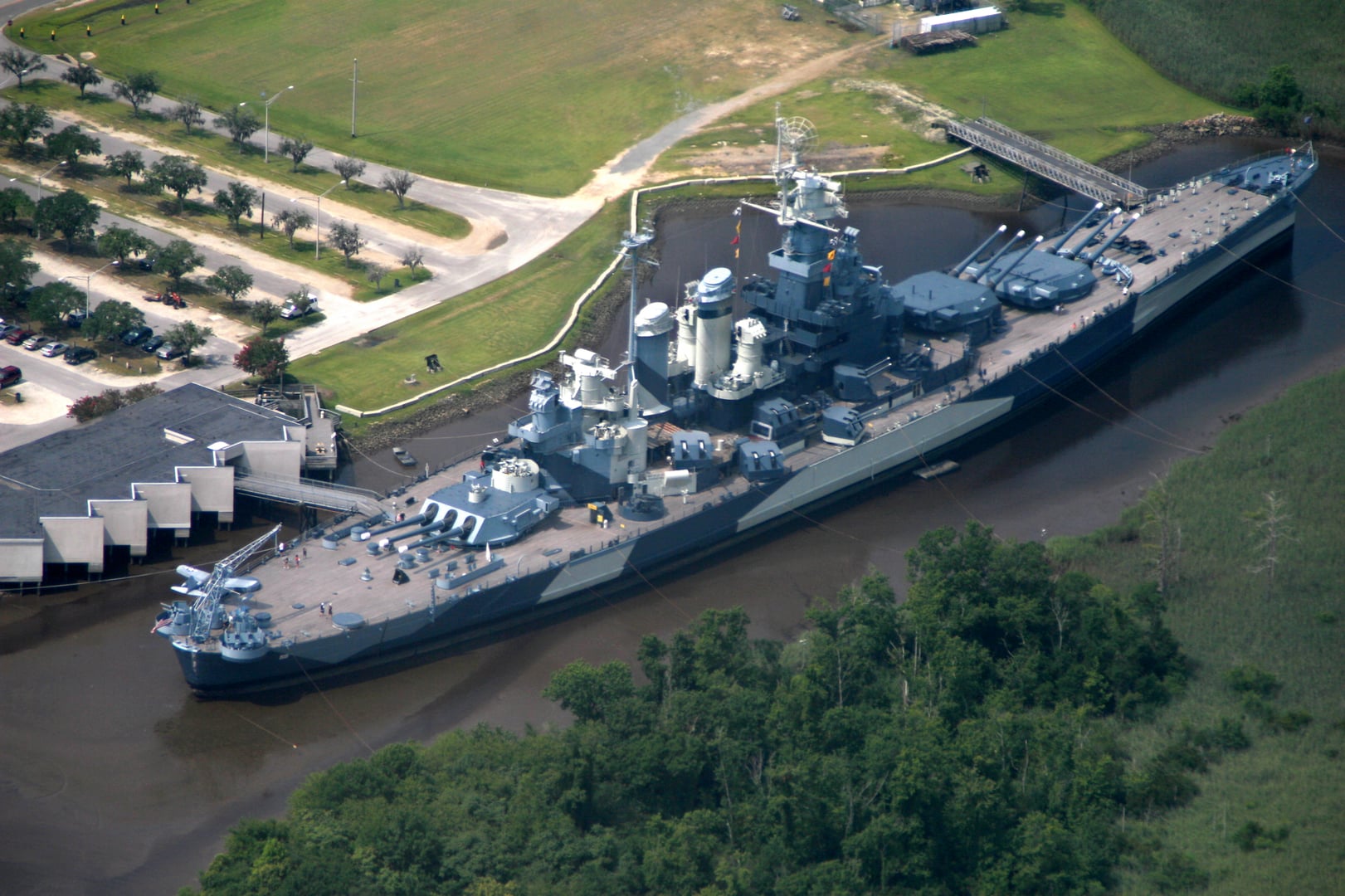
USS North Carolina (BB-55) battleship museum moored across the Cape Fear River in Wilmington, North Carolina
Museum / Historical Site

USS North Carolina (BB-55)

Wilmington, NC

USS North Carolina (BB-55) is the lead ship of the North Carolina-class fast battleships, commissioned in April 1941. The battleship served throughout the Pacific campaign of World War II and earned fifteen battle stars, more than any other American battleship. North Carolina was decommissioned in 1947 and opened as a memorial museum ship in Wilmington in October 1961.

$$ All Ages Family: Moderate

Raleigh — 11

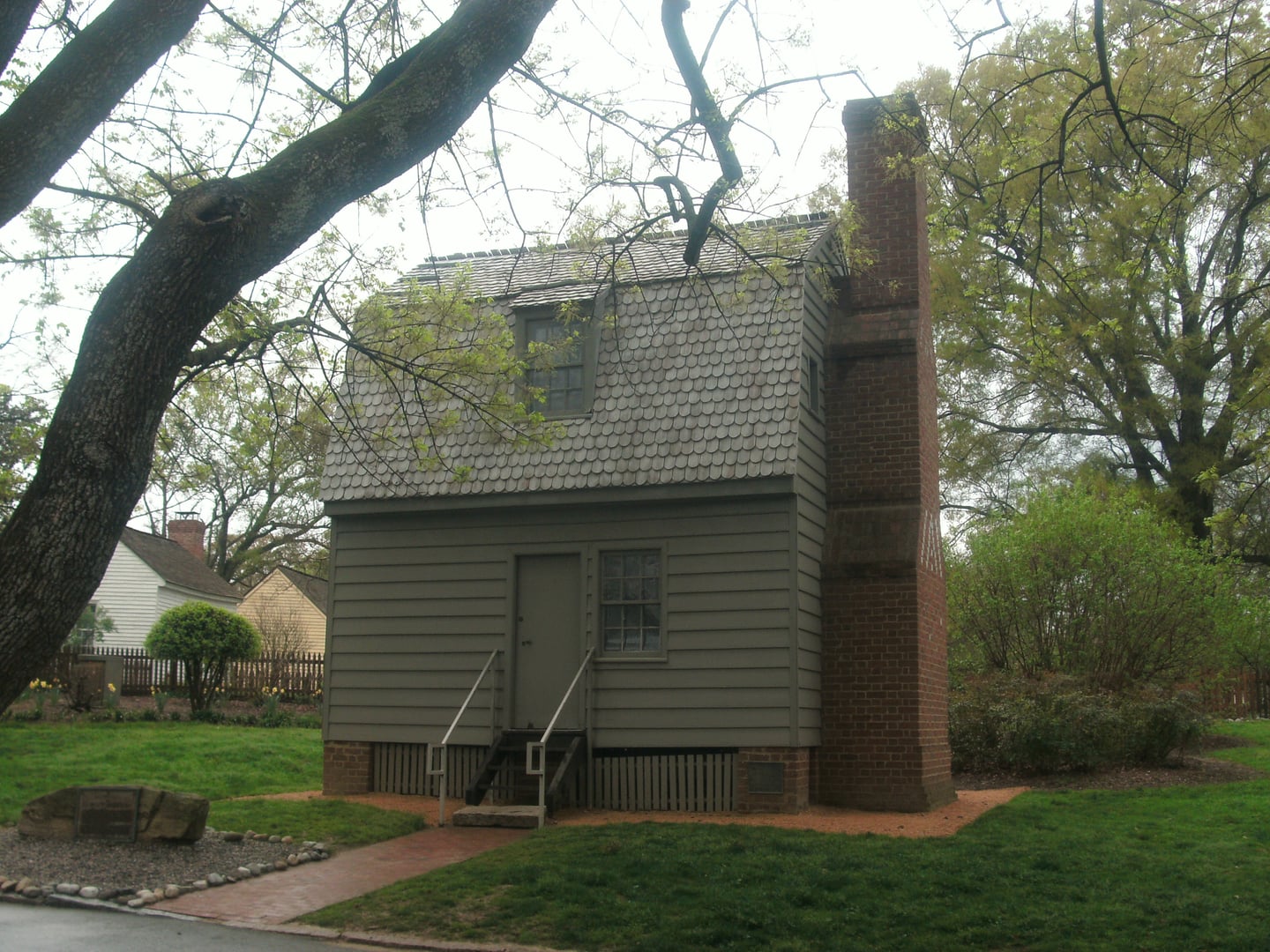
The gambrel-roof Andrew Johnson Birthplace cabin at Mordecai Historic Park in Raleigh, North Carolina, photographed in 2015.
Museum / Historical Site

Andrew Johnson Birthplace

Raleigh, NC

The Andrew Johnson Birthplace is a small late-18th-century gambrel-roof outbuilding, originally a kitchen behind Casso's Inn in downtown Raleigh, where 17th U.S. president Andrew Johnson was born on December 29, 1808 to farmers Jacob and Mary 'Polly' Johnson. The Johnsons lived in the building while working at Casso's Inn. The structure has since been relocated to Mordecai Historic Park, where it is preserved as a museum exhibit alongside the Mordecai House.

$ All Ages Family: High
Death & Taxes restaurant, 105 West Hargett Street, Raleigh
Photo coming soon
Haunted Dining / Bar

Death & Taxes

Raleigh, NC

Death & Taxes operates inside a 1907 commercial building at 105 West Hargett Street in downtown Raleigh. Per the Ghost Guild's Executive Director Nelson Nauss and ABC11's local coverage, the building's documented earlier uses include a coffin house — with bodies reportedly stacked in the basement during the 1918 Spanish flu pandemic — a morgue, and a bank. The Death & Taxes restaurant, opened by Chef Ashley Christensen, occupies the ground floor.

$$$ All Ages Family: Moderate
Haywood Hall, Raleigh — Federal-period two-story dwelling
Photo coming soon
Haunted House / Historic Home

Haywood Hall House and Gardens

Raleigh, NC

Haywood Hall is a two-story Federal-style frame dwelling built in 1799 for John Haywood, North Carolina's state treasurer for forty years. The Haywood family occupied the house continuously until 1977, when it was bequeathed to the National Society of the Colonial Dames of America in the State of North Carolina (NSCDA-NC) and opened as a house museum. It is the oldest dwelling still on its original foundation within Raleigh's original city limits, is on the National Register of Historic Places, and is an NSCDA-accredited museum.

$ All Ages Family: High
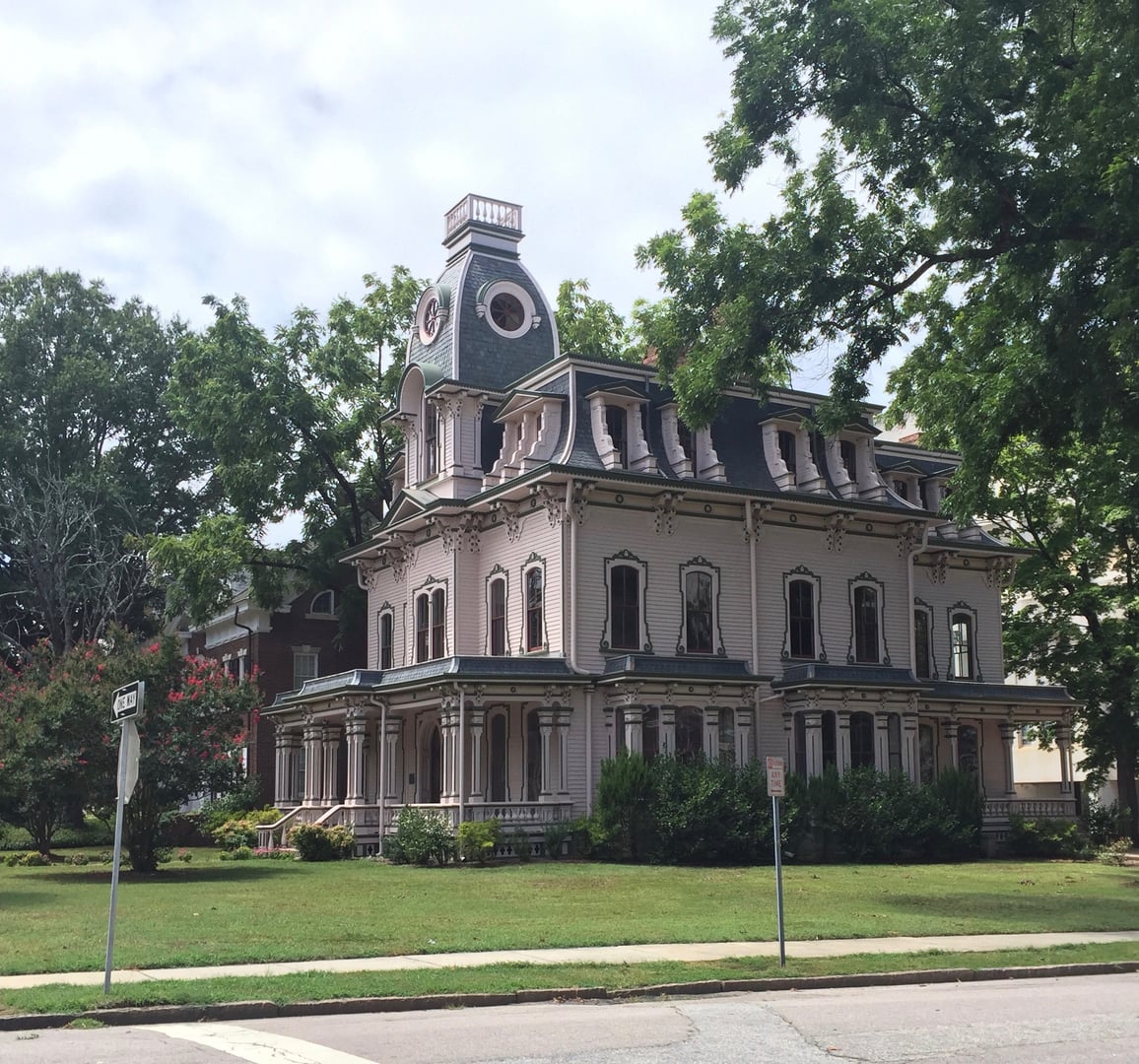
Heck-Andrews House, Raleigh — Second Empire mansion with mansard roof
Photo coming soon
Haunted House / Historic Home

Heck-Andrews House

Raleigh, NC

The Heck-Andrews House was completed in 1870 for Confederate Colonel Jonathan McGee Heck and his wife Mattie, who raised thirteen children there. It was one of the first major homes built in Raleigh after the Civil War, and one of North Carolina's earliest substantial Second Empire-style mansions. The home was added to the National Register of Historic Places in 1972 and today serves as office space for the North Carolina Association of Realtors.

$ All Ages Family: Moderate
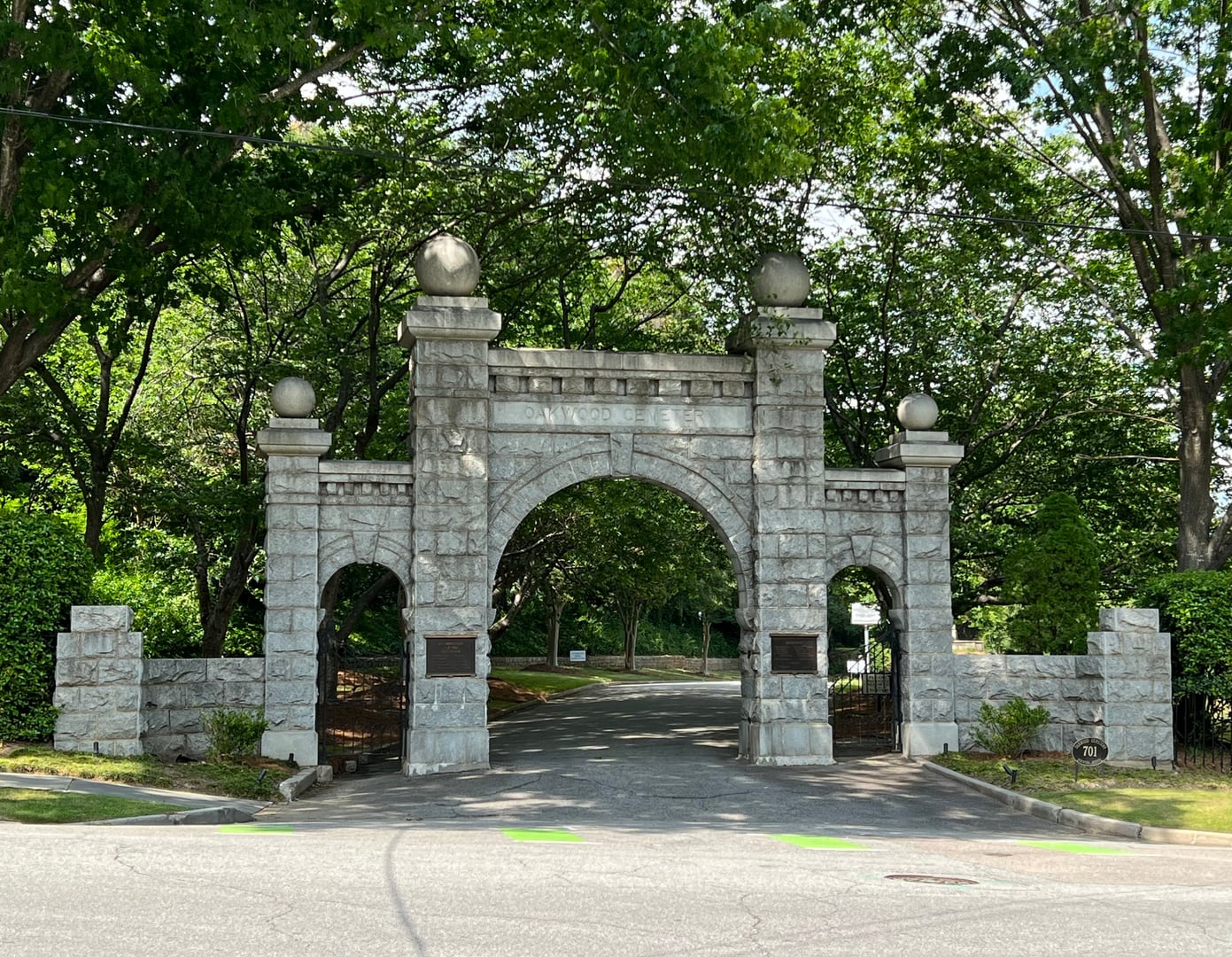
Historic Oakwood Cemetery, Raleigh — entrance and grounds
Photo coming soon
Cemetery / Burial Ground

Historic Oakwood Cemetery

Raleigh, NC

Historic Oakwood Cemetery was founded in 1869 in Raleigh on land donated by Henry Mordecai from the former Mordecai plantation. It grew out of the 1867 Confederate Cemetery, established after a federal agent ordered Confederate dead removed from Raleigh's national cemetery; more than 500 bodies were exhumed and reburied on Mordecai land within three days. Today the 102-acre nonprofit cemetery contains roughly 1,388 Confederate graves and the burials of governors, senators, chief justices, and Raleigh's first mayor.

$ All Ages Family: Moderate
Mordecai House, Raleigh, North Carolina — front facade
Photo coming soon
Haunted House / Historic Home

Mordecai House

Raleigh, NC

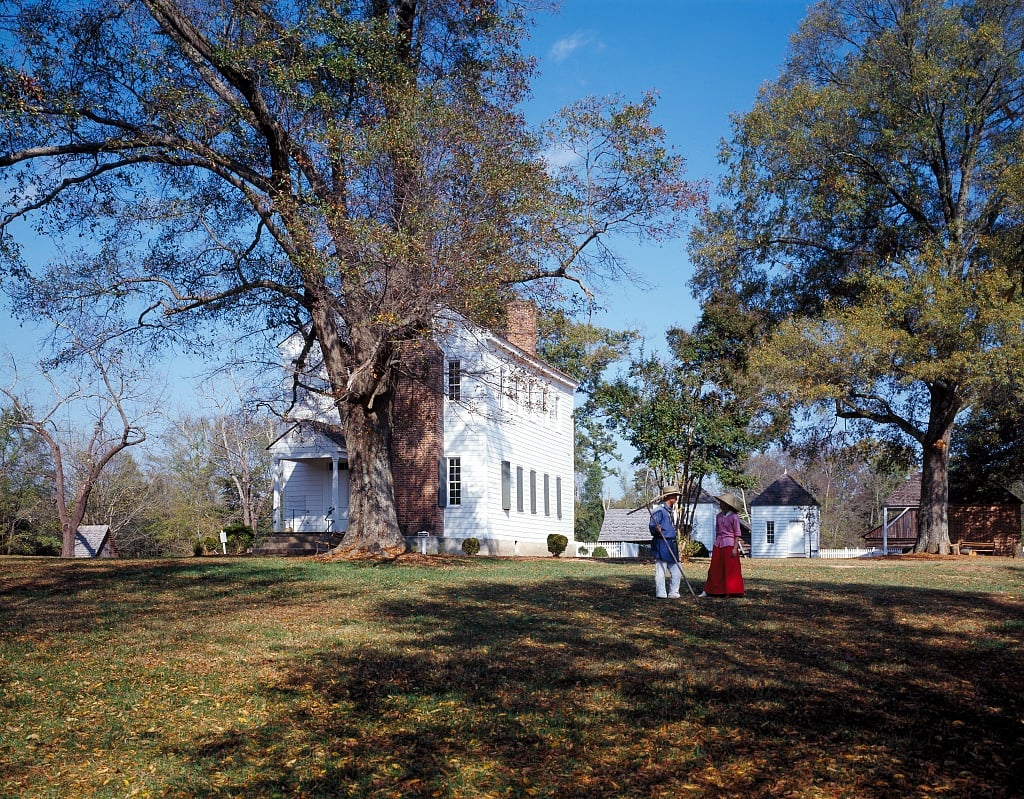
Built in 1785 by Joel Lane for his son Henry, the Mordecai House is the oldest house in Raleigh still on its original foundation. The home takes its name from Moses Mordecai, who married into the Lane family and whose descendants occupied the house for five generations until 1967. At its height the property was the center of a roughly 5,000-acre plantation, one of the largest in Wake County, worked by enslaved laborers.

$ All Ages Family: Moderate
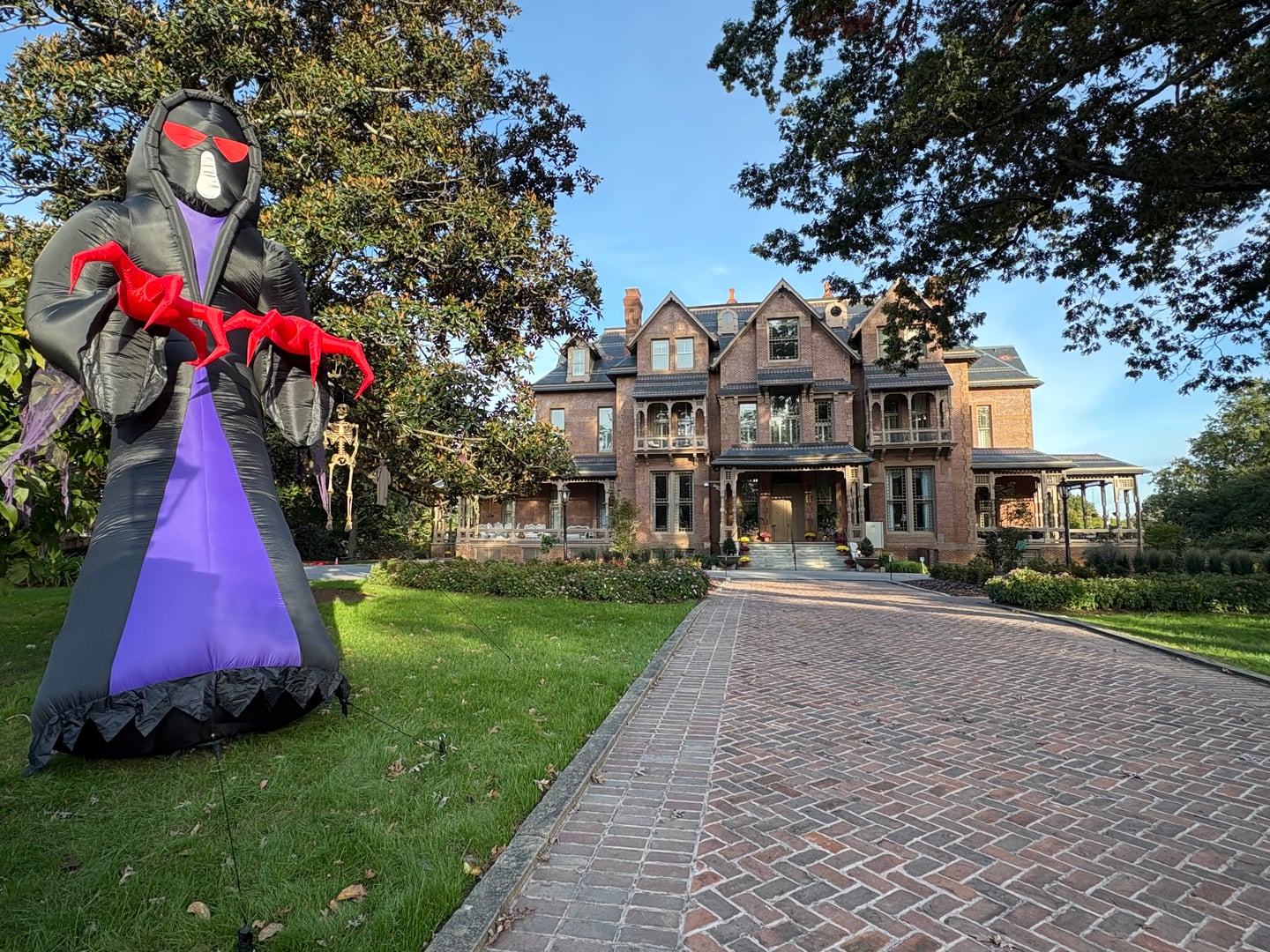
North Carolina Executive Mansion, Raleigh — Queen Anne facade
Photo coming soon
Haunted House / Historic Home

North Carolina Executive Mansion

Raleigh, NC

The North Carolina Executive Mansion is the Queen Anne-style residence of the state's governor. Designed by Philadelphia architect Samuel Sloan and completed under A.G. Bauer in 1891, it has been continuously occupied by sitting governors since Daniel G. Fowle moved in in January 1891. The bricks were made by prison labor from Wake County clay; some still bear inscribed names. It is listed on the National Register of Historic Places and sits within the Blount Street Historic District.

$ All Ages Family: High
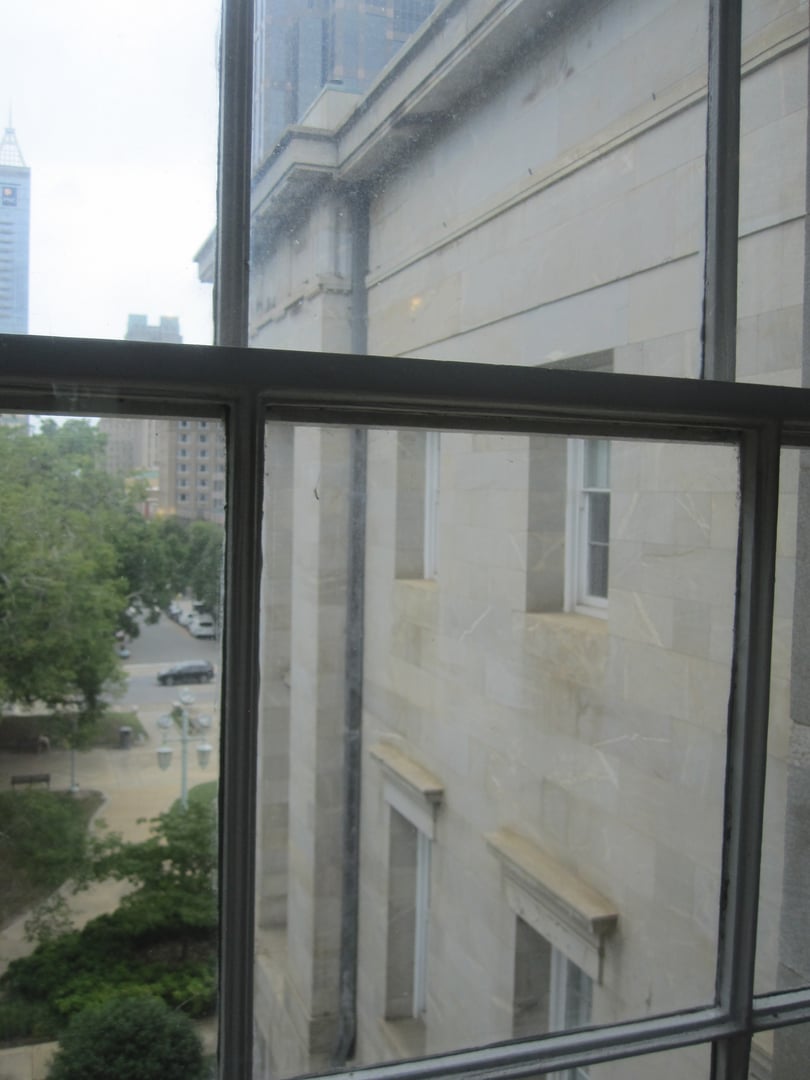
North Carolina State Capitol, Raleigh — Greek Revival exterior
Photo coming soon
Museum / Historical Site

North Carolina State Capitol

Raleigh, NC

The North Carolina State Capitol is a Greek Revival statehouse completed in 1840 after the previous State House was destroyed by fire in 1831. Designed by Ithiel Town and Alexander Jackson Davis with construction supervised by Scottish architect David Paton, it remains one of the best-preserved examples of a major American civic Greek Revival building still in active legislative-era use. It is a National Historic Landmark and houses the Governor's and Lieutenant Governor's offices.

$ All Ages Family: High
Pine State Creamery building, Raleigh — Moderne exterior with corner tower
Photo coming soon
Haunted Dining / Bar

Pine State Creamery Building

Raleigh, NC

The Pine State Creamery is a 1928 Moderne-style former dairy plant in Raleigh's Glenwood South neighborhood. Encouraged by the State College Agricultural Extension Service at the end of World War I, the building operated as a dairy farmers' cooperative until its bankruptcy in 1995. The corner structure on Tucker Street and Glenwood Avenue is anchored by a distinctive three-story tower. Adaptive reuse turned the building into a food-and-beverage hub housing successive restaurants and bars including Xoco and, currently, Ark Royal Tiki Bar.

$$ 21+ Family: Not Recommended
Theatre in the Park, Raleigh — former National Guard Armory at Pullen Park
Photo coming soon
Theater / Performance Venue

Theatre in the Park (Ira David Wood III Pullen Park Theatre)

Raleigh, NC

Theatre in the Park began as the Children's Theatre of Raleigh in 1947 and changed to its current name in the early 1970s when it moved into the former National Guard Armory building inside Raleigh's Pullen Park. Executive Director Ira David Wood III — father of actress Evan Rachel Wood — has run the theatre for decades and has played Ebenezer Scrooge in his musical adaptation of A Christmas Carol annually since 1974, missing only one year.

$$ All Ages Family: High
White-Holman House (Whitehall), Raleigh — exterior
Photo coming soon
Haunted House / Historic Home

White-Holman House (Whitehall)

Raleigh, NC

The White-Holman House, also known as Whitehall, is a circa-1799 late-Georgian/early-Federal two-story frame dwelling built for William White, North Carolina Secretary of State (1798-1811). It remained in the White family until 1884, when cotton broker William Calvin Holman and his wife Anna Belo Holman bought it and added a two-story Victorian wing. The house was relocated and restored in 1986; it is now a private executive office building.

$ All Ages Family: High

Atlantic Beach — 2

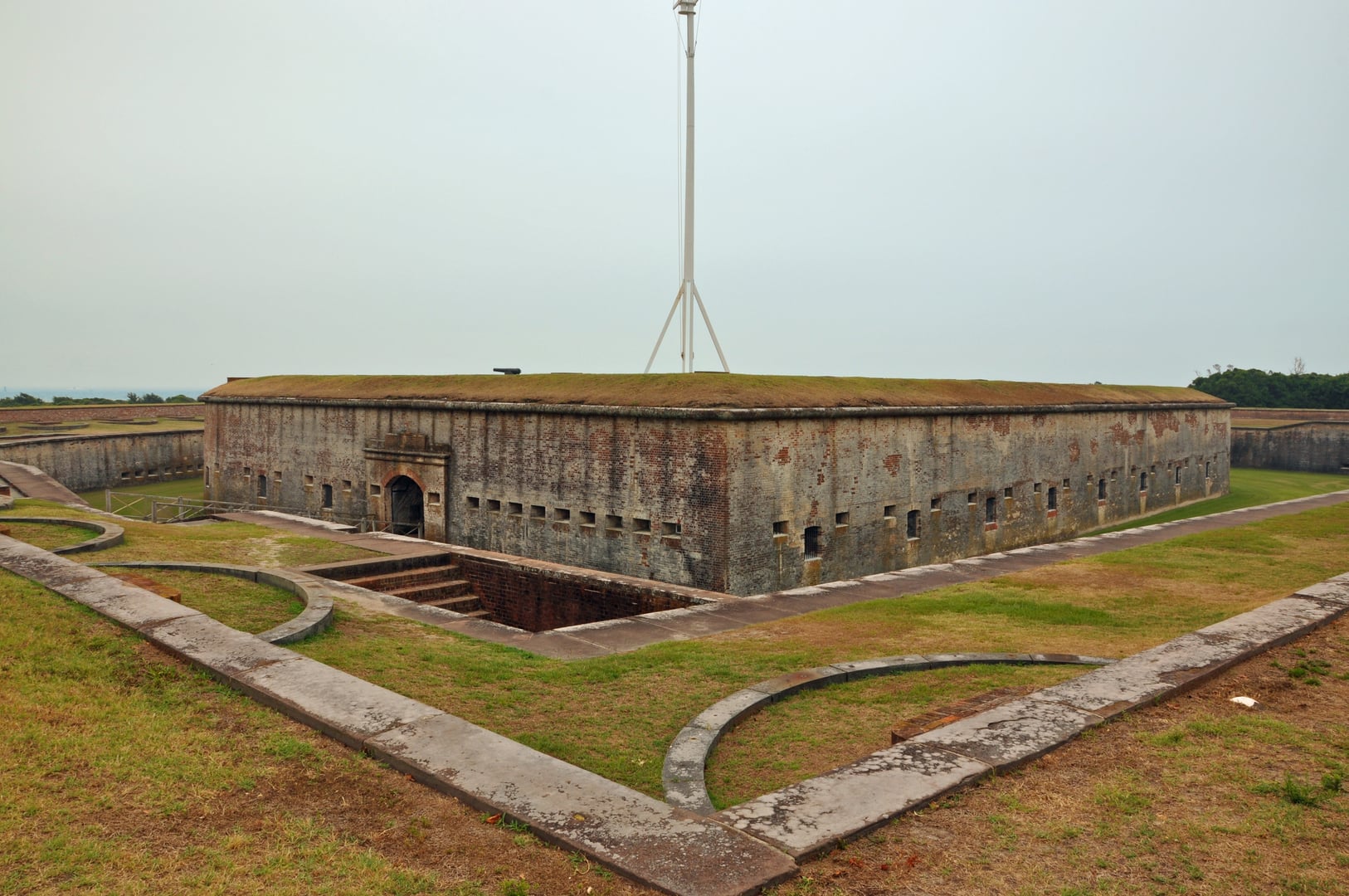
Brick walls of Fort Macon viewed from the shoreward side, Atlantic Beach, North Carolina
Battlefield / Military Site

Fort Macon State Park

Atlantic Beach, NC

Fort Macon is a brick Third System coastal fort completed in December 1834 on Bogue Banks, North Carolina, named for U.S. Senator Nathaniel Macon. Erosion control devised by then-Lieutenant Robert E. Lee in the 1840s protected the structure. The Union recaptured the fort on April 26, 1862, after an 11-hour bombardment. Fort Macon became North Carolina's first state park in 1936.

$ All Ages Family: High
Brick shoreward walls of Fort Macon at Atlantic Beach, North Carolina
Battlefield / Military Site

Fort Macon State Park

Atlantic Beach, NC

Fort Macon is a Third System brick coastal fort built between 1826 and 1834 to guard Beaufort Inlet on the North Carolina coast, named for U.S. Senator Nathaniel Macon. North Carolina militia seized the fort for the Confederacy in April 1861, and Union forces under Major General Ambrose E. Burnside recaptured it in 1862. It is now the centerpiece of Fort Macon State Park.

$ All Ages Family: High

Buxton — 2

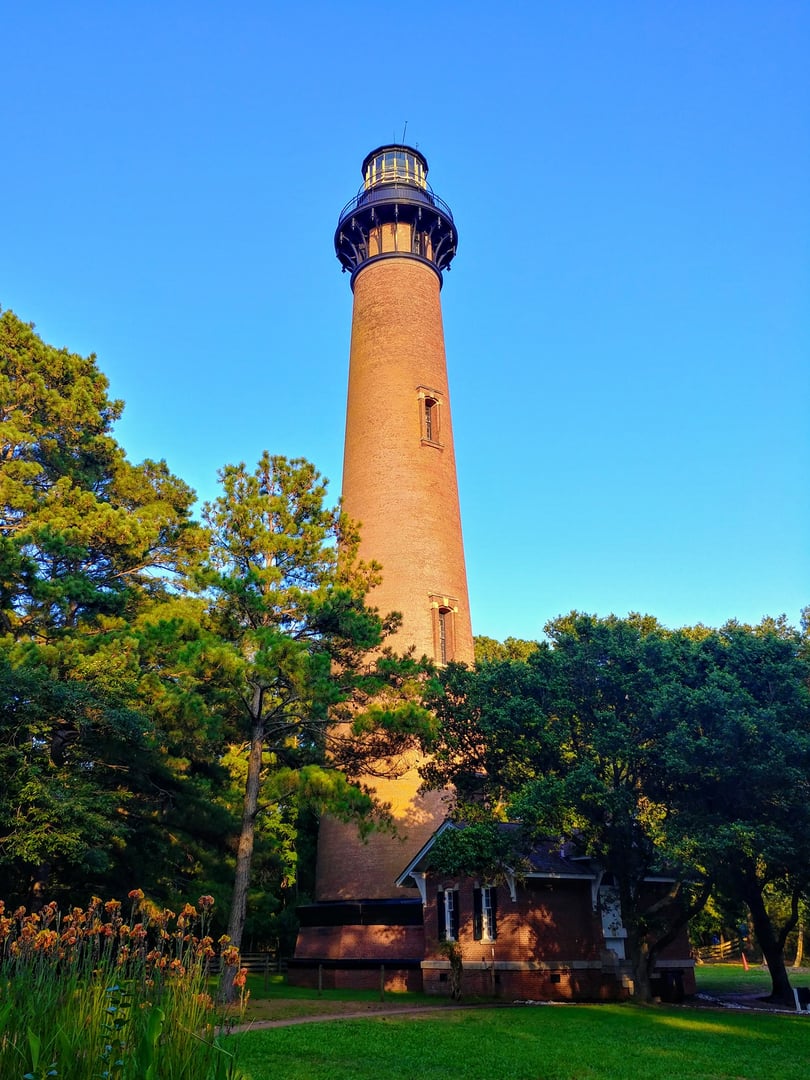
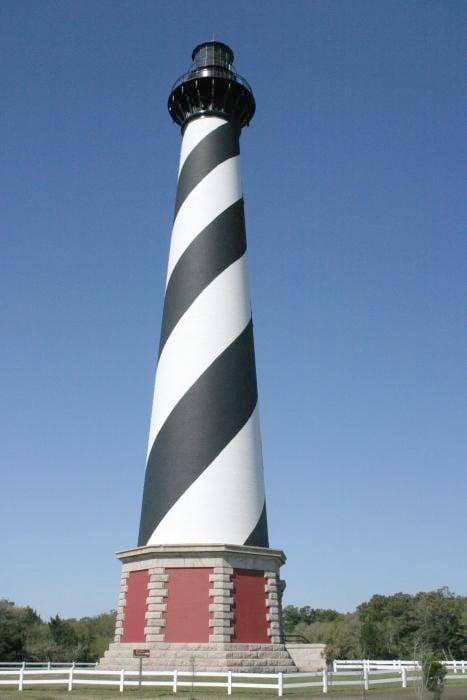
The 198-foot black-and-white striped brick Cape Hatteras Lighthouse on Hatteras Island, Outer Banks, North Carolina
Museum / Historical Site

Cape Hatteras Lighthouse

Buxton, NC

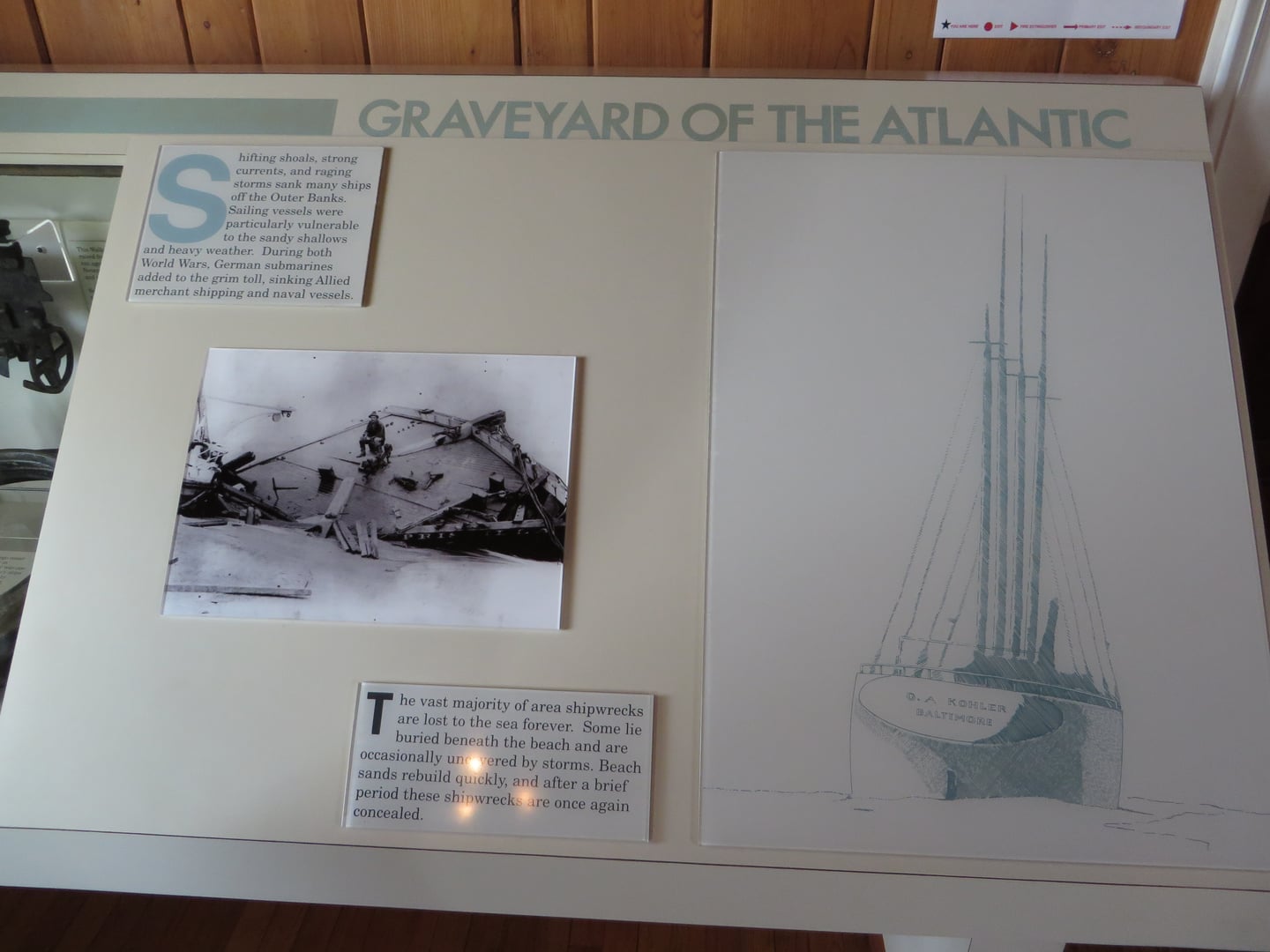
The current Cape Hatteras Lighthouse was completed in 1870 and stands 198 feet tall, making it one of the tallest brick lighthouses in the world. The Outer Banks coast it guards is historically called the Graveyard of the Atlantic. The earlier 1803 lighthouse on the same site was associated by tradition with the 1812 disappearance of Theodosia Burr Alston, daughter of former Vice President Aaron Burr.

$ All Ages Family: High
210-foot brick Cape Hatteras Lighthouse with its distinctive black-and-white spiral barber-pole stripes in Buxton, North Carolina
Museum / Historical Site

Cape Hatteras Lighthouse

Buxton, NC

The current Cape Hatteras Lighthouse, completed in 1870 in Buxton on the Outer Banks of North Carolina, is the tallest brick lighthouse in the United States at 210 feet. It marks Diamond Shoals — the offshore sandbar at the heart of the Graveyard of the Atlantic — and was relocated 2,900 feet inland in 1999 to escape the eroding shoreline.

$ All Ages Family: High

Durham — 2

Eno River State Park
Photo coming soon
Cemetery / Burial Ground

Cabe Lands Cemetery

Durham, NC

The Cabe Lands Cemetery serves as the family burial ground of John Cabe, a prominent planter, miller, and politician who acquired over 300 acres along the Eno River in 1780 and expanded his holdings to approximately 3,000 acres by his death in 1818. The cemetery reflects early settlement patterns in the Eno River Valley during the late eighteenth and early nineteenth centuries.

$ All Ages Family: High
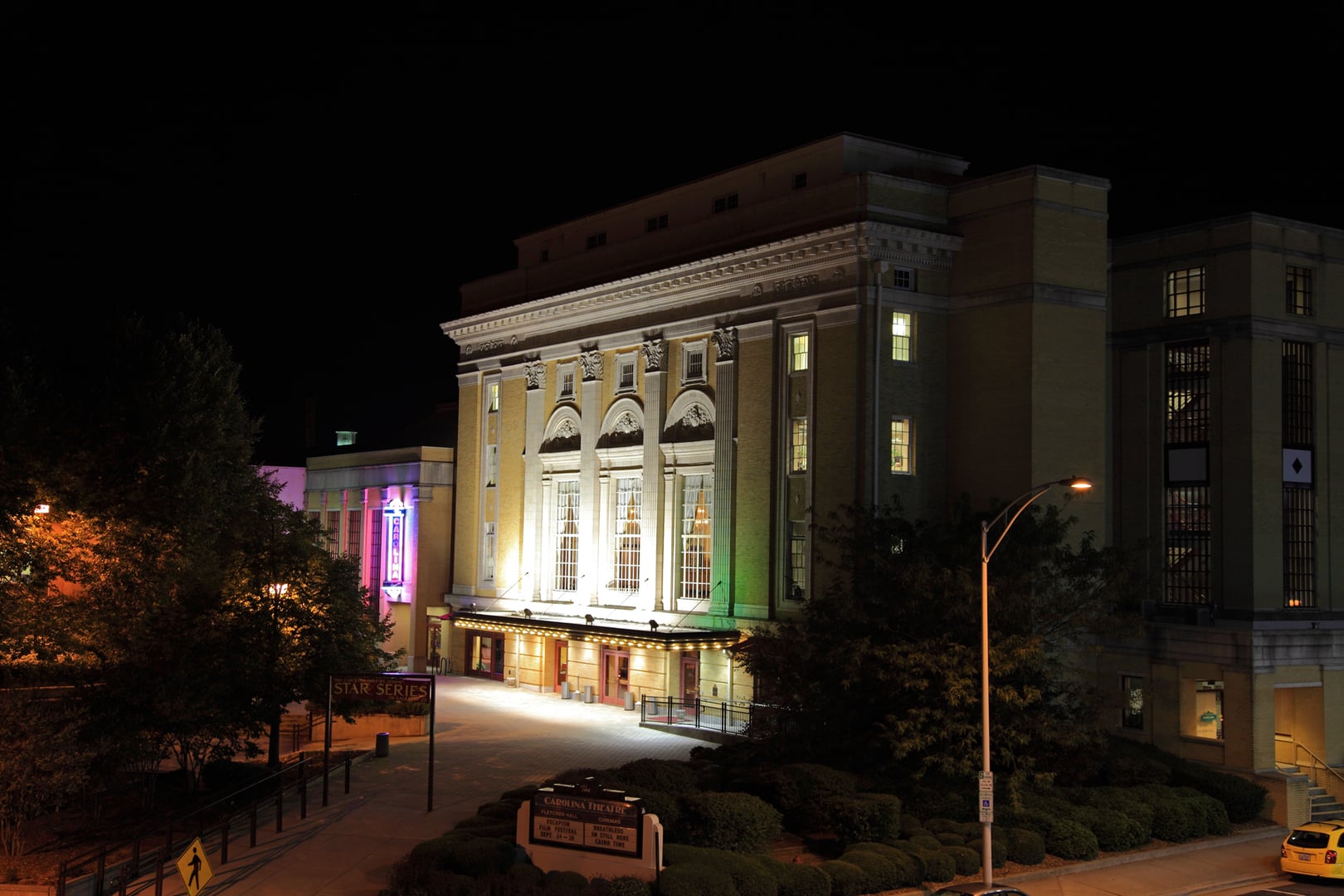
Nighttime exterior of the 1926 Carolina Theatre of Durham, North Carolina, illuminated marquee and entrance.
Theater / Performance Venue

Carolina Theatre of Durham

Durham, NC

The Carolina Theatre of Durham opened as the Durham Auditorium on February 2, 1926, was remodeled for film in 1929 and renamed The Carolina, and became one of downtown Durham's signature venues. During its first 37 years it operated under segregation, and in 1962 it desegregated following years of student-led 'Round Robin' protests organized by the local NAACP youth chapter.

$$ All Ages Family: High

Kure Beach — 2

Cannon and earthwork land face of Fort Fisher near Kure Beach, North Carolina
Battlefield / Military Site

Fort Fisher State Historic Site

Kure Beach, NC

Fort Fisher was the largest earthen fortification in the world by 1865, built by the Confederacy to defend the New Inlet entrance to the Cape Fear River and the port of Wilmington. Union assaults on December 24-25, 1864 and January 13-15, 1865 captured the fort, closing the last open Confederate port and contributing decisively to the end of the Civil War.

$ All Ages Family: High
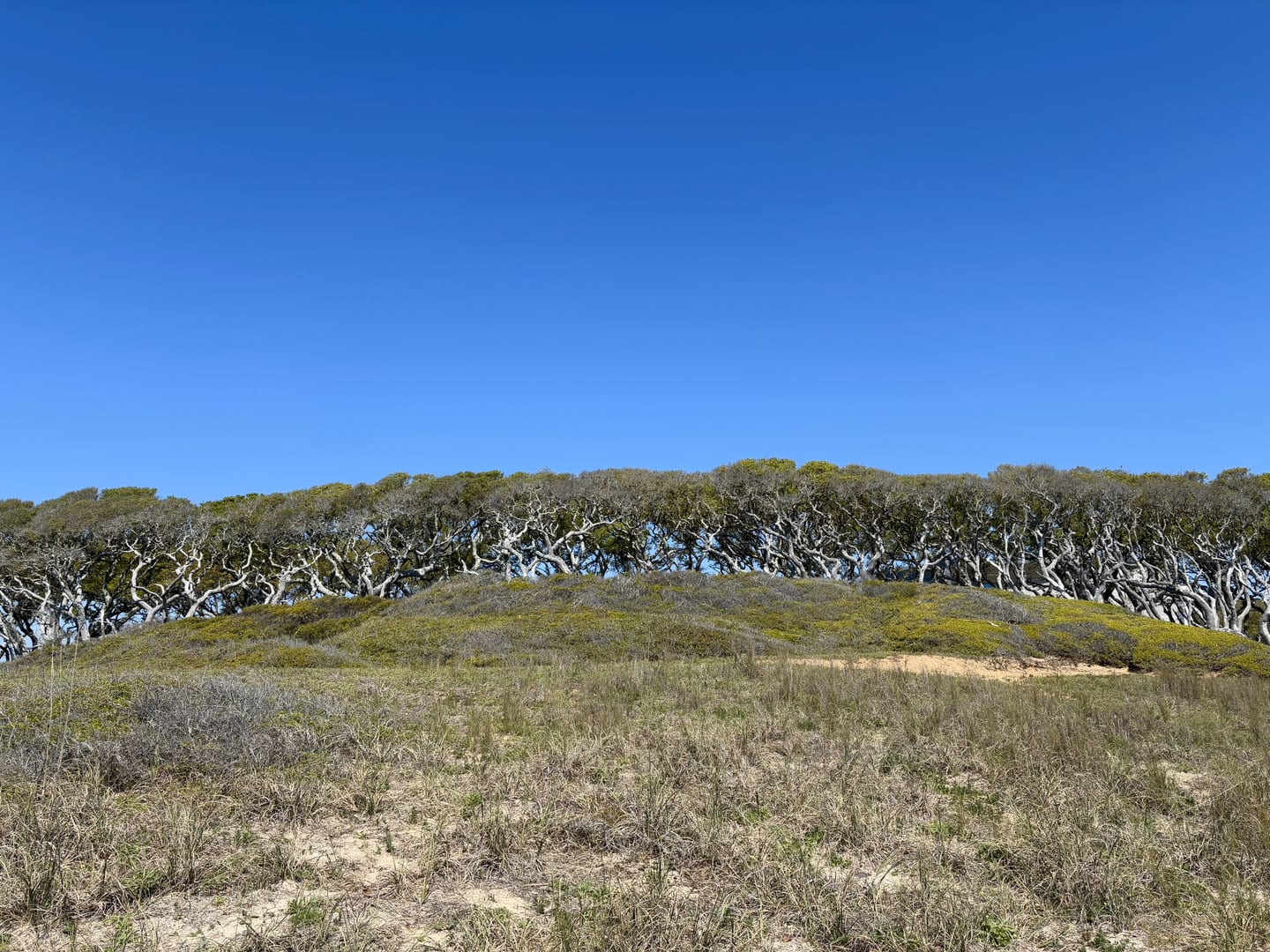
Earthwork mounds and grounds at Fort Fisher State Historic Site near Kure Beach, North Carolina, photographed April 2025.
Battlefield / Military Site

Fort Fisher State Historic Site

Kure Beach, NC

Fort Fisher was the largest earthwork fortification of the Civil War, built by the Confederacy beginning in 1861 to protect blockade-running traffic into the port of Wilmington. After a failed Christmas Eve 1864 assault, a combined Union land and naval bombardment captured the fort in January 1865. Fort Fisher's fall closed the last open Confederate seaport.

$ All Ages Family: High

New Bern — 2

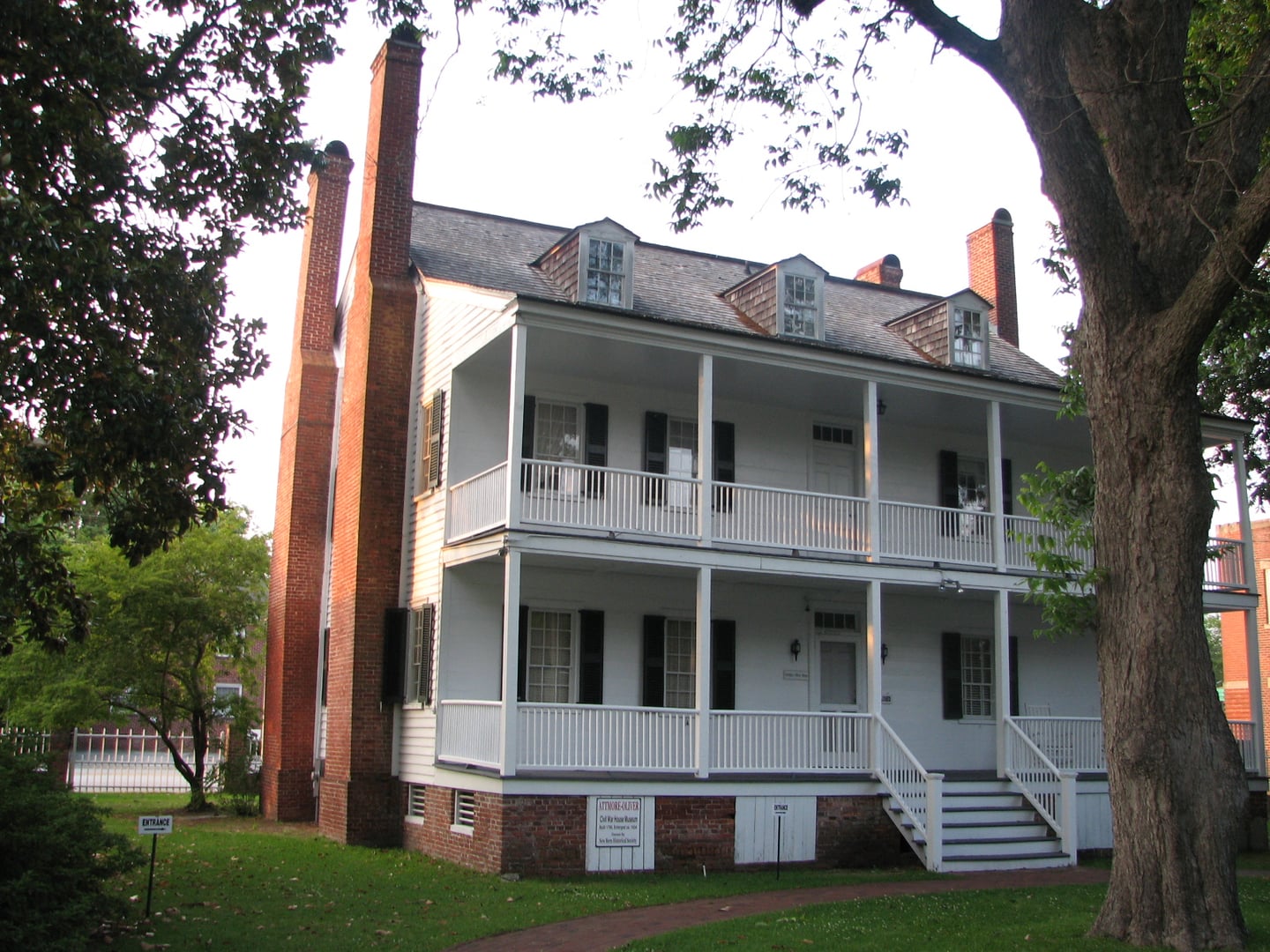
1790 Attmore-Oliver House at 511 Broad Street, a historic house museum in New Bern, Craven County, North Carolina
Museum / Historical Site

Attmore-Oliver House

New Bern, NC

The Attmore-Oliver House at 511 Broad Street in New Bern, North Carolina, was originally built around 1790 for Samuel Chapman, a retired Continental Army officer, and substantially enlarged around 1834. The home now serves as the administrative offices and primary museum of the New Bern Historical Society, with a Civil War exhibit focused on the 1862 fall of New Bern and the city's subsequent Union occupation.

$ All Ages Family: High
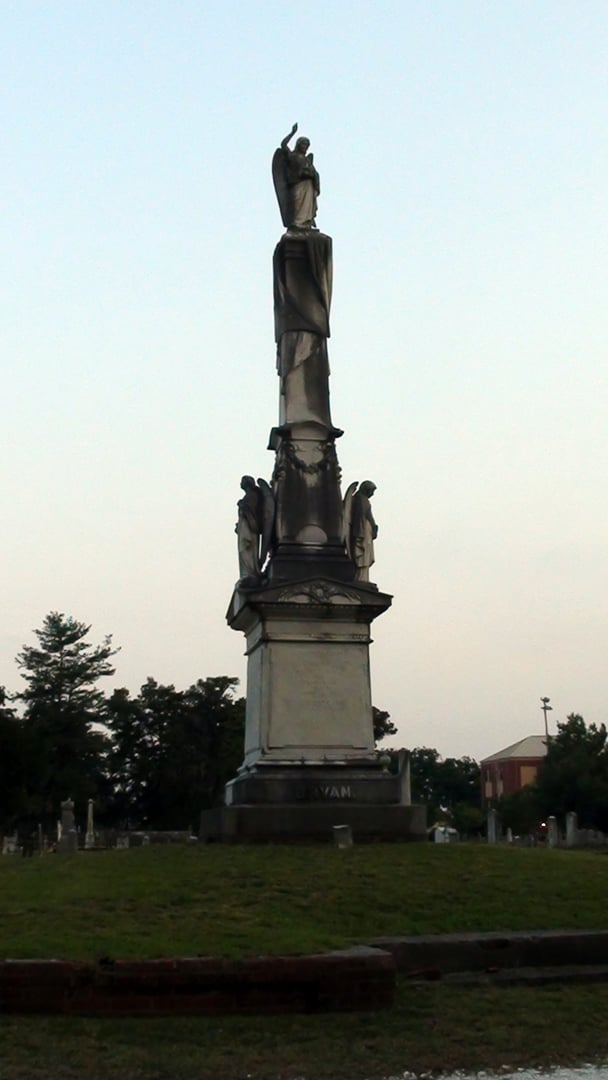
Our Dead monument standing among gravestones at Cedar Grove Cemetery in New Bern, North Carolina
Cemetery / Burial Ground

Cedar Grove Cemetery

New Bern, NC

Cedar Grove Cemetery in New Bern, North Carolina, was acquired by Christ Episcopal Church in 1800 after the Yellow Fever epidemic of 1798-99 filled the original churchyard burial ground. The City of New Bern took over the cemetery in 1853 and added the distinctive coquina Weeping Arch entrance in 1854. The cemetery holds one of North Carolina's finest collections of 19th-century mortuary statuary.

$ All Ages Family: High

Rutherfordton — 2

Downtown Rutherfordton, North Carolina, near the corner where the old county jail once stood
Photo coming soon
True Crime Site

Old Jail Site (Daniel Keith's Shadow), Rutherfordton

Rutherfordton, NC

On December 11, 1880, a man named Daniel Keith was publicly hanged at the old Rutherford County jail in Rutherfordton, North Carolina, after being convicted in the death of a young girl. Local tradition holds that Keith maintained his innocence, and the case is remembered in the county as a likely wrongful execution. The jail was later converted to offices and demolished in 1960.

$ All Ages Family: Moderate
Gilboa Church and its hillside cemetery near Rutherfordton, Rutherford County, North Carolina
Photo coming soon
Other Dark Tourism Site

Gilboa Church and Cemetery

Rutherfordton, NC

Gilboa is a historic Methodist congregation near Rutherfordton in Rutherford County, North Carolina, with roots in the late 1700s and a hillside cemetery holding Revolutionary War and Civil War veterans. The site is tied to the story of Daniel Keith, hanged in Rutherford County in 1880 and reputedly buried here in an unmarked grave.

$ All Ages Family: Moderate

Banner Elk — 1

Tate Hall, the former Grace Hospital building, at the center of the Lees-McRae College campus in Banner Elk, North Carolina
Museum / Historical Site

Lees-McRae College — Tate Hall

Banner Elk, NC

Lees-McRae College in Banner Elk, North Carolina was founded in 1900 by Edgar Tufts as an Appalachian mission school and grew into a four-year liberal arts college. Tate Hall, the dormitory at the center of the college's ghost folklore, was originally Grace Memorial Hospital — a 20-bed medical facility established by Tufts that served the surrounding mountain communities. The hospital was renovated into dormitory use in 1961 and renamed in honor of Dr. Tate.

$ All Ages Family: High

Bryson City — 1

Open Graph image from gsmr.com
Outdoor / Natural Site

Cowee Tunnel — Great Smoky Mountains Railroad

Bryson City, NC

On December 30, 1882, a group of approximately 30 incarcerated men — almost all of them Black, working under the post-Civil War convict lease system — were being ferried across the rain-swollen Tuckasegee River to continue construction of the Western North Carolina Railroad's Cowee Tunnel near Dillsboro. The raft capsized. Nineteen men, shackled in leg irons, drowned. They were buried in unmarked graves on the mountain above the tunnel. A North Carolina historical marker acknowledging their deaths was unveiled in May 2024.

$$ All Ages Family: High

Creswell — 1

HABS NC-23 general view of Somerset Place at Lake Phelps in Pettigrew State Park, Creswell, North Carolina, photographed by Thomas T. Waterman in July 1940.
Museum / Historical Site

Somerset Place State Historic Site

Creswell, NC

Somerset Place is a state historic site on the northern shore of Lake Phelps in Washington County, North Carolina. Between 1785 and 1865 it was one of the four largest plantations in North Carolina; by 1860 more than 300 enslaved people lived and worked on the property. The site is now operated by the North Carolina Department of Natural and Cultural Resources.

$ All Ages Family: Moderate

Elizabeth City — 1

The Queen Anne-style Cropsey house at 1901 Riverside Avenue in Elizabeth City, North Carolina.
Photo coming soon
Other Dark Tourism Site

Nell Cropsey House (Seven Pines)

Elizabeth City, NC

The Cropsey family moved from Brooklyn to Elizabeth City, North Carolina, in 1898 and settled at 1901 Riverside Avenue, a Queen Anne house they called Seven Pines on the bank of the Pasquotank River. On the night of November 20, 1901, 19-year-old Ella Maud 'Nell' Cropsey vanished after speaking with her boyfriend James Wilcox on the porch. Her body was recovered from the river 37 days later. Wilcox was tried twice, convicted of second-degree murder in 1903, and served roughly fifteen years.

$ Private property; not a public attraction Family: Moderate

Fletcher — 1

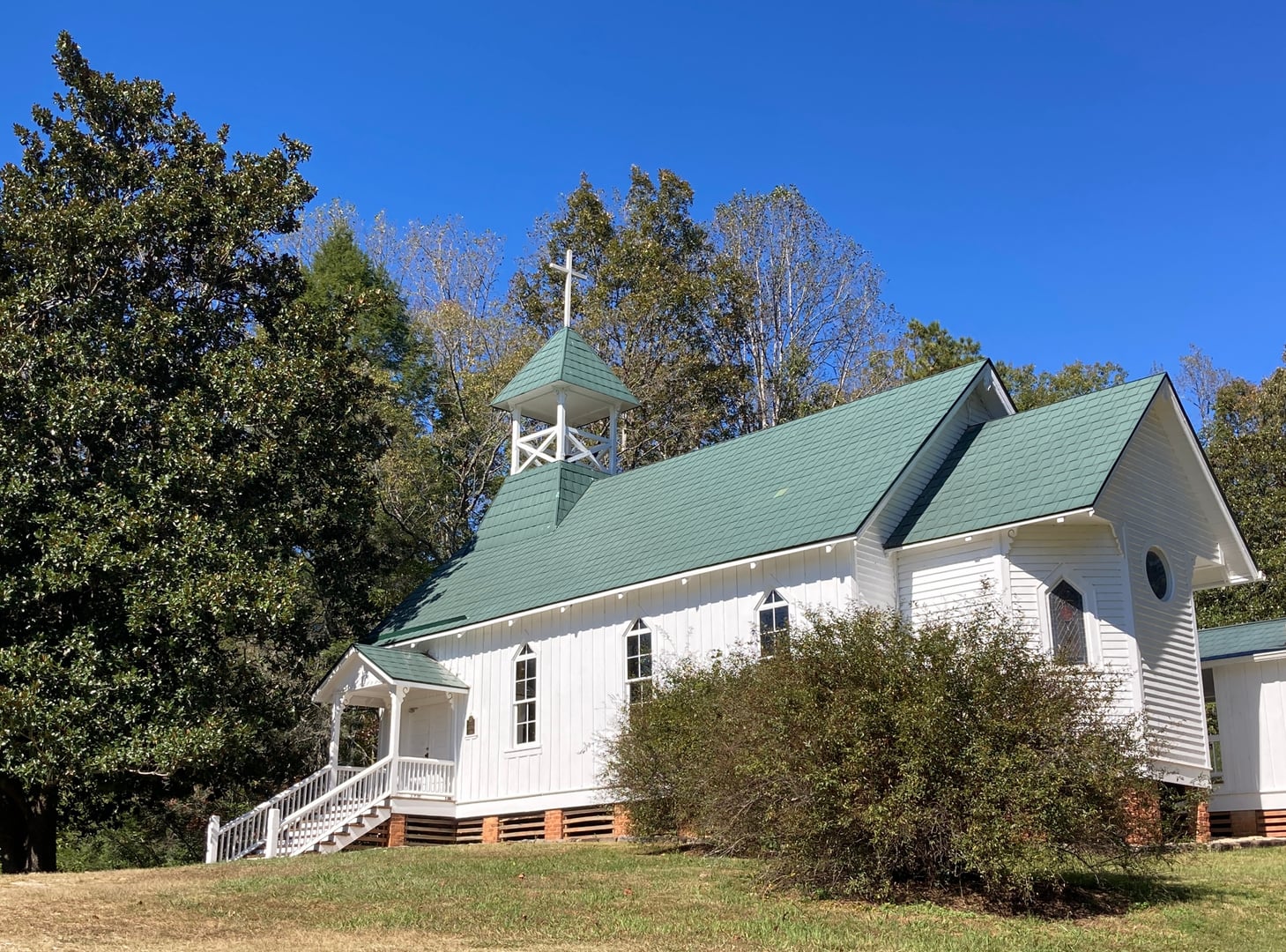
Calvary Episcopal Church and historic churchyard, Fletcher NC
Photo coming soon
Cemetery / Burial Ground

Calvary Episcopal Churchyard

Fletcher, NC

Calvary Episcopal Church in Fletcher was organized in 1857 and the church building was consecrated on August 21, 1859, by the Right Reverend Atkinson, bishop of the diocese of North Carolina. The parish was founded by Daniel and Helen Craig Blake, proprietors of a stagecoach inn and way station just north of Fletcher, who donated the land. The churchyard contains burials dating to the 1860s and earlier (in unmarked graves) and is the resting place of generations of Henderson County families, including the town's namesake Dr. George W. Fletcher.

$ All Ages Family: High

Four Oaks — 1

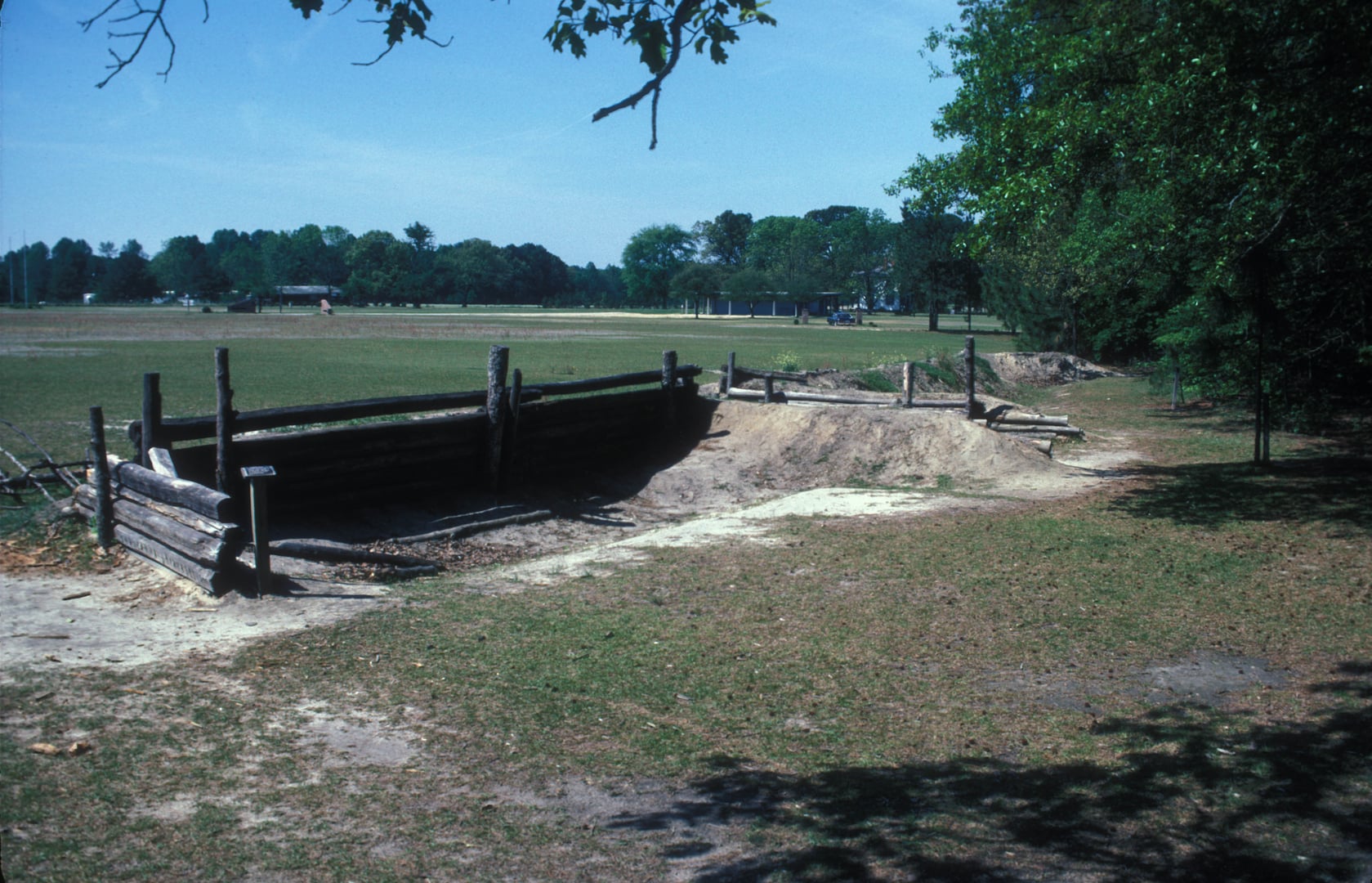
Preserved earthworks at Bentonville Battleground State Historic Site in Johnston County, North Carolina, site of the March 1865 Civil War battle
Battlefield / Military Site

Bentonville Battleground

Four Oaks, NC

Bentonville Battleground is the site of the March 1865 Battle of Bentonville, one of the last major Civil War engagements in North Carolina. Hundreds of soldiers died in the fighting.

$ All ages Family: Moderate

Gastonia — 1

The North Carolina historical marker and overgrown grounds of the former Lincoln Academy near Crowders Mountain, Gaston County
Photo coming soon
True Crime Site

Old Lincoln Academy

Gastonia, NC

Lincoln Academy was a boarding and day school for African American students near Crowders Mountain in Gaston County, North Carolina, founded by missionary educator Emily Catherine Prudden and opened in 1888. Administered by the American Missionary Association, it educated thousands until it closed in 1955; its buildings have since been demolished, leaving a cemetery and a historical marker.

$ All Ages Family: Low

Greensboro — 1

Marquee and facade of the Carolina Theatre in downtown Greensboro, North Carolina
Theater / Performance Venue

Carolina Theatre

Greensboro, NC

The Carolina Theatre in Greensboro, North Carolina, opened on Halloween night 1927 as a vaudeville and silent-movie palace. Designed in a lavish 1920s architectural style with chandeliers, ornate plaster, and a balcony auditorium, it hosted Ethel Barrymore, Bob Hope, and Elvis Presley during its operating decades. A 1981 arson fire killed the woman who set it; the theatre was subsequently restored.

$$ All Ages Family: High

Havelock — 1

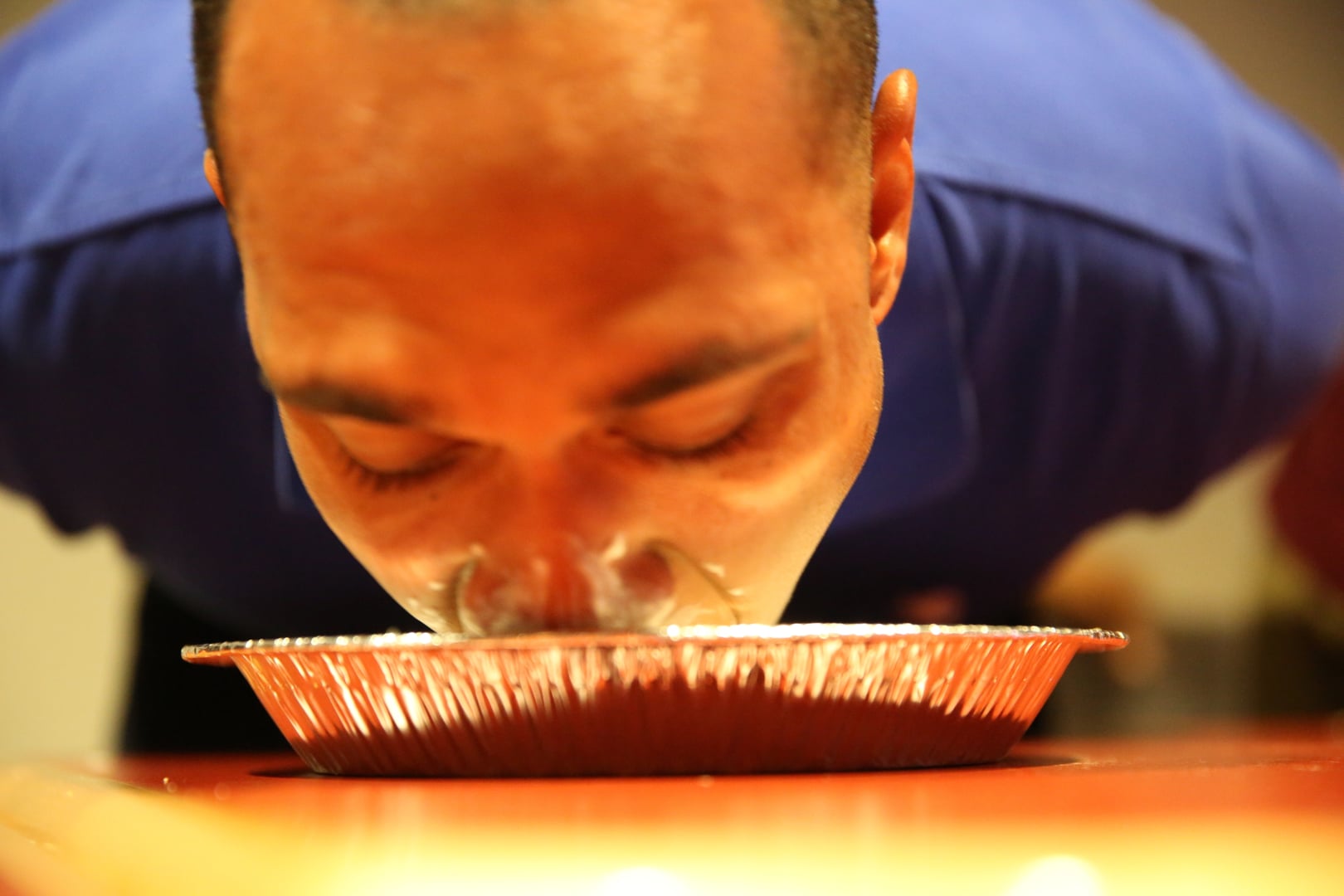
Pfc. Jodson B. Graves, a combat photographer with Marine Wing Headquarters Squadron 2, participates in a pie eating contest during the Big Chill event at the Roadhouse Dec. 17.
Unit: II Marine Expeditionary Force
Battlefield / Military Site

Marine Corps Air Station Cherry Point

Havelock, NC

Marine Corps Air Station Cherry Point, established during World War II on land in Craven County, North Carolina, was built on land that included the Little Witness Cemetery, where Kissie Ann Sykes and members of her family were buried. Construction of the flight line disturbed or displaced some of the cemetery's graves, separating Kissie's burial site from those of family members.

$ All Ages Family: High

Hayesville — 1

Historic Clay County Courthouse in Hayesville, North Carolina, a National Register landmark and centerpiece of the western Carolina mountain town
Outdoor / Natural Site

Hayesville Area — Cherokee County Haunts

Hayesville, NC

Hayesville is the county seat of Clay County, North Carolina, situated in the Blue Ridge Mountains near the Georgia border. The surrounding Cherokee County and Clay County region lies within the ancestral territory of the Cherokee Nation — the Trail of Tears passed through this area in 1838-1839. European settlement followed in the early 19th century, and the town of Hayesville was formally established in 1861. The region's layered history — Cherokee displacement, mountain settlement, and 20th-century commercial development — provides the context for its paranormal character.

$ All Ages Family: High

Huntersville — 1

Latta Plantation, Huntersville, North Carolina
Haunted House / Historic Home

Latta Place

Huntersville, NC

Latta Place in Huntersville, North Carolina was built around 1800 by James Latta, an Irish immigrant who arrived in the United States in 1785 and built a successful merchant business before converting his Mecklenburg County land into a cotton plantation. By his retirement in 1820, the property encompassed 742 acres worked by 34 enslaved people. Mecklenburg County closed the site in 2021 and is investing $11.2 million in a redesigned interpretive experience expected to open in 2026.

$ All Ages Family: Moderate

Jamestown — 1

A concrete highway underpass marked with graffiti and surrounded by kudzu along old US Highway 70 in Jamestown, North Carolina
Photo coming soon
Outdoor / Natural Site

U.S. Highway 70 Underpass (Lydia's Bridge)

Jamestown, NC

The bridge associated with Lydia's Bridge folklore is a former railroad underpass along old US Highway 70 in Jamestown, North Carolina. The legend has been linked by researchers Michael Renegar and Amy Greer to Annie L. Jackson, a Greensboro woman killed in a June 1920 automobile accident on the High Point Road. A state historical marker was installed at the site in 2023.

$ All Ages Family: High

Linville Falls — 1

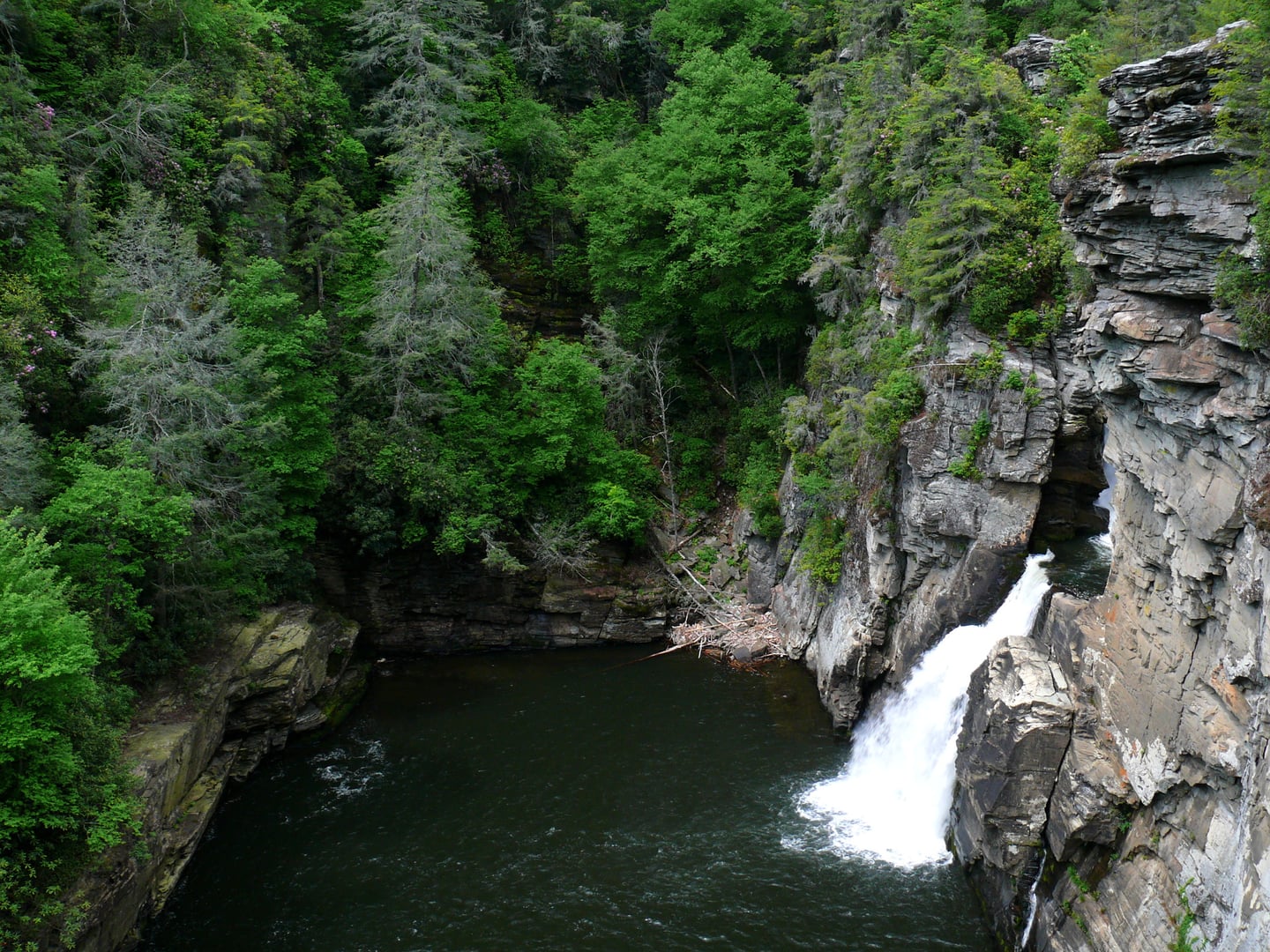
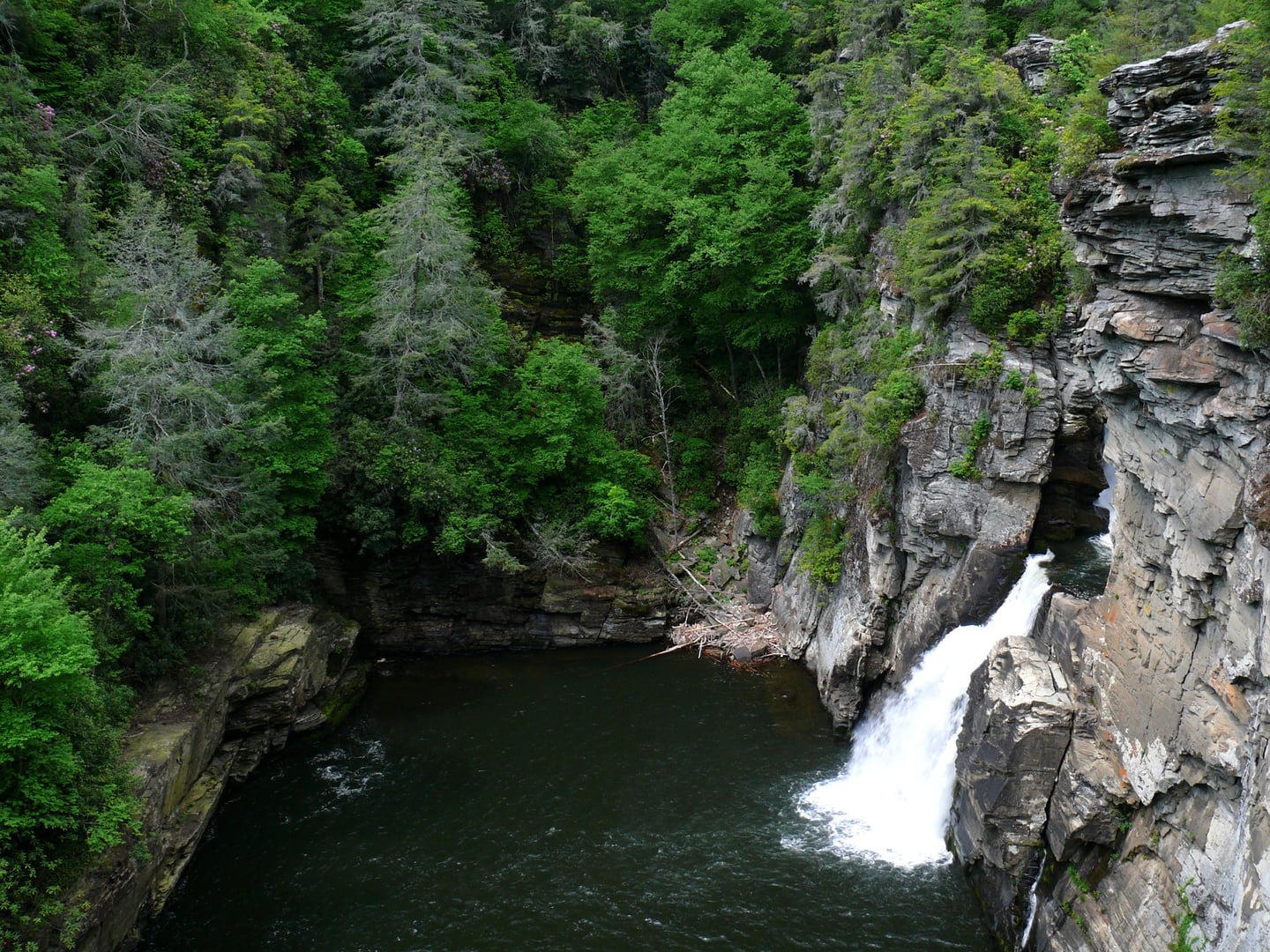
Linville Falls, as seen from the Plunge Basin Overlook on the eastern side of the Linville Gorge.Photo taken with a Panasonic Lumix DMC-FZ50 in Burke County, NC, USA.
Outdoor / Natural Site

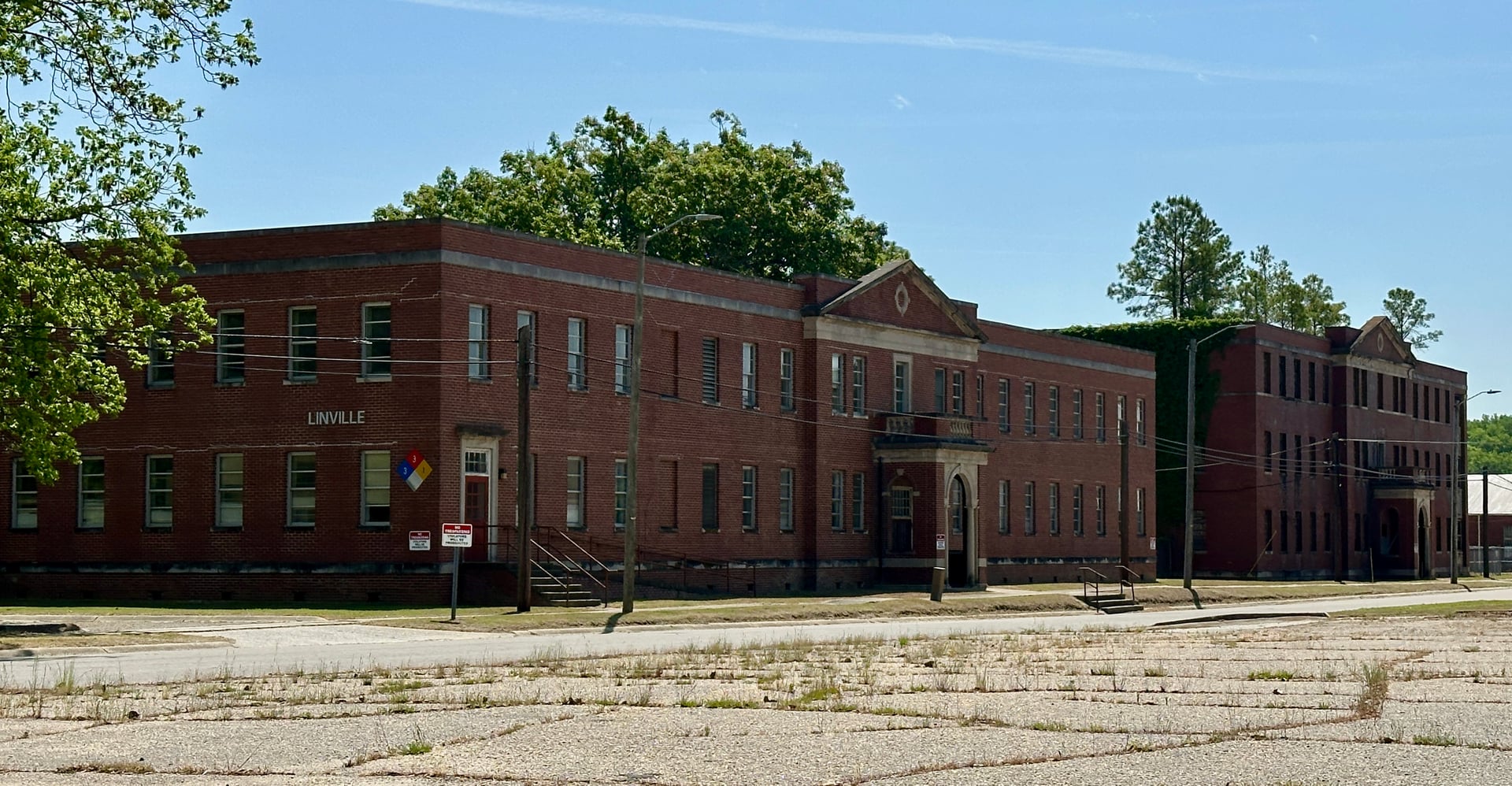
Linville Gorge

Linville Falls, NC

The Linville Gorge Wilderness in Burke County, North Carolina is part of the Pisgah National Forest and contains the deepest river gorge in the eastern United States. The Brown Mountain Lights — unexplained luminous phenomena visible from Wiseman's View and other overlooks near the gorge — were first reported in published accounts around 1910. A 1922 investigation by USGS scientist George R. Mansfield attempted to explain them as reflected headlights and brush fires but could not account for all reported sightings.

$ All Ages Family: Low

Lucama — 1

Lumberton — 1

Grave markers at Meadowbrook Cemetery in Lumberton, North Carolina
Photo coming soon
Cemetery / Burial Ground

Meadowbrook Cemetery

Lumberton, NC

Meadowbrook Cemetery is a city-owned burial ground in Lumberton, North Carolina, opened in 1907. It is maintained by the City of Lumberton and contains grave markers spanning more than a century of Robeson County residents.

$ All Ages Family: High

Manteo — 1

Reconstructed earthen fort at Fort Raleigh National Historic Site on Roanoke Island North Carolina
Museum / Historical Site

Roanoke Island Historic Site

Manteo, NC

Fort Raleigh National Historic Site on Roanoke Island in North Carolina preserves the location of the 1585-1590 English Roanoke colonies, including the 1587 colony of 117 men, women, and children that vanished before John White's return supply voyage in 1590. The site is administered by the National Park Service.

$ All Ages Family: High

Monroe — 1

1903 Classical Revival Blakeney House on East Franklin Street, Monroe NC
Photo coming soon
Haunted House / Historic Home

The Blakeney House

Monroe, NC

The Blakeney House at 418 E. Franklin Street in Monroe, North Carolina was built in 1903 by W.S. Blakeney, president of the Bank of Union, who relocated from South Carolina. The Classical Revival design is by the noted Charlotte firm of Hook and Sawyer, with John Wallace as contractor.

$ All Ages Family: High

Mooresville — 1

Morganton — 1

Brown Mountain — the low Burke County ridge famous for the Brown Mountain Lights — seen from Beacon Heights on the Blue Ridge Parkway
Outdoor / Natural Site

Brown Mountain

Morganton, NC

The Brown Mountain Lights are an unexplained luminous phenomenon reported above Brown Mountain in the Pisgah National Forest of western North Carolina. The earliest documented observations date from the 1910s; Cherokee and Catawba oral traditions reference the lights for centuries before that. The United States Geological Survey investigated the phenomenon in 1913 and 1922.

$ All Ages Family: High

Mt Pleasant — 1

Former Mount Pleasant Prison Camp building with barbed wire fencing and guard watchtower, now home to Southern Grace Distilleries
Photo coming soon
Prison / Reformatory

Southern Grace Prison Distillery

Mt Pleasant, NC

Mount Pleasant Prison Camp opened in 1929 in Cabarrus County, North Carolina, operating during the chain-gang era before closing in 2011. The compound remained structurally intact — barbed wire, watchtower, and original dormitories — when distillers Leanne Powell and Thomas Thacker converted it into Southern Grace Distilleries in 2016, releasing their first barrel of bourbon from the former prison dorm in January 2017.

$$$ 21+ for paranormal investigations Family: Low

Nags Head — 1

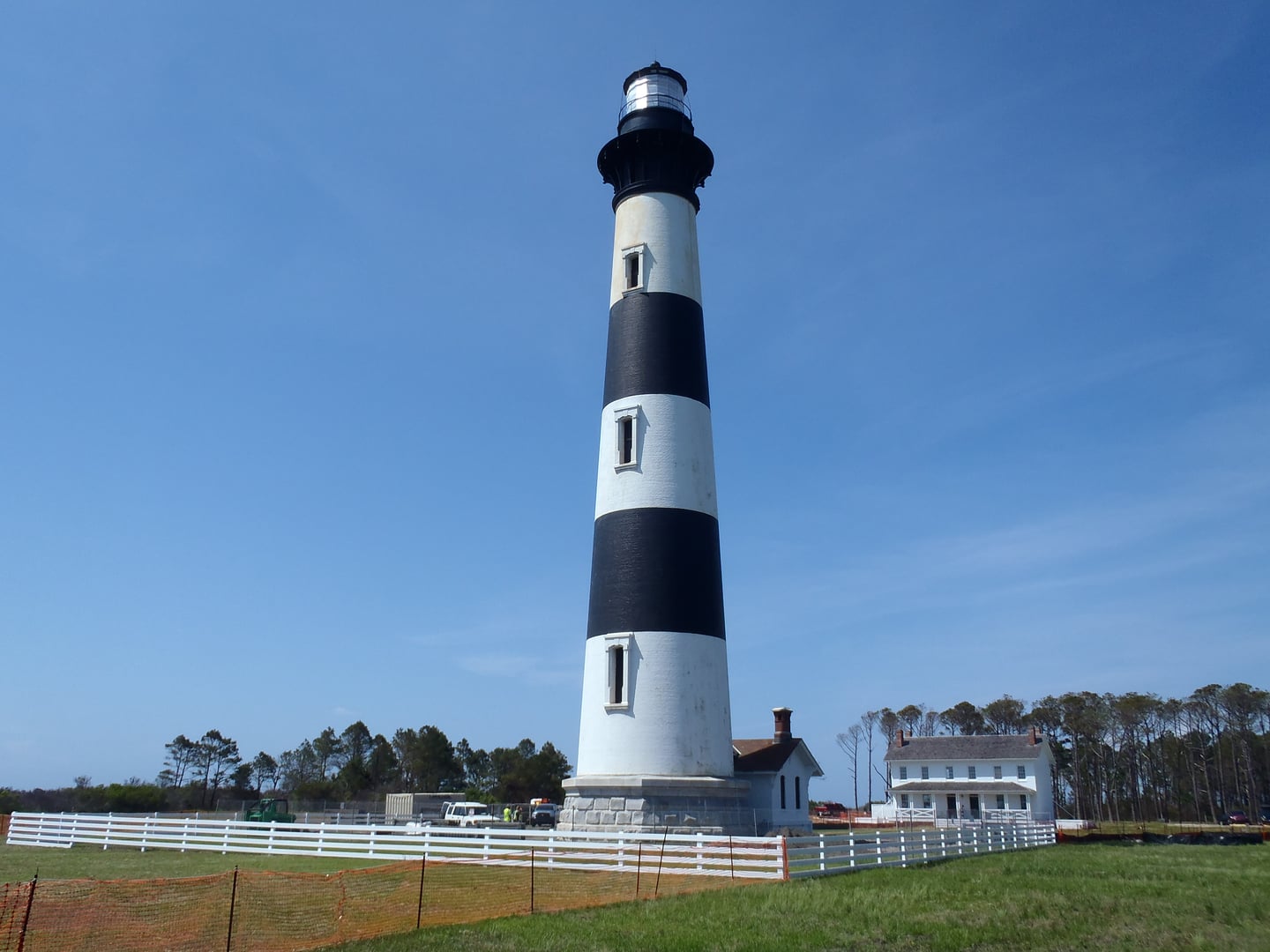
156-foot black-and-white horizontally-banded Bodie Island Lighthouse on the Outer Banks of North Carolina
Museum / Historical Site

Bodie Island Lighthouse

Nags Head, NC

The Bodie Island Lighthouse, built in 1872, is the third light station to stand on this stretch of the North Carolina Outer Banks. Its 156-foot tower marks one of the most treacherous sections of the Graveyard of the Atlantic between Cape Henry and Cape Hatteras.

$ All Ages Family: High

near Morganton — 1

Brown Mountain ridge viewed from a Blue Ridge Parkway overlook at Beacon Heights, North Carolina
Outdoor / Natural Site

Brown Mountain Lights (Blue Ridge Parkway Overlooks)

near Morganton, NC

The Brown Mountain Lights are an intermittent light phenomenon visible from the Burke County, North Carolina, side of Brown Mountain, a low ridge along the Burke-Caldwell county line. Sightings have been documented since 1833. The U.S. Geological Survey investigated the lights in 1913 and again in the 1920s, and the phenomenon has been studied repeatedly by academic researchers since.

$ All Ages Family: High

Newton — 1

The 1818 log-and-weatherboard Old St. Paul's Lutheran Church near Newton, Catawba County, North Carolina
Photo coming soon
Other Dark Tourism Site

Old St. Paul's Lutheran Church

Newton, NC

Old St. Paul's Lutheran Church near Newton in Catawba County, North Carolina, is a two-story log-and-weatherboard church built in 1818 by German Lutheran and Reformed settlers. It is one of the oldest existing churches in North Carolina west of the Catawba River and was listed on the National Register of Historic Places in 1971. Its Federal-style interior retains a carved sounding board and an upper gallery historically used to segregate enslaved worshippers.

$ All Ages Family: Moderate

Ocean Isle Beach — 1

The Winds Resort Beach Club oceanfront property at Ocean Isle Beach, Brunswick County, North Carolina
Photo coming soon
Haunted Hotel / Inn

The Winds Resort Beach Club

Ocean Isle Beach, NC

The Winds Resort Beach Club is an operating oceanfront resort on Ocean Isle Beach in Brunswick County, North Carolina, just north of the South Carolina line and the North Myrtle Beach area. It is a conventional family beach resort with rooms and cottages; its only notable lore is a single ghost story about a guest named 'Sam.'

$$$ All Ages Family: High

Ocracoke — 1

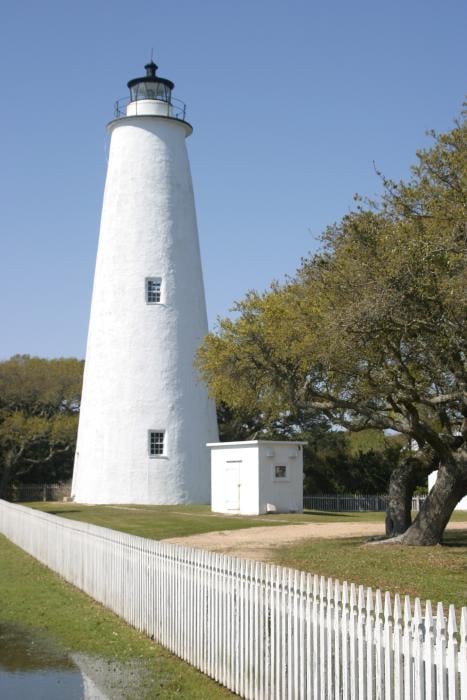
The whitewashed brick tower of Ocracoke Light, North Carolina's oldest operating lighthouse
Museum / Historical Site

Ocracoke Light

Ocracoke, NC

Ocracoke Light is the oldest operating lighthouse in North Carolina and the second-oldest operating lighthouse in the United States. Built in 1823 by Noah Porter for $11,359, the 75-foot whitewashed brick tower has guided ships through Ocracoke Inlet for over two centuries and has been administered by the Cape Hatteras National Seashore since 1951.

$ All Ages Family: High

Rockingham — 1

Historic district streetscape in uptown Rockingham, North Carolina, along the Rock the Ghost Walk route
Photo coming soon
Other Dark Tourism Site

Rock the Ghost Walk — Rockingham, NC

Rockingham, NC

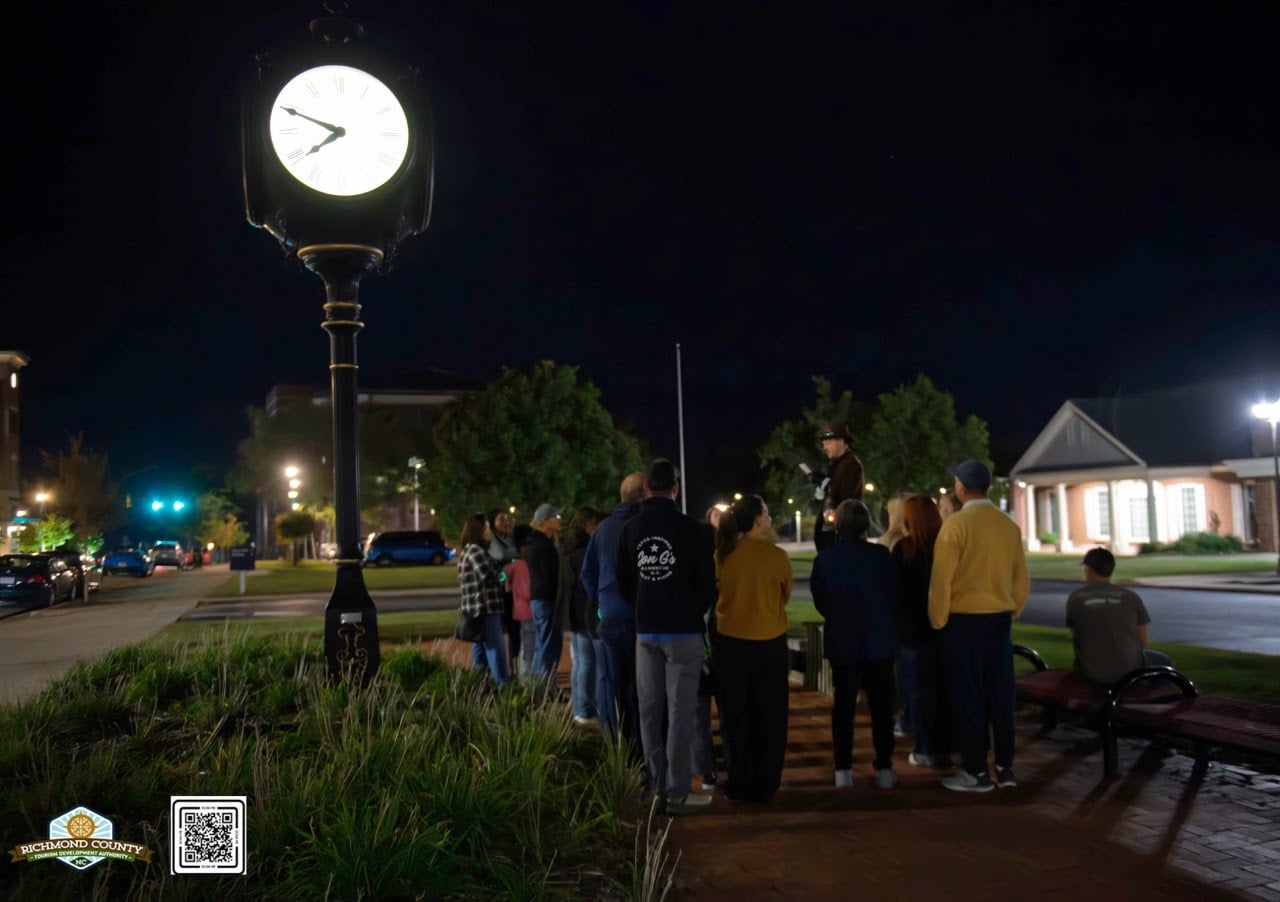
Rock the Ghost Walk has offered guided tours through Richmond County, North Carolina's documented dark and historic sites since 2018, organized by the Preservation of Downtown Rockingham Project. Tours rotate between an Uptown Ghouls walk through uptown Rockingham, a Haunted Homes walk through the Rockingham Historic District, and a Hamlet Ghost Walk along Main Street in the neighboring Amtrak depot town of Hamlet — alternating annual October public events between the two municipalities.

$ All Ages Family: High

Statesville — 1

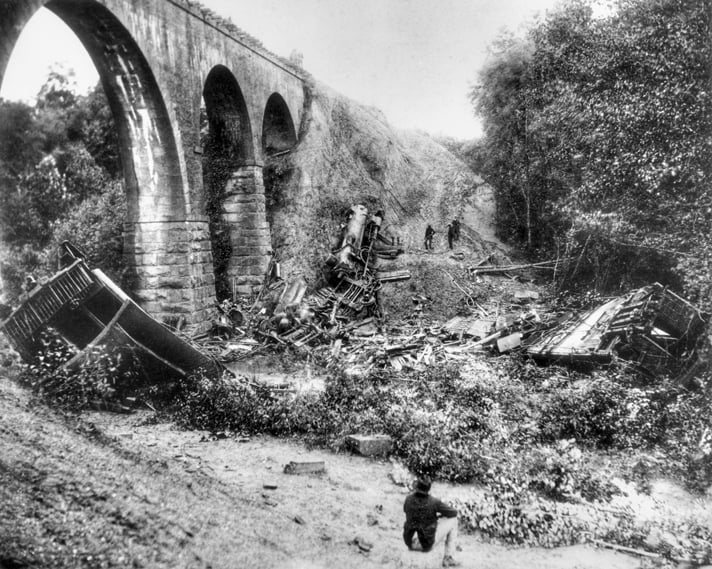
Locomotive and wooden passenger car wreckage at the base of Bostian Bridge over Third Creek near Statesville, North Carolina, after the August 1891 train disaster
Outdoor / Natural Site

Bostian Bridge

Statesville, NC

Bostian Bridge is a historic railroad bridge in North Carolina.

$ All ages Family: High

Swannanoa — 1

The campus and chapel of Warren Wilson College in Swannanoa, Buncombe County, North Carolina
Photo coming soon
Other Dark Tourism Site

Warren Wilson College

Swannanoa, NC

Warren Wilson College is a private liberal arts college in Swannanoa, in the mountains east of Asheville in Buncombe County, North Carolina. It grew out of the Asheville Farm School, founded by Presbyterian women in 1894, and is known today for a distinctive 'triad' model combining academics, on-campus work, and community service on a working farm.

$ All Ages Family: Moderate

Wendell — 1

Rural bridge crossing on Morphus Bridge Road outside Wendell, North Carolina
Photo coming soon
Outdoor / Natural Site

Morpheus Bridge

Wendell, NC

Morphus Bridge Road runs through rural Wake County near Wendell, North Carolina. The bridge crossing has accumulated a local ghost legend involving a family accident said to have occurred in the 1940s, though no historical documentation of the specific event has been found in public records.

$ All Ages Family: High

Wilkesboro — 1

The 1859 Old Wilkes Jail, now part of the Wilkes Heritage Museum, in Wilkesboro, North Carolina
Photo coming soon
Prison / Reformatory

Old Wilkes Jail Museum

Wilkesboro, NC

The Old Wilkes Jail in Wilkesboro, North Carolina, was built in 1859 and served as the Wilkes County jail until 1915. One of the best-preserved nineteenth-century jails in the state, it held Tom Dula, the folk-ballad outlaw, ahead of his trial for the 1866 murder of Laura Foster. Restored in the 1960s-70s, it operates today as part of the Wilkes Heritage Museum.

$ All Ages Family: Moderate

Williamston — 1

A rural bridge over Yarrell Creek on Yarrell Creek Road outside Williamston, Martin County, North Carolina
Photo coming soon
Outdoor / Natural Site

The Screaming Bridge

Williamston, NC

The Screaming Bridge is a rural bridge where Yarrell Creek Road crosses Yarrell Creek (also called Sweet Water Creek) outside Williamston in Martin County, North Carolina. It is known almost entirely for a long-standing local ghost legend rather than for documented history; HauntBound found no archival record confirming the events the legend describes.

$ All Ages Family: Moderate

By type