Est. 1876 · National Register of Historic Places · Second Empire Architecture · Cabarrus County Seat History · Historic Jail Preservation
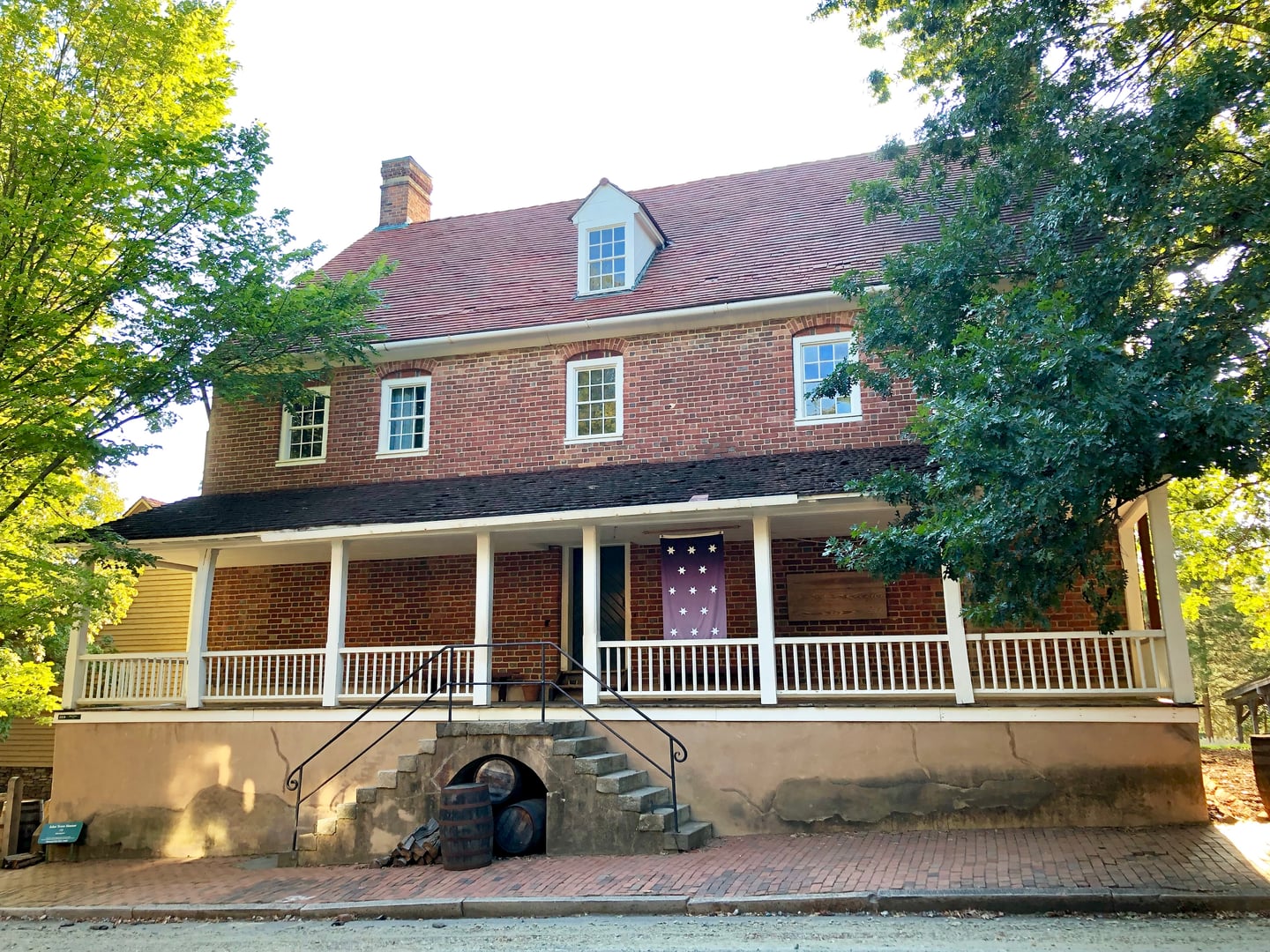
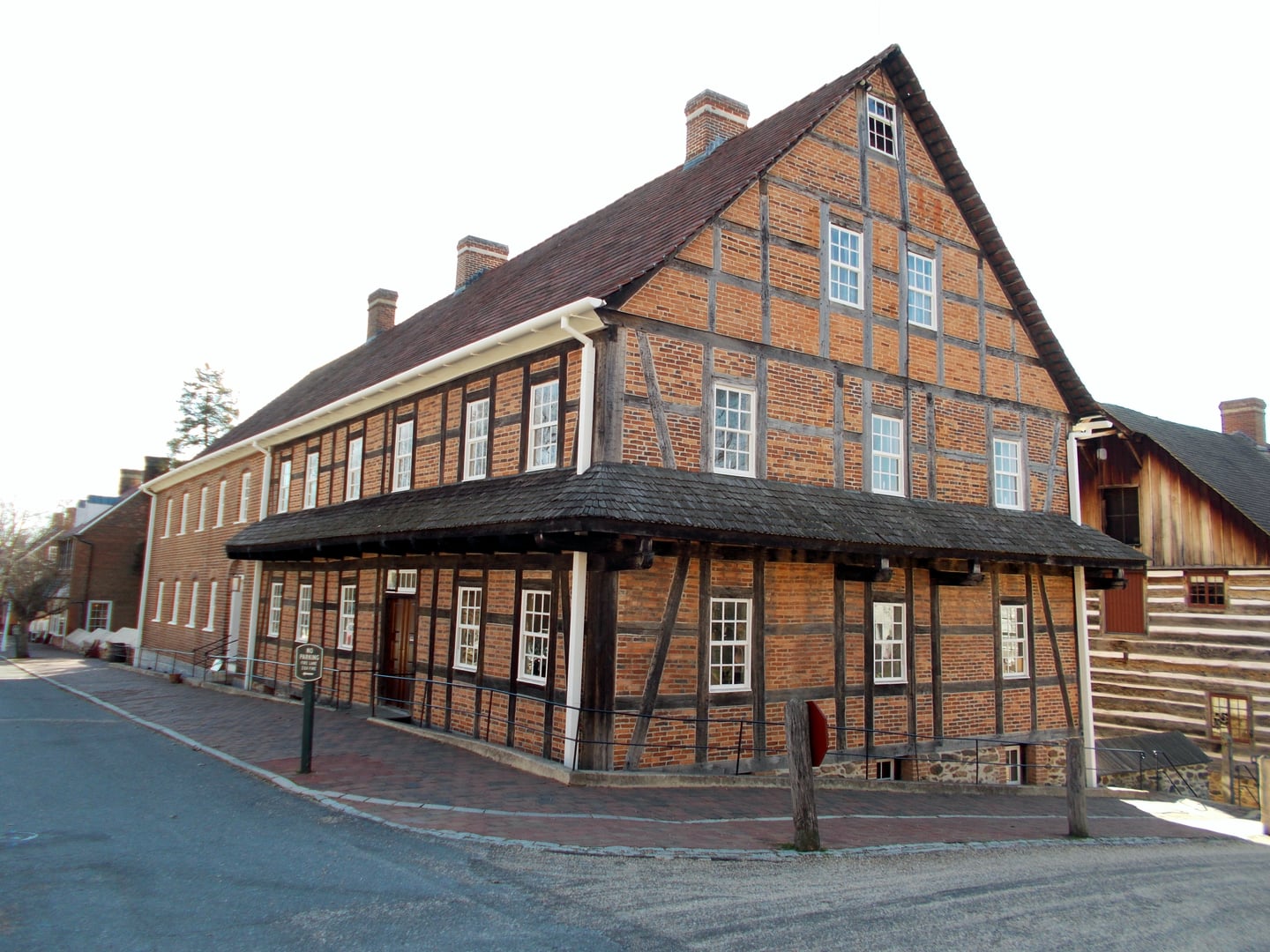
Cabarrus County, established in 1792 from portions of Mecklenburg County, has had its seat at Concord since the county's founding. The courthouse at 65 Union St S dates to 1875–1876, when it was built to replace a previous courthouse destroyed by fire the same year. The replacement building was designed in the Second Empire style — identified by its distinctive mansard roof — which was among the more fashionable architectural forms for American civic buildings in the 1870s.
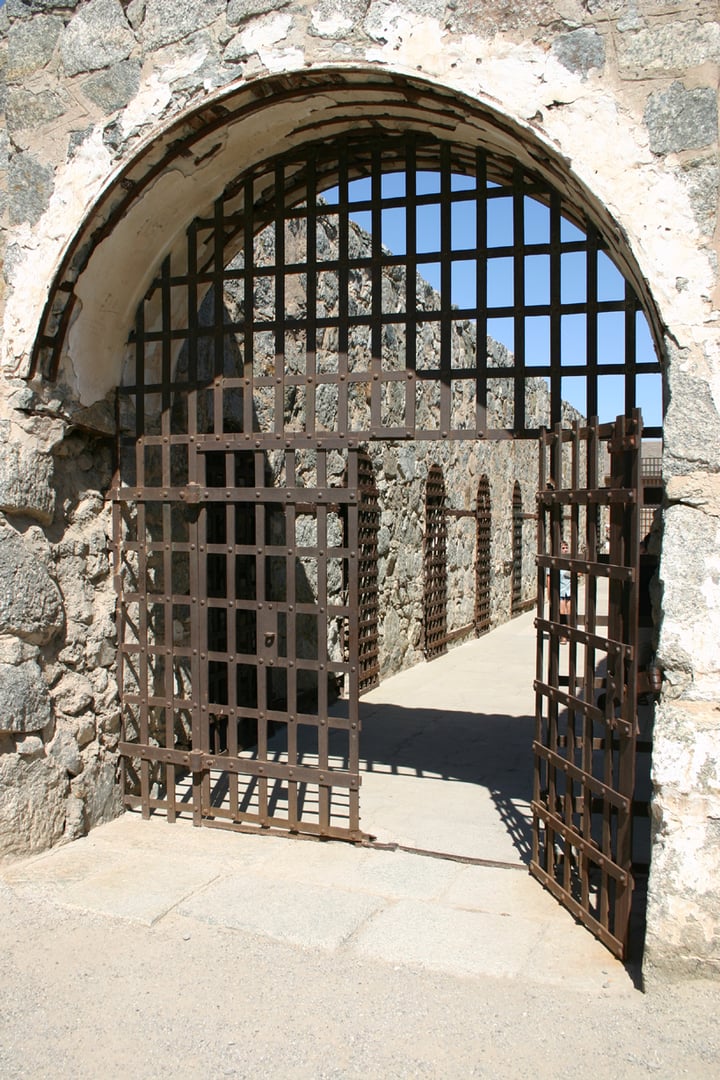
The building served as Cabarrus County's functioning courthouse and included jail facilities on its upper floors, with prison cells that held defendants and convicted inmates during the county's active use of the building. The structure is listed on the National Register of Historic Places, recognizing its historical and architectural significance to the Concord downtown.
The Historic Cabarrus Association acquired and now operates the building as a museum and arts venue, offering tours to the public. The former prison cells on the upper floors are accessible to tour visitors, giving the public a direct encounter with the building's custodial history.
Concord's History & Haunts ghost walking tour includes the courthouse as a featured stop, connecting its documented history — the fires, the executions, the long jail function — to the paranormal claims reported by staff and visitors.
Sources
- https://en.wikipedia.org/wiki/Cabarrus_County_Courthouse
- https://www.cabarrusweekly.com/history-haunts-walking-tour-explore-concords-spooky-past/
- https://historiccabarrus.com/visit-us/
FootstepsDisembodied soundsUnexplained whistling
The paranormal claims at the Cabarrus County Courthouse center on two recurring phenomena documented by the Cabarrus Weekly and confirmed as stops on the official History & Haunts tour. Staff working in the building have described hearing footsteps on the main staircase that occur with no one on the stairs — a report repeated across multiple staff members rather than as a single incident. Near the decommissioned cell block on the upper floors, unexplained whistling has been reported, with no identified source.
The building's history as a functioning jail and courthouse provides the frame for these accounts. Upper-floor cells held individuals awaiting trial or serving sentences over the building's decades of custodial use, and the staircase between floors was the daily transit point for that movement. The specific location of the footstep reports — the staircase — and the whistling near the cell block rather than elsewhere in the building, give the claims a degree of specificity that distinguishes them from more generalized hauntings.
The History & Haunts walking tour of Concord, operated as an official city tourism product and documented in the Cabarrus Weekly, includes the courthouse as one of its stops, indicating that the building's paranormal reputation is recognized in the local tourism context and not limited to word-of-mouth reports.