Guided Tour
Docent-led tour of the 1758 stone house
Walk through the German Colonial structure, including the cast-iron five-plate stove that dates the house, the two-foot-thick stone walls, and the Heritage Garden.
- Duration:
- 1 hr
HauntBound archive · catalog record
Reported phenomena, as catalogued
1758 German Colonial stone house in Frederick, one of the oldest surviving homes in the city, where docents and visitors report hearing voices speaking in German and phantom footsteps.
1110 Rosemont Avenue, Frederick, MD 21701
Research updated September 2026
Age
All Ages
Cost
$
Suggested donation or modest admission for guided tours of the historic house; check the Frederick County Landmarks Foundation for current pricing.
Access
Limited Access
Eighteenth-century stone house with a tight winding staircase to the second floor; ground-floor and garden are easier to navigate.
Equipment
Photos OK
Est. 1758 · One of the oldest surviving houses in Frederick · Considered the finest existing example of German colonial architecture in the United States · Retains the only known cast-iron five-plate stove still in its original 1758 location · Purchased and preserved by the Frederick County Landmarks Commission in 1974
The Brunner family arrived in what is now Frederick County in 1736 and began farming a 303-acre tract they named Schifferstadt after their hometown in the German Palatinate region. The family lived in a log house until 1758, when Joseph Brunner's son Elias and Elias's wife Albertina completed the stone house that survives today. The completion date is anchored by an iron five-plate stove cast for the house in 1758, one of three originally installed and the only one still in its original location anywhere in the United States.
The building is regarded as the finest existing example of German colonial domestic architecture in the United States. It features two-foot-thick stone walls, a vaulted cellar, a clean energy-efficient radiant heating system tied to the original chimney plan, and a tightly winding staircase to the upper floor. The interior preserves an unusual amount of original eighteenth-century fabric, including hand-hewn beams, original window placements, and the surviving five-plate stove.
The house remained in the Brunner family for several generations and then passed through subsequent private owners before being threatened with demolition in the early 1970s as the surrounding land was developed. In 1974 the Frederick County Landmarks Commission (now the Frederick County Landmarks Foundation) purchased the house, which by that point conveyed with only about 1.5 acres of its original tract.
The Foundation now operates the building as the Schifferstadt Architectural Museum, offering guided tours that interpret eighteenth-century German colonial life, building craft, and the Brunner family's role in Frederick's founding-era German immigrant community. A Heritage Garden — a colonial four-square kitchen garden maintained by master gardeners — was honored with a Frederick City Historic Preservation Award in 2015.
Sources
According to the Haunted Places directory entry for the property and Visit Frederick's coverage of haunted Frederick venues, the most frequently reported phenomenon at Schifferstadt is the sound of voices speaking in German. Witnesses describe hearing snatches of conversation in a language none of the docents speak, attributed in local lore to the Brunner family who built the house in 1758 and lived in it for generations.
Visitors and staff have also reported unexplained footsteps walking throughout the house — typically on the upper floor or on the winding staircase — when no one else is on the premises. According to Haunted Places, the museum runs evening Spirits at Schifferstadt tours that incorporate these docent and visitor accounts into its programming, framing them as residual rather than overtly threatening encounters.
No named entity is associated with the activity; rather, the lore is tied collectively to the Brunner family's long occupation of the house and the unusual amount of intact eighteenth-century fabric still present in the structure.
Notable Entities
Walk through the German Colonial structure, including the cast-iron five-plate stove that dates the house, the two-foot-thick stone walls, and the Heritage Garden.
Seasonal evening program in which docents share visitor and staff reports of German-language voices and unexplained footsteps inside the historic house.
Some links on this page may earn HauntBound a small commission when you book, at no extra cost to you. Our editorial picks are independent. Full disclosure
Every HauntBound history is researched from documented sources. We clearly separate verified historical fact from paranormal folklore.
Free Guide
9 verified stops, rated for families, mapped in order. Free.
One email to confirm, then the guide link. Unsubscribe anytime.
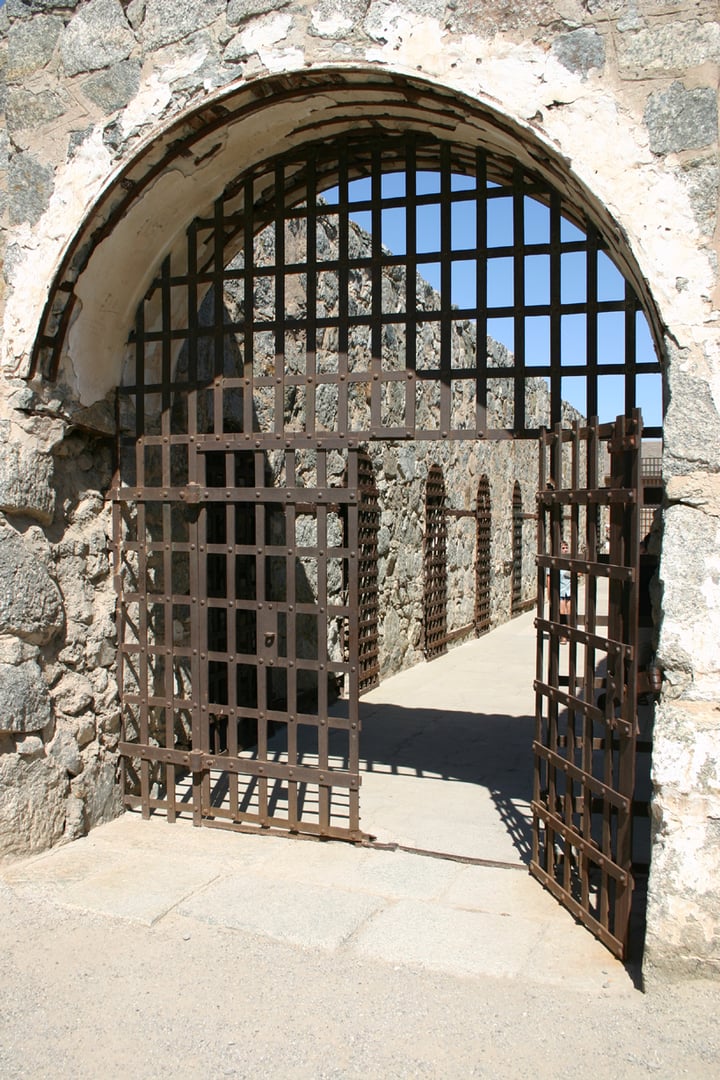
Yuma, AZ
Yuma Territorial Prison operated from 1876 to 1909 on a bluff overlooking the Colorado River in Yuma, Arizona. It held 3,069 prisoners during its 33-year operation, including 29 women. The facility became a state historic park and has been voted by USA Today readers as the Best Haunted Destination in the nation.
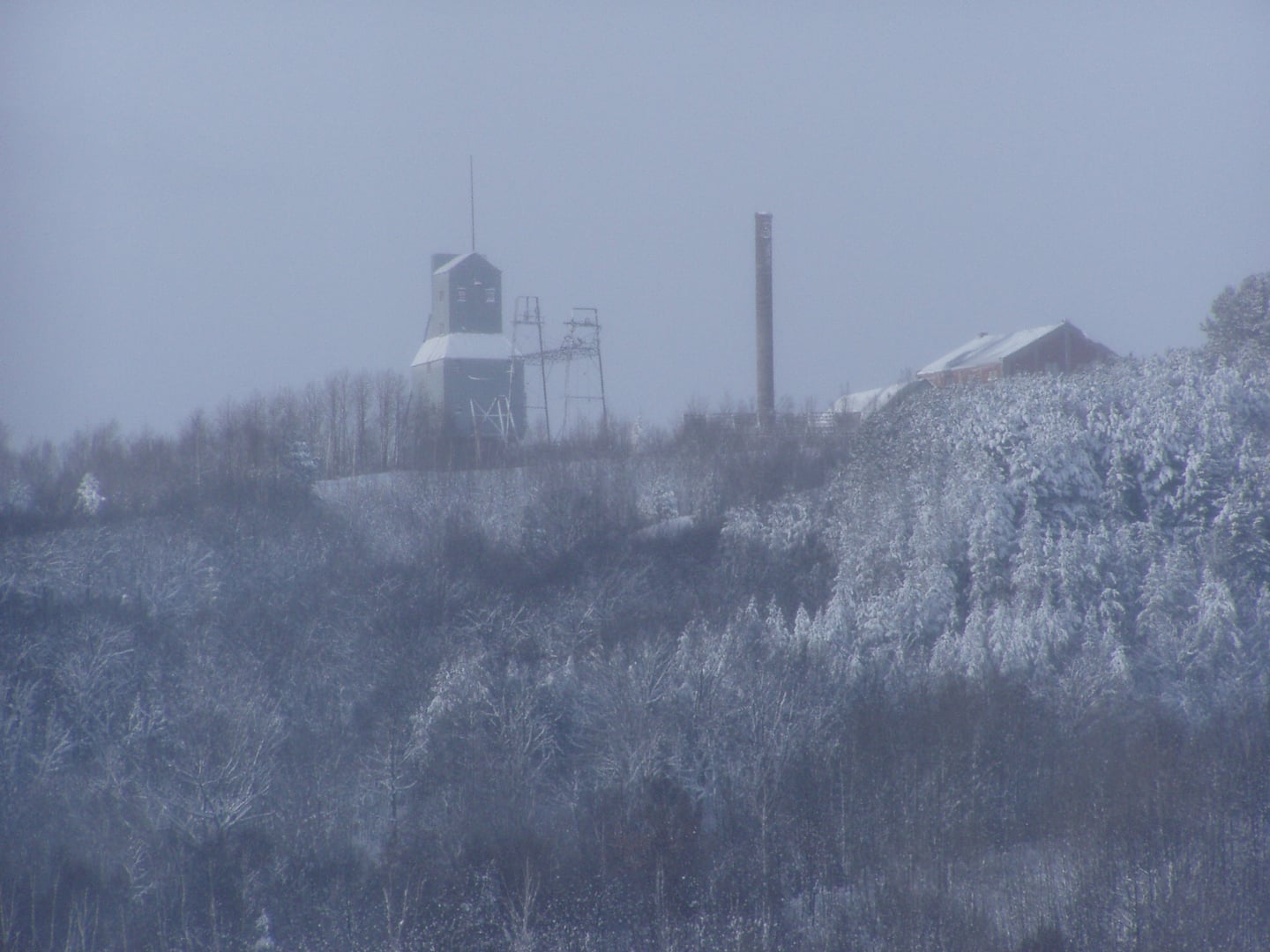
Hancock, MI
The Quincy Mining Company began extracting copper from the Keweenaw Peninsula in 1846 and operated continuously until 1945, producing nearly a billion pounds of copper. During that period, 253 workers died in documented underground accidents. At its deepest, the mine reached 9,000 feet — the deepest copper mine in the world at the time — and its No. 2 shaft hoist house is a National Historic Landmark.
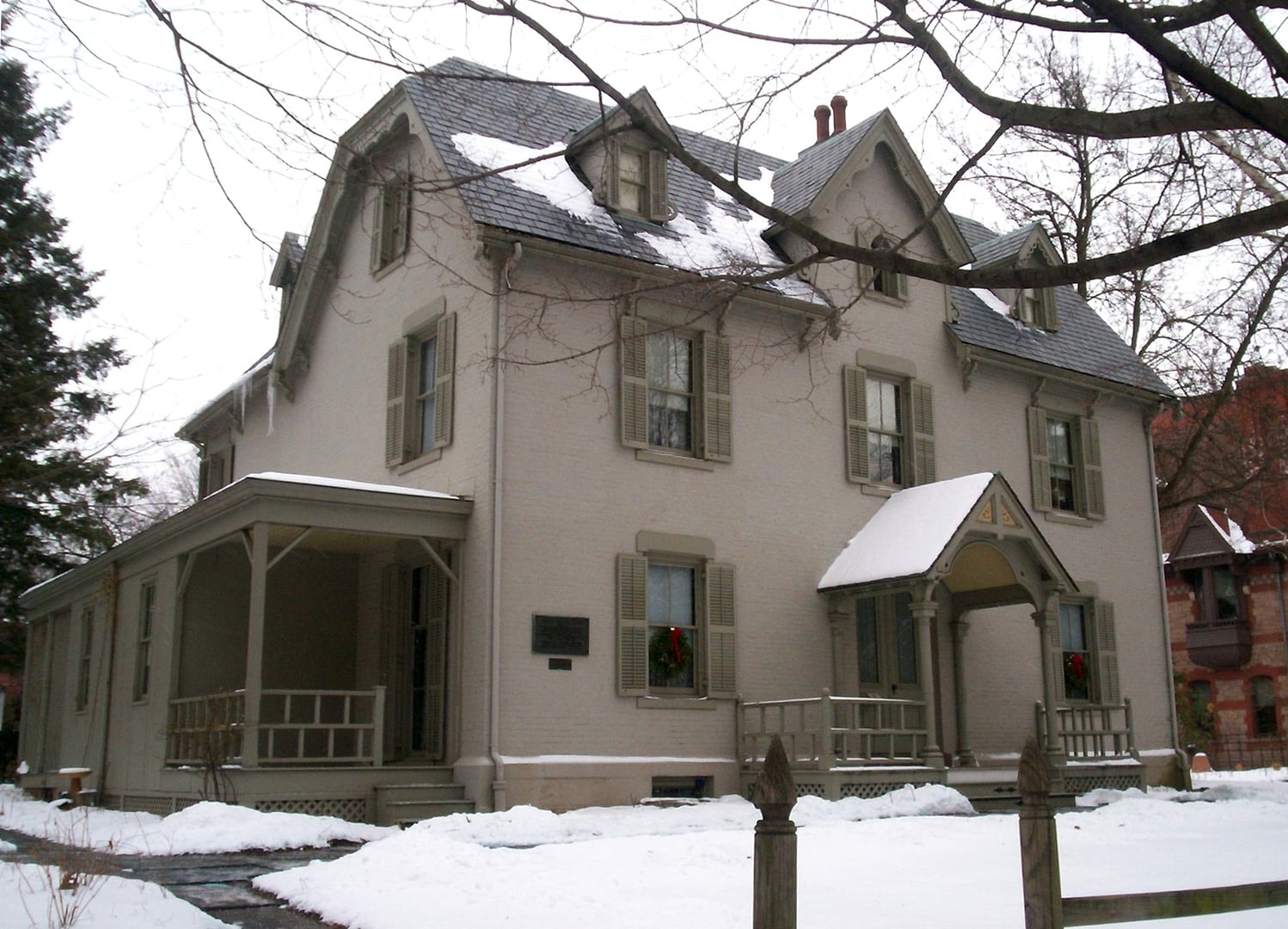
Hartford, CT
Built in 1871, the Gothic Revival cottage at 77 Forest Street became the home of abolitionist author Harriet Beecher Stowe and her husband Calvin in 1873 and remained her residence until her death in 1896. Stowe — author of 'Uncle Tom's Cabin' (1852) — lived in the Nook Farm neighborhood alongside Mark Twain and other Hartford writers. The home opened to the public as a museum in 1968 and operates today as the Harriet Beecher Stowe Center for Literary Activism.