Haunted Maryland

66 haunted destinations cataloged across Maryland, spanning 18 counties. The collection features museum, haunted house, and haunted hotel — every listing verified with family ratings, accessibility info, and practical visit logistics.

66 locations 18 counties 10 classifications 28 wheelchair accessible

Featured in Maryland

Top 6
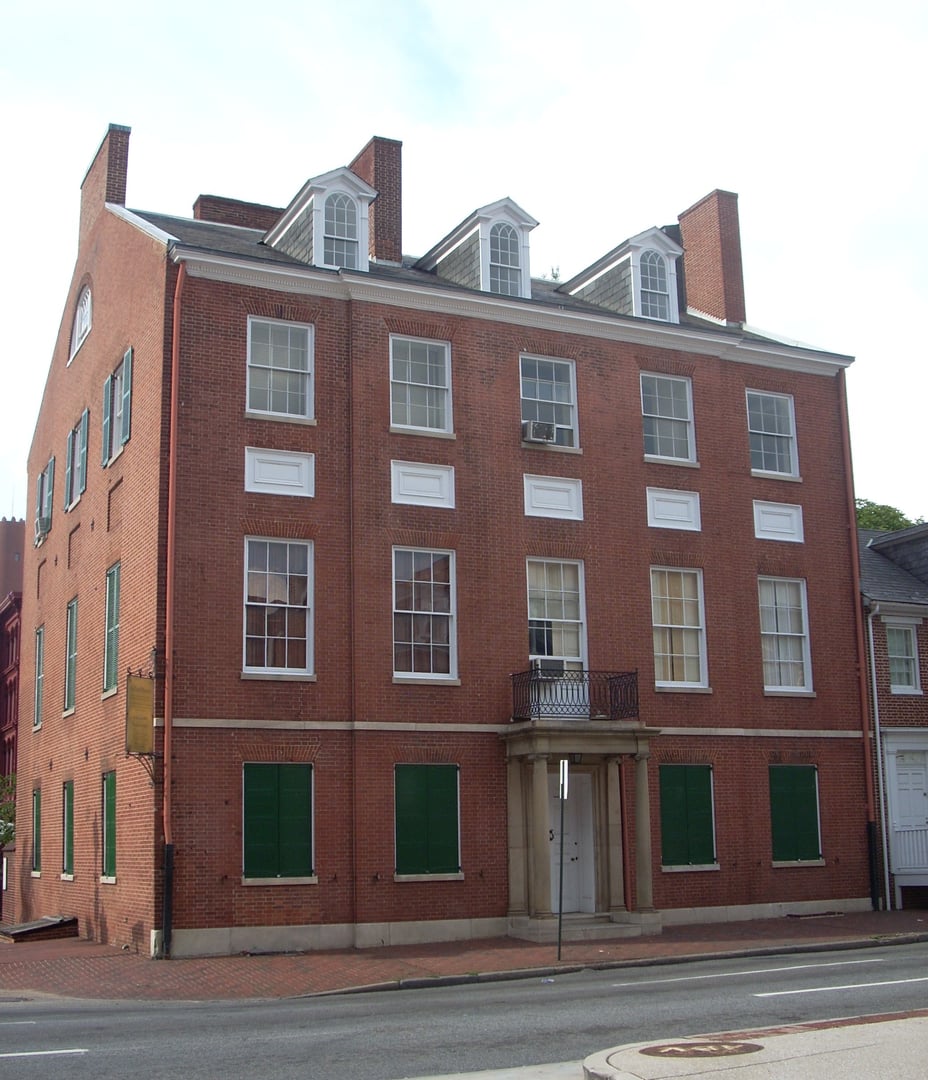
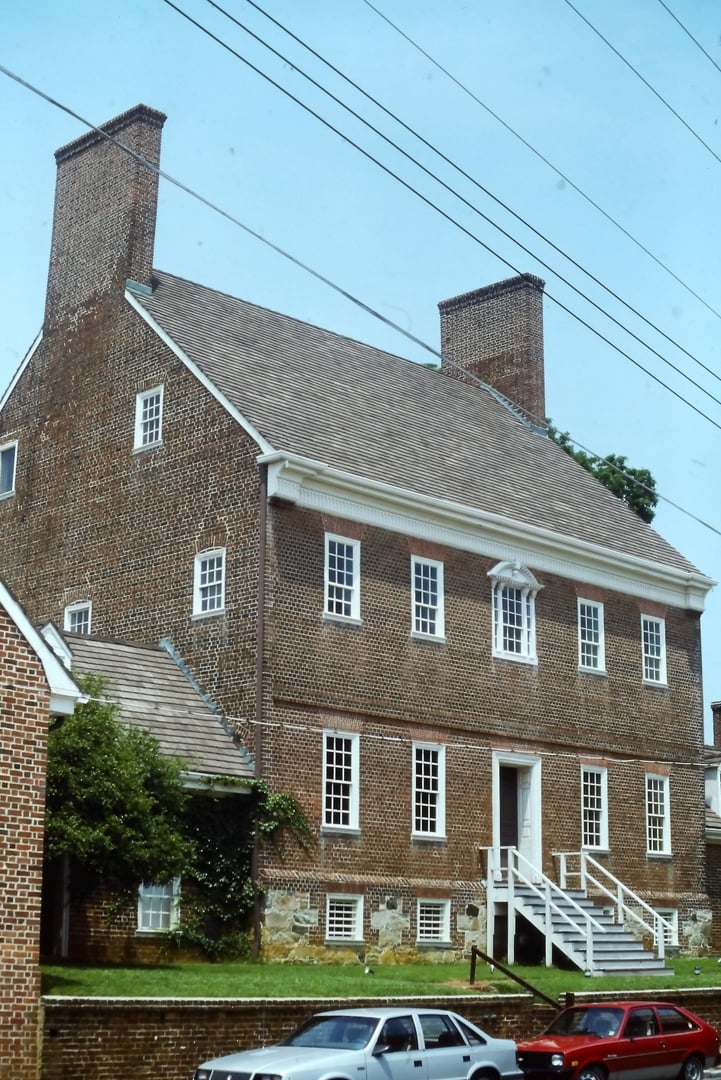
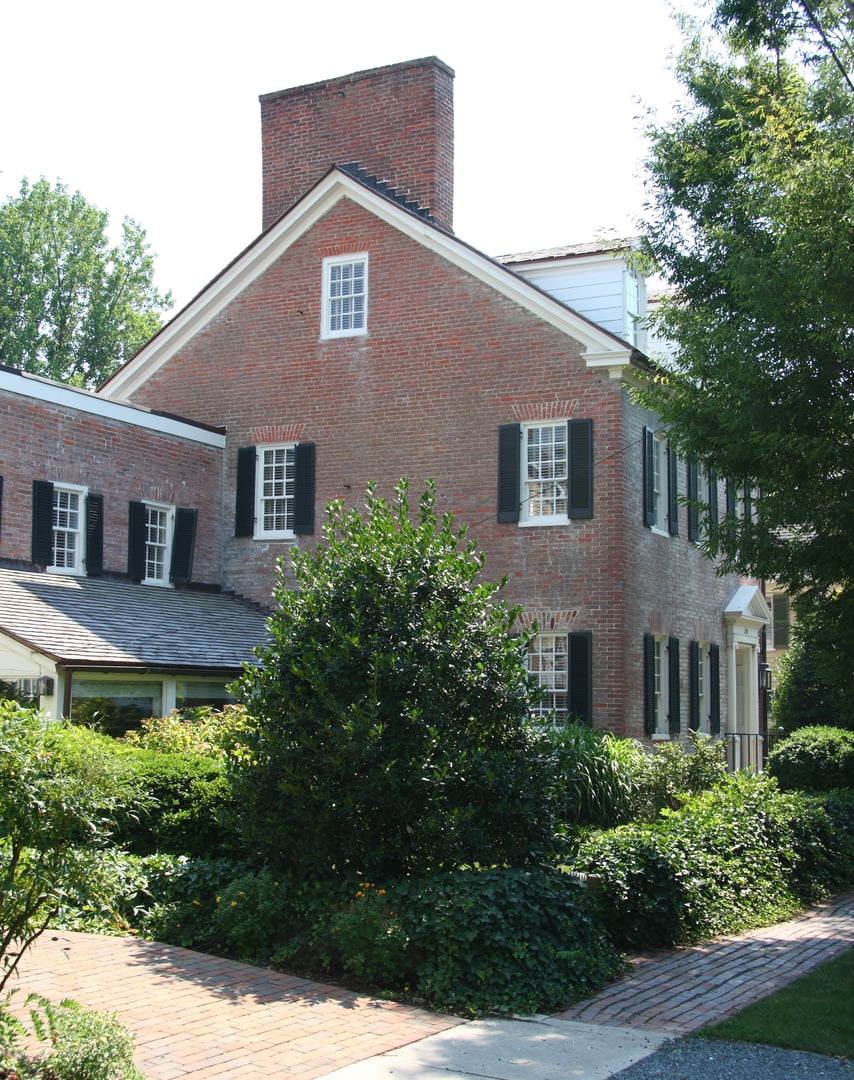
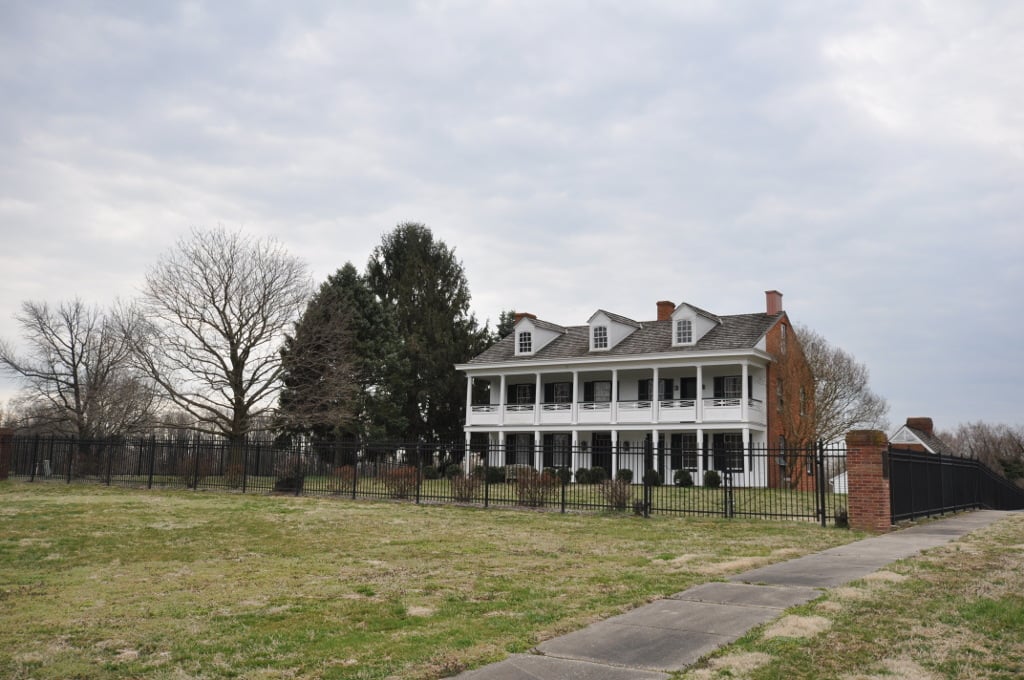
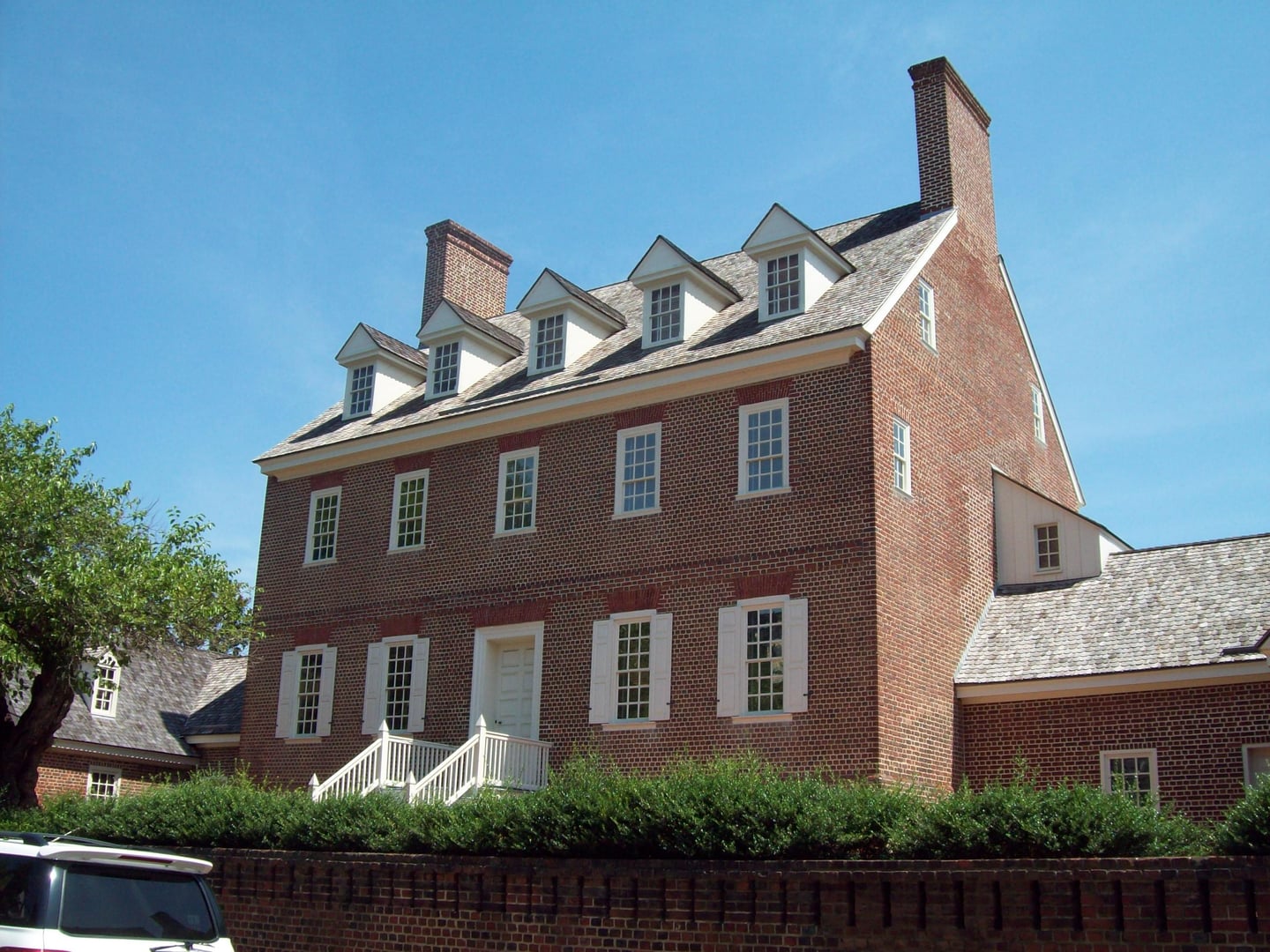
The five-part Georgian brick facade of the James Brice House on East Street in Annapolis
Photo coming soon
Haunted House / Historic Home

James Brice House

Annapolis, MD

The James Brice House at 42 East Street in Annapolis was begun in 1767 and completed in 1774 for James Brice, who served as Mayor of Annapolis and as acting Governor of Maryland in 1792. The five-part Georgian mansion was constructed using enslaved labor and is a National Historic Landmark. It has been owned by the State of Maryland since 2014 and is stewarded by Historic Annapolis.

$$ All Ages Family: Moderate
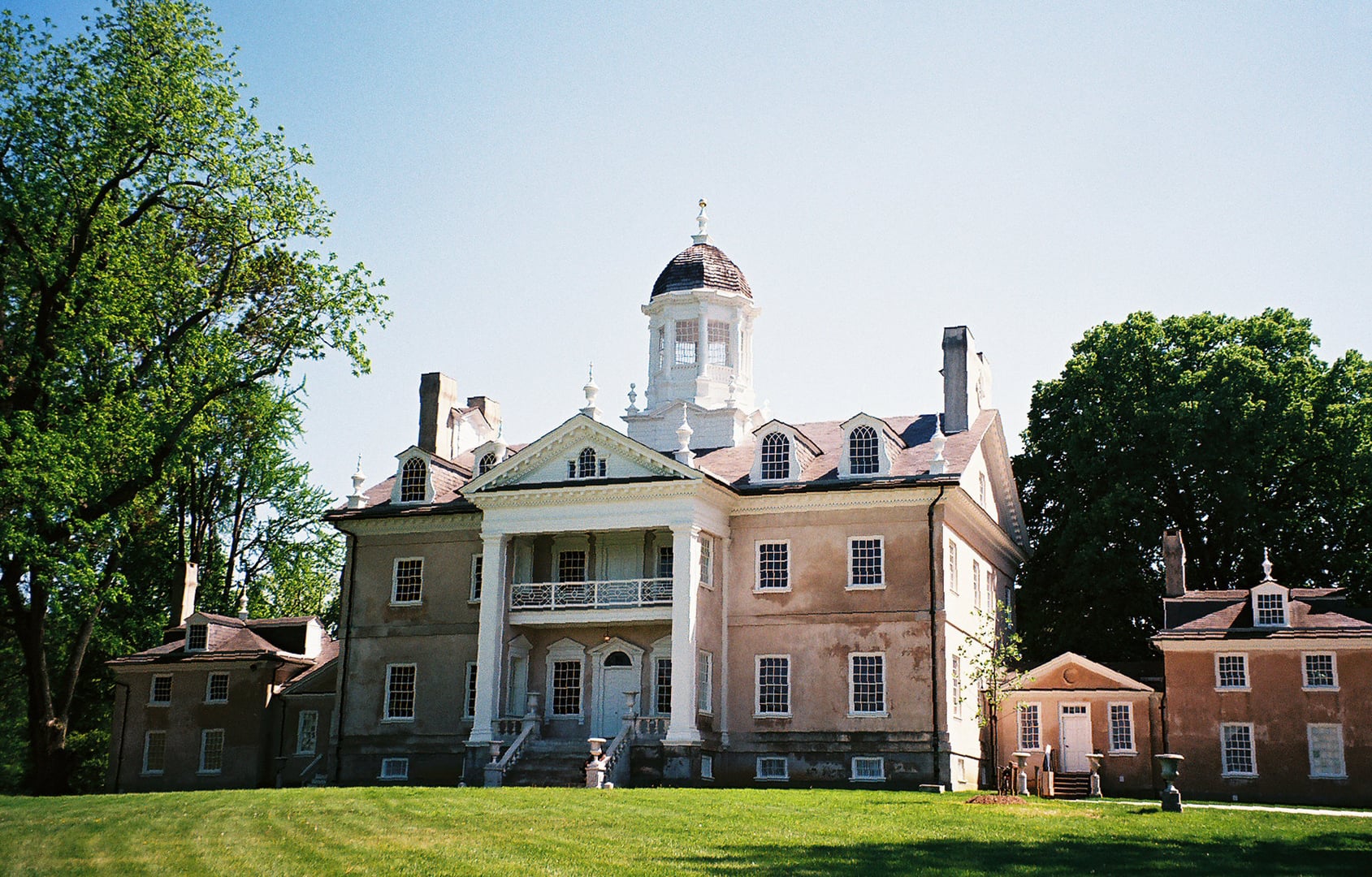
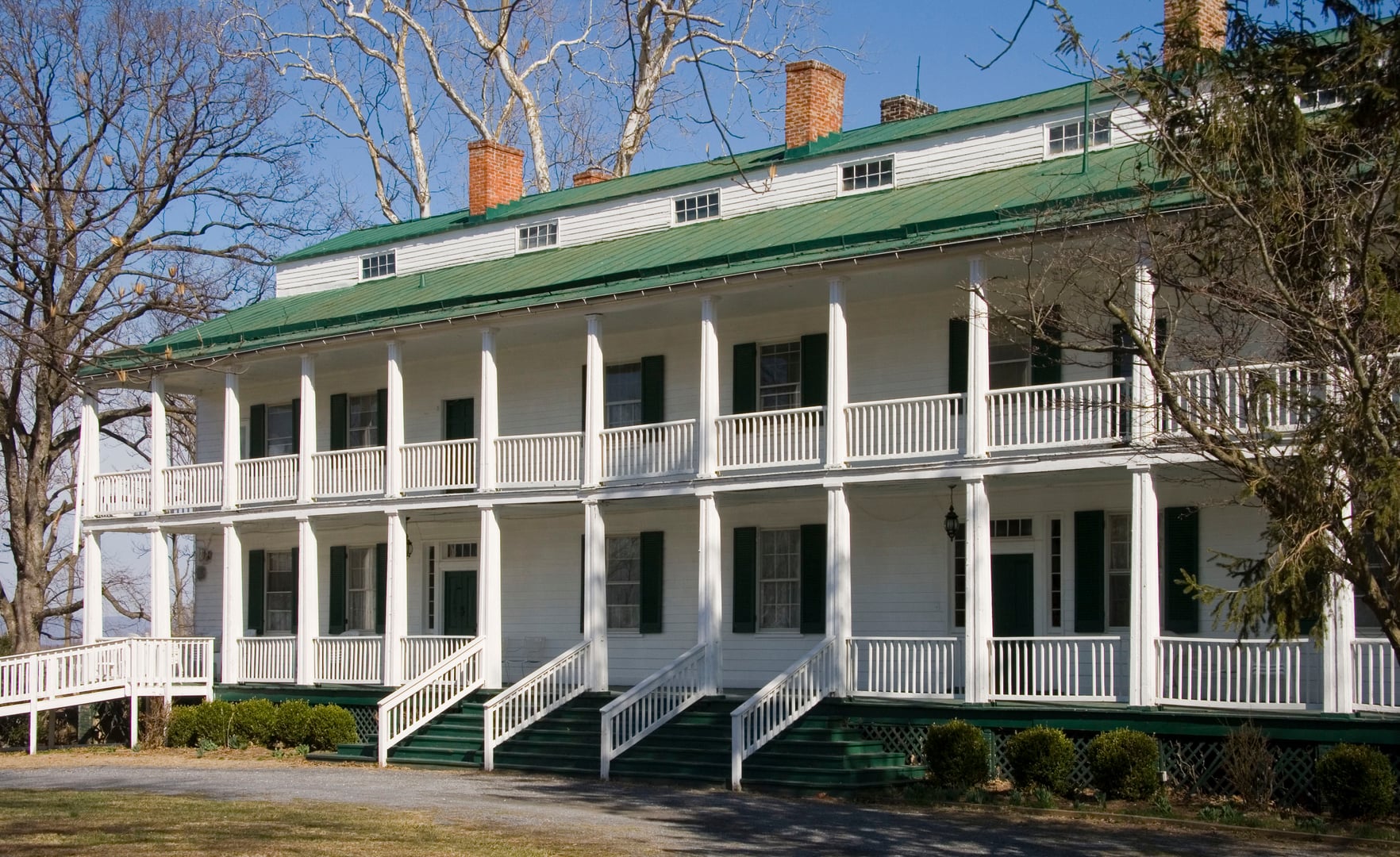
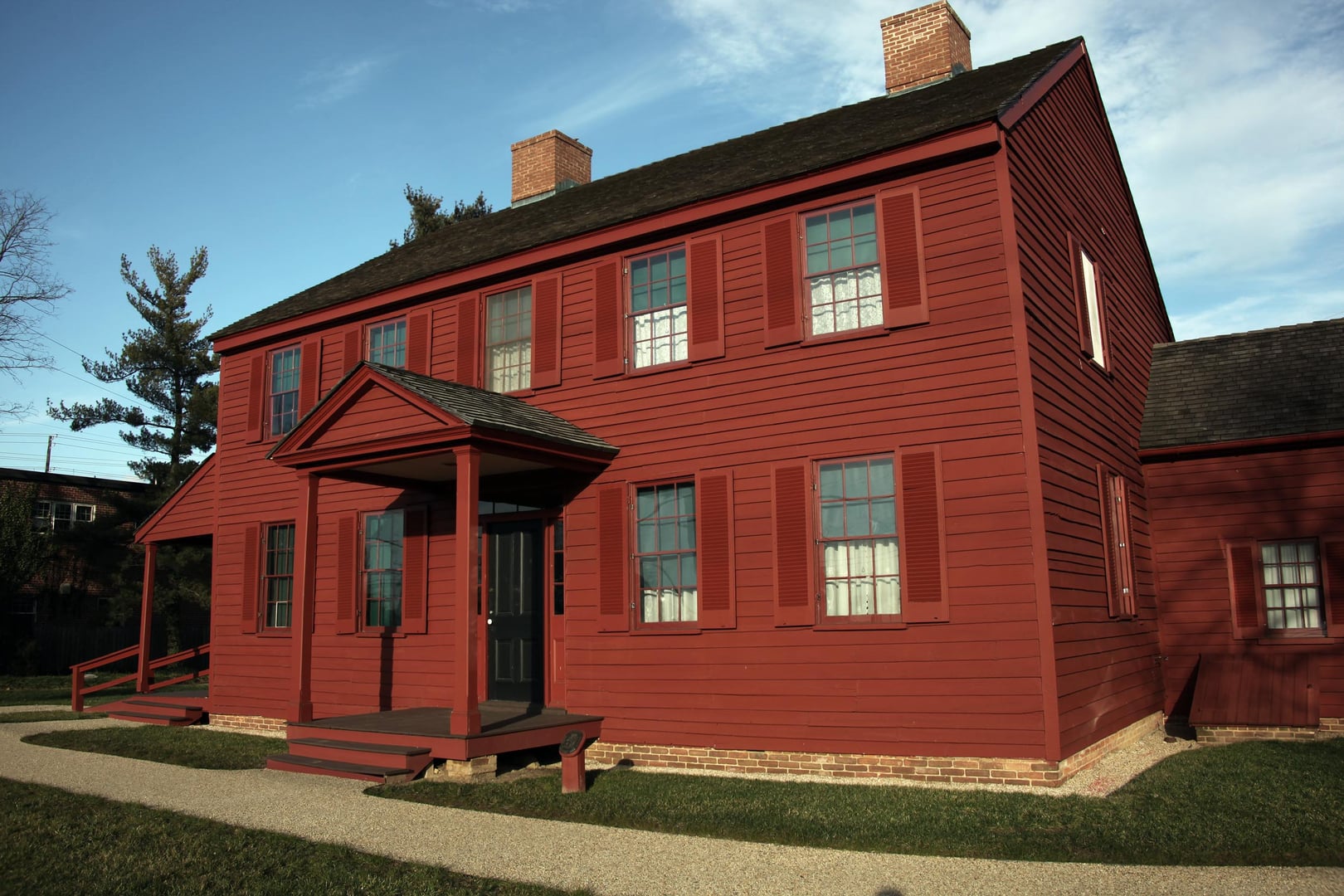
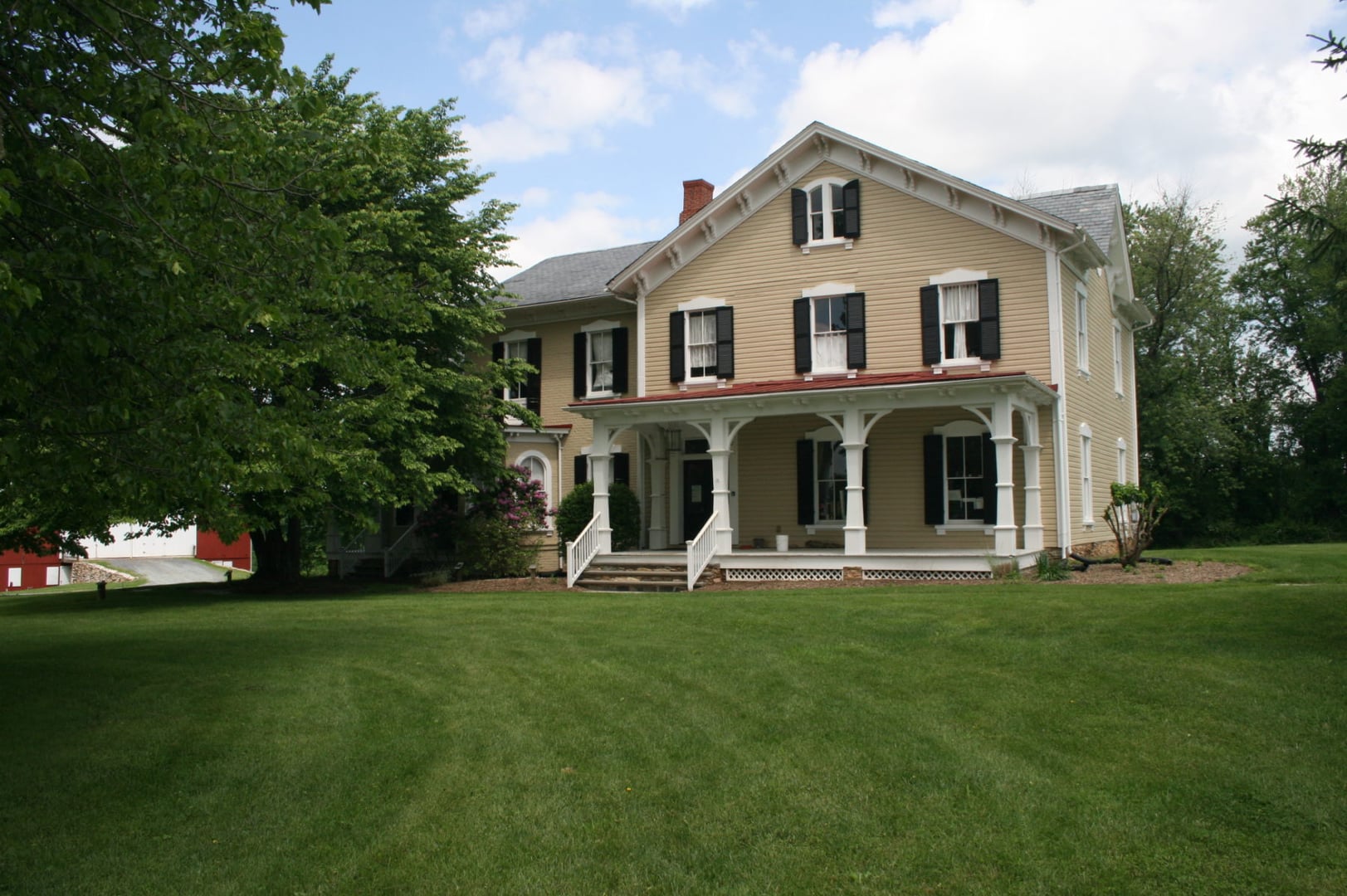
The Landon House (Stancioff House) in Urbana, Maryland — three-story frame mansion with clerestory roof and galleried porch, site of J.E.B. Stuart's 1862 Sabers and Roses Ball.
Haunted House / Historic Home

Landon House

Urbana, MD

The Landon House (also known as the Stancioff House) was built in 1754 near the Rappahannock River in Virginia, where it served as a silk mill. In 1846 it was dismantled and barged up the Potomac to its present site at 3401 Urbana Pike in Urbana, Maryland. The house served as a girls' seminary and military institute before Confederate Gen. J.E.B. Stuart hosted his Sabers and Roses Ball there on September 8, 1862. The next day it was converted into a Civil War field hospital for wounded from both armies.

$ All Ages Family: Moderate
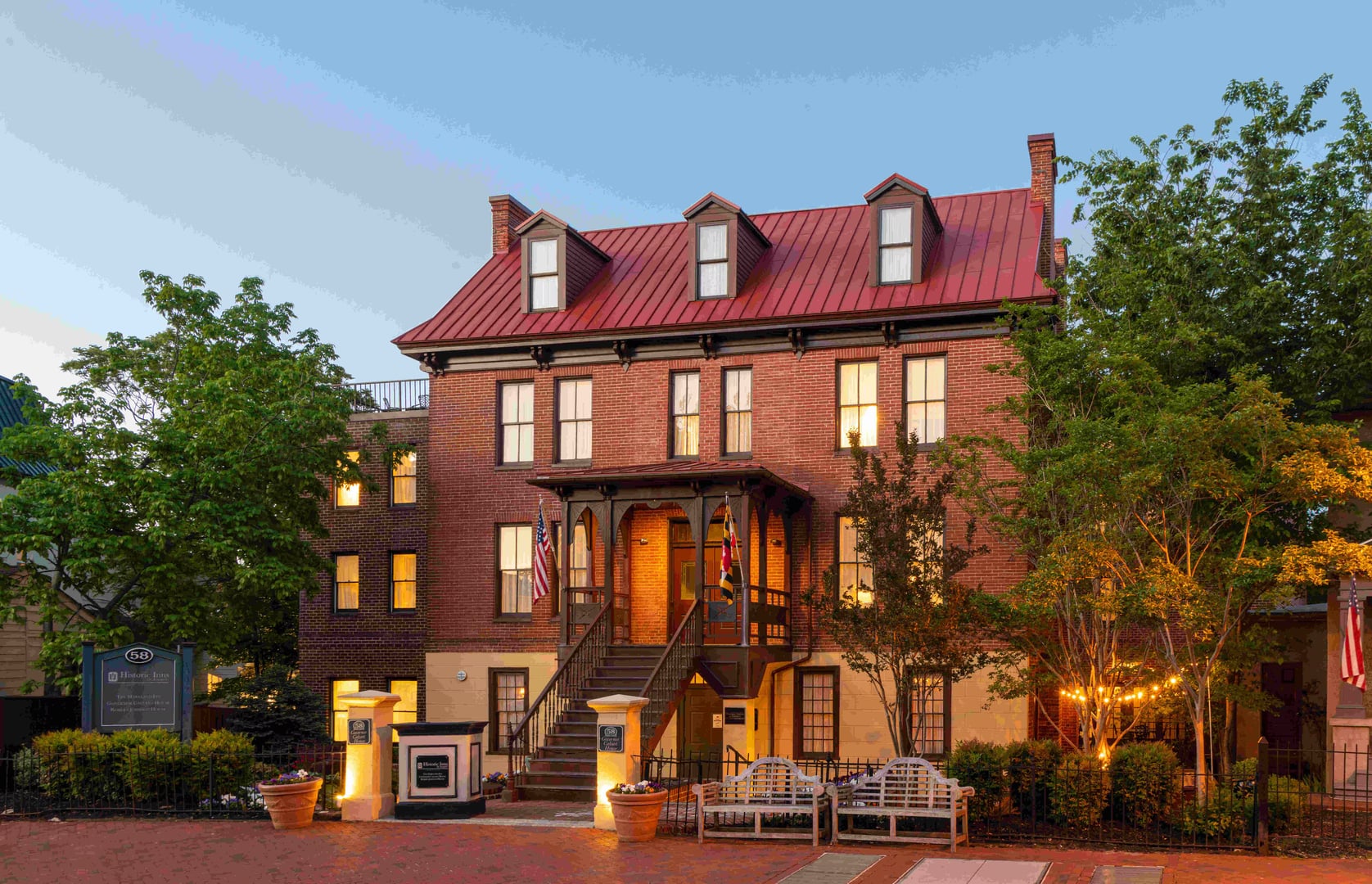
The Governor Calvert House facade on State Circle in Annapolis, part of the Historic Inns of Annapolis
Photo coming soon
Haunted Hotel / Inn

Governor Calvert House

Annapolis, MD

The Governor Calvert House at 58 State Circle was built in the early 18th century and occupied by Charles Calvert, Maryland's governor from 1720 to 1727. The property was incorporated into the Historic Inns of Annapolis collection in the modern era and operates as a boutique hotel. Restoration uncovered a hypocaust-style heating system beneath the lobby floor that the hotel identifies as one of the oldest examples in North America.

$$$ All Ages Family: Moderate
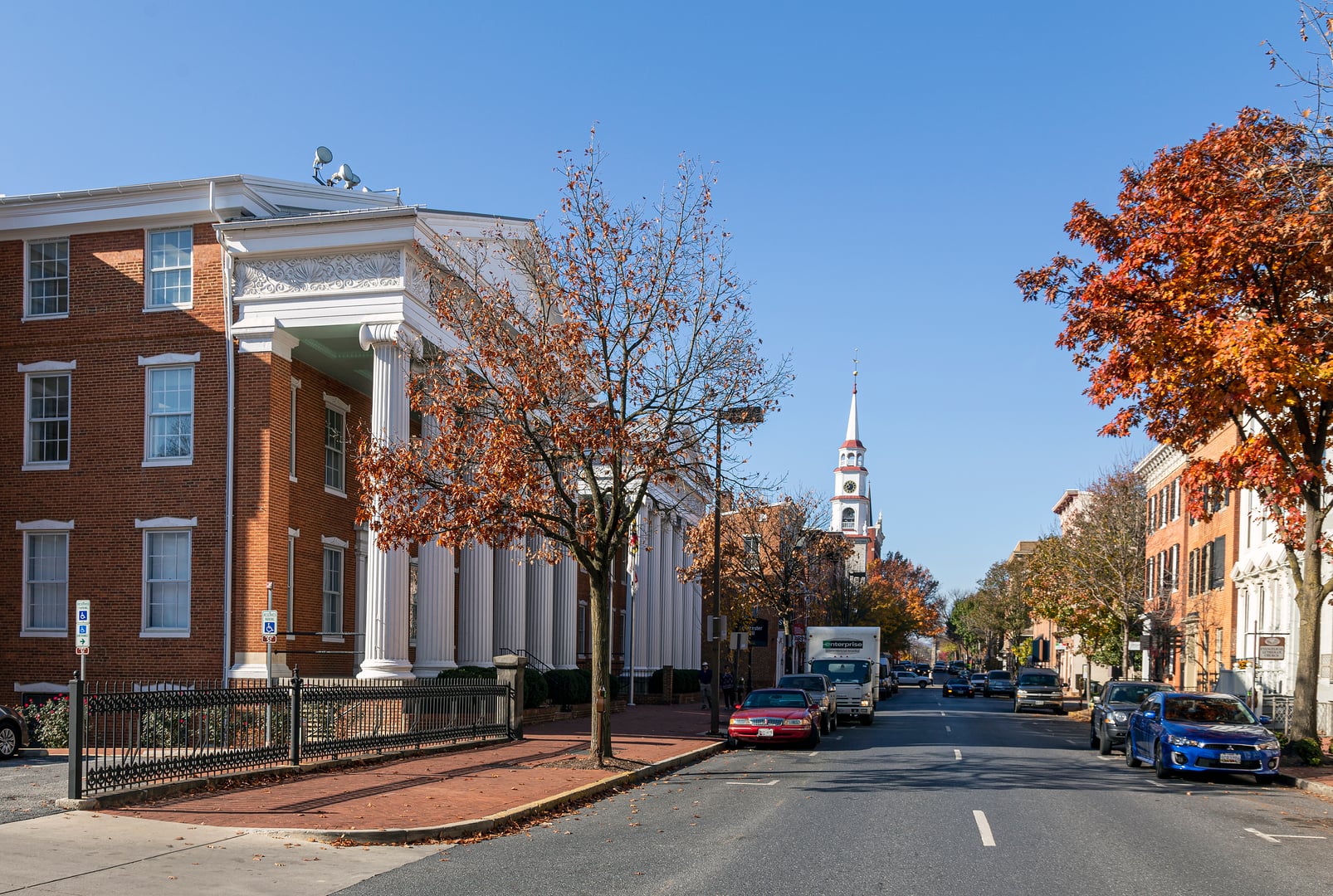
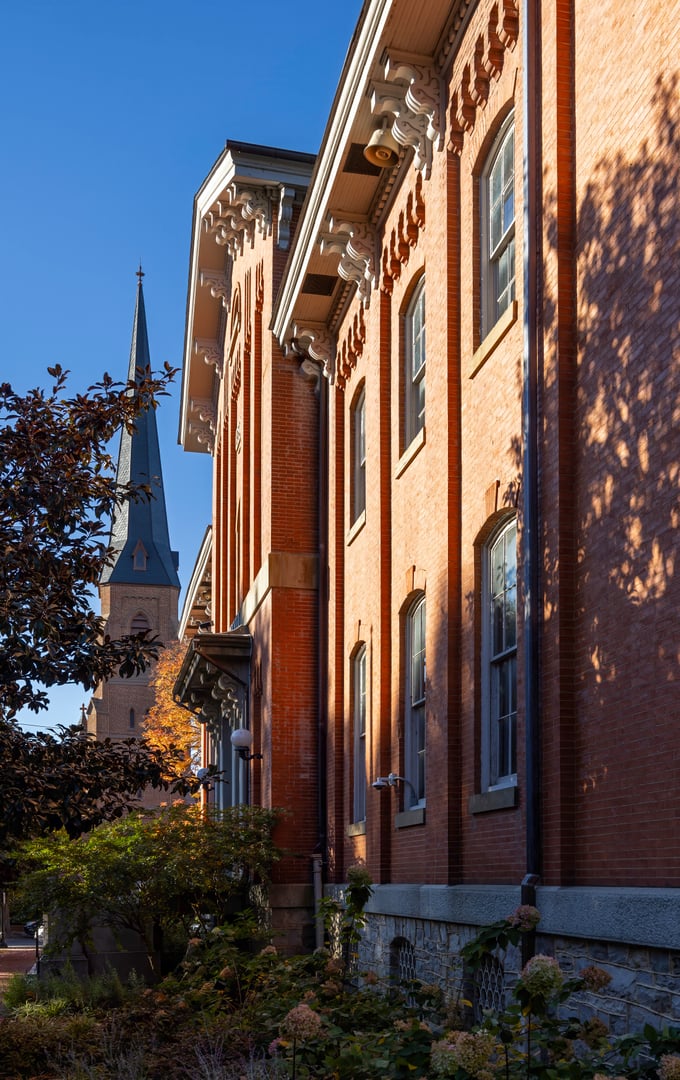
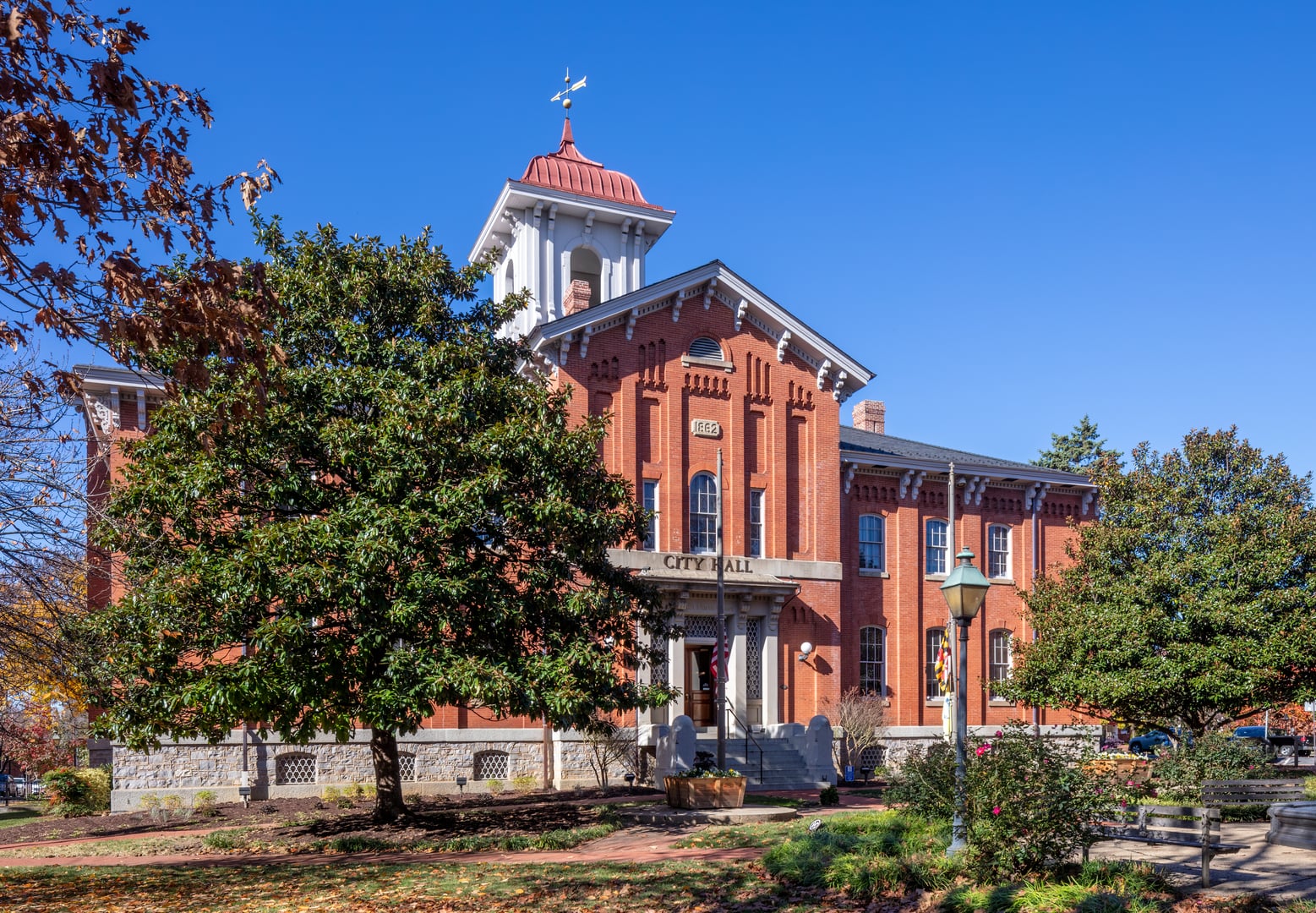
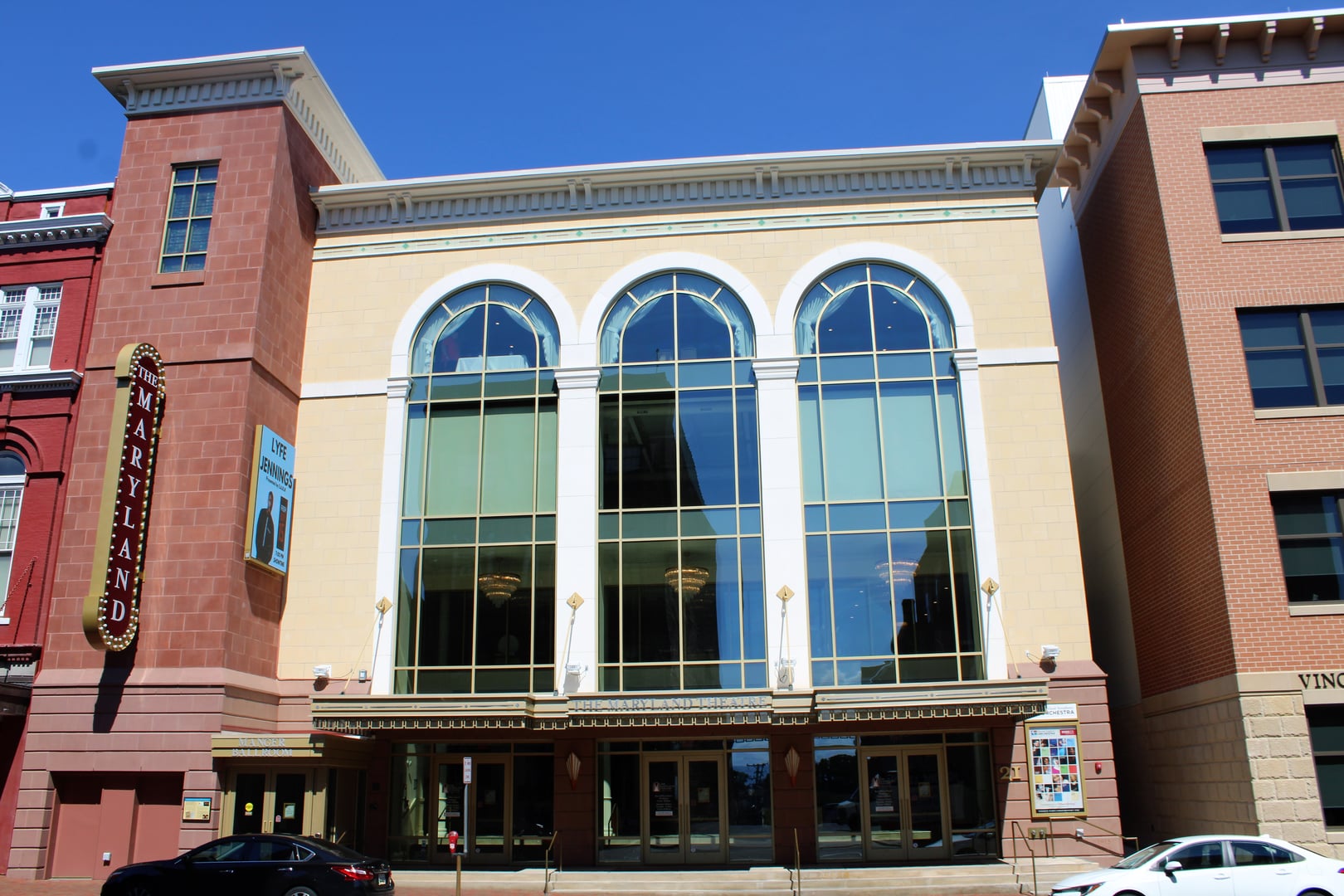
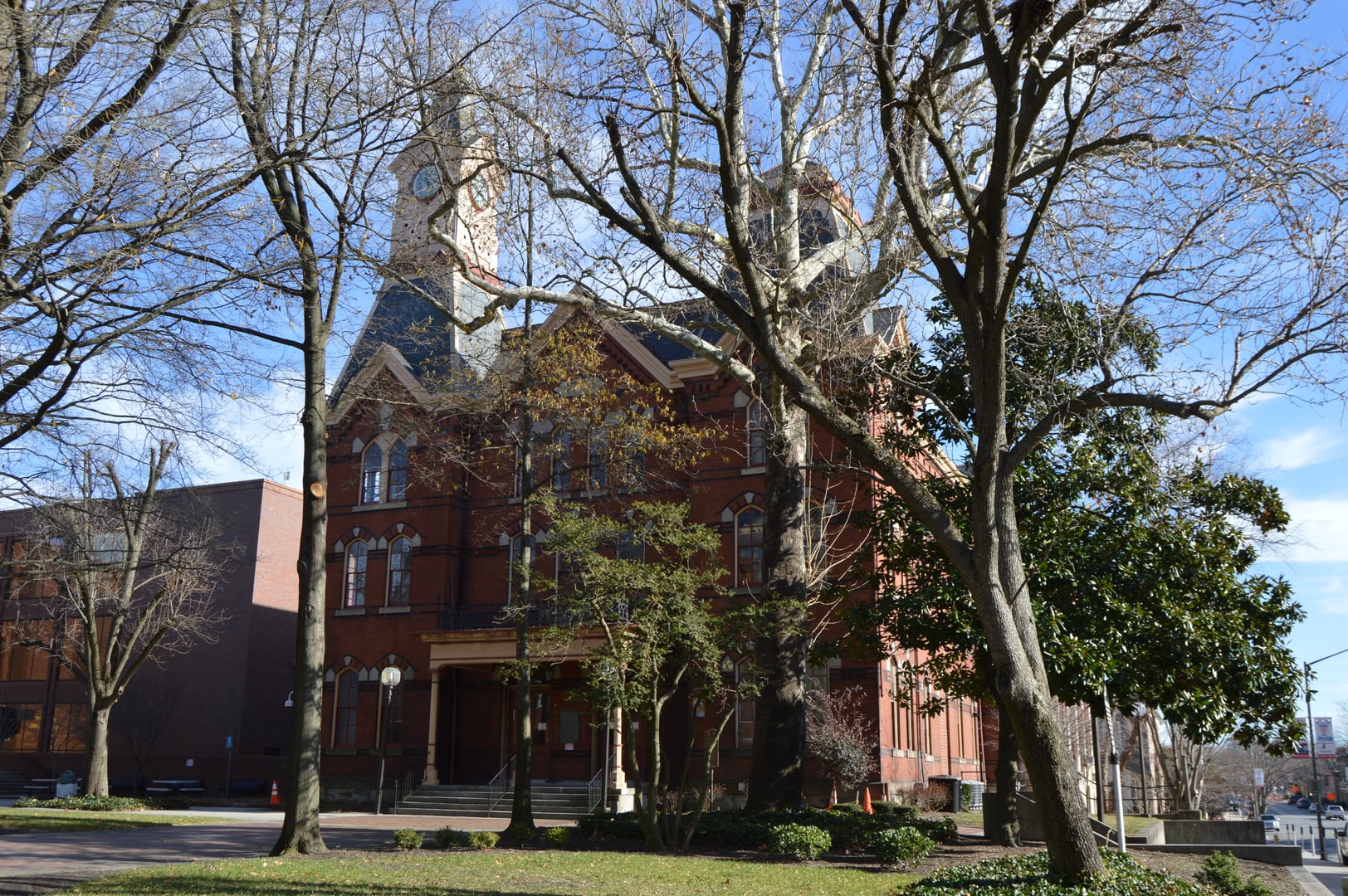
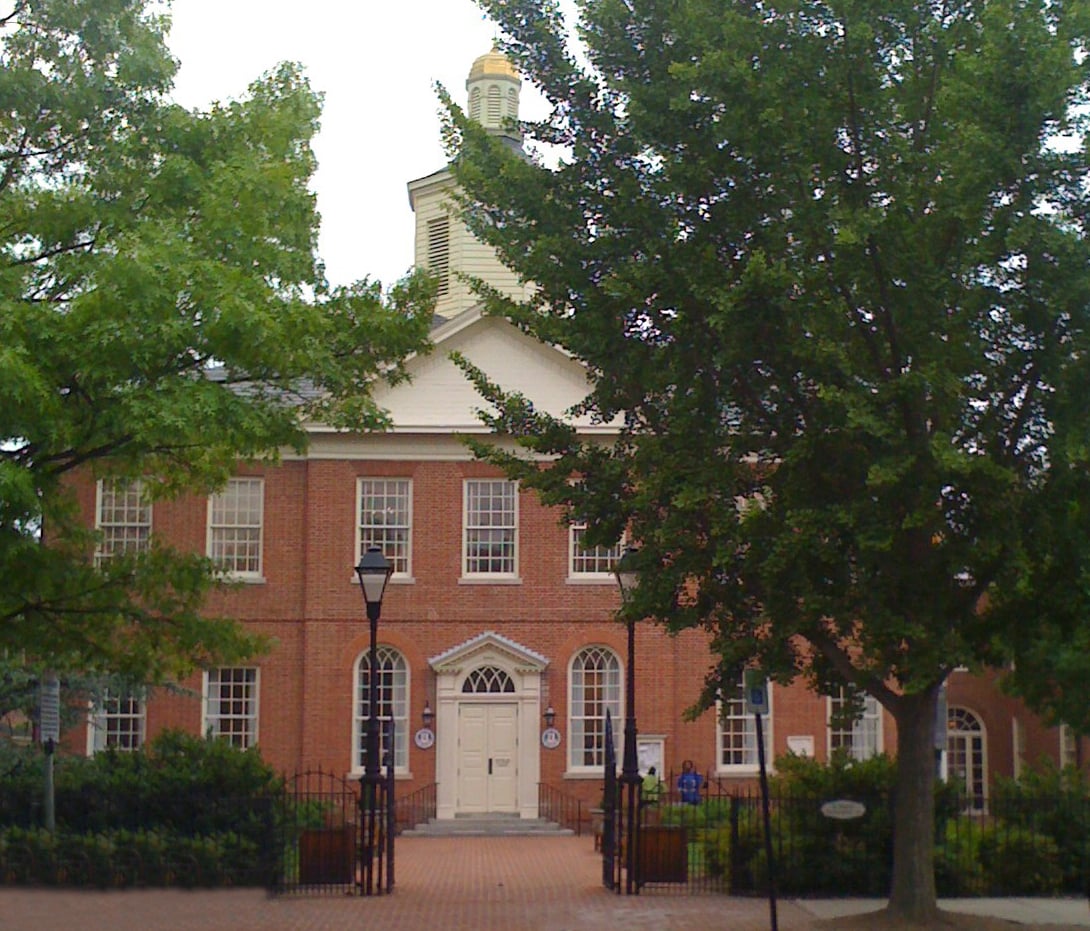
Italianate facade and cupola of Frederick City Hall, the former Frederick County Courthouse, on Court Square in Frederick, Maryland.
Museum / Historical Site

Frederick City Hall

Frederick, MD

The current Greek Revival building at 101 North Court Street was constructed 1862-1864 by Thomas Dixon as the Frederick County Courthouse, replacing a 1785 Georgian courthouse destroyed by fire in 1861. The site has hosted Stamp Act protests in 1765, Revolutionary War Tory executions in 1781, and county judicial business through 1985, when a new county courthouse was built and the building became Frederick City Hall.

$ All Ages Family: Moderate
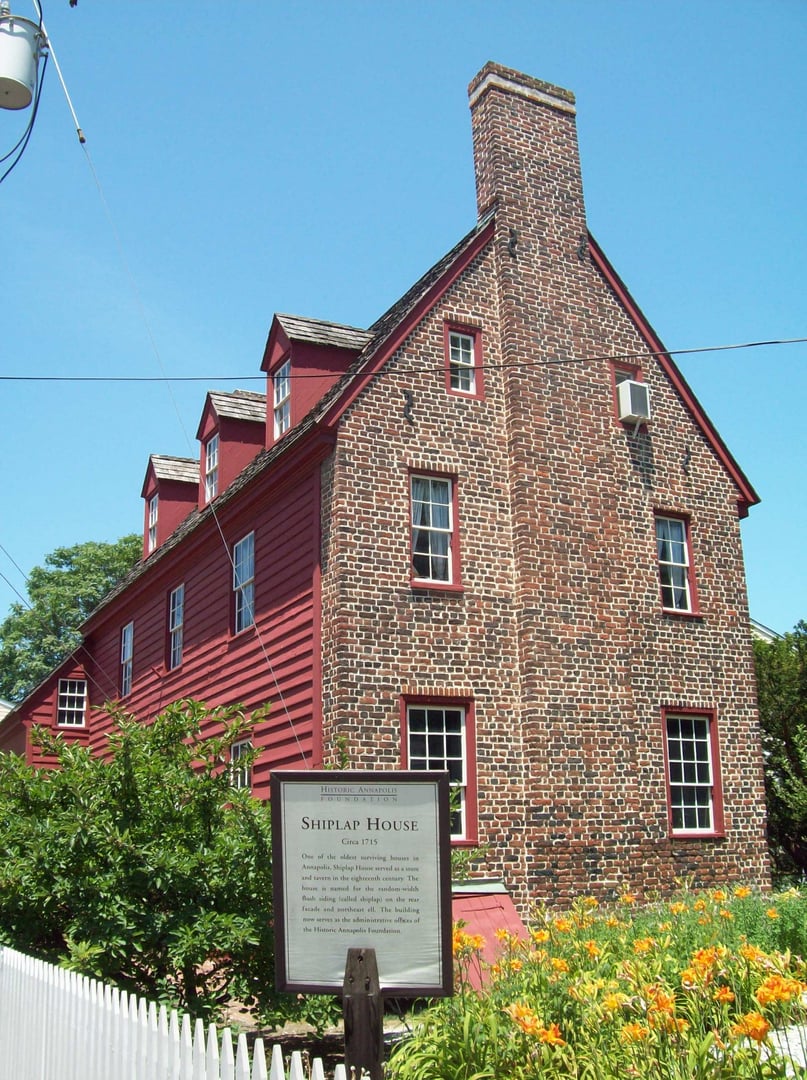
The early-18th-century shiplap-sided yellow facade of the Shiplap House on Pinkney Street in Annapolis
Photo coming soon
Museum / Historical Site

Shiplap House

Annapolis, MD

The Shiplap House at 18 Pinkney Street is one of the earliest surviving buildings in Annapolis, dating to around 1715 and constructed by sawyer and innkeeper Edward Smith. By the 1780s it operated as the Harp and Crown tavern. Historic Annapolis Foundation acquired the building in 1957 and uses it as administrative offices; a re-created tavern room has been opened for public tours.

$ All Ages Family: High
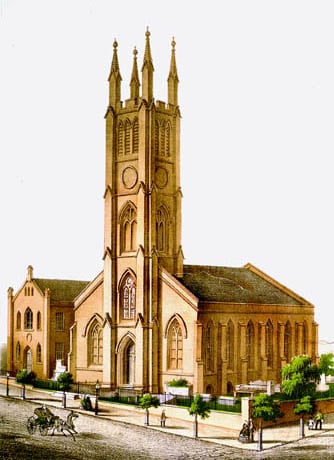
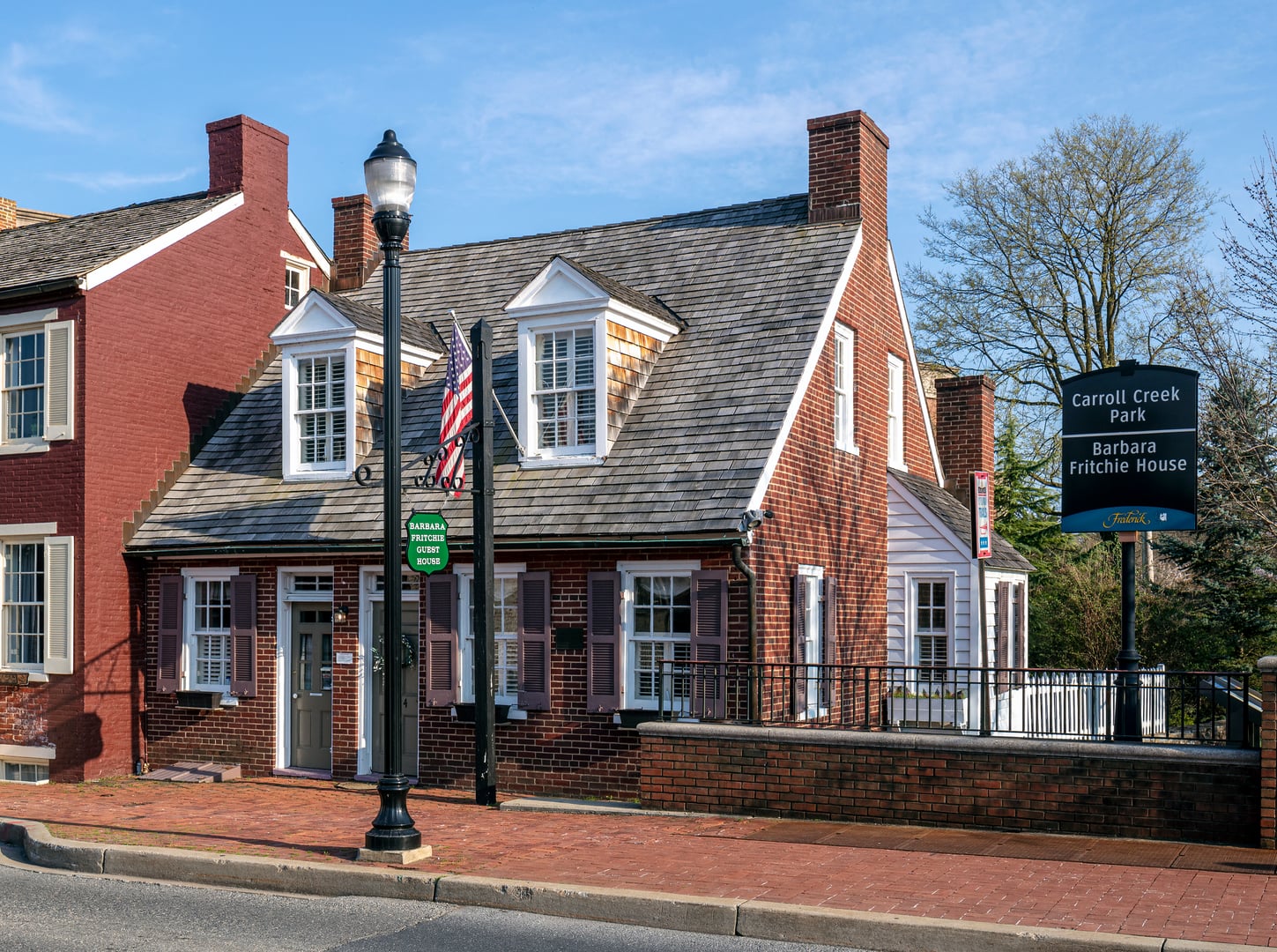
Exterior view of the Barbara Fritchie House on West Patrick Street in Frederick, Maryland, a 1927 reconstruction of the original Civil War-era home listed in the Frederick Historic District.
Haunted House / Historic Home

Barbara Fritchie House

Frederick, MD

The current building at 154 West Patrick Street is a 1927 reconstruction of the home of Barbara Fritchie (1766-1862), the elderly Frederick woman immortalized in John Greenleaf Whittier's 1864 ballad for allegedly waving a Union flag at Stonewall Jackson's troops as they marched through town. The original home was destroyed by flooding; the reconstruction was built using surviving materials from the original. It was sold to private owners in 2018 and converted to a period-style rental.

$$ All Ages Family: Moderate

More in Maryland

Baltimore — 17

Photo of BJ's Wholesale Club
Photo coming soon
Other Dark Tourism Site

BJ's Wholesale Club

Baltimore, MD

The BJ's Wholesale Club at 4201 Wholesale Club Drive was constructed on the site of a former Baltimore trailer park. The warehouse facility provides membership-based retail services to the Baltimore metropolitan area.

$ All Ages Family: High
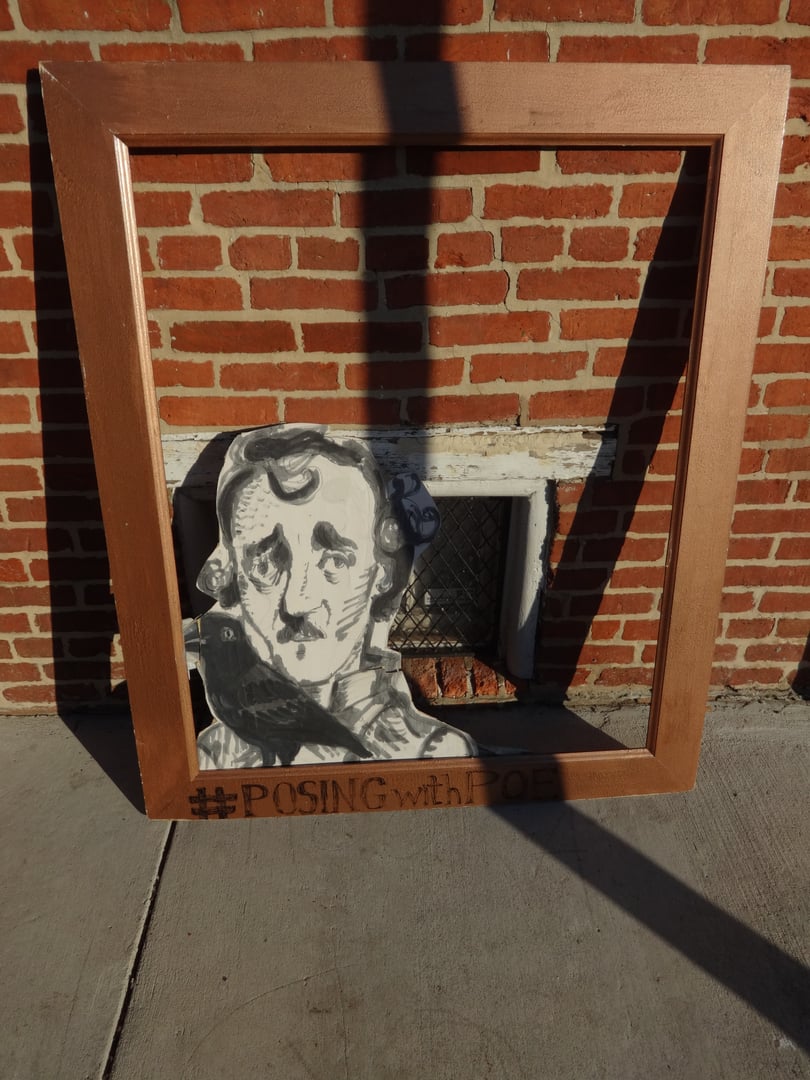
The former Church Home and Hospital building at 100 N. Broadway, Baltimore, Maryland — where Edgar Allan Poe died in 1849.
Other Dark Tourism Site

Church Home and Hospital

Baltimore, MD

The east building of the former Church Home and Hospital was built in 1836 as the Washington Medical College and is the documented site of Edgar Allan Poe's death on October 7, 1849. The hospital operated continuously until 2000 and the building was converted to residential use in 2005.

$ All Ages Family: High
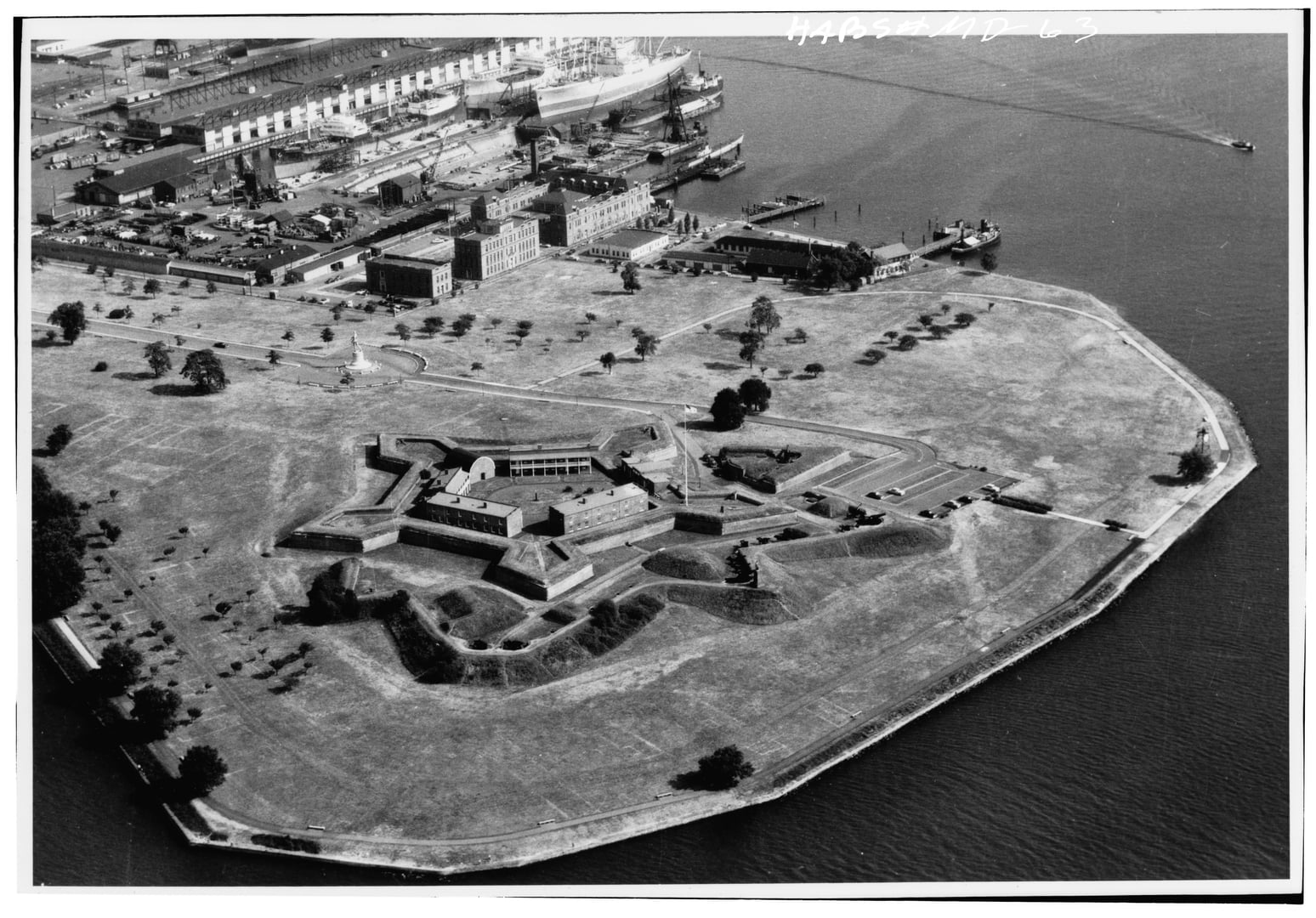
Historic aerial photograph of the star-shaped Fort McHenry at Whetstone Point in Baltimore Harbor, taken by the U.S. Navy in July 1954 for the Historic American Buildings Survey
Battlefield / Military Site

Fort McHenry

Baltimore, MD

Fort McHenry, completed in 1800, is the star-shaped fortification at the entrance to Baltimore Harbor whose defense against British bombardment in September 1814 inspired Francis Scott Key to write "The Star-Spangled Banner." It later served as a Civil War prison and a World War I military hospital before being designated a National Monument and Historic Shrine in 1939.

$$ All Ages Family: High
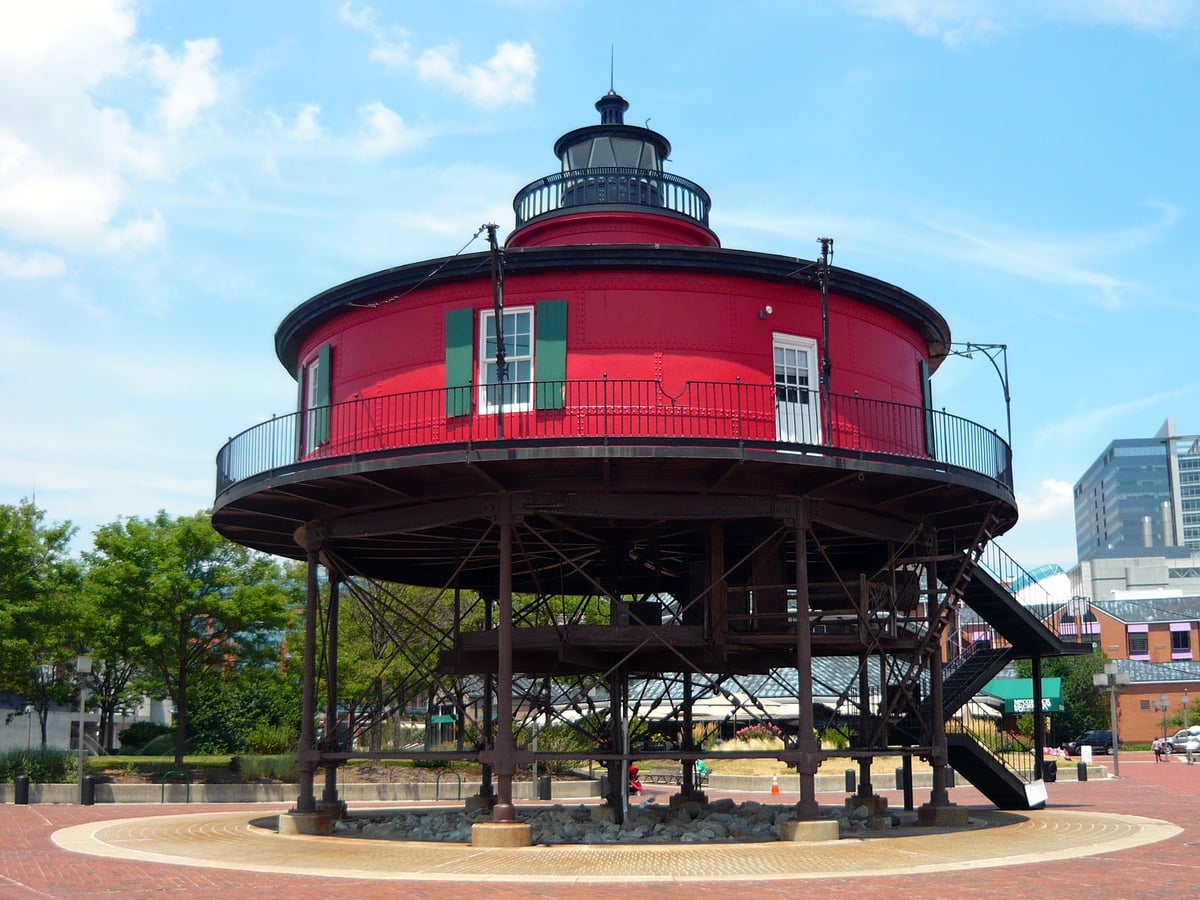
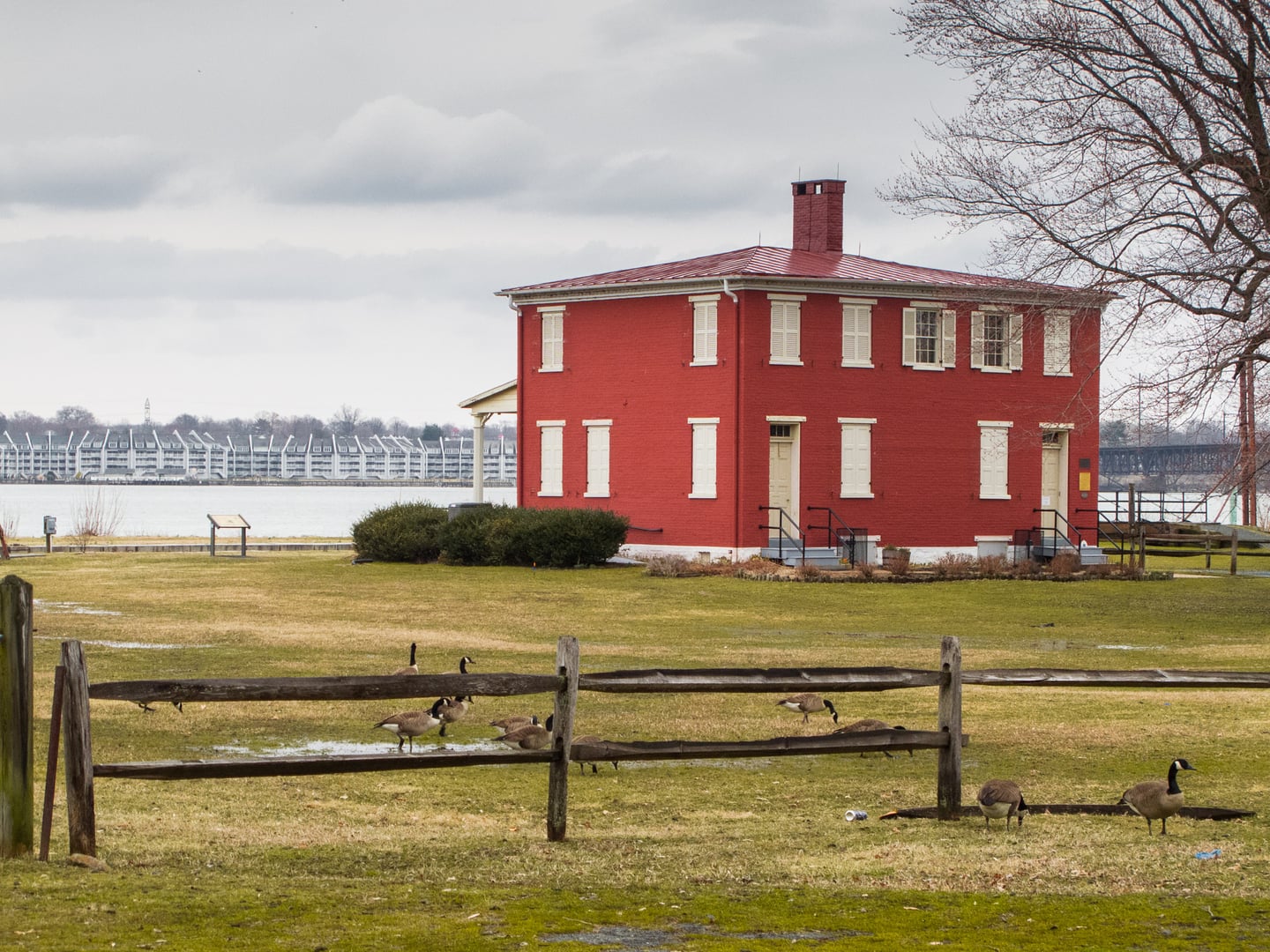
Seven Foot Knoll Lighthouse, Maryland's oldest screwpile lighthouse, now relocated to Pier 5 at Baltimore's Inner Harbor
Museum / Historical Site

Seven Foot Knoll Lighthouse

Baltimore, MD

Built in 1855 at the mouth of the Patapsco River, Seven Foot Knoll Light is the oldest screwpile lighthouse in Maryland and the first ever built in the state. The cast-iron structure was relocated in 1988 to Pier 5 of Baltimore's Inner Harbor, where it now operates as a public museum.

$$ All Ages Family: High
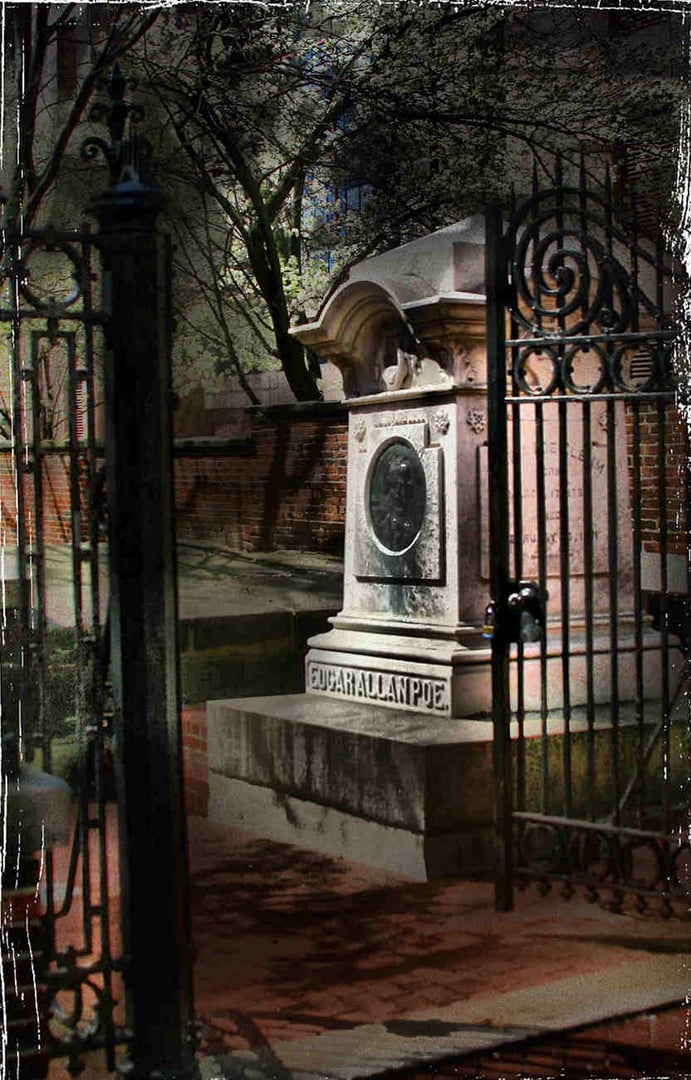
Edgar Allan Poe's monument grave at Westminster Hall Burying Ground in Baltimore Maryland
Cemetery / Burial Ground

Westminster Burying Ground — Edgar Allan Poe Grave

Baltimore, MD

Westminster Burying Ground was established in 1787 by the First Presbyterian Church of Baltimore and contains the graves of Revolutionary War officers, War of 1812 veterans, and Edgar Allan Poe. In 1852 the Westminster Presbyterian Church was built directly atop the cemetery on brick piers, creating the catacombs that preserve many of the original burials.

$ All Ages Family: Moderate
Historic c.1857 lithograph of Gothic Revival Westminster Presbyterian Church and Burying Ground in Baltimore Maryland
Cemetery / Burial Ground

Westminster Hall and Burying Ground

Baltimore, MD

Westminster Hall and Burying Ground combines a 1787 Presbyterian cemetery with an 1852 church building constructed directly above on brick piers. The complex contains the catacombs that preserve many original 18th-century burials and the grave monument of Edgar Allan Poe. The University of Maryland has stewarded the property since 1977.

$ All Ages Family: Moderate
Exterior of the 1903 Belvedere Hotel, a Beaux-Arts landmark in Baltimore's Mount Vernon neighborhood
Photo coming soon
Haunted Hotel / Inn

The Belvedere

Baltimore, MD

The Belvedere opened December 10, 1903 as a luxury Beaux-Arts hotel designed by Parker and Thomas in Baltimore's Mount Vernon neighborhood. It hosted presidents, celebrities, and royalty for most of the 20th century. It was converted to condominiums in 1991 while retaining the Owl Bar and event venues. Multiple documented deaths — including suicides in 1909, 1918, and 1921, and the unsolved 2006 death of Rey Rivera — have given the building a strong public association with tragedy.

$$ All Ages Family: Low
Exterior of the 1811 Carroll Mansion at 800 East Lombard Street in Baltimore
Photo coming soon
Haunted House / Historic Home

Carroll Mansion

Baltimore, MD

The Carroll Mansion is a Federal-period brick townhouse built circa 1811-1812 in what was then the eastern edge of fashionable Baltimore. Charles Carroll of Carrollton — the last surviving signer of the Declaration of Independence — used the house as his winter residence in his final years and died there on November 14, 1832. The building went through significant 19th- and 20th-century reuse, including as a tenement, before being preserved as a house museum.

$ All Ages Family: High
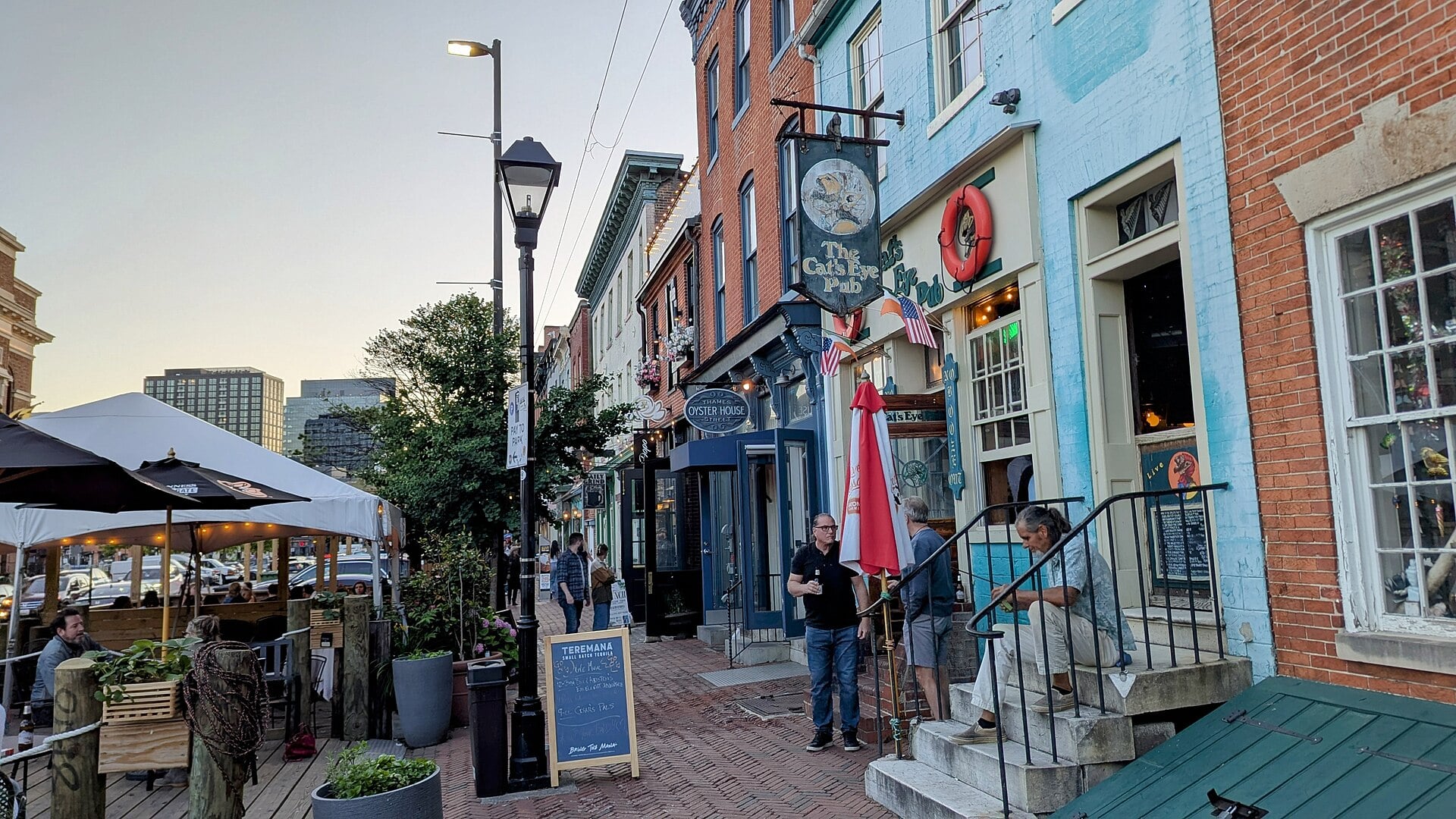
Painted brick facade of Cat's Eye Pub on Thames Street in Fells Point, Baltimore
Photo coming soon
Haunted Dining / Bar

Cat's Eye Pub

Baltimore, MD

Cat's Eye Pub opened in 1975 in a 19th-century Thames Street building on the Fells Point waterfront, in a structure that earlier served as a private home and, according to local accounts, a mid-20th-century brothel. The bar has been a fixture of Baltimore's blues and roots-music scene for half a century and is a featured stop on Baltimore Ghost Tours' Fells Point Haunted Pub Tour.

$$ 21+ Family: Not Recommended
Brick rowhouse exterior of the Edgar Allan Poe House at 203 North Amity Street, Baltimore
Photo coming soon
Museum / Historical Site

Edgar Allan Poe House and Museum

Baltimore, MD

203 North Amity Street is a small brick rowhouse built circa 1830. Maria Clemm moved her family there around 1833, and Edgar Allan Poe lived in the house with his aunt, cousin Virginia, grandmother Elizabeth, and other relatives from roughly 1833 to 1835. The City of Baltimore later opened the house as a writer's museum in 1949, and it was designated a National Historic Landmark in 1972. Poe Baltimore now operates the museum.

$ All Ages Family: High
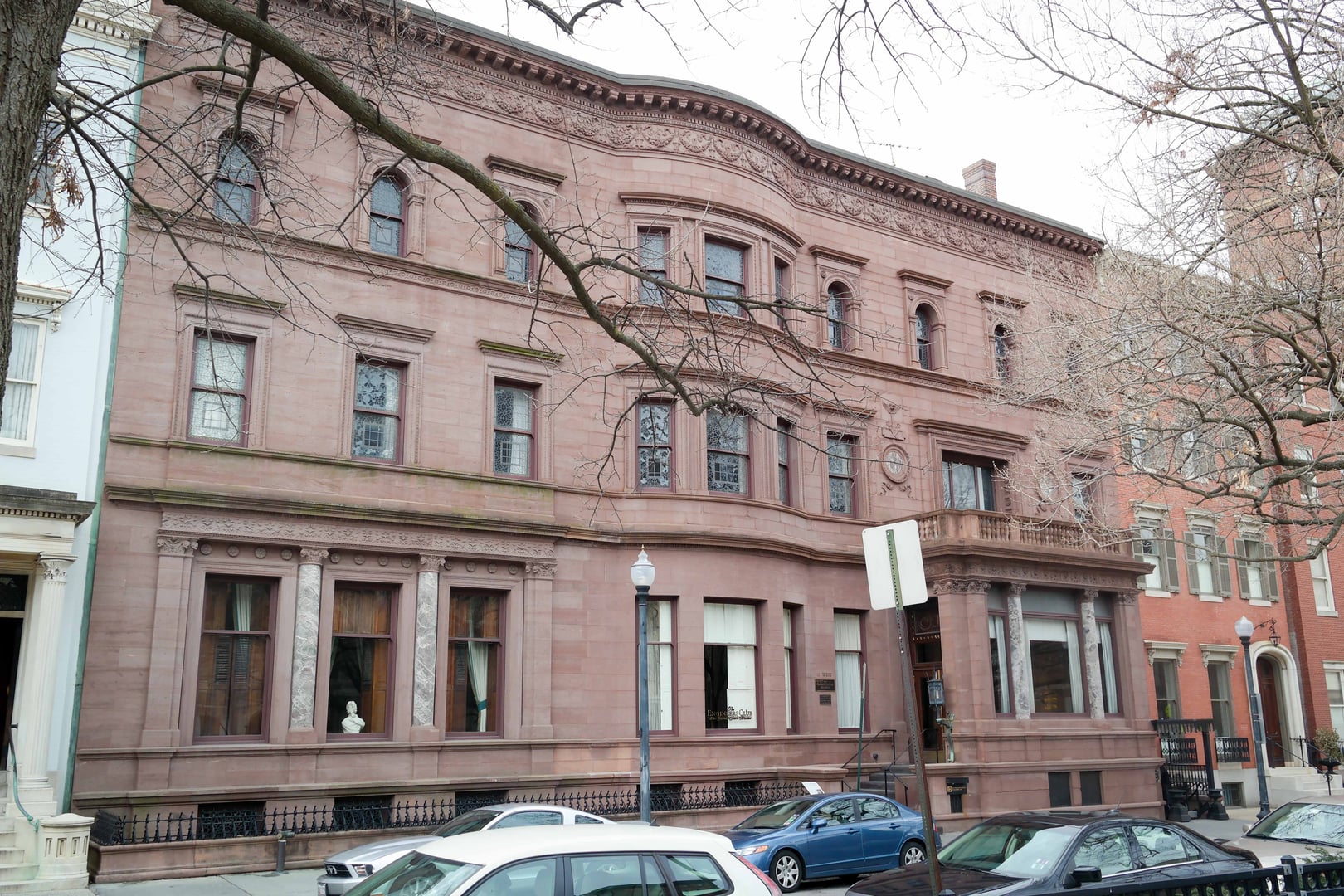
Exterior of the Garrett-Jacobs Mansion at 11 West Mount Vernon Place, Baltimore, home of the Engineers Club
Photo coming soon
Haunted House / Historic Home

Garrett-Jacobs Mansion (Engineers Club of Baltimore)

Baltimore, MD

The Garrett-Jacobs Mansion at 11 West Mount Vernon Place was assembled from earlier rowhouses on Mount Vernon Place beginning in 1872 and progressively expanded by Mary Frick Garrett Jacobs and her husband Robert Garrett II into one of Baltimore's grandest Gilded Age homes. After Mary's death in 1936 the mansion was sold to the Engineering Society of Baltimore, which has maintained it as its clubhouse since 1962. Note: this is the Mount Vernon mansion; Mary Frick Jacobs' separate Uplands vacation home in West Baltimore was destroyed by fire in October 2023.

$$$ All Ages Family: Moderate
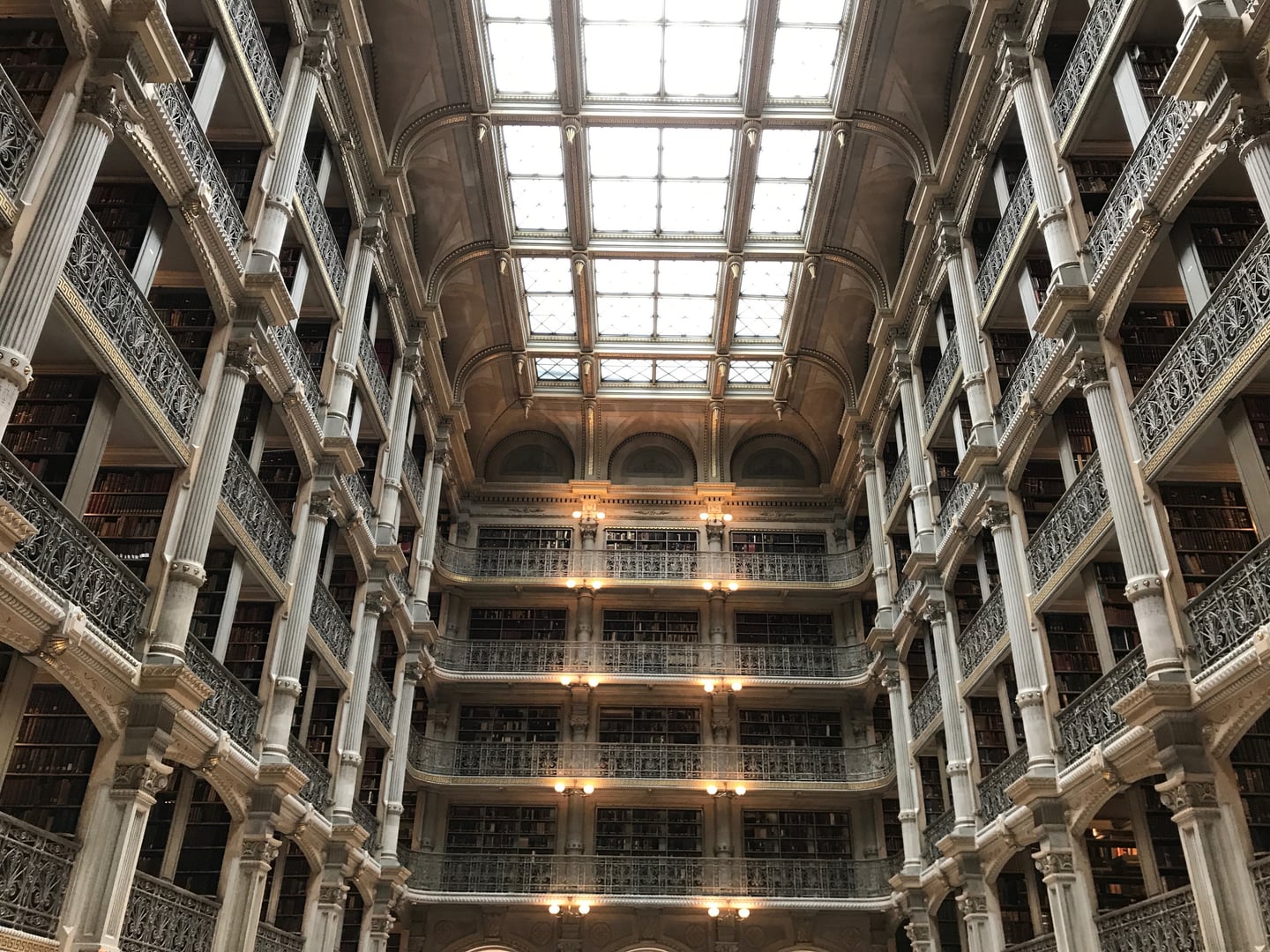
Interior of the George Peabody Library showing the five-tier cast-iron stack atrium
Photo coming soon
Museum / Historical Site

George Peabody Library

Baltimore, MD

The George Peabody Library is the research library of the Peabody Institute, founded as a free library by George Peabody in 1857. The current building opened in 1878 to a design by Baltimore architect Edmund G. Lind. The library is one of the most photographed library interiors in the United States, with a 61-foot neo-Greco atrium surrounded by five tiers of ornamental cast-iron stacks. Since 1982 it has been part of the Johns Hopkins University Sheridan Libraries.

$ All Ages Family: High
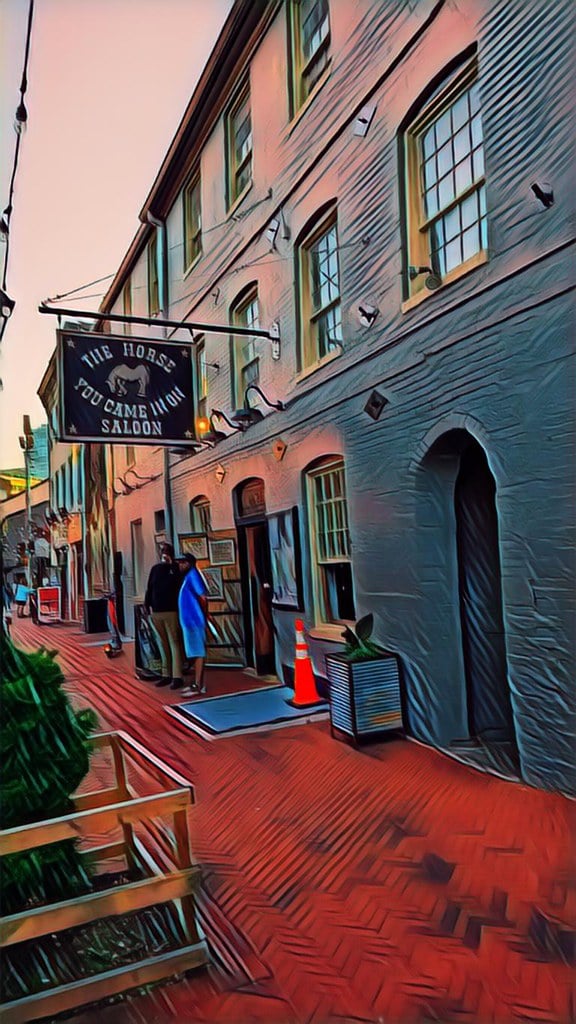
Exterior of The Horse You Came In On Saloon at 1626 Thames Street in Fells Point, Baltimore
Photo coming soon
Haunted Dining / Bar

The Horse You Came In On Saloon

Baltimore, MD

The Horse You Came In On Saloon at 1626 Thames Street in Baltimore's Fells Point Historic District has operated as a tavern since 1775, making it among the oldest continuously operating saloons in the United States and Baltimore's oldest bar. The current name dates to 1972 when owner Howard Gerber renamed the establishment, formerly Al and Ann's. The bar reportedly continued operating through Prohibition.

$$ 21+ Family: Low
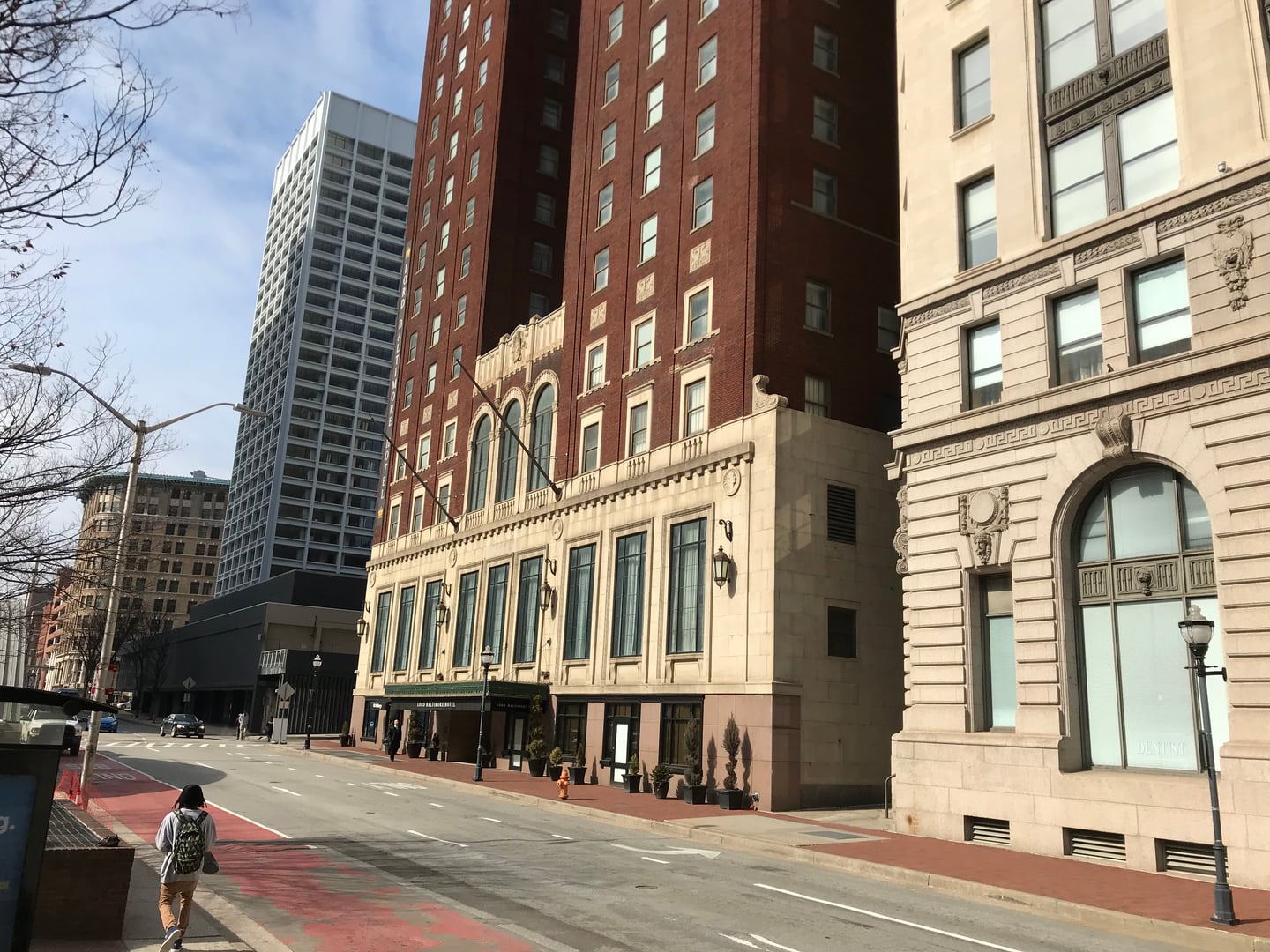
Exterior of the 23-story French Renaissance Lord Baltimore Hotel in downtown Baltimore
Photo coming soon
Haunted Hotel / Inn

Lord Baltimore Hotel

Baltimore, MD

The Lord Baltimore Hotel opened on December 30, 1928 as a 23-story French Renaissance Revival hotel designed by William Lee Stoddart for the Consolidated Realty Corporation. At opening it was the tallest building in Maryland. Less than a year after opening, the 1929 stock market crash inaugurated the Great Depression, and the hotel became the site of multiple documented suicides during that period. The hotel remains in continuous operation today and is a member of Historic Hotels of America.

$$$ All Ages Family: Moderate
Exterior of the 1909 MedChi Building at 1211 Cathedral Street in Baltimore's Midtown-Belvedere
Photo coming soon
Museum / Historical Site

MedChi Building (Maryland State Medical Society)

Baltimore, MD

The Medical and Chirurgical Faculty of Maryland (MedChi) was founded in 1799 as the state medical society, making it one of the oldest in the United States. The current Cathedral Street building was dedicated in 1909 and includes the society's historic medical library and a top-floor apartment originally built for the live-in librarian Marcia Crocker Noyes.

$ All Ages Family: High
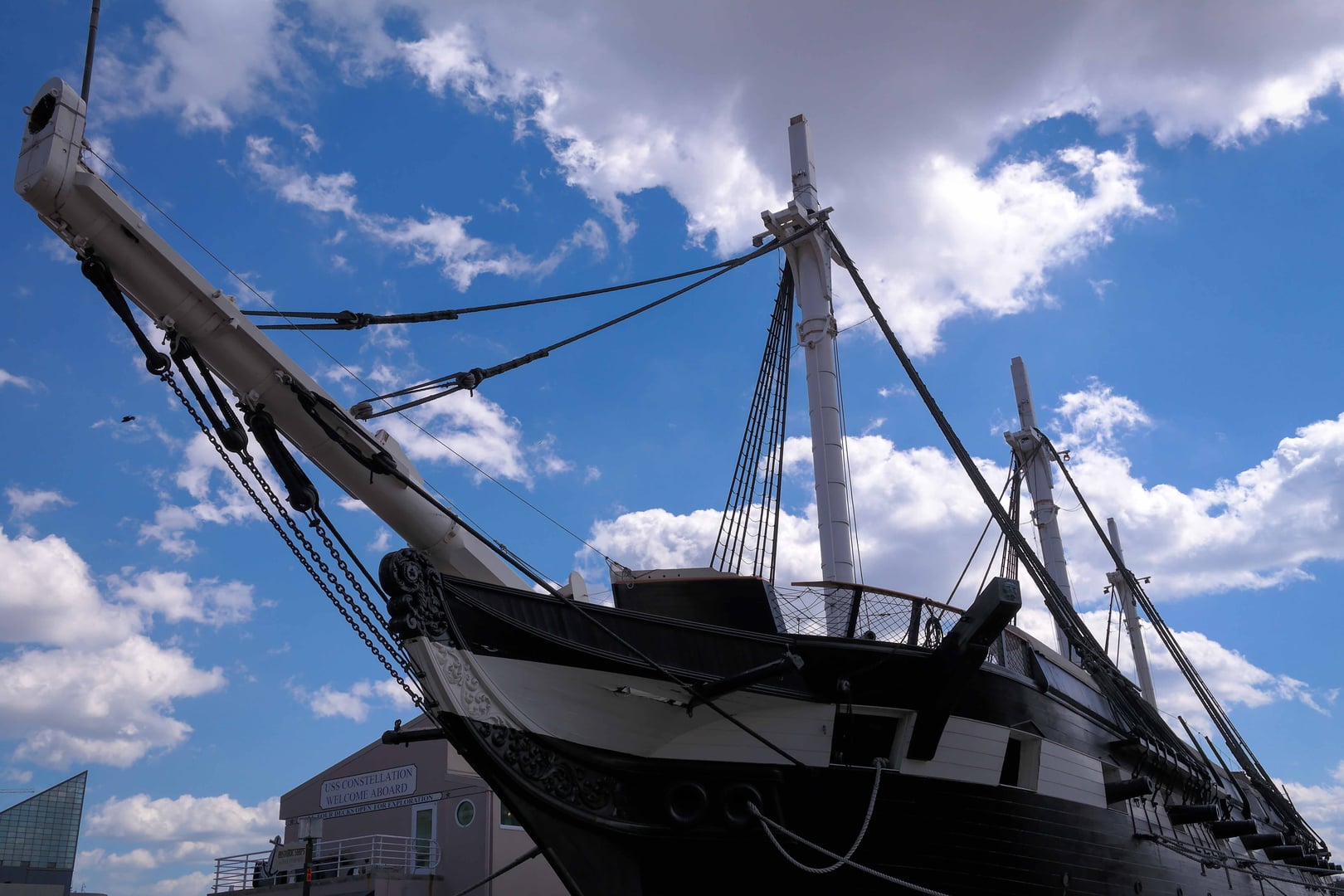
USS Constellation moored at Pier 1 in Baltimore's Inner Harbor, a tall-masted 1854 sloop-of-war
Photo coming soon
Museum / Historical Site

USS Constellation

Baltimore, MD

The USS Constellation moored at Pier 1 in Baltimore's Inner Harbor is the second U.S. Navy ship to bear that name. Launched in 1854 from the Norfolk Navy Yard, she is a sloop-of-war and the last all-sail warship built by the U.S. Navy. She served in the African Squadron suppressing the transatlantic slave trade, served Union duty during the Civil War, and was preserved at Baltimore beginning in 1955.

$$ All Ages Family: High
Exterior of The William Fell Baltimore hotel on the Fells Point waterfront at South Broadway and Thames Street
Photo coming soon
Haunted Hotel / Inn

The William Fell Baltimore (formerly Admiral Fell Inn)

Baltimore, MD

The William Fell occupies seven 18th- and 19th-century buildings on the Fells Point waterfront at South Broadway and Thames Street. The complex was a Port Mission boardinghouse and later the Seaman's YMCA (1929-1955), then sat largely vacant for two decades before reopening as the Admiral Fell Inn in 1985. After acquisition by Meyer Jabara Hotels and a full renovation, the property reopened in April 2025 as The William Fell, a member of Hilton's Tapestry Collection.

$$$ All Ages Family: Moderate

Frederick — 9

Ceresville Mansion 1888 Victorian estate viewed from Liberty Road in Frederick, Maryland
Photo coming soon
Haunted House / Historic Home

Ceresville Mansion

Frederick, MD

Ceresville Mansion is an 1888 country house on 26 acres along Israel Creek northeast of Frederick, Maryland. The 9,000-square-foot home anchors a working private wedding and events venue and sits beside an 1818 stone gristmill that was once among the most productive flour mills in the state.

$$$$ All Ages Family: High
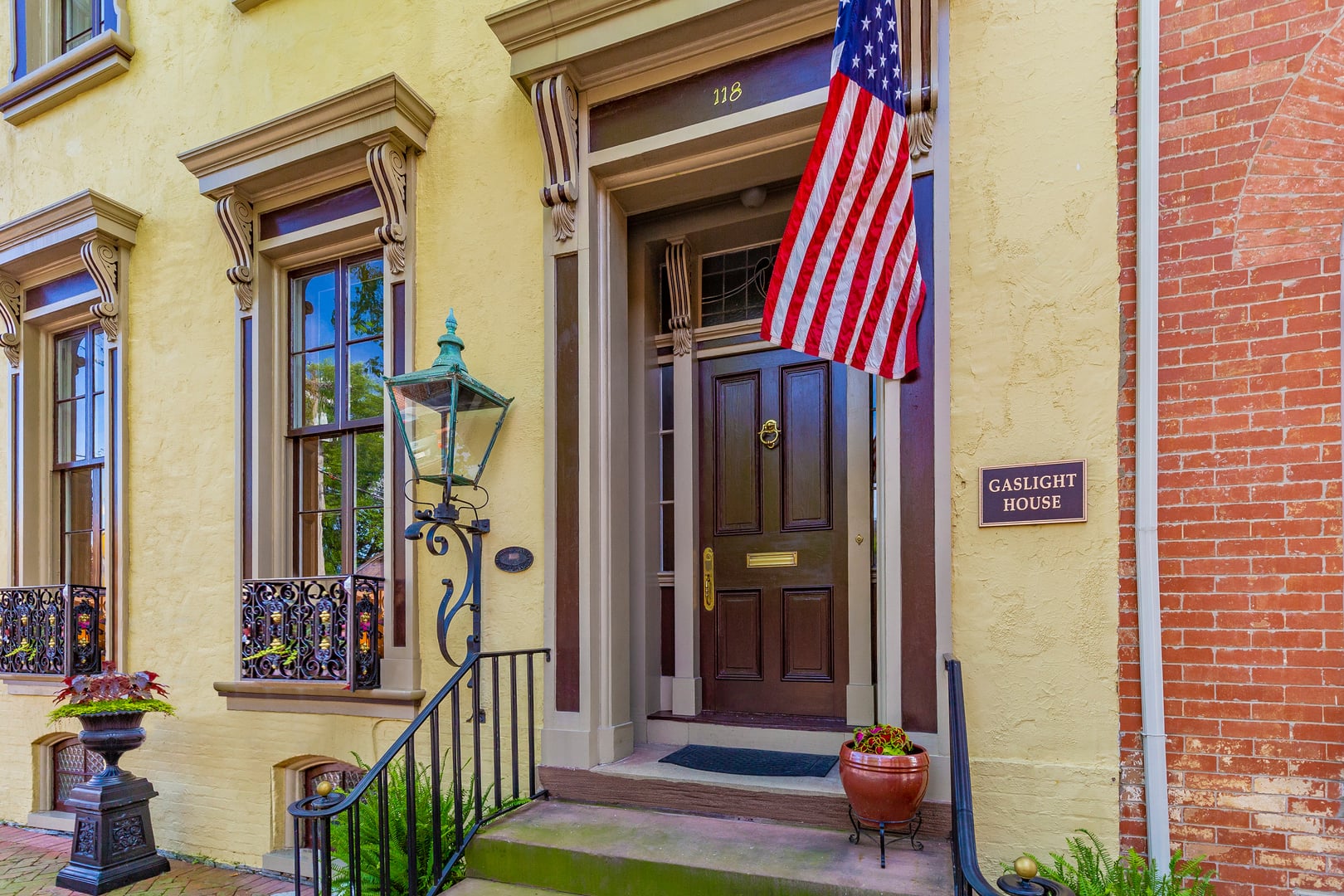
Front entrance of the historic 1810s Gaslight House at 118 East Church Street in Frederick, Maryland, showing a yellow stucco Italianate rowhome with a gas lamp, American flag, and dark wood door
Haunted House / Historic Home

Gaslight House (Gaslight Gallery)

Frederick, MD

The Gaslight House at 118 East Church Street is an Italianate rowhome dating to the 1810s, expanded over time into an L-shape by the mid-1880s. The building passed through multiple owners over two centuries; since November 2021 it has operated as the Gaslight Gallery, a contemporary art venue.

$ All Ages Family: Moderate
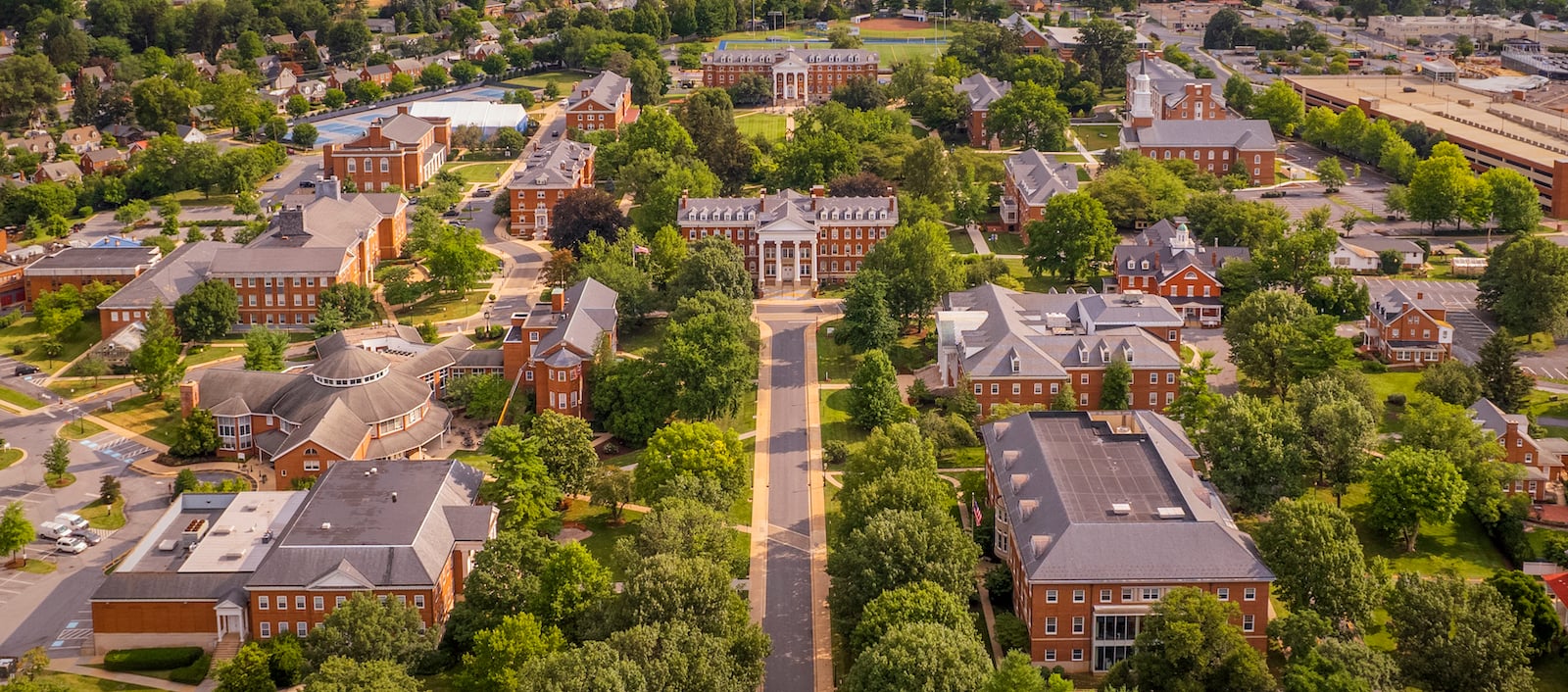
Open Graph image from www.hood.edu
Other Dark Tourism Site

Hood College

Frederick, MD

Hood College was founded in 1893 by the Potomac Synod of the Reformed Church as the Woman's College of Frederick, and was renamed in 1913 for benefactor Margaret Scholl Hood. The campus, originally located on East Church Street in Frederick's historic district, moved to its current 28-acre location after 1915. The oldest campus building, Brodbeck Hall, dates to 1868 and predates the college itself, having served as a German biergarten before its academic conversion.

$ All Ages Family: Moderate
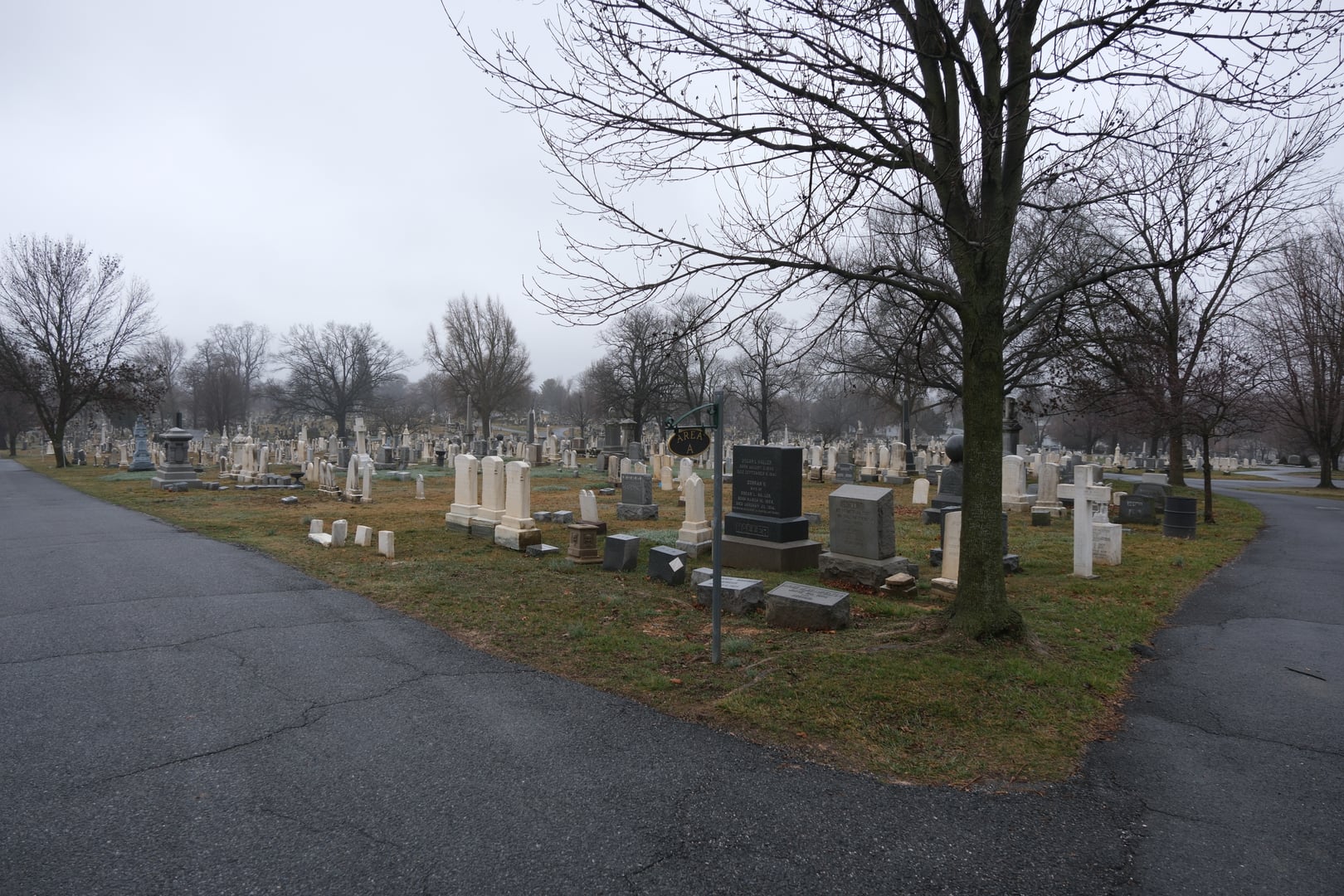
Rolling grounds and historic monuments of the 1852 Mount Olivet Cemetery, burial place of Francis Scott Key, in Frederick, Maryland
Cemetery / Burial Ground

Mount Olivet Cemetery (Frederick)

Frederick, MD

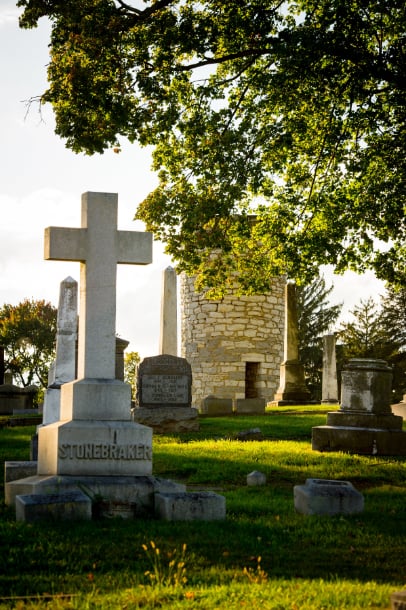
Mount Olivet Cemetery was established in 1852 as Frederick's garden cemetery, replacing crowded church burial grounds in town. It is the burial place of Francis Scott Key (author of 'The Star-Spangled Banner'), Barbara Fritchie, Maryland's first governor Thomas Johnson, and 408 unknown Confederate soldiers reinterred from area battlefields. The Key monument was dedicated in 1898 and the Confederate monument in 1881.

$ All Ages Family: High
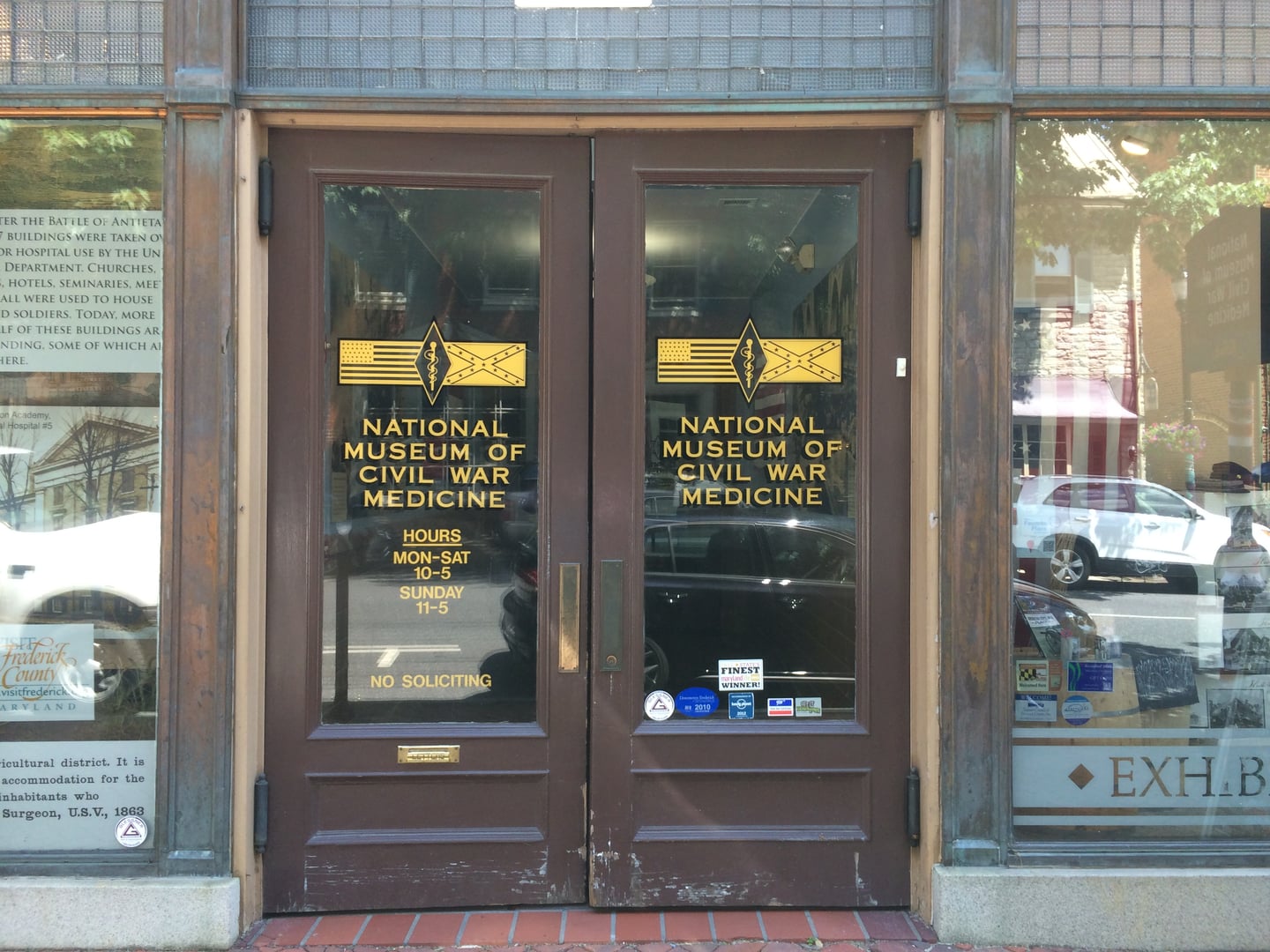
The brick storefront entrance to the National Museum of Civil War Medicine at 48 E Patrick Street in Frederick, Maryland
Museum / Historical Site

National Museum of Civil War Medicine

Frederick, MD

The museum opened in 1996 in an 1830s building at 48 E Patrick Street known as the Carty Building. Before the Civil War the structure was owned by furniture maker and undertaker James Whitehill. During the war, embalmer Dr. Richard Burr worked from this location, treating Union dead after the battles of South Mountain and Antietam.

$ All Ages Family: Moderate
Schifferstadt, the 1758 stone German colonial farmhouse built by the Brunner family in Frederick, Maryland
Museum / Historical Site

Schifferstadt Architectural Museum

Frederick, MD

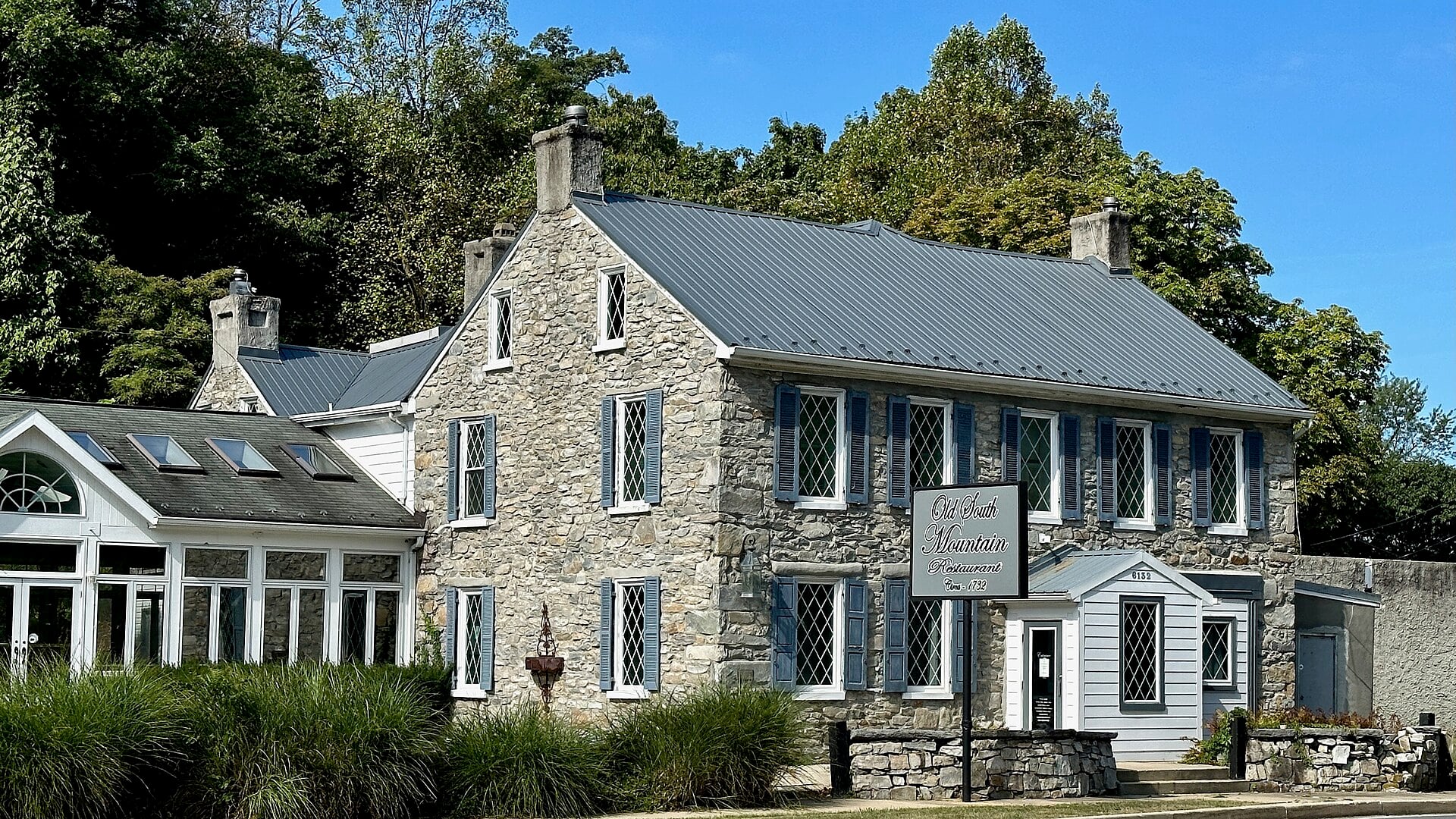
Schifferstadt is one of the oldest surviving houses in Frederick, completed in 1758 by Elias Brunner and his wife Albertina on the family's 303-acre farm tract. The Brunners named the property after their hometown in the German Palatinate. The Frederick County Landmarks Foundation purchased the house in 1974 and opened it as an architectural museum.

$ All Ages Family: High
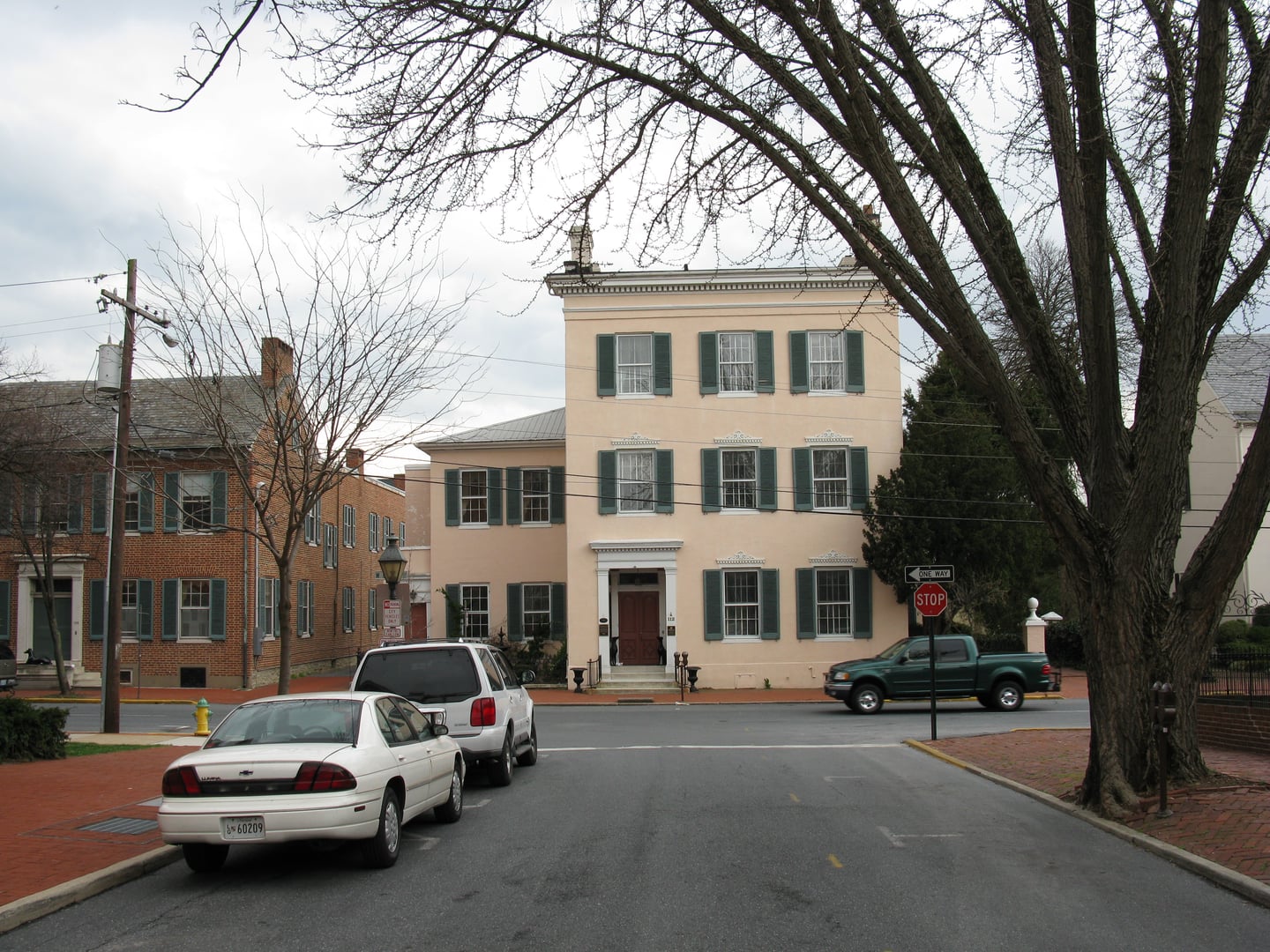
Three-story brick facade of the 1814 Tyler Spite House at 112 West Church Street, opposite Record Street in downtown Frederick, Maryland.
Haunted House / Historic Home

Tyler Spite House

Frederick, MD

Dr. John Tyler, the first American-born physician to perform a cataract operation, built the Tyler Spite House in 1814 to block the City of Frederick's planned extension of Record Street through his land. The 9,000-square-foot, three-story brick home at 112 West Church Street features 14-foot ceilings, eight working fireplaces, and elaborate woodwork. It has operated as a private residence, an office building, and a bed and breakfast over its two centuries.

$ All Ages Family: Moderate
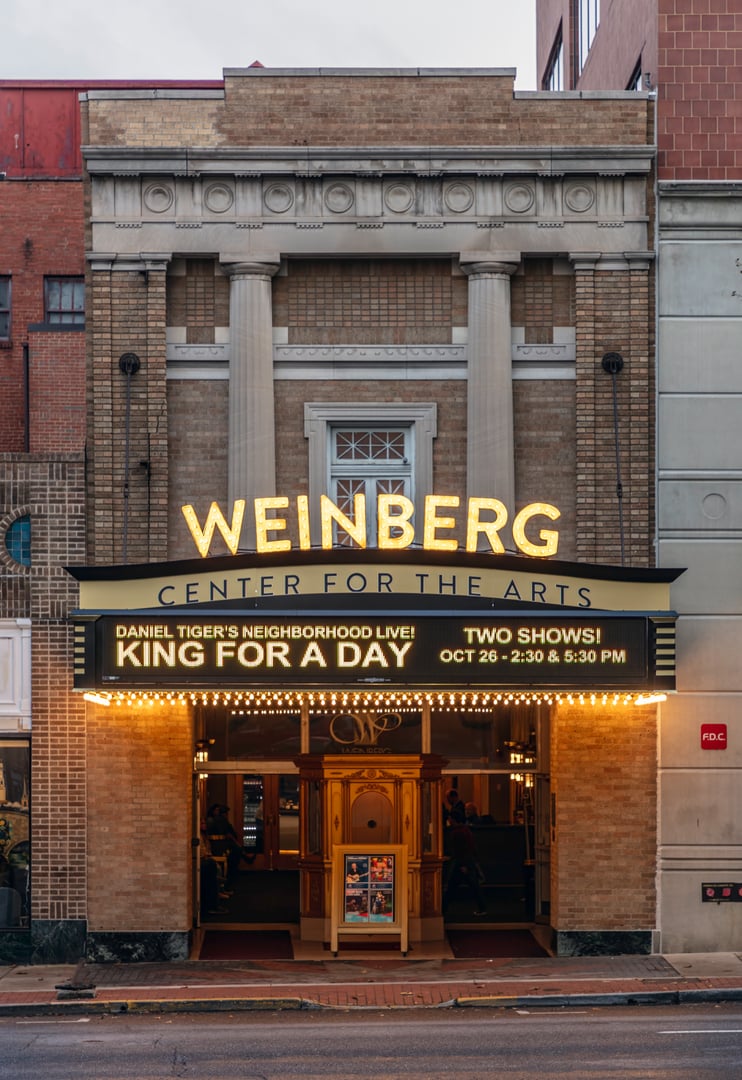
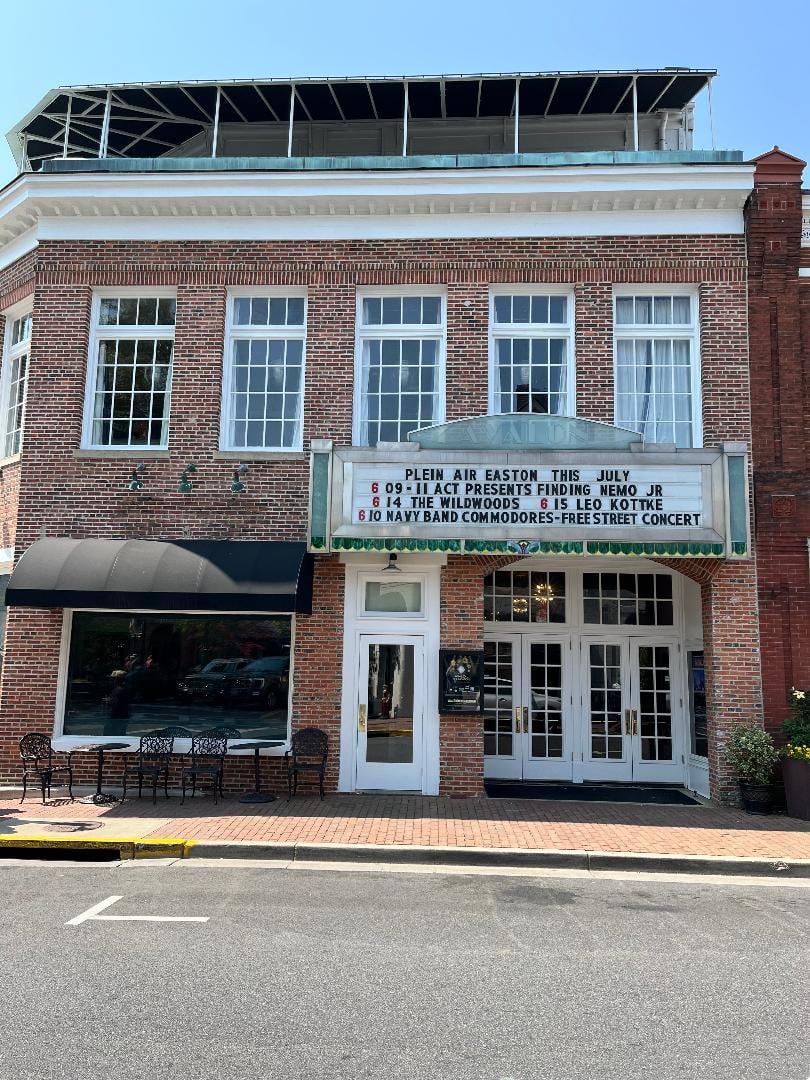
Exterior of the Weinberg Center for the Arts, formerly the 1926 Tivoli Theatre, on West Patrick Street in Frederick, Maryland.
Theater / Performance Venue

Weinberg Center for the Arts

Frederick, MD

The Tivoli Theatre opened on December 23, 1926, built at a cost of over $350,000 by the Stanley-Crandall Company as the second-largest structure ever built in Frederick at the time. After 1976 flood damage, the theater was renovated and reopened in 1978 as the Weinberg Center for the Arts, named for Dan and Alyce Weinberg, who had bought the building in the late 1950s before donating it to the City of Frederick.

$$ All Ages Family: High
Winchester Hall, the 1843 Greek Revival seat of Frederick County government, photographed in Frederick, Maryland.
Museum / Historical Site

Winchester Hall

Frederick, MD

Winchester Hall was built starting in 1843 (cornerstone laid 1843; west wing completed 1850) to house the Frederick Female Seminary. After the September 1862 Battle of Antietam, the Union Army occupied the building as part of Frederick General Hospital No. 1. In 1887 workers digging behind the building unearthed sawn human arm and leg bones — remnants of wartime amputations. The building later housed the Women's College of Frederick (precursor to Hood College) before becoming Frederick County government offices.

$ All Ages Family: Moderate

Annapolis — 8

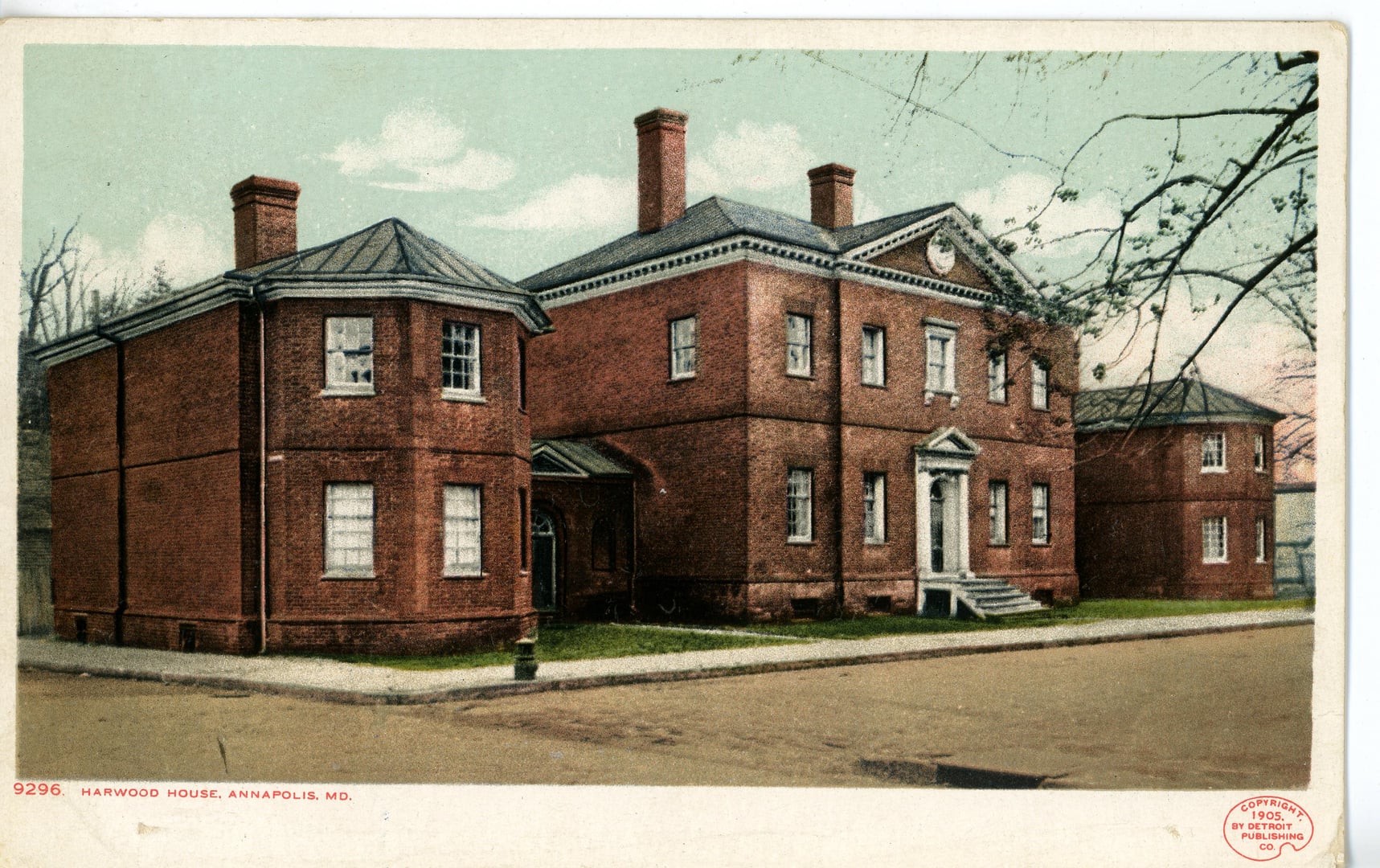
The 1774 Hammond-Harwood House, a Palladian Georgian mansion designed by William Buckland on Maryland Avenue in Annapolis
Haunted House / Historic Home

Hammond-Harwood House

Annapolis, MD

The Hammond-Harwood House at 19 Maryland Avenue is a five-part Palladian-plan mansion designed in 1774 by William Buckland for Matthias Hammond. Hammond was a wealthy Annapolis lawyer and slaveholder; he never moved into the completed house. The property passed through the Harwood family in the 19th century and has operated as a house museum since 1938. It is a National Historic Landmark and one of the most important surviving examples of Palladian architecture in North America.

$$ All Ages Family: High
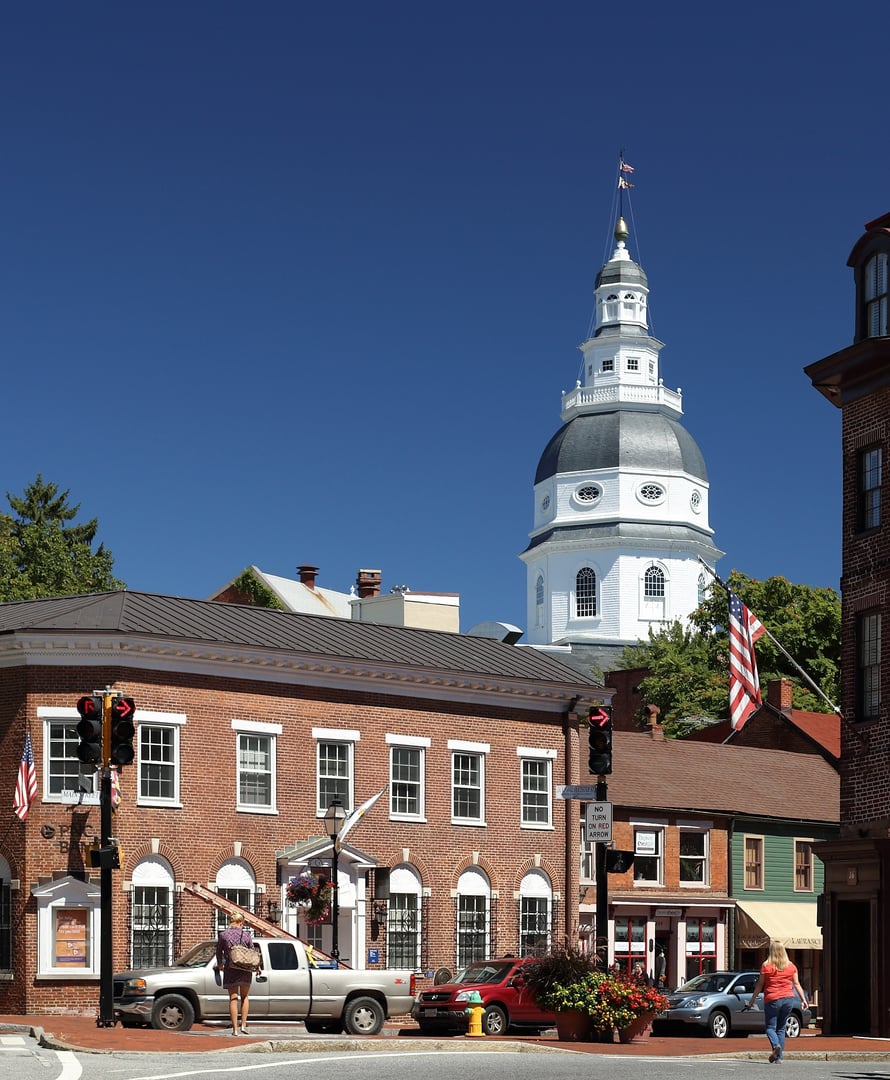
The 1772 Maryland State House in Annapolis, the oldest U.S. state capitol in continuous legislative use, crowned by its all-wood dome
Museum / Historical Site

Maryland State House

Annapolis, MD

The Maryland State House at 100 State Circle in Annapolis is the oldest United States state capitol still in continuous legislative use. Construction began in 1772 and the building hosted the Continental Congress in 1783-84, when George Washington resigned his military commission here and the Treaty of Paris was ratified, formally ending the Revolutionary War. The signature wooden dome above the building is the largest all-wooden dome in North America.

$ All Ages Family: High
The Ram's Head Tavern facade on West Street in Annapolis with its ram's head signage
Photo coming soon
Haunted Dining / Bar

Ram's Head Tavern

Annapolis, MD

The structure at 33 West Street in Annapolis dates to the 18th century and has hosted brewer Benjamin Fordham (early 1700s), Supreme Court Justice and Maryland Constitutional signer Samuel Chase (1769), and the silversmith William Faris's Crown and Dial shop. By 1794 the building housed a 'Sign of the Green Tree' house of entertainment. Bill and Paula Muehlhauser bought the property in December 1989 and grew it into the Ram's Head Tavern and Rams Head On Stage venue.

$$ All Ages dining; 21+ at the bar and for most music shows Family: Moderate
The brick facade of Reynolds Tavern at Church Circle in Annapolis, with the spire of St. Anne's Church behind
Photo coming soon
Haunted Dining / Bar

Reynolds Tavern

Annapolis, MD

Reynolds Tavern was built in 1747 by William Reynolds, a hatter who leased the lot at Church Circle from St. Anne's Parish, and originally operated under the name Beaver and Lac'd Hat. After Reynolds's death in 1777 his widow Mary continued the tavern until her own death in 1785. Following two centuries of varied use, the building was repurposed as a tavern in 1984 and continues to operate as a restaurant, pub, tearoom, and inn.

$$ All Ages dining; 21+ at the pub bar Family: High
The front facade of St. Anne's Episcopal Church, completed 1859, standing at the center of Church Circle in colonial Annapolis, Maryland
Other Dark Tourism Site

St. Anne's Episcopal Church and Churchyard

Annapolis, MD

St. Anne's Parish in Annapolis was established in 1692 as one of the original 30 parishes of the Maryland Established Church. The current building at 1 Church Circle is the third on the site, completed in 1859 after the previous building was destroyed by fire on Valentine's Day 1858. The historic churchyard has been in use since 1692 and contains the graves of colonial governors and other notable Annapolitans.

$ All Ages Family: High
The 1765 William Paca House, a five-part Georgian brick mansion built by a signer of the Declaration of Independence in Annapolis, Maryland
Haunted House / Historic Home

William Paca House and Garden

Annapolis, MD

The William Paca House at 186 Prince George Street is a five-part Georgian brick mansion built between 1763 and 1765 by William Paca, a signer of the Declaration of Independence and Maryland's third governor. The estate originally included a two-acre formal pleasure garden, which Historic Annapolis reconstructed in the 1970s. The property is a National Historic Landmark and is operated as a house museum by Historic Annapolis.

$$ All Ages Family: High
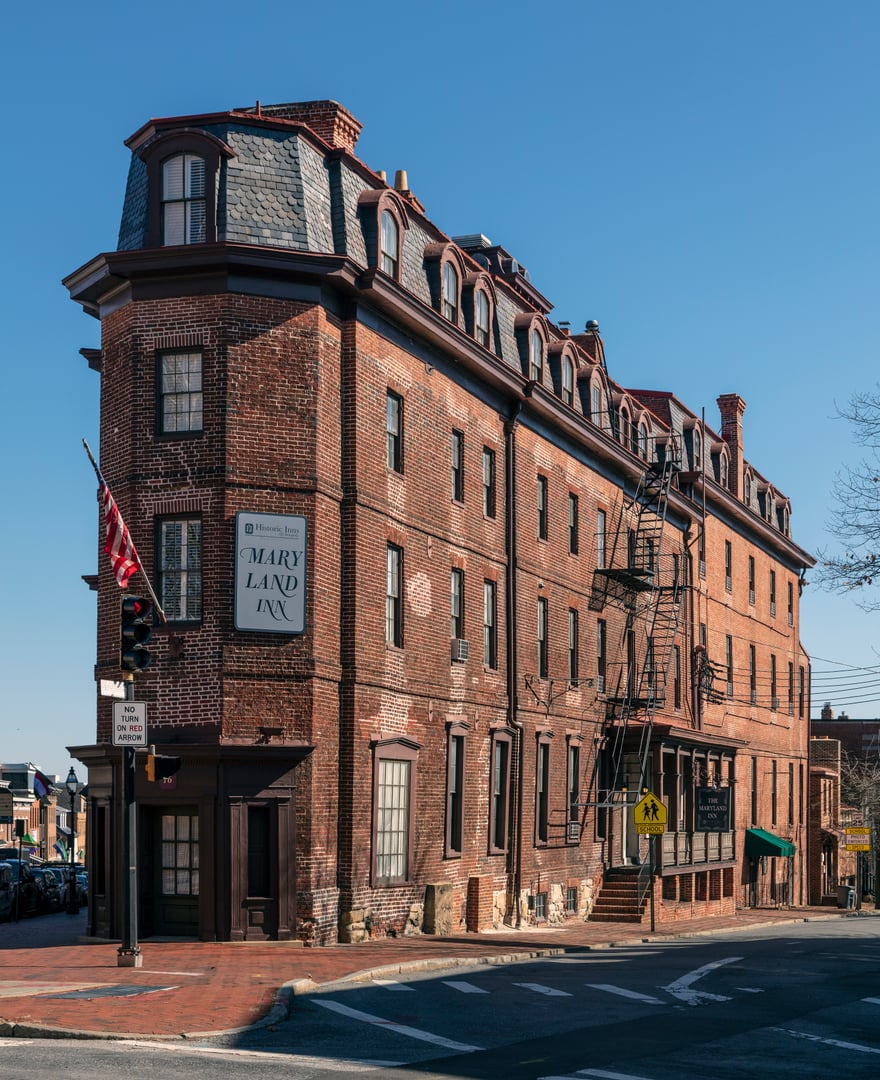
Maryland Inn historic Colonial-era hotel facade in Annapolis Historic District, Maryland
Haunted Hotel / Inn

Maryland Inn (Historic Inns of Annapolis)

Annapolis, MD

The Maryland Inn in Annapolis was built in 1772 by Thomas Hyde, a merchant and civic leader, on the prominent Church Circle at the top of the colonial city's street plan. It holds the distinction of being America's longest continuously operating hotel and was named to the National Register of Historic Places. It is part of the Historic Inns of Annapolis collection alongside the Governor Calvert House and Robert Johnson House.

$$$ All Ages Family: High
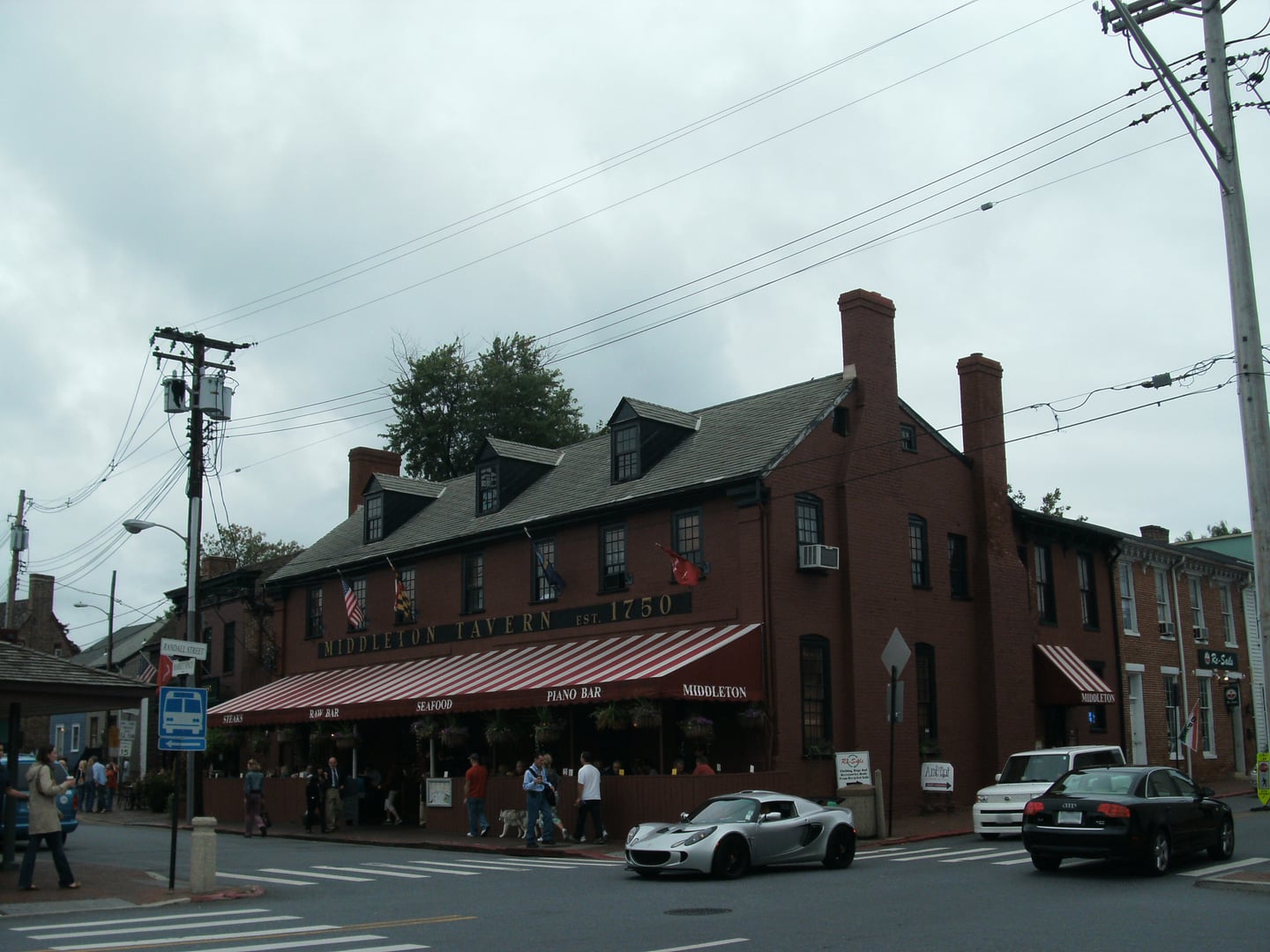
The three-story brick Georgian facade of Middleton Tavern in the Colonial Annapolis Historic District, Maryland
Haunted Dining / Bar

Middleton Tavern

Annapolis, MD

Middleton Tavern occupies a 1740 brick building at the Annapolis waterfront, opened as a public house in 1750 by ferry operator Horatio Middleton. It is the oldest continuously-operating tavern in Maryland, located on a documented colonial ferry route that brought George Washington, Thomas Jefferson, Benjamin Franklin, and members of the Continental Congress through its doors on the way to and from Philadelphia.

$$$ All Ages dining; 21+ at the bar Family: High

Scotland — 2

The 1830 Point Lookout Lighthouse at Point Lookout State Park in St. Mary's County, Maryland
Museum / Historical Site

Point Lookout Lighthouse

Scotland, MD

Point Lookout Lighthouse, built by John Donahoo in 1830, marks the cape where the Potomac River meets the Chesapeake Bay. During the Civil War the cape served as a Union hospital and Confederate prisoner-of-war camp, where nearly four thousand prisoners died and were buried on the grounds.

$ All Ages Family: Moderate
View north from Point Lookout Lighthouse in Point Lookout State Park, St. Mary's County, Maryland
Battlefield / Military Site

Point Lookout State Park

Scotland, MD

Point Lookout occupies the southern tip of the St. Mary's County peninsula at the confluence of the Chesapeake Bay and the Potomac River. The Point Lookout Light was built in 1830. During the Civil War, the United States operated Camp Hoffman on the site from 1863 to 1865, a prisoner-of-war camp that held over 52,000 Confederate soldiers; nearly 4,000 died and are buried at the site. The peninsula was protected by three earthen forts including Fort Lincoln, partially reconstructed today. The Civil War Museum and a state park preserve the location.

$ Public state park; appropriate for all ages during daylight hours. Family: High

Sharpsburg — 2

Antietam National Battlefield rolling fields in Sharpsburg, Maryland — site of bloodiest day in American military history
Battlefield / Military Site

Antietam National Battlefield

Sharpsburg, MD

On September 17, 1862, the Battle of Antietam near Sharpsburg, Maryland became the single bloodiest day in American military history, with 23,100 men killed, wounded, or missing in a 12-hour engagement between Union and Confederate forces.

$$ All Ages Family: Moderate
Sunken Road known as Bloody Lane at Antietam National Battlefield, Sharpsburg, Maryland, site of the bloodiest day in American military history
Battlefield / Military Site

Antietam National Battlefield

Sharpsburg, MD

Antietam National Battlefield preserves the site of the September 17, 1862 Battle of Antietam, in which combined Union and Confederate casualties reached 22,717 dead, wounded, or missing — the bloodiest single day in American military history. The Union strategic victory ended Robert E. Lee's first invasion of the North and gave President Lincoln the political opening to issue the Preliminary Emancipation Proclamation five days later.

$ All Ages Family: Moderate

Westminster — 2

Rural Furnace Hills property in Westminster, Maryland associated with the Avonlea Bed and Breakfast
Photo coming soon
Haunted House / Historic Home

Avonlea Bed and Breakfast

Westminster, MD

Avonlea sits within the Furnace Hills district of Carroll County, Maryland, an area named for the eighteenth-century iron furnaces operated by English transplant Legh Master. Master arrived from England in 1765 and built a mansion on the property, where he lived until his death in 1796.

$$ All Ages Family: Moderate
Cockey's Tavern, an 1830s former tavern on East Main Street in Westminster, Maryland
Photo coming soon
Museum / Historical Site

Cockey's Tavern

Westminster, MD

Cockey's Tavern dates to the 1830s on Westminster's East Main Street and operated as a hostelry, store, and tavern at least through 1877. The oldest section of the building enlarged a simple log structure into the present form, and a third floor was added around 1905. Local tradition holds that Confederate General J.E.B. Stuart used the building as a temporary headquarters during the cavalry march to Gettysburg in June 1863. The Historical Society of Carroll County operates the Shop at Cockey's in the building today.

$ All Ages Family: High

Catonsville — 1

Exterior campus building of Mount de Sales Academy in Catonsville, Maryland
Haunted House / Historic Home

Mount de Sales Academy

Catonsville, MD

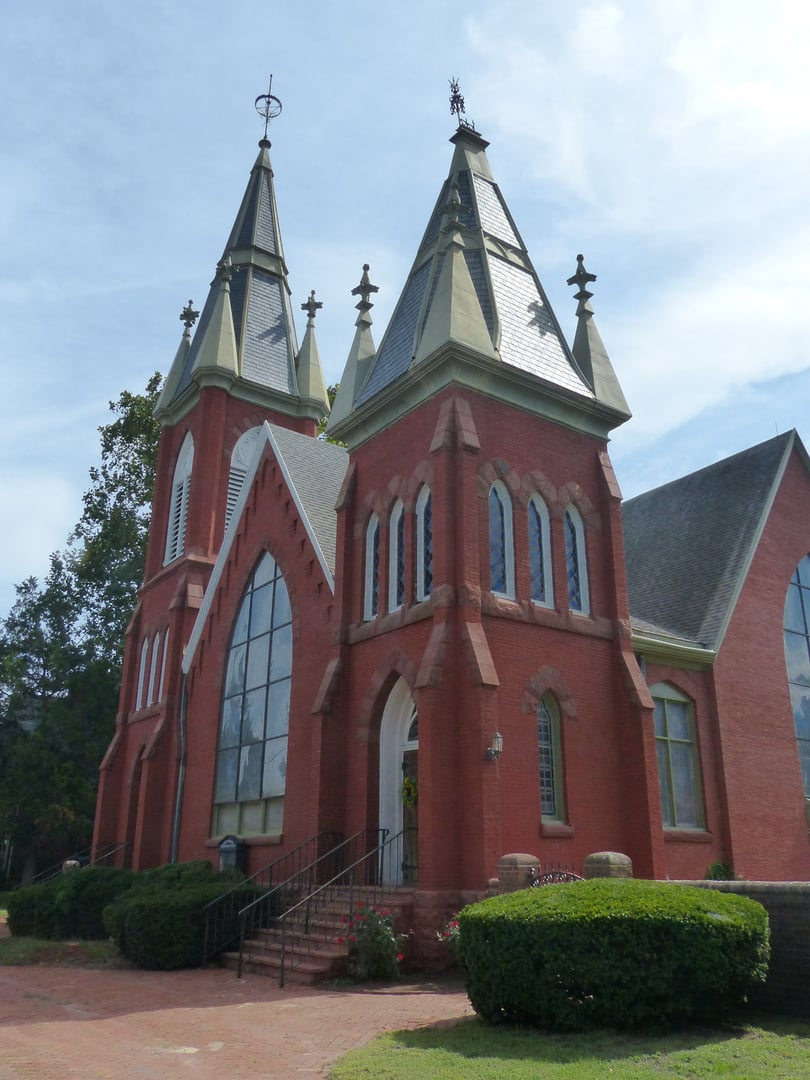
Mount de Sales Academy was founded in 1852 by Visitation Sisters from Georgetown as the first Catholic institution in Baltimore County to educate young women of all denominations. The main building, completed in three construction phases and now listed on the National Register of Historic Places, rises four stories on one of Catonsville's highest parcels. Its central chapel remains the oldest place of worship in continuous use in Baltimore.

$ All Ages Family: High

Cockeysville — 1

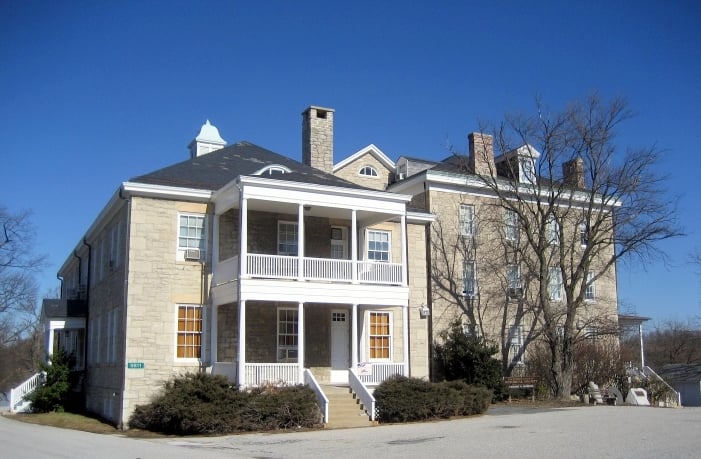
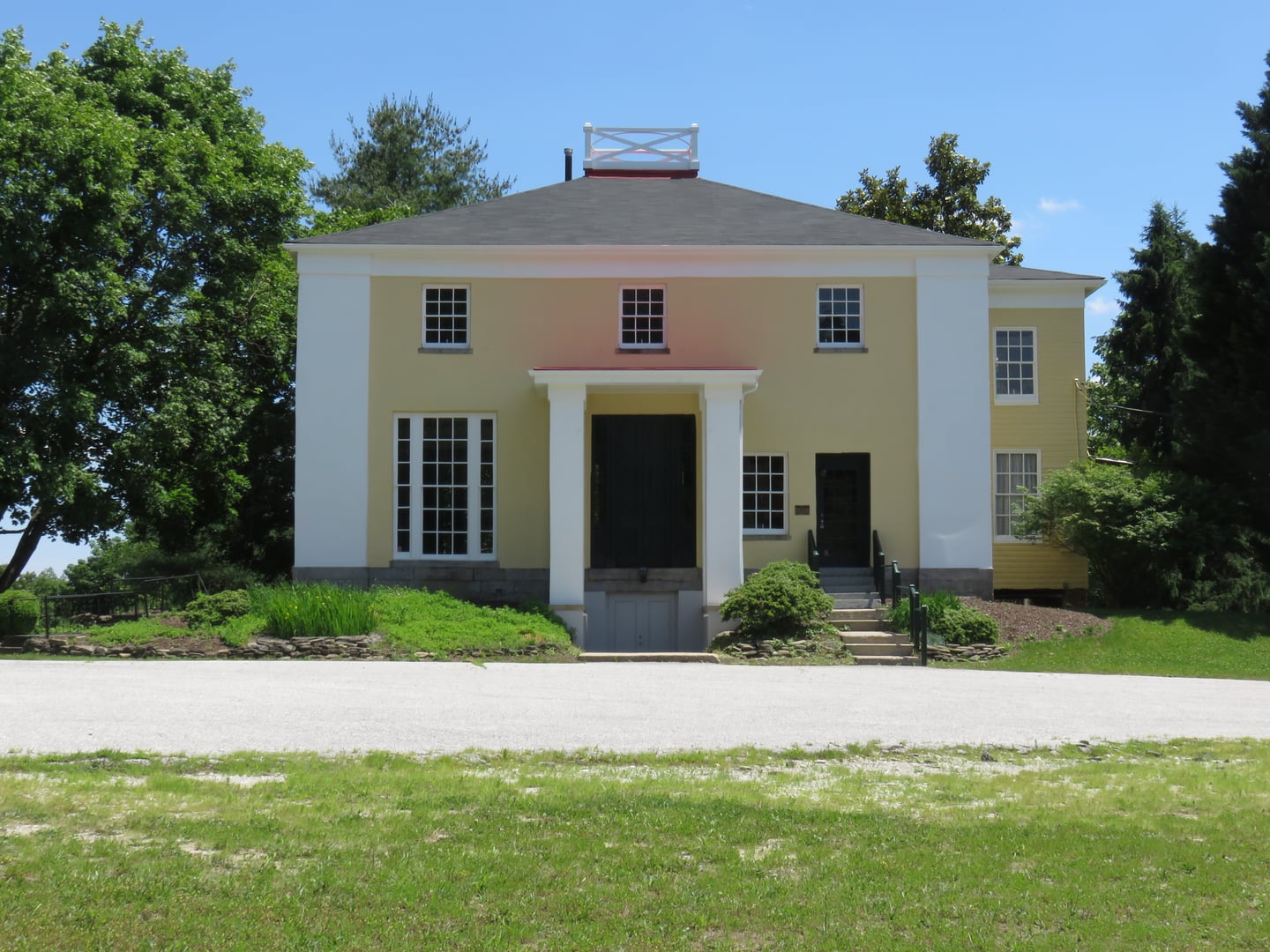
The former Baltimore County Almshouse (Agriculture Building) in Cockeysville, Maryland, now the Historical Society of Baltimore County, circa 2008.
Museum / Historical Site

Baltimore County Almshouse (Almes Mansion)

Cockeysville, MD

The Baltimore County Almshouse was built in the early 1870s as the county's third and last poorhouse, opening to residents in 1874. It housed the elderly, indigent, mentally ill, and dependent children for eighty-four years before closing in 1958. Since the 1960s the building has served as headquarters for the Historical Society of Baltimore County.

$ All Ages Family: Moderate

Elkridge — 1

The 1738 Belmont Manor house near Elkridge, Maryland
Photo coming soon
Haunted House / Historic Home

Belmont Manor & Historic Park

Elkridge, MD

Belmont was built in 1738 as the manor house of an estate originally patented as 'Moore's Morning Choice,' for Caleb and Priscilla Dorsey of Elkridge. One of Maryland's finest Colonial Georgian houses, it passed through the Dorsey, Hanson, and Bruce families, was donated to the Smithsonian in 1964, and is now the 68-acre Belmont Manor and Historic Park owned by Howard County.

$ All Ages Family: High

Fort Washington — 1

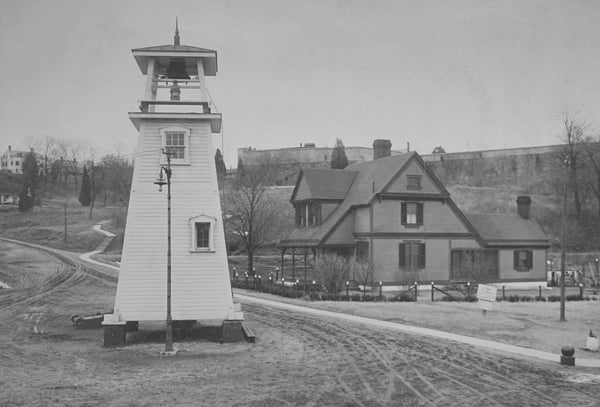
Historic 1913 photograph of the wooden Fort Washington Light with 1857 cast-iron light pole on the Potomac River, Maryland
Museum / Historical Site

Fort Washington Lighthouse

Fort Washington, MD

The Fort Washington Lighthouse stands on the Potomac River below Fort Washington, Maryland. The original 1857 light, authorized by Secretary of War Jefferson Davis, was replaced repeatedly; the present 32-foot wooden pyramidal bell tower was built in 1882. The station was unmanned in 1954, transferred to the National Park Service in 2005, and the Coast Guard removed the active light in 2020.

$ All Ages Family: High

Gaithersburg — 1

Gaithersburg High School, Gaithersburg, United States
Other Dark Tourism Site

Gaithersburg High School

Gaithersburg, MD

Gaithersburg High School, the second high school established in Montgomery County, Maryland, was founded in 1904 with its first classes beginning in fall 1905. The current building was constructed in 1951 and underwent a full modernization in 2013. The original Gaithersburg School building, established earlier on a different site, was destroyed by fire in 1895 with no reported injuries.

$ All Ages Family: High

Germantown — 1

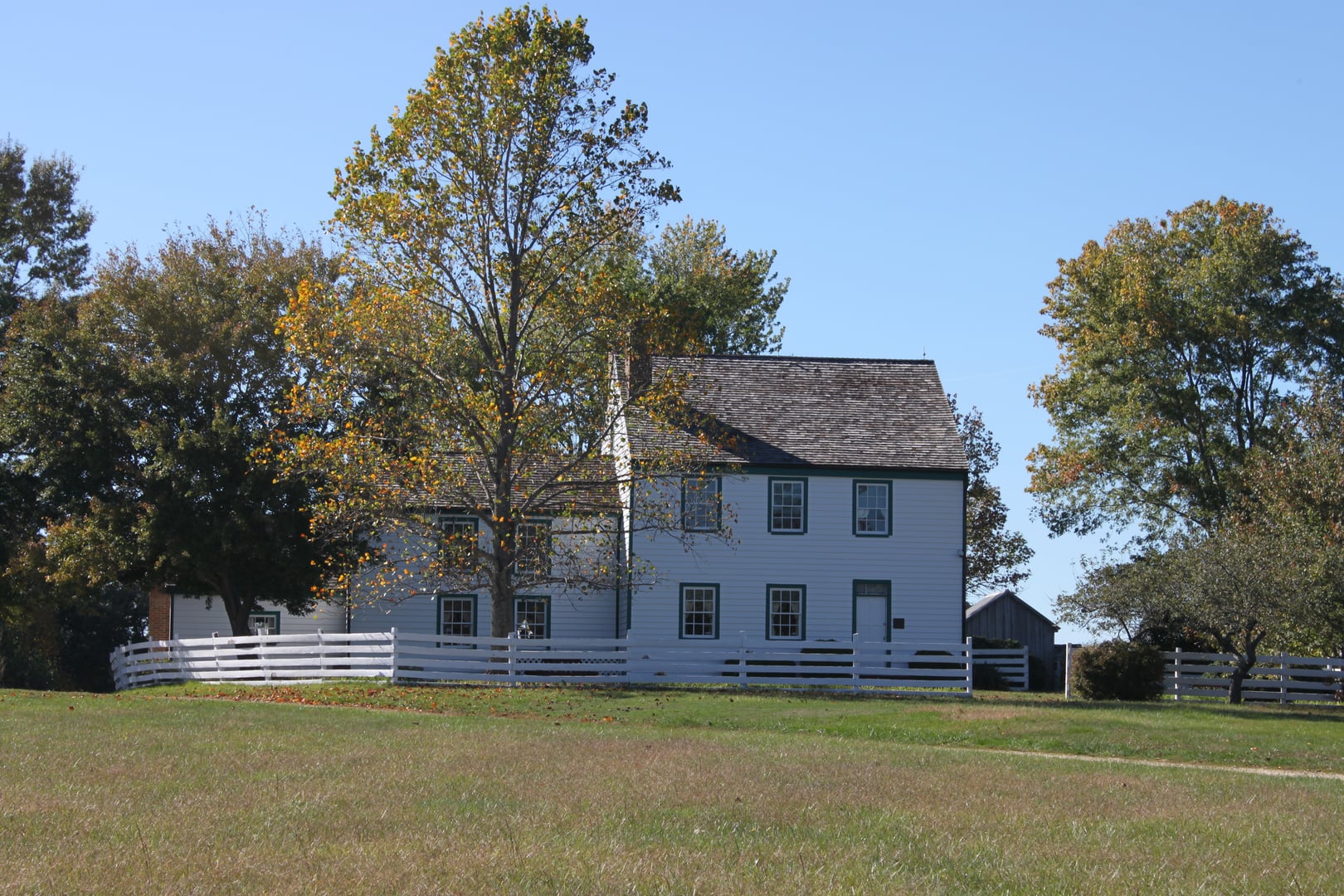
Exterior of the Waters House History Center, a ca. 1790s farmhouse in Germantown, Maryland
Museum / Historical Site

Waters House History Center

Germantown, MD

The Waters House is the oldest house in Germantown, Maryland, with the original section dating to the mid-1790s. Built by Basil Waters on land inherited from his father William Waters of Brookeville, the home and 200-acre Pleasant Fields farm represents mid-1800s farm life. The Montgomery County Historical Society now uses the property as the Waters House History Center.

$ All Ages Family: High

Glenn Dale — 1

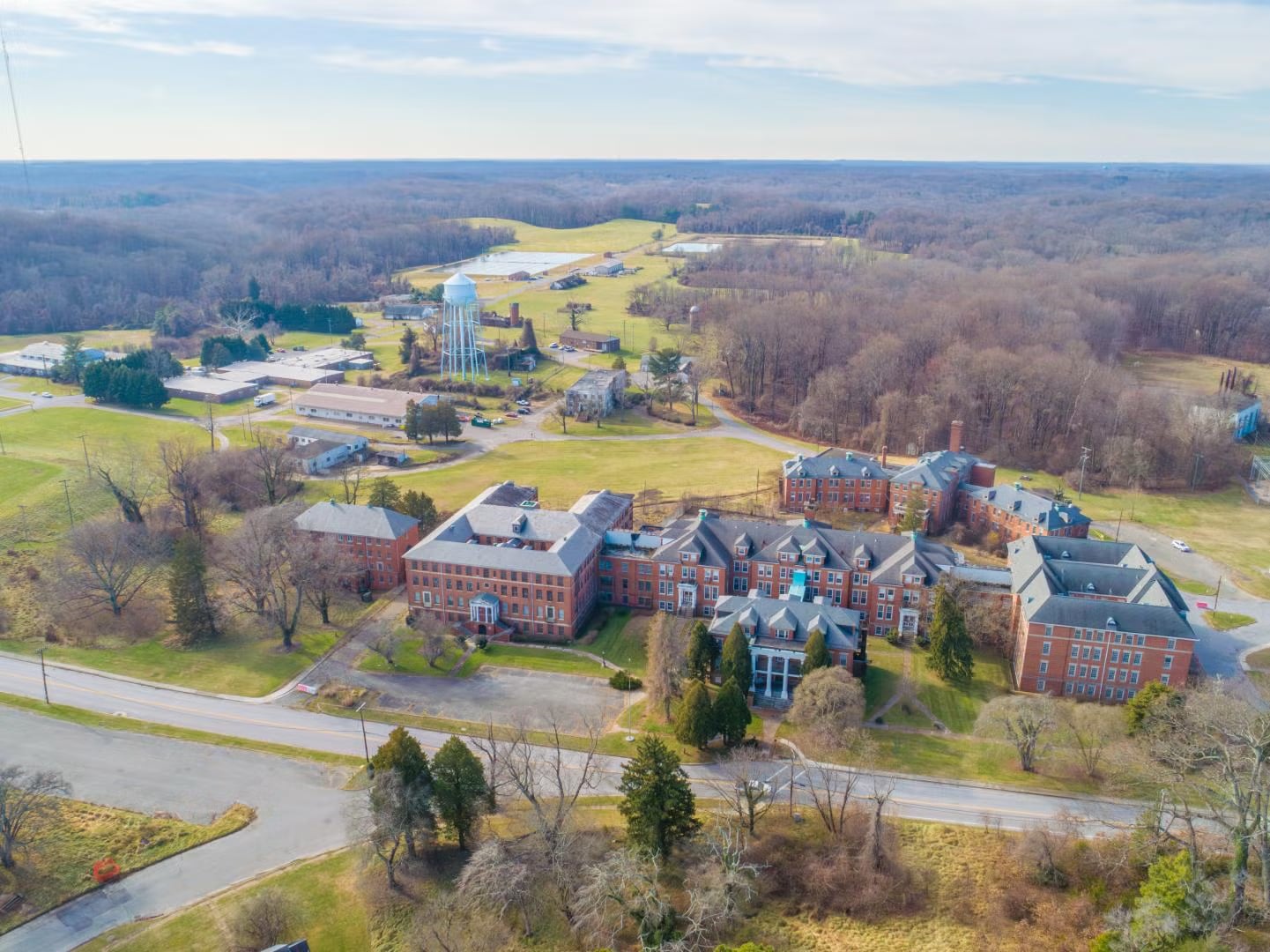
Abandoned Colonial Revival buildings of Glenn Dale Hospital in Maryland
Photo coming soon
Asylum / Hospital

Glenn Dale Hospital

Glenn Dale, MD

Glenn Dale Hospital was built in 1934 as a tuberculosis sanatorium to serve Washington, D.C., on a 200-plus-acre campus of more than 20 Colonial Revival buildings. As TB declined, it became a chronic-care and indigent hospital before closing in the early 1980s due to asbestos. It was listed on the National Register of Historic Places in 2011 and remains an abandoned, patrolled ruin.

$ All Ages Family: Low

Hagerstown — 1

Stone exterior of the 1739 Jonathan Hager House Museum in Hagerstown City Park, Maryland
Museum / Historical Site

Jonathan Hager House Museum

Hagerstown, MD

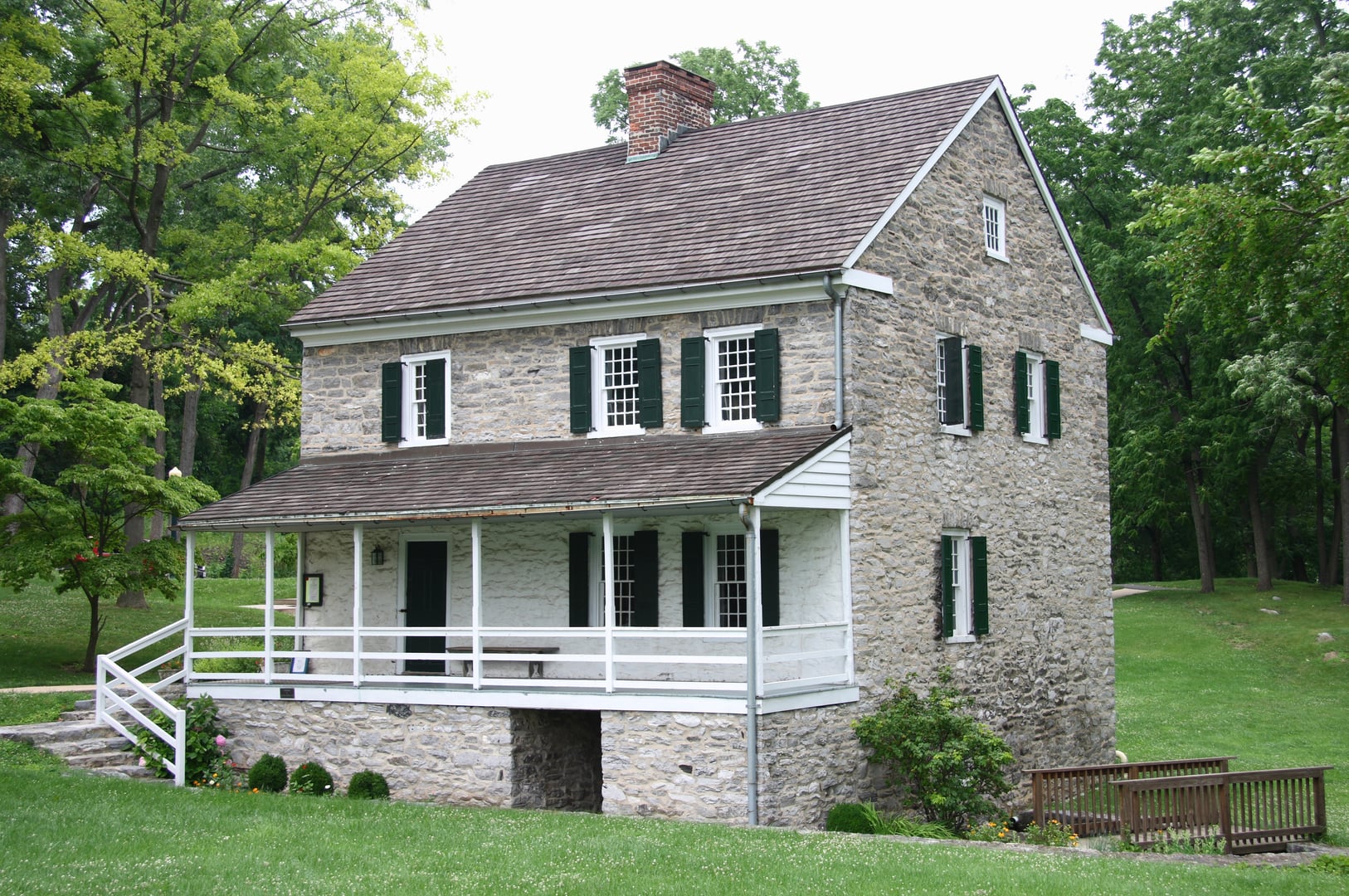
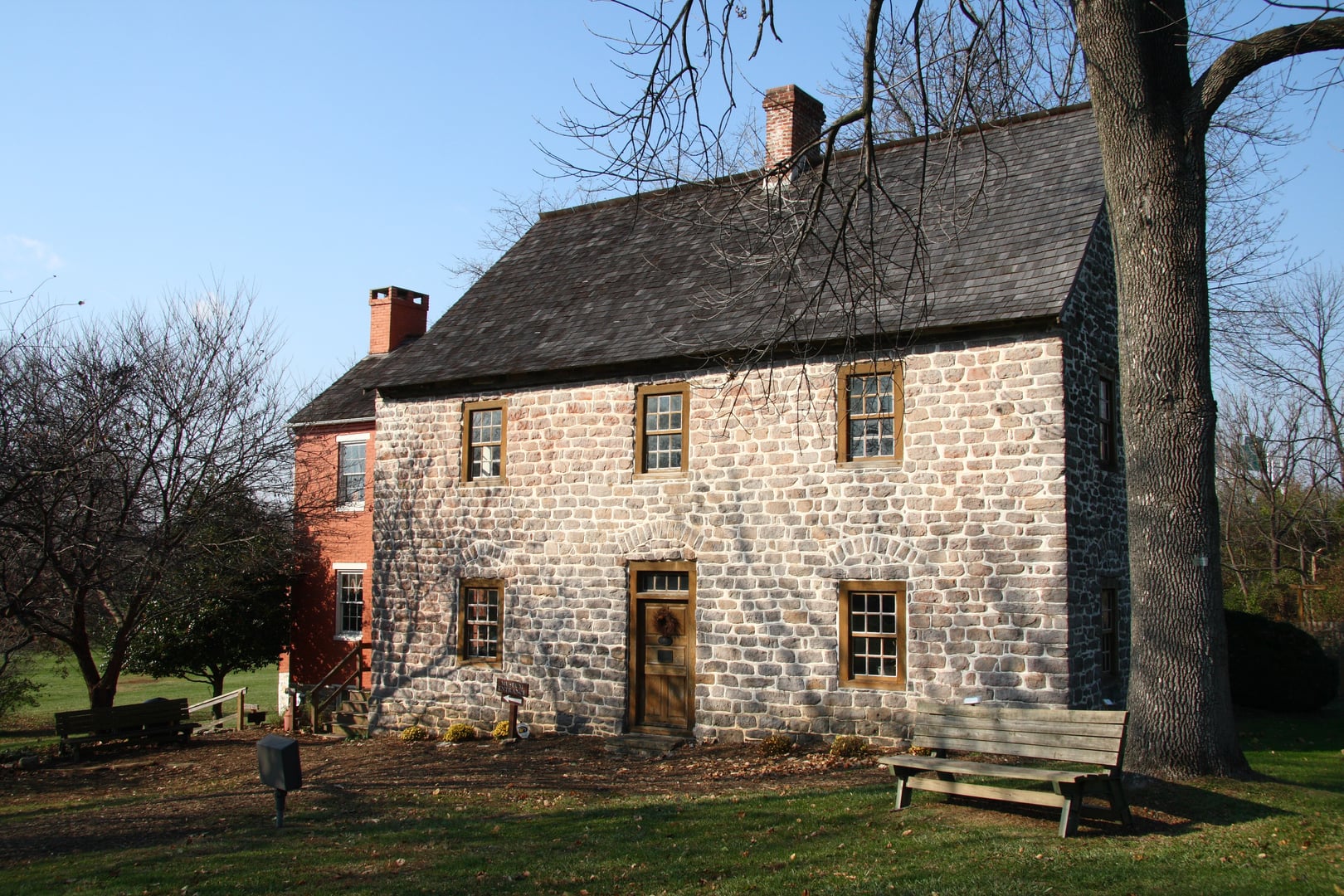
The Jonathan Hager House in Hagerstown City Park was built by Jonathan Hager beginning in 1739 — construction is documented as starting that year with the house presented publicly in 1740 — making it one of the oldest surviving structures in western Maryland. Jonathan Hager founded the town of Hager's Town (later Hagerstown) in 1762 on land he owned. He sold the house in 1745; it subsequently housed the Hammond family in the 1840s and the Downin family during the Civil War era. The city opened it as a museum in 1962.

$ All Ages; ghost tour 10+; children 5 and under free for daytime Family: High

Hollywood — 1

1703 Sotterley Plantation Manor House overlooking the Patuxent River in Hollywood, Maryland
Museum / Historical Site

Historic Sotterley Plantation

Hollywood, MD

Historic Sotterley is the only tidewater plantation in Maryland open to the public, with a 1703 Manor House and an 1830s slave cabin standing on 94 acres above the Patuxent River. It is a National Historic Landmark and a UNESCO Site of Memory tied to the Trans-Atlantic Slave Trade.

$$ All Ages Family: High

Kingsville — 1

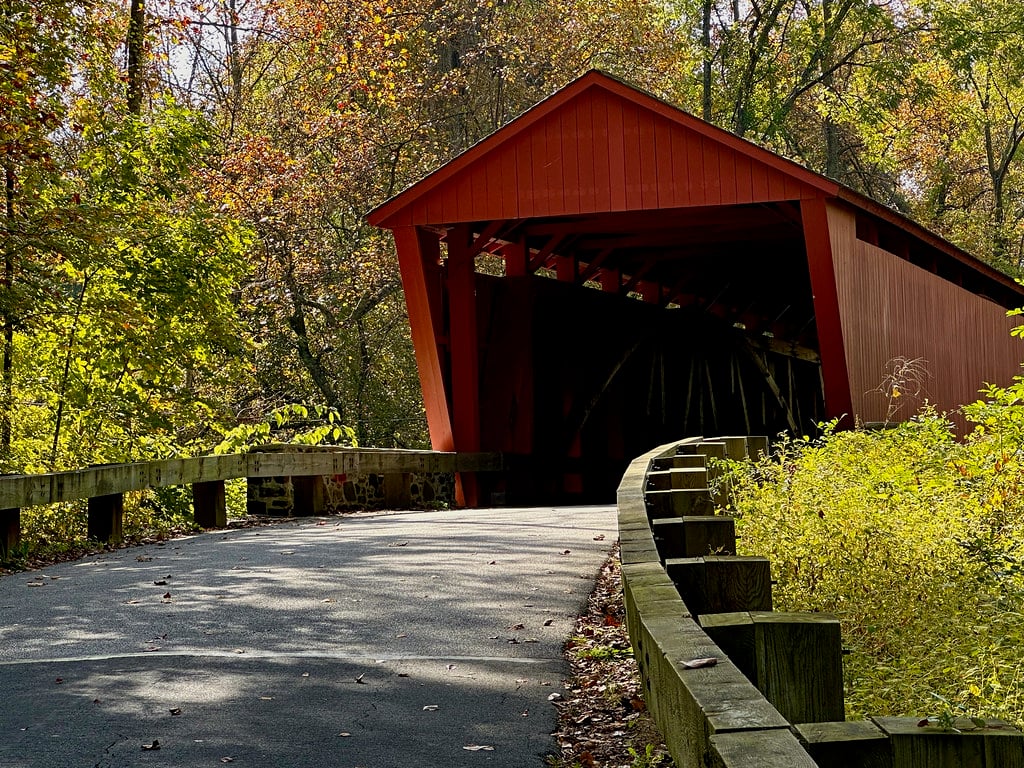
The 1865 Jericho Covered Bridge over the Little Gunpowder Falls near Kingsville, Maryland
Photo coming soon
Outdoor / Natural Site

Jericho Covered Bridge

Kingsville, MD

The Jericho Covered Bridge was built in 1865 across the Little Gunpowder Falls on the Baltimore-Harford county line, the last remaining covered bridge in the area. Authorized in 1864 and contracted to Baltimore machinist Thomas F. Forsyth for $3,125, the roughly 88-foot Burr-truss span sits near Jerusalem Mill and was listed on the National Register of Historic Places in 1978.

$ All Ages Family: Moderate

Laurel — 1

Overgrown abandoned brick buildings of the former Forest Haven institution in Laurel, Maryland
Photo coming soon
Asylum / Hospital

Forest Haven Asylum

Laurel, MD

Forest Haven opened in 1925 as a progressive farm colony for District of Columbia residents with intellectual disabilities. Funding cuts beginning in the 1960s led to overcrowding, under-qualified staff, and rampant abuse. A federal judge ordered the institution closed in 1991 after years of documented neglect and hundreds of deaths.

$ All Ages Family: Not Recommended

Mount Savage — 1

The Castle at Mount Savage Maryland, Scottish-style stone castle bed and breakfast
Haunted Hotel / Inn

The Castle at Mount Savage

Mount Savage, MD

The Castle at Mount Savage was built in 1840 as a stone house for the Union Mining Company's company doctors. In 1898 it was purchased by Scottish immigrant Andrew Ramsay, who remodeled it into a replica of Craig Castle near his birthplace in Scotland. The property is on the National Register of Historic Places and has operated as a bed and breakfast since 1984.

$$$ All Ages Family: Moderate

Perry Hall — 1

The brick Greek Revival facade of Perry Hall Mansion in Baltimore County, Maryland.
Photo coming soon
Museum / Historical Site

Perry Hall Mansion

Perry Hall, MD

Construction of Perry Hall Mansion began in 1773 by Corbin Lee on a 1,000-acre Baltimore County estate. After Lee's death later that year, his widow sold the estate to Baltimore merchant Harry Dorsey Gough, who completed the 16-room five-part Georgian mansion. A 1839 fire destroyed roughly 60 percent of the structure, which was rebuilt in Greek Revival style. Baltimore County purchased the dwindled four-acre property in 2001 and is restoring the mansion as a museum and community center.

$ All Ages Family: High

Piney Point — 1

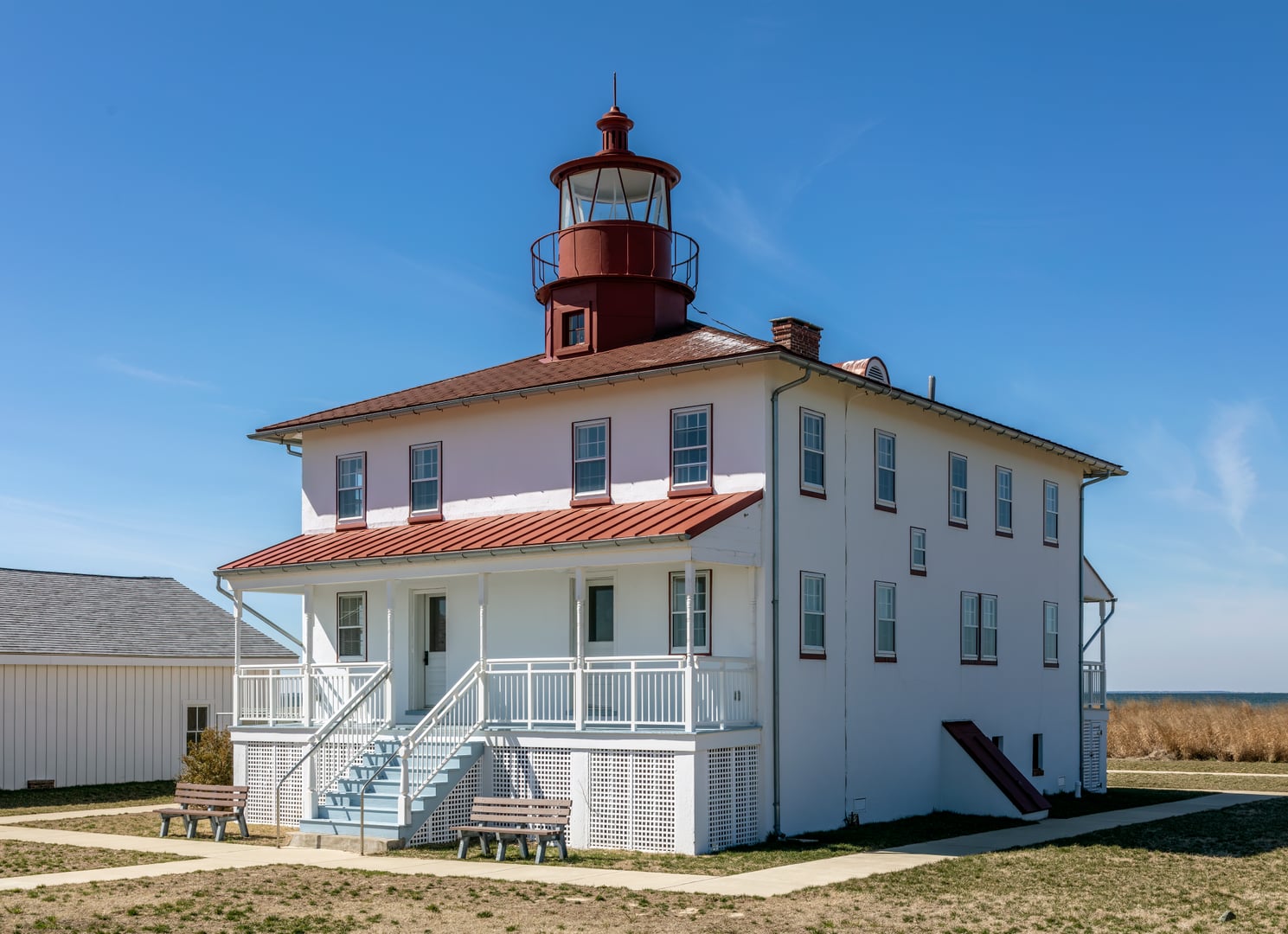
The 1836 Piney Point Lighthouse on the Potomac River in St. Mary's County, Maryland
Museum / Historical Site

Piney Point Lighthouse

Piney Point, MD

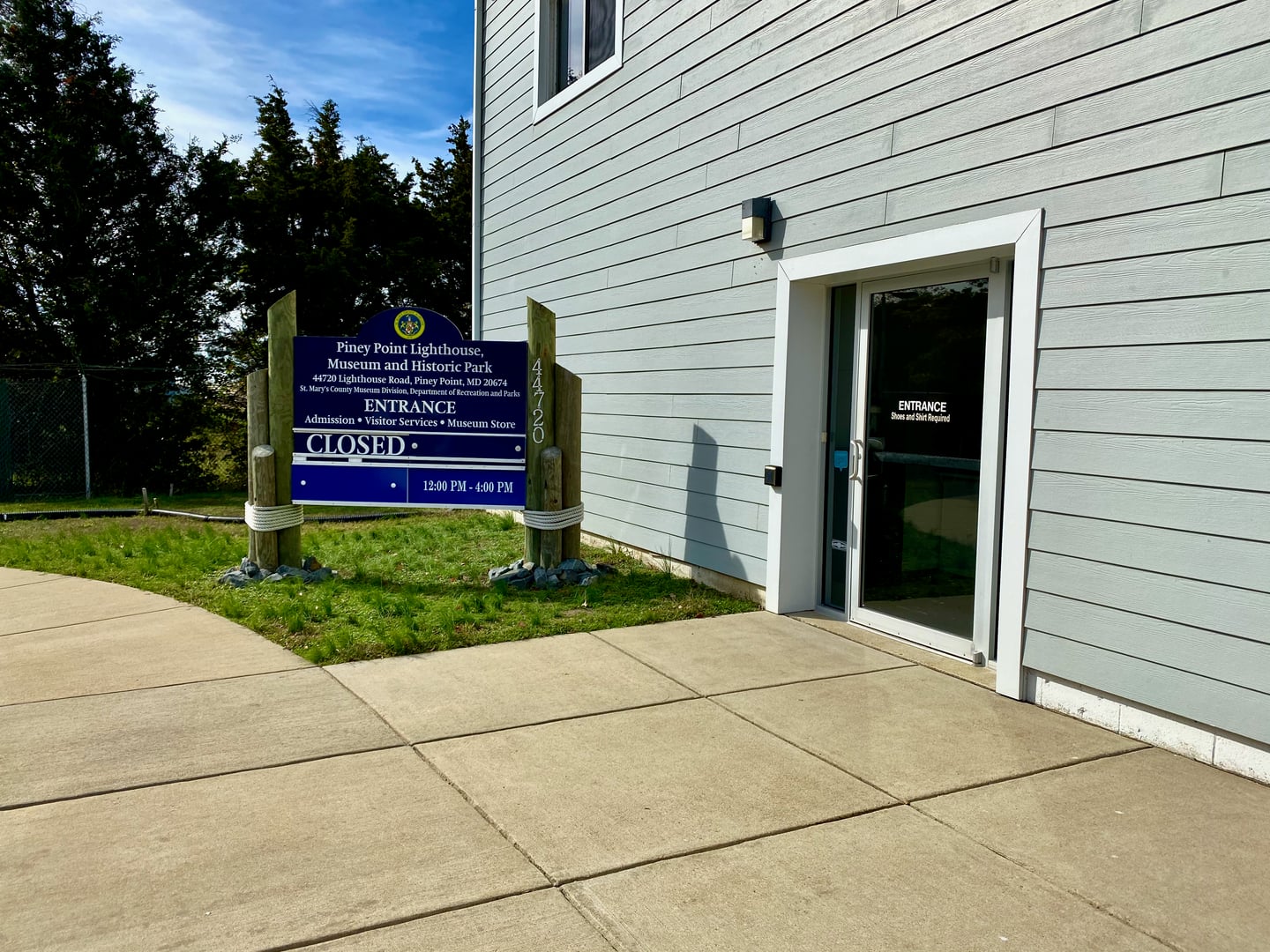
Piney Point Lighthouse is the oldest lighthouse on the Potomac River, built by John Donahoo in 1836 to warn vessels of the shoals at Piney Point and Ragged Point. Decommissioned by the U.S. Coast Guard in 1964, it is now a museum operated by St. Mary's County and a stop on the NPS Chesapeake Gateways network.

$ All Ages Family: High

Port Deposit — 1

Exterior of the historic log Union Hotel Restaurant in Port Deposit, Maryland
Photo coming soon
Haunted Dining / Bar

Union Hotel Restaurant & Tavern

Port Deposit, MD

The Union Hotel is a log building in Port Deposit, Maryland, dating to roughly 1790, that served river merchants and seamen along the Susquehanna as a tavern and hotel. It took the name 'Union Hotel' in the mid-1800s under a descendant of the Gillespie family. After a period of abandonment and vandalism in the 1970s, it was restored and reopened as a tavern in 1981.

$$ All Ages Family: Moderate

Snow Hill — 1

The Snow Hill Inn building, a circa-1835 Eastern Shore commercial structure on East Market Street in Snow Hill, Maryland.
Photo coming soon
Other Dark Tourism Site

The Snow Hill Inn (Vacant)

Snow Hill, MD

The Snow Hill Inn building at 104 East Market Street in Snow Hill, Maryland dates to approximately 1835. Over the nineteenth and twentieth centuries the property served as a private home, post office, apartment building, and inn. The Aydelotte family occupied the property during the early twentieth century. The building operated as a restaurant and inn through the late twentieth century and was vacated shortly after a 2005 National Geographic 'Is It Real?' broadcast featuring the property.

$ Public-road exterior viewing only; the building is currently vacant. Family: Moderate

Solomons — 1

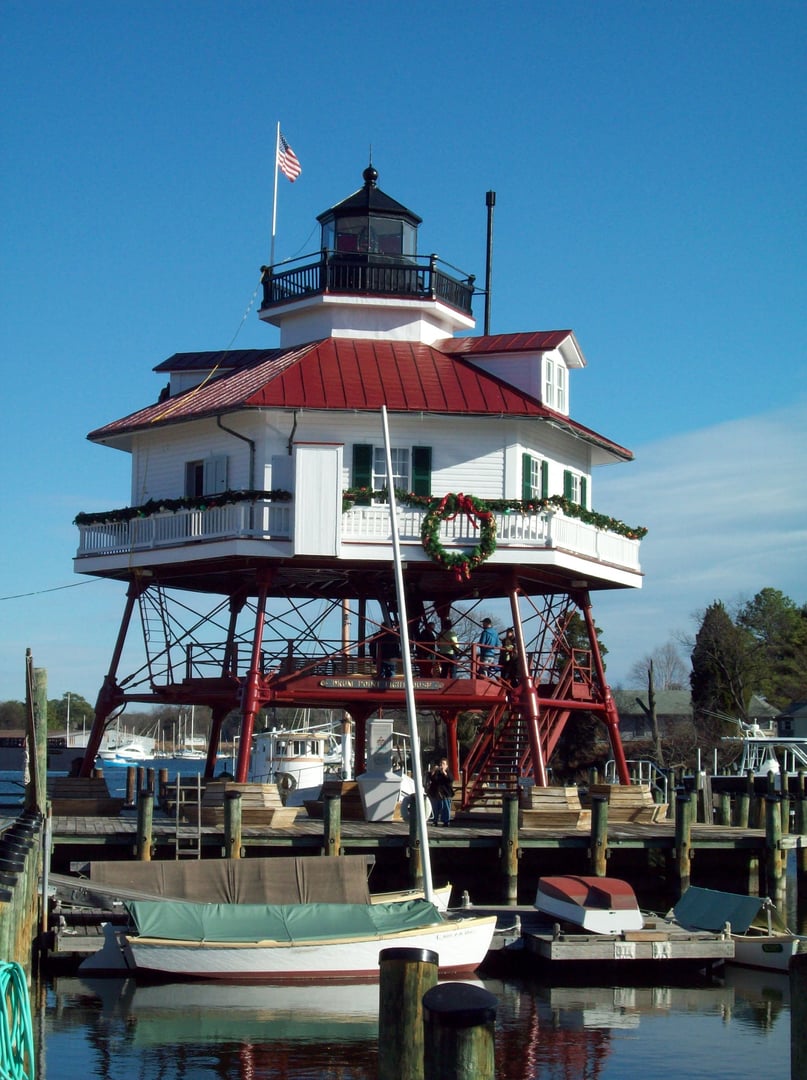
Hexagonal screw-pile Drum Point Lighthouse on display at the Calvert Marine Museum in Solomons, Maryland
Museum / Historical Site

Drum Point Lighthouse

Solomons, MD

Drum Point Lighthouse is one of three surviving Chesapeake Bay screwpile lighthouses, originally commissioned in 1883 at the mouth of the Patuxent River, Maryland. The hexagonal cottage-type light was decommissioned in 1962 and moved 2 nautical miles upriver to the Calvert Marine Museum in 1975, where it was restored and reopened to the public in 1978.

$$ All Ages Family: High

Towson — 1

Hampton Mansion in Towson Maryland, historic Georgian estate house at Hampton National Historic Site
Museum / Historical Site

Hampton Mansion (Hampton National Historic Site)

Towson, MD

Hampton Mansion in Towson, Maryland was built between 1783 and 1790 by Captain Charles Ridgely and was the largest private home in the United States at completion. The Ridgely family held the estate for seven generations. Hampton's prosperity was built on iron production, agriculture, and the labor of more than 300 enslaved people. The estate is now a National Historic Site administered by the National Park Service.

$ All Ages Family: High

Upper Marlboro — 1

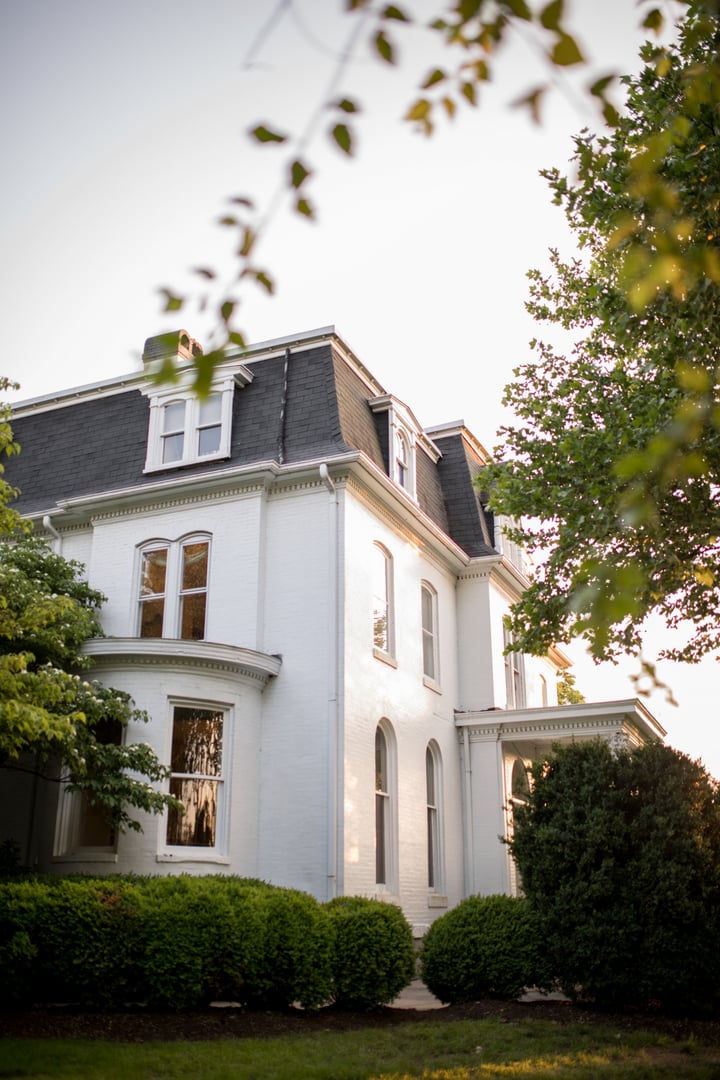
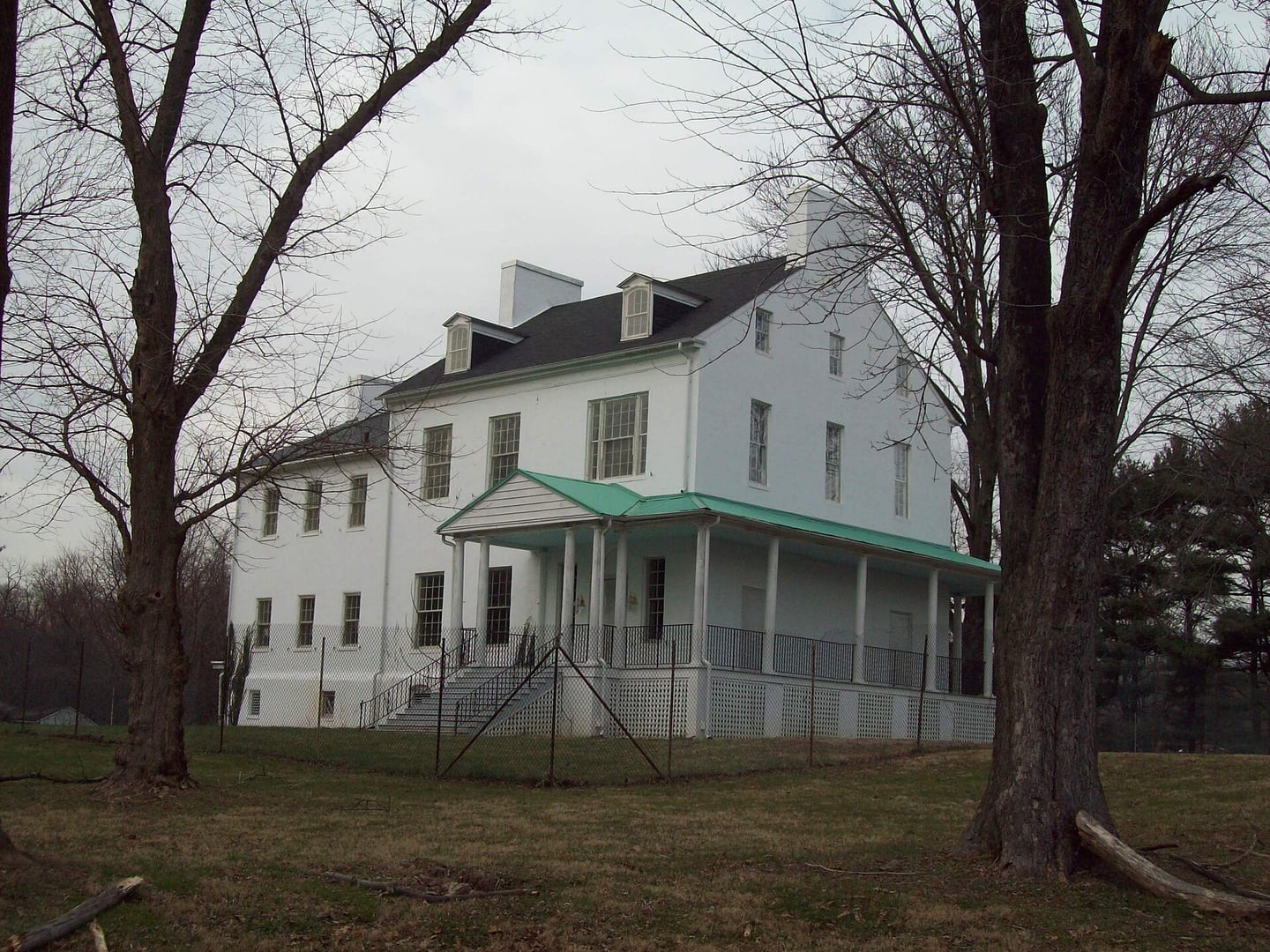
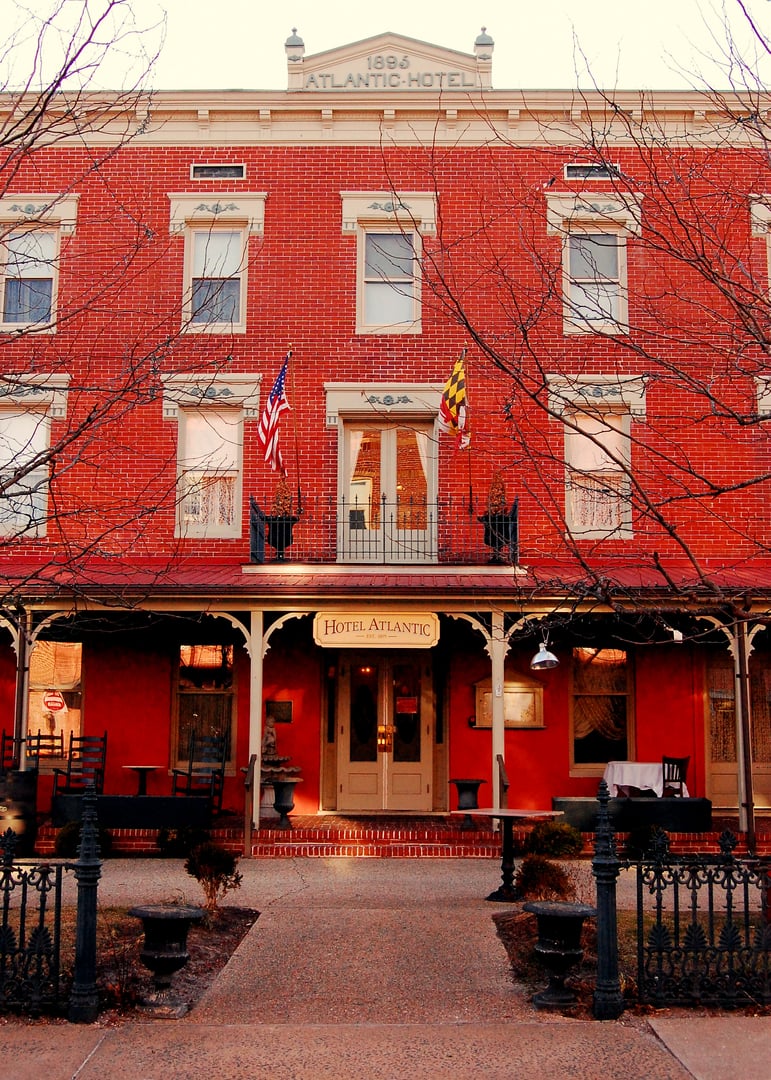
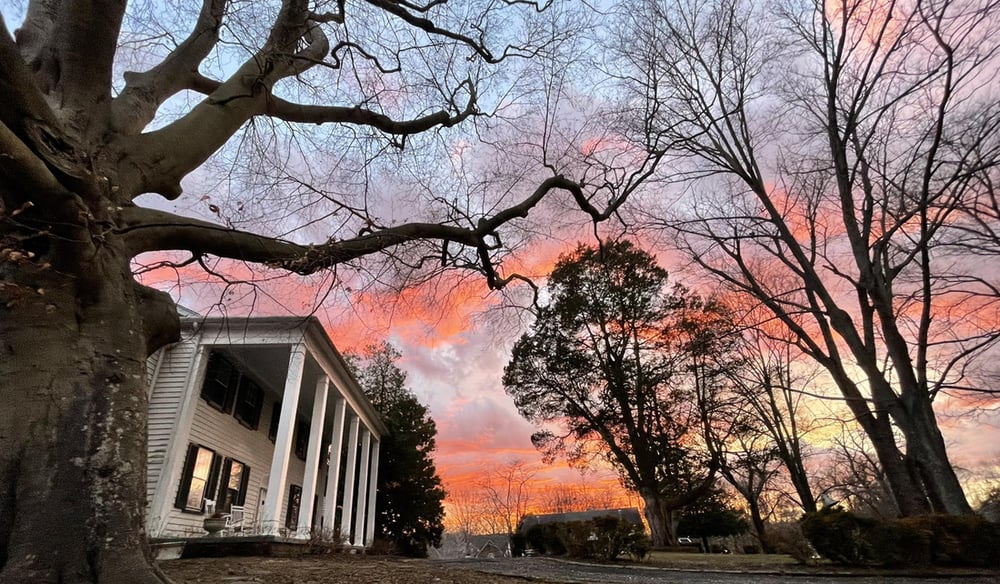
Atmospheric dusk view of Linville Manor, a white-columned 1852 Greek Revival mansion in Upper Marlboro, Maryland, framed by bare winter trees against a pink and orange sunset sky
Haunted House / Historic Home

Linville Manor

Upper Marlboro, MD

Linville Manor in Upper Marlboro, Maryland occupies a site with documented occupation dating to the late 1600s. The original structure burned under unclear circumstances; Sarah Marie Bowie-Johnson built the surviving center-hall Georgian Revival manor in 1852-1854 on the charred foundation. The property held approximately 50 enslaved individuals at the time of Charles's death, with a separate burial plot on the grounds.

$$$ 18+ for ghost hunts; 16+ with adult Family: Not Recommended

Woodsboro — 1

A weathered eighteenth-century gravestone in a small rural Lutheran cemetery in Frederick County, Maryland
Photo coming soon
Cemetery / Burial Ground

Grace Rocky Hill Lutheran Church Cemetery

Woodsboro, MD

Grace Rocky Hill Lutheran Church Cemetery, also known as Rocky Hill Cemetery and Saint Peter Rocky Hill Cemetery, is a small rural cemetery at 10825 Coppermine Road in Woodsboro, Frederick County, Maryland. The cemetery's most-visited marker belongs to Mary Ann Fox, who died in 1783 at age 34 and whose stone is the subject of the longstanding bleeding-tombstone tradition.

$ All Ages Family: Moderate

By type