Photo: Sswonk · Public Domain
Battlefield / Military Site

Antietam National Battlefield

Bloodiest Single Day in American Military History

5831 Dunker Church Road, Sharpsburg, MD 21782

Wheelchair Accessible Research-Backed · 4sources

Age

All Ages

Cost

$

Park entrance approximately $10 per vehicle for a 3-day pass; free with annual pass

Access

Wheelchair OK

Paved auto tour and visitor center; mowed grass at trails and Bloody Lane

Equipment

Photos OK

ApparitionsShadow figuresPhantom soundsPhantom smellsPhantom voicesPhantom footstepsCold spotsResidual haunting

Antietam has accumulated one of the most substantial paranormal-encounter records of any National Park Service site. The Federal Highway Administration — an unlikely source — published an essay titled Ghosts of Antietam's Battlefield and the Bloody Lane that compiled visitor and staff accounts collected over decades. The essay's existence reflects the persistence and consistency of the reports rather than any official Park Service endorsement.

The Bloody Lane generates the densest cluster of reports. Visitors and rangers have described the sound of distant musketry and drumming at dusk, the scent of black-powder smoke in still air, and figures in Confederate gray observed standing in the sunken road and disappearing when approached. A specific and frequently-repeated account from the 1970s describes a Boys' School group from Maryland staying at the battlefield overnight; several boys independently reported hearing a phrase in Gaelic — Faugh a Ballagh, the war cry of the Union Irish Brigade — repeated at intervals through the night.

The Pry House, McClellan's command headquarters and a working field hospital after the battle, has been the subject of repeated reports of phantom footsteps on the upper floors, the smell of medical alcohol, and a woman in 19th-century mourning dress observed at the windows. The Pry House is now operated as a Civil War Medicine Museum by the National Museum of Civil War Medicine.

Burnside Bridge has generated reports of the sound of drumming in the wooded slope above the bridge, sometimes attributed to a young drummer boy reportedly buried near the bridge after the battle. Burnside's headquarters near the bridge has been the subject of reports of phantom voices and the sense of being followed along the approach trail.

The St. Paul Episcopal Church in Sharpsburg — used as a hospital during and after the battle — has had reports of bloodstains that reappear after cleaning on the church's hardwood floors. Several Sharpsburg homes that served as field hospitals have similar reputations.

The Park Service does not formally collect or endorse these accounts, but rangers will discuss them with visitors who ask. Antietam is one of the few Civil War battlefields where the paranormal reputation appears in agency-adjacent literature, and the accounts have remained remarkably consistent across more than a century of visitation.

Notable Entities

Irish Brigade SoldiersConfederate Soldiers in the Sunken RoadPry House Woman in Black

Media Appearances

  • Federal Highway Administration: Ghosts of Antietam (history feature)
  • Various paranormal television specials

Plan Your Visit

3 ways to experience
Outdoor Exploration

Self-Guided Auto Tour and Walking Trails

Drive the 8.5-mile auto tour past the Cornfield, Dunker Church, Bloody Lane (the Sunken Road), and Burnside Bridge. The Bloody Lane trail follows the original farm road where Confederate and Union forces fought for nearly four hours, with thousands of casualties along a several-hundred-yard stretch.

Duration:
3 hr
Days:
Daily, sunrise to sunset
Times:
Visitor center generally 9am to 5pm
Museum Visit

Visitor Center and Observation Tower

The Antietam Visitor Center includes interpretive exhibits, a 26-minute orientation film, and the original 1830 farmhouse used as a Confederate field hospital. The Bloody Lane Observation Tower offers an elevated view of the sunken road and the surrounding farmland.

Duration:
1.5 hr
Days:
Daily, closed on federal holidays
Guided Tour

Ranger-Led Battlefield Walks

Antietam rangers offer scheduled walking tours of specific battle locations throughout the operating season. Bloody Lane and the Cornfield are the most-frequent subjects, with longer programs focused on the morning, midday, and afternoon phases of the September 17, 1862 battle.

Duration:
1.5 hr
Days:
Spring through fall; check the park calendar

Sources & Further Reading

Every HauntBound history is researched from documented sources. We clearly separate verified historical fact from paranormal folklore.

  1. 1.nps.gov/anti/index.htm
  2. 2.en.wikipedia.org/wiki/Antietam_National_Battlefield
  3. 3.en.wikipedia.org/wiki/Bloody_Lane
  4. 4.highways.dot.gov/highway-history/general-highway-history/back-time/ghosts-antietams-battlefield-and-bloody-lane

Similar Destinations

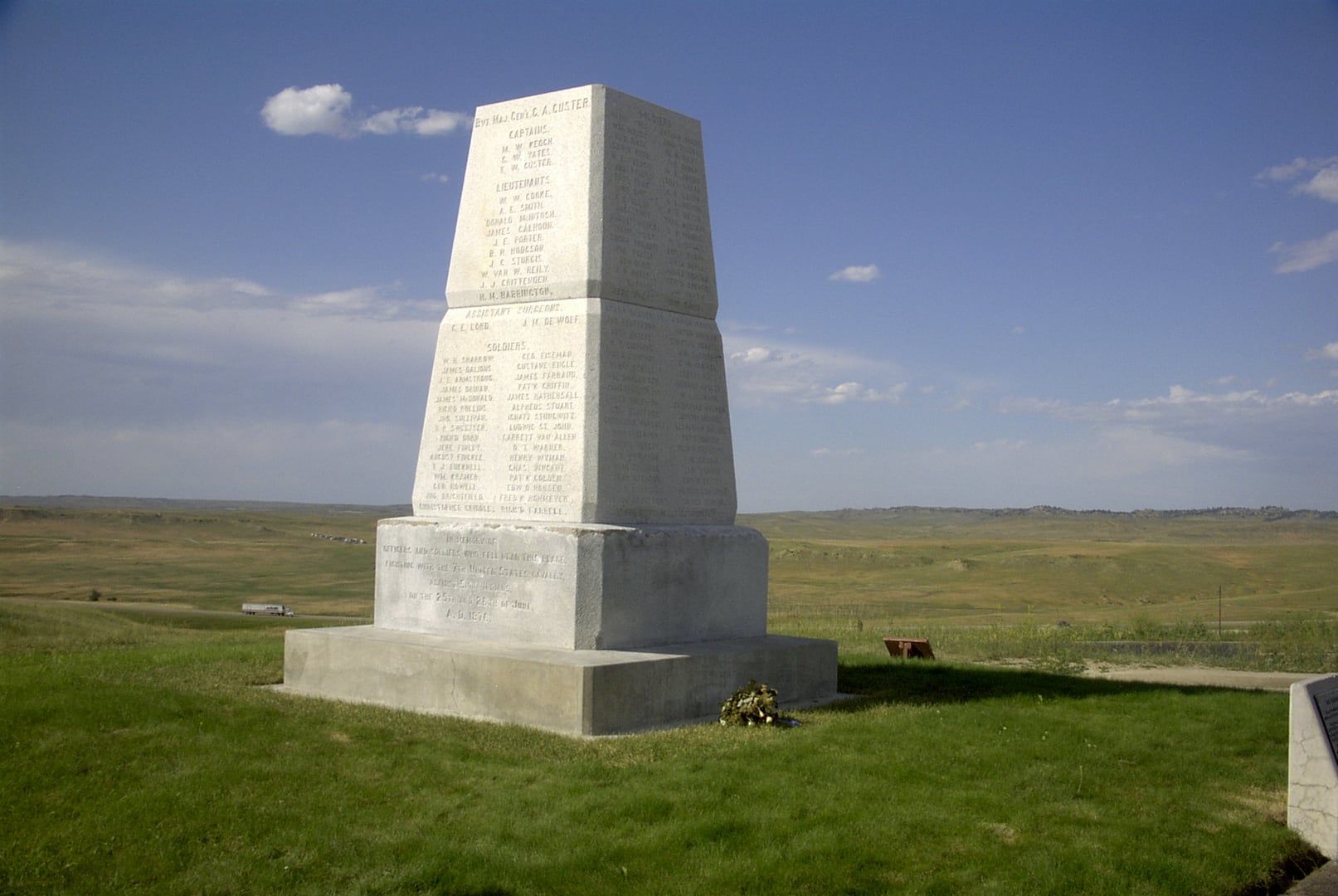
The 7th Cavalry memorial obelisk on Last Stand Hill at Little Bighorn Battlefield National Monument in southeastern Montana
Battlefield / Military Site

Little Bighorn Battlefield National Monument

Crow Agency, MT

Little Bighorn Battlefield National Monument in southeastern Montana preserves the site of the June 25-26, 1876 battle between Lt. Col. George Custer's U.S. 7th Cavalry and a Lakota, Cheyenne, and Arapaho force led by Sitting Bull, Crazy Horse, and other warriors. Custer and 210 troops were killed. The Indian Memorial was developed beginning in 1996 in partnership with the affected tribes.

$$ All Ages Family: High
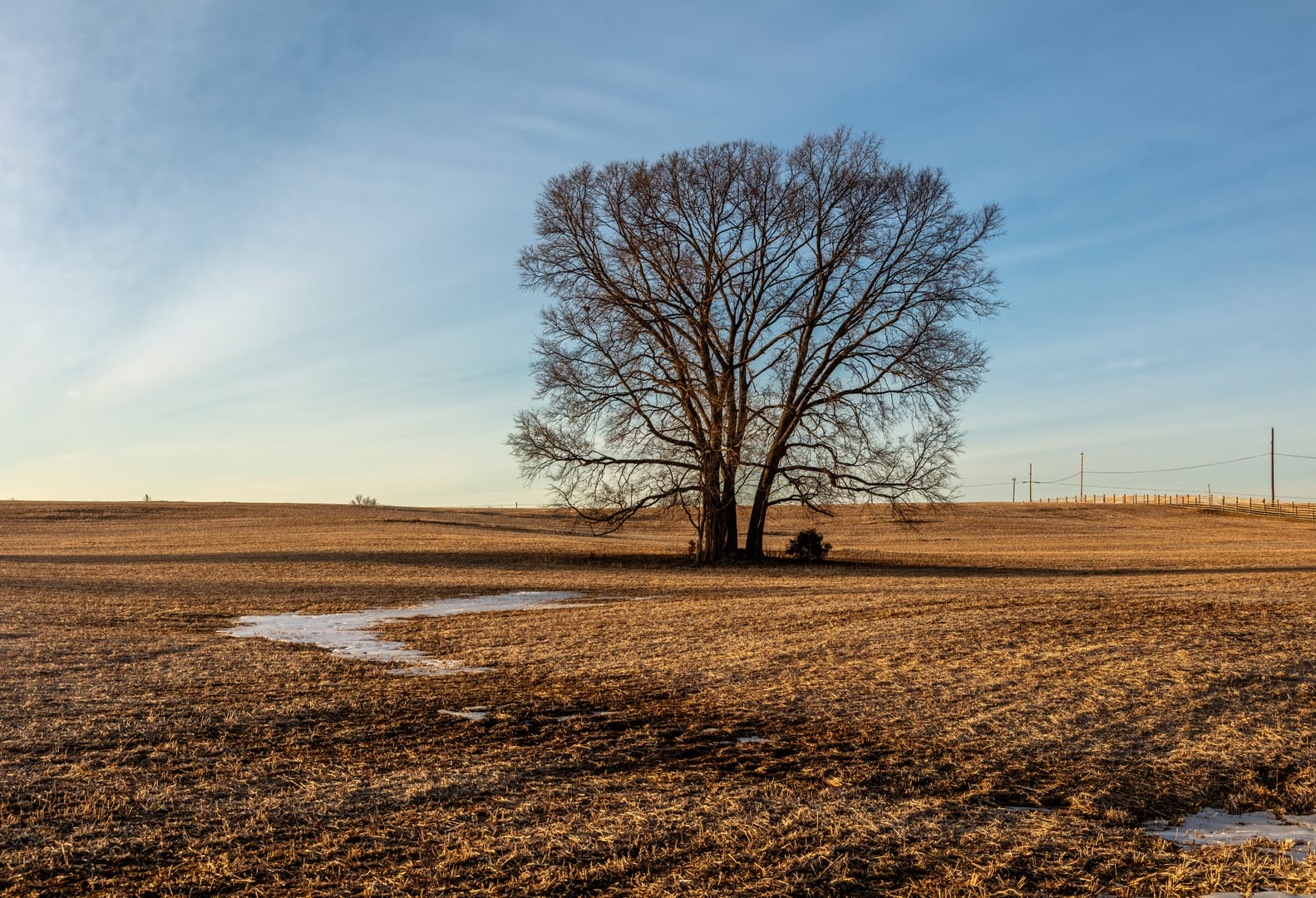
Antietam National Battlefield rolling fields in Sharpsburg, Maryland — site of bloodiest day in American military history
Battlefield / Military Site

Antietam National Battlefield

Sharpsburg, MD

On September 17, 1862, the Battle of Antietam near Sharpsburg, Maryland became the single bloodiest day in American military history, with 23,100 men killed, wounded, or missing in a 12-hour engagement between Union and Confederate forces.

$$ All Ages Family: Moderate
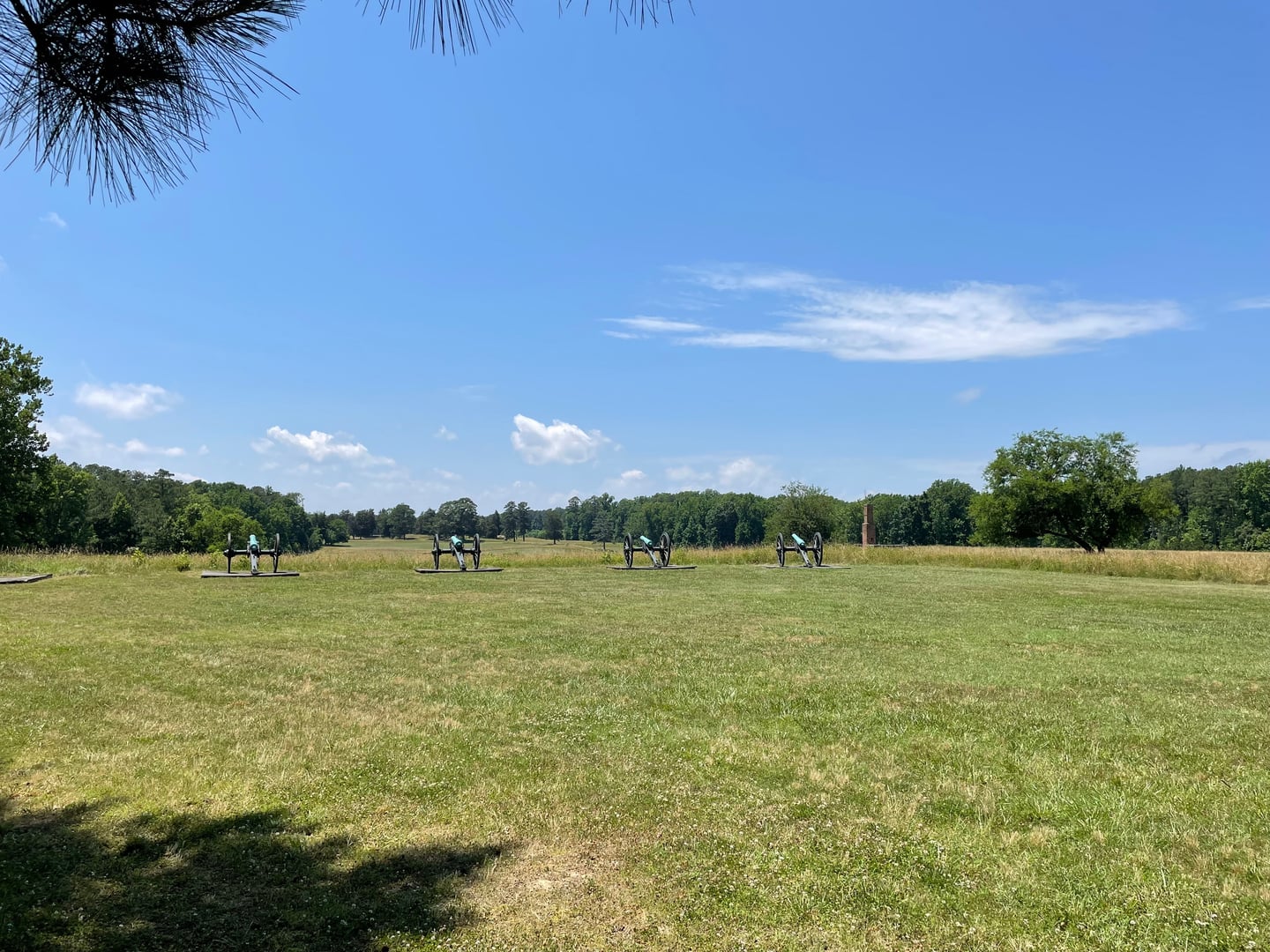
A line of four Civil War cannons in tall grass marking the earthworks of Fort Morton at Petersburg National Battlefield, Virginia
Battlefield / Military Site

Petersburg National Battlefield

Petersburg, VA

Petersburg National Battlefield preserves sites associated with the Siege of Petersburg, a nine-and-a-half-month Civil War operation from June 1864 to April 1865 in which the Union Army under Grant cut Confederate supply lines into Richmond. The siege's most-recounted action is the July 30, 1864 Battle of the Crater. Approximately 70,000 soldiers became casualties during the siege; the war effectively ended within days of the Confederate evacuation of Petersburg.

$ All Ages Family: High

Frequently Asked Questions

Is Antietam National Battlefield family-friendly?
Battlefield interpretation involves detailed accounts of mass casualties and is most appropriate for school-age children and older. The auto tour and visitor center accommodate most families; walking trails are manageable for most visitors. Overall family fit: Moderate.
How much does it cost to visit Antietam National Battlefield?
Park entrance approximately $10 per vehicle for a 3-day pass; free with annual pass
Do I need to book in advance?
No advance booking is required, but checking availability is recommended.
Is Antietam National Battlefield wheelchair accessible?
Yes, Antietam National Battlefield is wheelchair accessible. Terrain: Paved auto tour and visitor center; mowed grass at trails and Bloody Lane.