Est. 1773 · Colonial Maryland · Early American Methodism · Greek Revival Architecture · Baltimore County Heritage
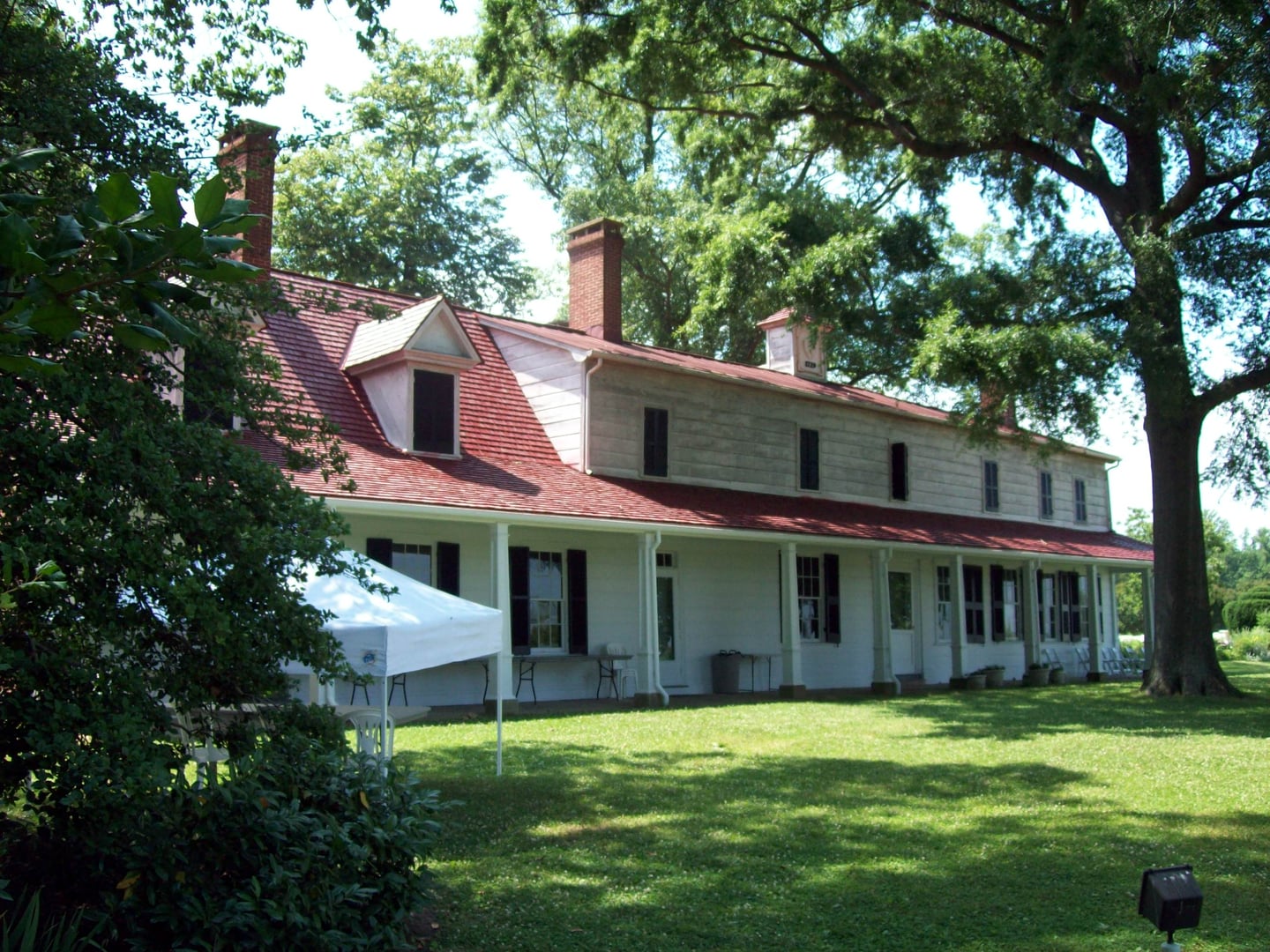
In 1773, Corbin Lee began construction of a country house on a 1,000-acre Baltimore County estate. He died in December of that year before the mansion was finished. His widow sold the estate to Harry Dorsey Gough, a wealthy Baltimore merchant who had inherited 70,000 pounds from an English relative. Gough completed the mansion - a five-part Georgian structure of 16 rooms - and named it Perry Hall, after the Gough family's ancestral seat near Birmingham, England.
Gough was a leading figure in early American Methodism. He converted in 1775 and made the estate a center of Methodist organizing. Bishop Francis Asbury and Thomas Coke were frequent visitors. The estate ran on enslaved labor; Gough held dozens of enslaved people who tended cattle, crops, and tobacco. Gough emancipated some during his lifetime; the estate's full slavery history is a continuing subject of restoration scholarship.
In 1839, a fire destroyed approximately 60 percent of the mansion. The rebuild used Greek Revival forms over the surviving Georgian shell - producing the layered architecture visible today, with a library, ballroom, and several spacious bedrooms.
The estate dwindled through the 19th and 20th centuries as the surrounding land was subdivided. By 2001, only four acres remained around the house. Baltimore County purchased the property and partnered with the Friends of the Perry Hall Mansion - a local volunteer organization - to manage restoration. The first phase of stabilization was completed in 2004; restoration continues in subsequent phases. The mansion is open to the public for special events rather than regular hours.
Sources
- https://en.wikipedia.org/wiki/Perry_Hall_Mansion
- https://www.baltimorecountymd.gov/departments/recreation/parks-directory/perry-hall-mansion
- https://explore.baltimoreheritage.org/items/show/173
- https://patch.com/maryland/perryhall/perry-hall-s-most-reknown-and-ultimately-mistaken-ghost-story
- https://baltimoreheritage.org/explore-colonial-grandeur-at-the-perry-hall-mansion/
Shadow figuresPhantom voicesCold spotsEquipment malfunction
Perry Hall Mansion's haunted reputation gained traction with its inclusion in the 2006 collection Weird Maryland, which described visitors observing lights in the building when contemporary belief held that the mansion had no electricity. The Friends of the Perry Hall Mansion's official site directly addresses these accounts and disputes the haunting narrative, noting that the building does have working electricity, that no suspicious or violent deaths are documented in the mansion's records, and that the original Gough family deaths - Harry Dorsey in 1808 and Prudence in 1822 - were ordinary and well-documented.
Local accounts on regional paranormal sites describe voices heard while on the property, cold spots in upper rooms, and figures observed in upper-floor windows. Visitors have reported that photographs and video taken at the mansion sometimes return blurred or fail to develop, though no controlled investigation has substantiated this claim.
The Shadowlands entry's claim of an October 31 Halloween haunting where visitors are 'thrown out windows' does not appear in any other documented source, contradicts the historical record of the mansion's ownership, and is not supported by local reporting. We treat the Halloween-specific narrative as folklore that should not be presented as factual.
Media Appearances
- Weird Maryland (2006 book)