Est. 1790 · National Historic Site · National Historic Landmark · Georgian Architecture · Slaveholding Estate
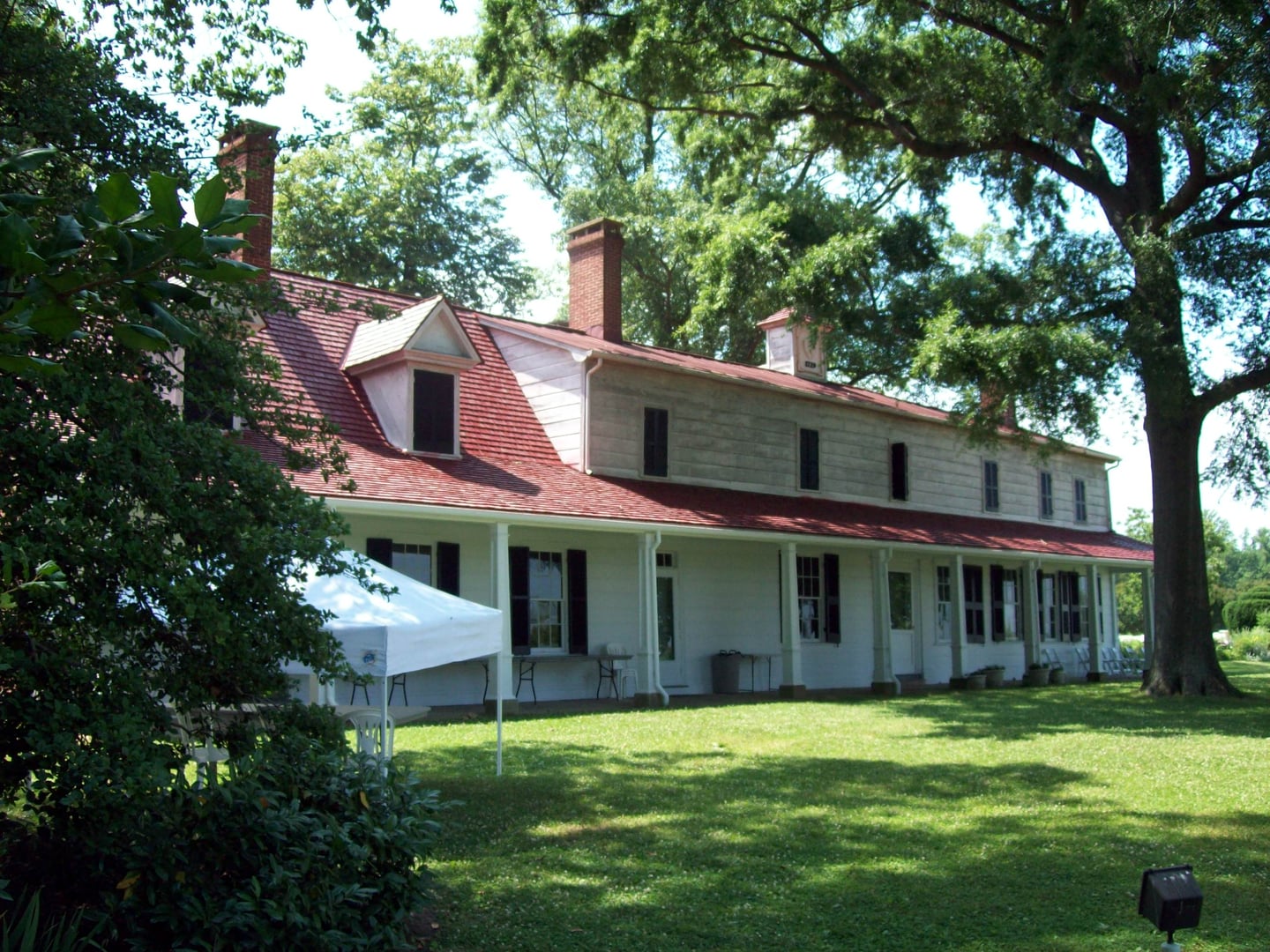
Hampton Mansion is one of the most significant surviving examples of Georgian residential architecture in the United States. Construction began in 1783 and was completed in 1790 under Captain Charles Ridgely. The design is sometimes compared in scale and ambition to Castle Howard in England. At completion, Hampton was the largest private home in the country.
The Ridgely family owned the estate for seven generations, from 1745 to 1948. Under Charles Carnan Ridgely, who inherited in 1790, Hampton expanded to roughly 25,000 acres in the 1820s and operated as an integrated economic enterprise: orchards, ironworks, coal mining, marble quarries, mills, and mercantile interests. More than 300 enslaved people worked the fields, the ironworks, and the household. Hampton was one of the largest slaveholding estates in Maryland, and the National Park Service interpretation today places this history at the center of the site's narrative.
The National Park Service acquired Hampton in 1948 — the first site in the system designated specifically for its architectural significance. The 63-acre park includes the mansion, formal gardens, family burial ground, the dairy, stables, and the surviving quarters for the enslaved. Hampton is also a National Historic Landmark.
Visitor services include ranger-led mansion tours of 45-60 minutes, limited to 15 people per departure, with free tickets reserved through Recreation.gov. The grounds are open sunrise to sunset year-round. The Daughters of the American Revolution and the partner organization Historic Hampton Inc. support ongoing preservation and educational programming, and the gift shop has historically offered titles including The Ghosts of Hampton, a collected folklore volume by local author Anne Van Ness Merriam.
Sources
- https://en.wikipedia.org/wiki/Hampton_National_Historic_Site
- https://www.nps.gov/hamp/
- https://historichampton.org/
- https://www.dar.org/national-society/historic-sites-and-properties/hampton-national-historic-site
ApparitionsPhantom soundsResidual haunting
Hampton has a documented folklore tradition that predates contemporary paranormal tourism. The compiled volume The Ghosts of Hampton, by local writer Anne Van Ness Merriam, was sold for years through the gift shop operated under Preservation Maryland's stewardship in the 1970s and remains the most cited source for the property's ghost narratives.
The most-discussed figure in Hampton's published lore is Priscilla Ridgely, a member of the original family who, according to family history, suffered prolonged depression and lived in extended seclusion in her bedroom in the mansion. Her presence is reported in accounts associated with the upper floors.
Cygnet Swann appears in Hampton's lore as a connection to nineteenth-century Maryland political history. She was a daughter of Governor Thomas Swann and is reported in the published folklore to have died young at Hampton. She is described in those accounts as occasionally heard playing the harpsichord in her former room. The historical record around Cygnet's death is sparser than the lore suggests, and the National Park Service interpretation today emphasizes the documented architectural and economic history rather than the ghost narrative.
A third recurring figure in the published lore is identified as Tom, a former butler. Reports associated with Tom involve sounds and movement in the service areas of the mansion. The site does not currently market itself as a haunted attraction, and the ghost narratives appear chiefly in regional folklore writing and the Merriam volume rather than in the official ranger interpretation.
Notable Entities
Priscilla RidgelyCygnet SwannTom