Est. 1772 · George Washington's Headquarters · National Register of Historic Places · Crossroads of the American Revolution · Continental Army Encampment
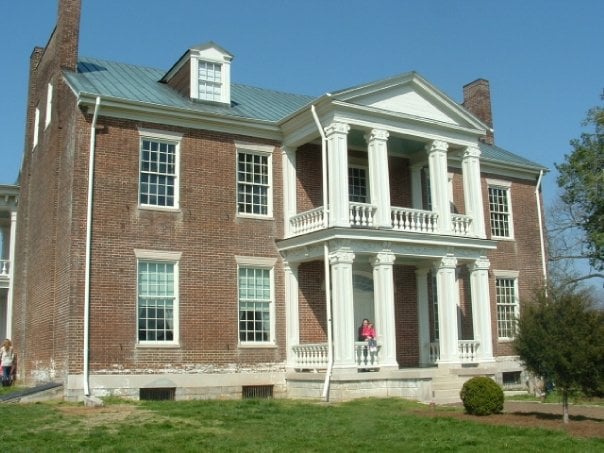
Colonel Theunis Dey, a militia officer and member of the Provincial Congress, built the brick-and-sandstone Georgian mansion that bears his family name in the 1770s. The Deys, of Dutch descent, were among the wealthiest landowners in the Preakness Valley. The house was originally known as Bloomsbury Manor.
In the autumn of 1780, General George Washington moved his headquarters from Bergen County to the Dey Mansion, arriving in early October and remaining until November 27. The Continental Army encamped on the surrounding fields. During Washington's stay, he received the Marquis de Lafayette and other senior officers at the mansion, and his aide Alexander Hamilton wrote many of his letters there. He left on November 27, and part of the army moved to winter quarters in Morristown.
Theunis Dey's son, General Richard Dey, sold the house in 1801, and various private owners followed until the Passaic County Park Commission acquired it in 1930. It was restored in 1933-34 and opened to the public in October 1934. The mansion is listed on the National Register of Historic Places and is part of the Crossroads of the American Revolution National Heritage Area.
The building is currently operated by the Passaic County Department of Parks and Recreation. Tours are guided, scheduled hourly, and led by costumed interpreters during peak season.
Sources
- https://en.wikipedia.org/wiki/Dey_Mansion
- https://seepassaiccounty.org/dey-mansion/
- https://revolutionarynj.org/places/dey-mansion/
ApparitionsShadow figuresCold spots
The paranormal lore at Dey Mansion sits in the soft margins of New Jersey ghost-tour culture. Most reports come from drivers passing the mansion at night and from visitors during regular daytime tours.
Drivers describe figures crossing Totowa Road near the mansion entrance, sometimes in colonial military dress. Witnesses describe the figures as solid and ordinary at first, then absent when checked again. Strange shadows in the second-floor windows are also reported from the road.
Inside the mansion, tour visitors occasionally describe an uneasy or weighted feeling in the upstairs council room, where Washington and his officers conducted strategy meetings. The phenomenon is anecdotal and is not part of the museum's interpretive narrative. Several New Jersey haunted-places aggregators have collected first-person accounts of cold spots and a sense of presence in this room and the adjoining bedchamber.
No specific named entity is associated with the mansion in published sources. The lore is general and Revolutionary in flavor: encamped soldiers, wartime mortality, and a brief but intense military occupation in 1780.