Est. 1740 · Colonial Ironworks Site · Cooper-Hewitt Family Estate · National Historic Landmark · Revolutionary War Iron Production
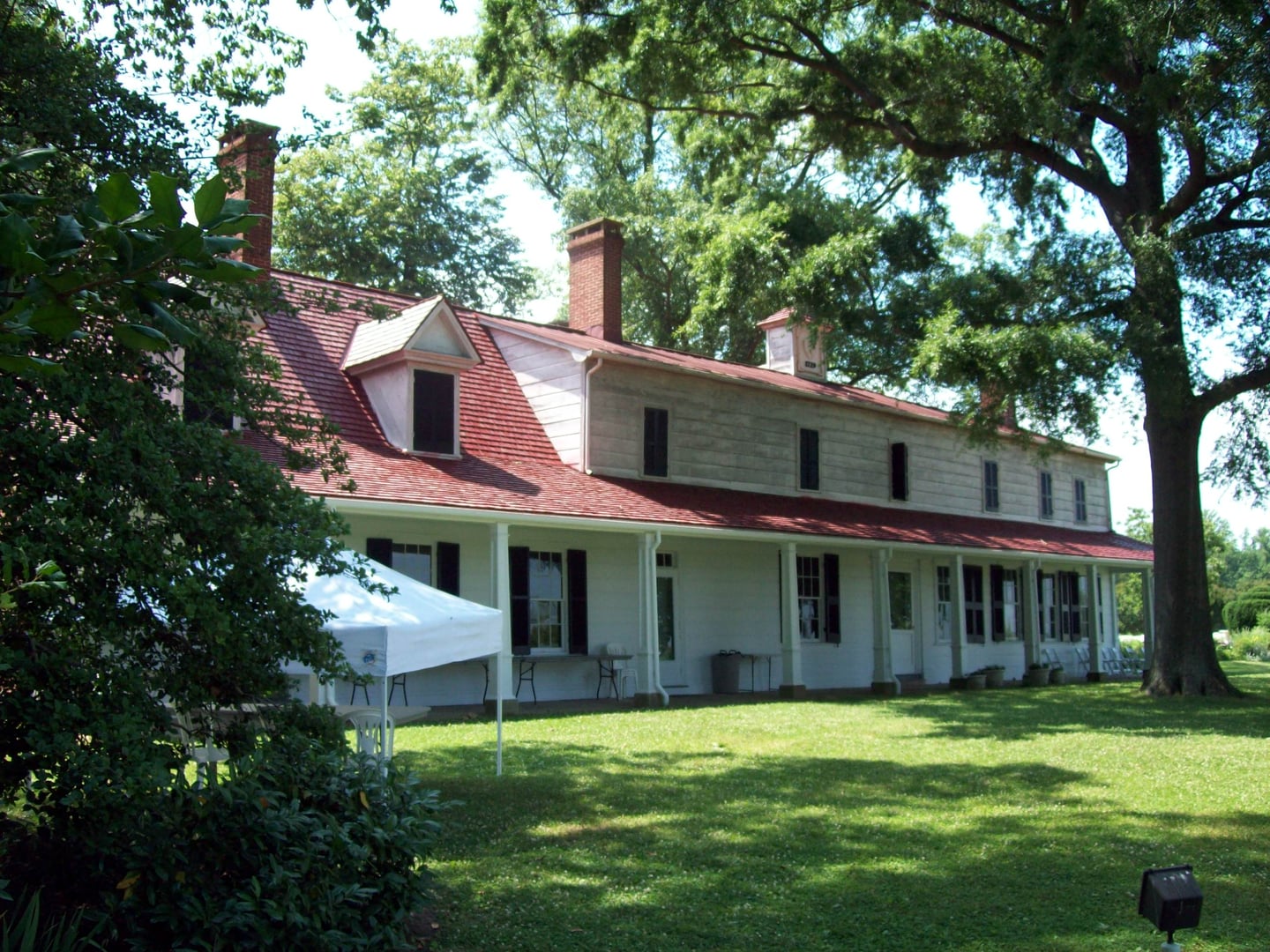
Ringwood's history begins with iron. The manor sits on land tied to the colonial-era Ringwood Ironworks, which produced military iron through the Revolutionary War period. The first house on the site dates from 1740. Through the late eighteenth and early nineteenth centuries, the property changed hands among ironmaster families — including the Erskines, whose name remains attached to several of the site's regional ghost stories.
In 1853, Peter Cooper acquired the estate. Cooper, the inventor and industrialist who founded Cooper Union and built the first American steam locomotive, used Ringwood as a country residence. His daughter Sarah married Abram S. Hewitt, who became Cooper's business partner and later mayor of New York. The Hewitt family transformed Ringwood across four major expansion campaigns in 1864, 1875, 1900, and 1910, ultimately producing the 51-room mansion that stands today.
The family donated Ringwood Manor and a substantial surrounding acreage to the State of New Jersey in 1938. The property is now a National Historic Landmark and the centerpiece of Ringwood State Park, which protects ironworks ruins, the Cooper-Hewitt family cemetery, and several thousand acres of wooded terrain along the New Jersey-New York border. Interior guided tours are scheduled August 8-November 1, 2026, Wednesdays-Sundays between 10am and 3pm, with morning calls recommended to confirm that day's schedule; outdoor tours, the carriage barn exhibit, and the park grounds remain open.
Sources
- https://www.ringwoodmanor.org/
- https://www.getoutnabout.com/blog/a-cooper-hewitt-new-jersey-estate-ringwood-manor
- https://freehiddenworld.wordpress.com/2020/08/29/ringwood-manor-ringwood-nj/
- https://dep.nj.gov/parksandforests/state-park/ringwood-state-park/
- https://www.americanfolklore.net/ghosts-of-ringwood-manor/
- https://occult-world.com/ringwood-manor/
ApparitionsPhantom voicesPhantom footstepsDoors opening/closingCold spots
The parapsychologist Hans Holzer visited the house with a psychic, who reported contact with three presences. One of the best-known figures in the manor's lore is Robert Erskine, who managed the Ringwood ironworks during the Revolution and later served as George Washington's Geographer and Surveyor General; visitors report seeing him sitting near his grave overlooking the pond.
More recent staff accounts describe doors that have been locked at closing time found wide open in the morning, footsteps reported in the upstairs corridors when the house is empty, and a recurring report of portrait subjects whose eyes appear to follow visitors through the older rooms. The State of New Jersey does not market the manor primarily as a haunted attraction; the folklore exists alongside the mansion's National Historic Landmark interpretation rather than as its central pitch.
Notable Entities
Robert Erskine
Media Appearances
- Hans Holzer paranormal investigation