Est. 1828 · Built in 1828 for William Ellicott, grandson of co-founder Andrew Ellicott · Raised by mason Charles Timanus, who also built the Patapsco Female Institute · Home of Judge John S. Tyson's family from the 1850s · Named for Ida Tyson, the last family resident · Now owned by Howard County and used for events and tours
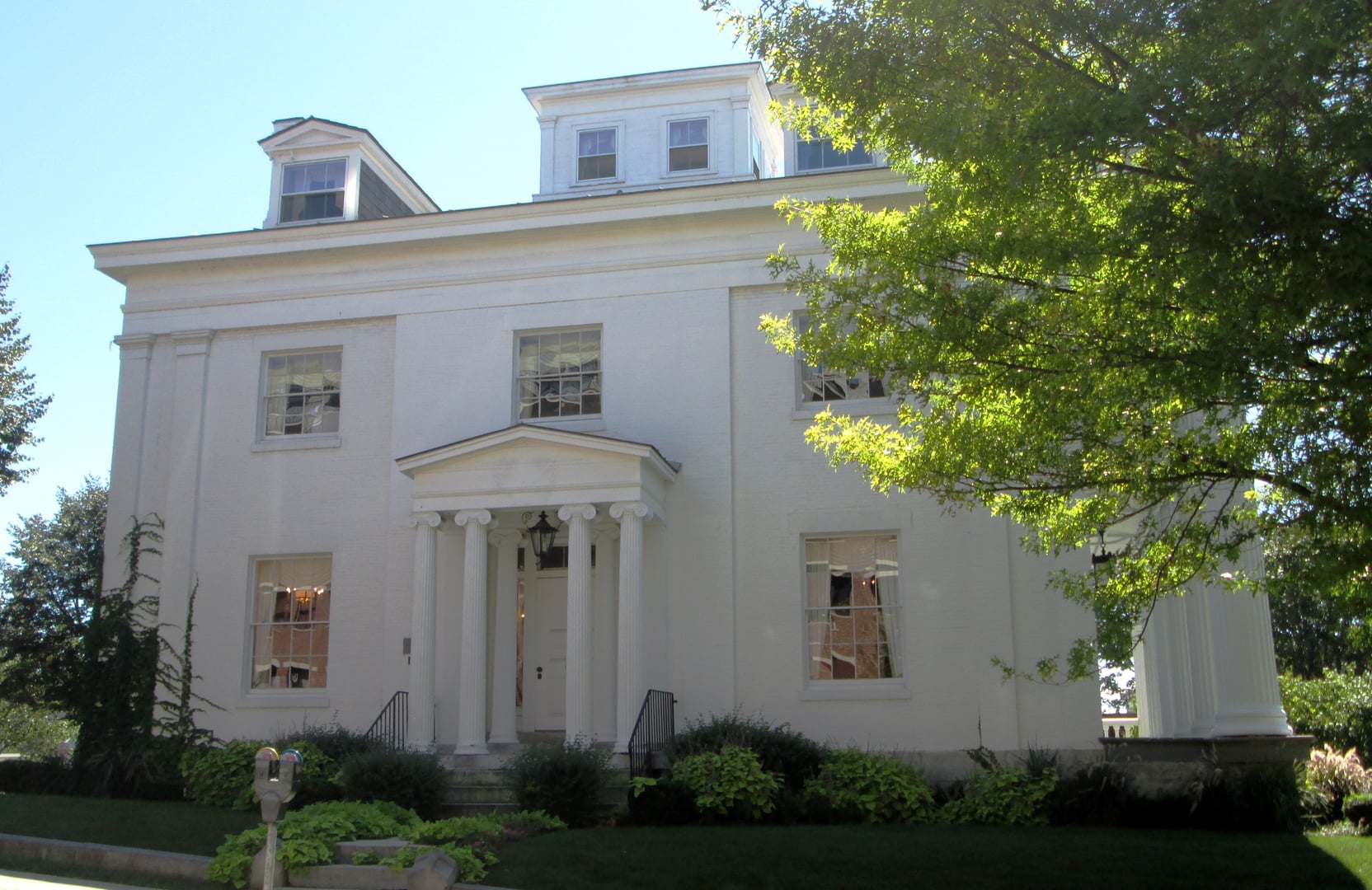
Mount Ida was built in 1828 for William Ellicott, a grandson of Andrew Ellicott, one of the brothers who founded Ellicott's Mills. The house is a Greek Revival structure of rubble stone finished in stucco, raised by the mason Charles Timanus, whose other work in the area included the nearby Patapsco Female Institute and the Howard County Courthouse.
In the 1850s, Judge John S. Tyson moved his family into the house. His youngest daughter, Ida Tyson, became the last member of the family to live there, and the house took its name from her. Mount Ida stands on the same hilltop ridge north of Old Ellicott City as the Patapsco Female Institute ruins and the old county jail.
The house is now owned by Howard County and has been used as headquarters by local preservation groups, including Historic Ellicott City, Inc. and the Friends of the Patapsco Female Institute. Rather than keeping fixed daily public hours, it serves as an events and tour space.
Because of its history and its place in the hilltop cluster, Mount Ida is a regular stop on Ellicott City's guided ghost walk, where its story is told alongside those of its neighboring sites.
Sources
- https://en.wikipedia.org/wiki/Mt_Ida_(Ellicott_City,_Maryland)
- https://www.marylandhauntedhouses.com/real-haunt/mt-ida.html
- https://midatlanticdaytrips.com/2022/09/walk-the-mile-with-the-most-ghosts-in-haunted-ellicott-city/
The jingle of a ring of keys reported in the houseA domestic, housekeeping-style presence reported by tour participants
The Mount Ida legend is tied directly to Ida Tyson, the last of the family to live in the house. According to the lore carried on Ellicott City's ghost walks, Ida kept a ring of keys with her in life, and the sound of those keys jingling is what visitors and tour participants report hearing as her presence is said to move through the rooms.
MarylandHauntedHouses describes witnesses hearing the keys as the ghost wanders the home, and MidAtlantic Daytrips independently folds Mount Ida into its account of the Ellicott City walk as a house with a domestic, housekeeping-style presence. The two accounts agree on the central image: a former resident still tending the house she never really left, announced by the small, specific sound of her keys.
The reports come from the guided walk and from house-history retellings rather than from formal paranormal investigation. Mount Ida's status as a county-owned events space, open mainly for tours, keeps the encounters anchored to the walk and to event visitors rather than to round-the-clock occupancy.
Notable Entities
Ida Tyson — last family resident, associated with the jingling-keys legend