Drive-By
Sidewalk Exterior View
View the Greek Revival facade from the public sidewalk at the southwest corner of Main and Foushee Streets. Do not enter the property.
- Duration:
- 10 min
HauntBound archive · catalog record
Reported phenomena, as catalogued
1841 Greek Revival National Historic Landmark townhouse, home of Pulitzer Prize-winning novelist Ellen Glasgow (1873-1945) from 1887 until her death; passersby report the sound of her manual typewriter at night.
1 W Main St, Richmond, VA 23220
Research updated September 2026
Age
All Ages
Cost
Free
Privately owned residence; no public interior access. Exterior viewable from public sidewalk and during occasional advertised events.
Access
Accessibility not stated
Public sidewalk view only; interior not accessible.
Equipment
Photos OK
Est. 1841 · National Historic Landmark (1971) · Home of Ellen Glasgow 1887-1945 · Glasgow won 1942 Pulitzer Prize for 'In This Our Life' · Greek Revival architecture
The house at 1 West Main Street was built in 1841 in a restrained Greek Revival style by David Branch, a Richmond businessman. The architecture is typical of antebellum Richmond townhouses: brick exterior, gabled roof, classical entry surround, and a tall service wing extending to the rear.
Novelist Ellen Anderson Gholson Glasgow (1873-1945) moved into the house with her family at age fourteen, in 1887. She lived there for the rest of her life. From this address she wrote the bulk of her twenty novels — work that earned her a Pulitzer Prize for Fiction in 1942 for 'In This Our Life' and helped define a modern, less sentimental Southern literary voice. Her second-floor study contained imported wallpaper that she specifically left provisions in her will to preserve.
Glasgow died in her sleep at the house on November 21, 1945. She was buried at nearby Hollywood Cemetery. The house was designated a National Historic Landmark in 1971 and is listed on the National Register of Historic Places. The Library of Congress holds the Historic American Buildings Survey documentation of the property.
The house has had a series of private owners since Glasgow's death and is not a publicly accessible museum. It has been listed for sale at multiple points in the past decade. The exterior remains a stop on Richmond literary walking tours and ghost tours.
Sources
The most consistently repeated story is the typewriter. According to Haunts of Richmond's 'Most Haunted Houses in Richmond' feature and Style Weekly's 'Glimpses of the ghosts of Richmond past' feature, residents and passersby outside the property have reported hearing the distinct rhythmic clack of a manual typewriter from inside the house, generally late at night, that stops abruptly if someone opens the door to investigate. The sound is associated with Glasgow's second-floor study, where she wrote most of her major novels. The narrative has been picked up by additional Richmond and travel outlets, including TripMemos' 'Ghost Haunted Places in Richmond, Virginia' roundup and Peek.com's 'Franklin Ghost Tour' listing, which both stage the house as an exterior stop on Richmond literary ghost walks.
Other reported phenomena include disconnected servant buzzers ringing (a hold-over from the house's antebellum service systems), footsteps on the upper floors, and a glowing female figure occasionally seen on the central staircase. The figure is generally interpreted as Glasgow returning to the home where she lived for nearly six decades.
The property is private — Haunts of Richmond, Peek.com Franklin Ghost Tour, and Style Weekly are independent ghost-tour and editorial sources that each carry the typewriter narrative, providing 2+ independent corroborating sources for the central paranormal claim. Wikipedia does not include the haunting in its main article. Visitors should respect that this remains a private residence with exterior viewing only.
Notable Entities
View the Greek Revival facade from the public sidewalk at the southwest corner of Main and Foushee Streets. Do not enter the property.
Some links on this page may earn HauntBound a small commission when you book, at no extra cost to you. Our editorial picks are independent. Full disclosure
Every HauntBound history is researched from documented sources. We clearly separate verified historical fact from paranormal folklore.
Free Guide
9 verified stops, rated for families, mapped in order. Free.
One email to confirm, then the guide link. Unsubscribe anytime.
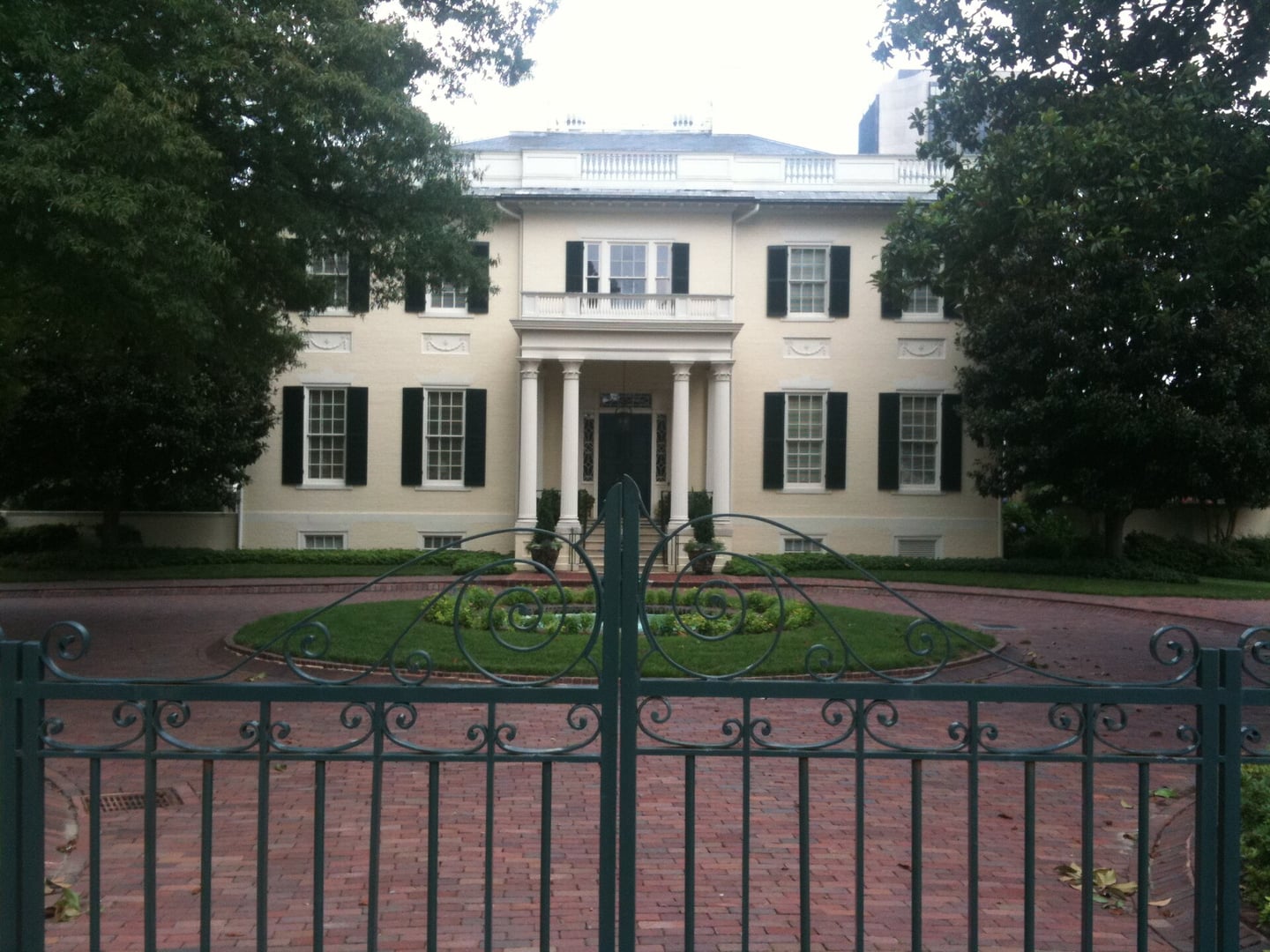
Richmond, VA
The Virginia Executive Mansion was completed in 1813 on the northeast corner of Capitol Square in Richmond, designed by Alexander Parris in Federal style. Continuously occupied since opening, it is the oldest sitting governor's mansion in the United States and a National Historic Landmark. Every Virginia governor since James Barbour has lived in the building.
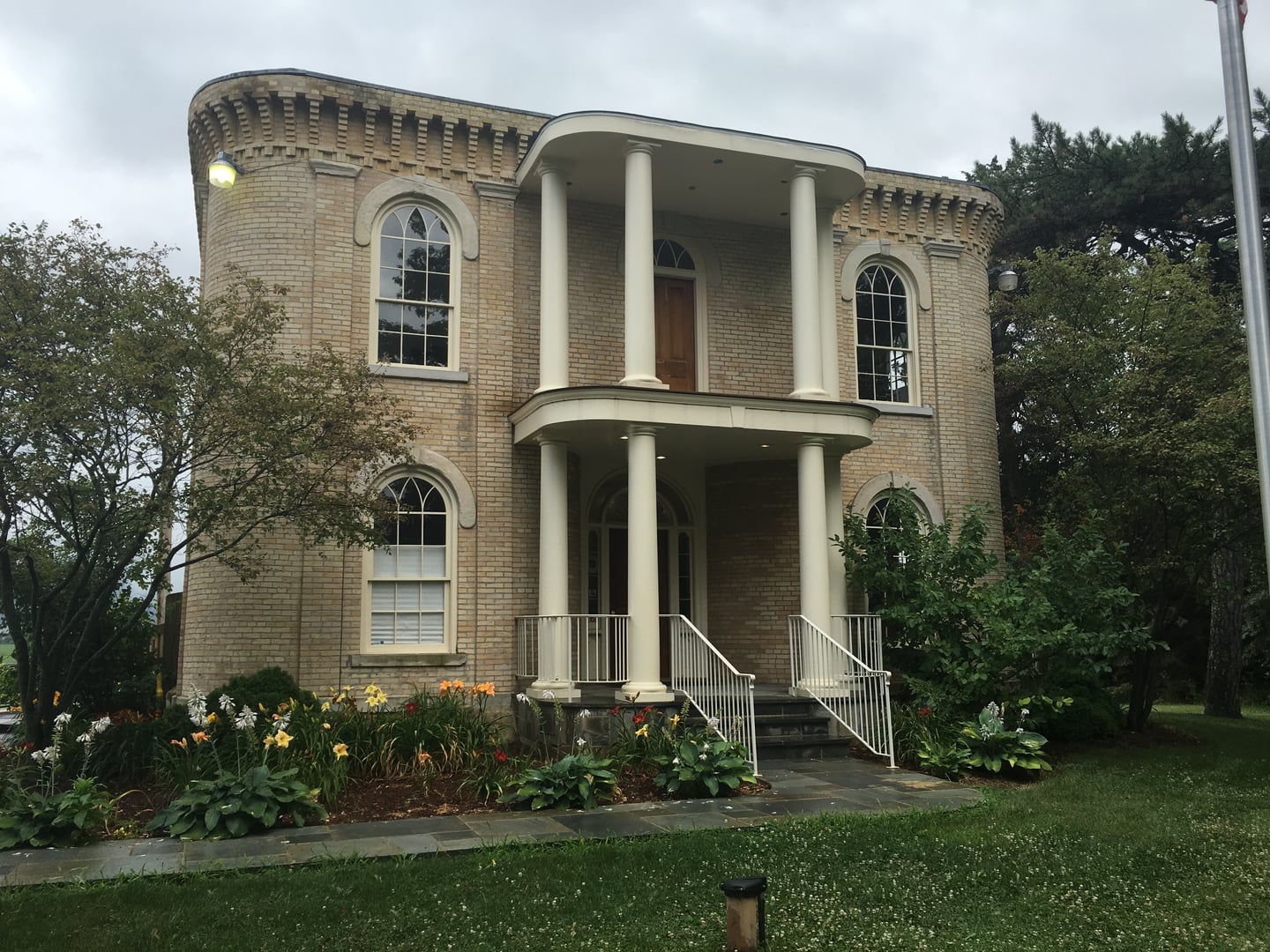
Bull Valley, IL
The George Stickney House is an 1865 stucco-over-frame mansion in Bull Valley, Illinois, built for spiritualists George and Sylvia Stickney. The Stickneys, both practicing mediums, are said to have designed the interior without right angles to ease the movement of spirits during seances. The building has served as the Bull Valley Police Department since 1985 and has been listed on the National Register of Historic Places since 1979.
Danville, VA
The Lanier House at 770 Main Street was built in 1830 by Captain James Lanier, Danville's first mayor, making it the oldest surviving residence in the city. The early Federal-style frame structure passed through several prominent owners, including the Wyllie family, who added the imposing two-story neo-Classical portico. From the 1940s through the 1970s the house served as home and diagnostic clinic for Dr. Samuel Newman, Danville's first pediatrician.