Est. 1852 · Site Where Booth Collected Weapons Night of Lincoln Assassination · Home of Mary Surratt — First Woman Executed by U.S. Federal Government · Confederate Safe House and Courier Way Station · National Register of Historic Places
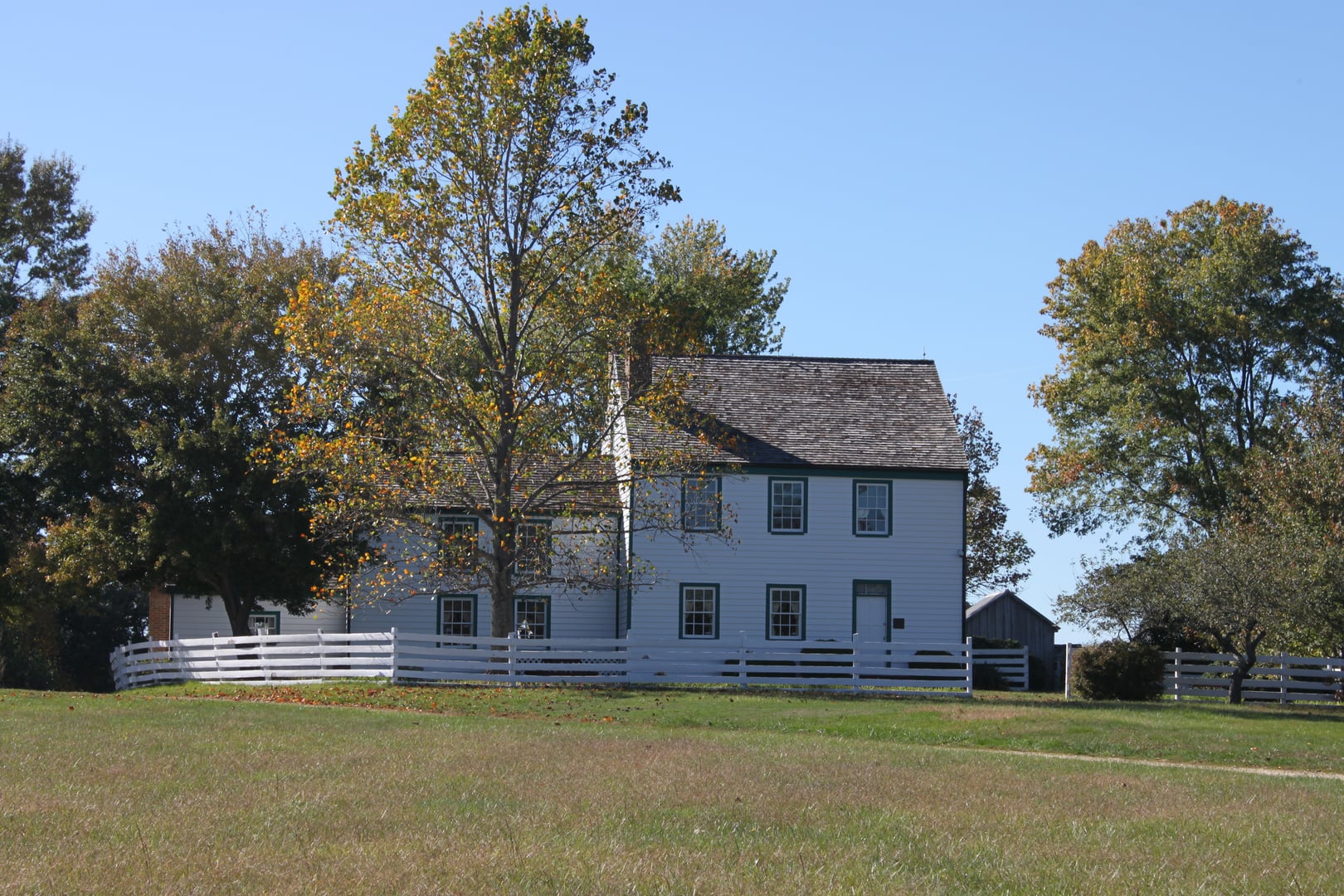
Mary Surratt and her husband John built the two-story frame house and tavern on Brandywine Road in 1852. The property served the rural Prince George's County community as a polling place, post office, and tavern, with the Surratt family running it as a Confederate sympathizer household during the Civil War. After John Surratt's death in 1862, Mary took over management of the property, which by then had become a way station for Confederate couriers and operatives moving between Virginia and Washington.
In early 1865, the conspiracy to capture — and later to assassinate — President Abraham Lincoln coalesced around Mary Surratt's Washington DC boardinghouse. Her son John Surratt Jr. was an active Confederate courier, and her boardinghouse served as a meeting place for the conspirators including John Wilkes Booth. The plan developed into an assassination plot, and on the evening of April 14, 1865, Booth stopped at the Surrattsville property — as the Clinton area was then known — to collect a carbine rifle and field glasses that had been left there in preparation for a post-assassination escape.
Booth shot Lincoln at Ford's Theatre that same night. Lincoln died the following morning. Mary Surratt was arrested four days later. At trial before a military tribunal, she was convicted of conspiracy and sentenced to death. On July 7, 1865, she was hanged at the Washington Arsenal alongside Lewis Powell, David Herold, and George Atzerodt — becoming the first woman executed by the United States federal government.
The house was purchased by the Maryland-National Capital Park and Planning Commission in 1965 and opened as a public museum in 1976. It is listed on the National Register of Historic Places. The museum maintains period furnishings and interpretation focused on the assassination conspiracy and its aftermath.
Sources
- https://www.surrattmuseum.org/surratt-house-museum
- https://en.wikipedia.org/wiki/Surratt_House_Museum
- https://www.battlefields.org/visit/heritage-sites/surratt-house-museum
- https://cnsmaryland.org/2009/10/23/lincoln-history-sparks-museums-most-haunting-tales/
- https://www.dreadcentral.com/news/5037/surratt-house/
- https://pulloverandletmeout.com/historical-travel/surratt-house-and-museum-home-of-the-first-woman-executed-by-the-us-government/
Cold Drafts in Tavern RoomUnexplained FootstepsSound of Moving Furniture
The Surratt House does not promote itself as a haunted venue — it is operated as a serious historic site by a county parks agency. Yet the staff and volunteers who spend significant time in the 1852 structure have accumulated a handful of persistent accounts.
The tavern room on the ground floor — where the conspirators met, and where Booth's associate David Herold picked up the weapons on the night of April 14 — produces the most frequent reports. Docents describe cold drafts that appear without explanation and, on occasion, the sound of chairs scraping on the wood floor when the room is empty. Footsteps on the upper stairs are the most commonly reported phenomenon, typically heard in the late afternoon when tours have ended.
Historians of the assassination period have noted that Mary Surratt's guilt remains genuinely contested. She was convicted on testimony from John Lloyd, the tavern's tenant, and Louis Weichmann, a boarder at her Washington house. Several of the military tribunal judges later expressed doubt about the death sentence. Her son John Surratt Jr., who was a documented Confederate operative, fled to Europe and was not tried until 1867, when he was acquitted. Whether the presence reported at the house is hers is a question the museum staff leave open.
Notable Entities
Mary SurrattJohn Wilkes Booth
Where this legend is told