Est. 1830 · Lincoln Assassination Conspiracy · Civil War History · National Register of Historic Places
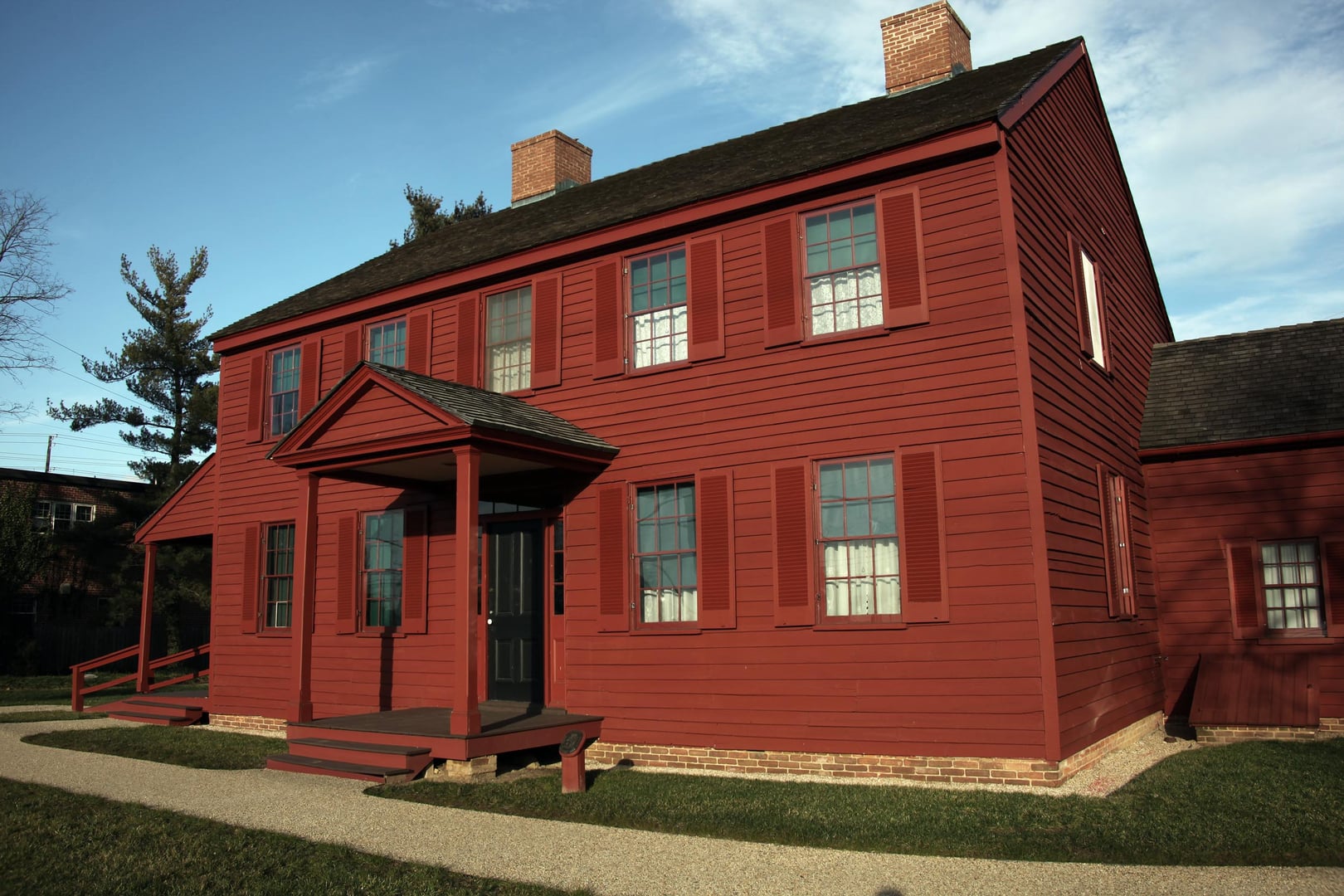
The farmhouse on what is now Dr. Samuel Mudd Road was built around 1830 and had been in the Mudd family for decades when the night of April 14, 1865 changed everything. Shortly after midnight on April 15, Booth and Herold arrived at the door. Booth's left fibula had broken when he caught his spur on the bunting while leaping from the presidential box at Ford's Theatre. Dr. Mudd, a country physician and farmer, examined Booth, fashioned a splint, and allowed the two men to rest through the morning. They left around 4 p.m.
Mudd later claimed he did not recognize Booth at the time, though a jury — a military commission convened specifically for the Lincoln conspiracy cases — did not find his account convincing. He was convicted in June 1865 on a charge of conspiracy and sentenced to life in prison. His co-defendants Lewis Powell and George Atzerodt were hanged; Mudd and two others were sent to Fort Jefferson, a federal military prison on an island in the Dry Tortugas.
In 1867 and 1868, yellow fever swept through Fort Jefferson. The post surgeon died, and Mudd, the only physician among the prisoners, took over medical duties. He treated hundreds of cases. President Andrew Johnson pardoned Mudd on February 8, 1869, citing his service during the epidemic. Mudd returned to the Charles County farm and died there in January 1883.
The house and its outbuildings remained in the Mudd family and were eventually preserved and opened to the public. The site is listed on the National Register of Historic Places. Guided tours cover the interior rooms, period furnishings, family documents, and the broader story of the Lincoln assassination conspiracy.
Sources
- https://en.wikipedia.org/wiki/Samuel_Mudd
- https://drmudd.org/home/
- https://www.visitmaryland.org/listing/attraction/dr-samuel-mudd-house-museum
- https://drmudd.org/2020/10/26/spooky-tails-of-the-dr-mudd-house-part-i/
- https://drmudd.org/2020/10/31/spooky-tales-from-the-mudd-house-part-iii-the-moving-spirit/
- http://rob-tom-dolly-franklin.blogspot.com/2009/09/my-experience-with-dr-samuel-mudds.html?m=1
- https://www.onlyinyourstate.com/experiences/maryland/mudd-house-md
- https://tourbaltimoreghosts.com/dr-samuel-a-mudd-house-museum/
- https://www.tripadvisor.com/ShowUserReviews-g41420-d103288-r48286655-The_Dr_Samuel_Mudd_House_Museum-Waldorf_Maryland.html
Cold spotsUnexplained footstepsApparitions on staircase
Ghost lore at the Mudd House is sparse compared to higher-traffic Civil War sites, which may reflect the rural isolation of the property and the family's long stewardship. The accounts that circulate in Maryland regional ghost collections focus on the ground-floor room where Booth was examined and on the staircase.
The most often repeated claim involves the sense of a heavy presence in the front rooms — the area corresponding to where Booth's splint was fitted. Docents have reported that visitors occasionally describe a sudden cold draft on warm days and, in a handful of accounts, an uneasy feeling that someone is watching from the staircase landing.
An additional thread involves sound: the upstairs hallway is said to produce footsteps at odd hours when the house is otherwise quiet. No witness account has been formally documented by an investigative group, and the house is not marketed as haunted. The lore passes through Maryland ghost-tour aggregators and Southern Maryland historical newsletters rather than through formal paranormal investigation reports.
The building's factual history — a physician rising before dawn to treat a stranger who turned out to be Lincoln's assassin, then watching that single act consume his next four years — provides the resonance that underlies the atmospheric reports.
Notable Entities
John Wilkes Booth
Where this legend is told