Museum Visit
Self-guided museum visit
Walk the museum's exhibits on Civil War medicine, including the Camp Life gallery where visitors have reported an oppressive cold presence.
- Duration:
- 1.5 hr
HauntBound archive · catalog record
Reported phenomena, as catalogued
Frederick museum housed in an 1830s building that served as Civil War embalmer Dr. Richard Burr's notorious station, where staff report cold spots, self-operating elevators, and unexplained sounds.
48 E Patrick Street, Frederick, MD 21701
Research updated September 2026
Age
All Ages
Cost
$
General admission charged; check museum website for current pricing and the seasonal Haunted History Tour ticket prices.
Access
Wheelchair OK
Urban sidewalk entry; multi-story historic building with elevator access between floors.
Equipment
Photos OK
Est. 1830 · Built in the 1830s as the Carty Building · Pre-war owner James Whitehill supplied caskets and grave markers to Frederick's Civil War hospitals · Used as Dr. Richard Burr's embalming station in 1862 after South Mountain and Antietam · Museum opened to the public in 1996
The National Museum of Civil War Medicine first opened its doors to the public in 1996 and is located in the historic Carty Building at 48 East Patrick Street in downtown Frederick, Maryland. The building itself dates to the 1830s and predates the Civil War. Before the war, it was owned by James Whitehill, a furniture maker and undertaker who later supplied caskets and wooden grave markers to the military hospitals operating in Frederick.
In 1862, after the battles of South Mountain and Antietam flooded Frederick with wounded and dead, embalmer Dr. Richard Burr worked from this location. Burr was an early commercial embalmer who pre-sold his services to soldiers — a practice that contributed to later regulation of the embalming profession. The museum's exhibits include a life-size diorama of Burr at work, and it explicitly identifies the building as his Civil War-era embalming station.
Frederick itself was a major hospital town after Antietam, with multiple public buildings and private homes pressed into service as Union General Hospitals. The Carty Building's role in handling the dead — both through Whitehill's caskets and Burr's embalming operation — makes it one of the most direct surviving connections to the medical and mortuary infrastructure that grew up around the 1862 Maryland Campaign.
Today the museum interprets Civil War medical practice across multiple galleries, including a Camp Life gallery, surgical theater recreations, and rotating exhibits on figures such as Clara Barton and Dr. Jonathan Letterman. It anchors the wider Frederick Civil War medicine trail that includes affiliated sites such as Pry House Field Hospital Museum at Antietam and the Clara Barton Missing Soldiers Office in Washington, DC.
Sources
According to the museum's own Haunted History programming and Visit Frederick's coverage of haunted Frederick venues, the Carty Building has accumulated a substantial body of staff and visitor reports over its three decades as a museum. The most frequently cited phenomenon is the freight elevator opening and closing on its own when no one has called it.
Staff have also reported strange sounds throughout the building and small objects that move or vanish, particularly in workspaces. An oppressive cold presence is repeatedly described in the Camp Life gallery, which interprets the daily experience of soldiers in the field and adjoins the area associated with Dr. Burr's wartime embalming operation.
Frederick News-Post coverage in its Guardian of the Artifacts blog confirms that museum staff openly discuss these experiences and use them as the basis for the annual October Haunted History tour, during which staff share first-person accounts rather than scripted scare content. Lore consistently ties the residual activity to the building's role in handling Civil War dead — both through Whitehill's caskets and Burr's embalming work — rather than to any single named entity.
Notable Entities
Walk the museum's exhibits on Civil War medicine, including the Camp Life gallery where visitors have reported an oppressive cold presence.
October program in which museum staff share documented paranormal experiences from the building, including the self-operating elevator and Camp Life gallery anomalies.
Some links on this page may earn HauntBound a small commission when you book, at no extra cost to you. Our editorial picks are independent. Full disclosure
This Frederick tour includes National Museum of Civil War Medicine on its route.
Every HauntBound history is researched from documented sources. We clearly separate verified historical fact from paranormal folklore.
Free Guide
9 verified stops, rated for families, mapped in order. Free.
One email to confirm, then the guide link. Unsubscribe anytime.
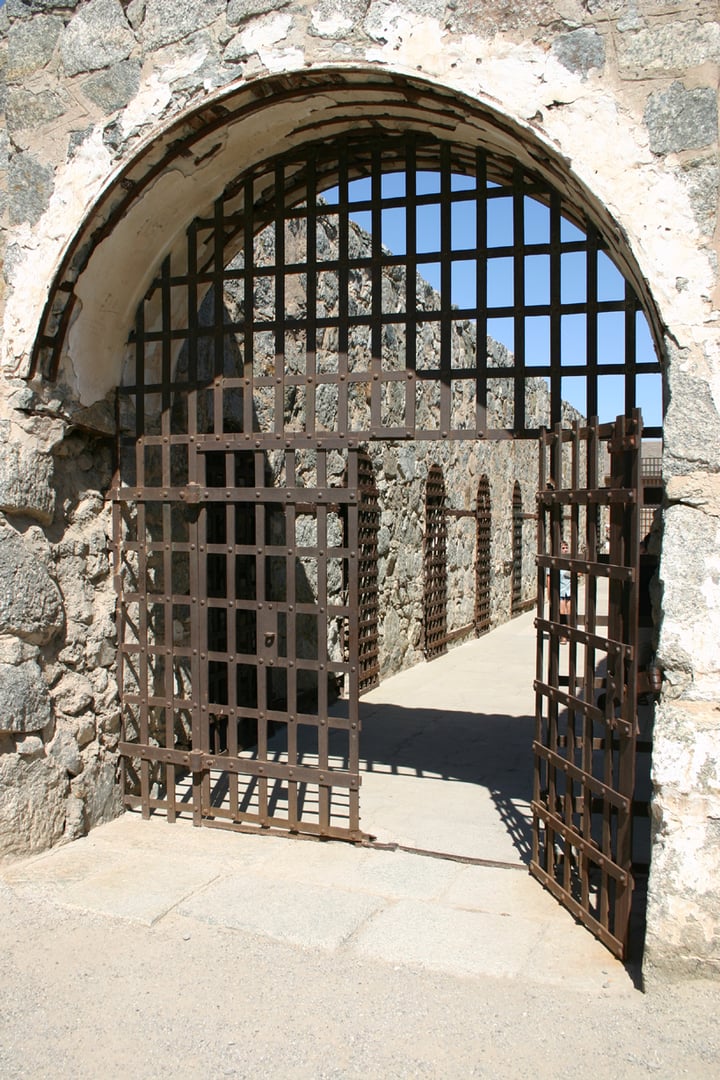
Yuma, AZ
Yuma Territorial Prison operated from 1876 to 1909 on a bluff overlooking the Colorado River in Yuma, Arizona. It held 3,069 prisoners during its 33-year operation, including 29 women. The facility became a state historic park and has been voted by USA Today readers as the Best Haunted Destination in the nation.
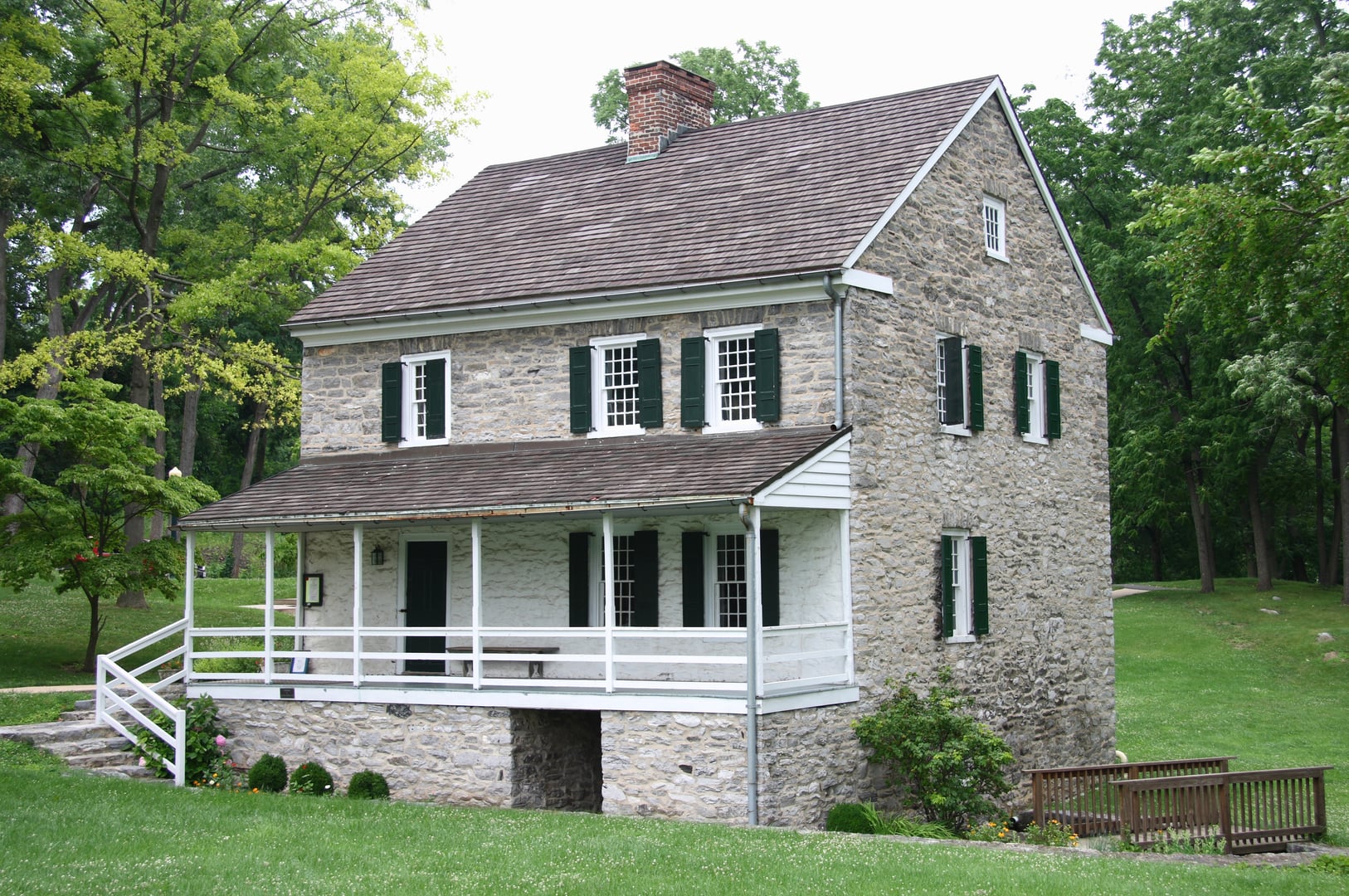
Hagerstown, MD
The Jonathan Hager House in Hagerstown City Park was built by Jonathan Hager beginning in 1739 — construction is documented as starting that year with the house presented publicly in 1740 — making it one of the oldest surviving structures in western Maryland. Jonathan Hager founded the town of Hager's Town (later Hagerstown) in 1762 on land he owned. He sold the house in 1745; it subsequently housed the Hammond family in the 1840s and the Downin family during the Civil War era. The city opened it as a museum in 1962.
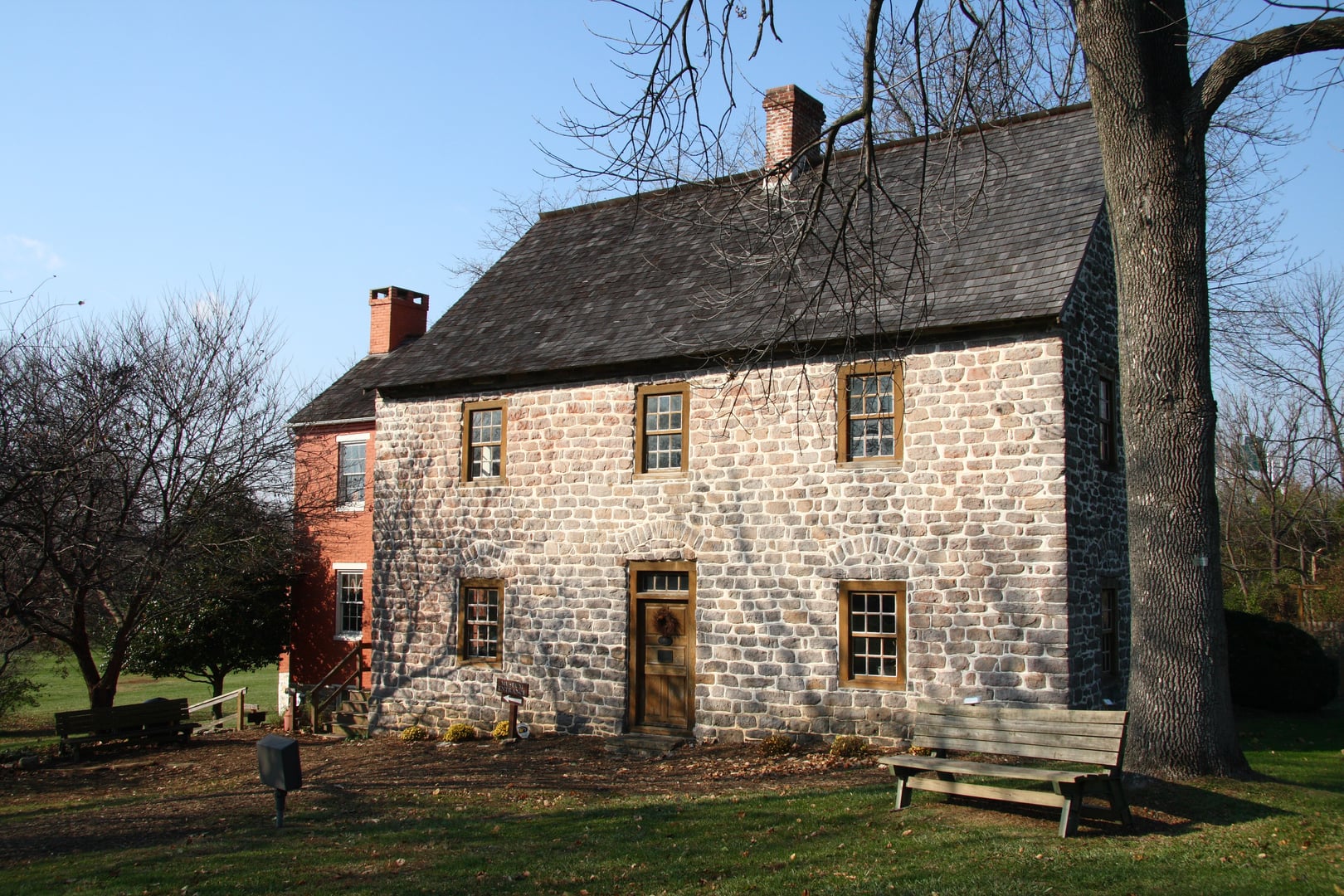
Frederick, MD
Schifferstadt is one of the oldest surviving houses in Frederick, completed in 1758 by Elias Brunner and his wife Albertina on the family's 303-acre farm tract. The Brunners named the property after their hometown in the German Palatinate. The Frederick County Landmarks Foundation purchased the house in 1974 and opened it as an architectural museum.