Self-Guided Visit
Station and Canal Place Visit
Walk the restored 1913 depot at Canal Place, the home of the Western Maryland Scenic Railroad and the Canal Place visitor center, at the eastern terminus of the C&O Canal.
- Duration:
- 45 min
HauntBound archive · catalog record
Reported phenomena, as catalogued
The 1913 passenger depot at the C&O Canal terminus in Cumberland, now the Scenic Railroad's home and the starting point of the city's ghost tour.
13 Canal St, Cumberland, MD 21502
Research updated August 2026
Age
All Ages
Cost
Free
Free to enter the station and visitor center; the Ghost Tour of Historic Cumberland departs here for $7 adults / $4 students, and railroad excursions are separately ticketed
Access
Wheelchair OK
Restored station building and platform at Canal Place; level paved access
Equipment
Photos OK
Est. 1913 · Western Maryland Railway through-service station, opened 1913 · Sited at the eastern terminus of the C&O Canal · Listed on the National Register of Historic Places (1973) · Restored home of the Western Maryland Scenic Railroad
The Western Maryland Railway Station stands at 13 Canal Street in Cumberland, on land that was the filled-in basin at the eastern terminus of the Chesapeake and Ohio Canal. It was built in 1913 to a design by the Baltimore architect C. M. Anderson, and the Western Maryland Railway inaugurated through service between Baltimore and Chicago through Cumberland on June 15, 1913, with premier trains carrying Pullman sleeping cars.
Passenger traffic fell off through the Depression. Service between Cumberland and Baltimore ended in 1953, and through service had ceased by 1959. After the railway was absorbed into the Chessie System, the station fell into disrepair and was for a time leased to a tire company for storage. The City of Cumberland later acquired the building for one dollar; partial restoration followed in 1990 and a comprehensive restoration began in 1996 under the Canal Place Preservation and Development Authority.
The station was listed on the National Register of Historic Places on June 19, 1973. Today it anchors Canal Place, serving as the depot for the Western Maryland Scenic Railroad's excursions toward Frostburg and as a visitor center for the canal's eastern end.
Sources
The station's ghost reputation is bound up with the Ghost Tour of Historic Cumberland, which departs from the depot and walks the surrounding historic district. The C&O Canal Trust, which lists the tour, describes it as beginning at the Western Maryland Scenic Railroad Station and continuing through the historic district, where visitors are "introduced to some of Cumberland's past residents who have taken permanent dwelling among current residents."
Local tour lore tied to the depot describes spirits said to be still waiting to catch a train at the old passenger station. As a railroad building that carried tens of thousands of travelers before its passenger service ended, it is the natural opening scene for the walk, and the station itself is presented as one of the haunted points rather than only a meeting place.
The paranormal claims here are tour-and-promotional accounts rather than independently investigated reports. The station's documented railroad and canal history, by contrast, is well established in the public record.
Walk the restored 1913 depot at Canal Place, the home of the Western Maryland Scenic Railroad and the Canal Place visitor center, at the eastern terminus of the C&O Canal.
The Ghost Tour of Historic Cumberland begins at the station and continues through the historic district. Tickets ($7 adults, $4 students) are sold by the guides immediately before the tour starts.
Some links on this page may earn HauntBound a small commission when you book, at no extra cost to you. Our editorial picks are independent. Full disclosure
Every HauntBound history is researched from documented sources. We clearly separate verified historical fact from paranormal folklore.
Free Guide
9 verified stops, rated for families, mapped in order. Free.
One email to confirm, then the guide link. Unsubscribe anytime.
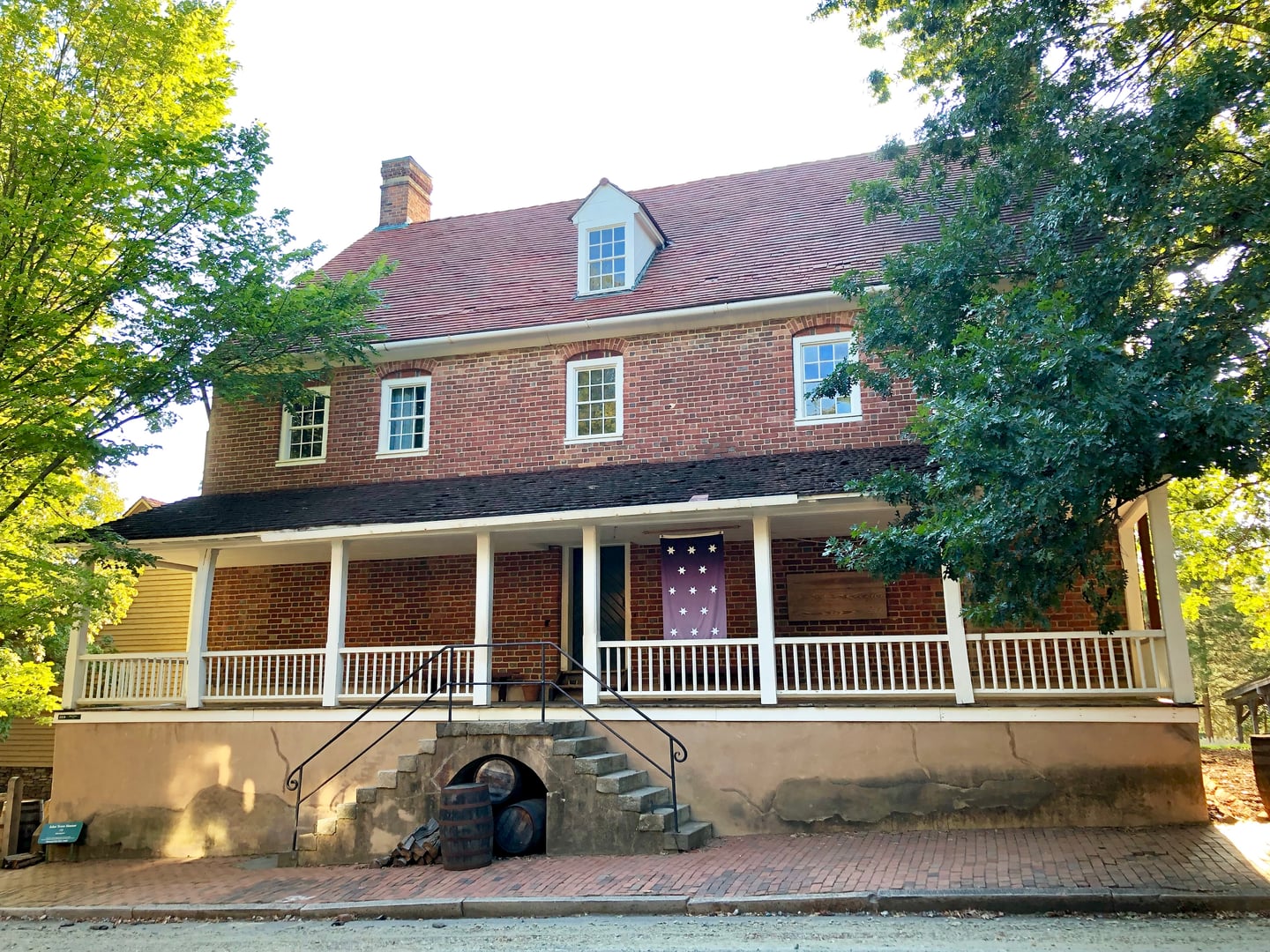
Winston-Salem, NC
The Salem Tavern was built in 1784 to serve travelers stopping in the Moravian settlement at Salem, North Carolina. The Moravian congregation built and operated the tavern — a common enterprise in Moravian settlements — as a source of revenue and a place of hospitality for outsiders. President George Washington lodged here in May 1791 during his Southern Tour, an event documented in his own diary.
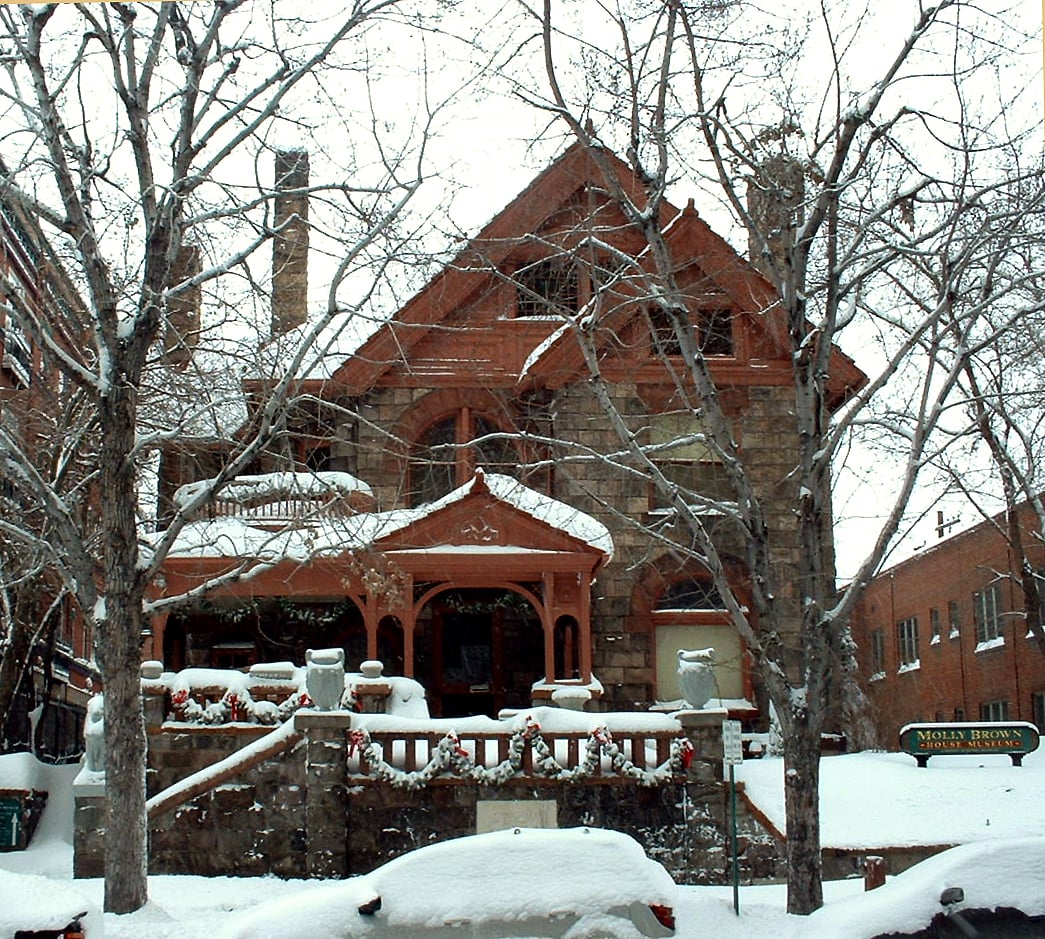
Denver, CO
The Molly Brown House in Denver was the home of philanthropist and Titanic survivor Margaret Brown from 1894 until her death in 1932. Designed by architect William A. Lang in 1889 in a mixed Queen Anne and Richardsonian Romanesque style, the house has operated as a museum under Historic Denver Inc. since 1971 after a public campaign saved it from demolition.
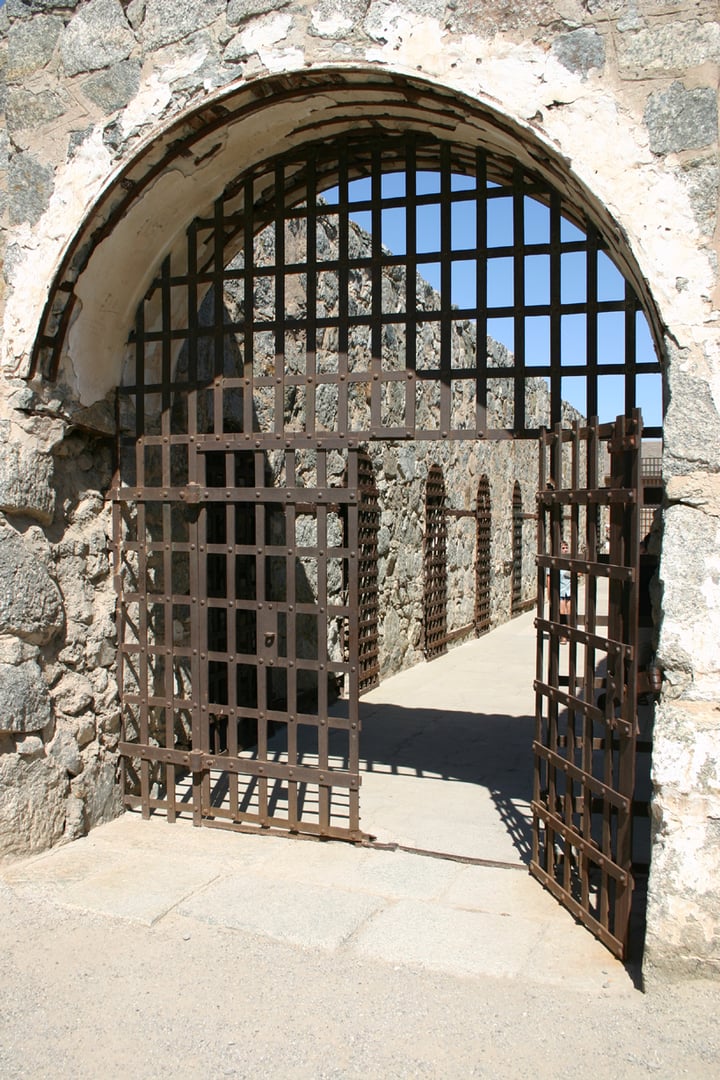
Yuma, AZ
Yuma Territorial Prison operated from 1876 to 1909 on a bluff overlooking the Colorado River in Yuma, Arizona. It held 3,069 prisoners during its 33-year operation, including 29 women. The facility became a state historic park and has been voted by USA Today readers as the Best Haunted Destination in the nation.