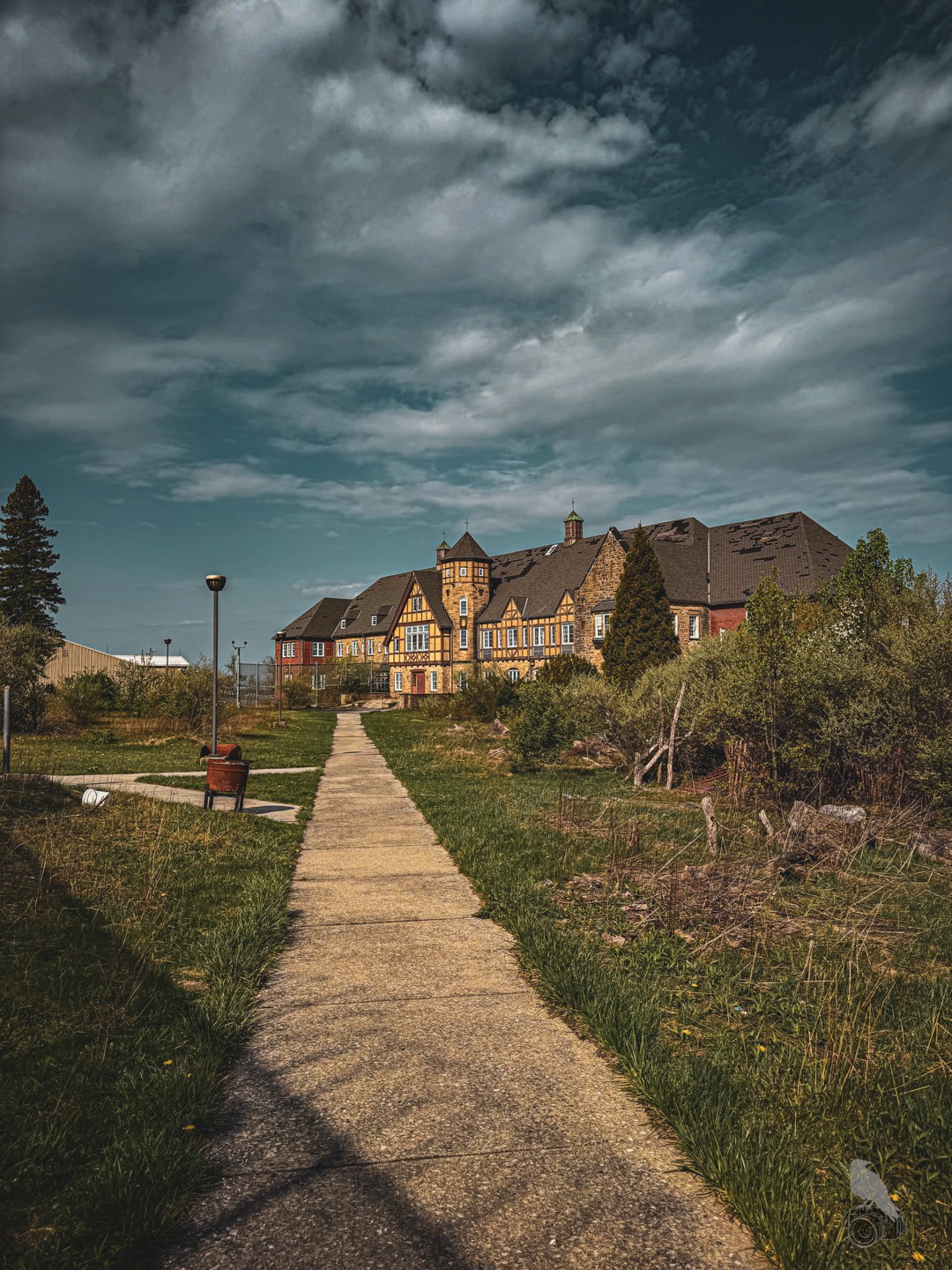
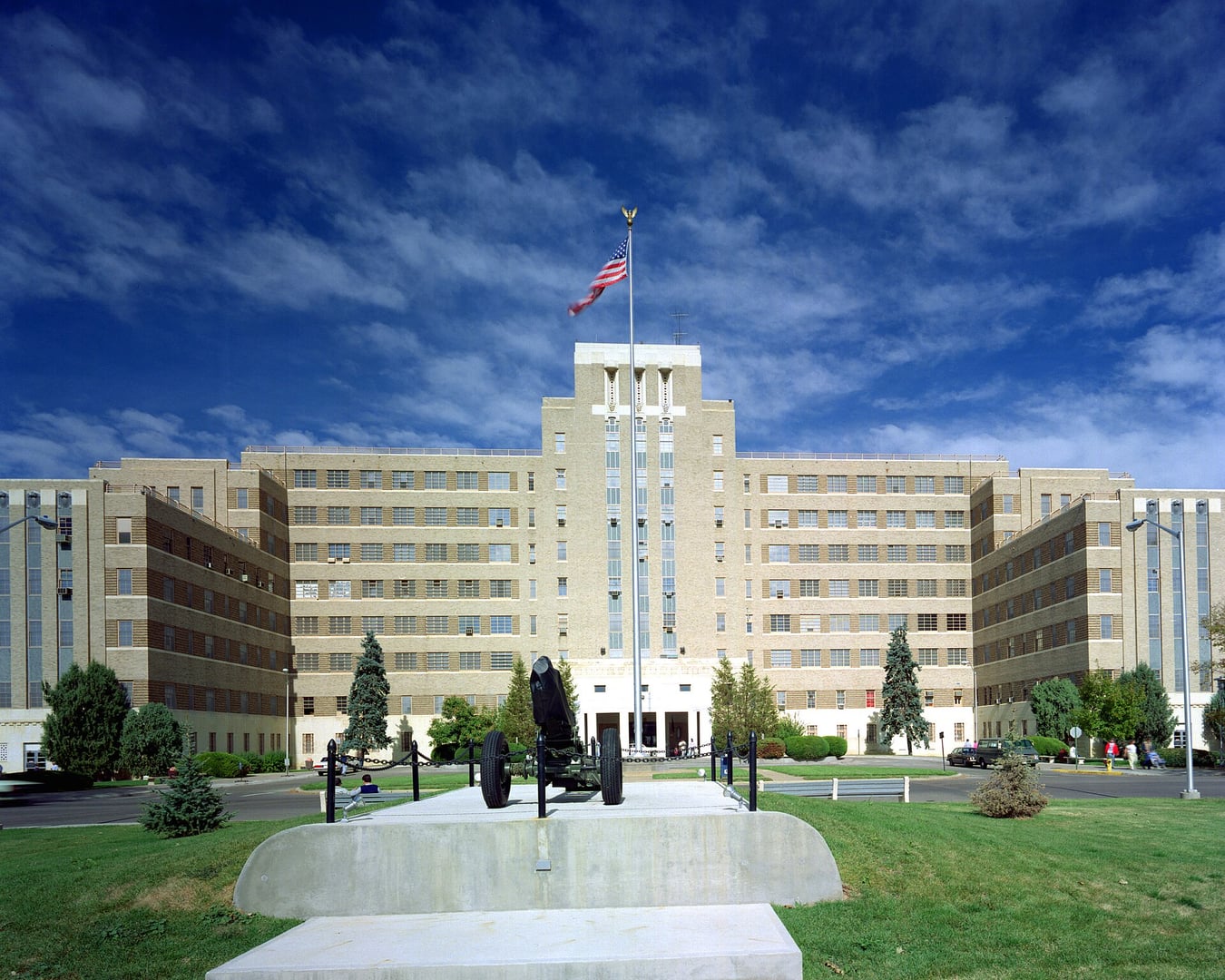
Est. 1911 · Hospital for the Negro Insane of Maryland — Third Segregated Asylum in the U.S. · Documented Institutional Racism and Psychiatric Abuse · Numbered-Grave Cemetery and Medical Research of Patients · NRHP-Eligible Campus
The Hospital for the Negro Insane of Maryland opened in 1911 in Crownsville, Anne Arundel County, mandated by the Maryland legislature as a separate facility for the state's African-American psychiatric patients — reflecting the legally enforced racial segregation of the era. It was among the earliest state hospitals in the country built specifically for Black patients and operated under conditions of severe underfunding relative to the white state hospitals.
The hospital's early decades were marked by overcrowding, poor conditions, and documented abuses. Patients were required to perform labor on the institution's farm. Medical treatments common in American psychiatry from the 1930s through the 1950s — including insulin shock therapy, pneumoencephalography (a diagnostic procedure involving the replacement of cerebrospinal fluid with air), and lobotomies — were performed at Crownsville.
Patients who died without family or resources to claim their bodies were interred in an on-site cemetery with numbered grave markers rather than named headstones. Others were reportedly used for medical research. The 2024 book 'Crownsville' by Antonia Hylton, reviewed in the Washington Post, documents the full history of the institution including these burial practices and the structural racism that shaped them.
The facility was renamed Crownsville Hospital Center in later decades as the name 'Hospital for the Negro Insane' was retired. It was desegregated following the Civil Rights Act and continued operating until its closure in 2004. Anne Arundel County subsequently acquired the campus; it has been designated Crownsville Hospital Memorial Park and is NRHP-eligible. A full redevelopment plan was underway as of 2024.
Sources
- https://en.wikipedia.org/wiki/Crownsville_Hospital_Center
- https://savingplaces.org/stories/uncertain-future-crownsville-state-hospital
- https://www.washingtonpost.com/books/2024/02/02/crownsville-antonia-hylton-asylum/
Pervasive unease reported by visitors and former workers
Crownsville Hospital Center's dark history is primarily a matter of documented record rather than paranormal legend — the segregated conditions, abusive treatments, and burial practices at the site were real events with real victims whose stories are still being recovered and documented.
The numbered cemetery on the campus grounds represents patients whose deaths were recorded but whose identities were not marked on their graves — a practice that reflected the dehumanizing conditions of the segregated institution. The 2024 research by journalist Antonia Hylton identified dozens of these patients by name from institutional records.
Paranormal accounts tied to Crownsville are modest in the public record relative to the gravity of the site's history. Reports documented in connection with the campus include unease reported by individuals who worked or visited there, and general accounts of a heavy atmosphere. We have treated the site history-first per editorial policy: this is a site of documented harm, and the memorial designation reflects that the historical record — not paranormal framing — is the appropriate lens.
The site is now a county-operated memorial park, not an entertainment destination. Any visit should be approached with the awareness that the patients buried in the numbered cemetery were real people whose stories are still being documented.
Where this legend is told