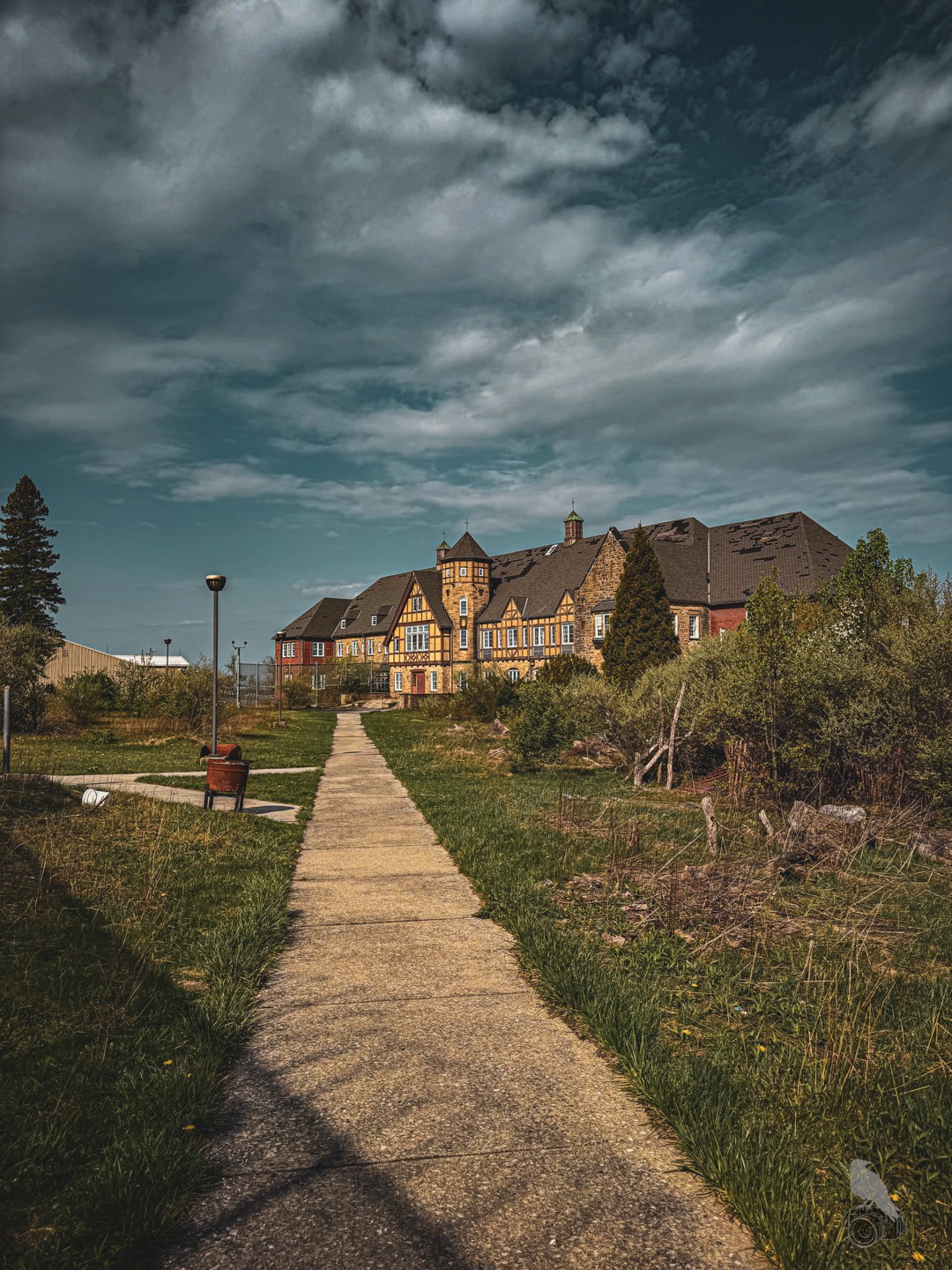
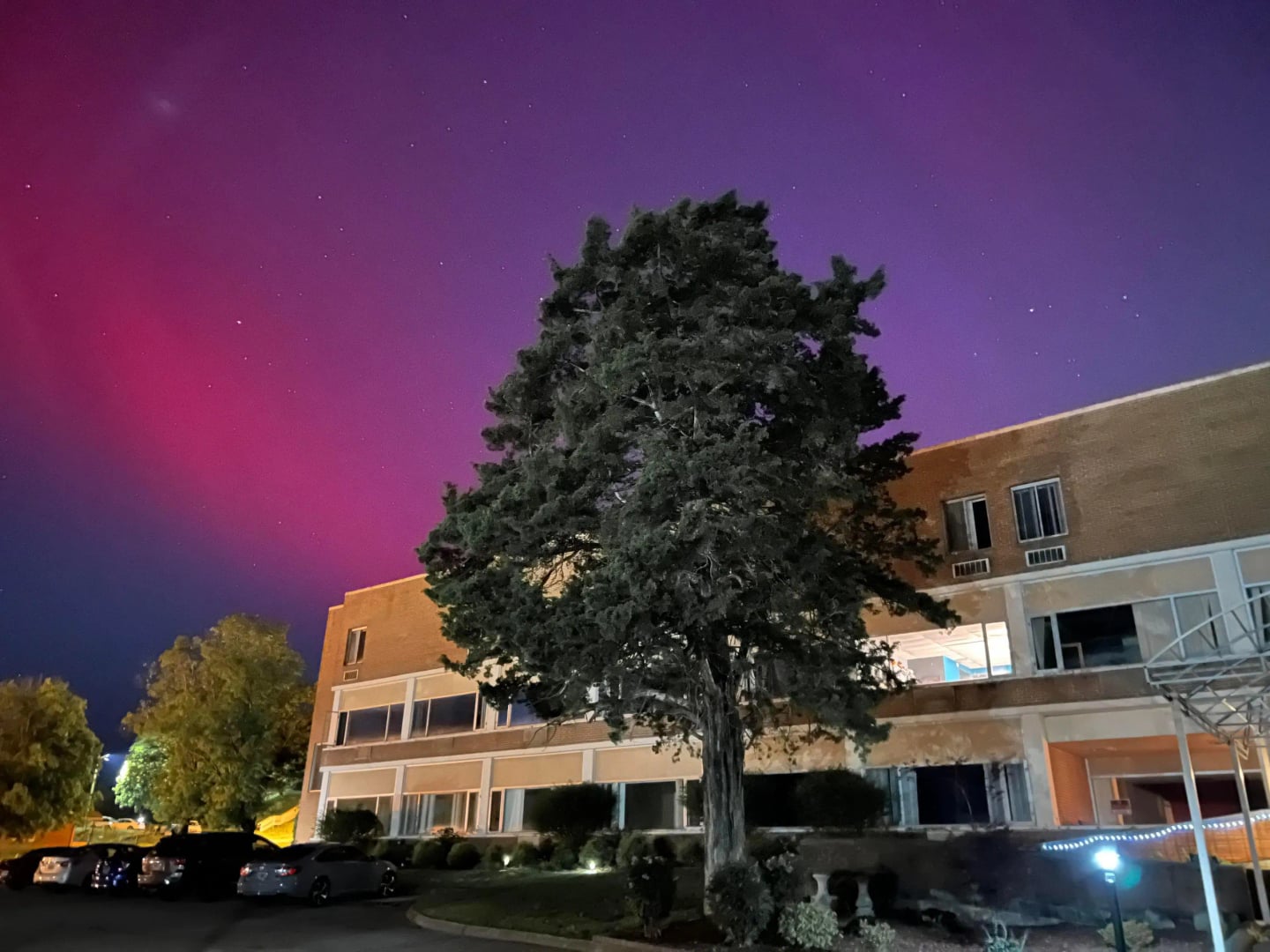
Est. 1918 · Named for Lt. William T. Fitzsimons, first American medical officer killed in WWI · Site of President Eisenhower's 1955 cardiac recovery · Birthplace of John Kerry (1943) · First hospital to use streptomycin for tuberculosis (1948) · Largest Army hospital structure in the U.S. at completion of Building 500 (1941)
When the U.S. Army established General Hospital No. 21 on the eastern plains of Colorado in the autumn of 1918, Denver's reputation as a center for tuberculosis treatment was already well established. The high altitude and dry climate had drawn thousands of consumptives westward for decades. The Army needed a dedicated facility to treat soldiers returning from the Western Front with damaged lungs, and Denver's civic boosters successfully lobbied for the site.
Formally dedicated in October 1918, the hospital was renamed Fitzsimons General Hospital on July 1, 1920, honoring Lt. William T. Fitzsimons — a Kansas City surgeon who was the first American medical officer killed in the Great War, dying in a German bombing raid on a British hospital in France on September 4, 1917. By the mid-1920s, Fitzsimons was the largest tuberculosis hospital in the United States, pioneering heliotherapy — extended sun exposure — as a primary treatment.
The 1941 completion of Building 500 marked a new era. The Army described it as the largest single hospital structure ever built by the service — an Art Deco colossus on the Colorado plains. During World War II, Building 500 held up to 5,000 patients, with a formal bed capacity of 3,500. The facility also treated the first patients evacuated from Pearl Harbor after December 7, 1941.
In September 1955, President Dwight D. Eisenhower was admitted after suffering a heart attack while vacationing in Denver. He convalesced at Fitzsimons for seven weeks, and the hospital briefly became the center of world attention. A presidential suite was maintained in the facility thereafter. Secretary of State John Kerry was born at Fitzsimons in 1943, while his father was being treated for tuberculosis.
The facility was recommended for Base Realignment and Closure in July 1995 and formally closed on June 8, 1996. The 577-acre campus was redeveloped over the following decade into the Anschutz Medical Campus — home to the University of Colorado School of Medicine — and the Fitzsimons Innovation Community. Building 500, now known simply as the Fitzsimons Building, survives as an administrative facility. Staff working evening and weekend hours in the building have reported persistent anomalous experiences since the transition.
Sources
- https://en.wikipedia.org/wiki/Fitzsimons_Army_Medical_Center
- https://coloradoencyclopedia.org/article/fitzsimons-general-hospital
- https://news.cuanschutz.edu/news-stories/is-the-fitzsimons-building-haunted
- https://www.onlyinyourstate.com/experiences/colorado/fitzsimons-hospital-denver
Doors found unlocked and open on eighth floor after being securedShadow figures in peripheral visionOverwhelming sense of presence during evening hoursUnexplained sounds in corridors
The paranormal tradition at the Fitzsimons Building is gentler than dramatic — more residual unease than confrontational haunting. Facilities staff working in the repurposed 1941 Art Deco building after hours describe a consistent set of experiences: doors on the upper floors found unlocked and open despite having been secured; shadows seen moving in peripheral vision in corridors where no one should be; and the persistent, unshakeable sensation of not being alone.
David Turnquist, former associate vice chancellor of Facilities Management at the Anschutz campus, described 'that feeling at night that you weren't alone' while working evening hours. Del Quiel, director of Facilities Management, reported seeing 'shadows under my door' in his second-floor office on a quiet snowy night in 2005 — and finding no one there when he opened it.
The building's history provides ample anchors for such traditions. Building 500 was at its peak capacity a city unto itself — thousands of wounded men in its wards at any given time during the Second World War. Many did not leave. The steam tunnels connecting campus structures add a labyrinthine quality that staff find unsettling. Investigators who descended into the tunnels reported encountering 'glowing little eyes' — almost certainly animal life — but the darkness of the tunnels amplifies existing unease.
None of the reported phenomena have been formally investigated by paranormal researchers. The building's hauntings remain a matter of staff oral tradition, documented through the University's own campus news — an unusual level of institutional acknowledgment.
Notable Entities
Unnamed soldier apparitions (windows and doorways)
Media Appearances
- FOX31 Denver — ghost stories segment on former Fitzsimons campus
- CU Anschutz campus news — 'Is the Fitzsimons Building Haunted?' (2022)