Est. 1820 · Confederate Prison Surgeon Residence · Union General George Stoneman Headquarters 1865 · National Register of Historic Places · Antebellum Architecture
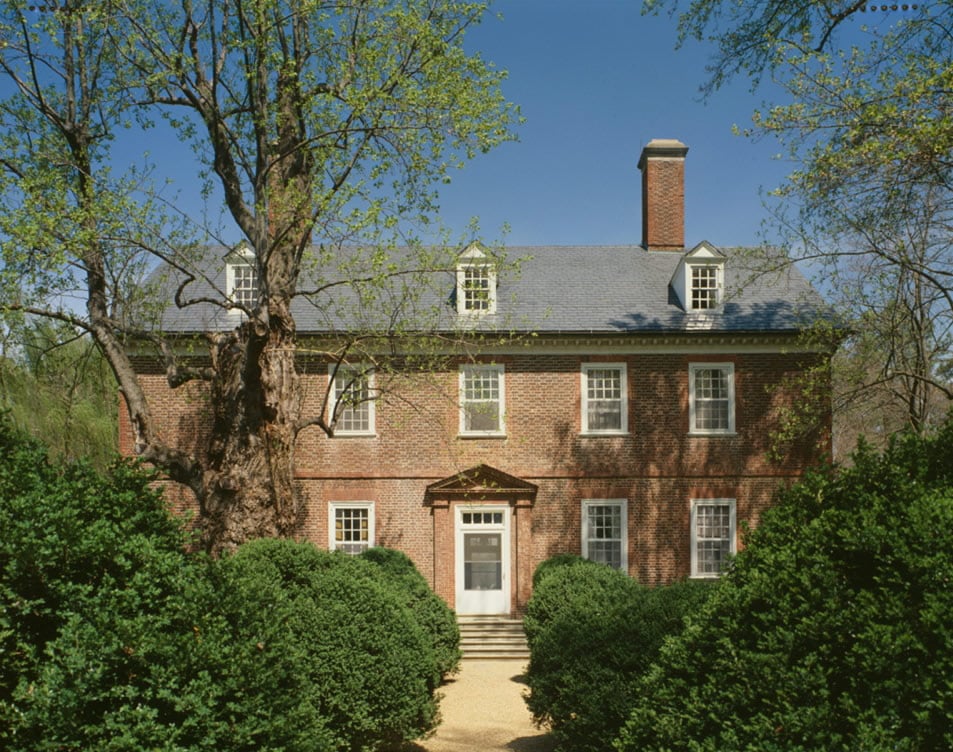
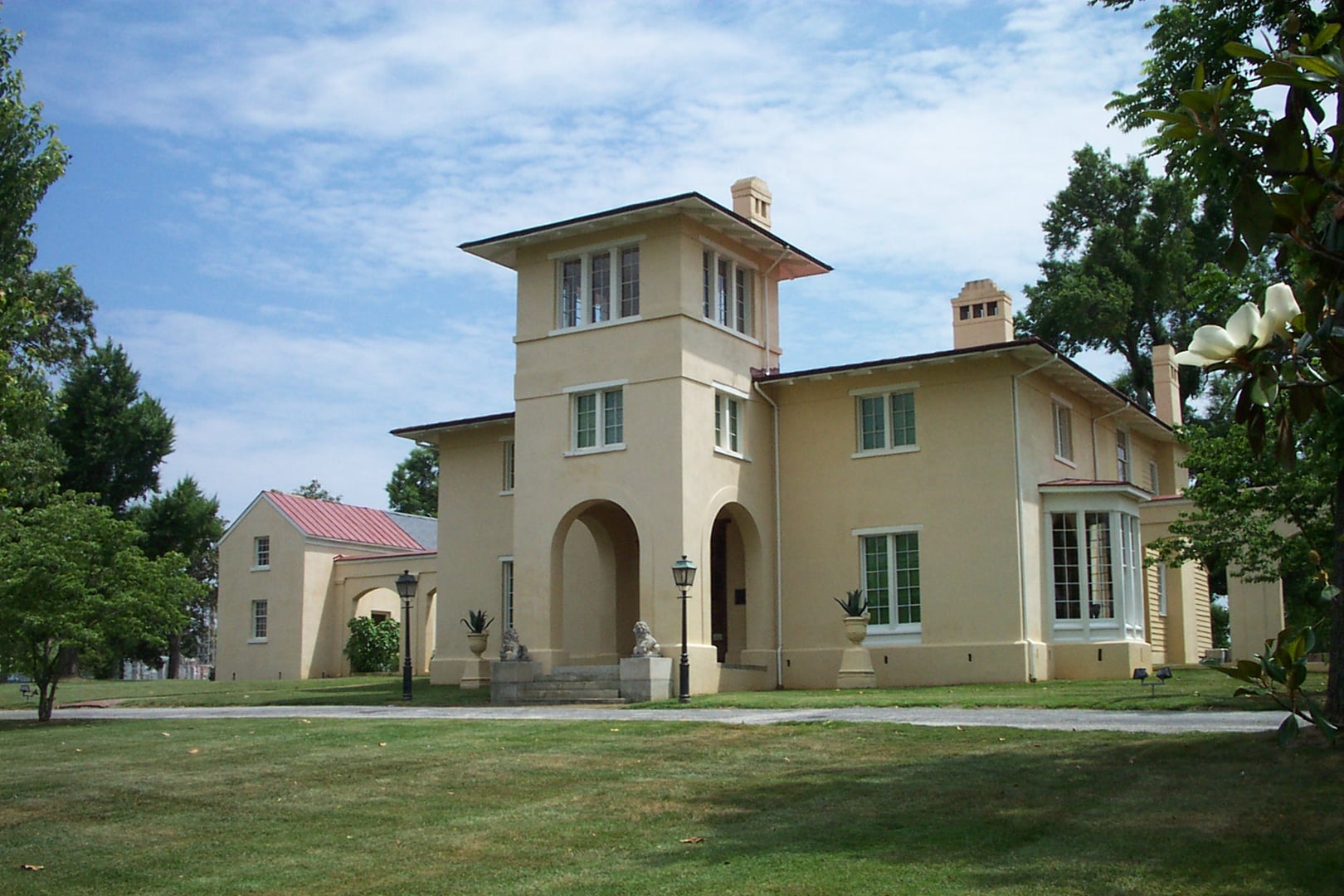
The house at 226 S Jackson Street was constructed around 1820 and acquired by Dr. Josephus Hall, who became one of the most consequential figures in Salisbury's Civil War history. Hall served as chief surgeon at the Salisbury Confederate Prison, a facility that earned a grim reputation for overcrowding and mortality. Opened in 1861 as a holding facility for Union officers, the prison expanded through the war years and by 1864 held upward of ten thousand prisoners under conditions that drew congressional scrutiny after the conflict.
When Union Gen. George Stoneman led his cavalry raid through the Carolina piedmont in the closing days of the war, his column reached Salisbury on April 12, 1865 — three days after Lee's surrender at Appomattox. Stoneman's men destroyed Confederate rail infrastructure and military supplies in the town, and the general selected the Hall House as his personal headquarters for the occupation. The building's documented role in two of the war's most significant episodes — the prison and the Stoneman raid — makes it one of the most historically layered residential properties in the region.
The American Battlefield Trust has documented the site's significance and its connection to the Stoneman raid corridor. Historic Salisbury Foundation, which now operates the property as a house museum, has worked to preserve the structure's antebellum character. Wikipedia notes the house's listing on the National Register of Historic Places. The Salisbury Post and WFAE public radio have both covered the property's place in local Civil War memory.
Sources
- https://www.battlefields.org/visit/heritage-sites/dr-josephus-w-hall-house
- https://en.wikipedia.org/wiki/Josephus_Hall_House
Orbs photographed among property treesCold spots inside historic roomsUnexplained sensations reported by visitors
The Hall House has circulated through Salisbury's paranormal community primarily through the Salisbury Ghost Walk, which makes it a regular stop on evening tours. WFAE public radio's 2022 coverage of the ghost tour named the Hall House specifically, with guides describing orb photographs captured among the trees on the property and visitor accounts of unexplained cold spots and sensations inside the historic rooms.
The Ghost Guild, which documents regional haunted locations, has a dedicated entry for the Hall House. Given that the building served as the residence of the Confederate prison's chief surgeon — a man who witnessed mass suffering and death at the camp — guides typically situate the paranormal reports within that context rather than attributing them to any specific named individual.
No formal overnight investigation program has been confirmed at the site. Access is through the museum during operating hours or via the Salisbury Ghost Walk after dark.
Notable Entities
Dr. Josephus Hall