Est. 1858 · California Gold Rush · Italianate Architecture · National Register of Historic Places · 19th-Century Indianapolis · Antebellum Architecture · Indianapolis History
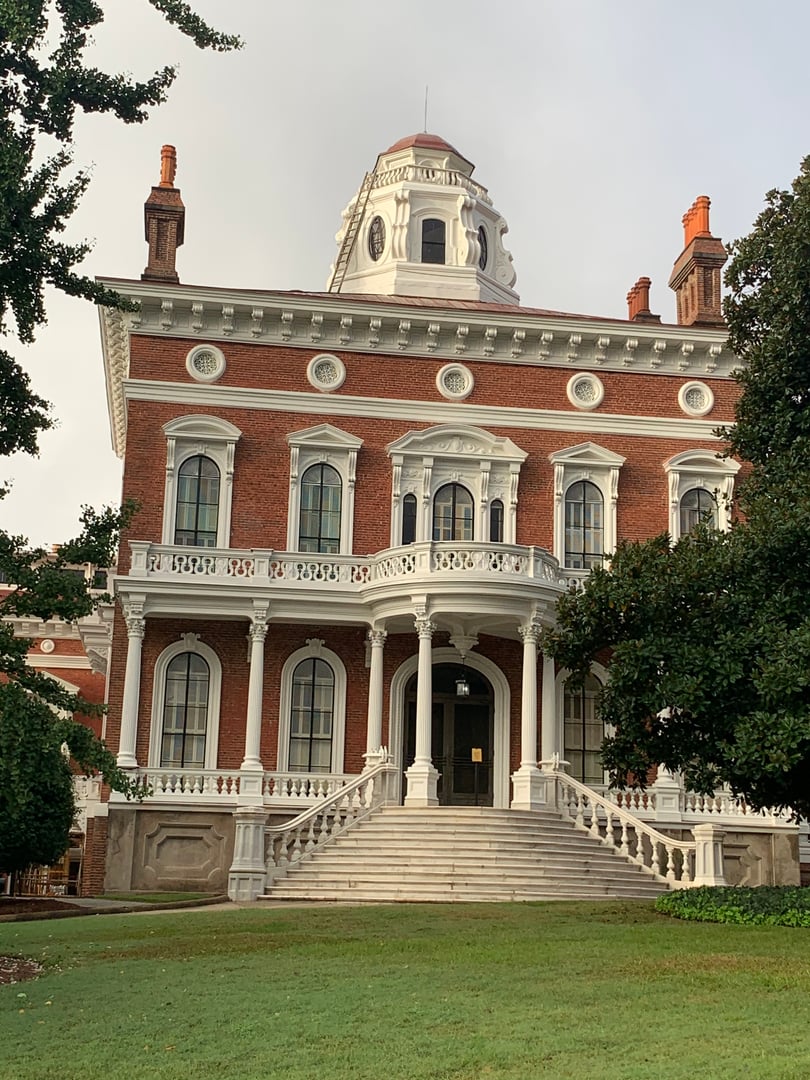
Alexander Moore Hannah was born in Wayne County, Indiana, and trained as a harness maker before joining the migration to California during the Gold Rush. He returned to Indiana with substantial capital and, in 1858, purchased either 240 or 300 acres, depending on the source, on what was then the rural south edge of Indianapolis from his father, Samuel Hannah. He built a three-story brick Italianate house on the property, with a center-hall plan, full basement, and outbuildings supporting a working farm.
Hannah also served in the Indiana General Assembly. In 1872 he married Elizabeth Jackson. The couple had no surviving children. Elizabeth died in 1888 and Alexander in 1895, and in 1899 the house was sold to Roman Oehler, whose family held it for decades in the 20th century. The Indianapolis Recorder and the Encyclopedia of Indianapolis both call the popular folklore connecting Hannah to the Underground Railroad an urban myth with no documentary evidence; it emerged in 20th-century retellings rather than from period sources.
The property is now operated as a historic site and event venue. The mansion is open for guided history tours on the first Sunday of each month, with private tours by appointment and overnight paranormal investigations available for groups. The house was added to the National Register of Historic Places in 1978.
Sources
- https://www.historichannahhouse.net/
- https://indyencyclopedia.org/hannah-house/
- https://indianapolisrecorder.com/history-slavery-and-hauntings-the-hannah-house-legacy/
- https://historicindianapolis.com/friday-favorites-haunted-hannah-house/
- https://hauntpedia.com/haunted-places/state/indiana/hannah-house-haunted-mansion-in-indianapolis-indiana/
Phantom footstepsPhantom voicesCold spotsObject movementLights flickeringEVPEquipment malfunction
Reports of activity at Hannah House began surfacing during the 1960s and 1970s, when the property was rented as a private residence. Tenants described unexplained noises overhead, lights and appliances cycling on without input, and small objects relocating between rooms. These accounts predate the house's current operation as a public site.
The basement is the most-cited area in current paranormal programming — the room is associated with the Underground Railroad story that the Indianapolis Recorder and the Encyclopedia of Indianapolis call an unsubstantiated urban myth. Investigators have reported cold spots, unaccountable footsteps, and recordings of voices on digital recorders. The first-floor parlor and the second-floor bedrooms are also frequently mentioned in trip reports posted by visiting groups; activity in upstairs rooms is sometimes described informally as a female presence, though no operator-published source identifies the figure by name.
The Indianapolis Recorder, in its profile of the property, treats the haunting reputation as a layered cultural artifact alongside the contested Underground Railroad folklore. The current operators schedule overnight investigations from 9 pm to 5 am with bring-your-own equipment, allowing groups of up to ten investigators to document their own experiences, and aggregating submitted findings into the property's archive.