Est. 1887 · Founded 1887 by Samuel Legerwood Patterson, first elected NC Agricultural Commissioner · National Register of Historic Places (2005) · Associated with the Patterson School for Boys legacy · Protected by covenant with Preservation North Carolina (2016)
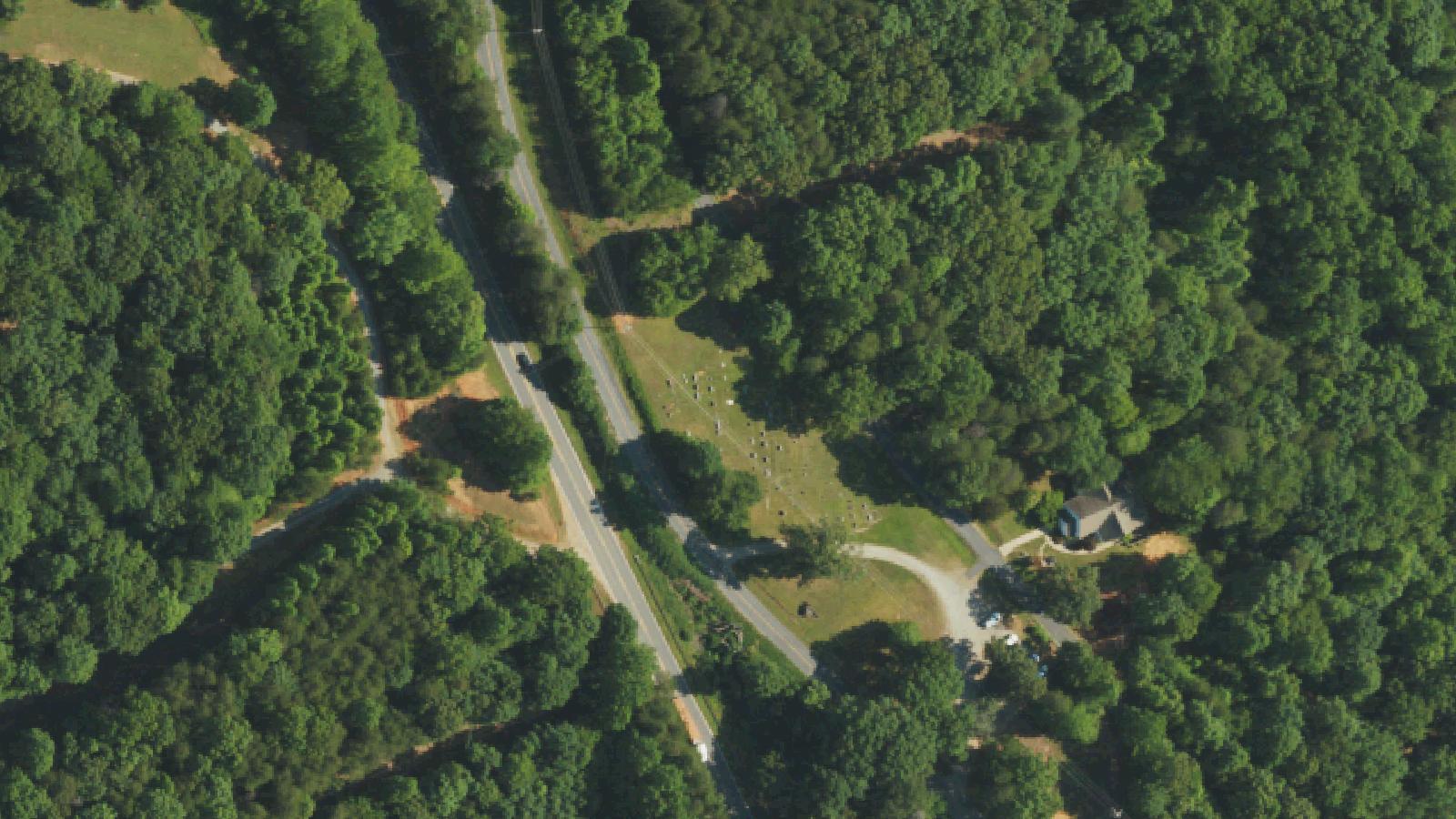
The Chapel of Rest sits on a grassy knoll overlooking the Yadkin River in Happy Valley, in the foothills of western North Carolina near Lenoir in Caldwell County. Samuel Legerwood Patterson — a figure of regional significance who served as the first elected North Carolina Agricultural Commissioner and as a state representative and senator — deeded the family cemetery plot and 1,400 adjacent acres to the Episcopal Diocese of Western North Carolina in 1887, simultaneously founding the chapel and what became the Patterson School for Boys.
The original 1887 structure burned to the ground in 1916 and was rebuilt under the supervision of Reverend Hugh A. Dobbin in 1917. The rebuilt chapel served the Patterson School for Sunday services and commencement exercises for decades. In 1922, a new chapel was constructed on the school campus, and the Chapel of Rest fell into gradual disrepair.
The Chapel of Rest Preservation Society was formed in 1984, acquiring the property and undertaking extensive restoration. A full restoration with modern amenities was completed in 2002. The chapel was placed on the National Register of Historic Places in 2005, and the Preservation Society secured a protective covenant with Preservation North Carolina in 2016. Though deconsecrated by the Episcopal Church, the chapel continues to host community Christmas Eve and Thanksgiving Eve services, occasional weddings, and concerts. It is open to the public during daylight hours.
Sources
- https://www.chapelofrest.org/history
- https://theclio.com/entry/48052
- https://caldwelljournal.com/chapel-of-rest-preservation-society-launches-annual-fund-drive/
- https://www.newstopicnews.com/archives/chapel-of-rest-celebrates-anniversary/article_a921752e-7699-5e6f-a4ba-bd079c9df14a.html
Alleged apparition of a swinging figure at night (uncorroborated)A Bible said to reveal the viewer's death (folklore only)
The Chapel of Rest carries a ghost legend widely circulated in Caldwell County lore and online communities. The story holds that in the early 1900s the chapel's minister discovered his wife had been unfaithful and died by suicide inside the chapel on a Saturday — with the congregation finding him the following Sunday morning. The legend claims visible evidence of the event remains on the floor and rafters, and that a Bible at the pulpit will reveal to visitors when and how they will die.
The legend has been independently documented by Carolinas Unknown — an established North Carolina paranormal-research organization that physically visited the Chapel of Rest. Their investigators found a reddish-brown stain near the front pew but observed freshly painted rafters with no rope marks, and no Bible was present in the chapel at all, leading them to conclude the Bible element is a later embellishment. Despite their skeptical on-site findings, Carolinas Unknown confirms the legend is actively circulated among regional paranormal enthusiasts and local residents.
The Clio heritage database, which covers the Chapel of Rest as a legitimate historical landmark, states directly that 'there is no archived evidence that a pastor took his own life in The Chapel of Rest, but the story still lives on.' The Happy Valley area community has independently circulated the legend in local forums. No local newspaper archive, historical society documentation, Episcopal Diocese record, or Patterson family history corroborates the specific claim of a suicide at the chapel. The legend is documented here as local folklore, not as historical fact.
Visitors to the chapel should be aware it is a preserved historic site maintained by the Preservation Society, and should treat it with appropriate respect. The suicide tradition should be framed as unverified local legend.
Media Appearances
- Carolinas Unknown paranormal research — Chapel of Rest field investigation
- Clio heritage database — Chapel of Rest entry (notes the legend lives on despite no archival evidence)
Where this legend is told