Est. 1861 · Civil War Battlefield · National Historic Landmark · North Carolina State Historic Site · American Battlefield Trust Site
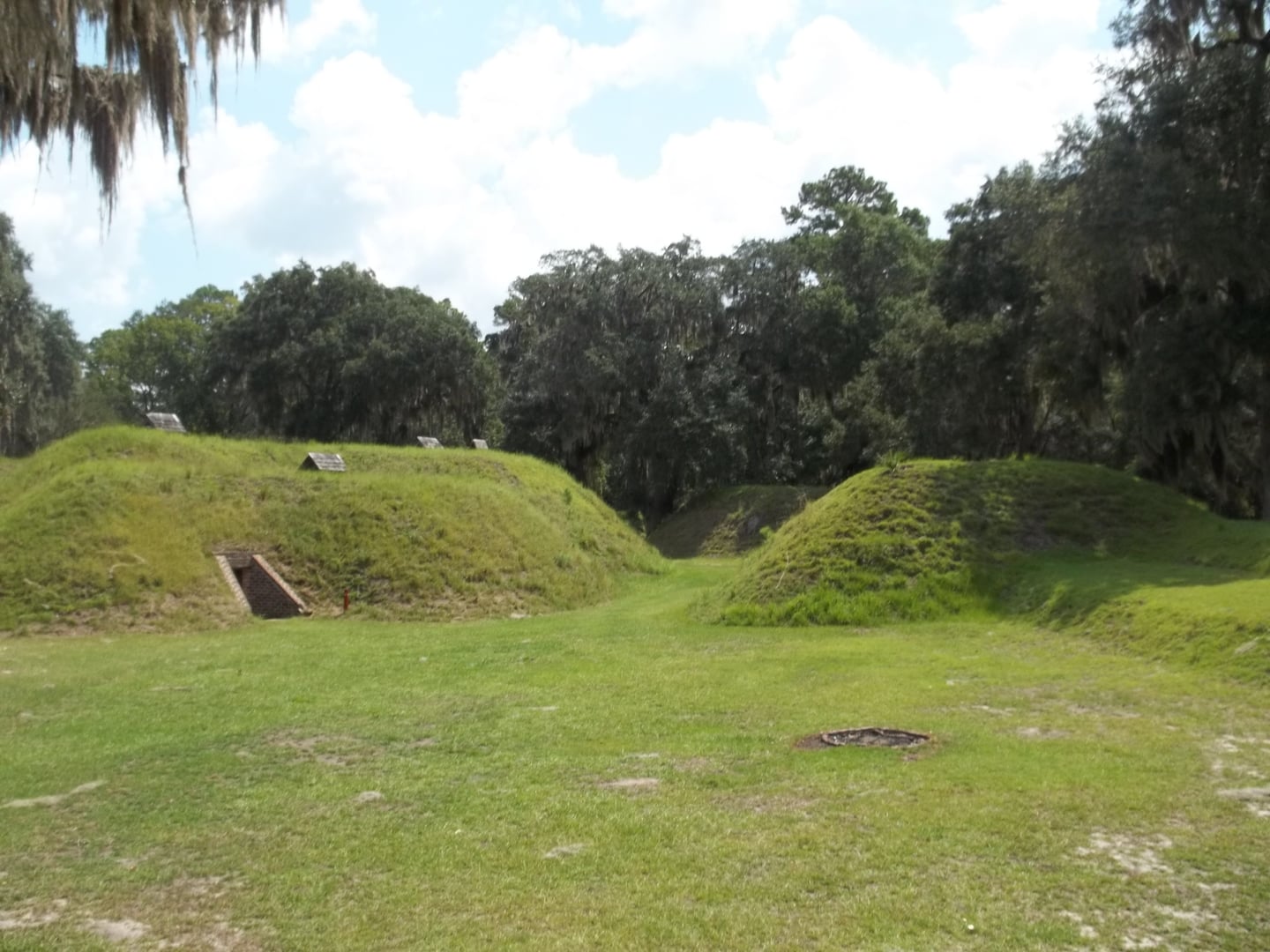
Construction of Fort Fisher began in spring 1861 to defend the New Inlet entrance to the Cape Fear River, the principal access to the Confederate port of Wilmington. Colonel William Lamb, who took command in 1862, directed an expansion that ultimately produced the largest earthen fortification in the world: a sea face and a land face running for over a mile, mounting heavy artillery, and protected by massive sand traverses.
Wilmington's port handled most of the Confederacy's blockade-running trade in the second half of the war. As long as Fort Fisher stood, Wilmington remained open, and the Confederate armies operating in Virginia and North Carolina continued to receive supplies through the Cape Fear River. The Union recognized closing this port as a strategic priority.
The first Union assault, December 24-25, 1864, failed. A second assault on January 13-15, 1865, succeeded after extensive naval bombardment and the largest amphibious operation undertaken by the U.S. armed forces to that point. The land battle lasted six hours. Within a month Wilmington fell, and the Confederate logistical lifeline was severed. Many historians regard the fall of Fort Fisher as the practical end of Confederate resistance.
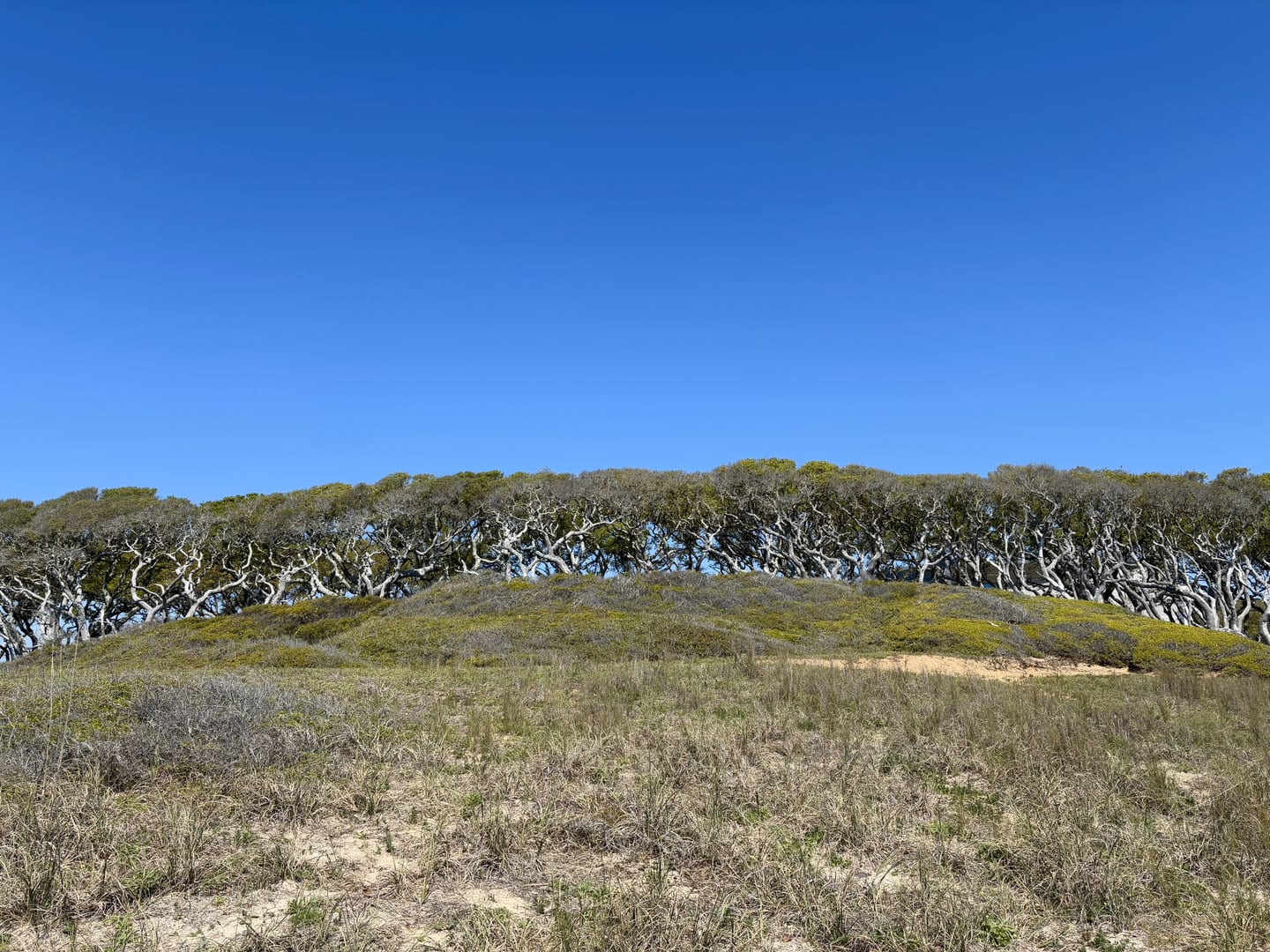
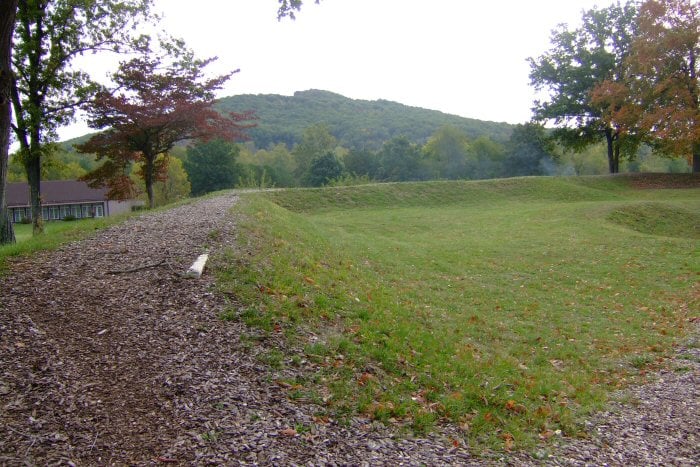
North Carolina leased 189 acres of federal land in 1958 and developed Fort Fisher as a state historic site beginning in 1960. Coastal erosion has destroyed substantial portions of the original fort, particularly the sea face, but the surviving land face and the central mound are well preserved and interpreted.
Sources
- https://en.wikipedia.org/wiki/Fort_Fisher
- https://historicsites.nc.gov/all-sites/fort-fisher/history
- https://www.ncpedia.org/fort-fisher
- https://www.battlefields.org/visit/heritage-sites/fort-fisher-state-historic-site
ApparitionsPhantom soundsCold spotsResidual haunting
General William H.C. Whiting was the senior Confederate commander at Fort Fisher during the January 1865 assault. He was wounded during the close fighting on the land face and captured; he died of his wounds in a Union hospital in March 1865. Civil War-era folklore in southeastern North Carolina has long held that Whiting's presence remains at Fort Fisher.
Visitor and reenactor accounts gathered in regional Civil War forums and tourism literature describe distant gunfire, voices in the breeze, and the sense of being watched along the surviving land-face earthworks. The site is largely open ground exposed to ocean wind, which makes attribution of unusual sounds inherently uncertain.
North Carolina Historic Sites does not promote paranormal narratives; the interpretive frame remains the battle's strategic significance and the lived experience of soldiers on both sides. Visitors interested in the paranormal dimension should treat the lore as folkloric overlay on a well-documented engagement.
Notable Entities
General William Whiting