Est. 1861 · Civil War Battlefield · Georgia State Park · Sherman's March to the Sea · Best-Preserved Confederate Earthwork
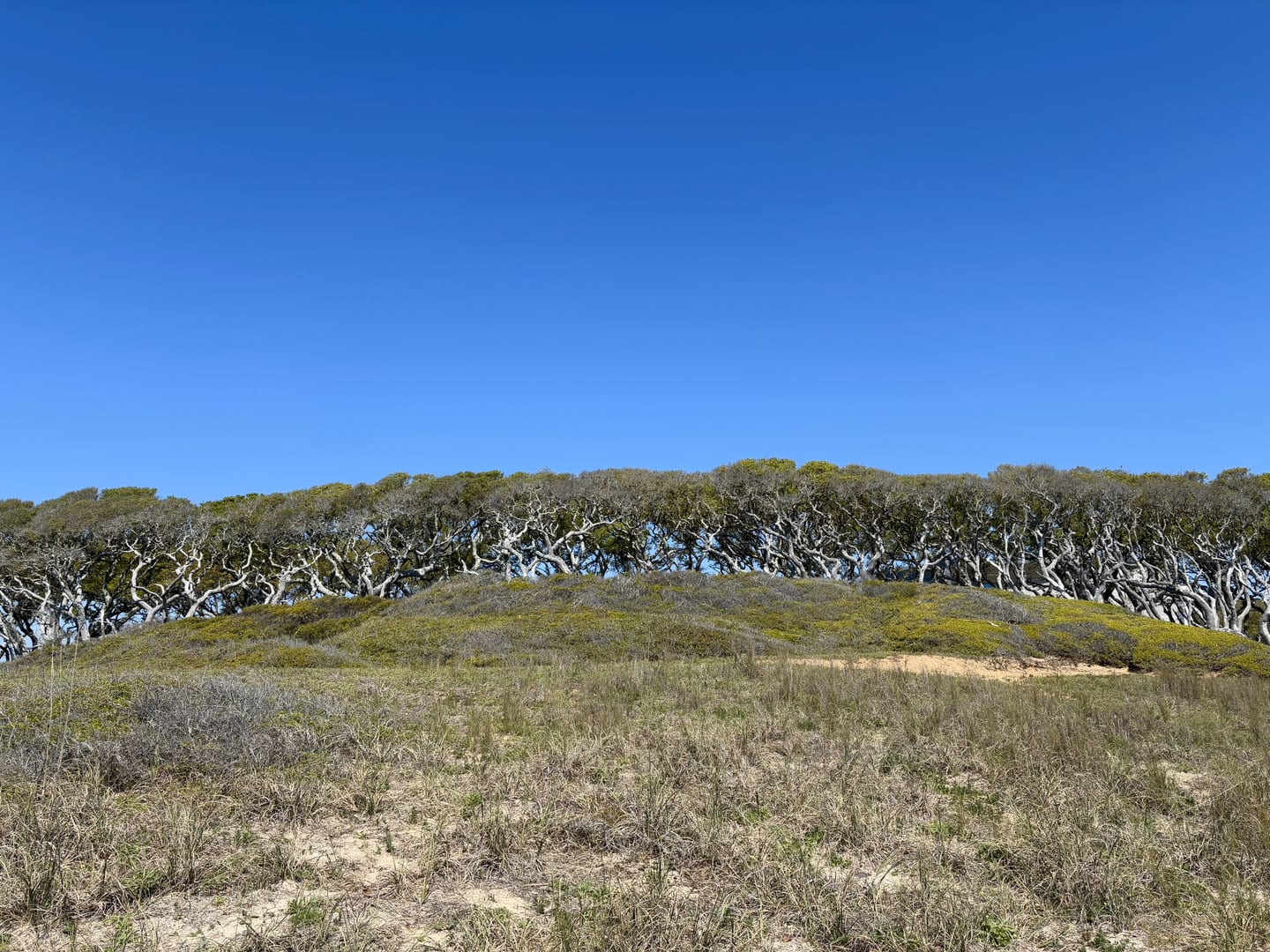
Confederate forces began construction of Fort McAllister in 1861 on the Ogeechee River south of Savannah. The Dekalb Rifles led initial construction, producing one of the most successful examples of mid-nineteenth-century earthwork engineering. The fort defended the southern approach to Savannah and protected the rail bridge over the Ogeechee.
Fort McAllister survived seven separate Union naval attacks by ironclad warships between 1862 and 1863. The earthwork construction proved superior to masonry forts of the same era in absorbing shell impact, and the fort never surrendered to naval bombardment. The lessons drawn from these engagements influenced subsequent U.S. Army doctrine on earthwork versus masonry coastal defense.
On December 13, 1864, Major General William J. Hardee's Confederate command faced General William Tecumseh Sherman's arrival at the Atlantic after the March to the Sea. Sherman needed Fort McAllister to open contact with the Union navy and resupply his army. Brigadier General William B. Hazen led an infantry assault that took the fort in approximately fifteen minutes. The capture opened Savannah to Sherman's force; the city fell on December 21, 1864.
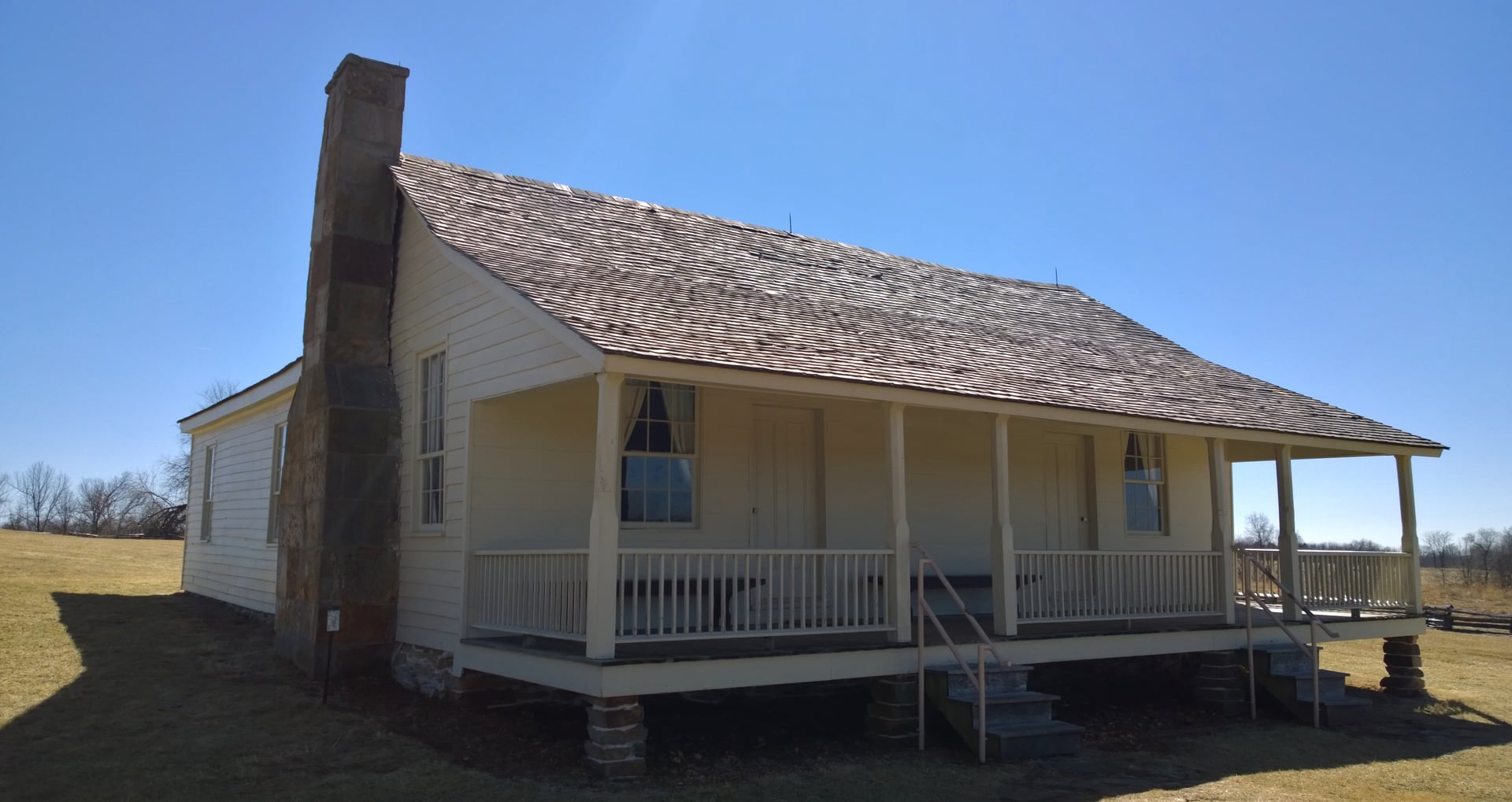
After the war, the fort was used briefly as a prison camp for captured Confederate soldiers and then abandoned. Henry Ford acquired the property in the 1930s and funded preservation work. The state of Georgia acquired the site in the 1950s and opened Fort McAllister Historic State Park, which now combines battlefield interpretation with extensive natural-area programming on the Ogeechee River.
Sources
- https://en.wikipedia.org/wiki/Fort_McAllister_Historic_State_Park
- https://gastateparks.org/FortMcAllister
- https://www.battlefields.org/visit/heritage-sites/fort-mcallister-state-historic-park
ApparitionsPhantom soundsPhantom voicesCold spotsDisembodied screaming
Major John B. Gallie was killed at Fort McAllister on February 1, 1863, during one of the Union naval bombardments. According to period records, he was struck in the head by shell fragments while commanding the fort's batteries. The brutal manner of his death anchors the most-cited paranormal narrative associated with the site.
Savannah-area ghost-tour literature describes an apparition of a headless soldier appearing near the cannon position associated with Gallie's death, often accompanied by sudden cold. Reenactors and overnight campers in the park have reported phantom sounds described as mortar fire, shouted military commands, and the cries of wounded men. The December 1864 assault inflicted significant Confederate casualties in a very short span of time, and the dense concentration of trauma at the site is the most-cited explanation in regional paranormal literature.
Georgia State Parks does not heavily program around the haunting tradition, and the interpretive frame is the documented Civil War record. Visitors interested in the paranormal dimension should treat the lore as folkloric overlay; visitors interested in the battle should take the time for a careful self-guided tour of the earthworks, which remain extraordinarily well preserved.
Notable Entities
Major John B. Gallie