Est. 1883 · Psychiatric Institution History · Patient Rights and Institutional Reform · Cemetery Preservation
The Western North Carolina Insane Asylum was chartered in 1875 and began receiving patients in 1883, constructed on a campus outside Morganton. It was later renamed the Broughton Hospital, and it continues to operate today as a state psychiatric facility — one of the oldest continuously operating psychiatric hospitals in the Southeast.
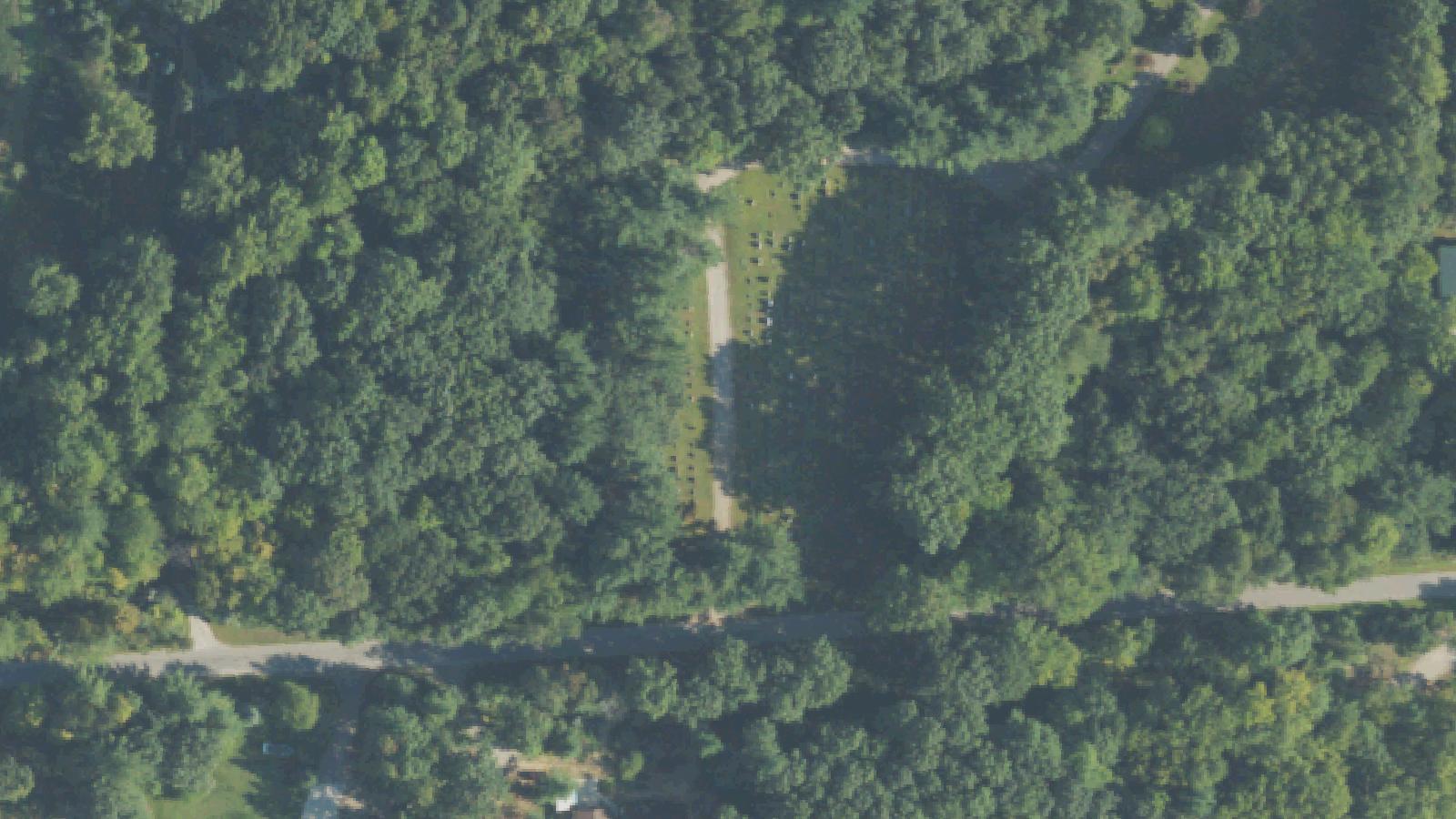
The hospital's patient cemetery reflects more than a century of institutional burial practices. Hundreds of individuals who died in the care of the asylum and its successor institutions are interred on the grounds, many identified only by numbered metal markers rather than named headstones. This practice of anonymous burial was common across American state institutions well into the twentieth century.
Like many state psychiatric hospitals of its era, Broughton implemented procedures that later became ethically contested, including insulin shock therapy and other interventions that were standard psychiatric practice at various points in the twentieth century. The institution's history is part of a broader national reckoning with the treatment of people in involuntary state psychiatric care.
The cemetery remains an active and solemn part of the hospital grounds. In recent decades, some patient advocates and descendants have worked to restore named markers to previously anonymous graves at similar institutions across the country, a movement that has gained momentum in North Carolina and nationally.
Sources
- https://en.wikipedia.org/wiki/Broughton_Hospital
- https://horrorobsessive.com/2021/10/01/haunted-broughton-tales-from-the-graveyard-shift/
- https://828newsnow.com/news/tombstone-tales-broughton-hospital-cemetery/
Disembodied soundsChain-rattlingShadowy figuresUnexplained voices
Paranormal accounts connected to the Broughton Hospital grounds — particularly the area around the patient cemetery — have circulated among staff for decades. A 2021 documented account from the Horror Obsessive described night-shift workers encountering sounds they could not explain, including what some described as rattling chains and voices in areas that should have been empty.
The cemetery's history of anonymous burial and the institution's lengthy operational period have made it a focus for those drawn to places where grief and institutional power intersected. Some accounts describe shadowy figures seen near the grave markers. The hospital is still operational, which means the site holds a particular tension: it is simultaneously a functioning medical facility and a place where the consequences of over a century of psychiatric history are literally interred in the ground.
No formal paranormal tours operate at Broughton, and the hospital grounds remain under institutional control. Accounts appear primarily in staff oral history and regional horror-interest publications rather than in documented investigative records.