Self-Guided Visit
Self-guided churchyard visit
Walk the churchyard during daylight. The parish publishes a 'Calvary Churchyard' history page outlining notable burials and the history of the grounds.
- Duration:
- 45 min
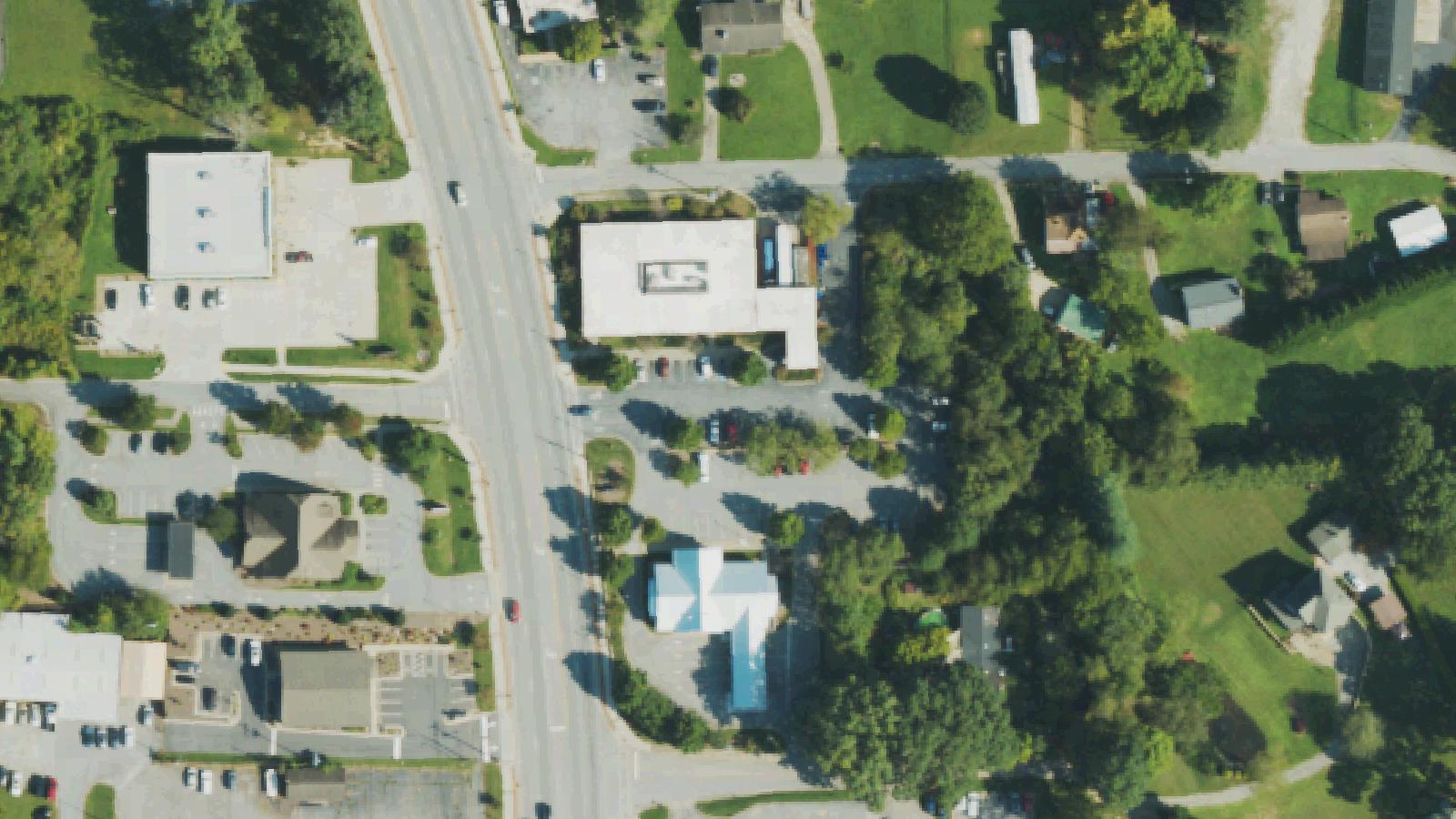 Aerial survey · USDA NAIP · public domain
Henderson County's historic Episcopal churchyard organized in 1857 and consecrated in 1859 — burial place of town namesake Dr. George W. Fletcher, with 19th- and 20th-century Civil War-era folklore the parish itself presents as folklore.
2840 Hendersonville Road, Fletcher, NC 28732
Research updated May 2026
Age
All Ages
Cost
Free
Active parish churchyard — open to respectful visitors during daylight hours.
Access
Limited Access
Grass and gravel paths through a historic churchyard; uneven terrain between older markers.
Equipment
Photos OK
Est. 1859 · Episcopal parish organized 1857, building consecrated August 21, 1859 · Founded by Daniel and Helen Craig Blake of the Fletcher-area stagecoach inn · Burial place of town namesake Dr. George W. Fletcher · Documented Civil War-era memorial on the grounds (UNC Commemorative Landscapes)
Calvary Episcopal Church traces its founding to 1857, when Daniel and Helen Craig Blake — operators of a Hendersonville Road stagecoach inn and way station — gathered neighbors in their home, donated the land, and led the campaign to build a parish church. Construction was completed in 1859, and the building was consecrated on August 21, 1859, by Bishop Atkinson of the diocese of North Carolina. A historical-sketch booklet documenting the parish history was compiled in 1959 for the church's centennial.
The churchyard became a place of burial during the mid-19th century; the oldest extant marker dates to the late 1860s, though parish history records that many unmarked graves in the Old Section are likely older. The churchyard is the resting place of generations of Henderson County families — most notably Dr. George Washington Fletcher, the physician for whom the town of Fletcher is named.
The parish maintains a self-published churchyard page documenting the grounds, the listing of notable burials, and the folklore associated with them. The University of North Carolina's 'Commemorative Landscapes' database also catalogs a memorial on the property tied to Civil War service. The church and churchyard remain active today.
Sources
According to 828 News NOW's Strangeville feature, the Haunted Places directory, and the parish's own churchyard page, three pieces of folklore have circulated about Calvary's grounds for more than a century.
The oldest is a headless-rider story tied to a Civil War-era sentry-and-spy decapitation incident. The story is recorded in the 1959 historical-sketch booklet compiled for the church's centennial, which makes it one of the few mountain ghost stories with a written-archive anchor predating the modern haunted-tour era.
The second is a 'woman in white' said to appear to lost children in the surrounding woods and guide them safely back to the road. This is presented as protective folklore — a comforting figure rather than a frightening one.
The third is a phantom horsewoman, traditionally identified in local folklore as a Civil War widow who vowed revenge before her own death. The parish presents this story carefully — as one of several pieces of community lore inherited along with the church, not as parish doctrine or documented fact.
This is one of the rare cases where the venue itself has published a respectful, plain-folklore framing of its ghost stories rather than leaving them entirely to tour operators.
Notable Entities
Walk the churchyard during daylight. The parish publishes a 'Calvary Churchyard' history page outlining notable burials and the history of the grounds.
Some links on this page may earn HauntBound a small commission when you book, at no extra cost to you. Our editorial picks are independent. Full disclosure
Every HauntBound history is researched from documented sources. We clearly separate verified historical fact from paranormal folklore.
Free Guide
10 verified stops, rated for families, mapped in order. Free.
One email to confirm, then the guide link. Unsubscribe anytime.
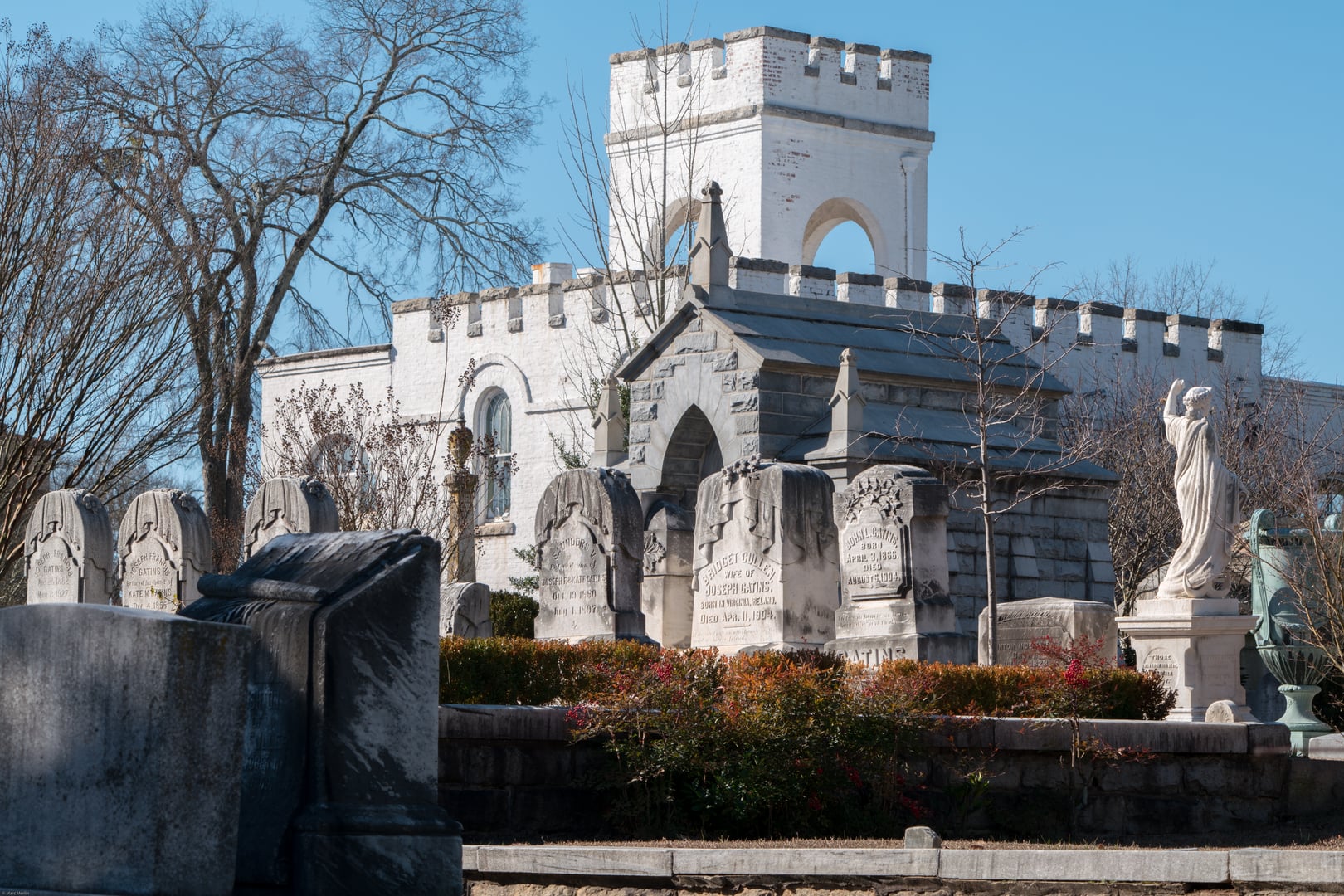
Atlanta, GA
Historic Oakland Cemetery was chartered in 1850 as the six-acre 'Atlanta Cemetery,' renamed Oakland in 1872, and expanded to 48 acres. Approximately 70,000 people are interred, including roughly 6,900 Confederate soldiers (3,000 unidentified), four Confederate generals, six Georgia governors, 27 Atlanta mayors, Margaret Mitchell, golfer Bobby Jones, and Maynard Jackson, Atlanta's first African American mayor. The cemetery was listed on the National Register of Historic Places on April 28, 1976.
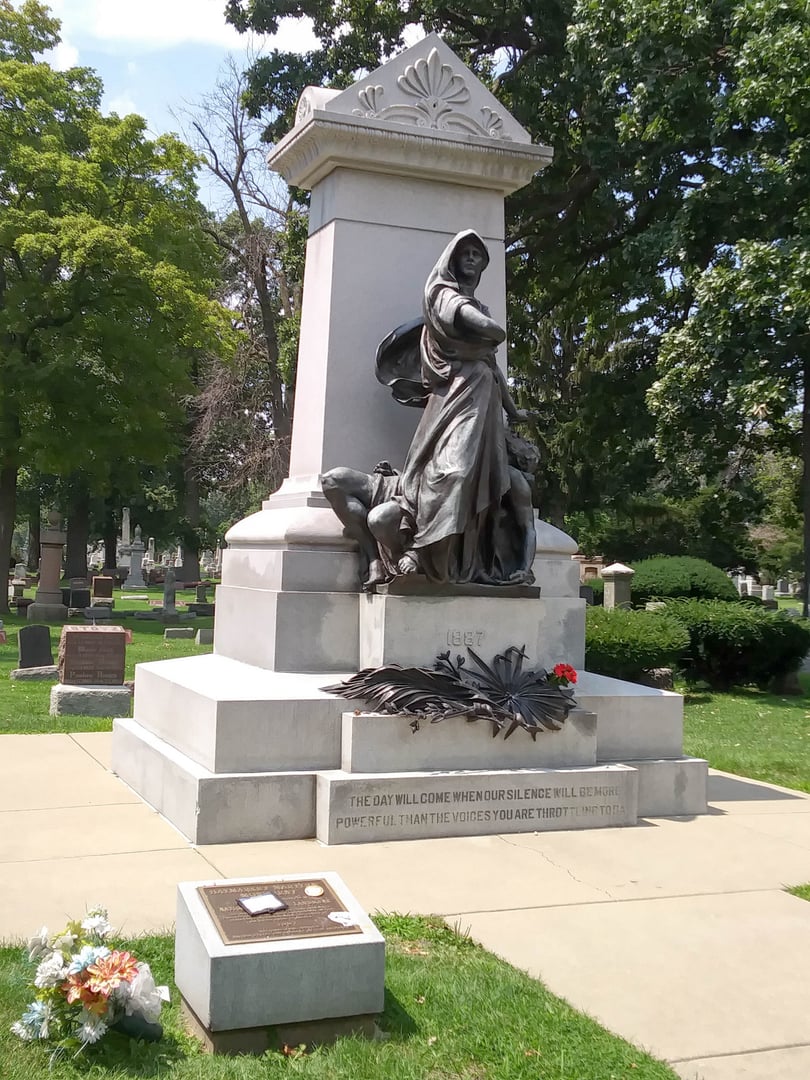
Forest Park, IL
Forest Home Cemetery in Forest Park, Illinois, grew from two adjacent cemeteries — German Waldheim (established 1873) and Forest Home (1876) — which merged in February 1969. The 220-acre site was chosen as a non-denominational burial ground, a policy that made it the only Chicago-area cemetery willing to accept the bodies of the Haymarket defendants in 1887.
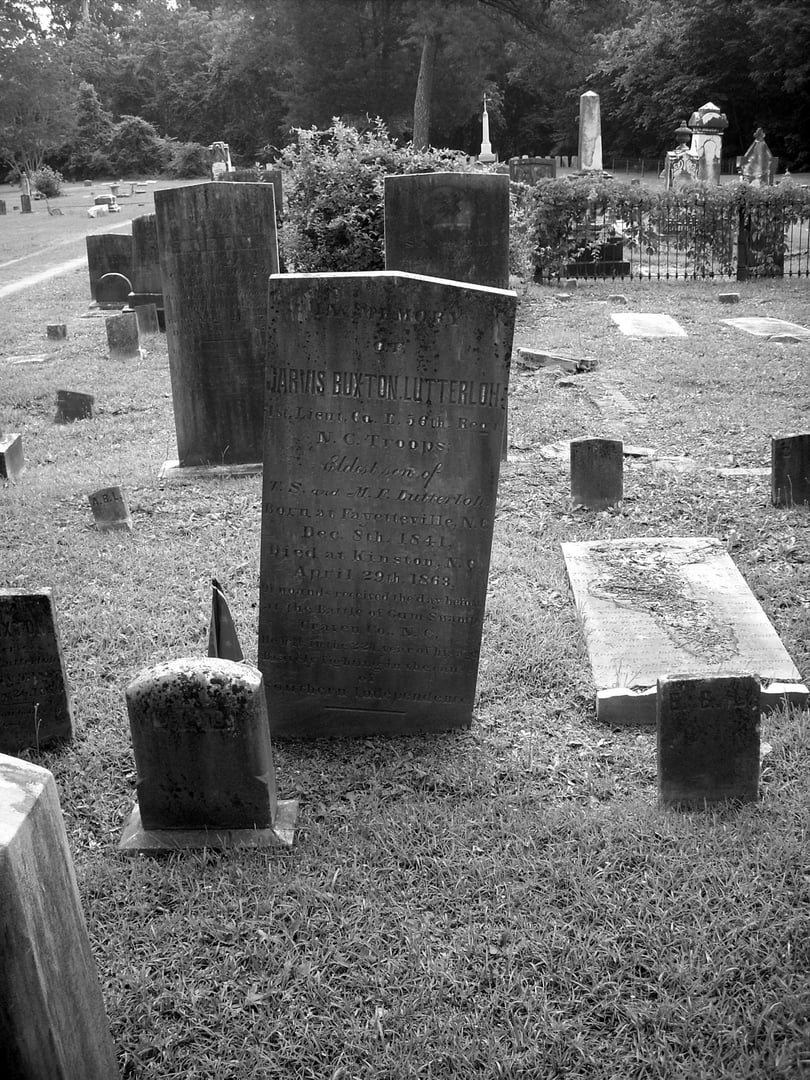
Fayetteville, NC
Cross Creek Cemetery was established in 1785, making it the oldest cemetery in Fayetteville and one of the oldest in Cumberland County. Organized into sections for white, free Black, and Hebrew burials, it contains approximately 1,170 gravemarkers dating from 1786 and was listed on the National Register of Historic Places in 1998.