Est. 1873 · Haymarket Martyrs Monument (National Historic Landmark) · Labor Movement Pilgrimage Site · Iroquois Theatre Fire Victims · Eastland Disaster Victims · Belle Gunness Disputed Burial
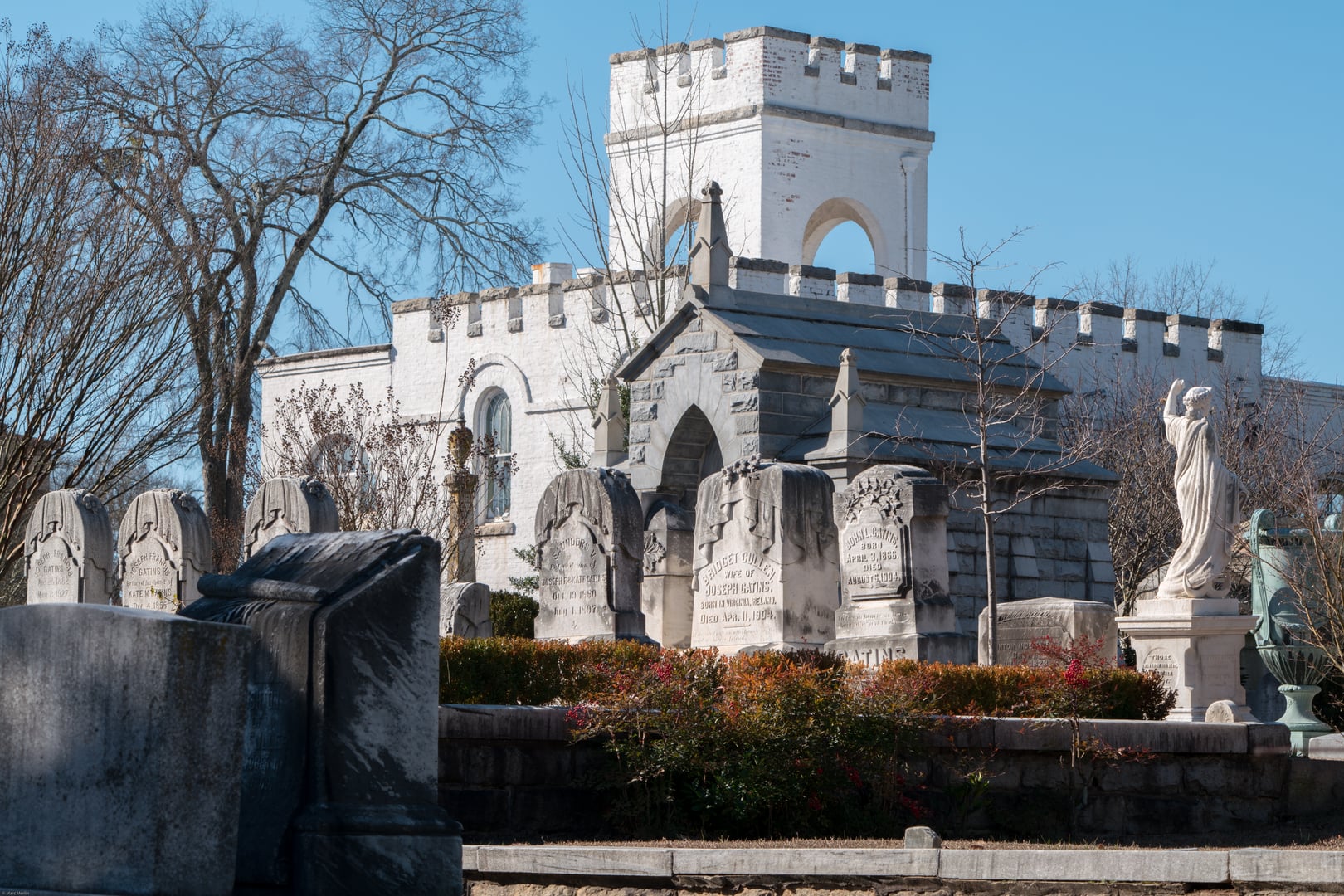
German Waldheim Cemetery was founded in 1873 on land that had previously served as a Potawatomi village and burial ground. Its founders established it without religious affiliation, permitting the burial of Freemasons, Roma, German-speaking immigrants, and anyone rejected by denominational cemeteries. Forest Home Cemetery was established on an adjacent tract in 1876 under similar non-sectarian principles. The two cemeteries merged on February 28, 1969, and operate as Forest Home Cemetery today.
The site's national significance begins with the Haymarket Affair. On May 4, 1886, a bomb thrown at police during a labor demonstration in Haymarket Square killed seven officers and several workers. Eight anarchist labor organizers were tried and convicted despite disputed evidence. Seven were sentenced to death; four were hanged on November 11, 1887, one died by suicide in his cell the night before, and two had their sentences commuted. Forest Home was the only cemetery that agreed to accept the remains of the condemned men. The Haymarket Martyrs Monument, sculpted by Albert Weinert and dedicated in 1893, marks their graves and was designated a National Historic Landmark in 1997. The site became a regular pilgrimage destination for labor organizers, anarchists, and union members; Emma Goldman specifically requested burial near the monument and was interred here in 1940.
The cemetery also holds victims of two mass-casualty events in Chicago history: the Iroquois Theatre fire of December 30, 1903, which killed at least 602 people in a single afternoon, and the Eastland disaster of July 24, 1915, when the passenger steamer Eastland capsized in the Chicago River killing 844 people — the deadliest single-vessel disaster in Great Lakes history.
The disputed grave of Belle Gunness — a Norwegian-American serial killer believed to have murdered at least a dozen men who answered her lonely-hearts advertisements — was established at Forest Home after a headless female body was found in the ruins of her LaPorte, Indiana farmhouse fire in April 1908. Many investigators believed the body was a planted victim and that Gunness had escaped. On November 5, 2007, forensic anthropologists from the University of Indianapolis exhumed the grave with permission from descendants of Gunness's sister. DNA testing proved inconclusive — the envelope DNA was too degraded — and the casket was found to contain skeletal remains of two unidentified children, deepening rather than resolving the mystery of the headless body's identity.
Sources
- https://en.wikipedia.org/wiki/Forest_Home_Cemetery_(Forest_Park)
- https://www.forestparkreview.com/2018/10/30/a-dark-tourists-guide-to-forest-park/
- https://mysteriouschicago.com/belle-gunness-update/
ApparitionsResidual hauntingUnidentified female figure
The Belle Gunness grave is the most-visited dark attraction at Forest Home and the source of its most documented unusual history. Gunness was believed to have killed at least a dozen men she lured to her Indiana farm through lonely-hearts newspaper advertisements; investigators estimated as many as 40 victims. After the 1908 farmhouse fire, a headless female body identified as Gunness was buried at Forest Home, though many law enforcement officials at the time suspected she had staged her own death. The November 2007 exhumation did not close the question: the casket held the skeletal remains of two children whose identities were never established, and the DNA from a sealed envelope Gunness had sent was too degraded to produce results. No one is certain who is buried in her grave.
The second principal legend is the Flapper Ghost, a brunette woman in 1920s dress who has been reported in the cemetery since the 1930s. Accounts describe her dancing at nearby establishments before asking for a ride home — giving the caretaker's house address at the cemetery — and then running toward the tombstones upon arrival. A 1973 account describes a Jewish family visiting a grave who reported seeing a young woman in period dress walking toward a crypt and disappearing. Her identity has never been established and no contemporary records connect a specific death to the figure.
Sightings of Belle Gunness's spirit near the cemetery are reported in regional ghost literature, attributed to the unresolved question of her death and burial. The cemetery does not acknowledge either the Gunness mystery or the Flapper Ghost in its official materials, though the local Forest Park press has reported on both for decades.
Notable Entities
Flapper Ghost (unidentified woman, 1920s dress)Belle Gunness (disputed burial)