Est. 1858 · Chicago's original City Cemetery · Oldest structure surviving the Great Chicago Fire · Architecture by John M. Van Osdel
Chicago established its City Cemetery on the sandy lakefront terrain that would later become Lincoln Park sometime around 1843, when the city was barely a decade old. The cemetery served the growing population until 1866, when the city decided to close it and develop the land for public recreation. The relocation project moved an estimated 35,000 bodies to cemeteries elsewhere in the region — Graceland, Rosehill, and others. What the city did not move, or could not locate, has been estimated at roughly 6,000 bodies still in the ground beneath the park.
The Couch Mausoleum predates the relocation by about eight years. Ira Couch was a prominent Chicago hotelier who died in Cuba in January 1857 at age 50. His family hired John M. Van Osdel, the city's first professional architect, to design a family vault in the City Cemetery. The structure was built in 1858 at a reported cost of $7,000 — a substantial sum — and required eight horses to set the capstone in place, according to an 1858 Chicago Tribune account.
When the city cleared the cemetery, the Couch family fought removal of the tomb, and the mausoleum stayed. Three explanations have circulated: that the family's political connections secured an exemption; that the cost of moving the 50-ton structure was prohibitive; or that city officials simply left it as a 'not uninteresting reminder' of the park's history. No documentary evidence of a court order has been located.
The sealed vault's interior remains unknown. The blank marble plaques visible on the exterior were intended for names that were never inscribed. Estimates of the number interred range from one (only Ira Couch) to thirteen. Nobody has gone inside since the structure was sealed, and the Chicago Park District lists it as an artwork rather than an active burial site. It is the oldest above-ground structure to survive the Great Chicago Fire of 1871.
Sources
- https://www.atlasobscura.com/places/couch-tomb
- https://www.wbez.org/stories/whats-that-building-the-couch-tomb-in-chicagos-lincoln-park/315a6981-49e8-45c0-bbc8-39065588b1ac
- https://www.cbsnews.com/chicago/news/chicago-hauntings-the-mysteries-of-the-couch-mausoleum-in-lincoln-park-and-who-if-anyone-is-entombed-there/
- https://www.chicagoparkdistrict.com/parks-facilities/couch-tomb-artwork
Cold spotsOppressive atmosphere
The Couch Mausoleum's paranormal reputation rests less on dramatic apparition accounts than on a genuine historical mystery: the sealed vault with blank plaques, an unknown number of occupants, and a park that was built over thousands of bodies that were never recovered. That combination is enough for most ghost tour itineraries that include the site.
CBS Chicago's investigation noted that paranormal reports near the tomb tend toward cold spots and an oppressive atmosphere, described by visitors who are sometimes unaware of the cemetery's history before arriving. The accounts are diffuse rather than specific — no named apparitions, no documented interaction with a recognizable figure.
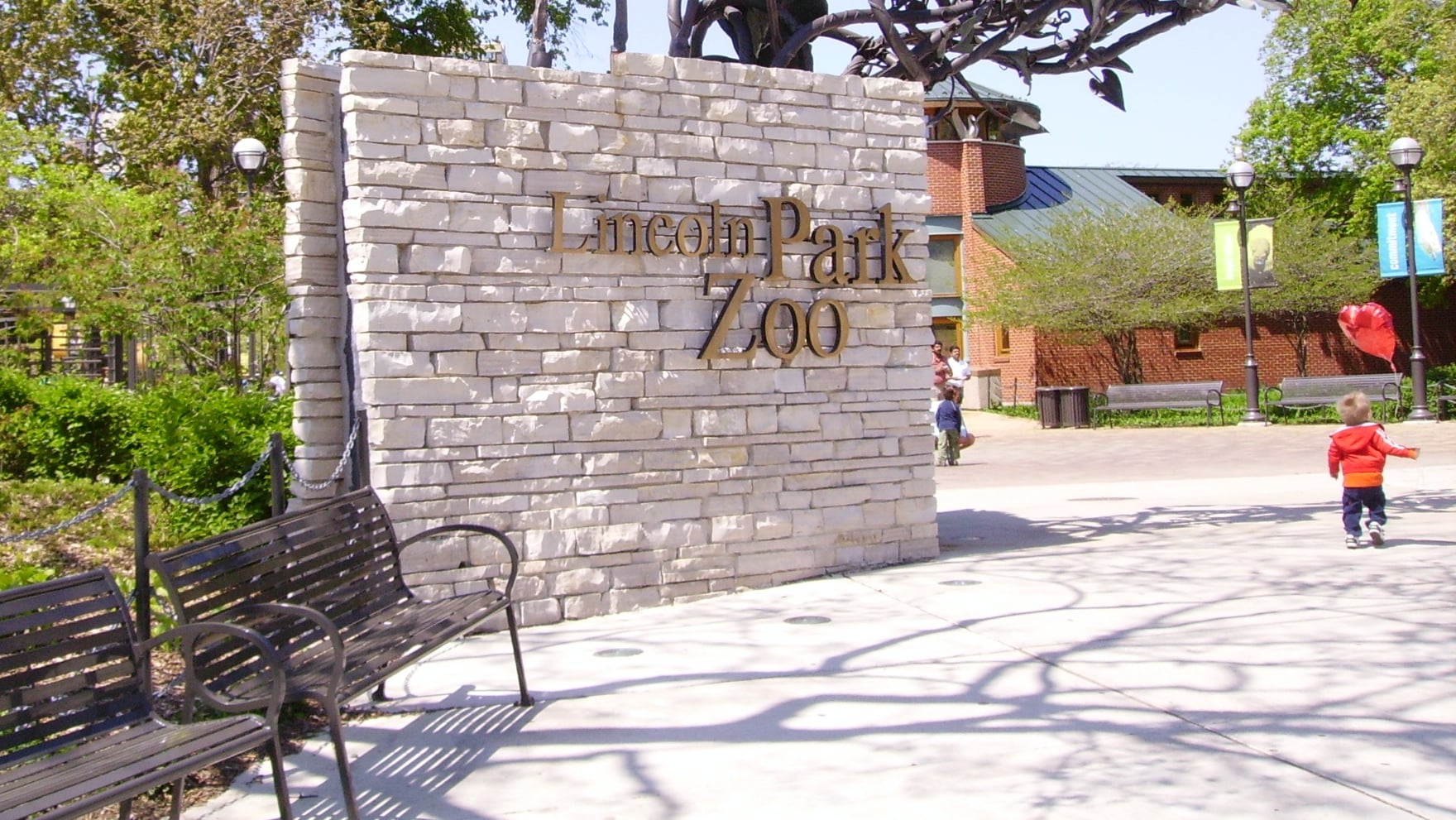
The deeper unsettling element is the ground itself. The city's own historical records confirm that the relocation of the City Cemetery was incomplete, and an estimated 6,000 bodies remain under the park's grass. Lincoln Park Zoo, the Theater on the Lake, and the Chicago History Museum all sit on former burial ground. Occasionally, construction or maintenance work in the park uncovers human remains — a fact that anchors the ghost-tour narrative in something verifiable.
Notable Entities
Ira Couch (possibly interred)
Where this legend is told