Est. 1910 · Pisgah National Forest · USGS Investigation · Appalachian Wilderness · Brown Mountain Lights
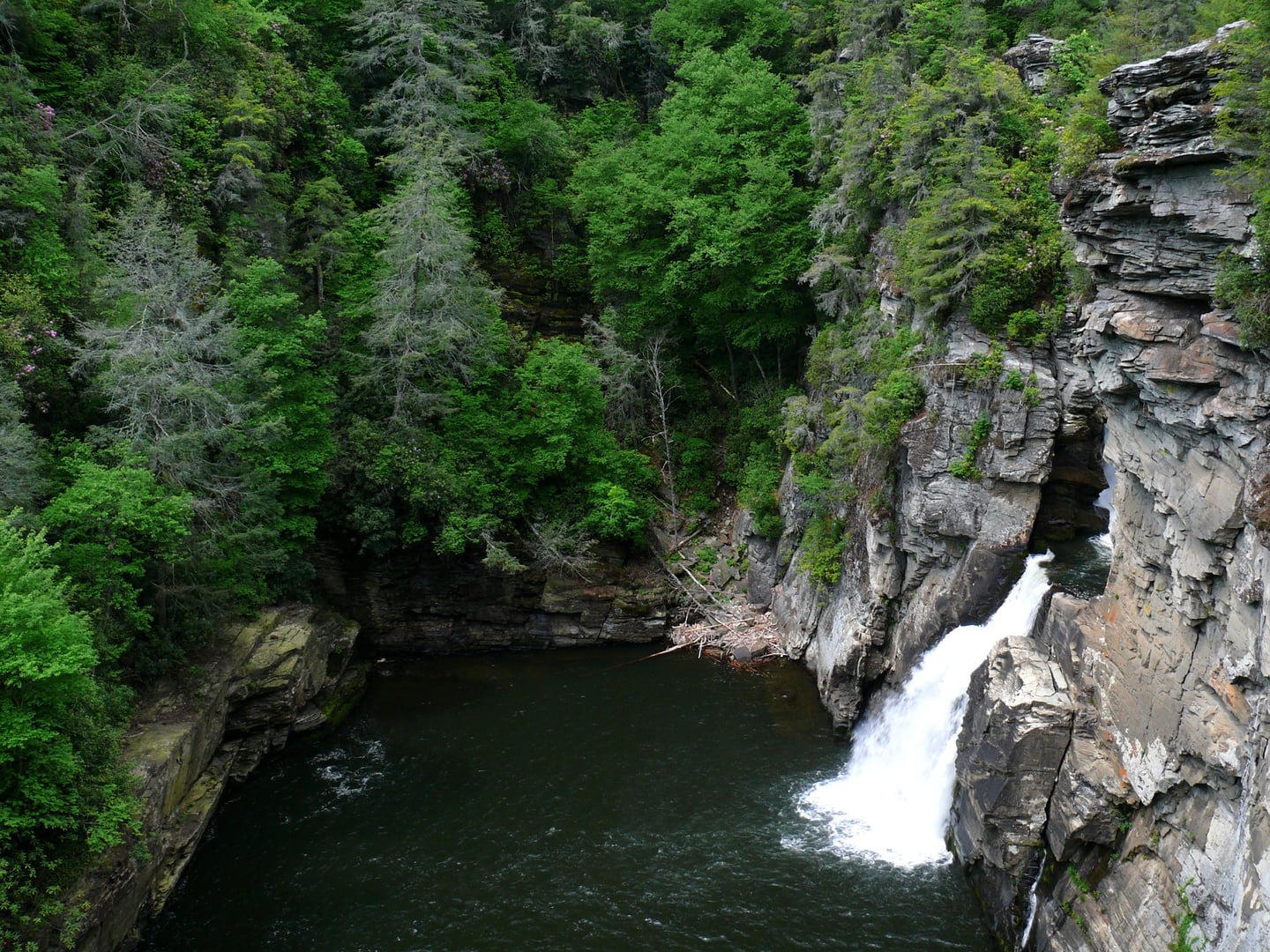
Linville Gorge cuts through the southern Blue Ridge Mountains in Burke County, forming the deepest gorge in the eastern United States. The Linville River drops approximately 2,000 feet through 14 miles of wilderness from Linville Falls to Lake James. The gorge and surrounding terrain became a designated Wilderness Area under the US Forest Service, managed as part of the Pisgah National Forest.
Visitor access is managed by the Grandfather Ranger District. Weekend camping permits are required from May through October, with a quota of 50 persons per night. Trails are signed at trailheads only and are not blazed inside the wilderness, which the Forest Service explicitly notes requires topographic map and compass proficiency.
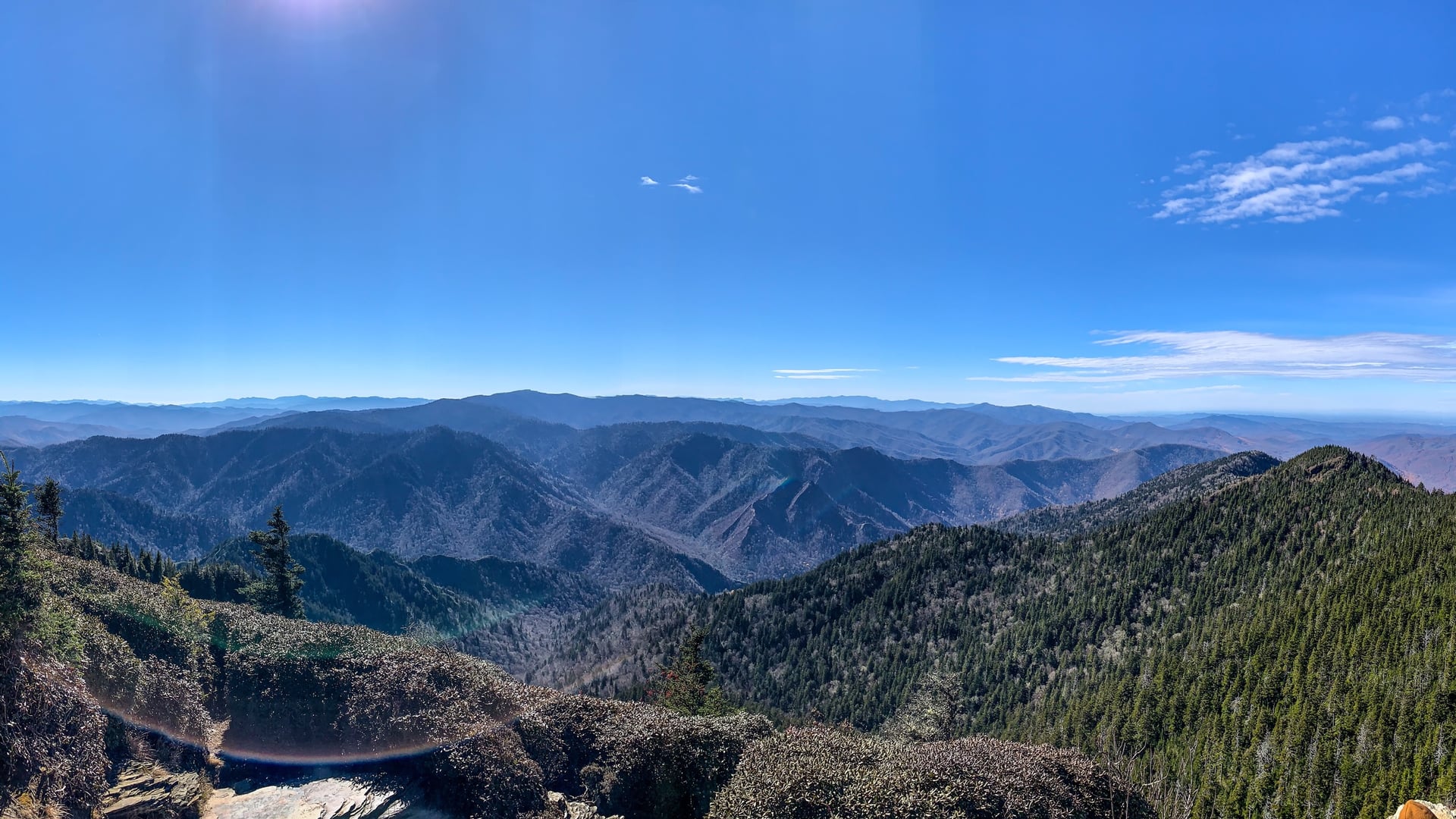
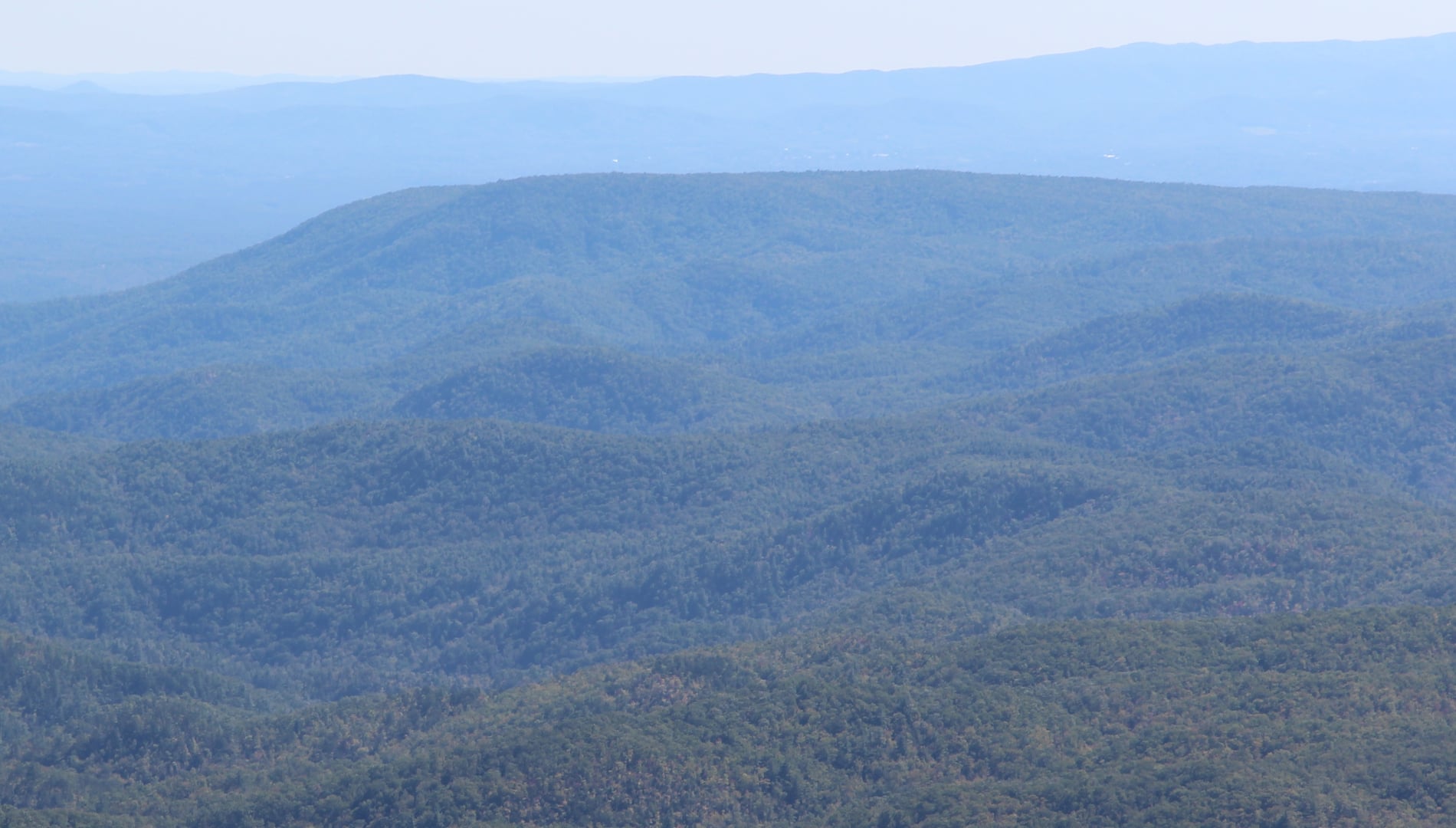
The overlook known as Wiseman's View, on Kistler Memorial Highway, sits 1,500 feet above the Linville River. Two observation platforms face east over Table Rock and Hawksbill Mountains toward Brown Mountain, which is visible in the middle distance. This is the primary viewpoint for observing the Brown Mountain Lights.
The earliest published references to unexplained lights near Brown Mountain date to around 1910. In 1922, USGS scientist George R. Mansfield conducted a formal investigation, using a map and alidade telescope to trace the lights he observed to trains, automobile headlights, and brush fires. Appalachian State University later watched the ridge with low-light cameras, and the legend has endured regardless.
A song written by Scotty Wiseman helped popularize the lights and brought them wider national attention.
Sources
- https://en.wikipedia.org/wiki/Brown_Mountain_lights
- https://www.fs.usda.gov/r08/northcarolina/recreation/linville-gorge-wilderness-area
- https://www.visitnc.com/brown-mountain-lights
- https://www.romanticasheville.com/brown_mountain_lights.htm
- https://spaciousskiescampgrounds.com/blog/bear-den/local-attractions-bear-den/explore-linville-gorge-north-carolinas-secret-canyon-and-its-mysterious-lights/
ApparitionsResidual haunting
The lights appear in the trees below the ridgeline, rise, and move — weaving between tree canopies, drifting toward the river's edge, and disappearing, only to reappear at a different point along the gorge. They have been described as pale and slow on some nights, more rapid and darting on others. No consistent pattern in their movement or frequency has been established in any formal study.
A popular story, often credited to the Cherokee, says that around 1200 AD a major battle was fought between the Cherokee and Catawba peoples near Brown Mountain, and that the lights are the spirits of women who entered the mountains with torches to search for the men who did not return. The earliest known printed version is a 1938 newspaper article, and the claim of a Native American origin is not supported by earlier sources.
A second local legend, popularized in song, describes the lights as the spirit of an enslaved man searching for his lost master.
The USGS investigation of 1922 traced the lights it observed to trains, automobile headlights and brush fires. Appalachian State University later installed low-light cameras to watch the ridge. Skeptics regard the lights as ordinary distant light sources, while the legend endures.