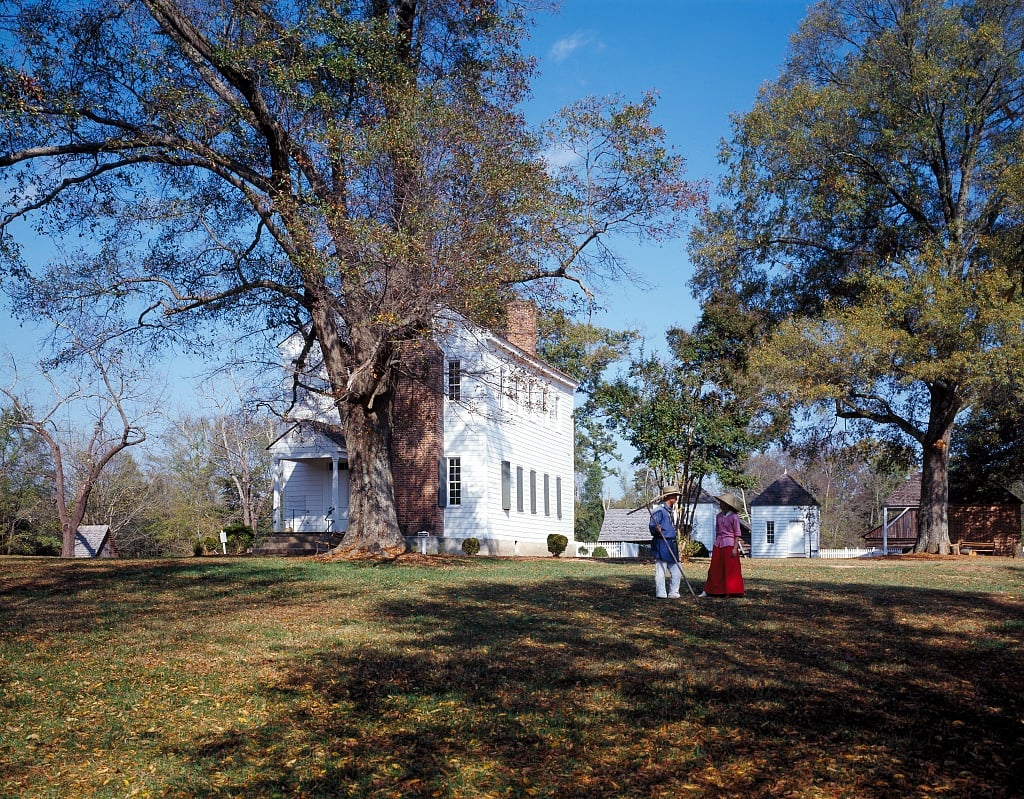
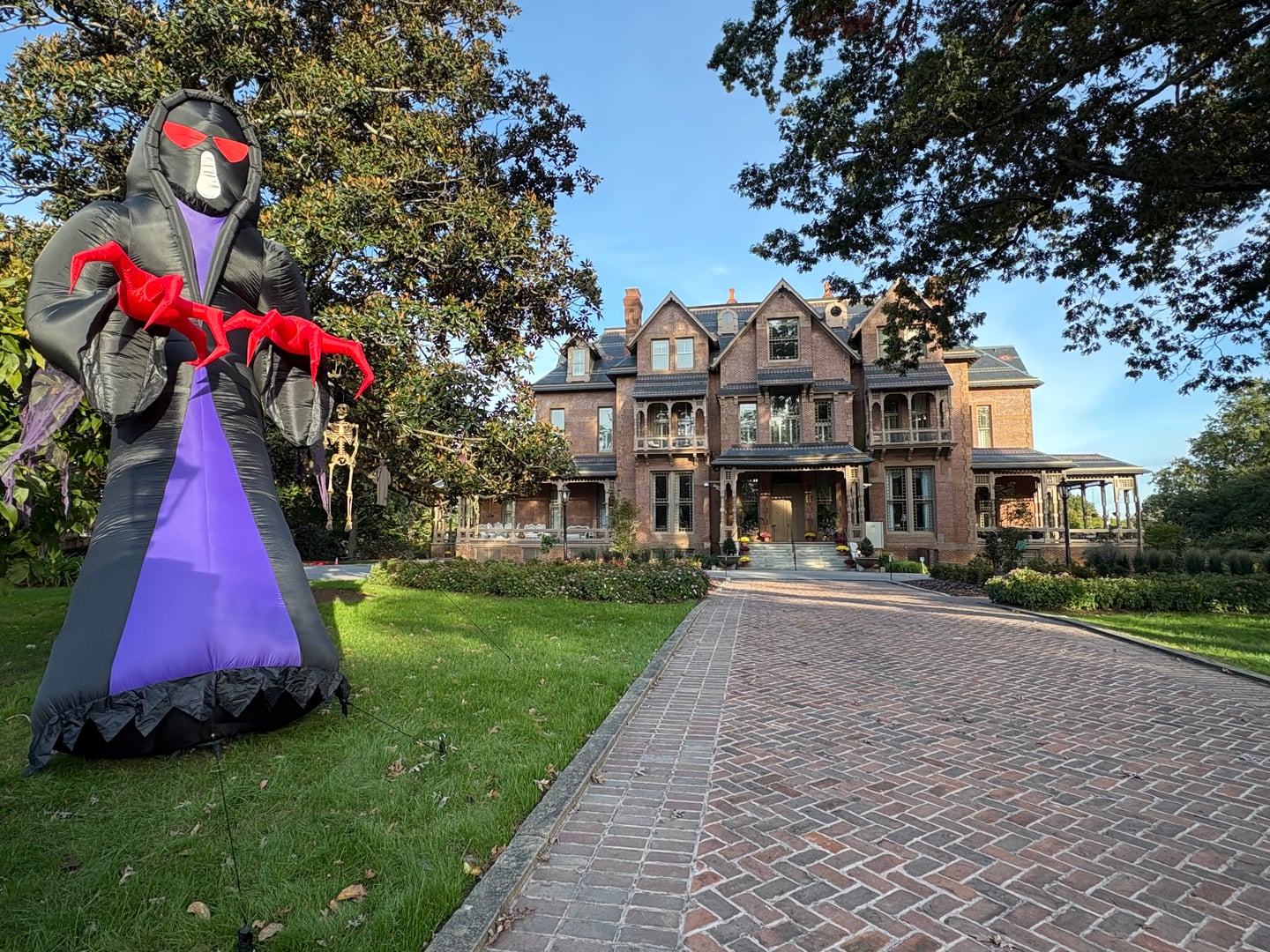
Est. 1894 · 1894 Queen Anne / Eastlake cottage · Originally in Charlotte's demolished Brooklyn (Second Ward) neighborhood · Relocated to Fourth Ward in the 1970s as part of preservation effort · Hidden Prohibition-era compartments under foyer stairs
Constructed in 1894 in the Eastlake / Queen Anne idiom, the home that is now known as the Bootlegger House originally stood in Charlotte's historic Brooklyn neighborhood — a Black community in what is today Charlotte's Second Ward. Brooklyn was systematically demolished beginning in the 1960s and 1970s under urban-renewal programs that displaced thousands of residents and erased nearly the entire neighborhood.
In the 1970s, preservationist Michael Trent purchased the cottage from the city for $50 and paid to have it physically relocated from Caldwell Street to its current site at 400 N Poplar Street in the Fourth Ward, a National Register historic district that became a focal point for Charlotte's late-twentieth-century preservation movement.
The building's name derives from hidden compartments behind the wainscoting under the foyer staircase, attributed in local accounts and ghost-tour narration to Prohibition-era bootlegging activity. The current owner, John Causby, purchased the home in March 1999; coverage by Axios Charlotte, WCCB, and Queen City Ghosts documents the bootlegger lore and the home's role as a fixture on Fourth Ward walking and ghost tours. The home went on the market in 2024 for approximately $1.1 million.
Sources
- https://charlotte.axios.com/23595/is-the-bootlegger-house-the-most-haunted-house-in-charlotte/
- https://www.wccbcharlotte.com/2021/11/08/supernatural-clt-the-bootlegger-house/
- https://queencityghosts.com/the-mystery-of-the-bootlegger-house/
- https://historic-houses.fandom.com/wiki/Bootlegger_House
- https://www.wccbcharlotte.com/2024/05/10/charlottes-historic-and-haunted-bootlegger-house-hits-the-market/
Phantom footstepsWet footprints on staircaseFaucets turning on by themselvesDoors locking and unlockingChairs tilted on two legsBlowtorch igniting unattended
According to WCCB Charlotte and Axios Charlotte coverage, current owner John Causby was told by the prior seller that the house was inhabited by a 'mischievous spirit' at the time of his 1999 purchase. Causby and his partner have reported finding a trail of wet footprints descending the staircase one morning that belonged to neither of them.
Per Queen City Ghosts and Charlotte Ghost Tours, recurring phenomena include phantom footsteps overhead, faucets turning on by themselves, doors that lock or unlock without explanation, and chairs found tilted up on two legs. The Axios profile notes a blowtorch that reportedly ignited on its own during work on the property.
The haunting is described in all sources as mischievous rather than threatening, with the bootlegger past — and the hidden Prohibition-era compartments beneath the foyer stairs — invoked as the narrative anchor for the activity. The home is a recurring stop on Fourth Ward ghost tours.
This venue is privately owned and not open to the public — appreciate from the public sidewalk on N Poplar Street only.
Notable Entities
Unnamed mischievous spirits attributed to bootlegger era
Media Appearances
- WCCB Charlotte — 'Supernatural CLT: The Bootlegger House' (2021)
- Axios Charlotte feature (2018)