Est. 1891 · Official residence of the Governor of North Carolina (continuous since 1891) · National Register of Historic Places (1970) · Designed by Samuel Sloan, completed by A.G. Bauer · Built in part with inmate-made bricks from Wake County clay · Only NC governor to die in office (Daniel Fowle, 1891) died here
Construction of the North Carolina Executive Mansion began in 1883 to a design by the Philadelphia architect Samuel Sloan, with assistance from his junior partner Adolphus Gustavus Bauer. Sloan died in 1885; Bauer assumed full responsibility for completing the building. The mansion was finished in 1891.
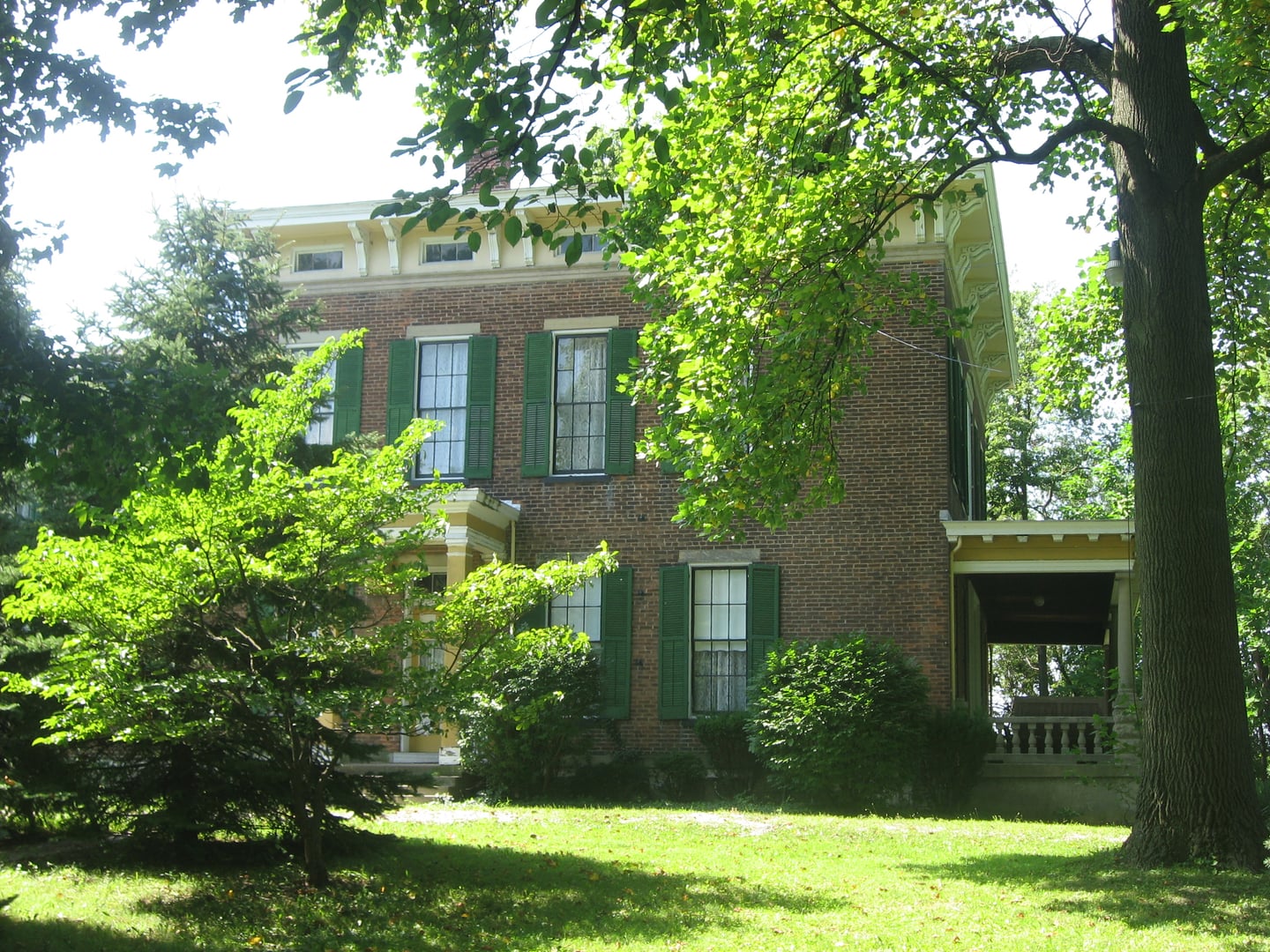
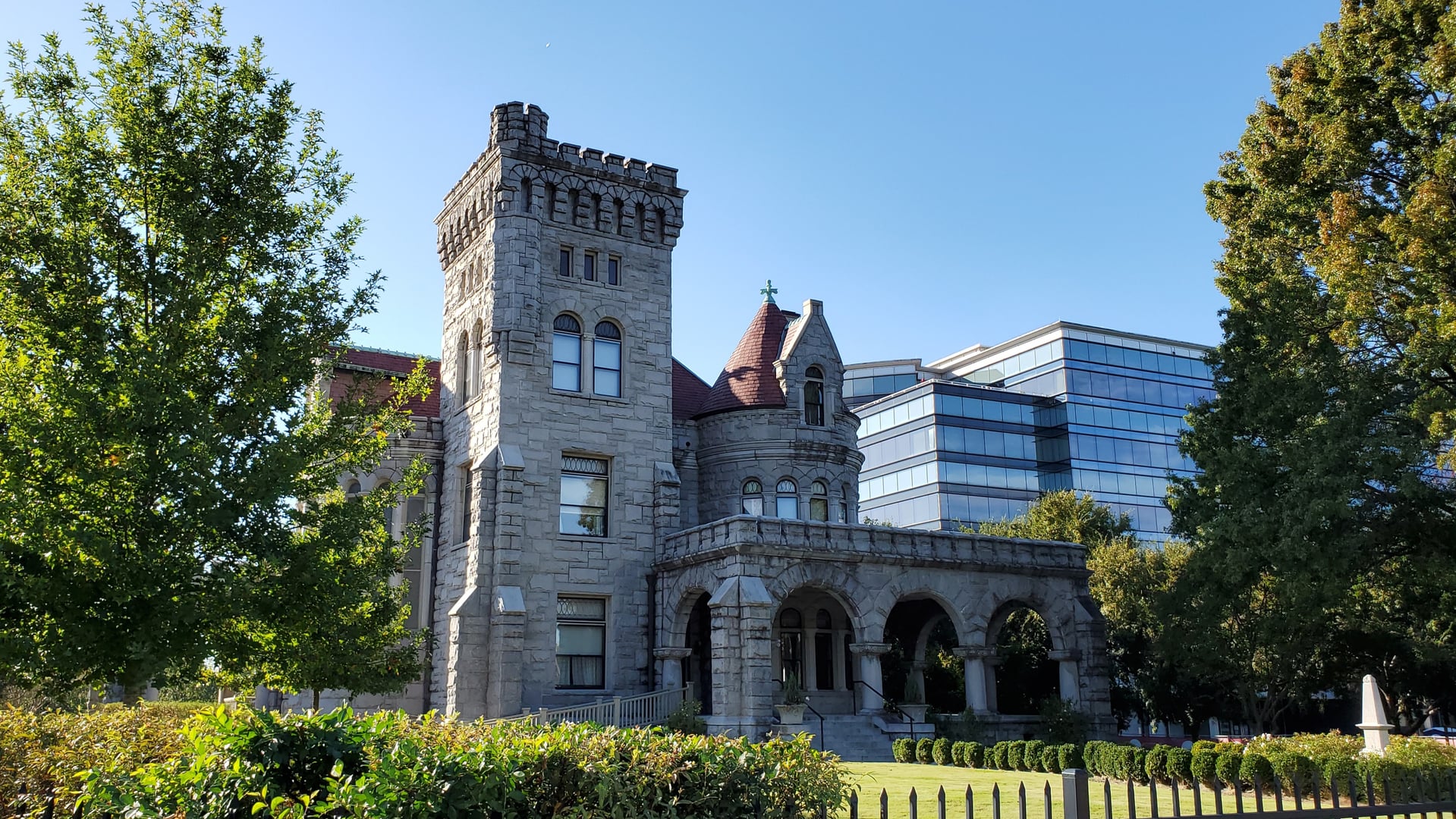
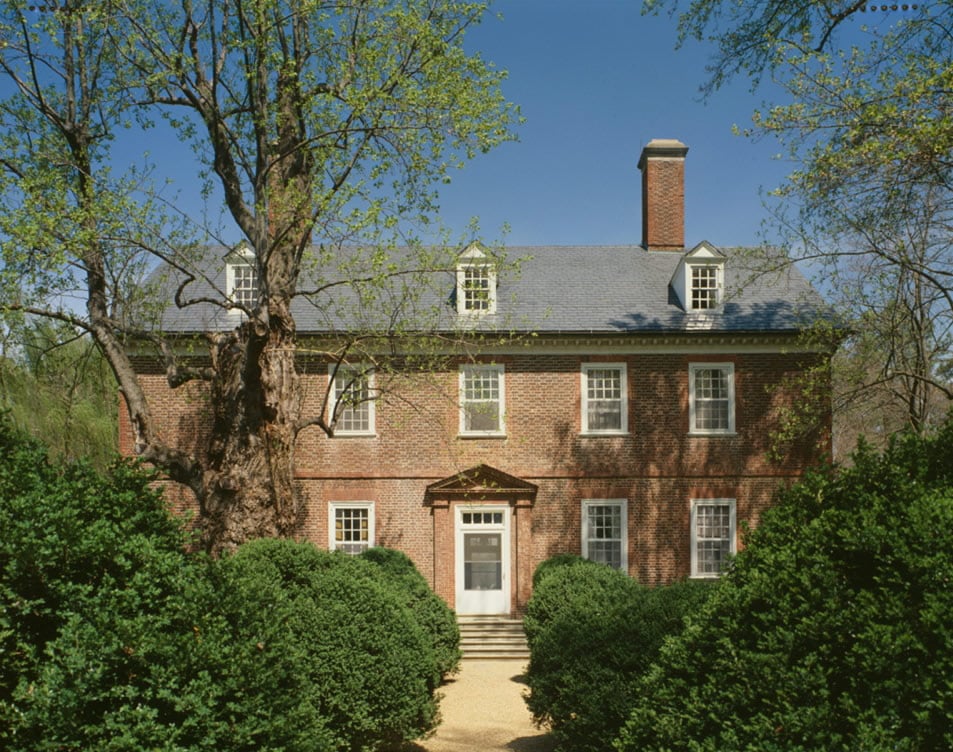
Its first occupant, Governor Daniel Gould Fowle, moved into the unfinished mansion with his daughter Helen in January 1891. Fowle died in the home in April 1891 — the first and, as of the present, only sitting governor to die in residence. The mansion is considered one of the finest examples of Queen Anne Victorian architecture in the United States, with a steeply pitched gable, richly textured brickwork, and elaborate turned-wood porch detailing — atypically symmetrical for the style, suited to its formal civic role.
The mansion's bricks were made from Wake County clay and molded by prison labor; some still bear the inscribed names of the men who made them, particularly in the surrounding sidewalks. The mansion was placed on the National Register of Historic Places in 1970 and is located within the Blount Street Historic District. It remains the official residence of every sitting governor of North Carolina and is administered by NC Historic Sites.
Sources
- https://en.wikipedia.org/wiki/North_Carolina_Executive_Mansion
- https://historicsites.nc.gov/all-sites/north-carolina-state-capitol/north-carolina-executive-mansion
- https://sah-archipedia.org/buildings/NC-01-183-0002
- https://www.ncpedia.org/governors-mansion
- https://associationofparanormalstudy.com/2017/03/28/sweet-dreams-the-haunted-bed-of-north-carolinas-executive-mansion/
Recurring nightly knocking from inside a bedroom wallSounds reported to stop when an antique bed was returned to its room
The Executive Mansion's most-told ghost story was first recounted publicly by Governor Bob Scott to North Carolina folklorist Richard Walser. According to the regional folklore site North Carolina Ghosts and the academic-style writeup at the Association of Paranormal Study, Governor Fowle's original custom-built bed remained in the mansion's second-floor master bedroom from his death in 1891 until Governor Scott took office in 1969. Scott found the bed too short for his frame and moved it to another room.
Per Scott's own account — repeated in regional press including Midtown Magazine's 'Raleigh's Haunted History' and amplified by the OnlyInYourState roundup of the mansion's lore — that change is when the nightly knocking began. He and his wife described a deep, regular knocking from inside the bedroom wall behind the new headboard, occurring around 10 p.m. each evening. State maintenance staff inspected the wall and reported no plumbing or other infrastructure behind it that could account for the sound.
The coda to the story, also widely circulated and told to incoming governors, is that the knocking ceased when Fowle's original bed was returned to its original room. Governor Scott — by his own framing 'not a believer' — nonetheless held a press conference at which he dubbed the phenomenon 'Governor Fowle's Ghost.'
The story is now part of the institutional folklore of the mansion and continues to be retold in Raleigh ghost-tour itineraries and regional press coverage. Because access to the mansion's interior is restricted and most retellings trace back to a single primary witness (Scott), the legend is presented here as oral history rather than independently corroborated phenomena.
The Executive Mansion is the active residence of the Governor of North Carolina; interior access requires a scheduled NC Historic Sites tour. Appreciate the exterior from the public sidewalk on N Blount Street.
Notable Entities
Governor Daniel G. Fowle (informally identified)