Est. 1910 · Deepest River Gorge in Eastern US · Brown Mountain Lights Phenomenon · USGS Investigation 1922 · Pisgah National Forest Wilderness
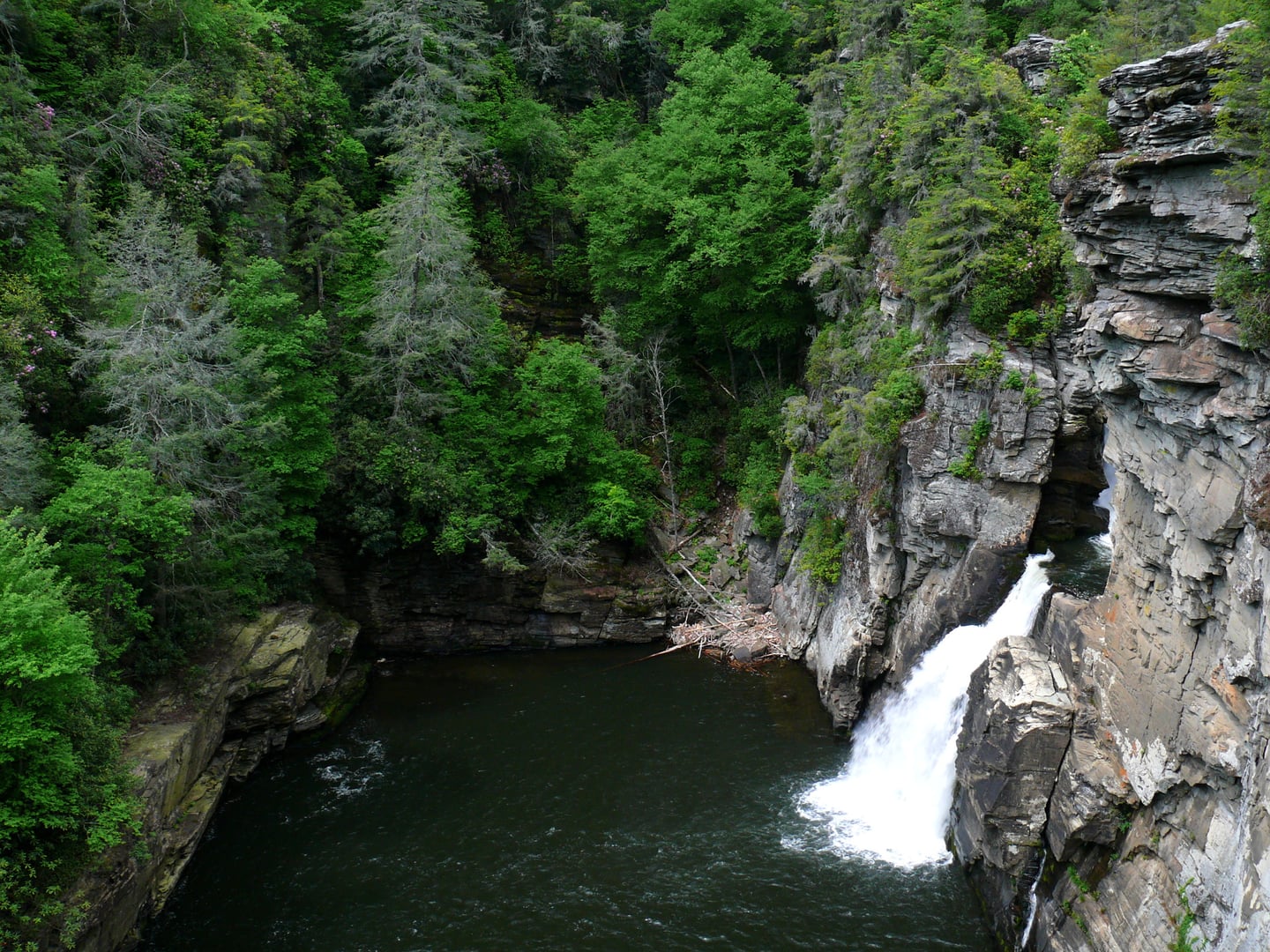
The Linville River cuts approximately 14 miles through the Blue Ridge from Linville Falls down to Lake James, dropping around 2,000 feet through a gorge that reaches depths exceeding 1,400 feet. The terrain is among the most rugged in the eastern United States. The US Forest Service manages the area as the Linville Gorge Wilderness, part of the Pisgah National Forest, under the Wilderness Act.
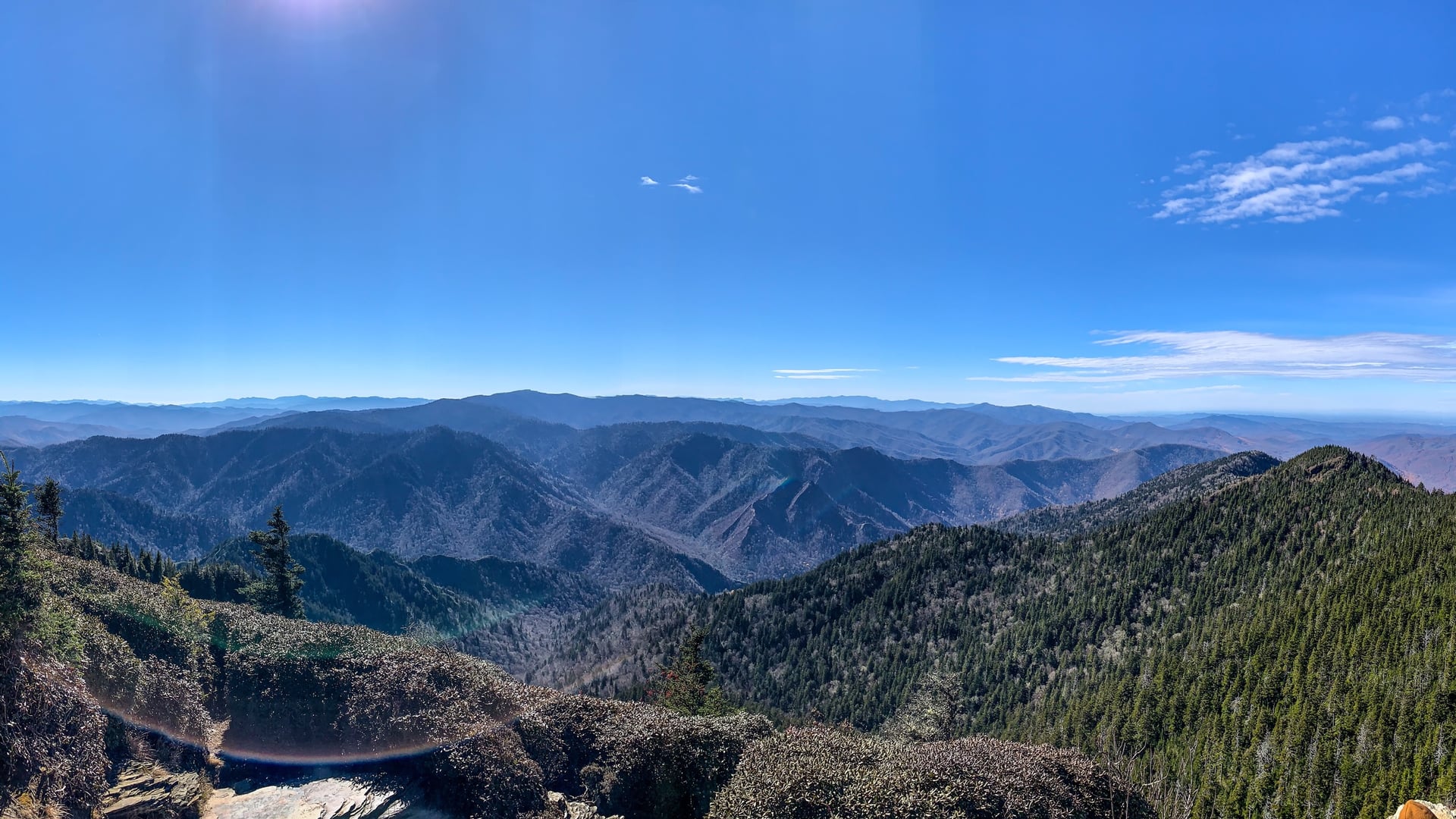
The gorge straddles Burke and McDowell Counties. Its topography made settlement difficult, and the wilderness interior remains largely roadless. Visitors access the gorge rim via Kistler Memorial Highway, a Forest Service road along the western rim, with Wiseman's View overlook as the primary accessible point.
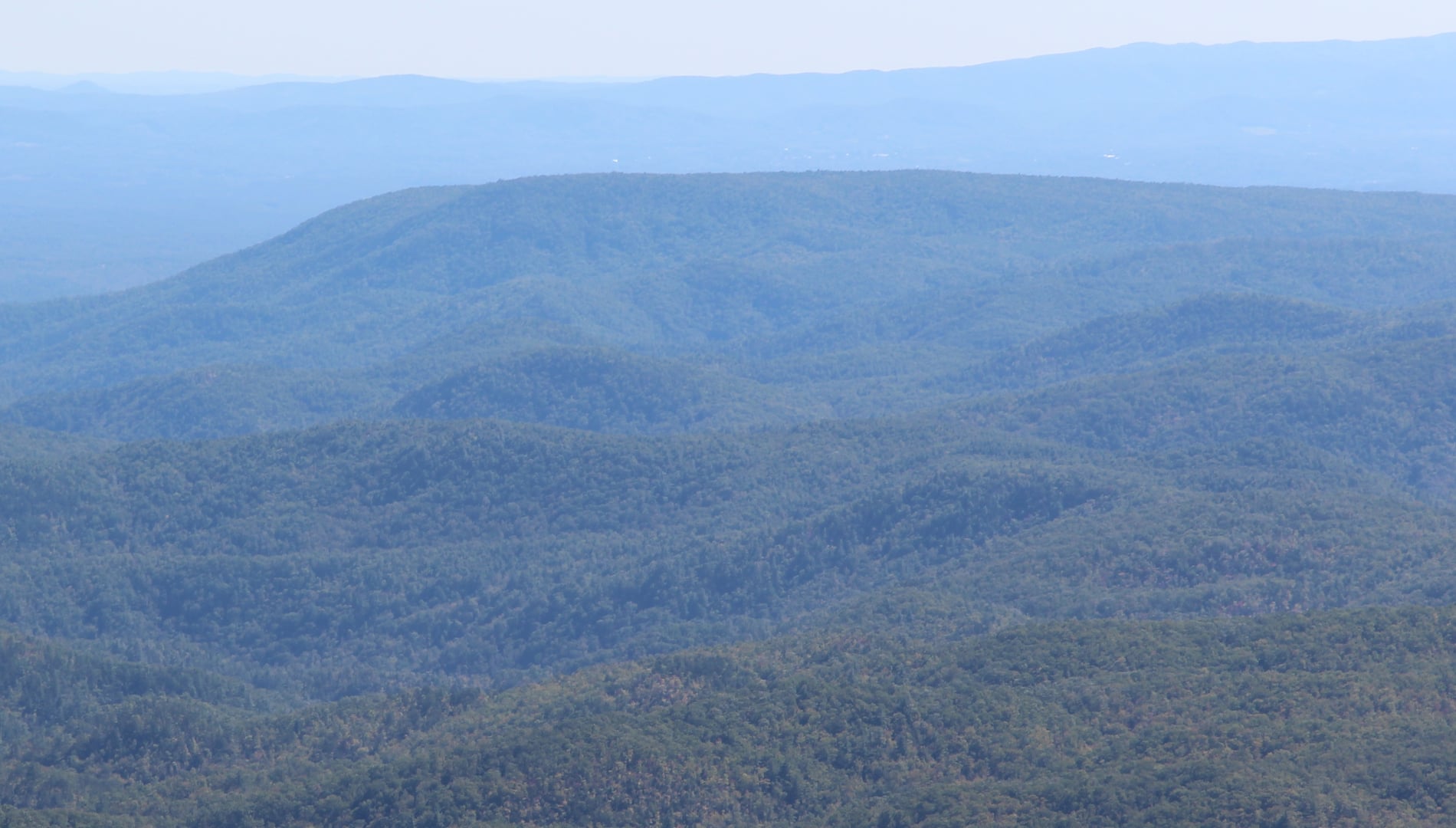
The Brown Mountain Lights — unexplained pale orbs observed rising above the distant ridgeline and drifting before disappearing — were first documented in published accounts around 1910. USGS geologist George R. Mansfield investigated in 1922 using optical instruments to identify known light sources. His report accounted for some sightings but could not explain all observed phenomena. The lights have attracted scientific interest, journalistic investigation, and tourism since then.
Destination McDowell documents ghost-light sightings from the gorge area dating to the late 1800s, consistent with the pre-publication oral tradition that preceded the 1910 newspaper accounts. Shadowy figures reported among the gorge's interior hiking trails represent a distinct category of paranormal claim from the lights phenomena observed from the overlooks.
Sources
- https://www.destinationmcdowell.com/blog/explore-the-haunted-hollars-and-paranormal-of-mcdowell-county-nc/
- https://blueridgemountainstravelguide.com/most-haunted-places-in-north-carolina/
- https://en.wikipedia.org/wiki/Brown_Mountain_lights
- https://www.fs.usda.gov/r08/northcarolina/recreation/linville-gorge-wilderness-area
ApparitionsGhost lightsShadowy figuresResidual haunting
Reports of unexplained lights in the Linville Gorge area predate the 1910 newspaper accounts that first documented the Brown Mountain Lights in print. Destination McDowell traces light sightings to the late 1800s in local oral tradition — accounts passed among the farming and mining communities of McDowell and Burke Counties before the phenomenon attracted outside attention.
Cherokee oral tradition ties the lights to a battle between Cherokee and Catawba peoples fought near Brown Mountain around 1200 AD. In this account, the lights are the spirits of women who entered the mountains with torches to search for warriors who did not return. The tradition predates European settlement of the area by centuries and represents one of the few paranormal claims in the region with deep Indigenous historical grounding.
Separate from the lights, hikers in the Linville Gorge Wilderness interior have reported shadowy figures — undefined human-shaped presences seen on the trails or at the edge of visibility through the tree canopy. These reports are distinct from the lights phenomenon and have not attracted the same level of scientific investigation. They appear in regional haunted-places guides alongside the better-documented lights claims.
The combination of the USGS-investigated lights, the Cherokee oral tradition, and the more diffuse shadowy-figure reports makes the gorge one of the more multi-layered paranormal sites in western North Carolina.