Guided Tour
Original Edenton Ghost Walk
Beverly Hall is a confirmed stop on the Original Edenton Ghost Walk, which covers three centuries of local ghost lore. The walking tour departs seasonally from downtown Edenton.
- Duration:
- 1.5 hr
HauntBound archive · catalog record
Reported phenomena — as catalogued
An 1810 Edenton mansion that doubled as a private bank, Beverly Hall anchors the Original Edenton Ghost Walk with the story of an embezzling clerk who fled a torch-bearing mob — and never quite left.
Downtown Edenton, Edenton, NC 27932
Research updated June 2026
Age
All Ages
Cost
$
Exterior viewable for free; best experienced as part of the Original Edenton Ghost Walk (ticketed). Check ghost walk operators for current pricing.
Access
Wheelchair OK
Flat downtown sidewalks; exterior viewing only
Equipment
Photos OK
Est. 1810 · Early 19th-century Edenton residential and banking history · Part of Edenton historic downtown district · Included in Original Edenton Ghost Walk tradition
Beverly Hall dates from around 1810 and represents the dual-purpose architecture common among prosperous Edenton families of the early 19th century: the mansion served as both a private home and an informal financial institution, with the owner keeping deposits on behalf of local townspeople in an era before chartered banks were widely accessible in small North Carolina towns.
The building sits in Edenton's historic downtown, a district that has retained much of its pre-Civil War character. Edenton's role as a colonial capital and early American commercial port left it with an unusually dense concentration of 18th and early 19th-century structures, of which Beverly Hall is one surviving example.
Beverly Hall does not operate as a public museum or commercial venue. It appears in the Edenton ghost walk tradition as a private historic property whose most memorable story involves a financial crime rather than a battlefield or institutional tragedy — a pattern that local ghost walk organizers have described as characteristic of Edenton's 'three-century-old' ghost walk heritage.
Sources
The Beverly Hall ghost story operates in the register of local financial crime: a clerk employed to manage the household bank's deposits systematically stole from the depositors, Edenton townspeople who had entrusted him with their savings. When the embezzlement came to light, the townspeople — furious, and carrying torches — converged on Beverly Hall. The clerk escaped before the mob could reach him. What happened next is not part of the documented record.
The story, as relayed by Edenton This Week and confirmed as an active ghost walk stop by the Original Edenton Ghost Walk's Facebook presence, does not specify what ghost the clerk left behind, or what phenomena are attributed to his departure. The standard ghost walk telling focuses on the drama of the mob and the flight rather than on documented apparitions or physical phenomena.
This places Beverly Hall in a category common to Southern ghost walk traditions: a building with a vivid, legally-charged human story whose hauntedness derives more from narrative weight than from specific reported phenomena. It is one of multiple stops in a walk that Edenton This Week describes as rooted in 'three centuries' of local ghost lore.
Beverly Hall is a confirmed stop on the Original Edenton Ghost Walk, which covers three centuries of local ghost lore. The walking tour departs seasonally from downtown Edenton.
Some links on this page may earn HauntBound a small commission when you book, at no extra cost to you. Our editorial picks are independent. Full disclosure
Every HauntBound history is researched from documented sources. We clearly separate verified historical fact from paranormal folklore.
Free Guide
10 verified stops, rated for families, mapped in order. Free.
One email to confirm, then the guide link. Unsubscribe anytime.
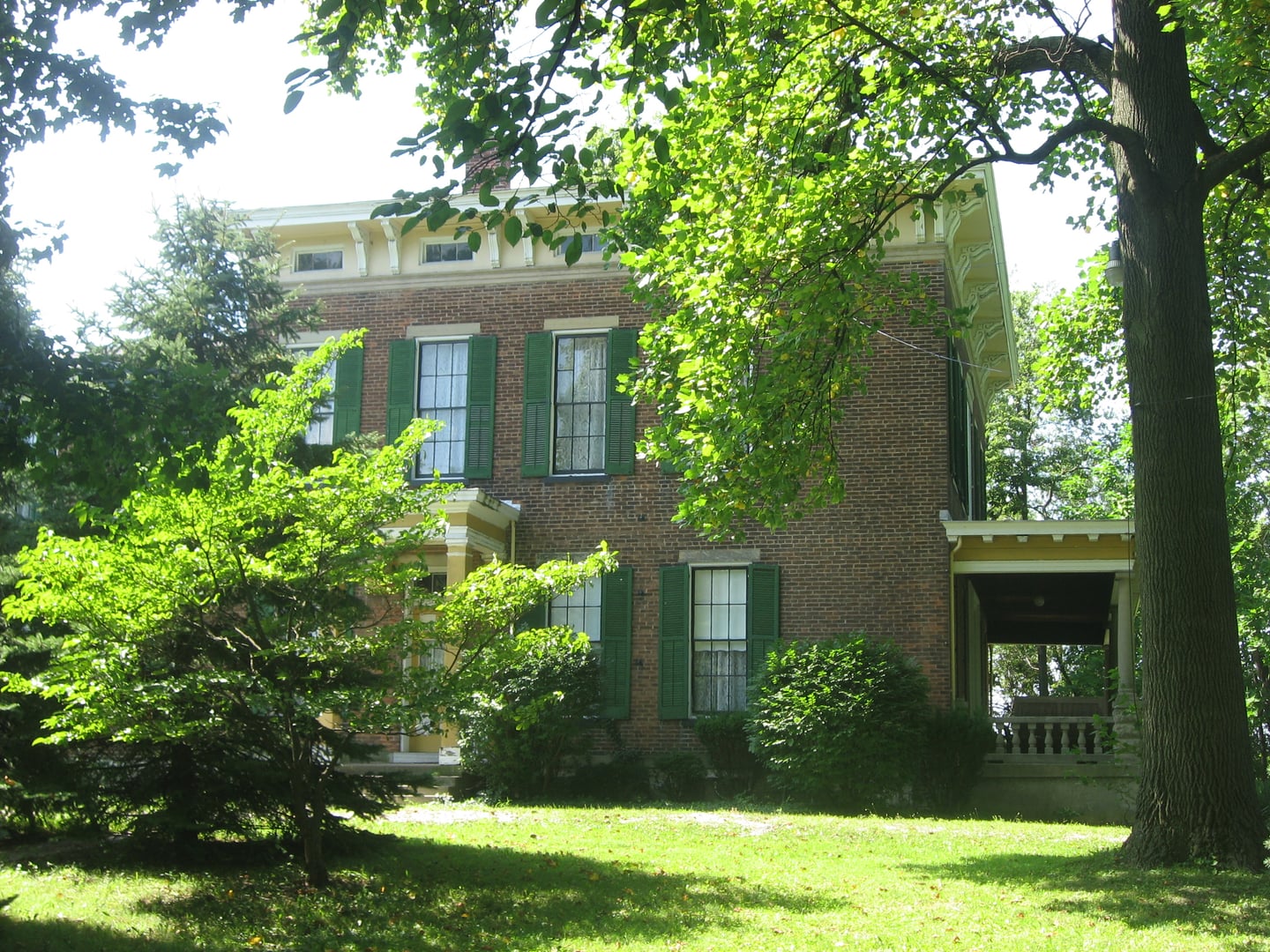
Indianapolis, IN
Hannah House is an 1858 Italianate mansion at 3801 Madison Avenue on the south side of Indianapolis, built by Alexander Hannah, an Indiana businessman who returned wealthy from the California Gold Rush. The property is listed on the National Register of Historic Places.
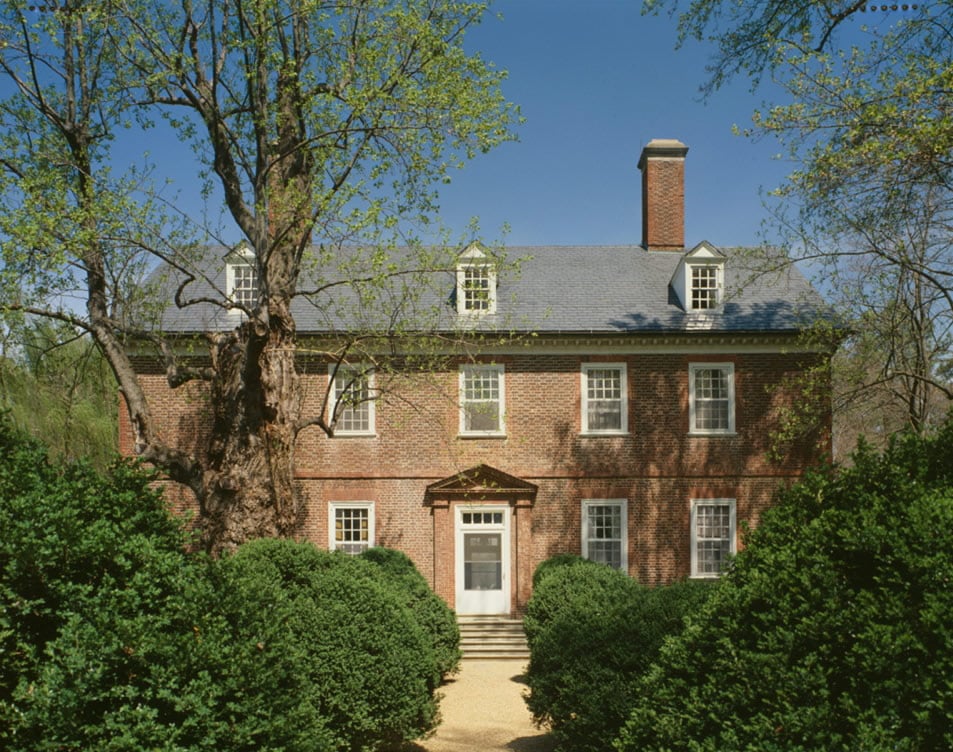
Charles City, VA
Benjamin Harrison IV built the current mansion at Berkeley Plantation in 1726, making it the oldest three-story brick structure in Virginia. The plantation became the birthplace of President William Henry Harrison in 1773 and the ancestral seat of a family that produced a signer of the Declaration of Independence and two U.S. Presidents. During the Civil War, General McClellan used the mansion as his headquarters and the cellar held Confederate prisoners.
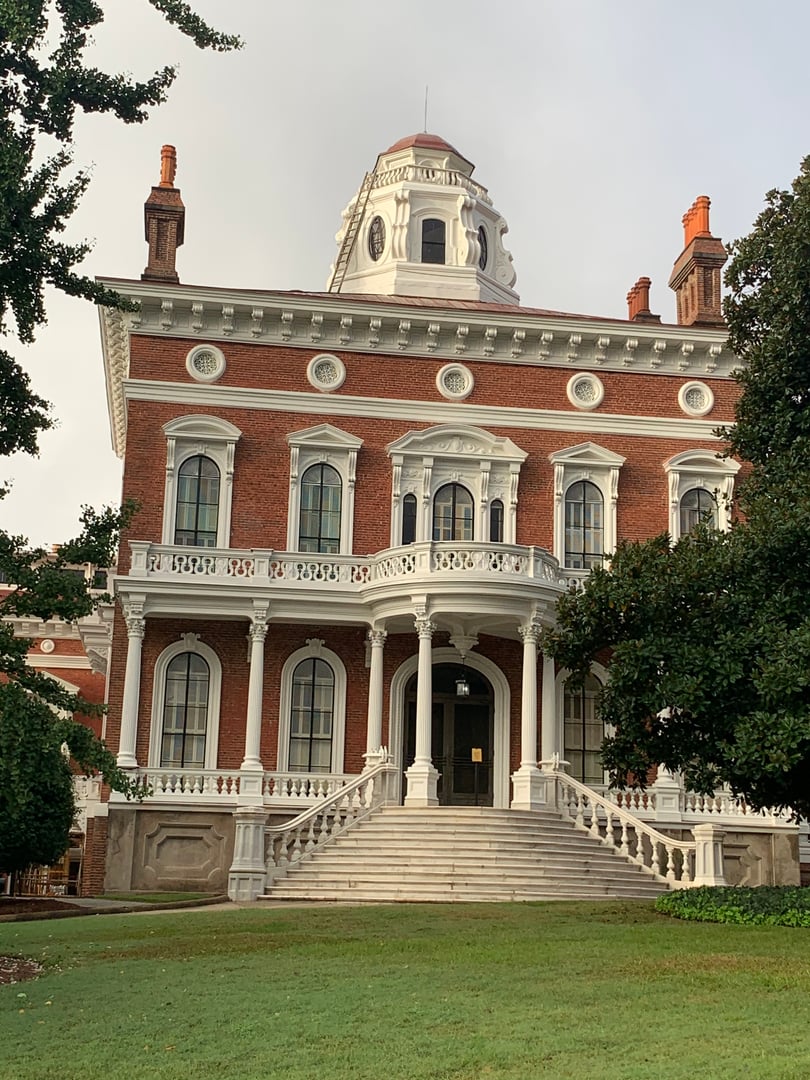
Macon, GA
Built between 1855 and 1859 for businessman William Butler Johnston at a cost of approximately $100,000, the Italian Renaissance Revival mansion at 934 Georgia Avenue has been called the 'Palace of the South' and is a National Historic Landmark. The house remained in Johnston hands through the Civil War, spared when Sherman's march to the sea bypassed Macon; it passed to the Johnstons' daughter Mary Ellen and her husband, Judge William Felton, in 1896. The Hay family acquired the house in 1926 and donated it to The Georgia Trust for Historic Preservation in 1977.