Est. 1770 · Colonial Architecture · Former Town Jail · National Register of Historic Places · Colonial Dames of America
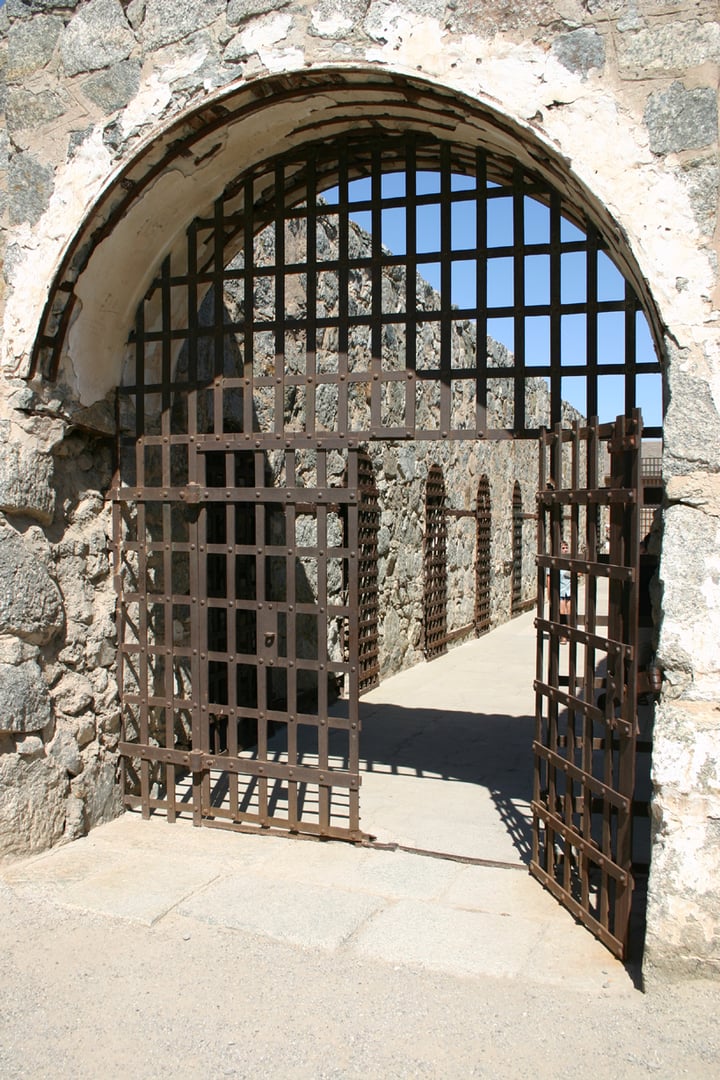
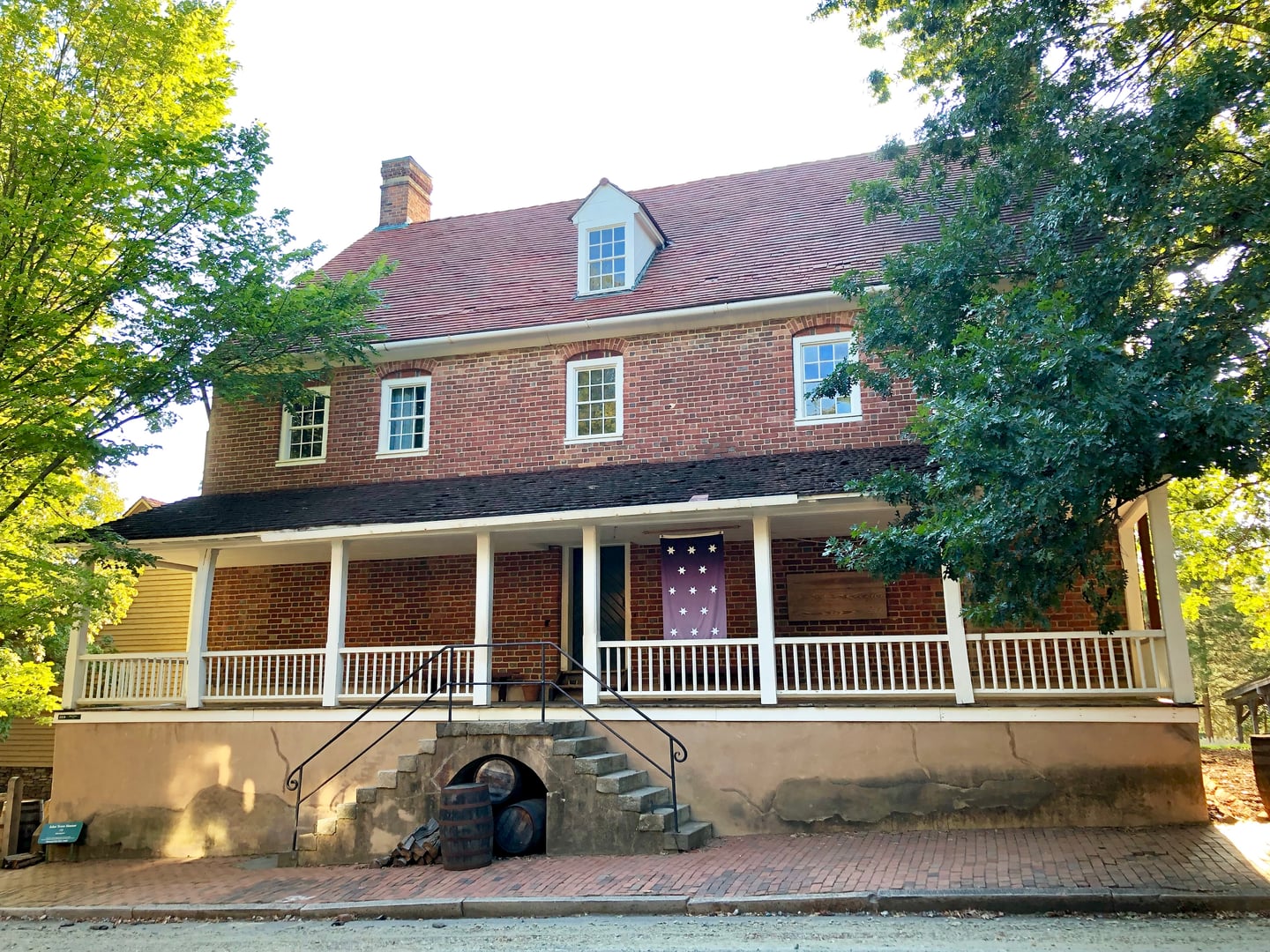
The site at the corner of Third and Market Streets in downtown Wilmington served as the main town jail from 1744 until the structure was decommissioned around 1769. The ballast-stone walls of the colonial jail were left in place after the building was retired, and in 1770 merchant John Burgwin built his Georgian-style townhouse directly on top of them. The earlier jail cells and a freestanding kitchen house remain as part of the museum's interpretive program today.
The property passed to Joshua Grainger Wright in the early 19th century, giving the house its compound name. The building survived the Civil War, the long decline of antebellum Wilmington, and a 20th-century period in which many of the city's colonial structures were lost. By the early 20th century the house was at risk of demolition; it was acquired by the National Society of The Colonial Dames of America in the State of North Carolina, who restored the building and have operated it as a museum since.
The house is the only colonial-era structure in Wilmington that is open to the public. The standard tour covers the Burgwin family, John Burgwin's role in colonial Wilmington commerce and government, the 18th-century furnishings and decorative arts in the rooms, and the property's earlier life as a jail — including the surviving cells beneath the building and the adjacent courtyard where prisoners were historically pilloried and hanged.
The building is listed on the National Register of Historic Places. The Burgwin-Wright House Museum and Gardens remains operated as a nonprofit historic-house museum and is open year-round.
Sources
- https://www.burgwinwrighthouse.com/
- https://en.wikipedia.org/wiki/Burgwin-Wright_House
- https://www.burgwinwrighthouse.com/haunted-tales-of-the-cape-fear
ApparitionsPhantom footstepsDoors opening/closingEVP recordings
The paranormal reputation of the Burgwin-Wright House is tied closely to the site's earlier life as a jail. Local lore connects activity in the lower levels — particularly the surviving ballast-stone sub-basement that once held prisoners — to the men who were detained, pilloried, or hanged in the adjacent courtyard during the colonial period.
According to the museum's own "Haunted Tales of the Cape Fear" page and the Drugstore Divas guide to haunted Wilmington, staff and visitors describe a woman seated at a spinning wheel in one of the upstairs rooms. The spinning wheel itself has been reported to turn without a person present. Heavy footsteps move from one side of the house to the other, and on at least one occasion a staff member reported closing and locking a door at night, only to find it standing open in the morning.
Wilmington Paranormal Research has conducted investigations in the house and reported recording electronic voice phenomena, including a female voice saying the name "Stephanie." The identity of "Stephanie" is not known and is not tied to a specific documented resident of the house.
The house participates in Wilmington's seasonal ghost-tour ecosystem; storytellers describe the property as one of the most actively reported sites in downtown Wilmington and tie the activity to both the colonial domestic history and the earlier jail use.
Notable Entities
Woman at the spinning wheel'Stephanie' (EVP)