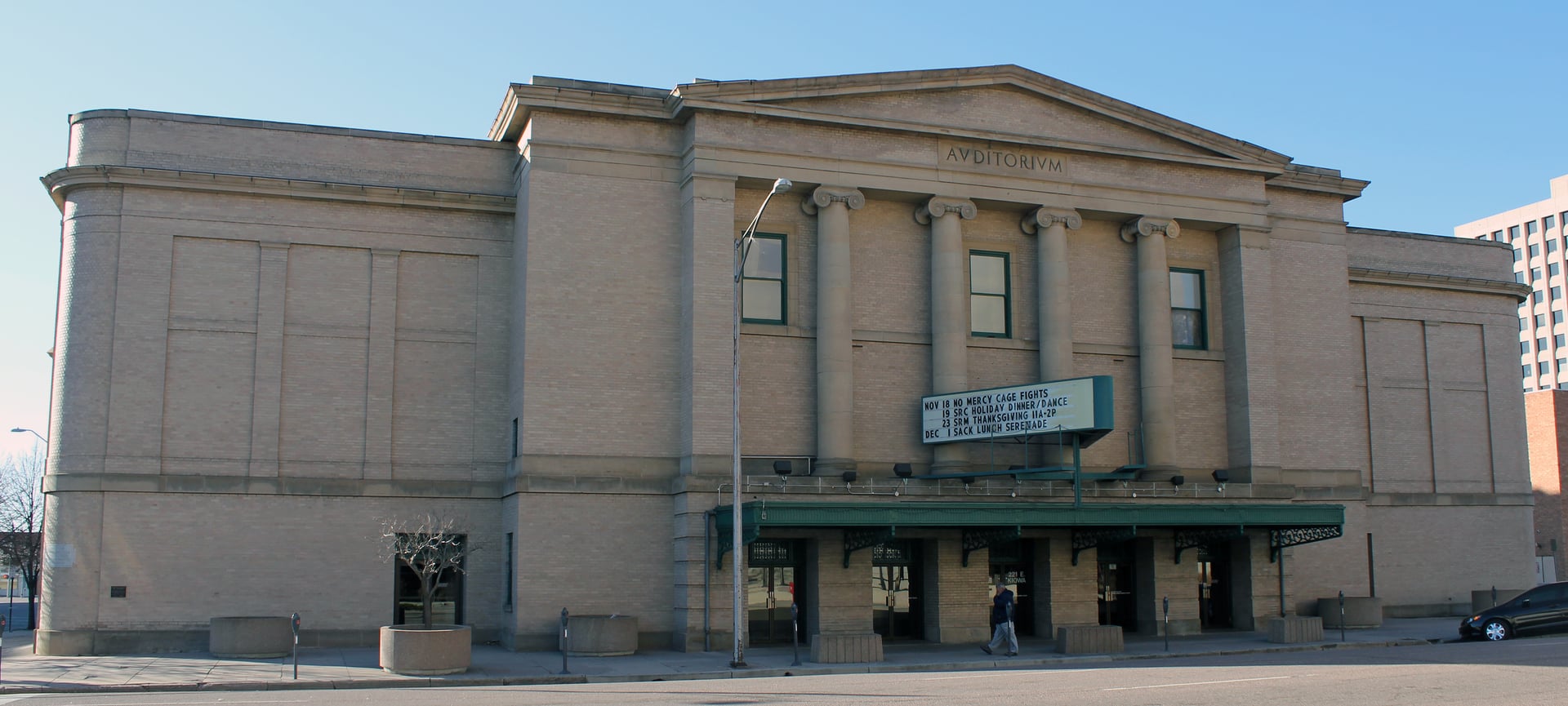
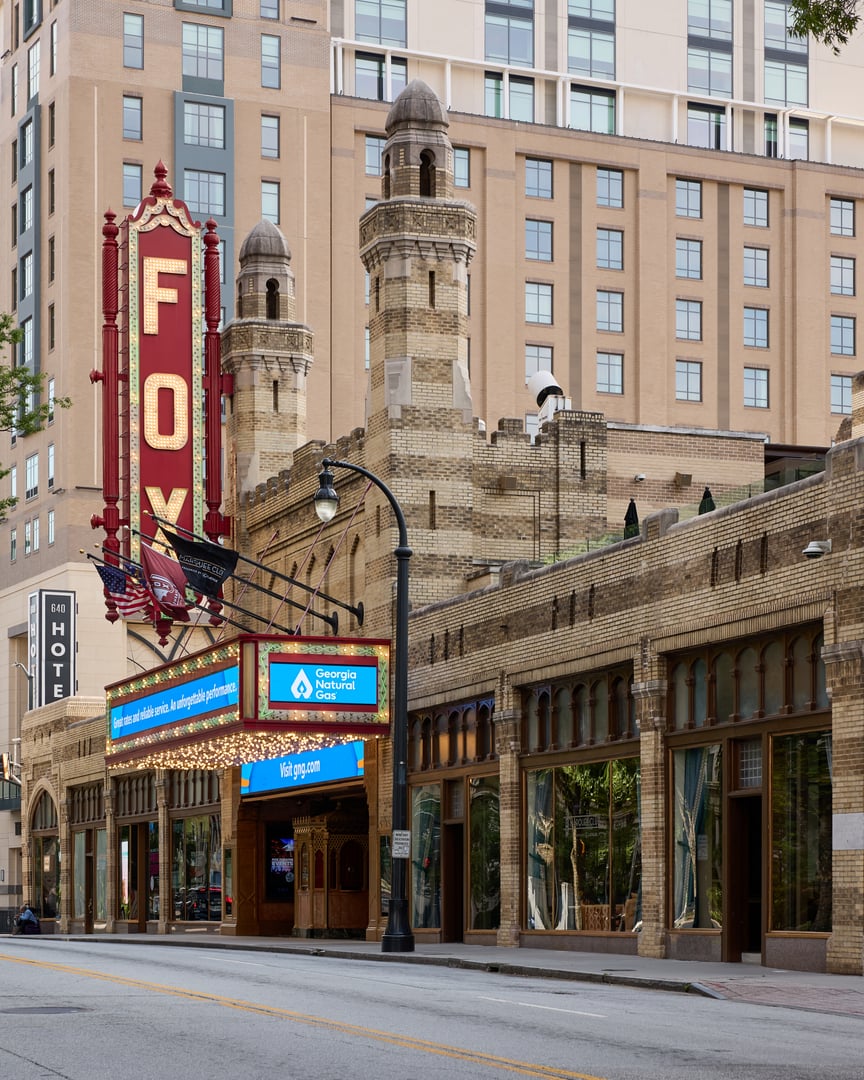
Est. 1913 · Early 20th-century vaudeville house · Contributing structure to Washington NC Historic District · Rehabilitated as community arts center in 1990s
C. A. Turnage opened his eponymous theater around 1913, incorporating the enterprise as New Theatre Inc. and installing a shoe store on the ground floor with the vaudeville performance space above — a common commercial combination of the era along Main Street corridors in small American cities.
The venue drew traveling variety acts through the vaudeville circuit during the 1910s and into the 1920s. When sound-on-film transformed the entertainment industry, a second theater specifically designed for talkies was constructed behind the original building in 1928, giving the complex additional capacity as a movie palace.
The building fell into disuse in later decades but was saved by an adaptive rehabilitation effort in the 1990s. The restored complex spans 32,000 square feet and now serves as home to Arts of the Pamlico, presenting live performances, community events, and East Carolina University music and art programming. The Turnage Theatre contributes to Washington's historic district and is recognized as a North Carolina historic site.
Sources
- https://en.wikipedia.org/wiki/Turnage_Theatre
- https://youraudiotour.com/tours/washington-haunts/stops/9566
Figure seen grasping balcony rail and peering into empty theaterMale apparition named 'George' in the mezzanineApparition at the end of the hallProjectionist's spirit said to remain in projection booth
The Washington Haunts audio tour identifies the Turnage Theatre as stop one on its route, noting that 'the spirit of the projectionist who still haunts the movie theater' is among its documented legends. The projection booth, a space that historically saw long solitary shifts during the theater's decades as a movie palace, is the focus of the most persistent accounts.
A former technical director at the Turnage reported seeing a figure grasping the balcony rail and looking down into the empty theater below — a description consistent with someone surveying the house from above, the perspective a balcony operator or technician would have had during performances.
Separately, a male apparition referred to as 'George' has been reported by witnesses in the mezzanine area and at the end of the hall. No historical figure named George has been documented in available sources as connected to the theater's operation; the name appears to be the label given to the apparition by those who encountered it.
Notable Entities
George (unnamed male apparition, mezzanine)
Where this legend is told