Est. 1978 · Industrial Heritage · Greenway Pioneer · Mecklenburg County Agriculture
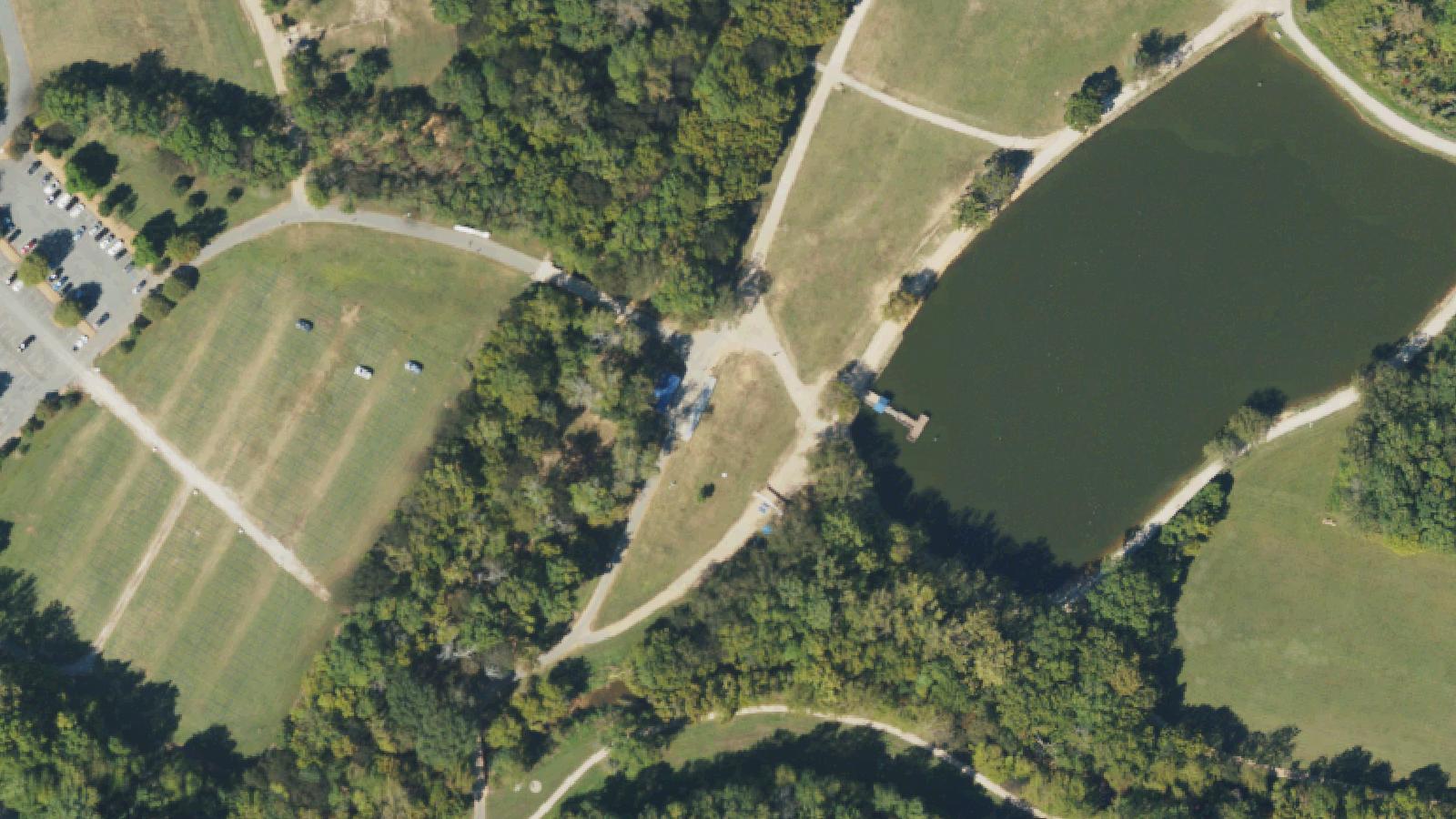
McAlpine Creek Greenway was established in 1978, becoming the first public greenway built in North Carolina's western Piedmont region. The trail follows McAlpine Creek through southeast Charlotte, crossing near Independence Road before winding through wooded riparian habitat.
The most historically significant feature along the route is the Lucas Family Grist Mill site on the Campbell Creek Greenway spur. According to the Charlotte-Mecklenburg Historic Landmark Commission, the mill likely incorporated workings from an older facility — Long Creek Mill, later known as Whitley's Mill — that dates to approximately 1820 and operated until 1919. The early 1900s Lucas structure used this earlier site as a foundation.
Gristmills were essential to 19th-century Mecklenburg County agricultural economy. The McAlpine Creek drainage served multiple small farming communities, and the creek's reliable flow made it suitable for water-powered milling operations for nearly a century. The current mill ruins consist of stone masonry remnants visible along the creek bank, accessible via the greenway trail from the 2116 Margaret Wallace Road parking area.
The park today encompasses trail systems, creek access points, and natural habitat managed by Charlotte-Mecklenburg County. The greenway connects to broader regional trail networks as part of the Carolina Thread Trail system.
Sources
- https://www.charlotteonthecheap.com/campbell-mcalpine-creek-greenway/
- https://www.carolinathreadtrailmap.org/trails/trail/mcalpine-creek-greenway-and-campbell-creek-greenway
Sensed PresencePhantom sounds
The mill ruins at McAlpine Creek have drawn informal paranormal attention for several decades. The core legend involves a skeleton said to have been found beneath the millhouse bell during demolition or excavation work — a detail reported in Shadowlands accounts and repeated in local Charlotte paranormal forums.
Multiple visitors writing on community sites describe the mill site and surrounding trail corridor as unusually atmospheric after dark. One account describes a sense of being followed on the greenway near the creek, with no visible source. Another from a Charlotte paranormal discussion board describes the old mill area as one of the more active sites in the southern part of the city.
The specificity ends there. No documented historical record of a skeletal discovery at the mill site has been identified in Mecklenburg County records or local newspaper archives. The phenomenon may be rooted in the general disquiet that decayed industrial structures tend to generate in wooded environments — stone foundations, rusted metal, and overgrown machinery carry their own atmospheric weight without requiring the addition of folklore.
The trail itself passes the former millrace and stone abutments. Evening visits to the mill section are best made with a flashlight; the paved greenway proper is well-lit closer to the Monroe Road trailhead.