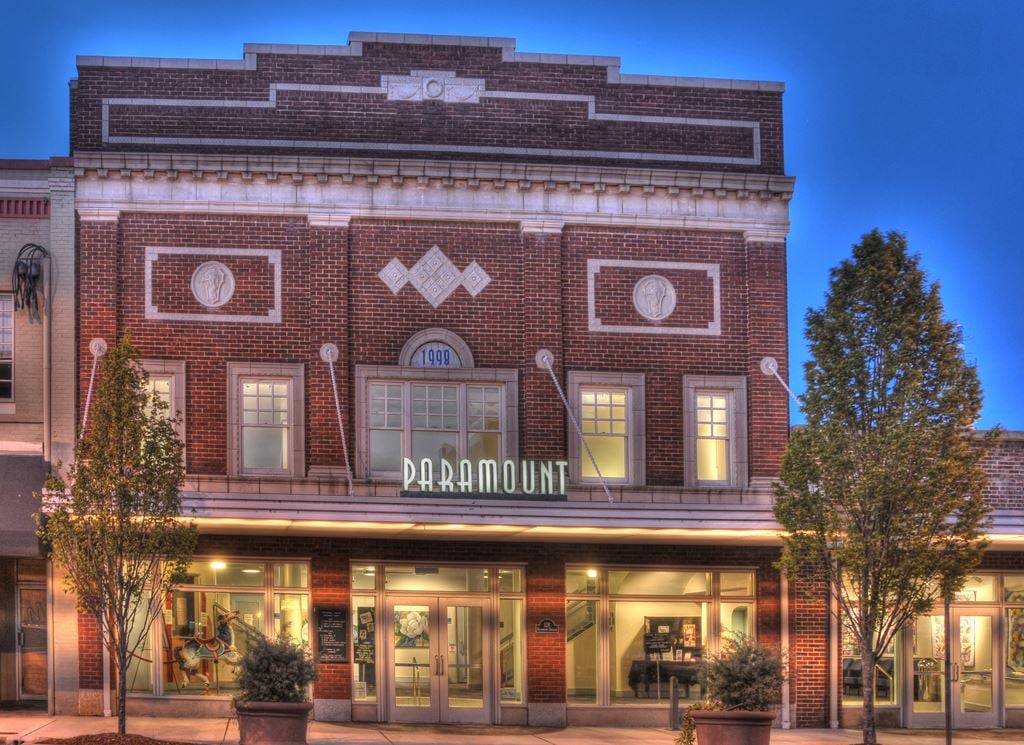
Est. 1900 · Early 20th Century Opera House and Cinema · Downtown Salisbury Entertainment History · Underground Tunnel Network Connection · Piedmont Community Theater Restoration
The theater at 213 S Main Street has one of the more convoluted identities in Carolinas entertainment history. Cinema Treasures, which maintains a database of American theatrical venues, documents the building's successive names: it operated as the Bijou, Fotosho, Colonial, Strand, State, Center, and Towne Cinema at various points across the twentieth century, reflecting both ownership changes and the broader industry shifts from live performance to film and back.
The building sits within Salisbury's historic commercial core, which developed atop a network of underground tunnels connecting several downtown properties. The exact original purpose of those tunnels has been debated — utility passages, Prohibition-era routes, and pre-Civil War use have all been proposed — but their existence is documented and has become a fixture of the city's dark tourism narrative.
Piedmont Players Theatre, Salisbury's community theater company, took over the venue in 1992 and restored it as a working performance space. The organization operates the Meroney as its main stage for a full season of productions. WFAE's 2022 coverage of the Salisbury Ghost Walk references the Meroney area in connection with the tunnel network, and the ghost walk itself includes the theater as a regular stop.
Sources
- https://cinematreasures.org/theaters/7330
- https://www.wfae.org/charlotte-area/2022-10-23/ghost-tour-doesnt-disappoint-history-paranormal-seekers
Disembodied footsteps in empty sectionsUnexplained sounds during after-hours periodsAtmospheric anomalies near underground tunnel access
The Meroney's paranormal reputation draws primarily from acoustic phenomena: guides and walk participants describe hearing footsteps from unoccupied sections of the theater during tours and after-hours visits. The reports are not tied to any specific historical figure or event documented in the building's operational record.
The underground tunnels running beneath this block of S Main Street give the site additional atmospheric weight. WFAE's coverage of the ghost walk mentions the tunnel network in the Meroney area, and guides connect the subterranean passages to the theater's overall dark history presentation.
Piedmont Players operates an active performance season at the Meroney, meaning the building is regularly occupied and maintained — a context that makes the footstep reports more notable to those who collect them, since the building is not derelict.