Est. 1852 · Italianate Architecture · Antebellum Wilmington · Slavery History · Lower Cape Fear Historical Society
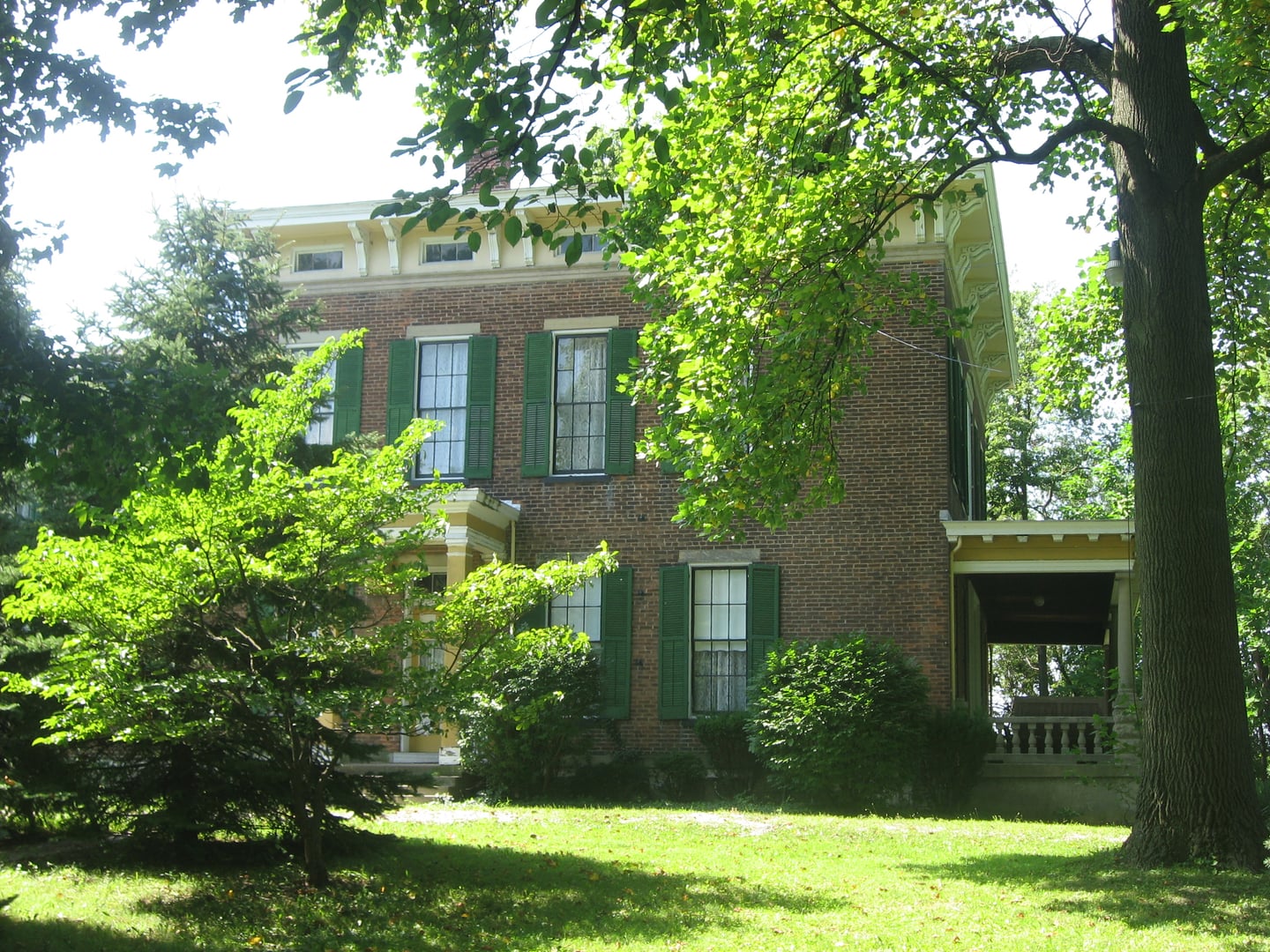
Zebulon Latimer, a Connecticut-born merchant who relocated to Wilmington in the 1830s, commissioned the South Third Street home in the early 1850s. The four-story Italianate house was completed in 1852 at a final size of roughly 10,000 square feet. The household included Zebulon and Elizabeth Latimer and their children, and the Latimers held a number of enslaved African Americans at the property who worked as cooks, coachmen, and domestic staff — both directly owned by the family and leased from other slaveholders.
Five of the Latimers' nine children died young while living in the house, a mortality rate that was not unusual for mid-19th-century urban households but that figures prominently in the building's later folkloric reputation. The family retained the property after the Civil War and into the late 19th century.
In 1963 the Lower Cape Fear Historical Society purchased the Latimer House from the family's descendants and began operating it as their headquarters and as a museum. The Society has worked to preserve the original Italianate finishes, family furnishings, and outbuildings — including structures associated with the enslaved staff — and to present an interpretive program that addresses both the Latimer family and the Black men and women who lived and worked at the property under slavery.
The Latimer House is listed on the National Register of Historic Places and is one of the principal stops on the downtown Wilmington historic-house circuit. The building's interpretive program continues to evolve to more explicitly address the experiences of the enslaved people connected to the property.
Sources
- https://latimerhouse.org/
- https://www.lcfhs.org/visit.html
- https://encexplorer.com/the-latimer-house-wilmington-nc/
Object manipulationPhantom soundsUnexplained odorsFlickering lights
The Latimer House is frequently described in Wilmington ghost guides as one of the most haunted residences in the city. The most consistently cited factual anchor for the lore is the documented death in childhood of five of Zebulon and Elizabeth Latimer's nine children while the family lived at the property. The Drugstore Divas guide and the Wilmington Ghost Tours website both feature the house as a primary stop on their walking circuits.
Reported phenomena described by tour operators and staff include books that appear to levitate off shelves, the sound of a marble rolling across upper floors with no marble found, flickering lights during tours, and an intermittent putrid odor in the basement that cannot be sourced to a leak or plumbing issue. One visitor account describes a necklace being pulled at the front gate. According to the Lower Cape Fear Historical Society, staff members have also reported items going missing and turning up later in unexpected locations.
A portion of the lore is centered on the children who died in the house, with multiple tour operators framing the upper-floor activity as connected to the family. Hauntbound notes that the site's history of slavery should be treated with editorial care: the men and women enslaved at the Latimer property are part of the building's history and any complete account of activity at the house needs to include them rather than presenting the Latimer family in isolation.
The house is featured on the year-round Lizzie Borden / Haunted Wilmington tour and on the seasonal LCFHS evening 'gaslight' program.
Notable Entities
Latimer children (unnamed)