Battle of Goldsborough Bridge December 17 1862 · Union destruction of Wilmington & Weldon Railroad · Approximately 150 Confederate casualties · Preserved earthworks
In December 1862, Union Brig. Gen. John G. Foster led a force of roughly 10,000 men out of New Bern on an expedition to destroy the Wilmington & Weldon Railroad — one of the Confederate supply arteries running north to Richmond. The critical target was the bridge over the Neuse River near Goldsborough.
On December 17, Confederate defenders under varying commands attempted to hold the crossing against overwhelming numbers. The battle resulted in approximately 150 Confederate casualties according to the American Battlefield Trust's documentation, with Union forces successfully routing the defenders and destroying the bridge. The railroad disruption was temporary — the Confederacy repaired the line — but the engagement marked one of several Union strikes at eastern North Carolina's transportation infrastructure during the war's middle period.
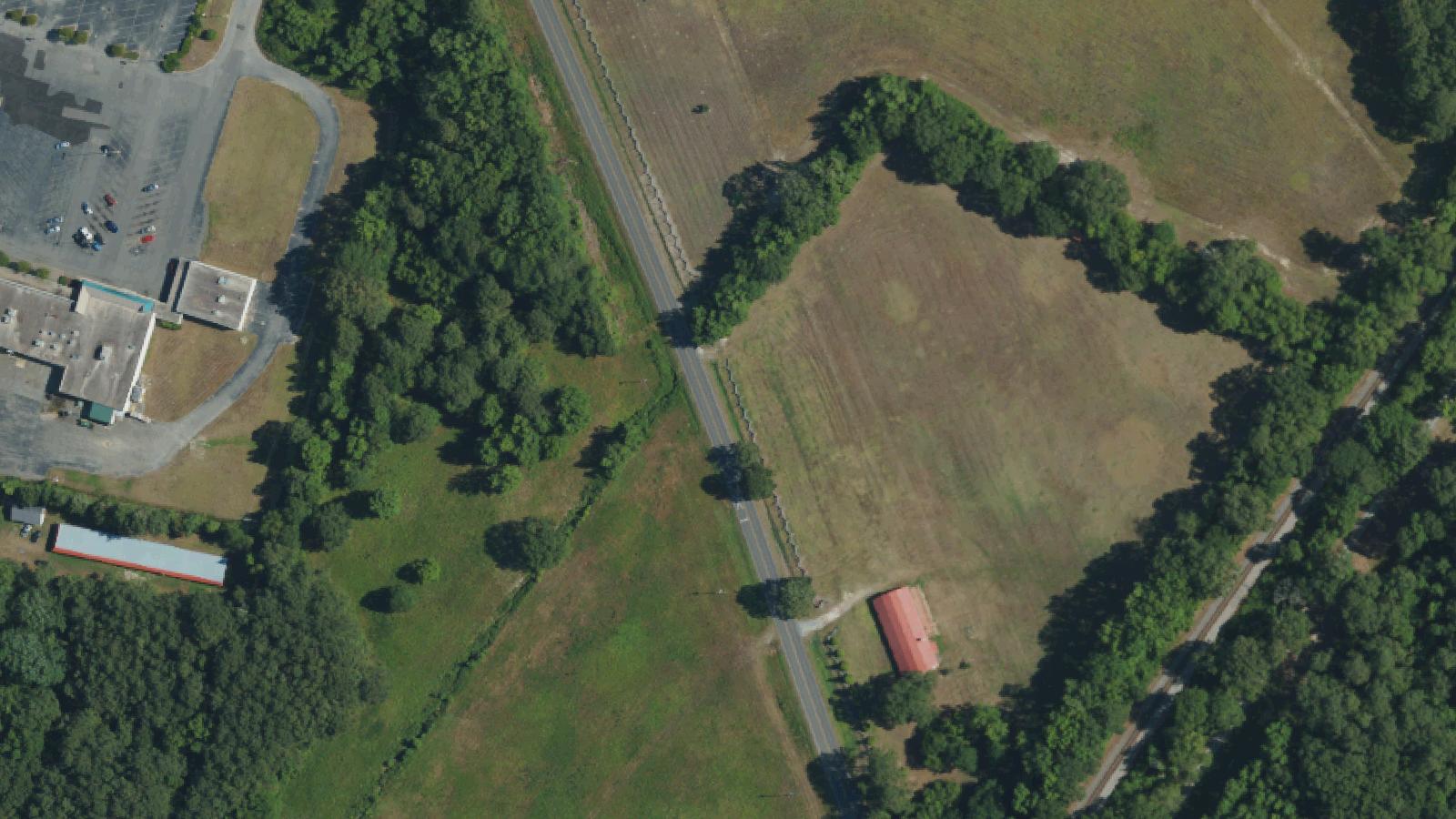
The site preserves approximately 32 acres of battlefield ground with surviving earthworks from the Confederate defensive positions. The American Battlefield Trust has documented the engagement and its strategic context; Wikipedia's article on the Battle of Goldsboro Bridge provides the full order of battle and casualty figures. The preserved earthworks make the tactical shape of the December 1862 fight legible on the ground.
Sources
- https://www.battlefields.org/learn/civil-war/battles/goldsborough-bridge
- https://en.wikipedia.org/wiki/Battle_of_Goldsboro_Bridge
Shadow figuresResidual activityUnexplained sounds
The ghost-tour tradition at Goldsborough Bridge Battlefield reflects a pattern common to Civil War sites: ground where men died in violence generates persistent local reports of anomalous light, sound, and movement. Totally Fly Tours, operating in the Goldsboro area, has formalized this into a ticketed experience, with the guide on record reporting shadow-figure sightings and what investigators term residual activity — the sense that the battlefield is replaying rather than haunting in an interactive sense.
The earthworks themselves give the site its physical anchor. Standing at the Confederate defensive line looking toward the river crossing that a Union force of 10,000 was about to cross is the clearest way to understand what December 17, 1862 felt like from the defending side. That feeling, more than any specific account, is what sustains the site's reputation.
Notable Entities
Confederate soldiers killed December 17 1862