Est. 1864 · April 8, 1864 — decisive Confederate victory ending the Union Red River Campaign · Last major Confederate offensive victory of the Civil War · 2,200 Union casualties; 20 artillery pieces and hundreds of supply wagons captured · Preserved battlefield with Louisiana State Historic Site designation
The Red River Campaign was one of the Union's most ambitious — and ill-fated — western operations. General Nathaniel Banks led a combined army-navy force up the Red River in spring 1864, aiming to capture Shreveport, establish a Union presence in Confederate Texas, and cut off cotton shipments. Confederate General Richard Taylor, commanding the District of Louisiana, had fewer men but chose his ground carefully.
On April 8, 1864, Banks's strung-out column moved north from Natchitoches along a single road through the piney woods toward Mansfield. Taylor deployed his force across the road at a clearing known as Sabine Crossroads, roughly three miles south of Mansfield. The Union advance guard, commanded by General Albert Lee, ran into Taylor's line in the afternoon.
The Union troops, surprised by the Confederate strength, formed a defensive line. Taylor attacked at around 4 p.m. The Confederate assault broke through the Union position within an hour. The routed Union column fled south toward its supply wagons, which created a massive traffic jam on the single road. Confederate cavalry captured roughly 20 artillery pieces and 150-200 supply wagons loaded with provisions and equipment. Union losses totaled over 2,200 killed, wounded, or captured.
Banks regrouped at Pleasant Hill the following day and fought a tactical Confederate repulse on April 9, but the campaign was effectively over. The Red River fleet retreated, Banks withdrew to New Orleans, and the threat to Confederate Texas was lifted. It was the last large-scale Confederate offensive victory of the war.
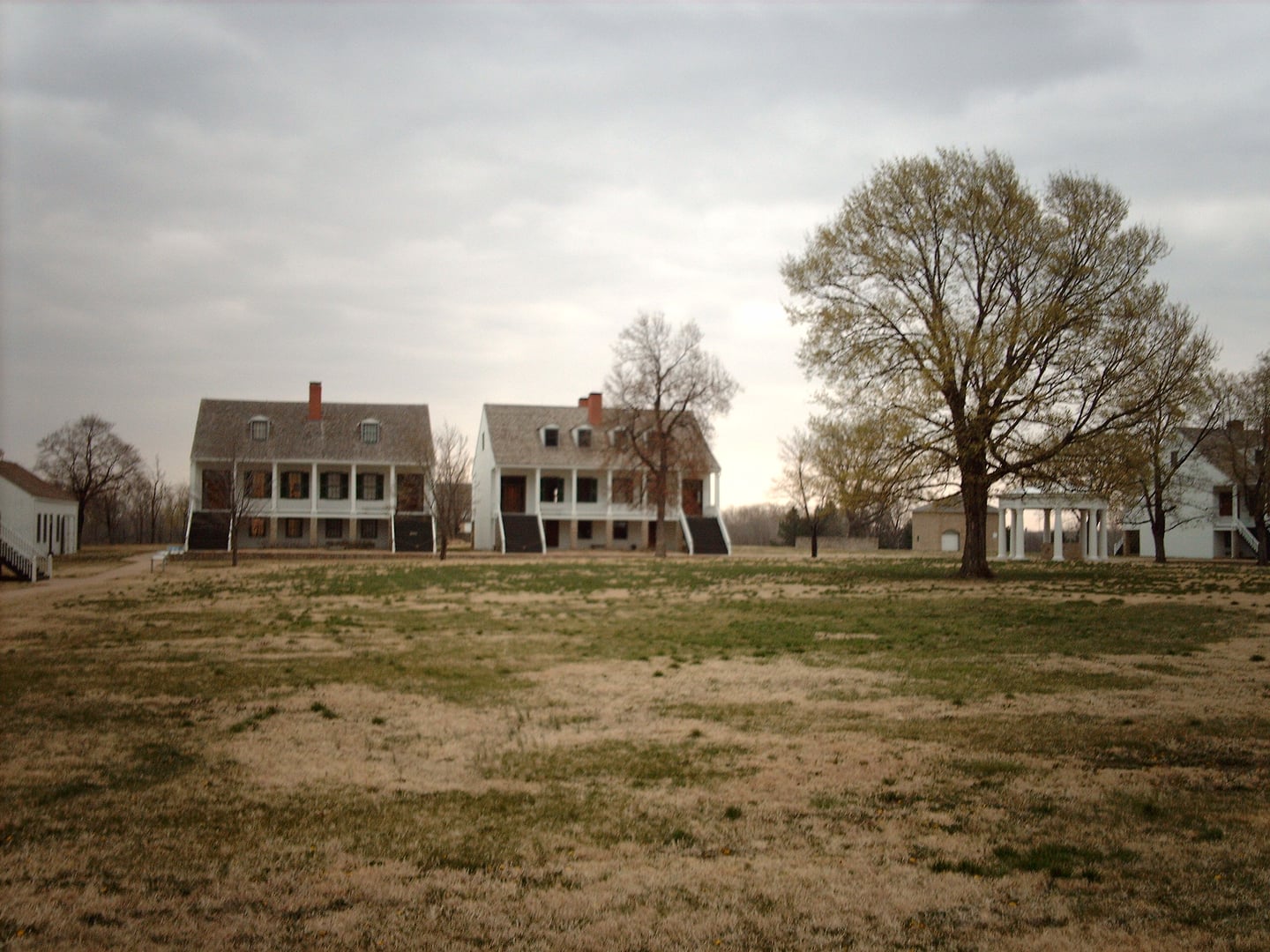
Louisiana established the Mansfield State Historic Site and museum at the battlefield. The site offers living history events and seasonal candlelight tours that incorporate both history and paranormal accounts reported from the grounds.
Sources
- https://www.lastateparks.com/historic-sites/mansfield-state-historic-site
- https://en.wikipedia.org/wiki/Battle_of_Mansfield
- http://hauntednation.blogspot.com/2016/09/mansfield-battlefield-mansfield-la.html
Phantom cannon fire and musket sounds on the battlefieldApparitions of soldiers in period dress
The paranormal accounts at Mansfield State Historic Site follow a pattern common to large Civil War battlefields where mass casualties occurred in a short period. Visitors and paranormal investigators have reported auditory phenomena on the open grounds — described as cannon blasts and the roll of musket fire from somewhere across the fields — along with visual reports of figures in period clothing seen moving at dusk or after dark.
The Haunted Nation blog, which documents paranormal claims at historical sites, published accounts from the battlefield describing both the sound phenomena and apparition sightings. The accounts do not identify specific individuals among the figures seen, and the cannon-fire reports in particular are a recurring element of battlefield paranormal lore nationally.
What sets Mansfield apart from many comparable sites is that Louisiana State Parks officially incorporates these accounts into the site's programming: the candlelight tours, held seasonally, blend the documented history of the April 8, 1864 battle with the paranormal reports that have accumulated at the site. That formal acknowledgment by the operating state agency gives the claims a different character than purely informal visitor reports.
Where this legend is told