Haunted Louisiana

52 haunted destinations cataloged across Louisiana, spanning 24 counties. The collection features museum, haunted hotel, and cemetery — every listing verified with family ratings, accessibility info, and practical visit logistics.

52 locations 24 counties 11 classifications 25 wheelchair accessible

Featured in Louisiana

Top 6
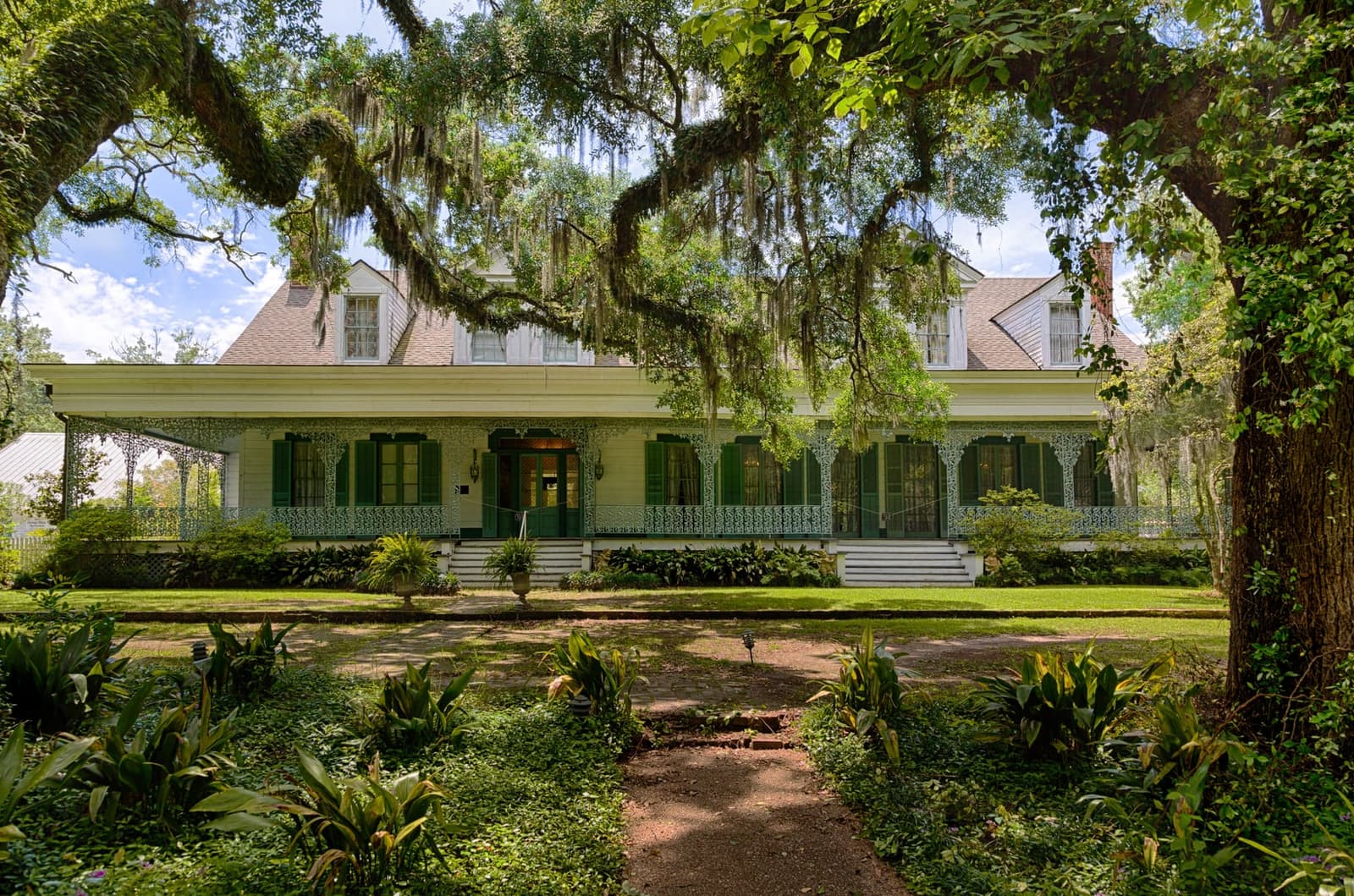
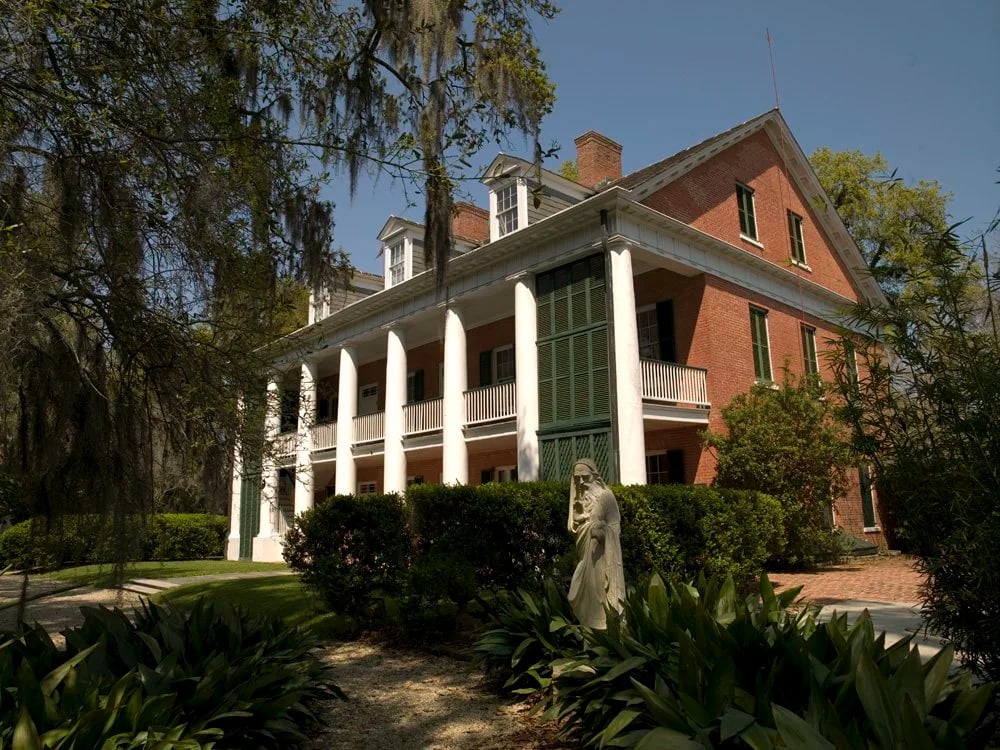
The historic Myrtles Plantation antebellum home in St. Francisville, Louisiana
Haunted House / Historic Home

Myrtles Plantation

St. Francisville, LA

Myrtles Plantation in St. Francisville, Louisiana was built in 1796 by General David Bradford on land he received after fleeing federal prosecution following the Whiskey Rebellion. The property changed hands multiple times throughout the 19th century, accumulating a documented history of violent deaths including the 1871 murder of attorney William Winter on the entrance staircase.

$$ All Ages for day tours; overnight stays may vary Family: Moderate
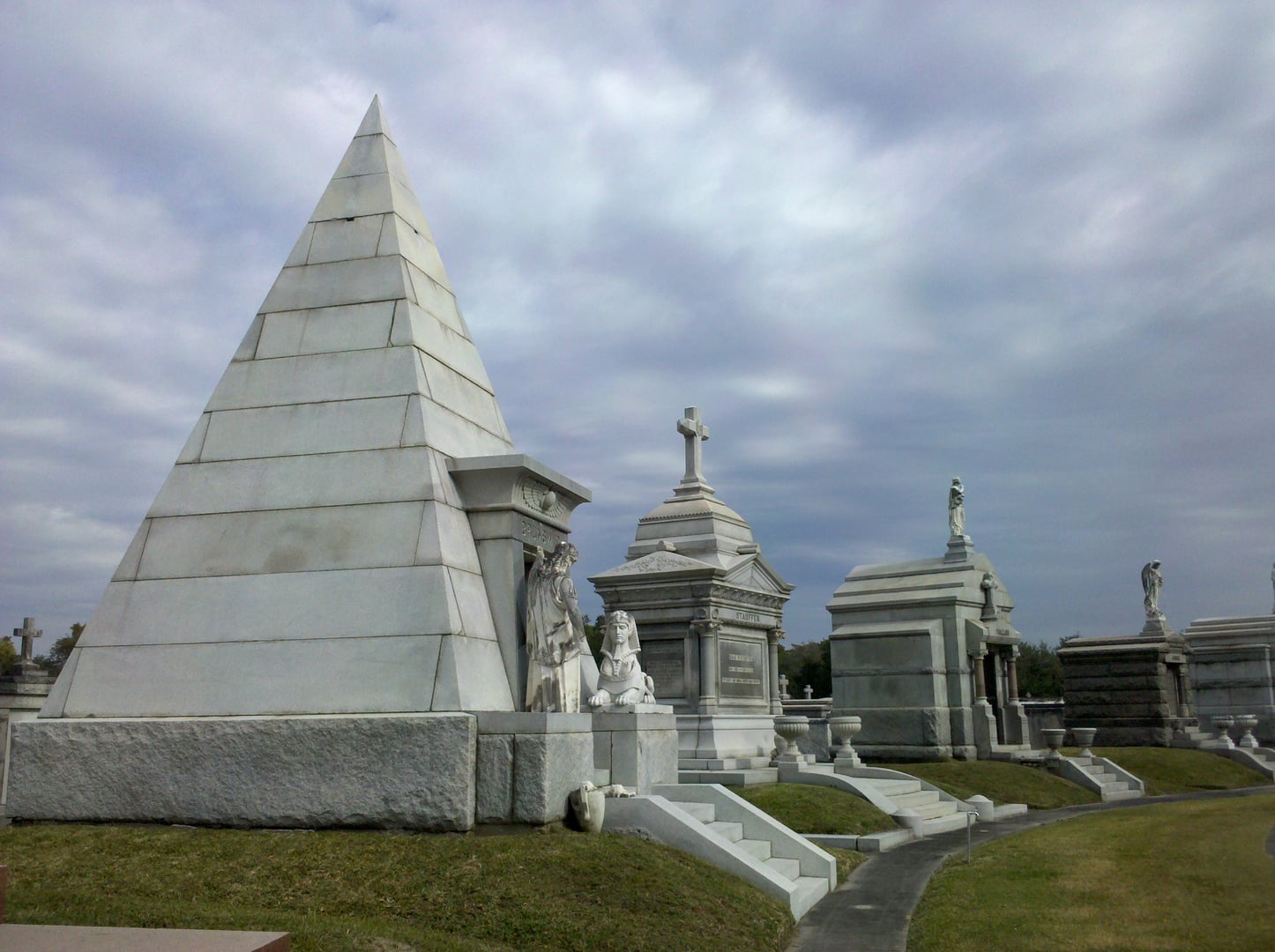
The Egyptian-style Brunswig pyramid mausoleum stands among elaborate tombs in Metairie Cemetery in New Orleans
Cemetery / Burial Ground

Metairie Cemetery

New Orleans, LA

Metairie Cemetery was founded in 1872 on the grounds of the bankrupt Metairie Race Course in New Orleans. The 150-acre cemetery preserves the oval racetrack as its perimeter road and contains some of the most elaborate funerary monuments in the United States, including burial places of nine Louisiana governors, three Confederate generals, and Storyville madam Josie Arlington.

$ All Ages Family: High
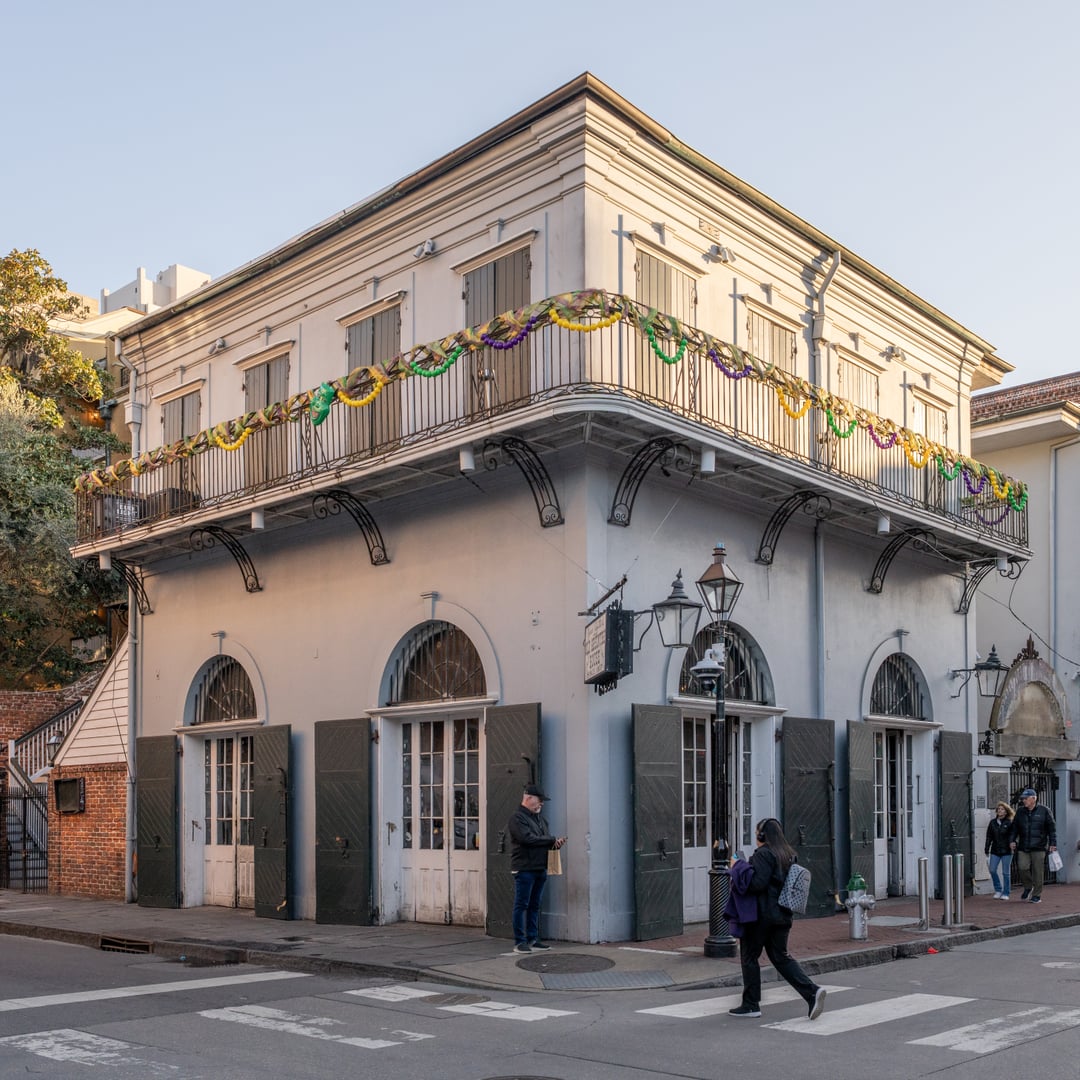
Historic exterior view of Muriel's Jackson Square, a Creole restaurant at 801 Chartres Street in the New Orleans French Quarter.
Haunted Dining / Bar

Muriel's Jackson Square

New Orleans, LA

Muriel's Jackson Square occupies a French Quarter property whose history dates to 1718, when New Orleans founder Bienville awarded the lot to French-Canadian Claude Trepagnier. The current building was rebuilt after the Great New Orleans Fire of 1788 by Pierre Antoine Lepardi Jourdan. Muriel's opened in March 2001 as a Creole restaurant and rapidly became one of the French Quarter's signature dining destinations.

$$$ All Ages Family: High
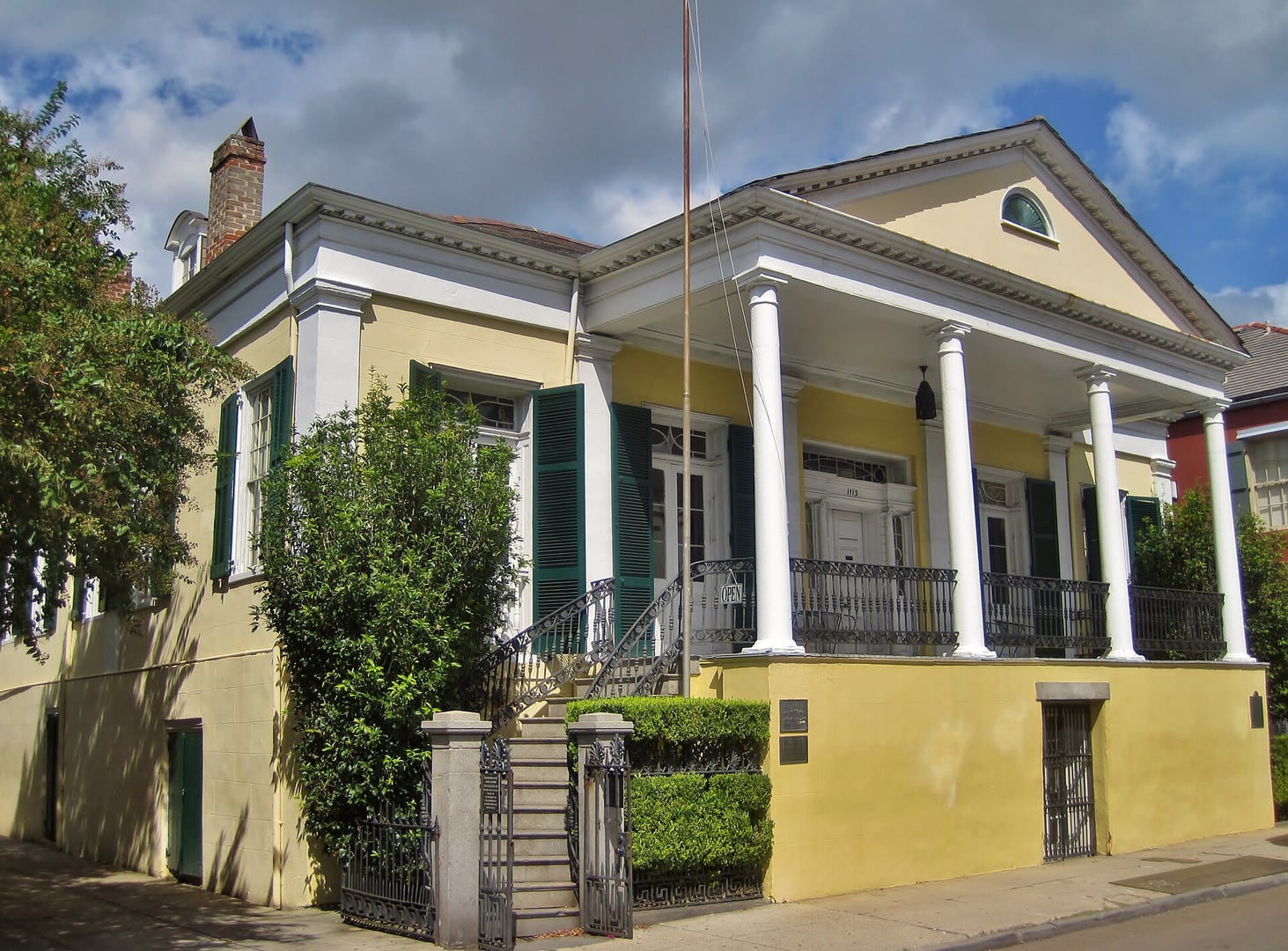
Raised central-hall facade of the Beauregard-Keyes House (1826) at 1113 Chartres Street in the New Orleans French Quarter.
Museum / Historical Site

Beauregard-Keyes House

New Orleans, LA

The Beauregard-Keyes House at 1113 Chartres Street is an 1826 raised center-hall mansion designed by architect Francois Correjolles and built by James Lambert for auctioneer Joseph LeCarpentier. Confederate Gen. P.G.T. Beauregard rented the house in 1866-1868. Novelist Frances Parkinson Keyes purchased it in the 1940s, restored it, and bequeathed it to the foundation that operates it as a house museum today.

$$ All Ages Family: Moderate
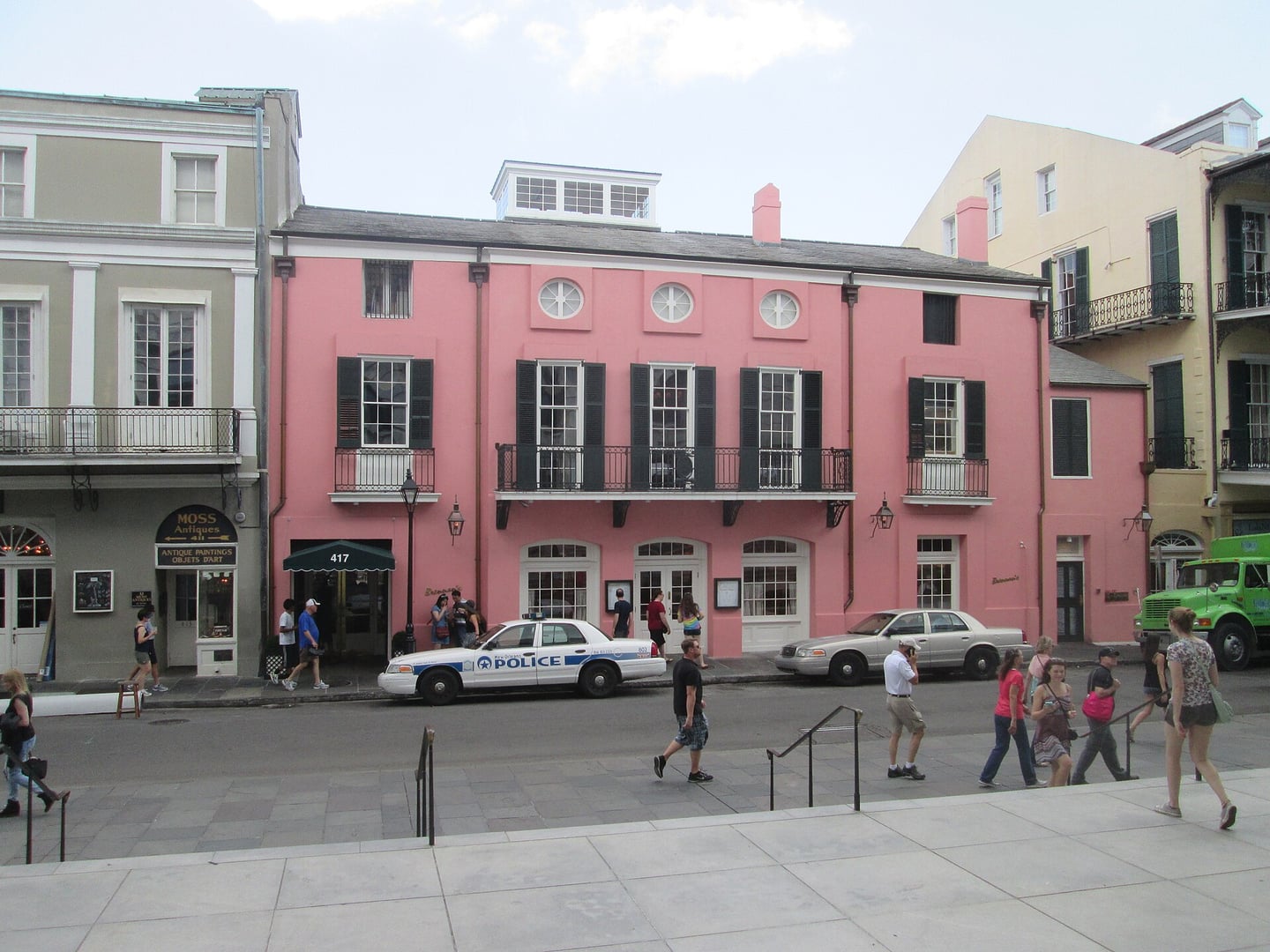
Pink-stuccoed exterior of Brennan's Restaurant at 417 Royal Street, an 1795 French Quarter mansion that became one of New Orleans' iconic Creole dining destinations
Haunted Dining / Bar

Brennan's Restaurant

New Orleans, LA

Brennan's Restaurant opened in 1946 and moved to its current Royal Street building in 1956. The building dates to the late 18th century and previously housed the Banque de la Louisiane. Bananas Foster - now an iconic New Orleans dessert - was invented at Brennan's by chef Paul Blange in 1951. The Brennan family openly maintains haunted-history materials. The restaurant was featured on Ghost Hunters in connection with the Red Room.

$$$$ All Ages Family: Moderate
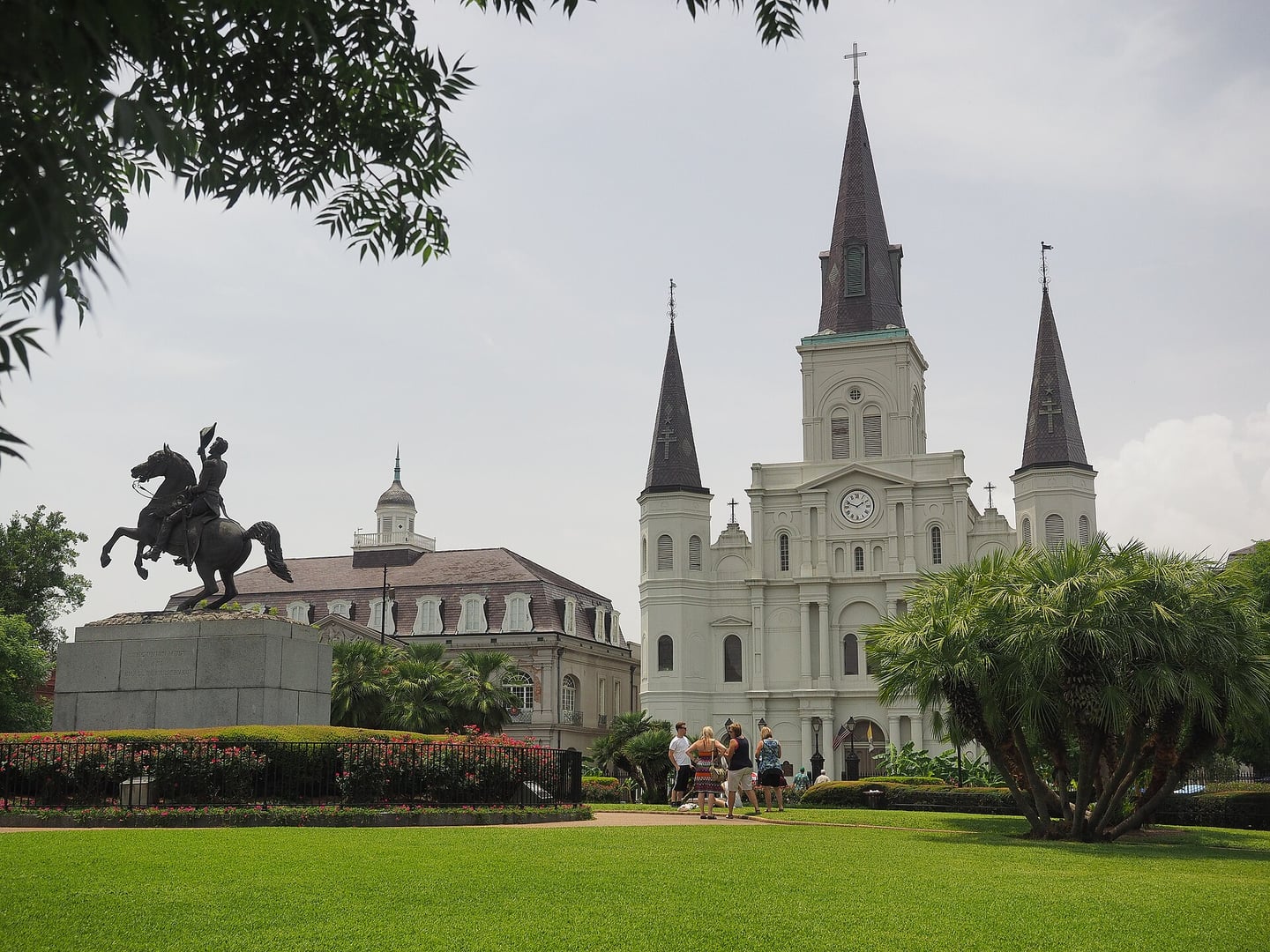
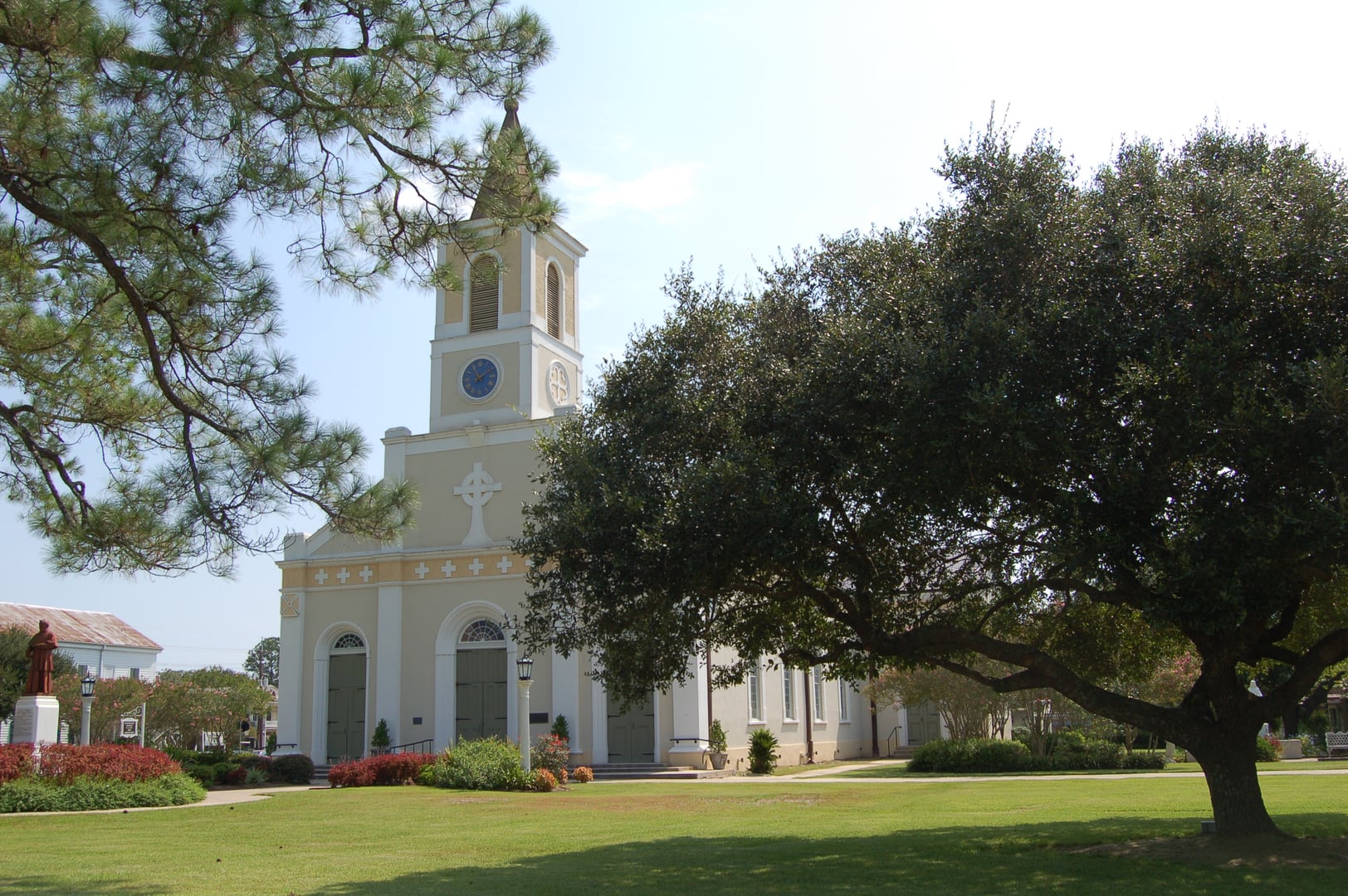
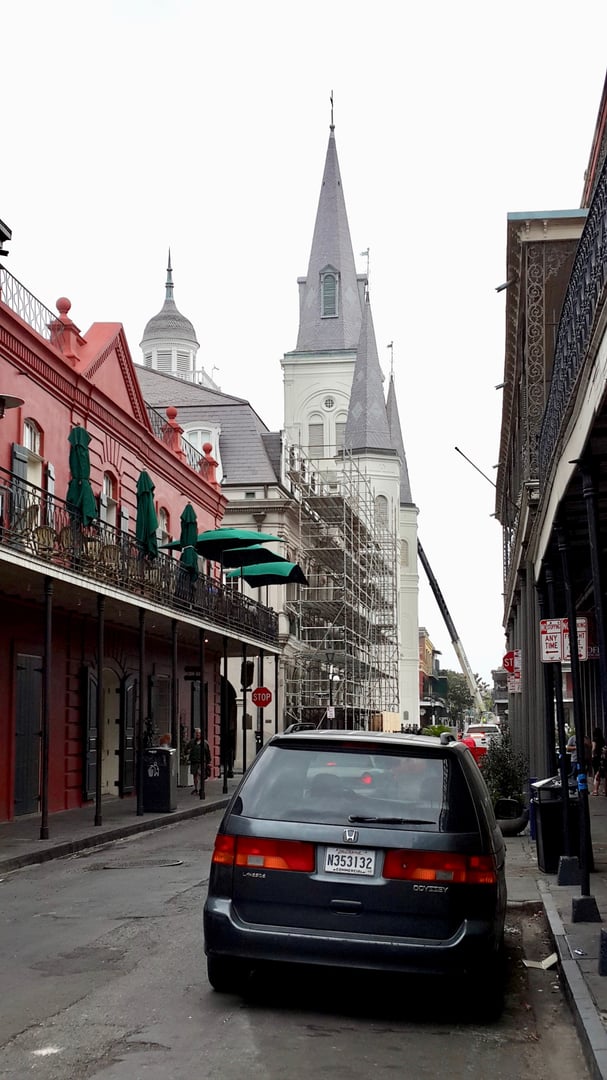
Three-spire facade of St. Louis Cathedral facing Jackson Square in the New Orleans French Quarter, America's oldest continuously active Catholic cathedral
Other Dark Tourism Site

St. Louis Cathedral

New Orleans, LA

The Cathedral-Basilica of St. Louis, King of France stands on Jackson Square in the New Orleans French Quarter and is the oldest continuously active Catholic cathedral in the United States. The parish was established in 1720; the first church (1727) burned in the Great New Orleans Fire of 1788, the second building was completed in 1794 and dedicated as a cathedral, and the present structure dates primarily to a major 1850 rebuilding. Pope Paul VI designated it a minor basilica in 1964.

$ All Ages Family: High

More in Louisiana

New Orleans — 23

Bottom of the Cup Tea Room — Haunted Dining / Bar
Haunted Dining / Bar

Bottom of the Cup Tea Room

New Orleans, LA

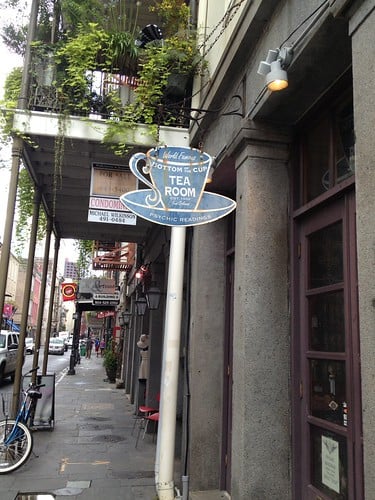
Bottom of the Cup Tea Room has operated continuously since 1929 in the French Quarter. The building itself dates to the antebellum period when it served as a residence for Julie, an Octoroon woman maintained as the mistress of a wealthy Creole businessman. The structure represents French Quarter architecture and 19th-century social complexities.

$$ All Ages Family: High
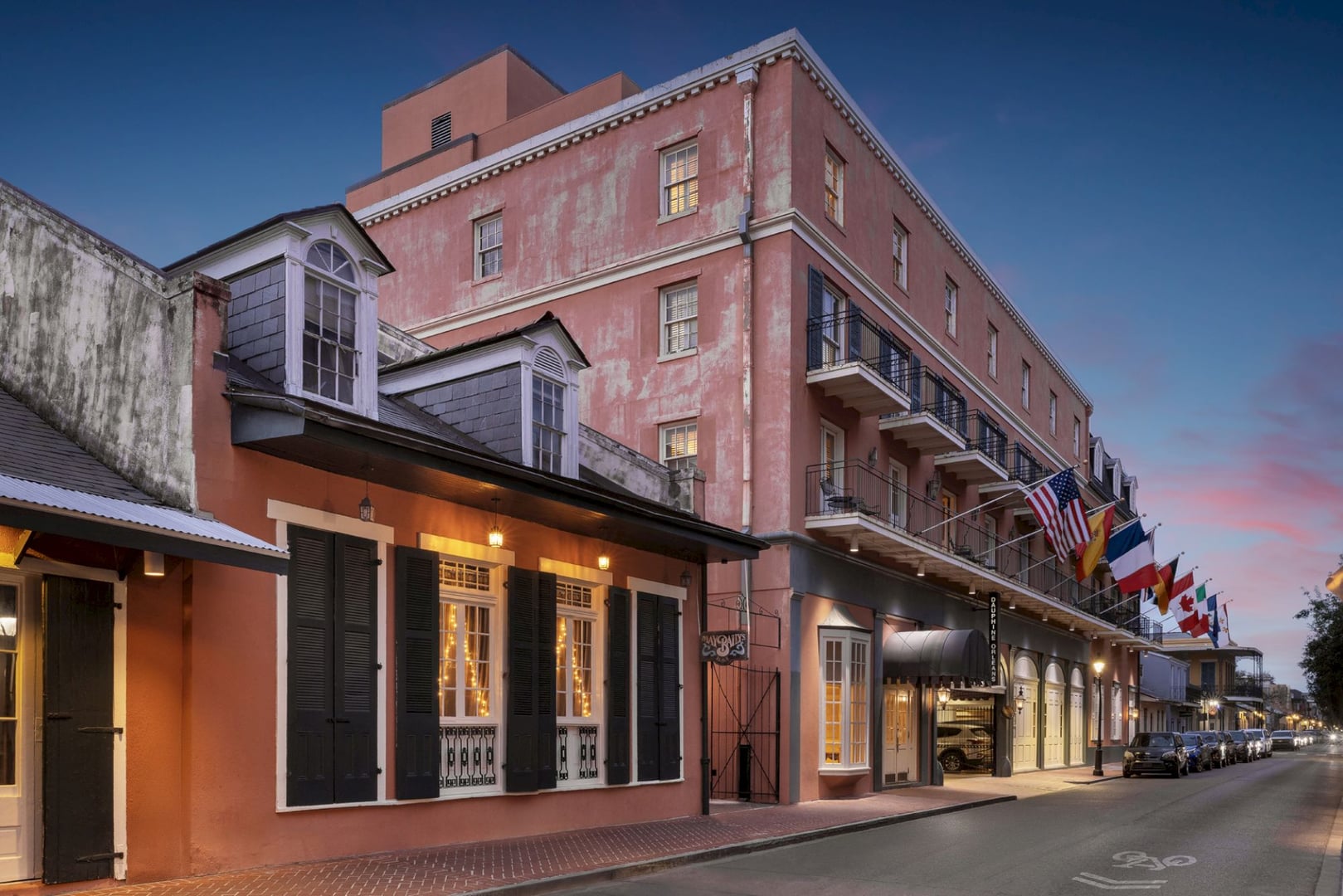
Exterior of the Bourbon Orleans Hotel at 717 Orleans Street in New Orleans' French Quarter
Haunted Hotel / Inn

Bourbon Orleans Hotel

New Orleans, LA

The site at 717 Orleans Street in New Orleans' French Quarter has been continuously occupied since entrepreneur John Davis built the Orleans Theatre and Ballroom in 1817, designed by architect Henry Latrobe. The Sisters of the Holy Family — America's first African American religious order — operated a school and orphanage in the building from 1881 to 1964 before the property was converted to its current hotel use.

$$$ All Ages Family: Moderate
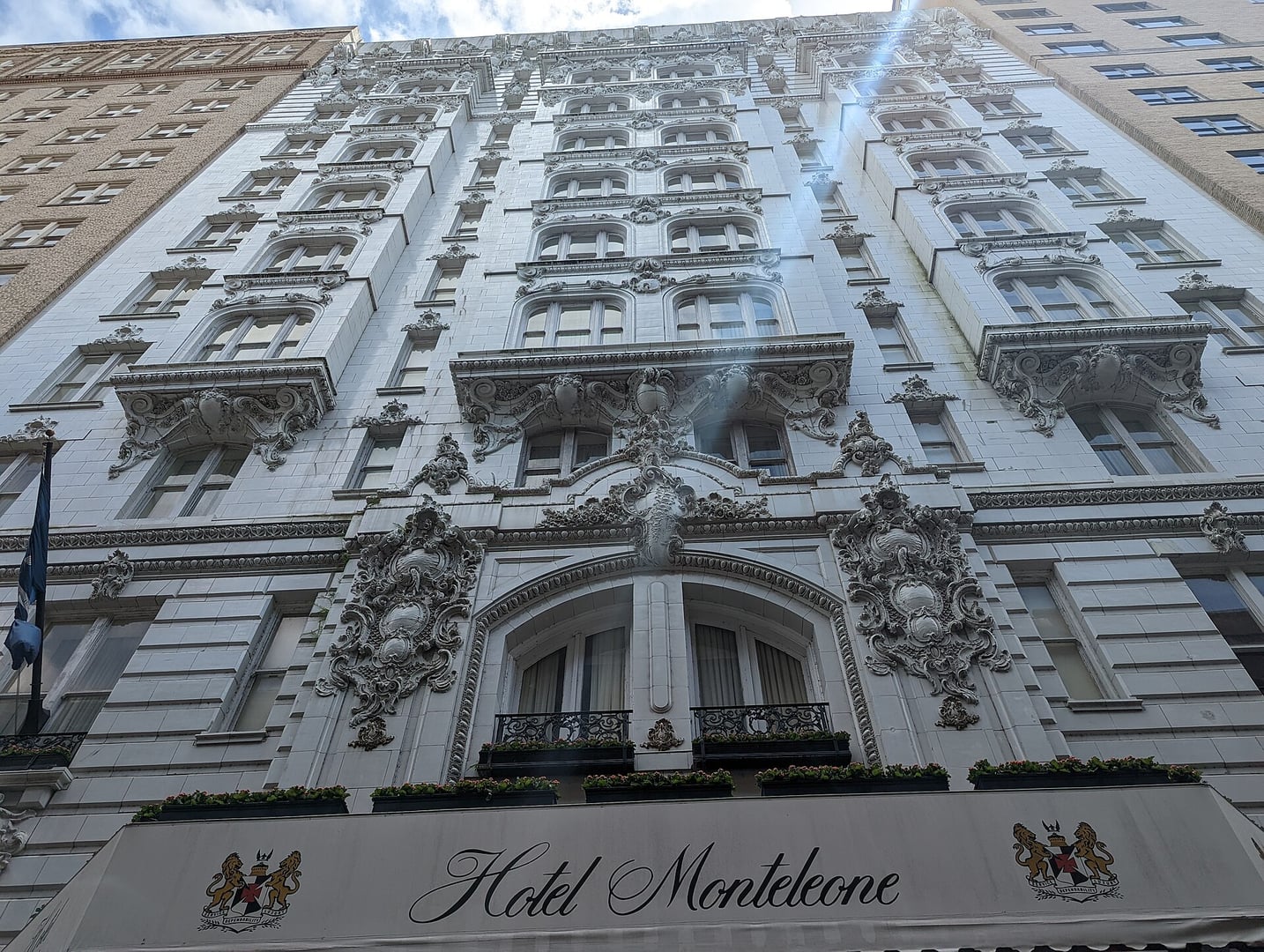
Beaux-Arts facade of Hotel Monteleone on Royal Street in the New Orleans French Quarter
Photo coming soon
Haunted Hotel / Inn

Hotel Monteleone

New Orleans, LA

Hotel Monteleone has been owned and operated by five generations of the Monteleone family since Antonio Monteleone, a Sicilian immigrant cobbler, purchased a 64-room hotel at Royal and Iberville Streets in 1886. The current structure, substantially enlarged over the following decades, contains 570 rooms and is the only remaining family-owned luxury hotel in the French Quarter.

$$$ All Ages Family: High
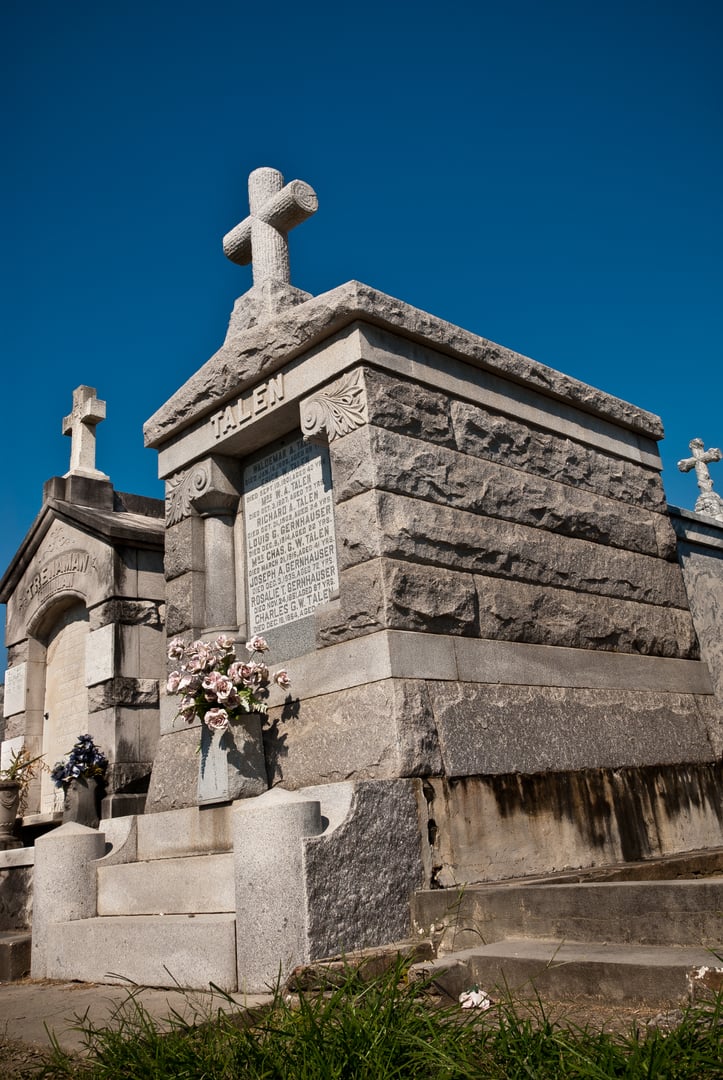
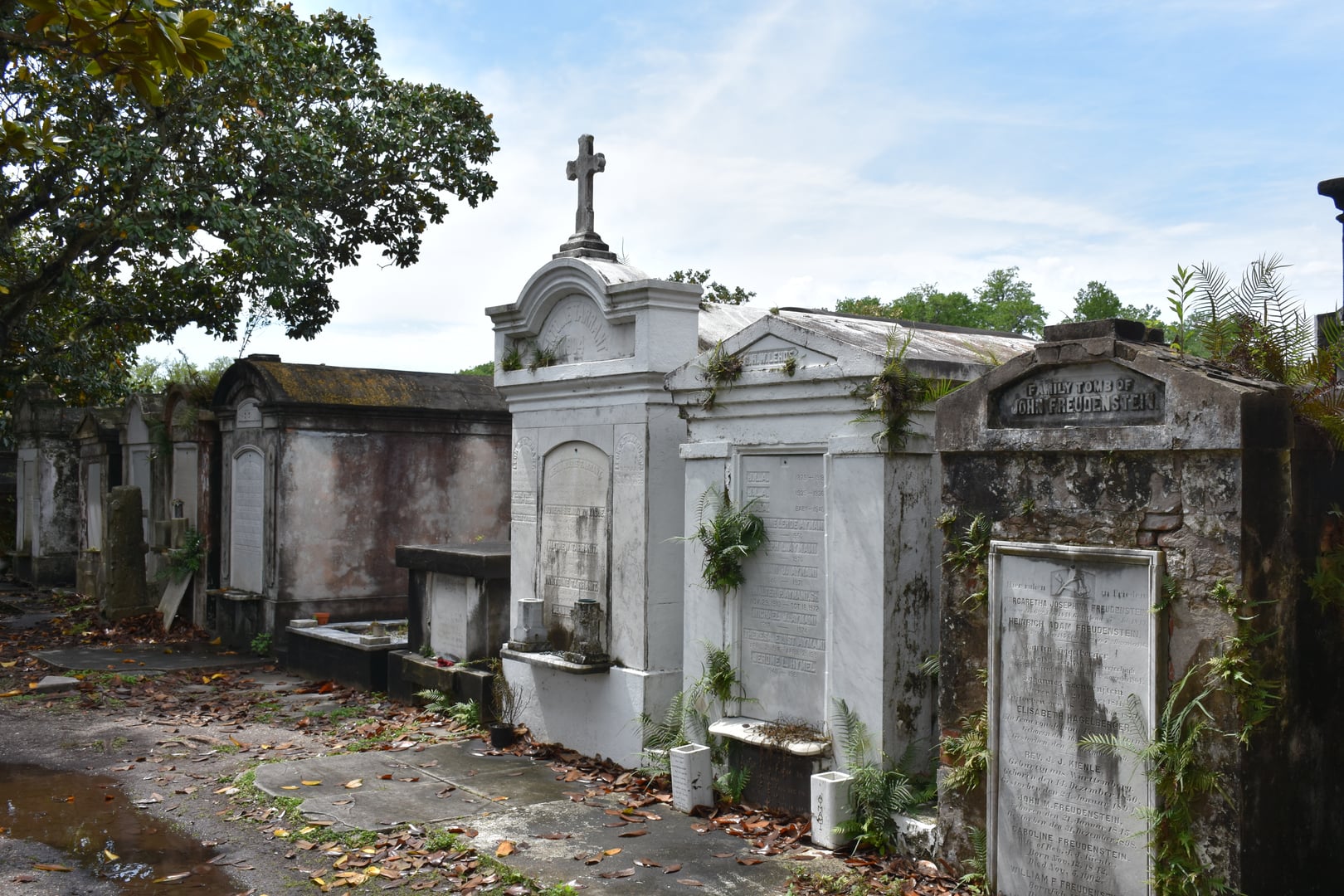
Above-ground tombs and society vaults at Lafayette Cemetery No. 1 in the Garden District of New Orleans, Louisiana
Cemetery / Burial Ground

Lafayette Cemetery No. 1

New Orleans, LA

Lafayette Cemetery No. 1 in New Orleans's Garden District was established in 1833 by the City of Lafayette, then a separate municipality from New Orleans. The cemetery's above-ground tombs and society vaults serve a multi-ethnic immigrant population. The site is temporarily closed for repairs as of 2024-2025; tours operate from the gates.

$ All Ages Family: High
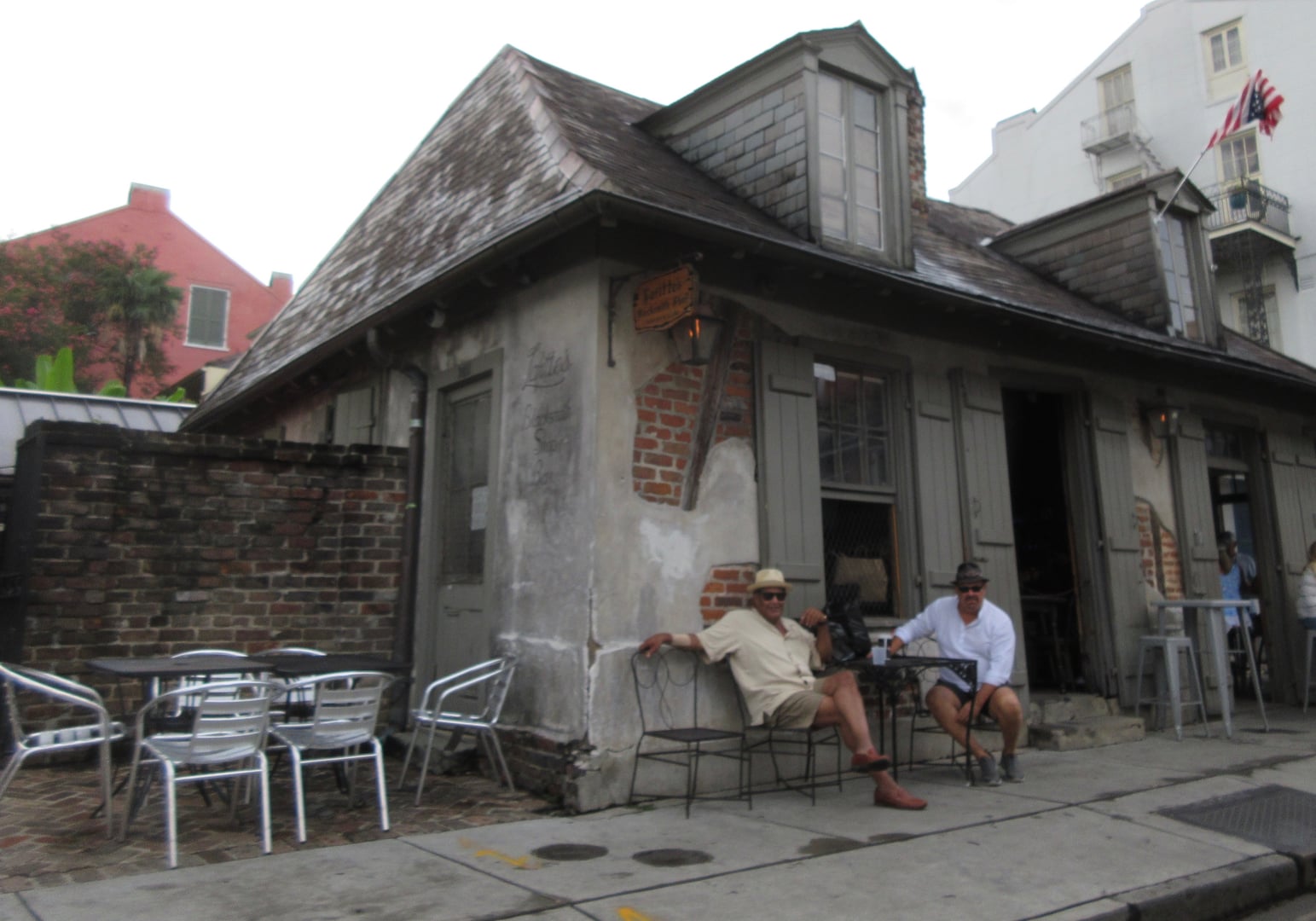
Briquette-entre-poteaux French Colonial townhouse housing Lafitte's Blacksmith Shop bar on Bourbon Street in the New Orleans French Quarter
Haunted Dining / Bar

Lafitte's Blacksmith Shop

New Orleans, LA

Lafitte's Blacksmith Shop at 941 Bourbon Street in New Orleans is a French Colonial townhouse built between 1772 and 1791. The briquette-entre-poteaux structure is one of the oldest surviving buildings in the French Quarter and was designated a National Historic Landmark in 1970. It has operated as a bar since the 1940s.

$$ 21+ Family: Not Recommended
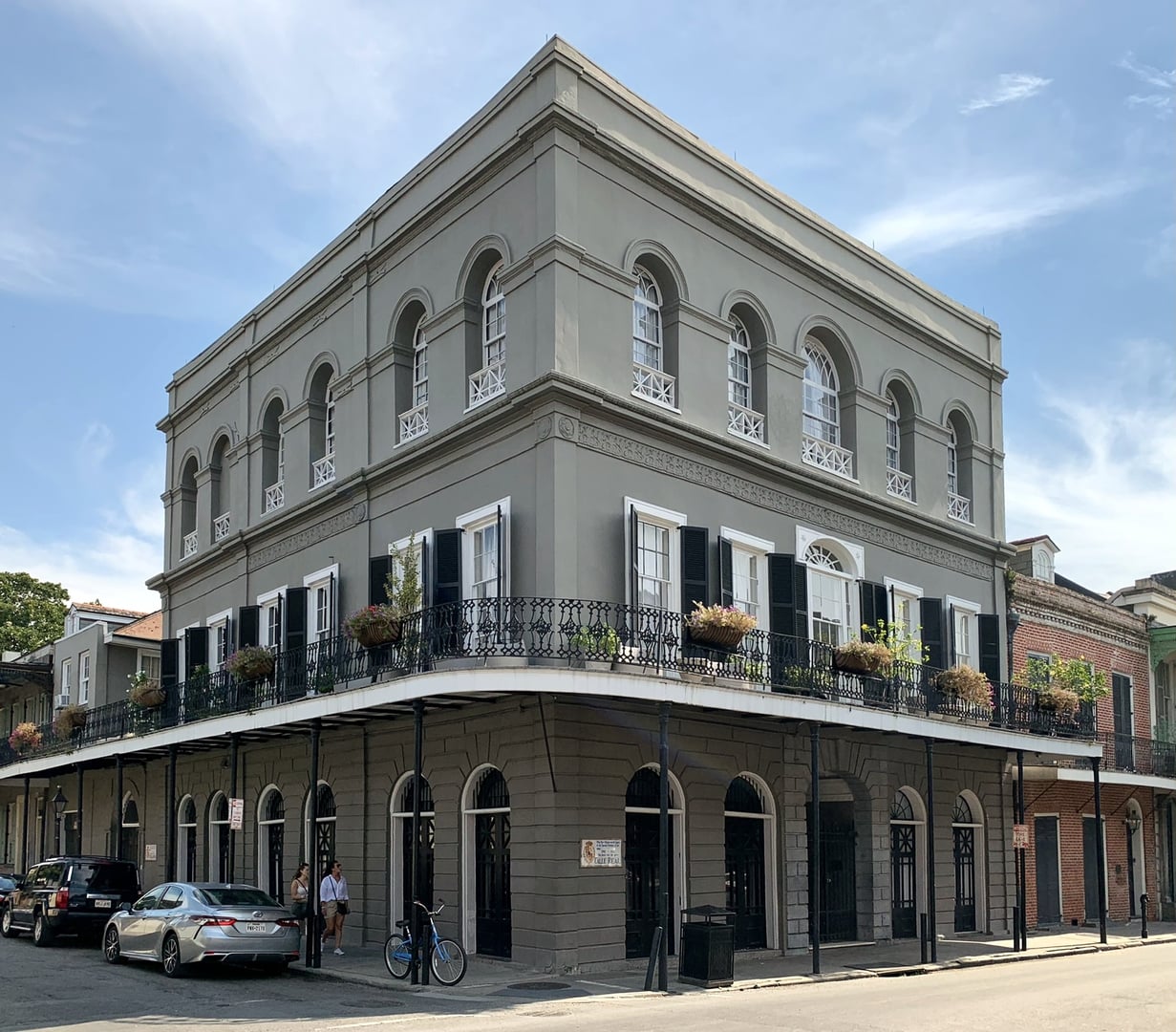
Exterior of the LaLaurie Mansion, an Empire-style townhouse at 1140 Royal Street in the New Orleans French Quarter
Haunted House / Historic Home

LaLaurie Mansion

New Orleans, LA

The LaLaurie Mansion at 1140 Royal Street in New Orleans was built in 1832 by Delphine Macarty LaLaurie. An April 10, 1834 fire revealed enslaved people who had been tortured and confined in the attic. A mob sacked the house; LaLaurie fled to France. The current Empire-style building dates to an 1838 reconstruction. The property is a private residence.

$ All Ages (exterior viewing only) Family: Low
Open Graph image from www.frenchquarterguesthouses.com
Haunted Hotel / Inn

Lamothe House Hotel

New Orleans, LA

The Lamothe House Hotel at 621 Esplanade Avenue in New Orleans was built around 1839 by Jean Lamothe, a wealthy sugar cane planter, after his sister Marie Virginia Lamothe purchased the land in 1829. The double townhouse design was among the first of its kind on Esplanade Avenue. The property is listed on the National Register of Historic Places.

$$ All Ages Family: High
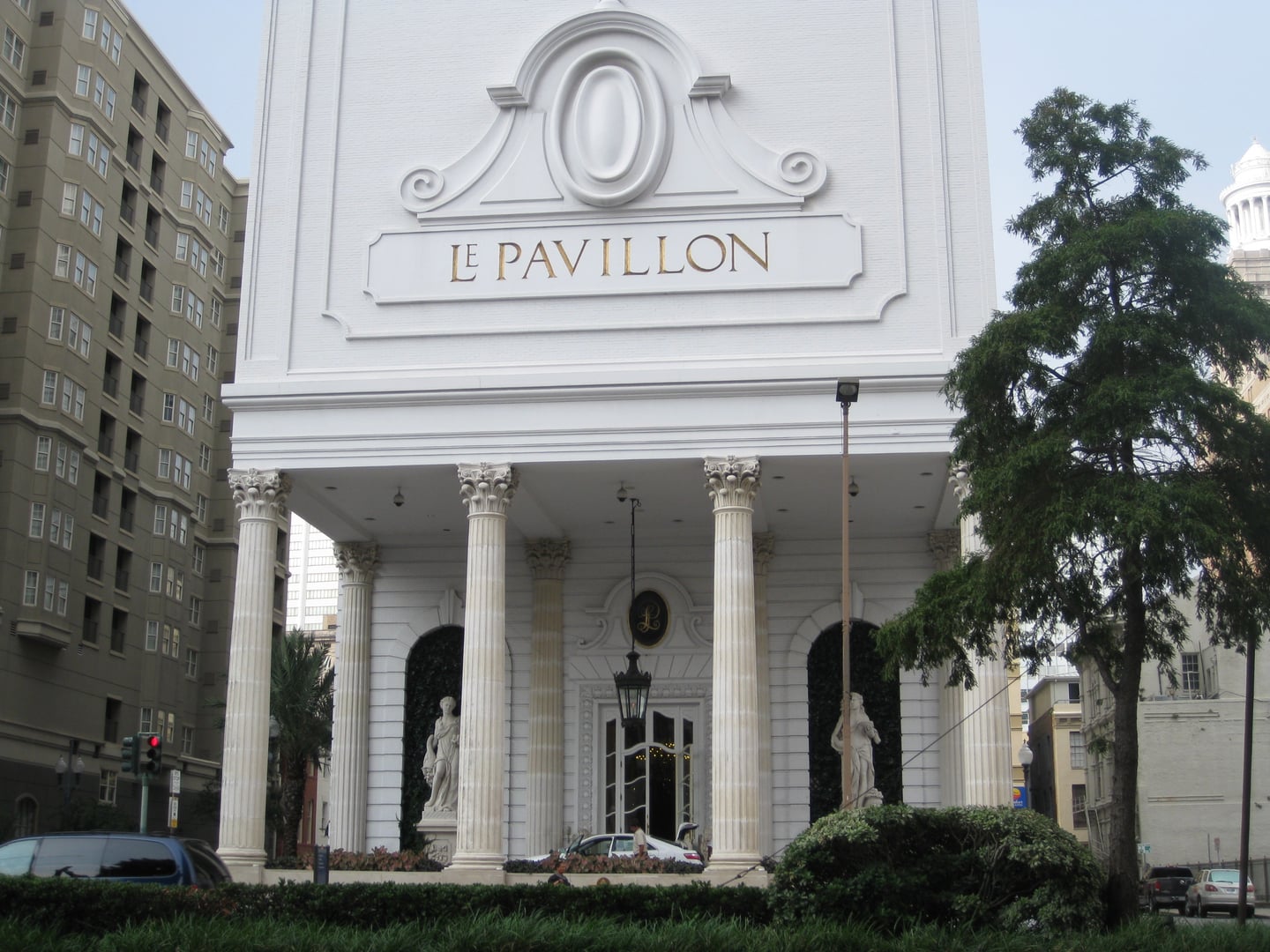
Le Pavillon Hotel exterior, historic high-rise hotel in downtown New Orleans, Louisiana
Haunted Hotel / Inn

Le Pavillon, New Orleans, a Tribute Portfolio Hotel

New Orleans, LA

Le Pavillon Hotel opened in 1907 as the New Hotel Denechaud at 833 Poydras Street in New Orleans' Central Business District. Designed in the French Renaissance style with the city's first hydraulic elevator, it was placed on the National Register of Historic Places in 1991 and joined Historic Hotels of America in 1994. It now operates as a Marriott Tribute Portfolio property.

$$$ All Ages Family: High
Le Petit Theatre du Vieux Carre exterior in New Orleans French Quarter near Jackson Square
Theater / Performance Venue

Le Petit Theatre du Vieux Carre

New Orleans, LA

Le Petit Theatre du Vieux Carre was founded in 1916 by a group of amateur theater enthusiasts in New Orleans and moved to its permanent home at 616 St. Peter Street in 1922. Architect Richard Koch designed the building in Spanish Colonial style, incorporating a surviving 1790s colonial structure at the corner. It is one of the nation's oldest continuously operating community theater organizations.

$$ All Ages Family: High
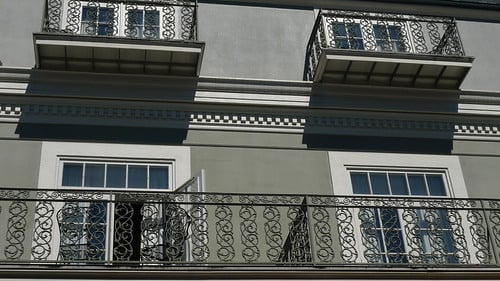
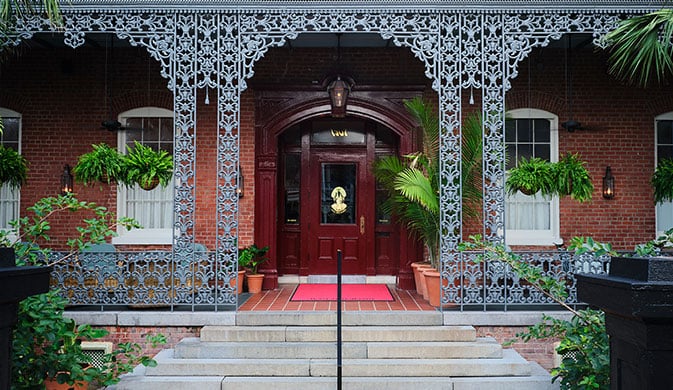
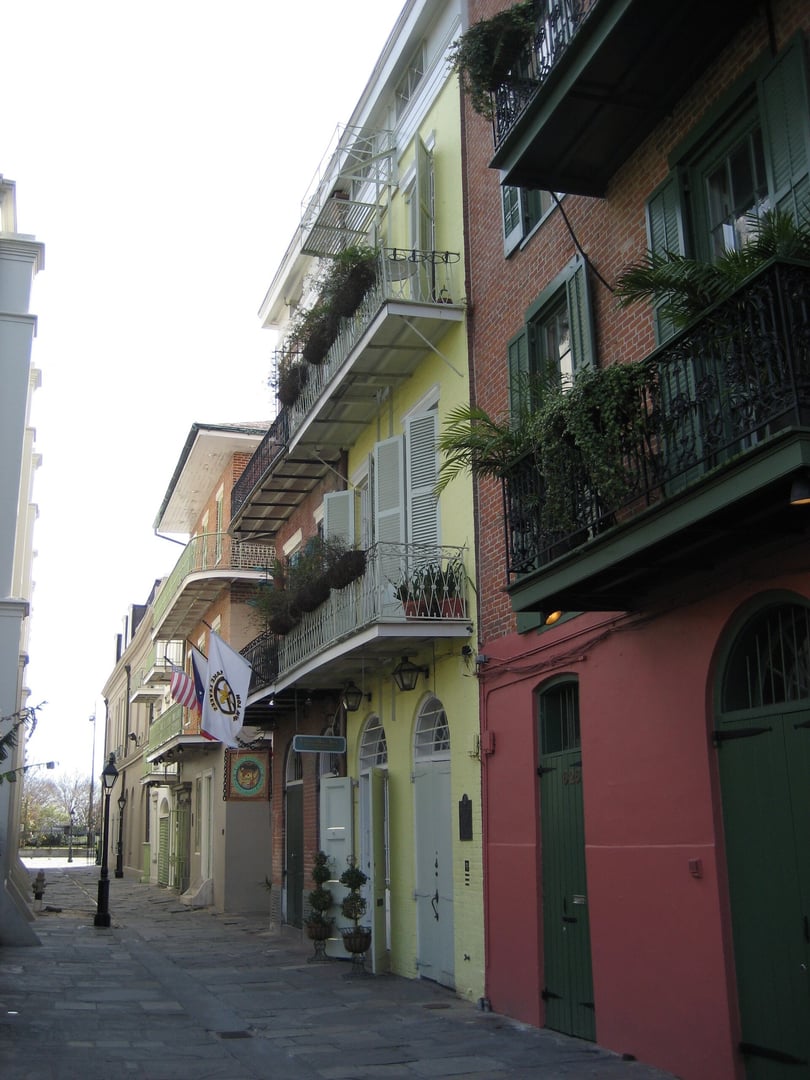
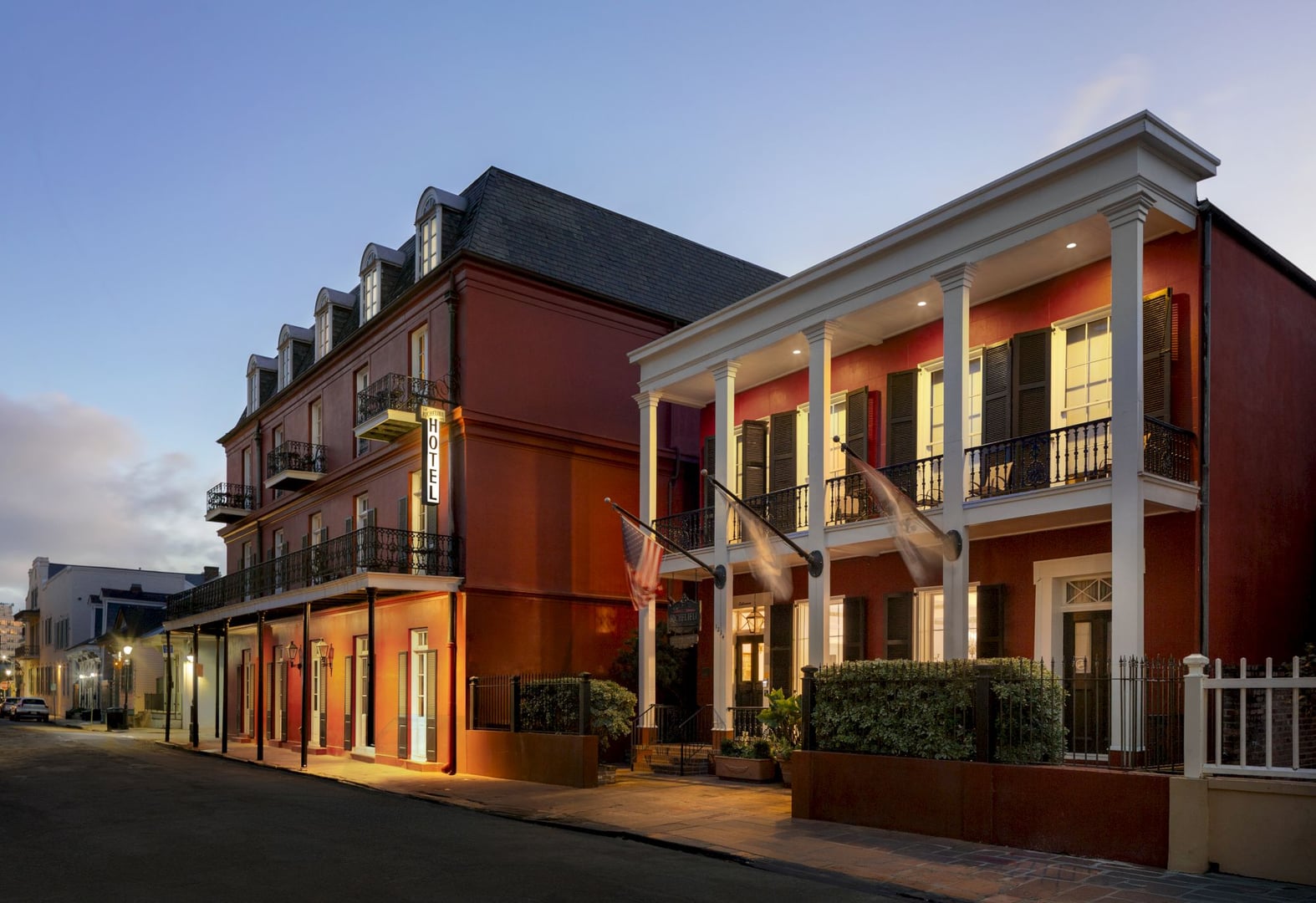
Exterior of Hotel Le Richelieu, a 1845 boutique hotel with red brick facade and wrought iron balconies on Chartres Street in the New Orleans French Quarter.
Haunted Hotel / Inn

Hotel Le Richelieu

New Orleans, LA

Hotel Le Richelieu occupies a row of mid-nineteenth-century townhouses at 1234 Chartres Street in the lower French Quarter of New Orleans, near the boundary with the Faubourg Marigny. The hotel has operated continuously since the 1960s and has hosted a notable roster of musicians, including Paul McCartney during the 1975-1976 Wings Venus and Mars recording sessions at Sea-Saint Studios.

$$$ All Ages Family: High
Whitewashed above-ground tombs at St. Louis Cemetery No. 1 in New Orleans, Louisiana
Cemetery / Burial Ground

St. Louis Cemetery No. 1

New Orleans, LA

St. Louis Cemetery No. 1 is the oldest surviving cemetery in New Orleans, established in 1789 after a fire and yellow-fever epidemic destroyed the previous burying ground. Its above-ground tombs hold generations of French, Spanish, Creole, free people of color, and enslaved African burials. The Archdiocese restricted general public access in 2015.

$$ All Ages — children accompanied by adults Family: Moderate
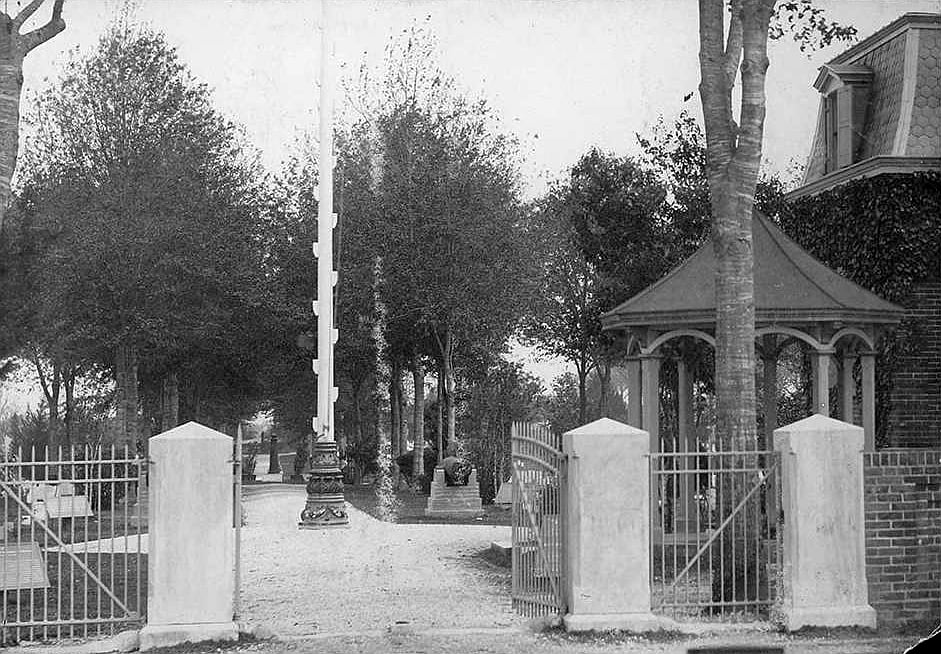
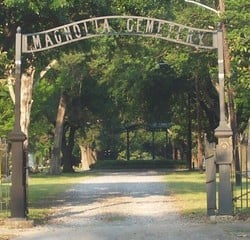
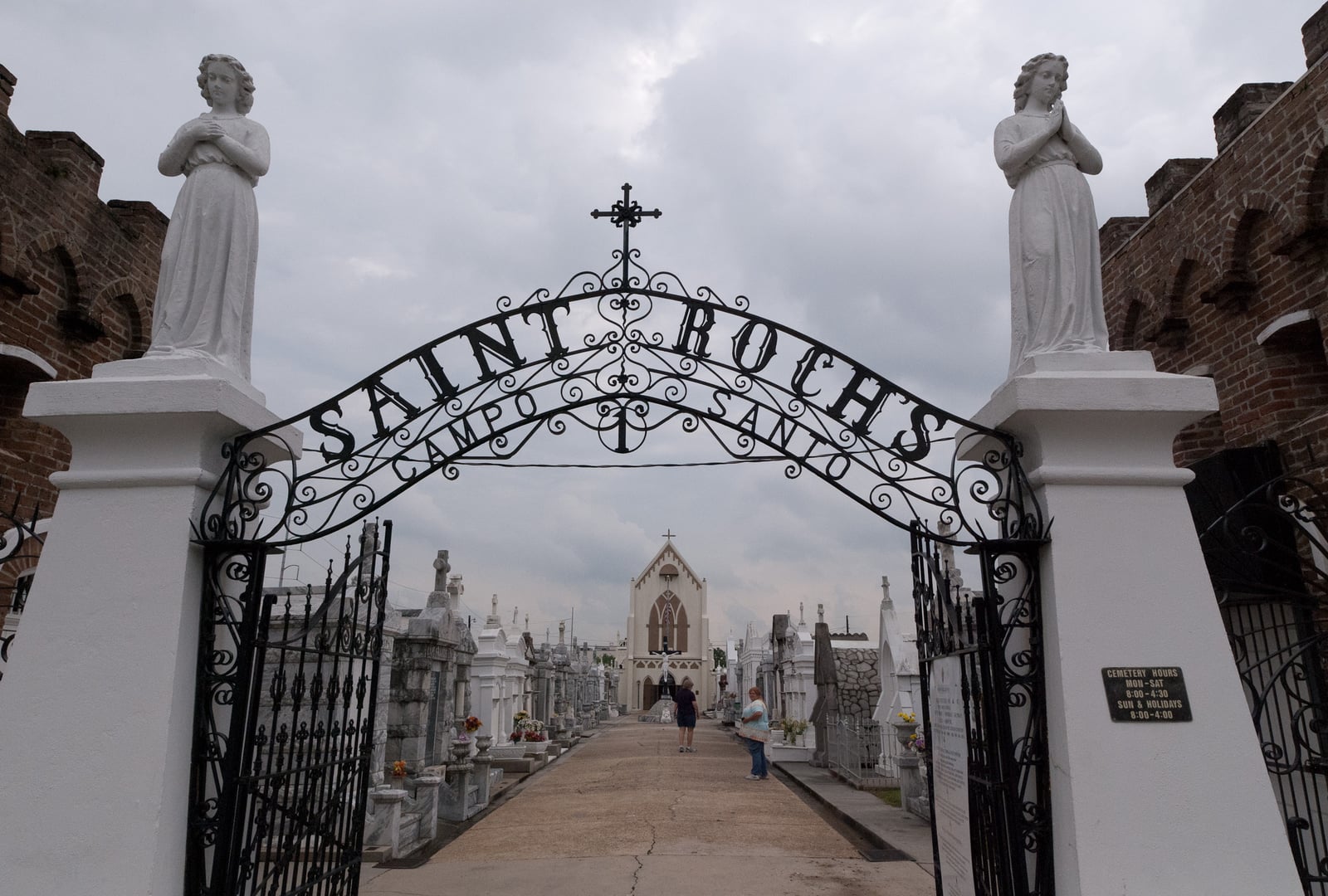
Entrance archway to St. Roch Cemetery (Campo Santo) in New Orleans, Louisiana
Cemetery / Burial Ground

St. Roch Cemetery

New Orleans, LA

St. Roch Cemetery and Chapel were dedicated on September 6, 1875, by Reverend Peter Thevis, the German-born pastor of Holy Trinity Church, in fulfillment of a vow he made during the 1867 yellow-fever epidemic. The site became a major Catholic pilgrimage destination, and its chapel side-room holds an accumulated collection of ex-voto offerings left by pilgrims healed through prayer.

$ All Ages Family: Moderate
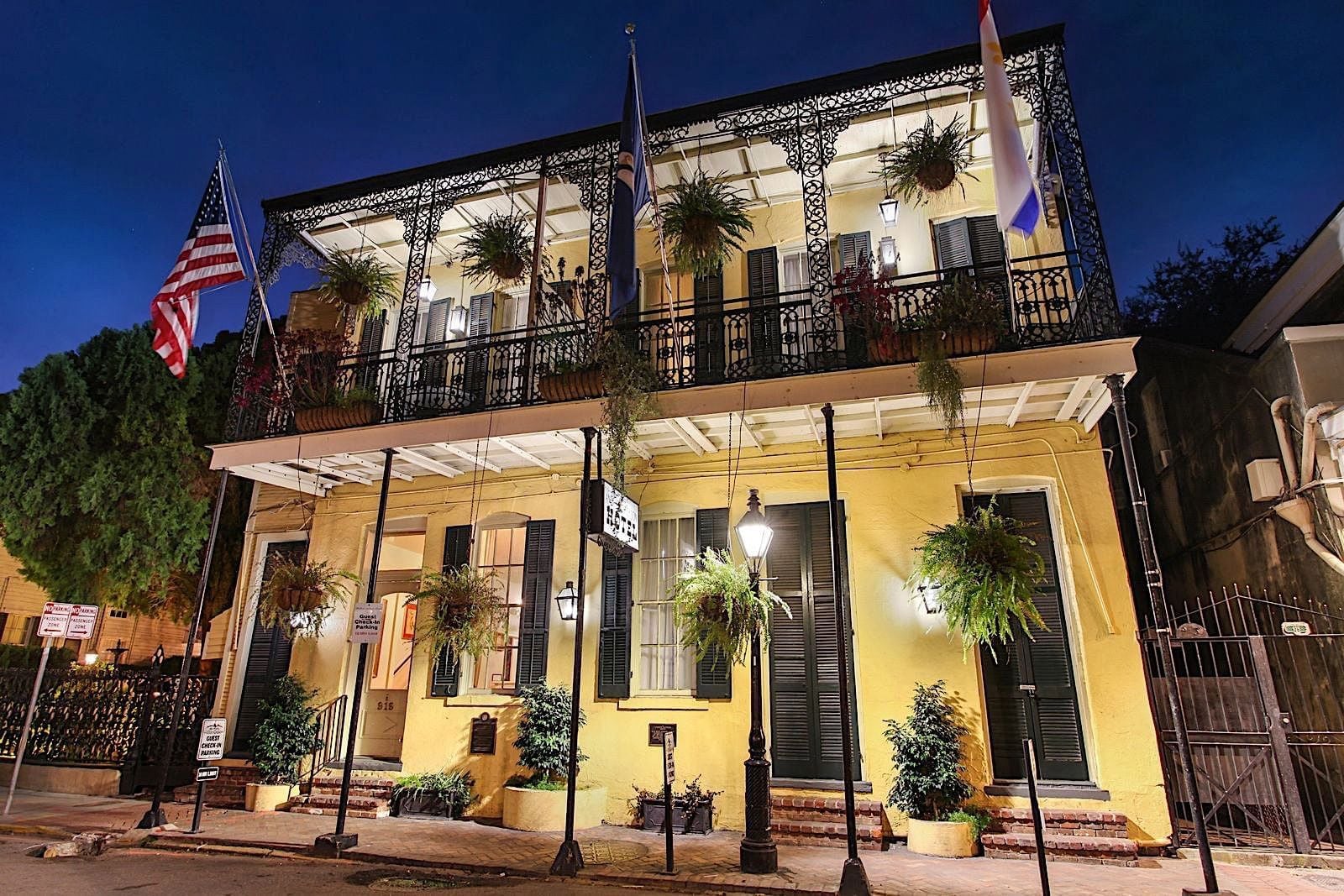
Exterior of the Andrew Jackson Hotel at 919 Royal Street in the New Orleans French Quarter
Photo coming soon
Haunted Hotel / Inn

The Andrew Jackson Hotel

New Orleans, LA

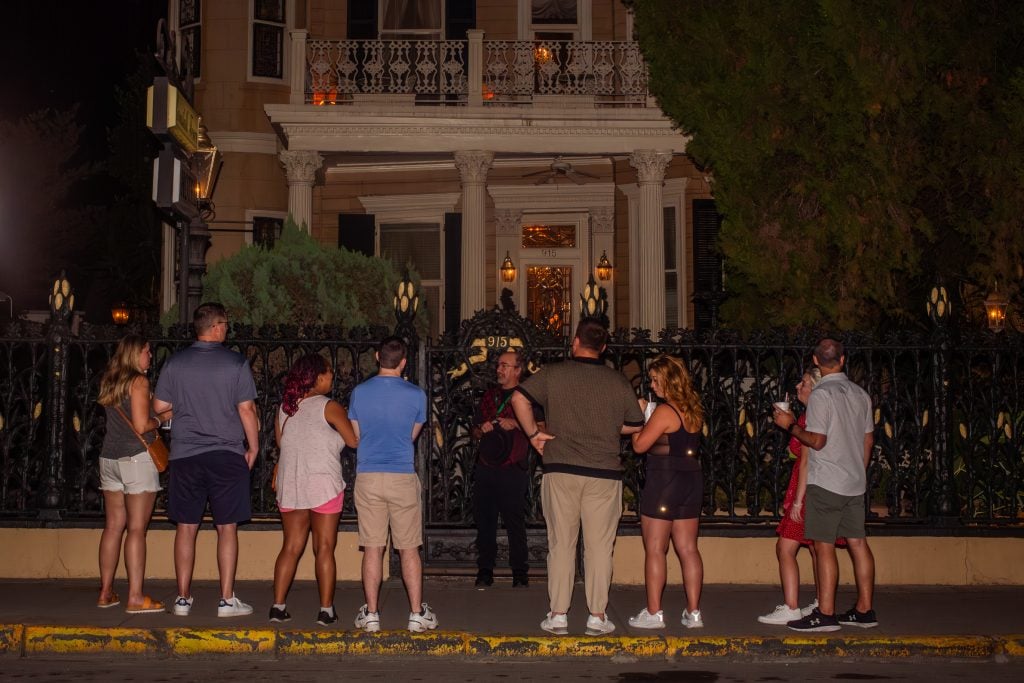
The site at 919 Royal Street was originally a Spanish Colonial-era boys' boarding school and orphanage opened in 1792 for boys orphaned by yellow fever. The school was destroyed in the Great New Orleans Fire of 1794, in which five boys died. A U.S. Federal Courthouse later occupied the site, and the current hotel building was erected in 1890.

$$$ 21+ Family: Not Recommended
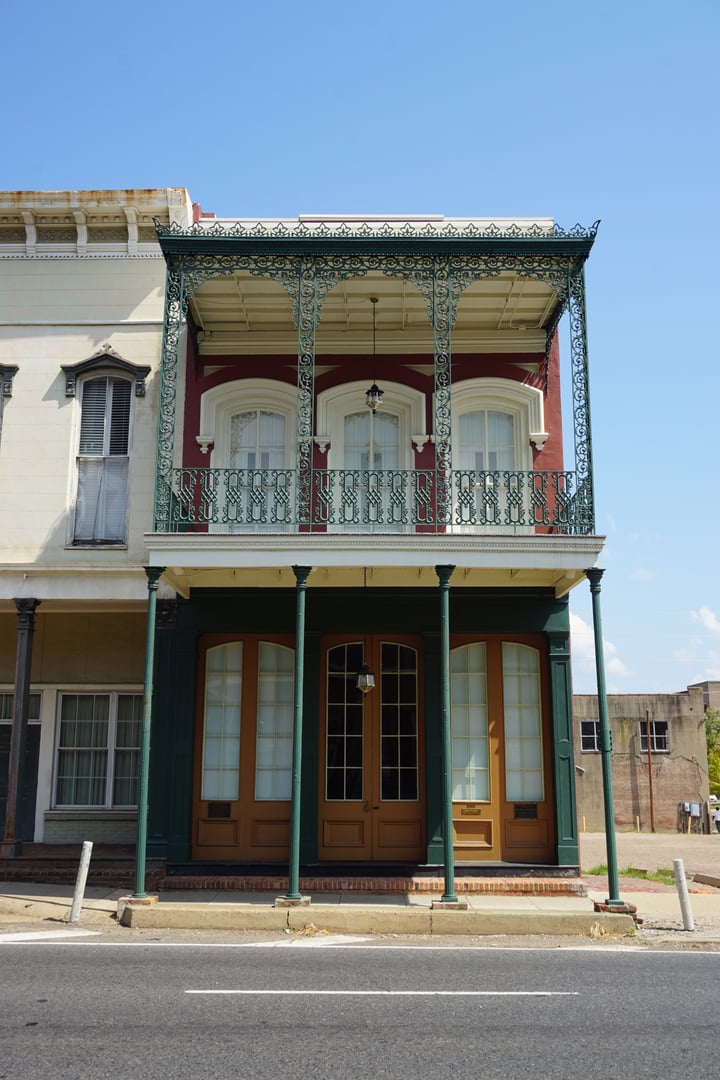
Exterior of the 1849 Creole townhouse at 626 St. Philip Street in the New Orleans French Quarter
Photo coming soon
Haunted Dining / Bar

The Morgue Bar and Lounge (Former)

New Orleans, LA

The 1849 Creole townhouse at 626 St. Philip Street in the New Orleans French Quarter served as a makeshift morgue during the catastrophic 1853 yellow fever epidemic. The building later operated as the Morgue Bar and Lounge, a themed cocktail bar referencing the address's nineteenth-century role.

$ All Ages Family: Moderate
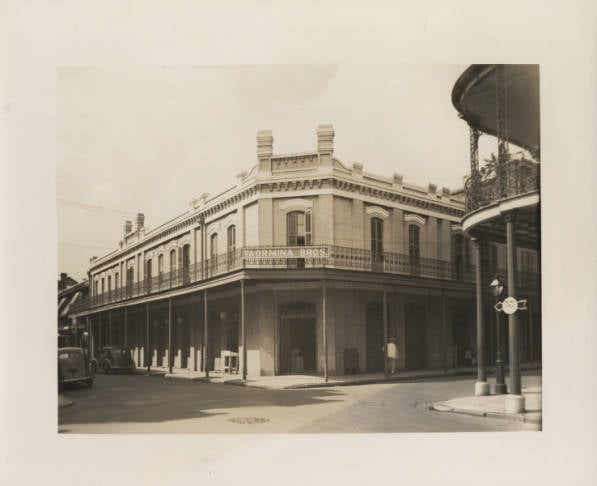
The Old Absinthe House corner building at 240 Bourbon Street in the French Quarter of New Orleans, Louisiana
Haunted Dining / Bar

The Old Absinthe House

New Orleans, LA

The Old Absinthe House occupies a corner building at 240 Bourbon Street in the French Quarter of New Orleans. The structure was built in 1806 as a commission house and corner grocery; the ground floor was converted to a saloon in 1815, and the famous Absinthe House Frappe was created behind the bar in 1874 by mixologist Cayetano Ferrer.

$$ 21+ at the bar; underage visitors restricted by Louisiana alcohol law Family: Not Recommended
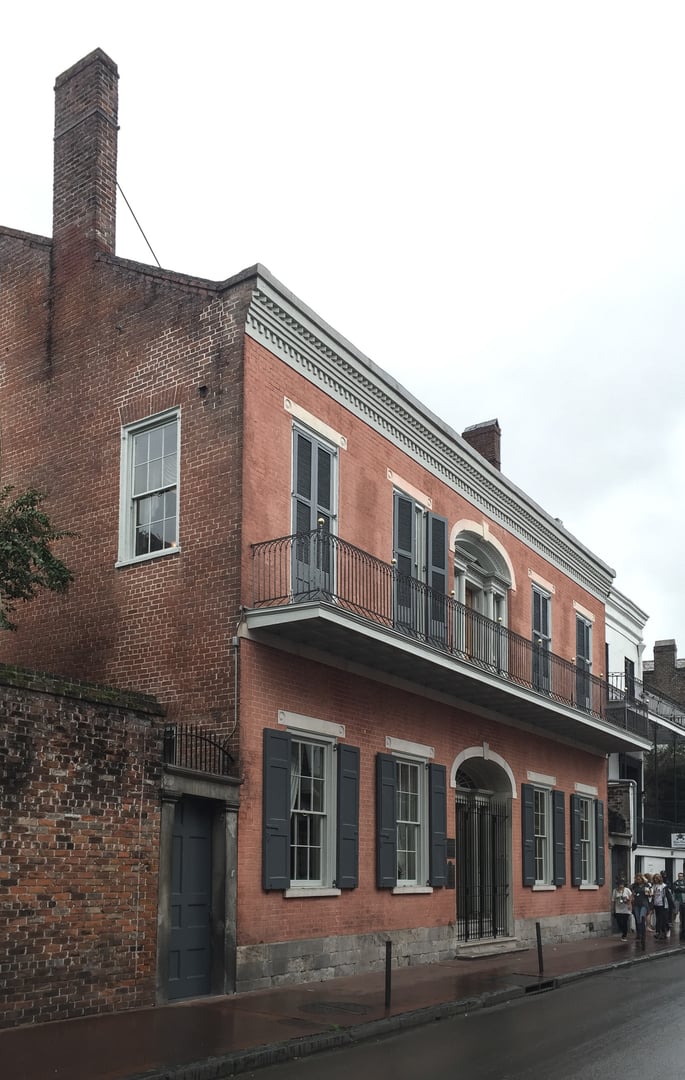
American Federal-style brick facade of the Hermann-Grima House (1831) at 820 St. Louis Street in the New Orleans French Quarter.
Museum / Historical Site

Hermann-Grima House

New Orleans, LA

Built in 1831 by architect William Brand for German-Jewish immigrant cotton broker Samuel Hermann, this Federal-style townhouse passed to Judge Felix Grima's family in 1844 after Hermann's bankruptcy in the cotton panic of 1837. The Grima family occupied it until 1921. The Christian Woman's Exchange purchased the property in the 1920s and reopened it as a museum in 1975.

$$ All Ages Family: High
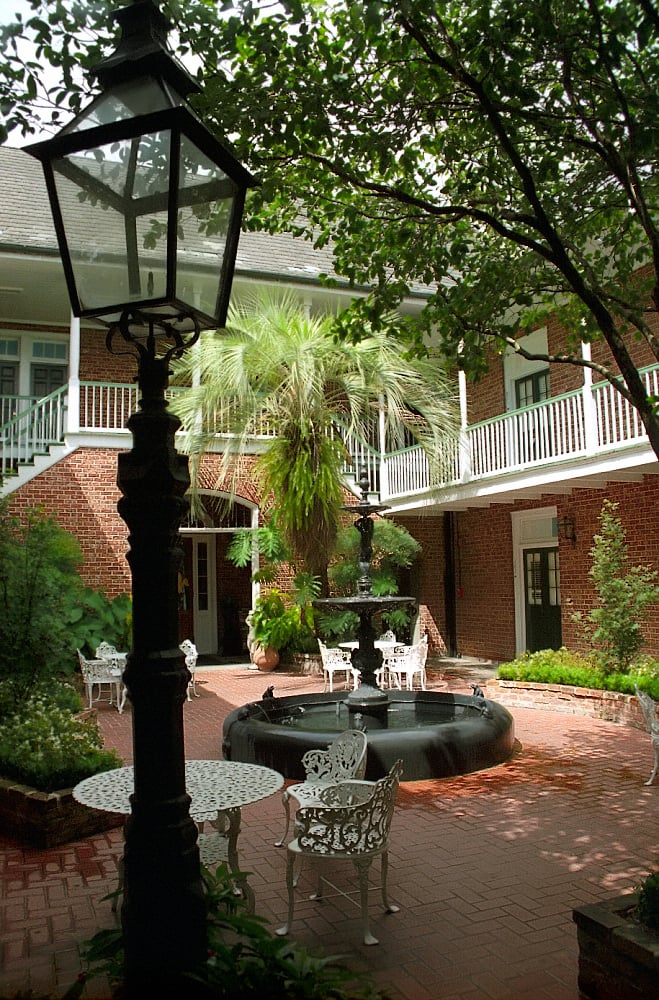
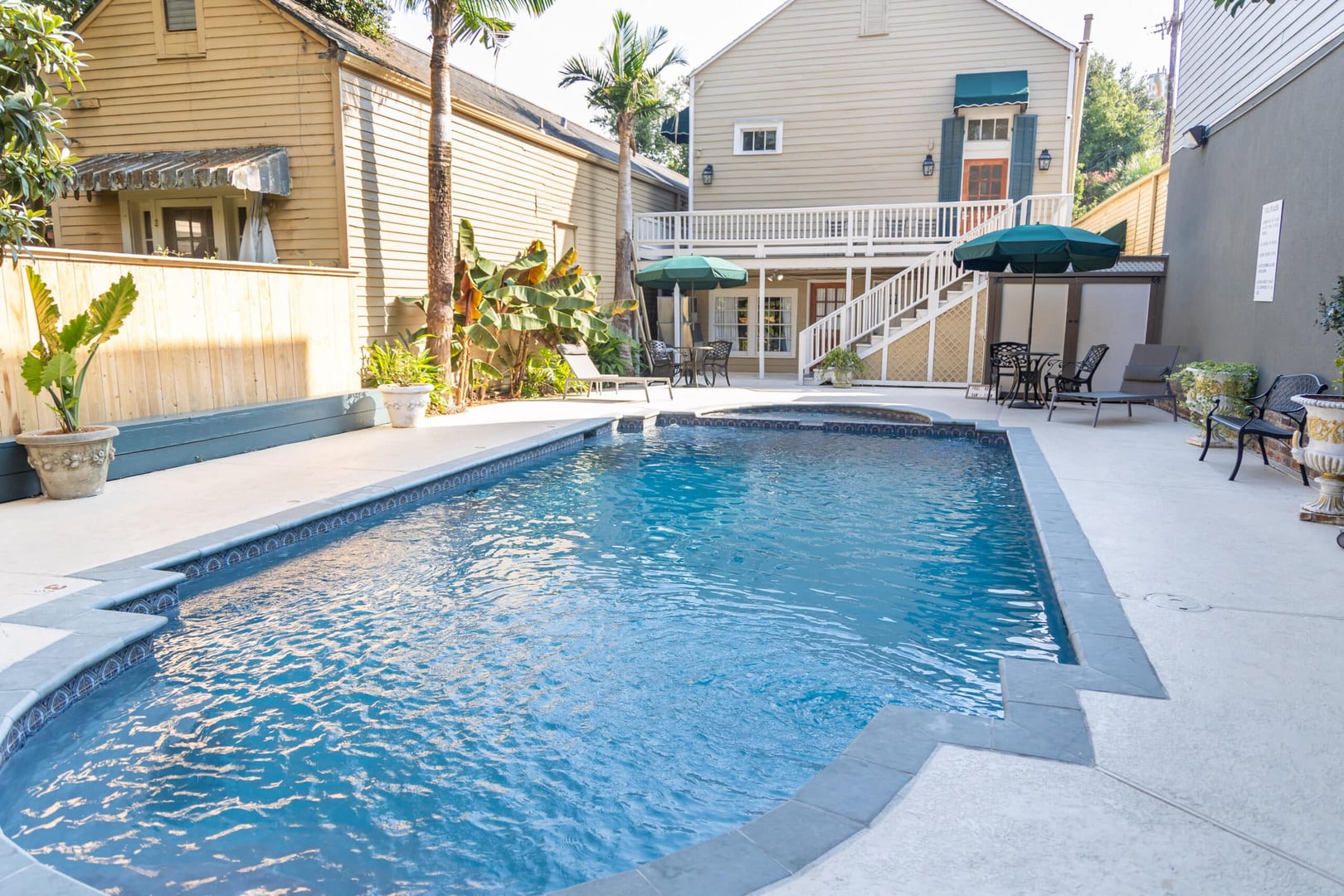
Tropical interior courtyard with fountain at Hotel Provincial in the French Quarter of New Orleans, surrounded by historic Creole architecture.
Haunted Hotel / Inn

Hotel Provincial

New Orleans, LA

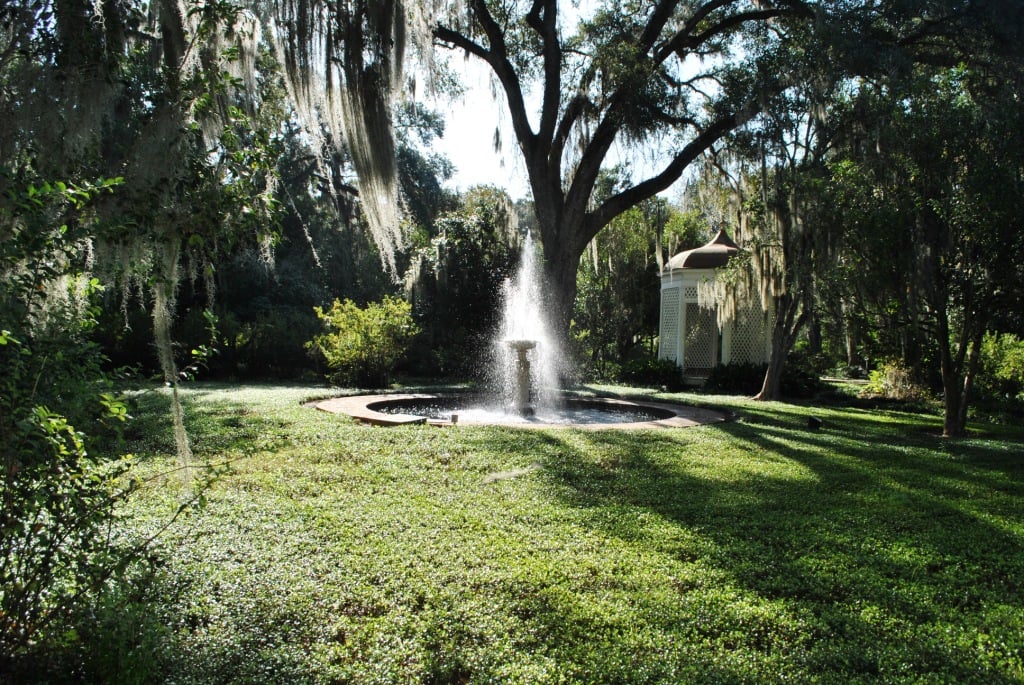
Hotel Provincial opened in 1961 in a complex of historic French Quarter buildings on Chartres Street. The complex includes Building 5, which served as a Confederate military hospital during the Civil War, treating wounded soldiers brought back from regional battles. Original buildings on the property were lost to fires in 1874 and 1878 and were rebuilt; current structures incorporate surviving 19th-century walls. The hotel remains family-owned and operates as a boutique property in the French Quarter.

$$$ All Ages Family: Moderate
Red-brick exterior of Hotel Saint Vincent on Magazine Street, formerly St. Vincent's Infant Asylum
Photo coming soon
Haunted Hotel / Inn

Hotel Saint Vincent

New Orleans, LA

Founded in 1861 by Irish immigrant philanthropist Margaret Haughery as St. Vincent's Infant Asylum, the red-brick building sheltered orphans of yellow fever and cholera epidemics for over a century under the Daughters of Charity. It operated as a budget guest house from the late 1990s before being acquired and reopened in 2021 as the 75-room Hotel Saint Vincent.

$$$ All Ages Family: Moderate
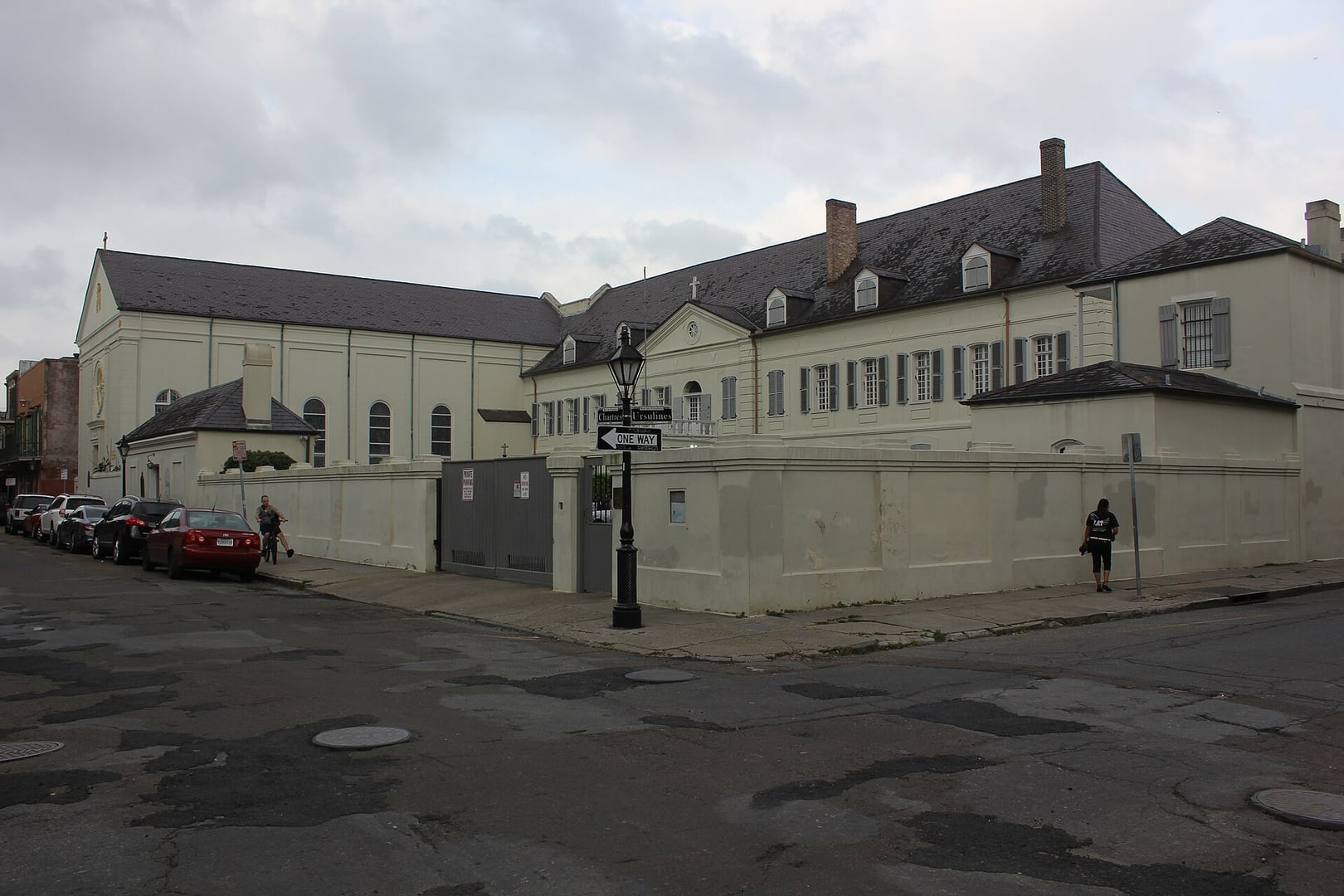
Stuccoed French Colonial facade of the Old Ursuline Convent (1752), oldest building in the Mississippi Valley, on Chartres Street in the New Orleans French Quarter.
Other Dark Tourism Site

Old Ursuline Convent

New Orleans, LA

The Old Ursuline Convent at 1100 Chartres Street was completed in 1752 and is the oldest surviving building in the Mississippi River Valley. It served as the convent of the Ursuline nuns - who arrived in New Orleans in 1727 - and as the city's principal hospital, orphanage, and girls' school for much of the colonial period. After the convent moved in the 19th century, the building became the archbishop's residence and later the Catholic Cultural Center; it is open today as the Old Ursuline Convent Museum.

$ All Ages Family: Moderate
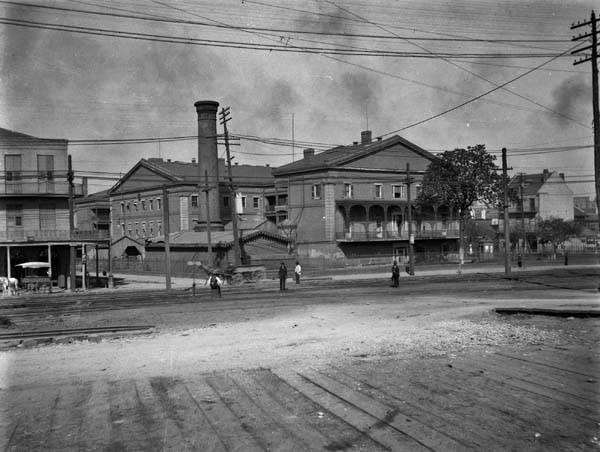
Historic c.1900 view of the Old US Mint in New Orleans (1835) seen from the levee near Governor Nicholas Wharf, now home to the New Orleans Jazz Museum.
Museum / Historical Site

Old US Mint (New Orleans Jazz Museum)

New Orleans, LA

Designed by William Strickland in Greek Revival style and opened in 1835, the New Orleans Mint is the only U.S. facility to have served as both a U.S. and Confederate mint. It coined money intermittently until 1909 and was decommissioned in 1911. Since 1981 it has operated as a Louisiana State Museum branch and now houses the New Orleans Jazz Museum.

$ All Ages Family: High
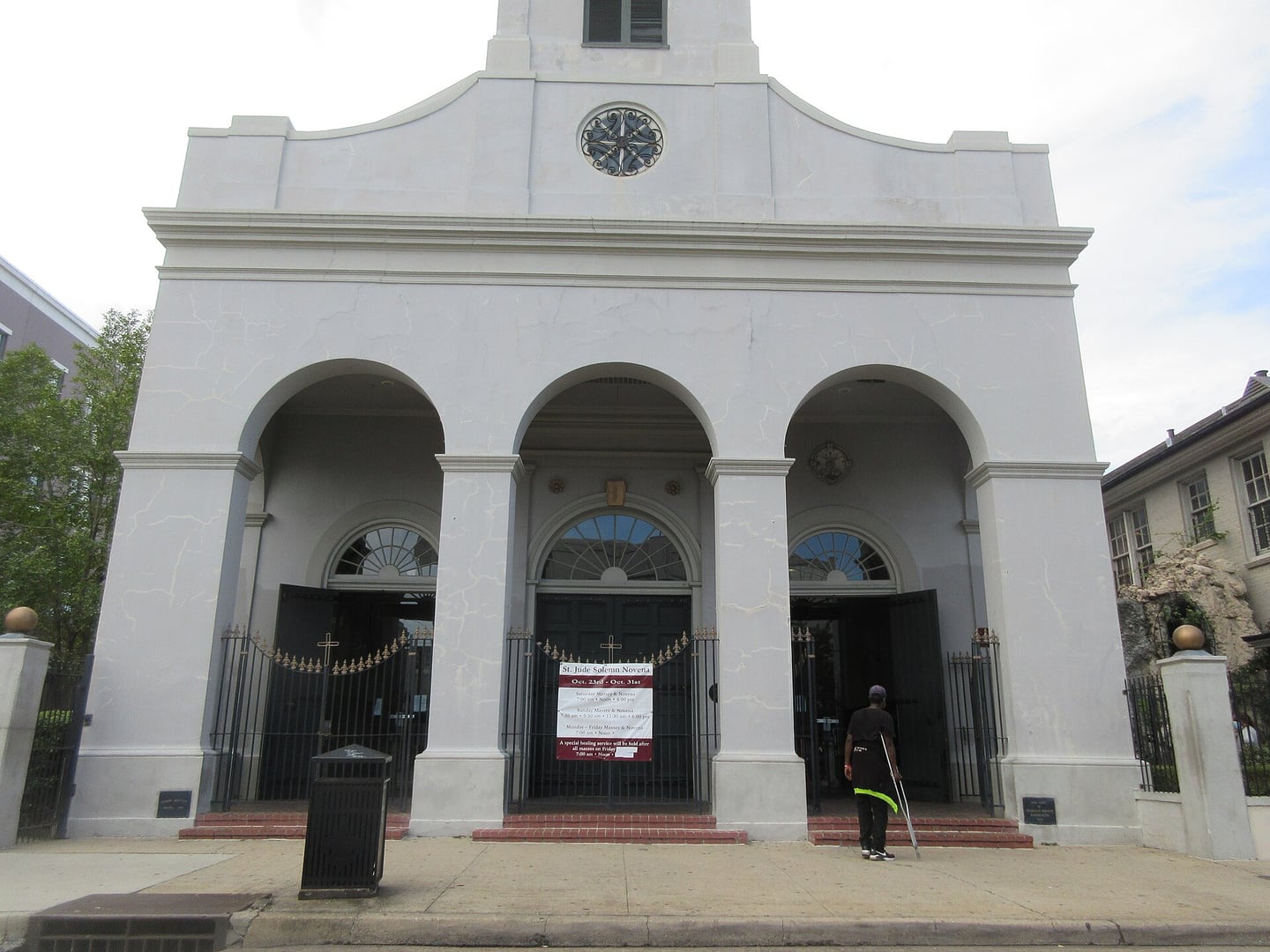
Stucco facade of Our Lady of Guadalupe Church (Old Mortuary Chapel), the oldest surviving church in New Orleans, on North Rampart Street
Other Dark Tourism Site

Our Lady of Guadalupe Church (Old Mortuary Chapel)

New Orleans, LA

Built in 1826-27 as the Chapel of St. Anthony of Padua, also called the Mortuary Chapel, to hold funerals for yellow-fever victims outside the original city limits — corpses were thought to spread contagion in St. Louis Cathedral. It is the oldest surviving church building in New Orleans. Renamed Our Lady of Guadalupe in 1918 and now home to the International Shrine of St. Jude.

$ All Ages Family: High
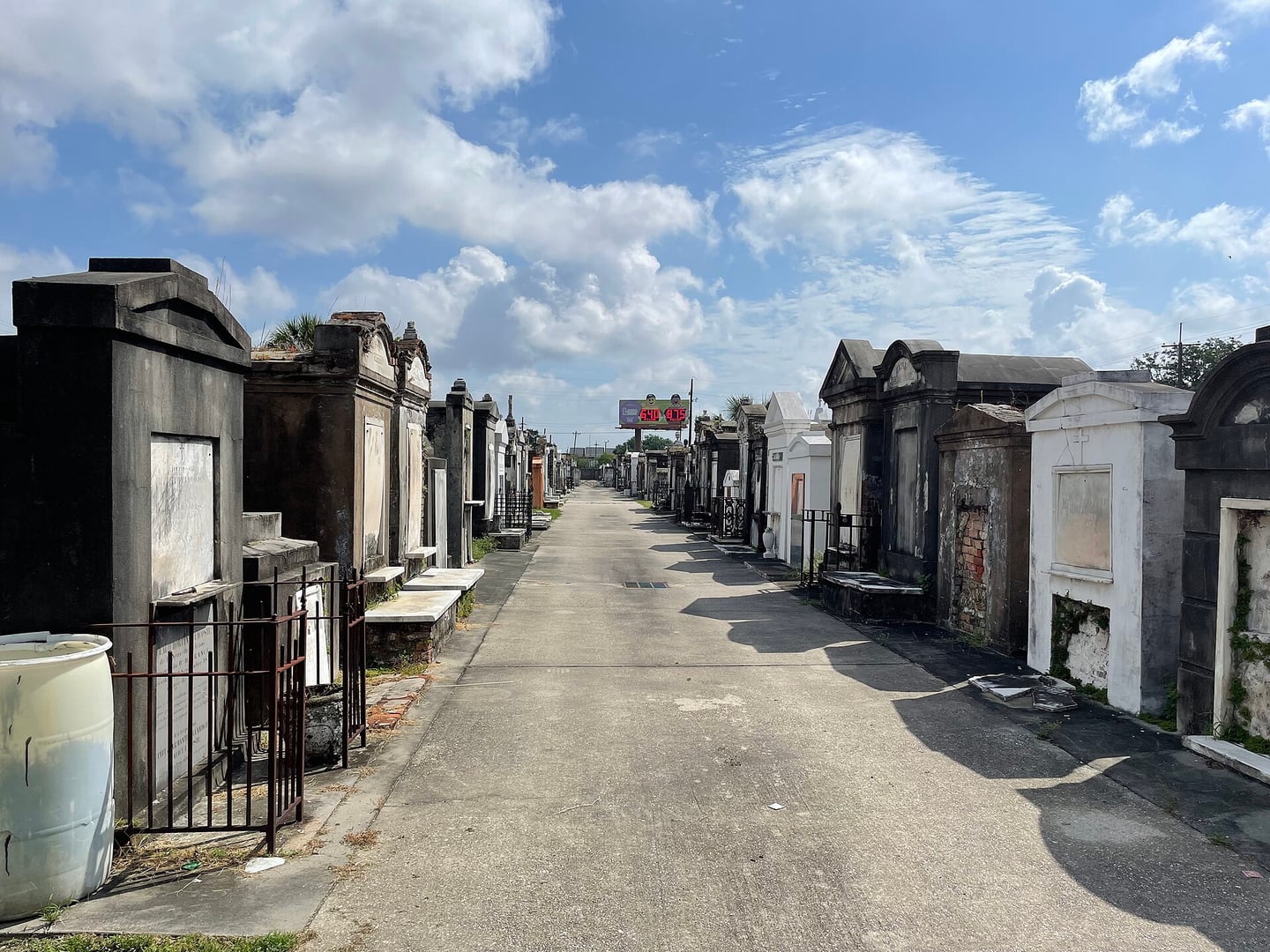
Whitewashed above-ground tombs and crypts at St. Louis Cemetery No. 2 in New Orleans, the 1823 burial ground on North Claiborne Avenue.
Cemetery / Burial Ground

St. Louis Cemetery No. 2

New Orleans, LA

Established in 1823 to relieve the overcrowding of St. Louis Cemetery No. 1, St. Louis No. 2 was built during a period of frequent yellow fever and cholera epidemics. It is laid out in the New Orleans 'above-ground' style with thousands of family vaults and wall ovens, and contains the graves of jazz, Creole, and free-people-of-color community leaders.

$$ All Ages Family: Moderate
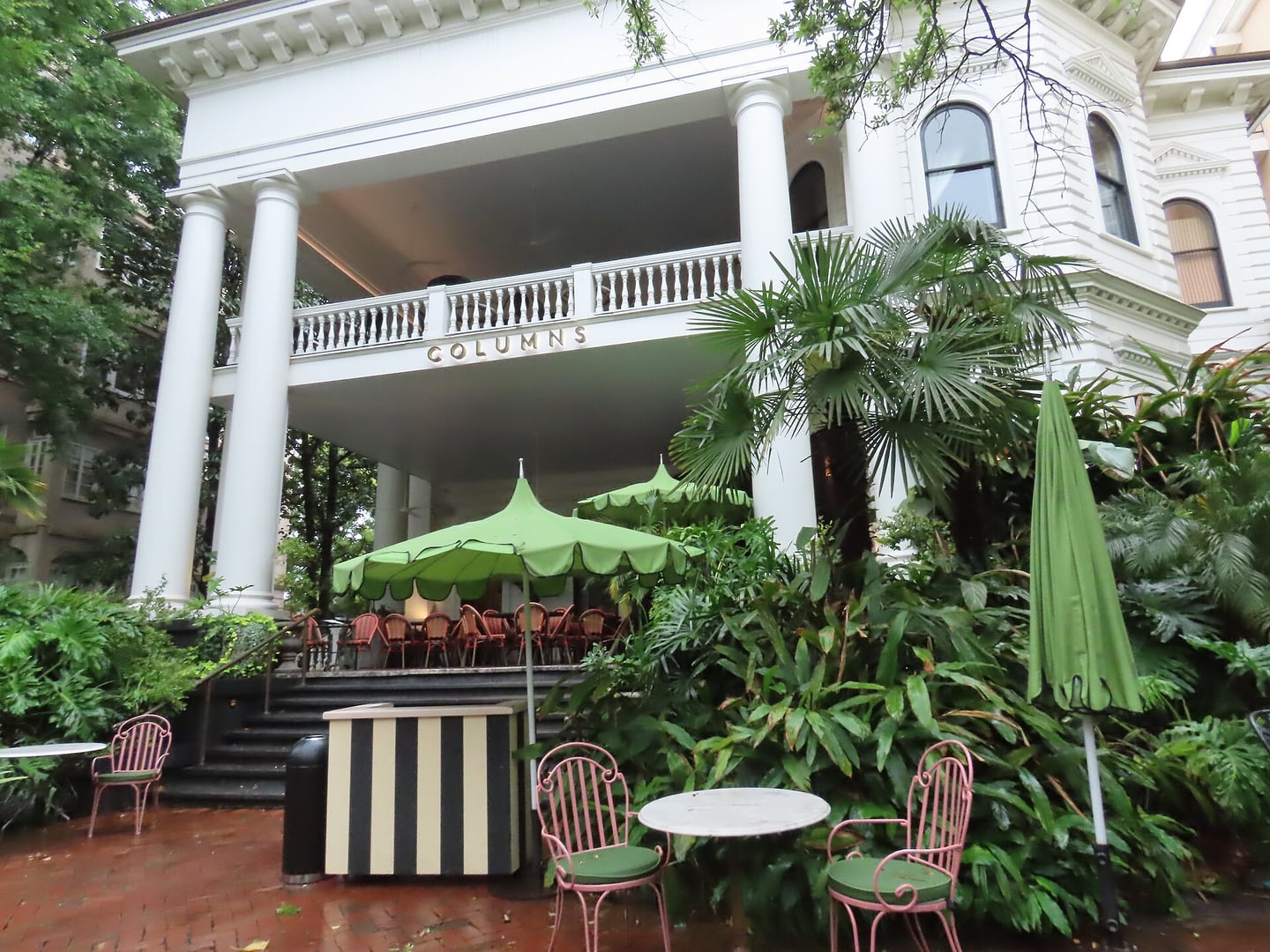
Italianate facade and white columned porch of The Columns Hotel, an 1883 mansion on St. Charles Avenue in Uptown New Orleans
Haunted Hotel / Inn

The Columns Hotel

New Orleans, LA

Built 1883-1884 as a private home for wealthy tobacco merchant Simon Hernsheim, the three-story Italianate mansion was designed by prolific New Orleans architect Thomas Sully and is the only remaining example of his Italianate work. It was converted to a boarding house during World War I and became a hotel in 1953.

$$$ All Ages Family: Moderate

Baton Rouge — 2

Photo of ajoh123.
Photo coming soon
Other Dark Tourism Site

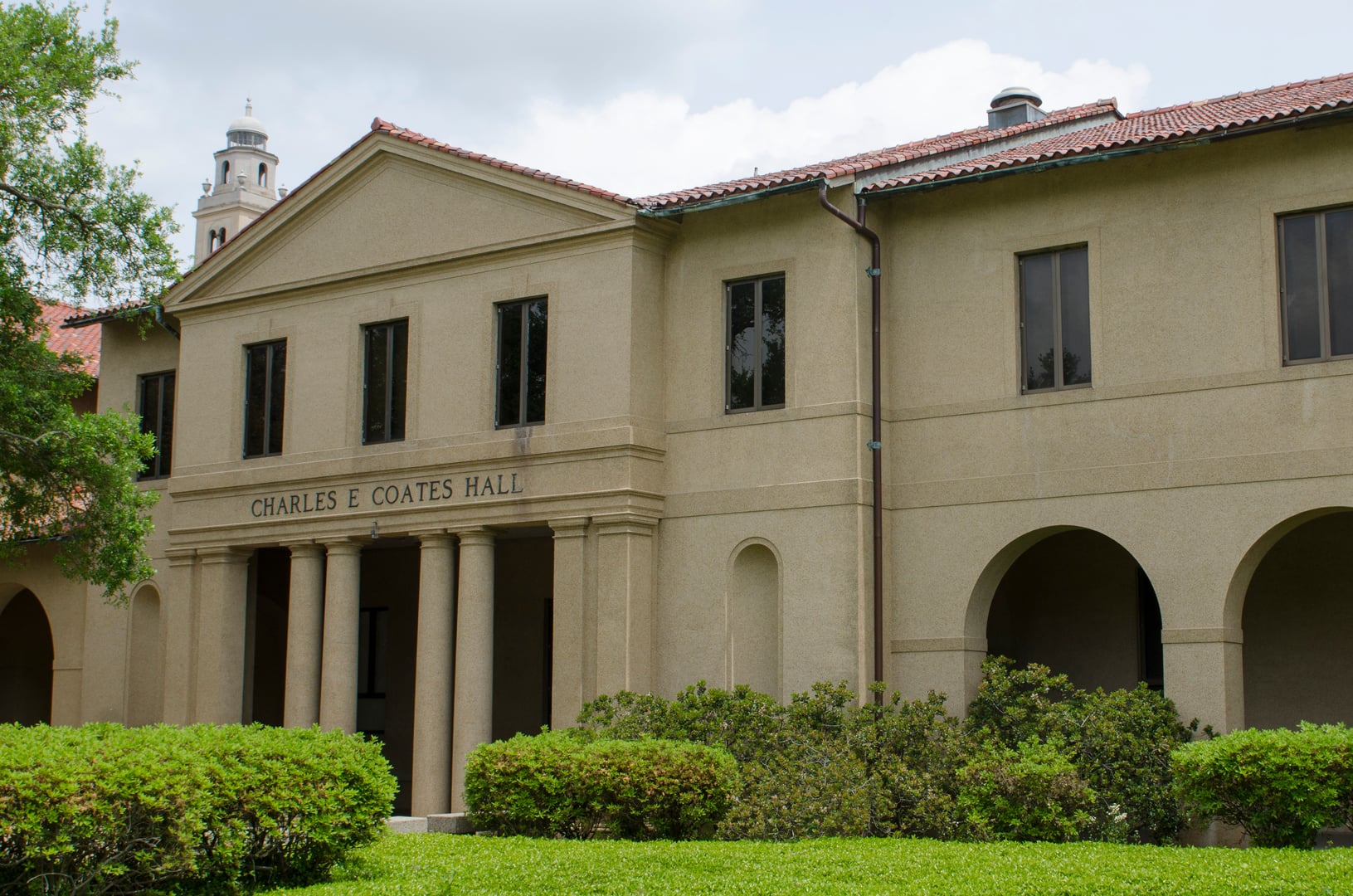
Louisiana State University — Pleasant Hall

Baton Rouge, LA

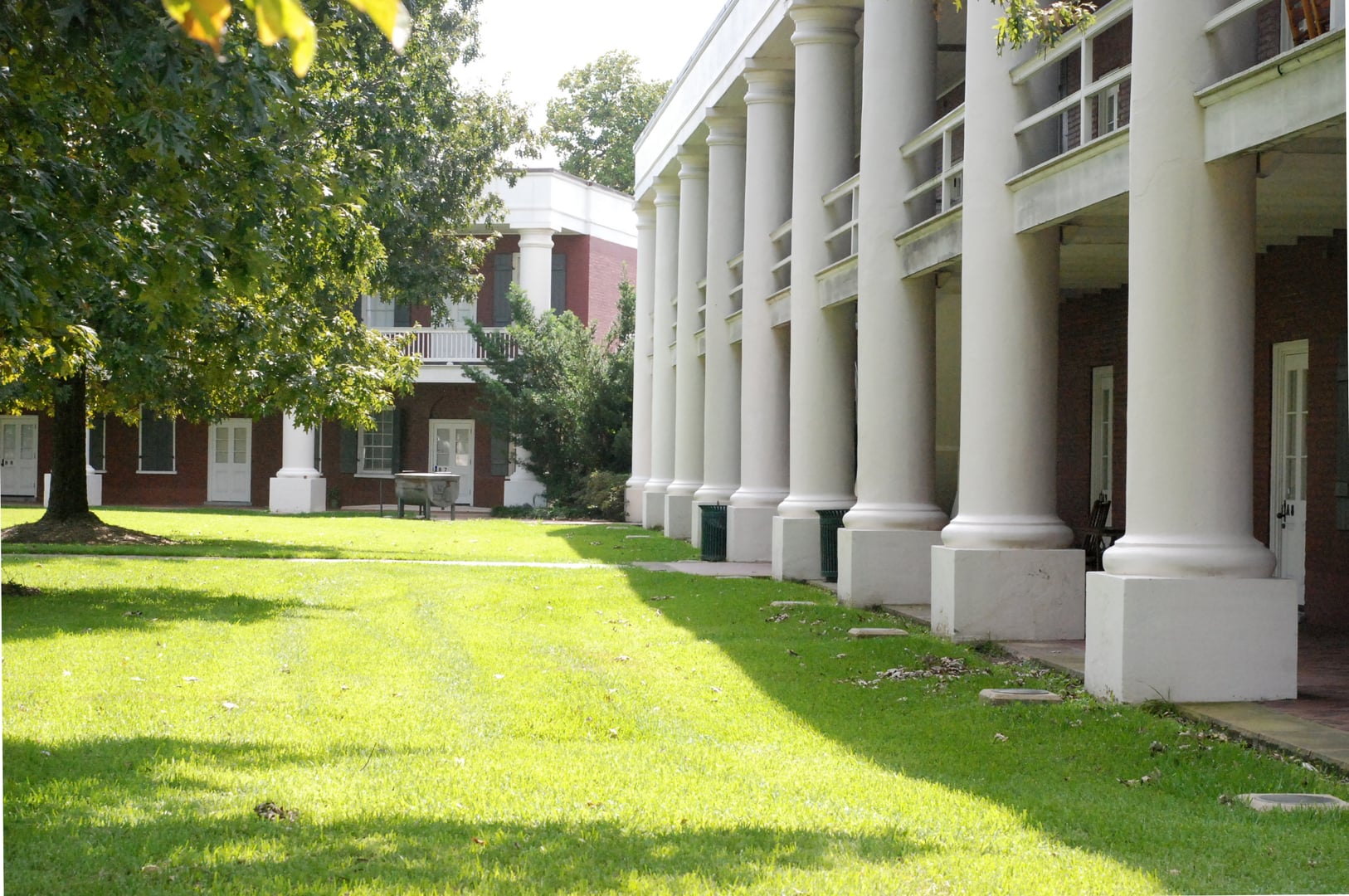
Pleasant Hall at Louisiana State University was built in 1931 as the university's first women's dormitory, originally named Smith Hall after President James Monroe Smith. The building operated as a dormitory until 2002, when it was converted to house the continuing education department. It now serves as classroom and office space.

$ All Ages Family: Moderate
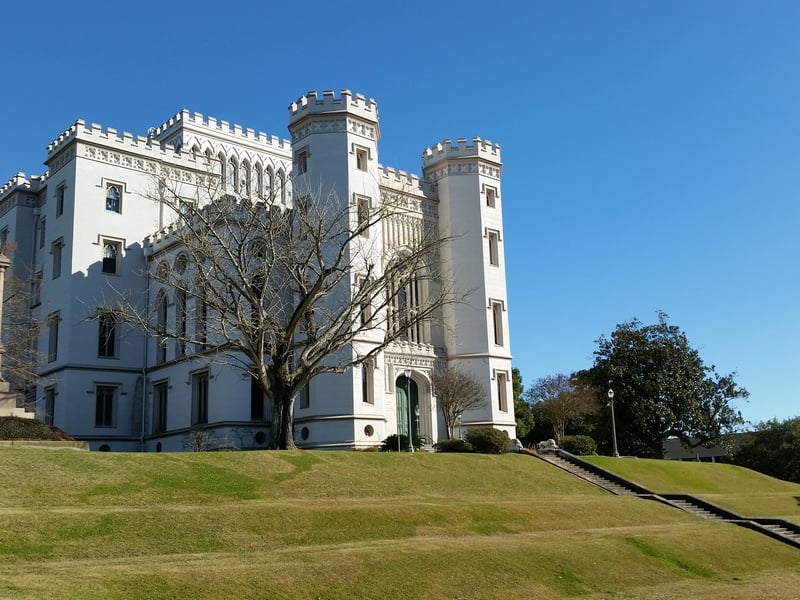
Castle-like Gothic Revival exterior of Louisiana's Old State Capitol with crenellated towers above the Mississippi River bluff in Baton Rouge
Museum / Historical Site

Louisiana's Old State Capitol

Baton Rouge, LA

Louisiana's Old State Capitol at 100 North Blvd in Baton Rouge was built in the mid-19th century as a Gothic Revival structure on the bluff above the Mississippi River. It served as the state capitol until the early 20th century. During the Civil War, the building was occupied by Union forces and used as a hospital and prison for soldiers. The museum is currently operated by the Louisiana Secretary of State's office.

$ All Ages Family: High

Ruston — 2

Photo of Biomedical Engineering Building (CREST Building)
Photo coming soon
Museum / Historical Site

Biomedical Engineering Building (CREST Building)

Ruston, LA

The Biomedical Engineering Building opened in 1928 as Ruston-Lincoln Sanitarium with morgue on the first floor and surgical suite on the fourth. It transitioned to a nursing home in 1963 and remained in operation until the 1970s. Louisiana Tech University acquired it for research purposes and currently operates it as the CREST Building.

$ All Ages Family: Moderate
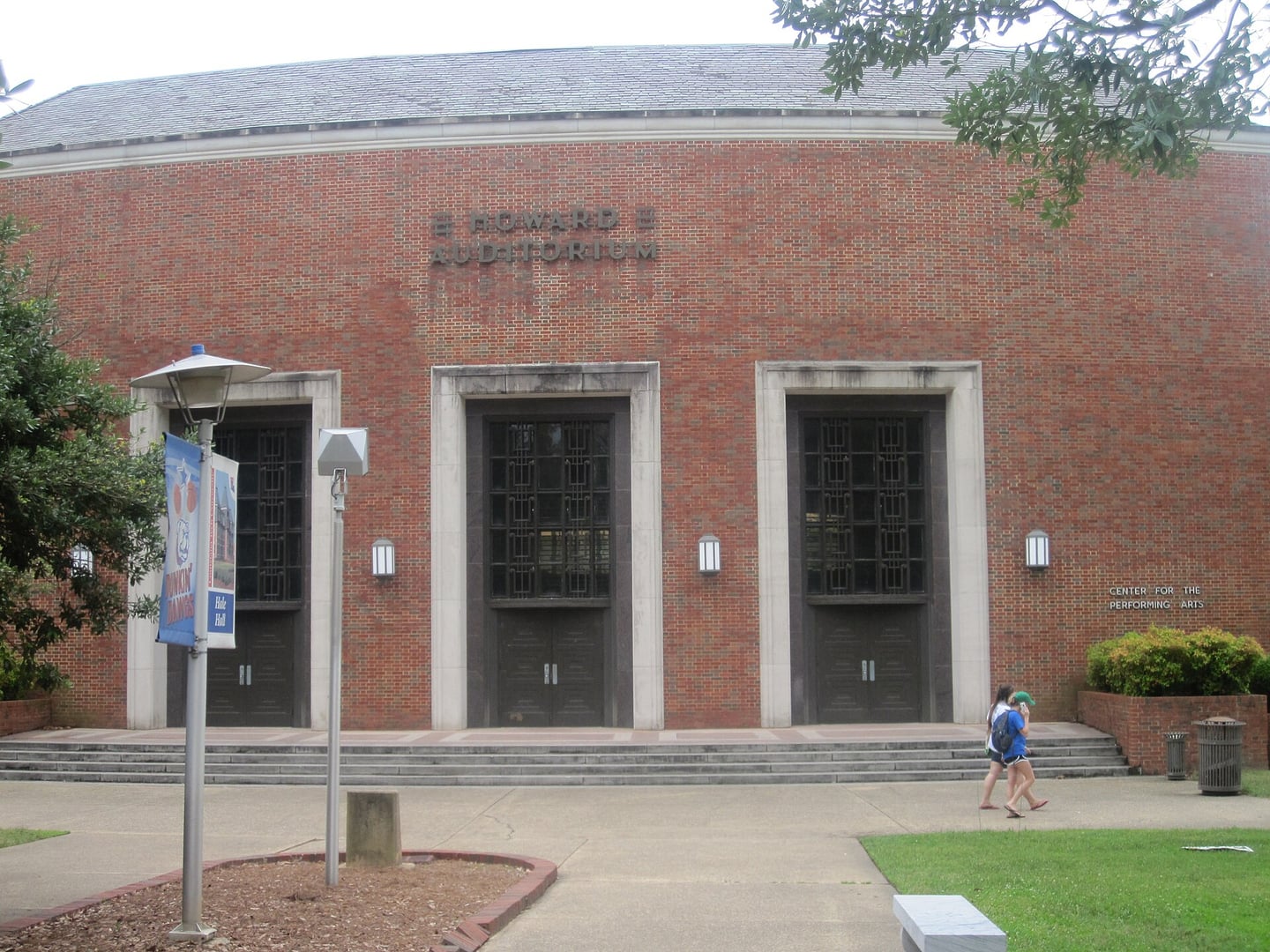
Howard Auditorium at Louisiana Tech University, Streamline Moderne building on the campus quad in Ruston, Louisiana
Photo coming soon
Theater / Performance Venue

Louisiana Tech University — Howard Auditorium

Ruston, LA

Howard Auditorium at Louisiana Tech University was constructed between 1938 and 1940 as part of a campus expansion funded through federal programs. Architect Edward F. Neild designed the 3,000-seat building in Streamline Moderne style, and it was named for Harry Howard — the university's first graduate and its treasurer for 40 years. The building is listed on the National Register of Historic Places.

$ All Ages Family: High

Broussard — 1

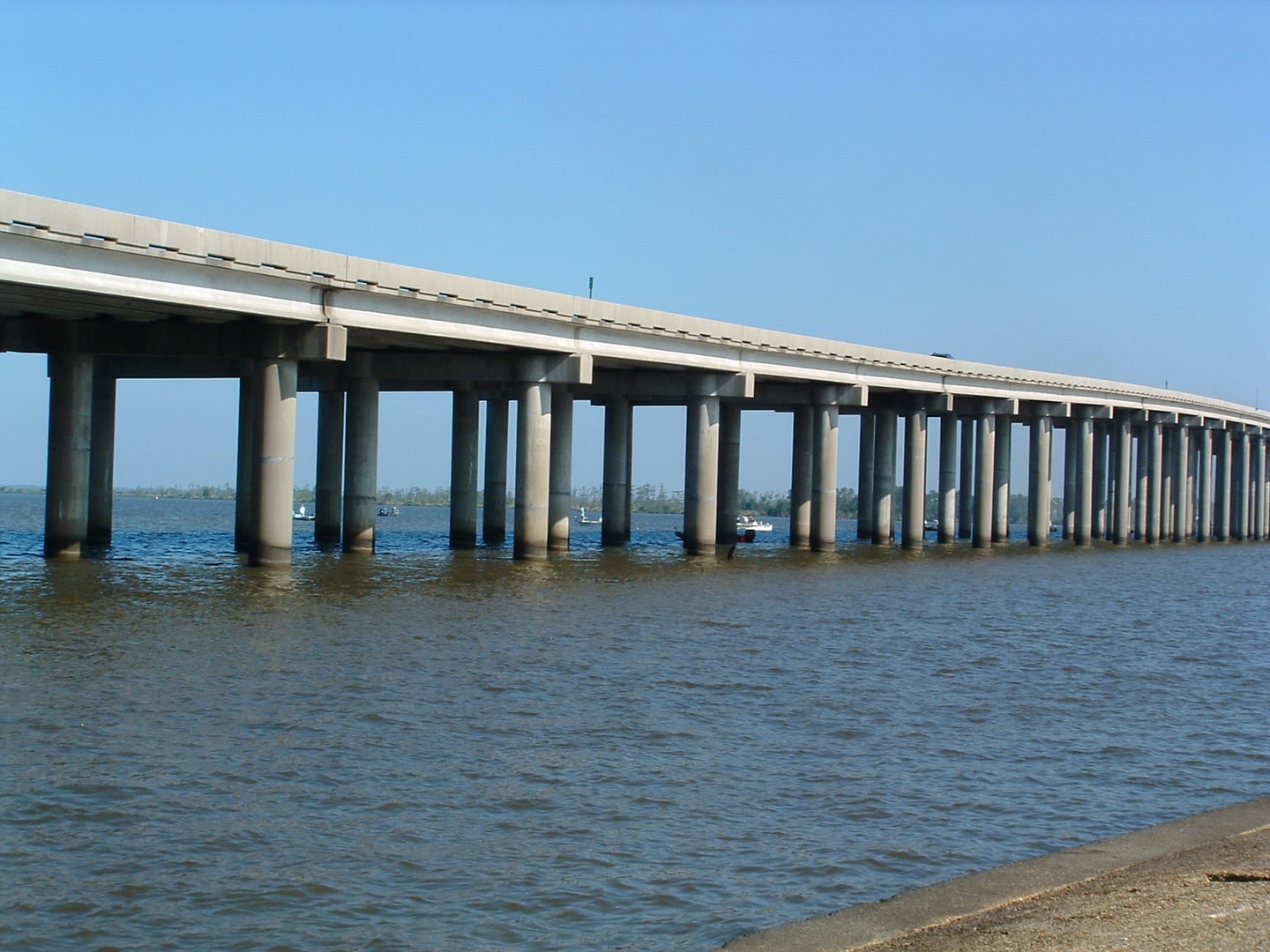
Mary Jane's Bridge on Bayou Tortue Road near Broussard, Louisiana
Photo coming soon
Outdoor / Natural Site

Mary Jane's Bridge

Broussard, LA

Mary Jane's Bridge is a road bridge on Bayou Tortue Road near Broussard, Louisiana, where Parish Road 140 and the bayou road intersect south of Highway 90. The bridge serves as the setting for one of Acadiana's most persistent and widely documented urban legends — a story of a young woman killed on prom night whose body was never recovered from the bayou. No historical incident matching the legend's details has been verified.

$ All Ages Family: Moderate

Buras — 1

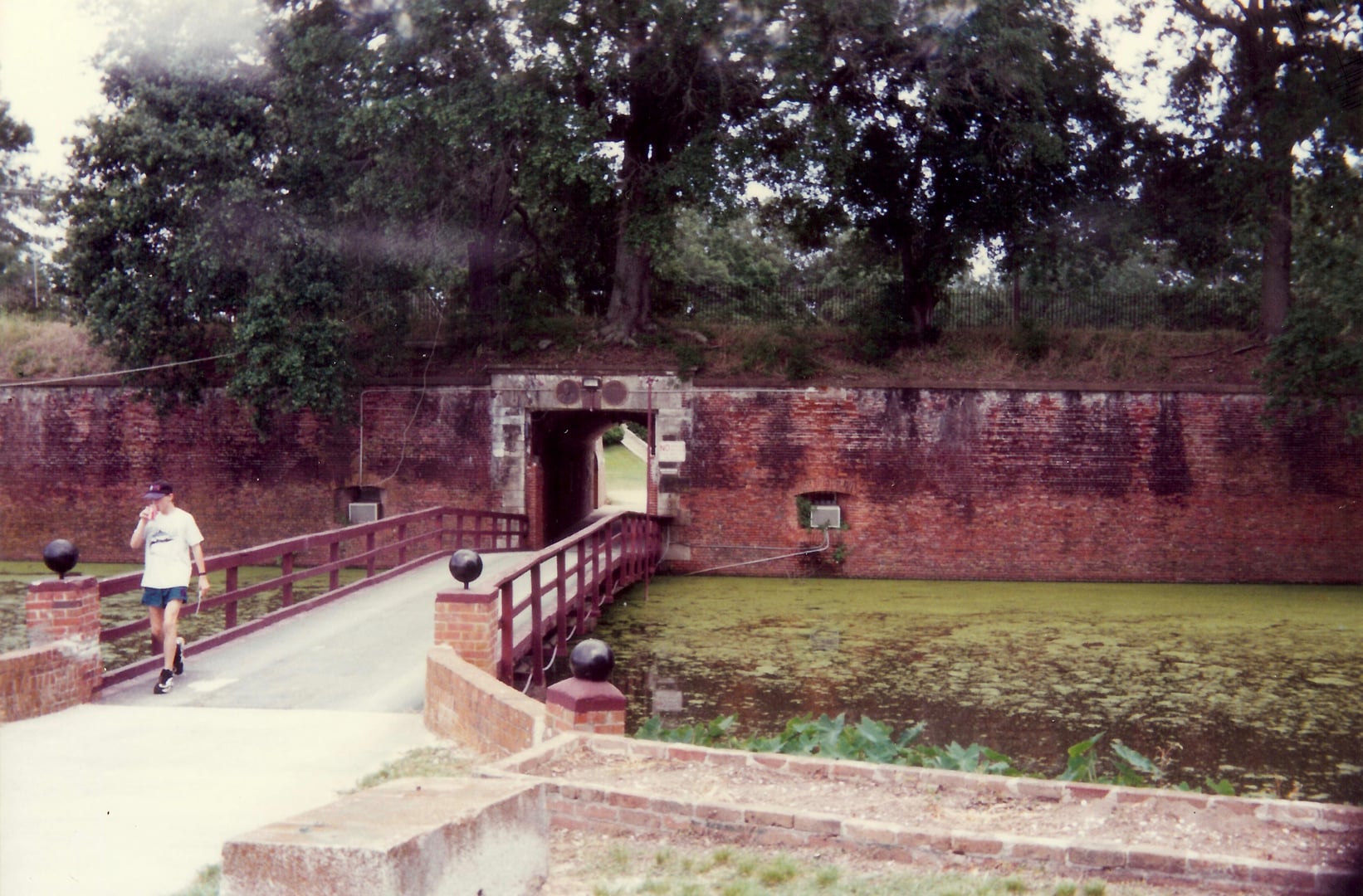
Main entrance and moat of Fort Jackson, the 1832 masonry fortification in Plaquemines Parish, Louisiana.
Battlefield / Military Site

Fort Jackson

Buras, LA

Fort Jackson is a National Historic Landmark masonry fort 40 miles up the Mississippi River from its mouth, in Plaquemines Parish, Louisiana. Constructed between 1822 and 1832 as coastal defense for New Orleans, the fort was the site of the 12-day Battle of Forts Jackson and St. Philip in April 1862, after which Union forces captured New Orleans.

$ All Ages Family: Moderate

Centerville — 1

Antebellum Louisiana plantation house with above-ground tomb visible nearby on the grounds
Photo coming soon
Haunted House / Historic Home

Susie Plantation

Centerville, LA

Susie Plantation was built between 1848 and 1852 by Royal and Adeline Harris as a working sugar cane and rice plantation along Bayou Teche in St. Mary Parish, Louisiana. After Royal's death in 1858, his widow remarried John H. Darnall. Their daughter Adeliza E. Harris is interred in an above-ground tomb on the grounds, where she died in the early 1870s.

$ All Ages Family: Moderate

Chalmette — 1

The Chalmette Monument and battlefield rampart at the Battle of New Orleans site
Photo coming soon
Battlefield / Military Site

Chalmette Battlefield

Chalmette, LA

Chalmette Battlefield, a unit of Jean Lafitte National Historical Park and Preserve, preserves the ground where Major General Andrew Jackson's forces decisively defeated the British on January 8, 1815, in the Battle of New Orleans. The site includes the Chalmette Monument, the restored American rampart line, the Greek Revival Malus-Beauregard House, and the adjacent Chalmette National Cemetery.

$ All Ages Family: High

Destrehan — 1

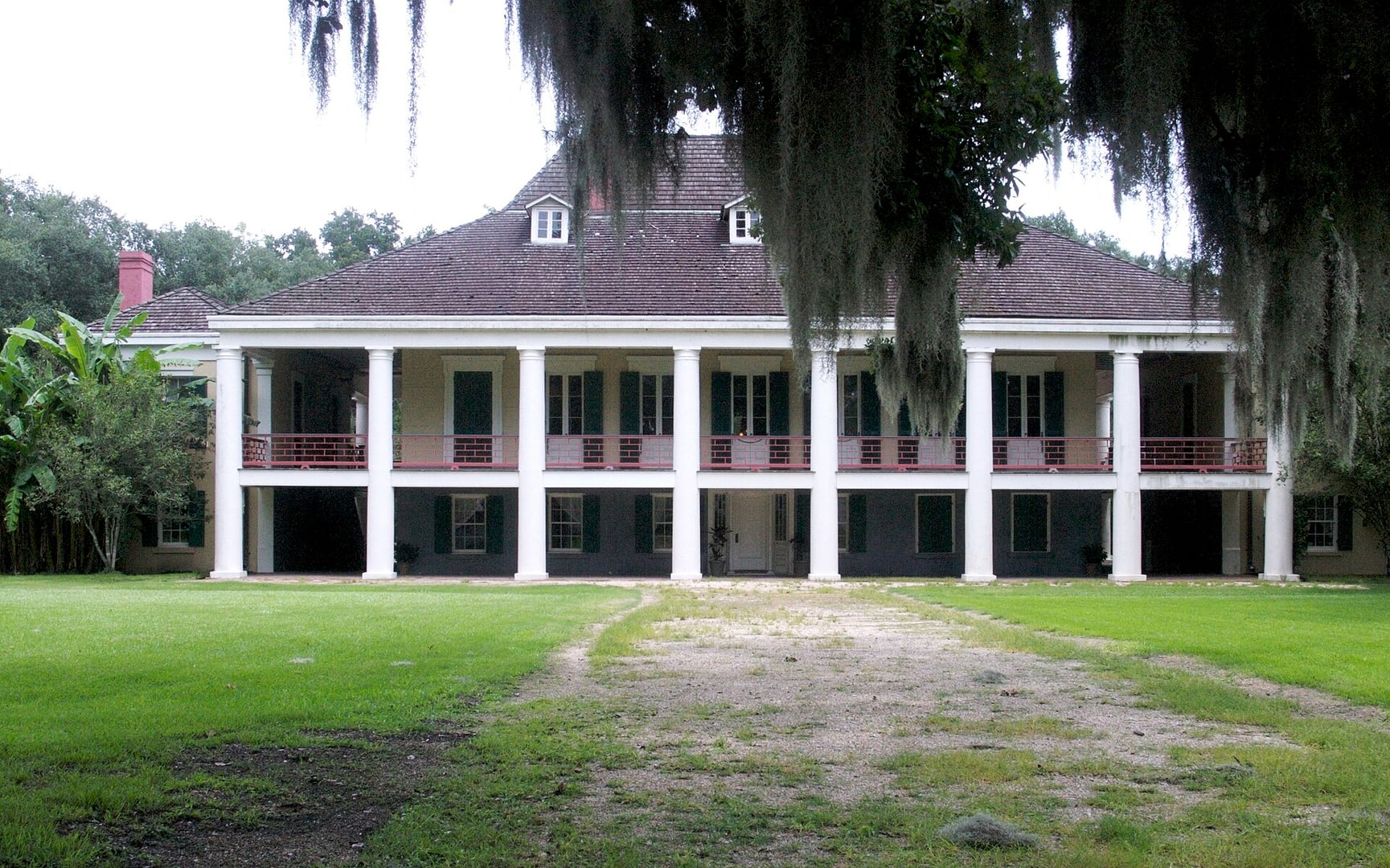
Front facade of Destrehan Plantation on River Road in Destrehan, Louisiana
Photo coming soon
Museum / Historical Site

Destrehan Plantation

Destrehan, LA

Destrehan Plantation at 13034 River Road, Destrehan, Louisiana, is the oldest surviving plantation home in the lower Mississippi valley. Built between 1787 and 1790 for Robert de Logny, the property passed to Jean Noël Destrehan in 1792 and became a major sugar operation by the early 19th century. The plantation served as a trial and execution site following the 1811 German Coast Uprising.

$$ All Ages Family: Moderate

Edgerly — 1

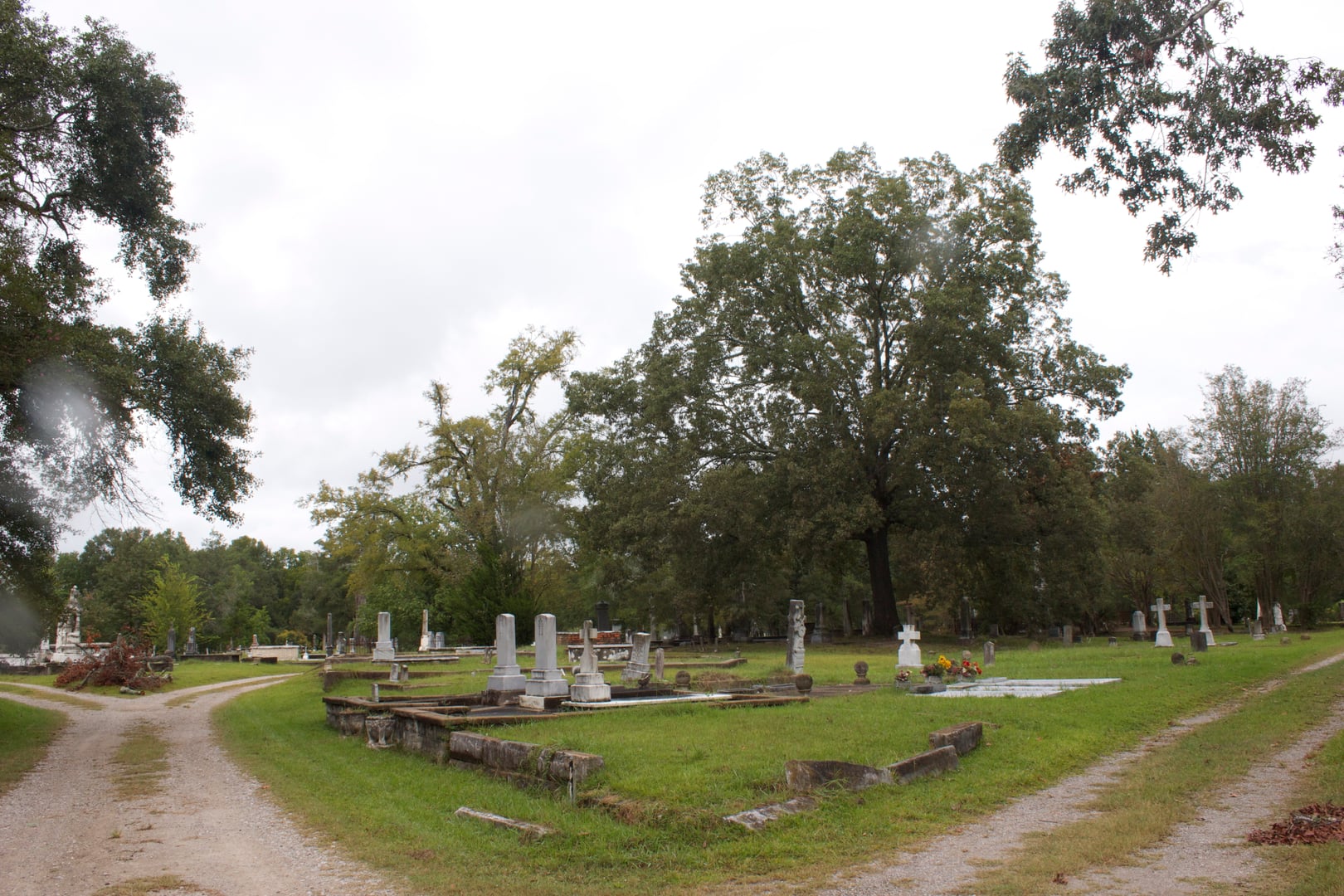
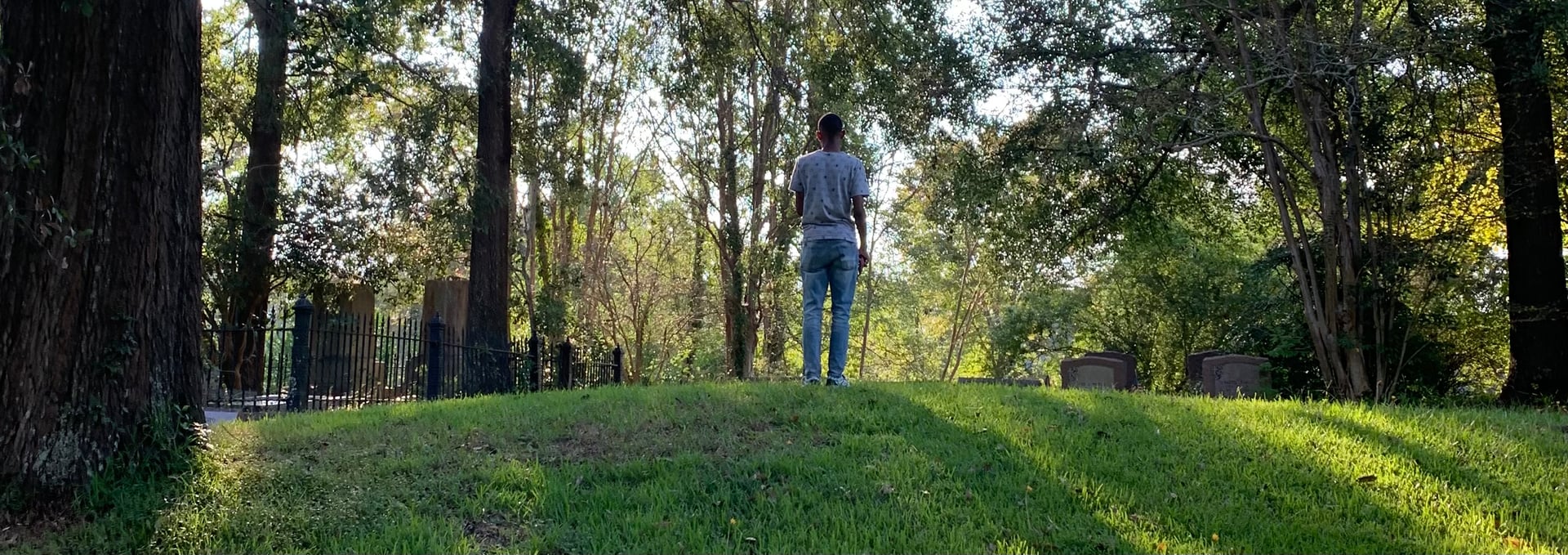
Historic Big Woods Cemetery in Edgerly, Louisiana, with massive oak canopy and grave markers
Cemetery / Burial Ground

Big Woods Cemetery

Edgerly, LA

Big Woods Cemetery was officially consecrated in 1827 when wealthy Louisiana resident James Bryan donated a dozen acres of land for burial purposes. The cemetery served as a primary burial ground for the Edgerly community, with the nearby Big Woods Baptist Church providing spiritual context. The cemetery has been expanded multiple times throughout its nearly 200-year history.

$ All Ages Family: Moderate

Elizabeth — 1

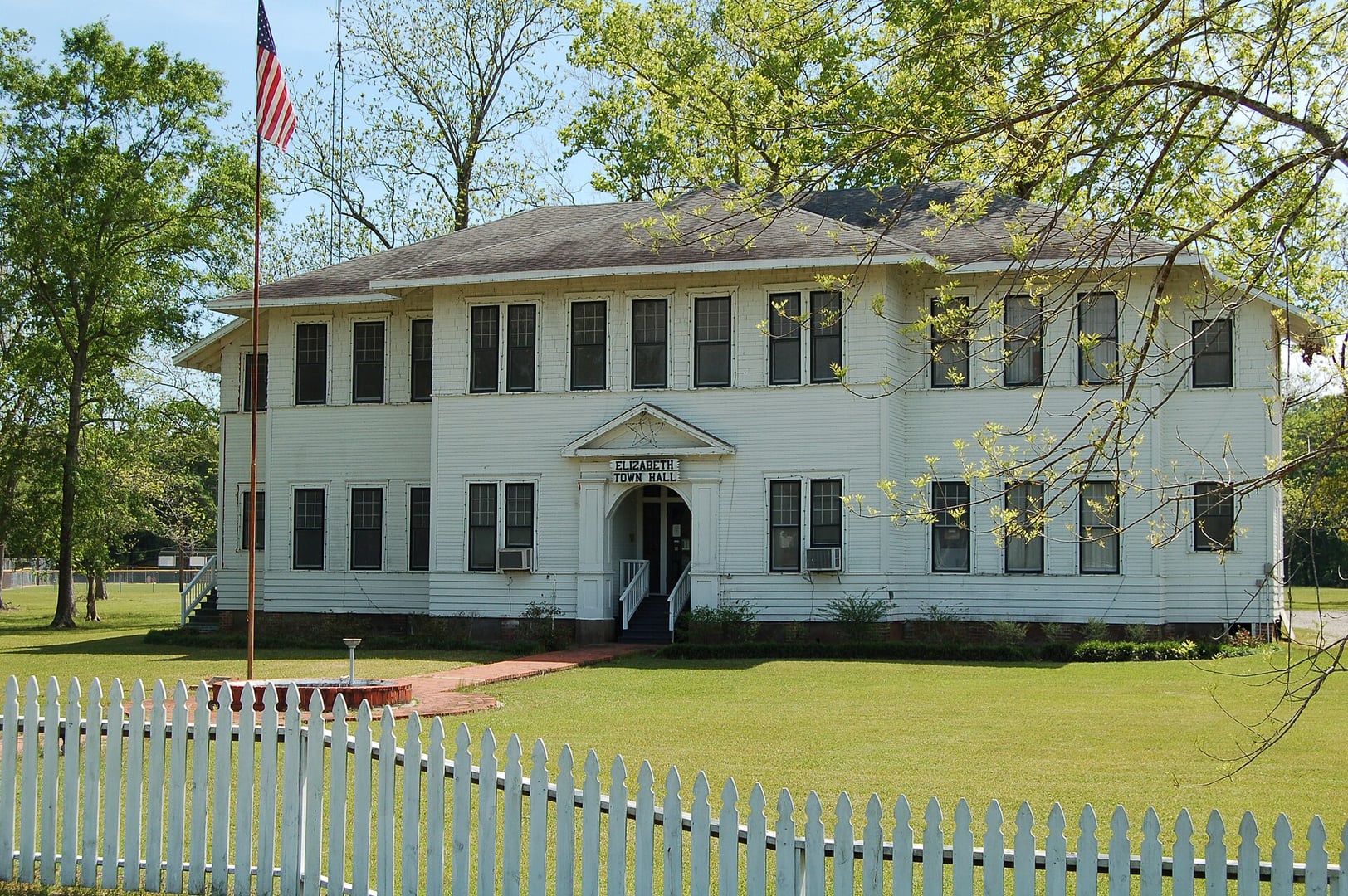
Two-story 1924 frame hospital building, now serving as the Elizabeth Town Hall in central Louisiana
Photo coming soon
Asylum / Hospital

Elizabeth Town Hall (Former Industrial Lumber Hospital)

Elizabeth, LA

The Elizabeth Hospital Building, completed in 1924, served the company town of Elizabeth, Louisiana, founded by the Industrial Lumber Company in 1907. The two-story frame structure operated as the company hospital until the lumber operation declined, after which the building was repurposed as the Elizabeth Town Hall.

$ All Ages Family: High

Elm Grove — 1

The lone brick bell tower at Taylortown along US-71 in Bossier Parish, Louisiana
Photo coming soon
Other Dark Tourism Site

Taylortown Tower

Elm Grove, LA

The Taylortown Tower is the surviving brick bell tower of the Methodist Episcopal Church of Taylortown, a small plantation village in Bossier Parish, Louisiana, on US-71 near Elm Grove. The church was built in the early 1900s (sources date it to roughly 1906-1911) and later abandoned as the congregation dwindled; the building fell into ruin and burned, leaving only the bell tower standing in a field.

$ All Ages Family: High

Eunice — 1

Small rural Louisiana cemetery off an unpaved road in St. Landry Parish
Photo coming soon
Cemetery / Burial Ground

Miller Cemetery (Headless Cemetery)

Eunice, LA

Miller Cemetery, also called Headless Cemetery in local folklore, is a small late-19th-century burial ground on Miller Cemetery Road north of Eunice, Louisiana. It contains the grave of Alexandre Miller, one of early Eunice's prominent residents, and remains an active cemetery for the surrounding Cajun Prairie community.

$ All Ages Family: Moderate

Houma — 1

The two-story 1858 Southdown Plantation House with wraparound porches and pink Victorian trim in Houma, Terrebonne Parish, Louisiana.
Museum / Historical Site

Southdown Plantation House

Houma, LA

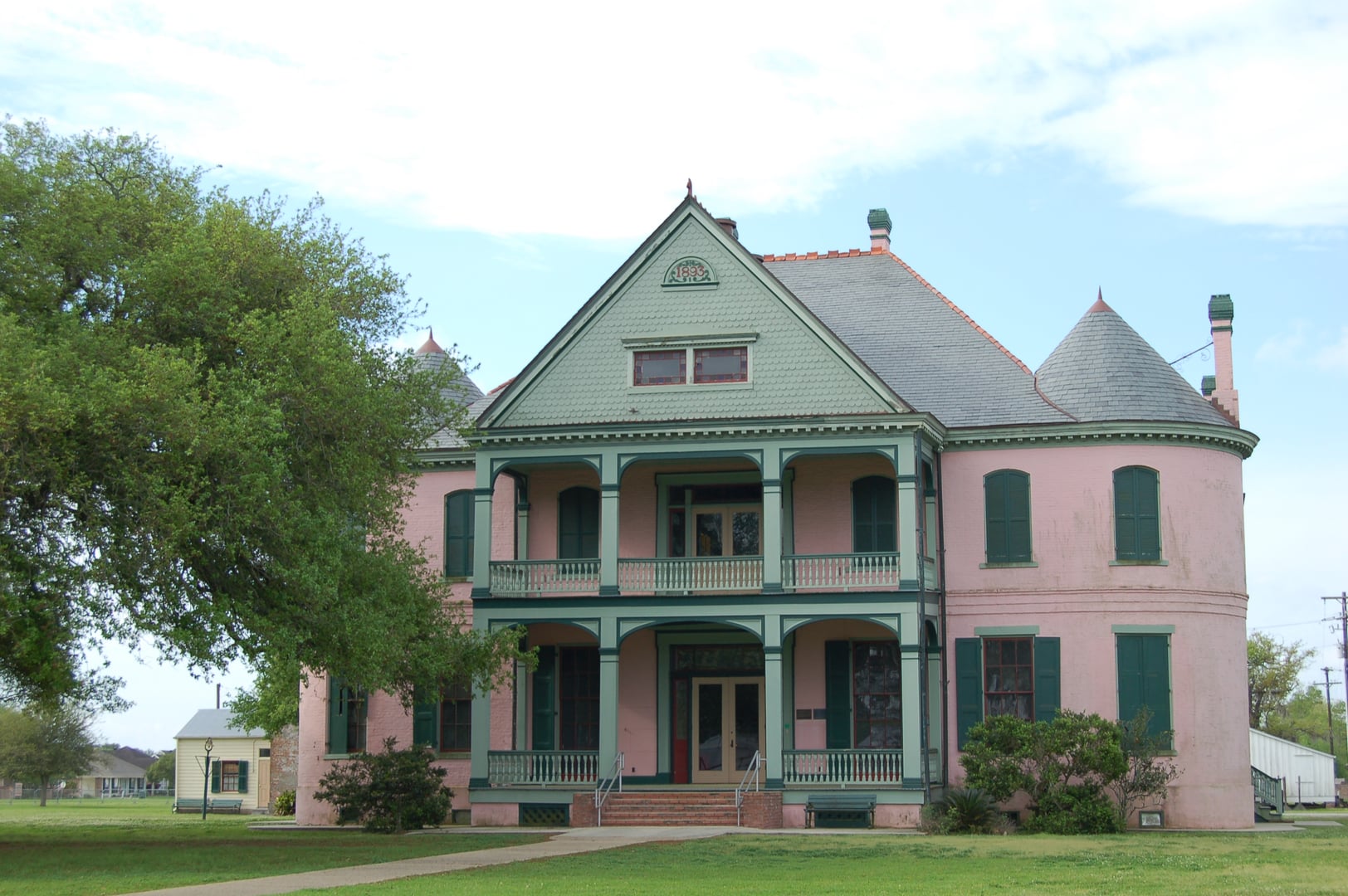
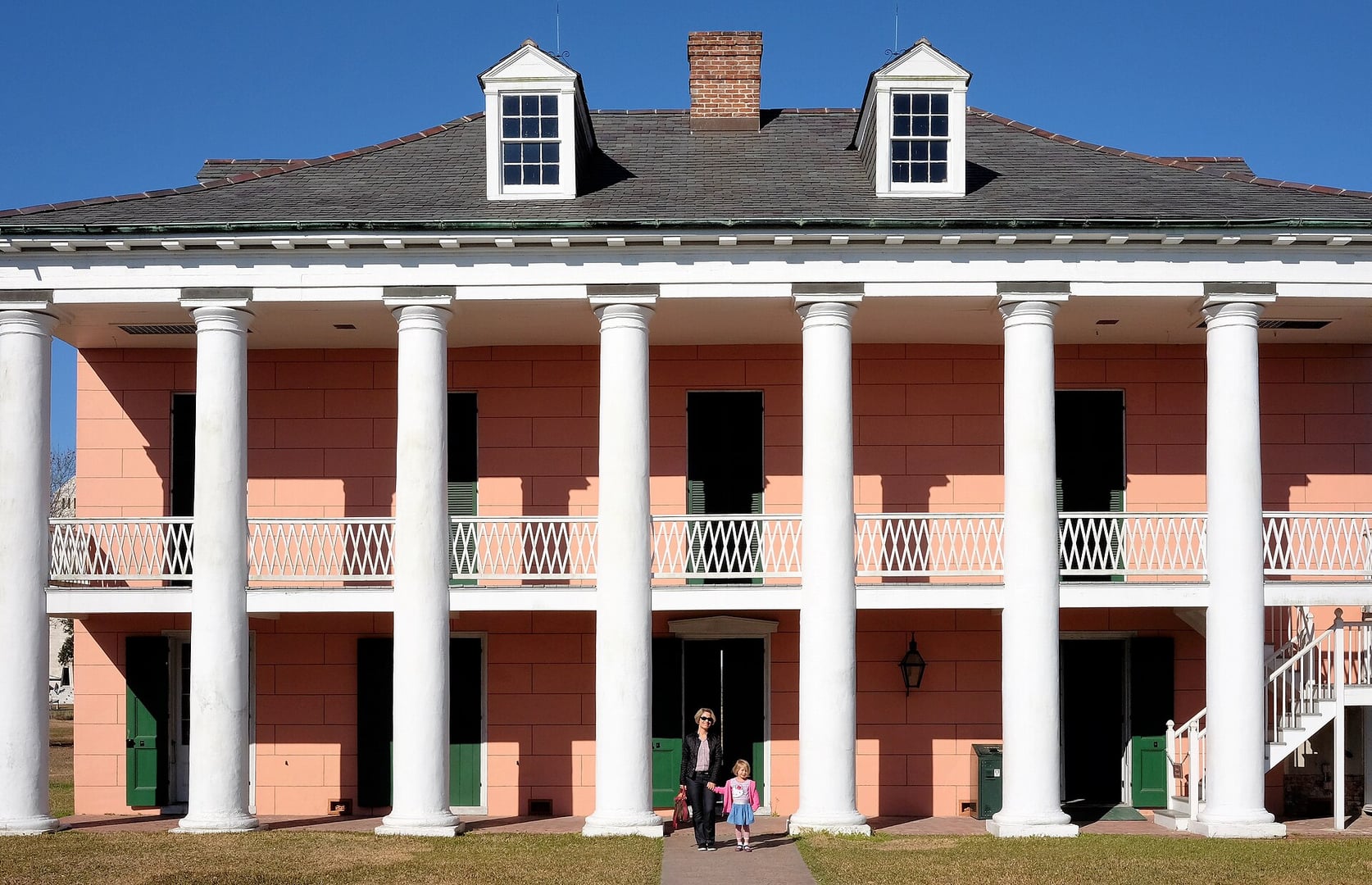
Southdown Plantation in Houma, Louisiana sits along Little Bayou Black on land first granted under Spanish rule in the 1790s. William J. Minor and James Dinsmore established the plantation in 1828 and shifted it from indigo to sugarcane in 1831. The 1858 main house was donated in 1975 and opened as a museum in 1982. It was added to the National Register of Historic Places in 1974.

$$ All Ages Family: High

Keatchie — 1

Ruins and overgrown grounds of Keatchie Female College in DeSoto Parish Louisiana with adjacent Confederate cemetery
Photo coming soon
Museum / Historical Site

Keatchi Women's College

Keatchie, LA

Keatchie Female College was founded in 1857 by the Grand Cane Association of Baptist Churches in DeSoto Parish, Louisiana. Following the Battle of Mansfield on April 8, 1864 — one of the last major Confederate victories in the Trans-Mississippi theater — the college's second floor was converted into a field hospital for wounded Confederate soldiers. Many who died there were buried in the Confederate Memorial Cemetery adjacent to the campus.

$ All Ages Family: Moderate

New Iberia — 1

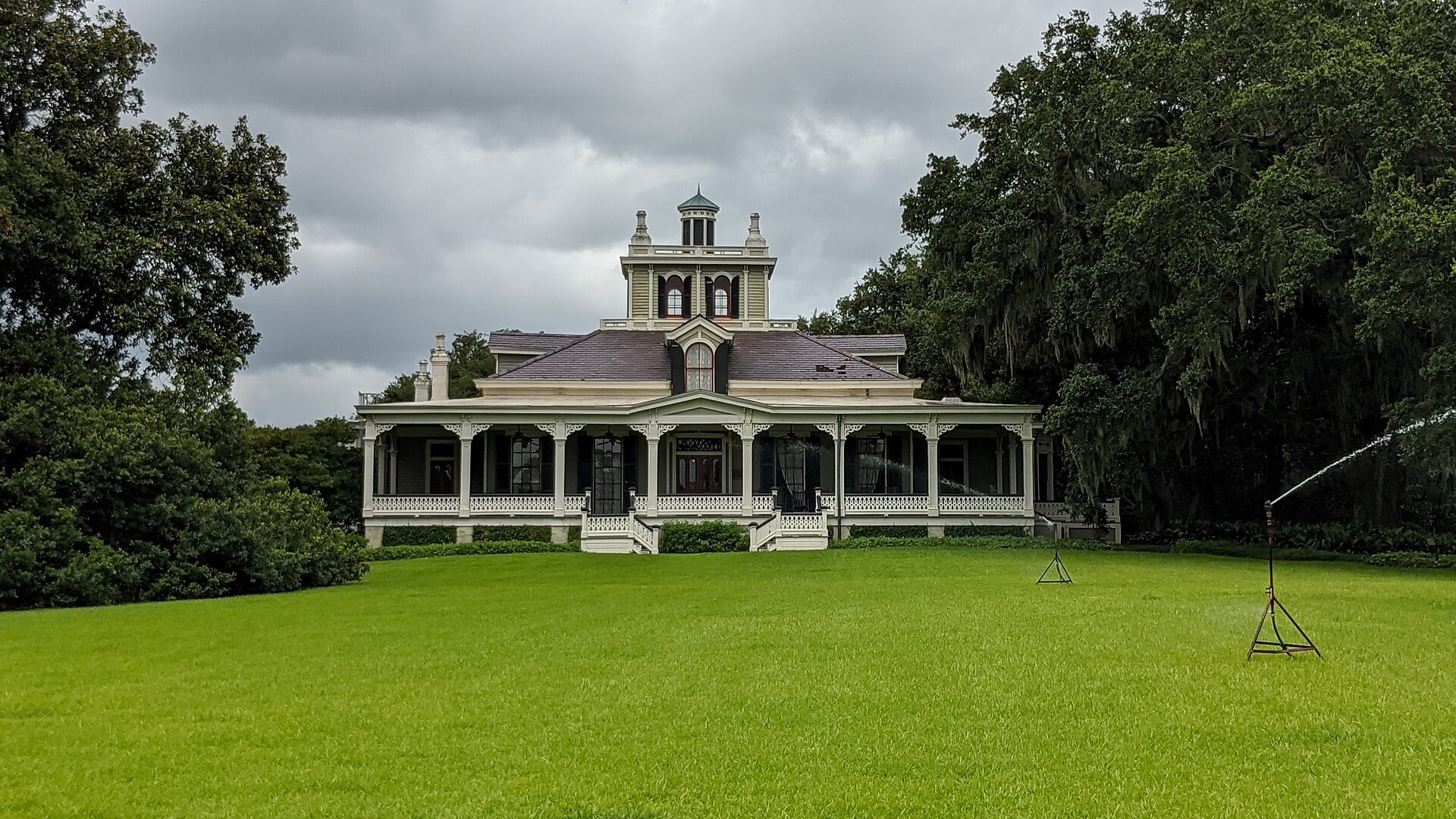
Joseph Jefferson Mansion at Rip Van Winkle Gardens in New Iberia Louisiana
Photo coming soon
Museum / Historical Site

Joseph Jefferson Mansion at Rip Van Winkle Gardens

New Iberia, LA

The Joseph Jefferson House was built in 1870 as a hunting lodge and painting studio for actor Joseph Jefferson, who portrayed Rip Van Winkle on stage more than 4,500 times. The 22-room Moorish Revival and Gothic Revival house sits atop the Jefferson Island salt dome at an elevation of 75 feet — unusual for coastal south Louisiana. It is now operated as a museum and gardens by the Bayless family.

$$ All Ages Family: High

Pineville — 1

Historic campus of Central Louisiana State Hospital in Pineville, Louisiana
Photo coming soon
Asylum / Hospital

Central Louisiana State Hospital

Pineville, LA

Central Louisiana State Hospital in Pineville was authorized in 1902 and opened January 6, 1906, originally as the Louisiana Hospital for the Insane. It grew into one of the largest psychiatric institutions in the country, peaking at more than 3,000 patients in 1959. Nearly 3,000 former patients are buried on the grounds. It remains an active state psychiatric hospital today.

$ All Ages Family: Not Recommended

Rayne — 1

Small overgrown rural cemetery off Ohlenforst Road in Acadia Parish Louisiana with moss-covered headstones
Photo coming soon
Cemetery / Burial Ground

Hookmans Graveyard

Rayne, LA

Hookman's Cemetery — formally the McClelland Cemetery — is a small rural burial ground on Ohlenforst Road in Acadia Parish west of Roberts Cove. Established in the early twentieth century as an informal plot for residents who could not afford church cemetery burial, the site contains seven marked graves with dates ranging from 1891 to 1934 and has been abandoned and overgrown for decades.

$ All Ages Family: Moderate

Shreveport — 1

Vine-covered ruins of the Caddo Parish Penal Farm off West 70th Street, Shreveport, Louisiana
Photo coming soon
Prison / Reformatory

Caddo Parish Penal Farm (The Pea Farm)

Shreveport, LA

The Caddo Parish Penal Farm, known as the Pea Farm, was established in 1905 on the former Caddo Parish plantation of Caesar Carpentier Antoine — Louisiana's Reconstruction-era Black Lieutenant Governor. The self-sustaining jail housed the parish's most violent offenders until it was phased out in the 1960s. The vine-covered ruins still stand off West 70th Street, surrounded by industrial development.

$ All Ages Family: Moderate

Stonewall — 1

The two-and-a-half-story 1859 Greek Revival Buena Vista Plantation mansion with one-story columned gallery near Stonewall in DeSoto Parish, Louisiana.
Haunted House / Historic Home

Buena Vista Plantation

Stonewall, LA

Buena Vista is an 1859 Greek Revival plantation house built for Boykin Witherspoon in DeSoto Parish, Louisiana, near Stonewall. The two-and-a-half-story frame mansion was added to the National Register of Historic Places in 1989 and is documented for its octagonal-columned gallery, fluted pilasters, and central-hall plan. Local tradition holds that the house served as a Civil War hospital for Confederate wounded.

$ All Ages Family: High

Sunset — 1

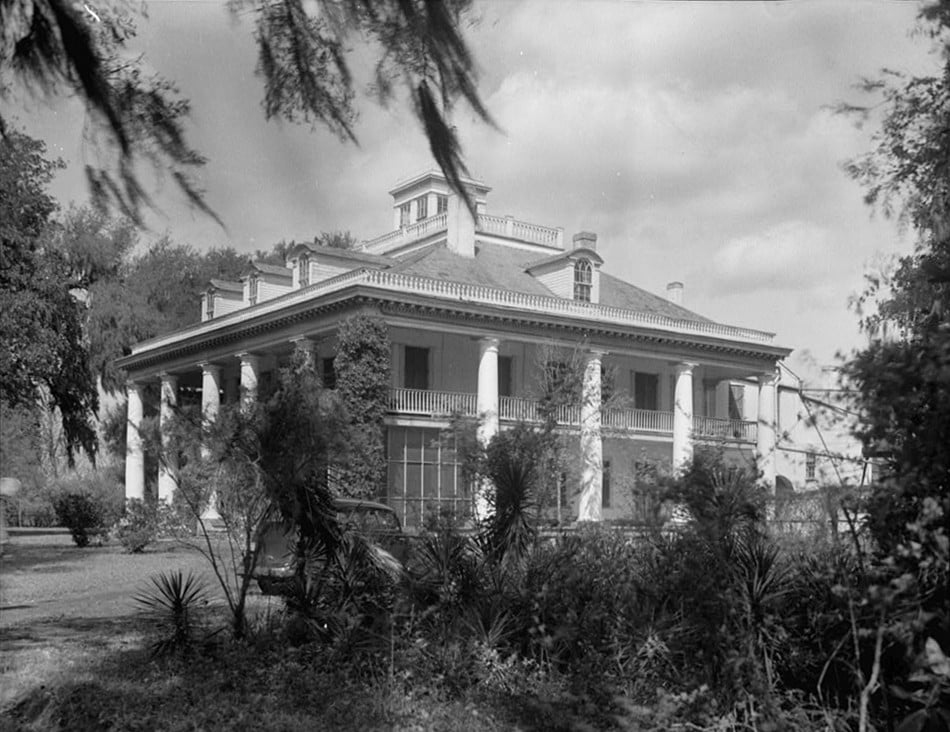
Front elevation of the two-story brick Chretien Point Plantation house with double gallery porch, photographed in August 1936 by Richard Koch for the Historic American Buildings Survey
Haunted House / Historic Home

Chretien Point Plantation

Sunset, LA

Chretien Point is a two-story, twelve-room red-brick mansion on twenty acres along Bayou Bourbeaux, two miles southwest of Sunset, Louisiana. Construction began in 1831 under Hippolyte Chretien and completed in 1835. The plantation was added to the National Register of Historic Places in 1977.

$ All Ages Family: Moderate

Vacherie — 1

Oak Alley Plantation mansion with its famous canopy of southern live oaks in Vacherie, Louisiana
Museum / Historical Site

Oak Alley Plantation

Vacherie, LA

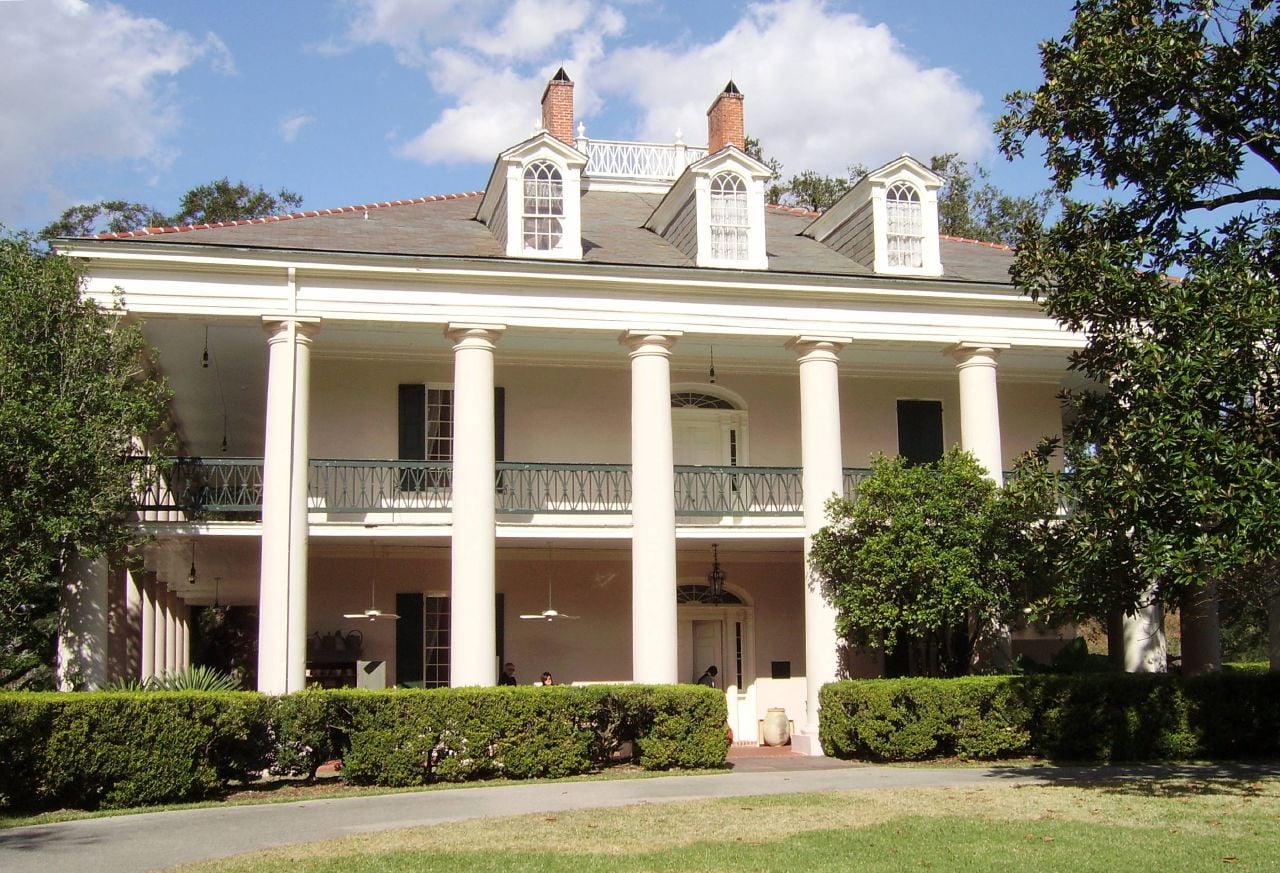
Oak Alley Plantation at 3645 LA-18 in Vacherie, Louisiana, is a National Historic Landmark built in 1839 for sugar planter Jacques Telesphore Roman. The property is named for the double row of 28 live oak trees lining the approach to the main house, estimated to have been planted between 1700 and 1750 — roughly a century before the Greek Revival manor was constructed.

$$$ All Ages Family: High

Wallace — 1

The Big House at Whitney Plantation historic memorial site in Wallace Louisiana
Museum / Historical Site

Whitney Plantation

Wallace, LA

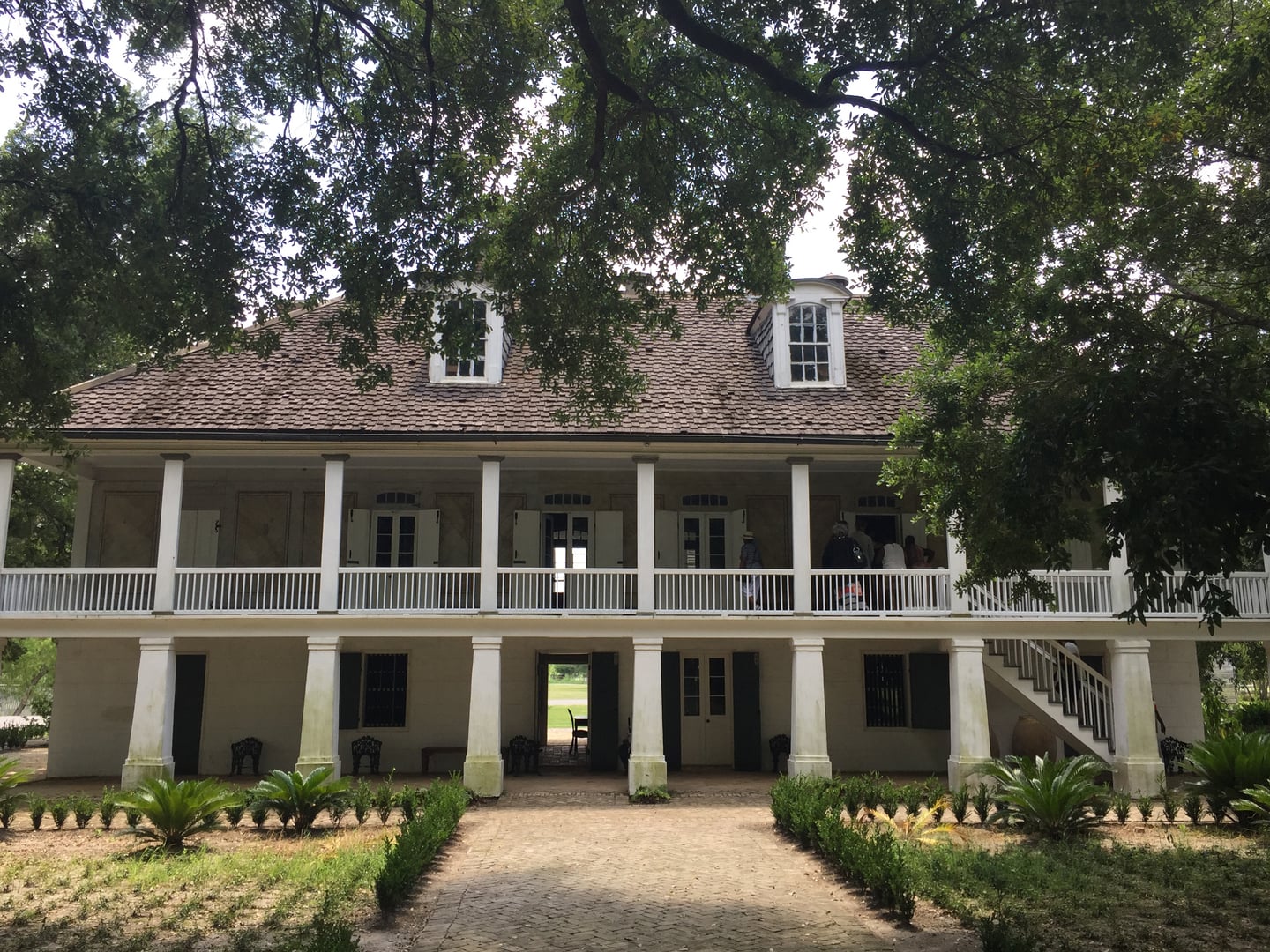
Whitney Plantation opened to the public in 2014 as the only museum in Louisiana dedicated solely to the history of slavery in the United States. The site preserves 16 original structures across a plantation that operated under sugar and rice cultivation from 1752 to 1975, using the forced labor of approximately 350 enslaved people across the antebellum period.

$$ All Ages Family: Moderate

By type