Est. 1838 · Enslaved-People History · Site of Documented Atrocity · Empire-Style Architecture · French Quarter Heritage
Marie Delphine Macarty was a wealthy member of New Orleans Creole society. After two previous marriages, she married physician Leonard Louis Nicolas LaLaurie in June 1825. In 1831, Delphine LaLaurie purchased the property at 1140 Royal Street in her own name. The unfinished two-story Federal-style house on the property was completed for the LaLauries, and Delphine LaLaurie moved in during 1832.
On April 10, 1834, a fire broke out at the mansion. Period accounts indicate the fire was set by Madame LaLaurie's cook, an elderly enslaved woman who was chained to the kitchen stove and chose burning the house as a means of bringing help. When rescuers entered the building during the fire, they discovered enslaved people bound in the attic who showed extensive evidence of long-term torture and abuse. The discovery, reported in detail by the New Orleans Bee newspaper, ignited public fury. A mob sacked and substantially destroyed the house. Delphine LaLaurie fled New Orleans with her family and made her way eventually to Paris, where she lived out her life. She was never prosecuted.
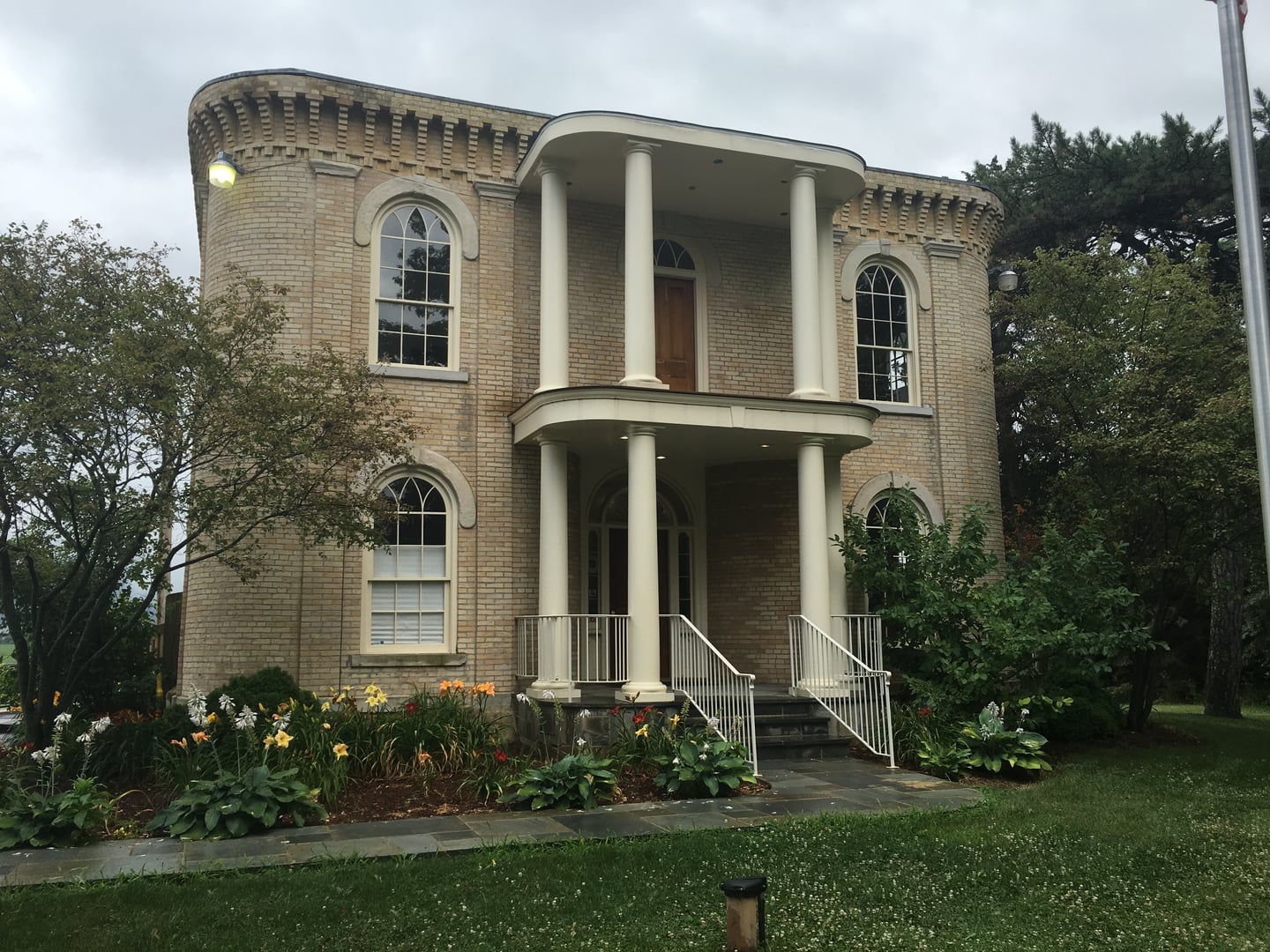
The ruined building stood damaged until 1838, when Charles Caffin purchased the property and commissioned architect Pierre Trastour to rebuild it in the Empire style. The house standing today dates to that 1838 rebuilding, not to the house the LaLauries lived in. The building has subsequently served as a girls' school, a furniture warehouse, an apartment building, and a music conservatory, among other uses.
Actor Nicolas Cage owned the property briefly in 2007 before financial troubles forced its sale. The building remains a private residence and is not open to the public.
The historical record documents the severe abuse and torture of enslaved people on this site. Tour narratives and popular-culture treatments, including American Horror Story: Coven, have layered fictionalized and sensationalized elements onto the documented history. The Preservation Resource Center of New Orleans and academic historians have worked to separate the documented record from the accumulated lore. Visitors approaching the site should treat it as a memorial to the people who suffered there, not as horror entertainment.
Sources
- https://en.wikipedia.org/wiki/Delphine_LaLaurie
- https://neworleanshistorical.org/items/show/1492
- https://www.nola.com/entertainment_life/new-orleans-haunted-lalaurie-mansion-dark-history/article_78aac250-3dff-11ef-ab08-134719c26ab8.html
- https://prcno.org/what-really-happened-at-the-lalaurie-house/
ApparitionsDisembodied screamingPhantom sounds
Reports of paranormal activity at the LaLaurie Mansion have circulated since the immediate aftermath of the 1834 fire and mob attack. Period newspaper accounts described screams heard from the ruined building at night. Successive residents through the nineteenth and twentieth centuries reported figures observed on the balcony and in the windows, the sound of chains, and the figure of an enslaved woman by candlelight in the upper rooms.
New Orleans walking tours and paranormal media have made the LaLaurie Mansion one of the most-cited haunted properties in the United States. American Horror Story: Coven (2013) brought the property to global attention through a substantially fictionalized treatment of the LaLaurie story. Several popular-culture accounts have elaborated the documented record with invented details; the Preservation Resource Center of New Orleans has worked to correct widely repeated inaccuracies.
This entry treats the documented enslaved-people history as primary. The paranormal accounts exist, are extensive, and reflect more than 190 years of community memory of a documented atrocity. They should not be told as entertainment. Visitors who choose to view the building should treat the site as a memorial; the New Orleans African American Museum, the Whitney Plantation, and several Tremé heritage organizations offer more substantive engagement with the broader history of slavery in Louisiana than any ghost-tour stop can provide.
Notable Entities
The Woman on the Balcony
Media Appearances
- American Horror Story: Coven
- Travel Channel paranormal programming