Est. 1860 · National Historic Landmark · Richard Upjohn Architecture · Italianate Plantation House
Edward Kenworthy Carlisle, a Marion planter and cotton factor, commissioned New York architect Richard Upjohn to design a country house on his Black Belt property in 1858. Upjohn, best known for his ecclesiastical work including Trinity Church in Manhattan, had developed an asymmetrical Italian villa idiom that he applied to residential commissions in the Northeast. The Carlisle commission gave him the opportunity to adapt that vocabulary to the Southern climate and the plantation context.
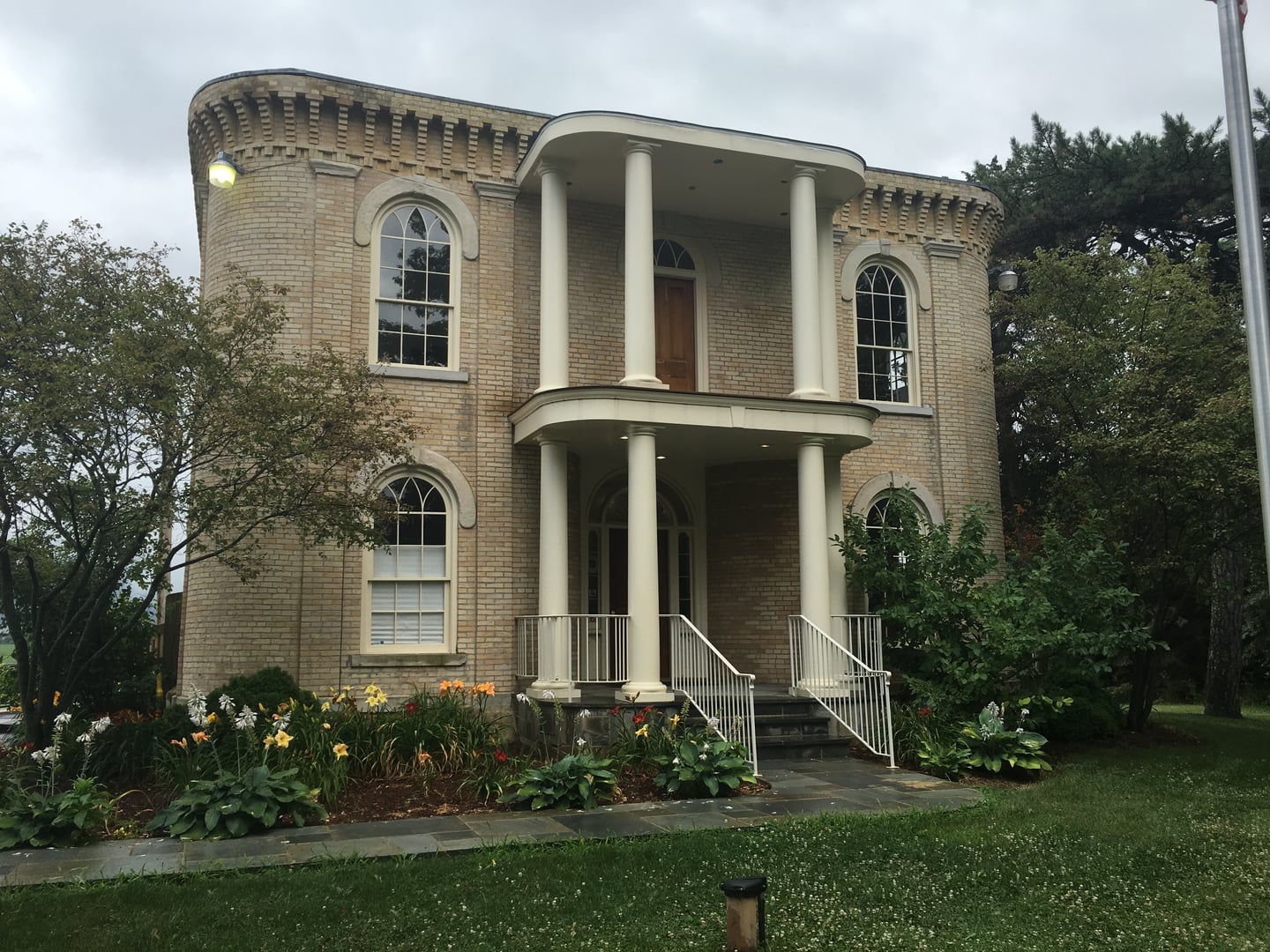
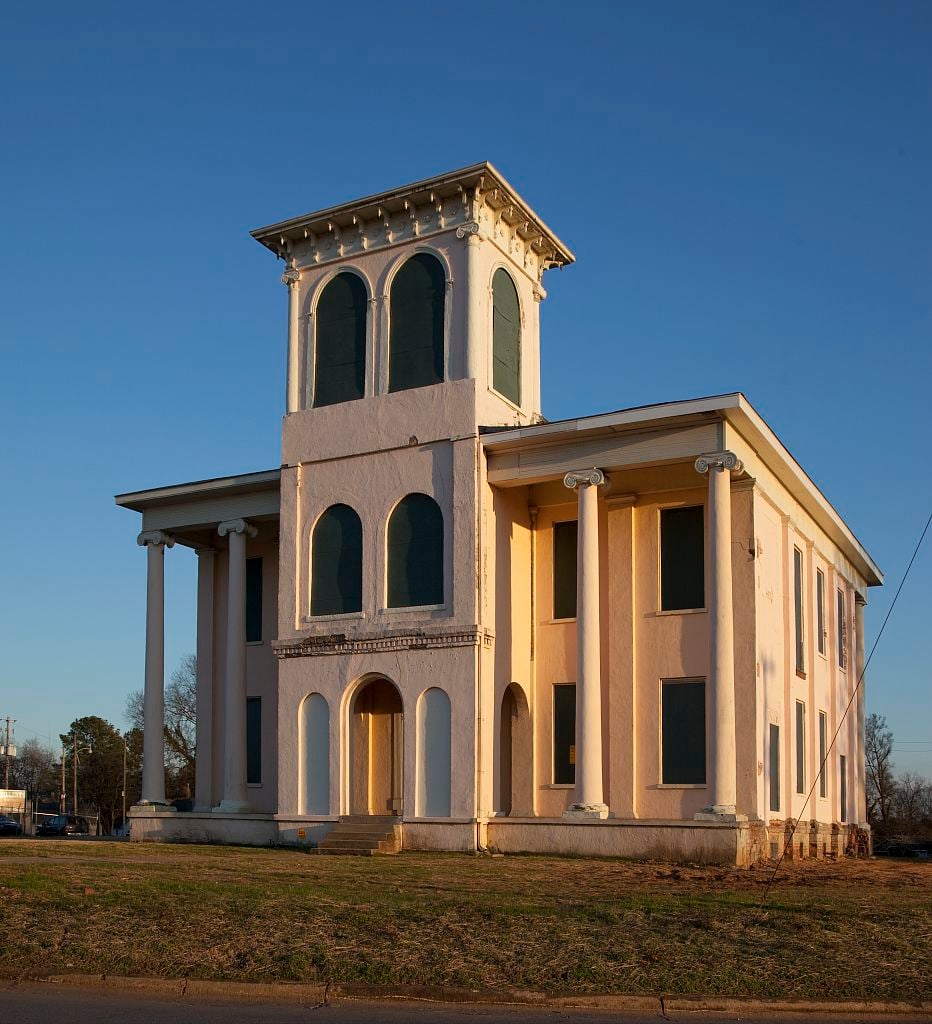
The house was built between 1858 and 1860. Kenworthy Hall, sometimes called Carlisle Hall, features a massive four-story tower, brownstone window trim, and variable window sizes and shapes characteristic of Upjohn's Italianate work. The Southern adaptations include a wide cross-hall behind the main entrance, a detached kitchen building positioned between the house and the slave quarters, and a full-width rear porch suited to the heat. The configuration of the dependencies preserves the antebellum spatial logic of the plantation; archival sensitivity is appropriate when discussing this aspect of the property.
Kenworthy Hall passed through several twentieth-century owners. In 1957, Karen Klassen of Birmingham purchased the house and nineteen acres for four thousand dollars and began restoration work. The Martin family acquired the property in 1967 and spent approximately three decades on a full restoration. The house and its surviving ancillary structures were designated a National Historic Landmark in 2004.
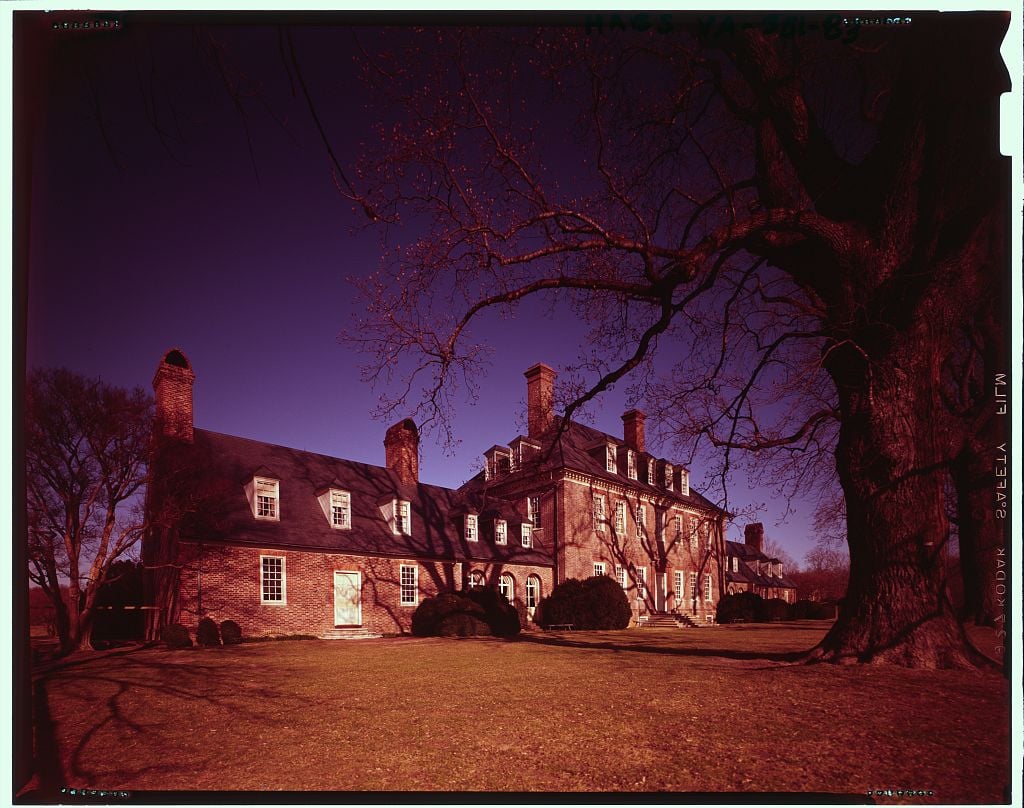
The property remains a private residence. The Historic American Buildings Survey documentation at the Library of Congress provides extensive photographs and architectural drawings for those interested in the building's design.
Sources
- https://en.wikipedia.org/wiki/Kenworthy_Hall
- https://alarchitecture.ua.edu/kenworthy-hall/
- https://www.npshistory.com/publications/nhl/al-kenworthy-hall.pdf
- https://www.loc.gov/pictures/item/al0682/
ApparitionsLights flickering
The Kenworthy Hall ghost story belongs to a familiar regional pattern of Black Belt plantation folklore. Local tradition holds that during the Civil War, Anne Carlisle, a daughter of the family, watched from the four-story tower window for the return of a Confederate suitor. The suitor died in the war. Anne, by the tradition, continued her vigil after his death and into her own.
Visitors and motorists on State Highway 14 have reported seeing a figure in white in the tower window at dusk. Some accounts describe a lit lamp visible in the tower even when the house is unoccupied. The story has circulated in Alabama folklore collections and local newspaper features for decades.
The Carlisle family genealogy does not clearly support the specific narrative of Anne and the lost suitor in the form most commonly told; the story belongs to local tradition rather than to documented family history. The Martin family, who restored the house in the late twentieth century, treat the property as a private home and have not engaged publicly with the ghost lore.
Kenworthy Hall's architectural significance is the basis for its inclusion in this corpus; the ghost story is presented here as Perry County folklore rather than as documented paranormal incident.
Notable Entities
The Lady in the Tower