Est. 1837 · National Register of Historic Places · Antebellum Plantation Home · Greek Revival Architecture
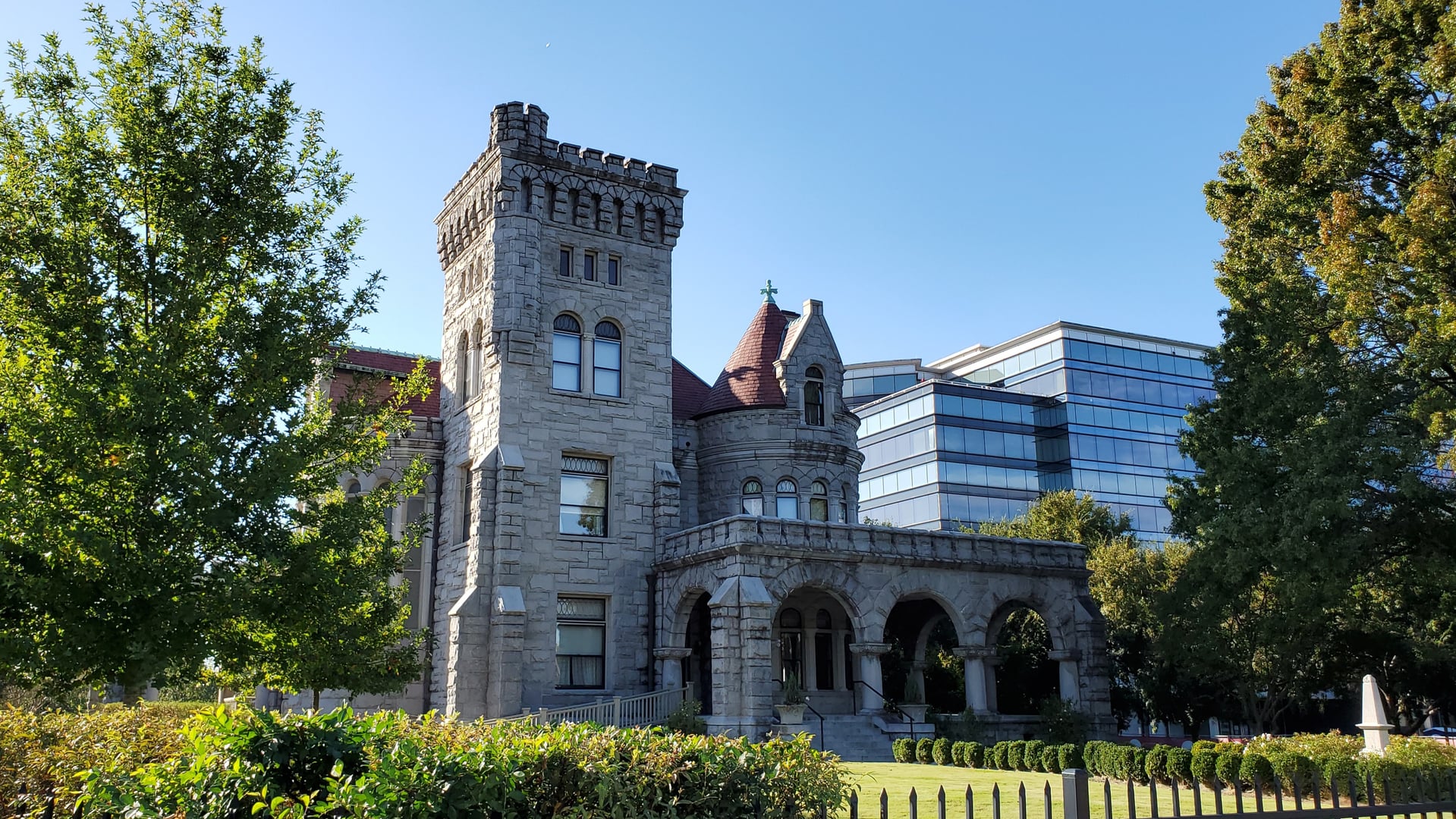
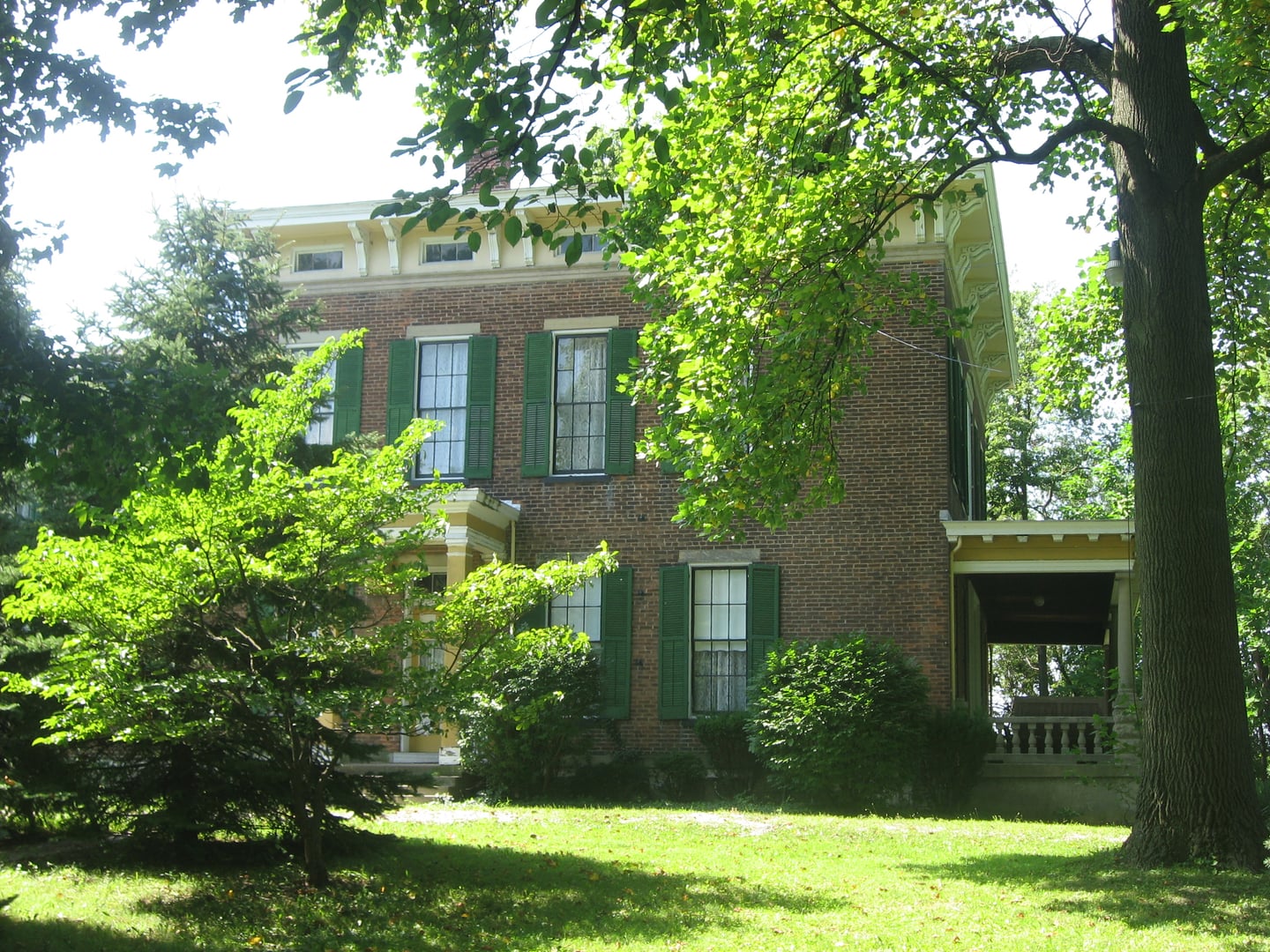
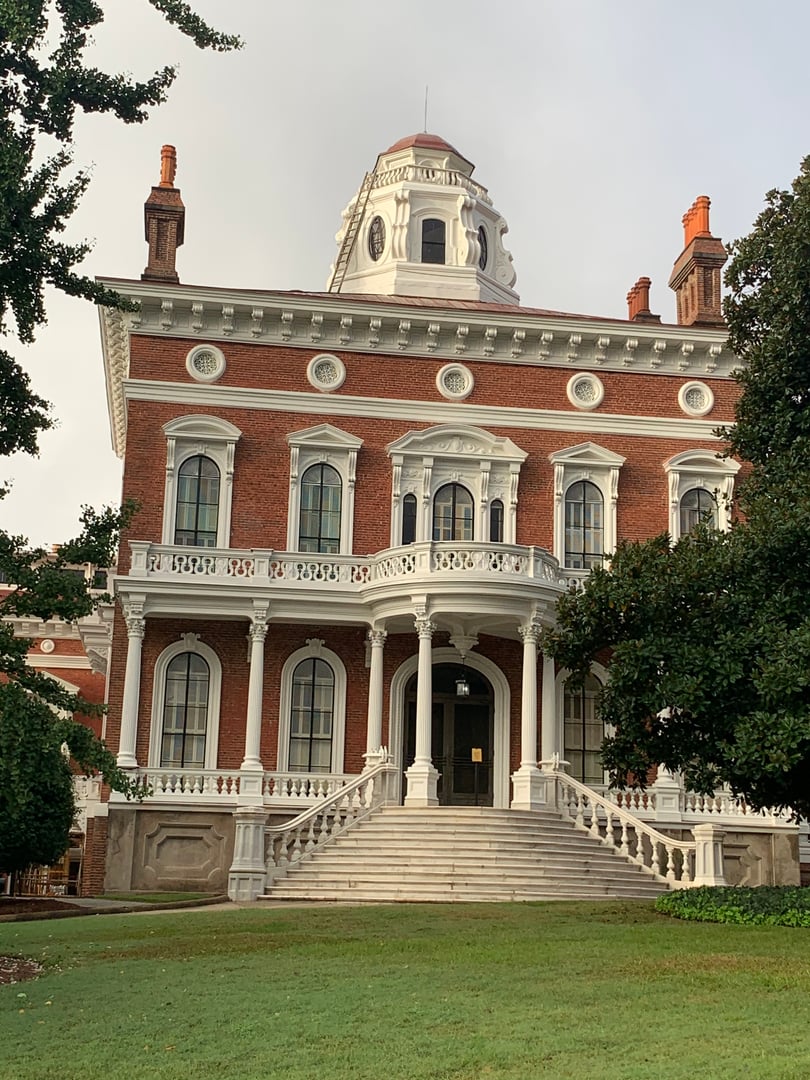
Dr. John R. Drish, originally from Virginia, settled in Tuscaloosa in 1822 and built a fortune as a physician and planter. He commissioned the house known today as the Drish House around 1837. The structure was originally called Monroe Place. Built in the Greek Revival style with a later Italianate tower added in the 1860s, the home anchored a 450-acre cotton plantation worked by enslaved African Americans whose craftsmanship is visible in the surviving brickwork and joinery.
Dr. Drish died in 1867 after a fall down the staircase of the home; contemporary accounts attribute the fall to intoxication. Sarah McKinney Drish, his second wife, outlived him by 17 years and died in 1884. The plantation was broken up after her death.
The house cycled through institutional uses for most of the 20th century. It served as a school, a Southside Baptist Church annex, and at one point an auto-parts warehouse. The tower was bricked over and the porch enclosed during these years. By the early 2000s the property was structurally compromised and listed among the Alabama Historical Commission's most endangered places.
A private restoration in the 2010s returned the house to its 19th-century footprint and reopened it as a private event and wedding venue. The property was added to the National Register of Historic Places. The Drish House sits on what is now 17th Street in central Tuscaloosa, a residential and commercial corridor that grew up around the original plantation footprint.
Sources
- https://en.wikipedia.org/wiki/Dr._John_R._Drish_House
- https://encyclopediaofalabama.org/article/historic-drish-house/
- https://historicdrishhouse.com/about/
- https://visittuscaloosa.com/blog/the-history-and-hauntings-of-tuscaloosas-drish-house/
ApparitionsCold spotsPhantom footstepsLights flickeringResidual haunting
The Drish House's haunting tradition centers on a single image: flames in the upper tower windows. The story, repeated in regional newspapers from the late 19th century onward and collected in Kathryn Tucker Windham's 1969 anthology Thirteen Alabama Ghosts and Jeffrey, runs roughly as follows. Dr. John Drish died in 1867. Sarah Drish held his wake in the third-floor tower, lighting tall candles she then preserved and reportedly asked be burned again at her own funeral. When she died in 1884, the candles were not located in time. Soon after, neighbors began reporting fires in the tower; arriving fire crews found no smoke, no scorched wood, no source.
Windham's account is the most widely cited and has shaped every subsequent retelling. The earlier newspaper accounts she drew from describe phantom fires occurring repeatedly across several years, observed by multiple unrelated witnesses. The figure of a woman in white at the windows or on the staircase has accumulated as a secondary report; some retellings identify her as Sarah Drish, and the connection to her unfulfilled candle wish is presented as residual rather than malevolent.
Reports recorded during the building's institutional years and the recent restoration include cold spots on the staircase where Dr. Drish fell, footsteps in empty rooms, and figures glimpsed in second-floor windows from the street. The current owners have generally permitted paranormal investigators on event days and during specific open events; the house has been featured on US Ghost Adventures and several regional ghost-tour itineraries.
Notable Entities
Sarah Drish
Media Appearances
- Thirteen Alabama Ghosts and Jeffrey (Kathryn Tucker Windham, 1969)