Est. 1859 · Italianate Architecture · Antebellum Texas Wealth · Civil War Hospital and Headquarters · Juneteenth Tradition · Bettie Brown Travel Legacy
Ashton Villa was completed in 1859 for James Moreau Brown, a Galveston hardware merchant whose firm capitalized on the explosive growth of the Texas port city during the 1850s. By the time of construction, Brown was reportedly the fifth-wealthiest man in Texas, his fortune built on the supply chains of the cotton-export shipping industry — Galveston having been one of the largest cotton ports on the Gulf Coast. Brown was also a slave owner, and the household economy of Ashton Villa during its antebellum decade depended on the labor of enslaved people. This history is interpreted by current administrators of the site with archival respect rather than romanticization.
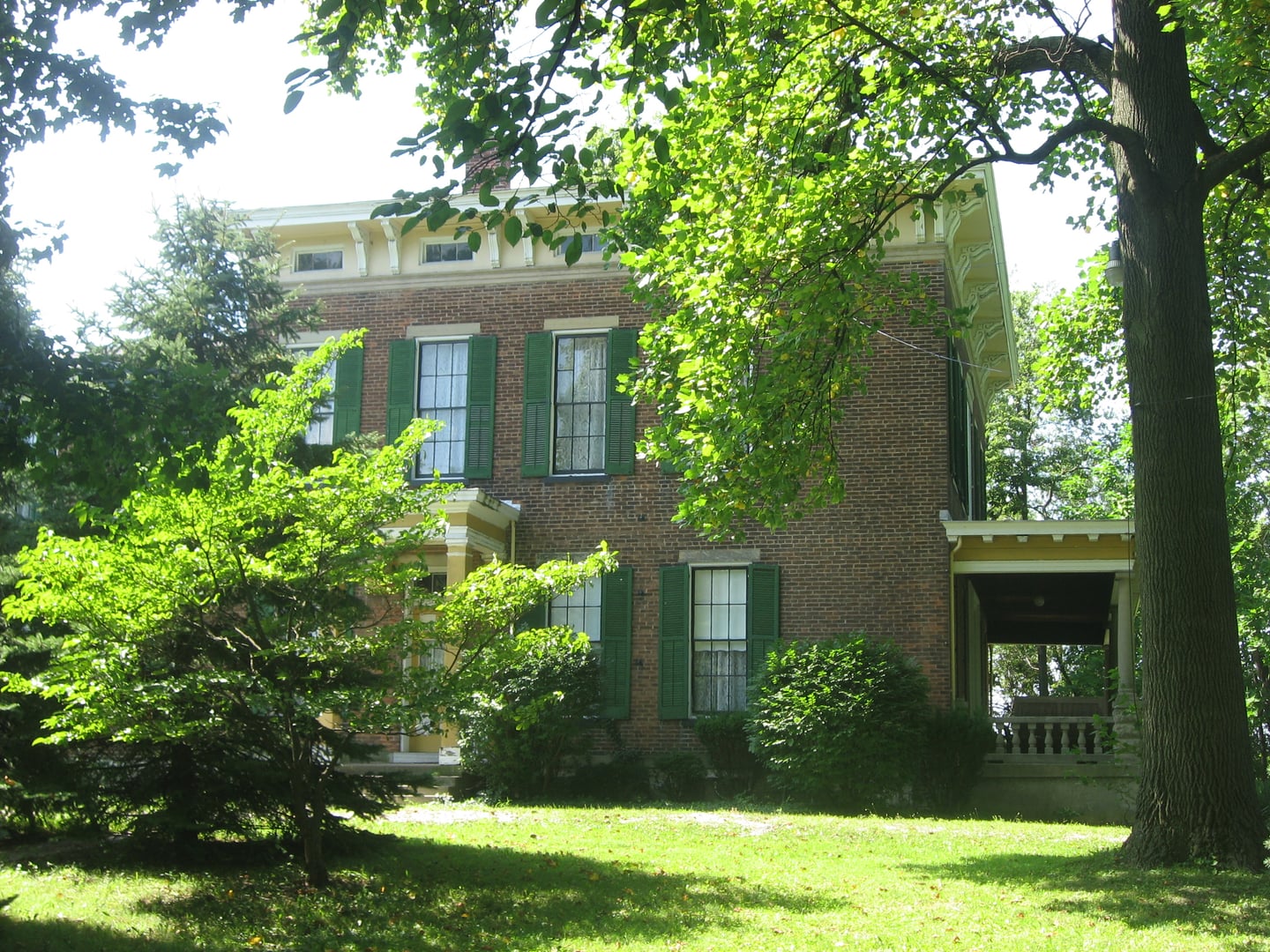
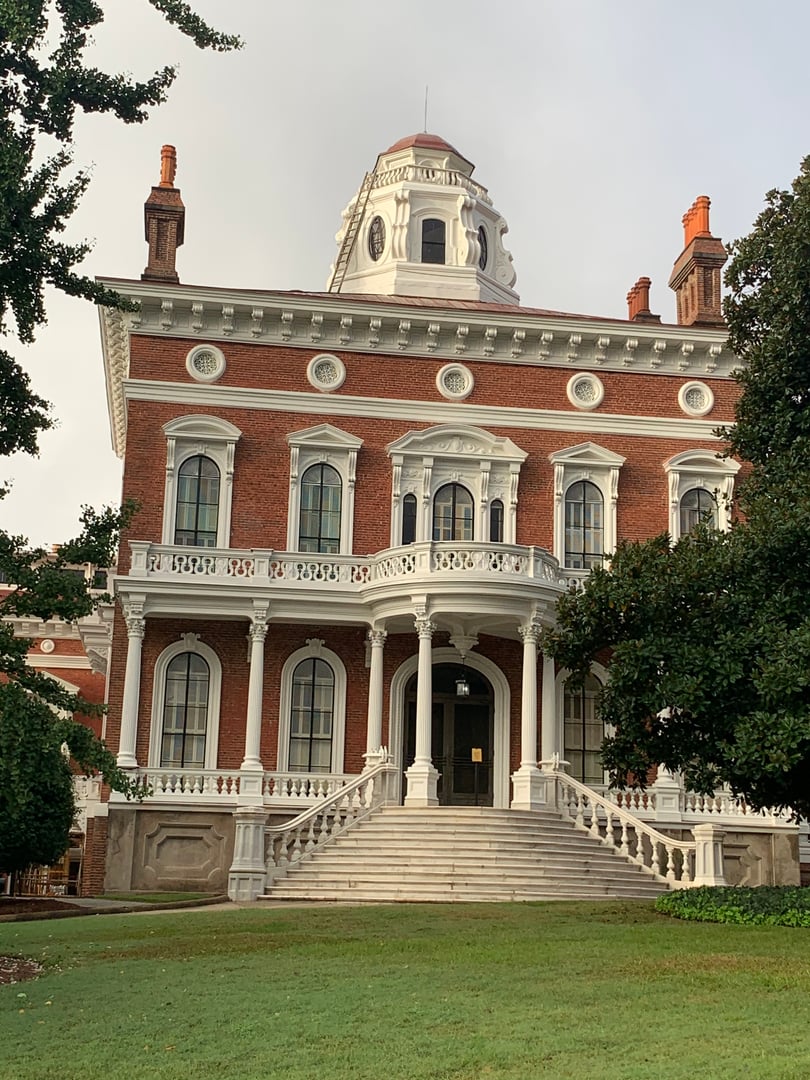
The villa is among the oldest surviving Italianate brick residences in Texas. The exterior features stuccoed brick, deep eaves with bracketed cornices, tall arched windows, and a distinctive cast-iron veranda manufactured at the Sampson and Keene foundry in Cincinnati and shipped to Galveston by steamer. The interior retains substantial original woodwork, plaster cornices, and the central staircase.
During the Civil War, the house was successively occupied by both Confederate and Union military commands as Galveston changed hands during the Battle of Galveston in 1862 and 1863. The villa served as a hospital for wounded soldiers and as headquarters for whichever general was in command at the time. On June 19, 1865 — Juneteenth — General Gordon Granger arrived in Galveston and issued General Order No. 3 announcing the emancipation of the enslaved people of Texas. Local tradition places Granger's reading of the order at Ashton Villa, though the actual location is contested by Galveston historians and may have been one of several Broadway-area buildings.
Elizabeth 'Bettie' Brown (1855 to 1920), James Brown's eldest daughter, was born in the house and lived in it for nearly her entire life. She studied painting in Vienna under a court painter, rode camels in Egypt, attended a garden party hosted by Emperor Franz Joseph, kept apartments in New York and London, and traveled extensively in India, Japan, and China during a period when independent female travel was extraordinarily uncommon. She never married. Her paintings — accomplished and prolific — remain on display in the villa, and her travel souvenirs include the much-discussed locked box on the second floor.
Ashton Villa survived the 1900 Galveston Hurricane and the storms that followed. The home was sold by the Brown family in 1927 and passed through several institutional owners before being acquired by the Galveston Historical Foundation in 1970. The villa is listed on the National Register of Historic Places and operates today primarily as an event venue, with periodic open-house tours and seasonal programming.
Sources
- https://www.galvestonhistory.org/sites/ashton-villa
- https://ghostcitytours.com/galveston/haunted-galveston/haunted-ashton-villa/
- https://www.texasescapes.com/ClayCoppedge/Miss-Bettie-Brown-and-Haunting-of-Ashton-Villa.htm
- https://www.khou.com/article/features/1859-ashton-villa-haunted-mansion-galveston/285-c8a2c785-661b-4177-adfc-4d0f8ff3229d
ApparitionsObject movementPhantom soundsPhantom footstepsPhantom smellsResidual hauntingIntelligent haunting
Ashton Villa appears in nearly every published account of Galveston paranormal lore, with the spirit of Bettie Brown the central figure. Galveston Historical Foundation staff have approached the reputation with a measured archival tone, integrating it into seasonal programming without making it the dominant interpretive frame.
The most-told account places Bettie Brown's figure in the Gold Room, the home's elaborately decorated formal parlor. Staff have reported finding her observed in long white or pale dress, sometimes holding a fan, and dissipating when approached. The Gold Room contains many of her own paintings and her piano — a notable point, because folklore has assigned phantom piano music to her spirit, while Galveston Historical Foundation researchers have confirmed that Bettie was an accomplished painter rather than a musician and did not play the piano in life. The discrepancy is itself part of the cultural record: the assigned phenomenon does not match the documented biography.
Bettie's locked souvenir box, purchased during her travels in the Middle East and displayed on the second floor of the villa, has generated the most-distinctive specific phenomenon. Staff and visitors have reported finding the box locked at one visit and unlocked at the next, with no living person possessing a key to the antique mechanism. The behavior has been documented in regional press coverage over multiple decades.
Additional reports include phantom footsteps on the second-floor hallway, the sound of skirts brushing against banister spindles on the central staircase, and the scent of unidentified floral perfume in the formal rooms. Some visitor reports describe a presence near the room where Bettie died of cancer in 1920.
The villa appeared in the 2025 Houstonia Magazine survey of Galveston ghost-tour stops and is featured in essentially all major Galveston ghost-walk routes. The site has been the subject of regional television coverage and at least one paranormal investigation series.
The Gold Room and the souvenir box remain the central pilgrimage features for visitors arriving with Bettie Brown's story in mind, regardless of which version of the haunting they have read.
Notable Entities
Bettie Brown (The Texas Princess)
Media Appearances
- Multiple Galveston ghost-tour features
- Texas Highways: Ghosts of Galveston