Est. 1755 · National Historic Landmark · Georgian Plantation Architecture · Colonial Virginia History
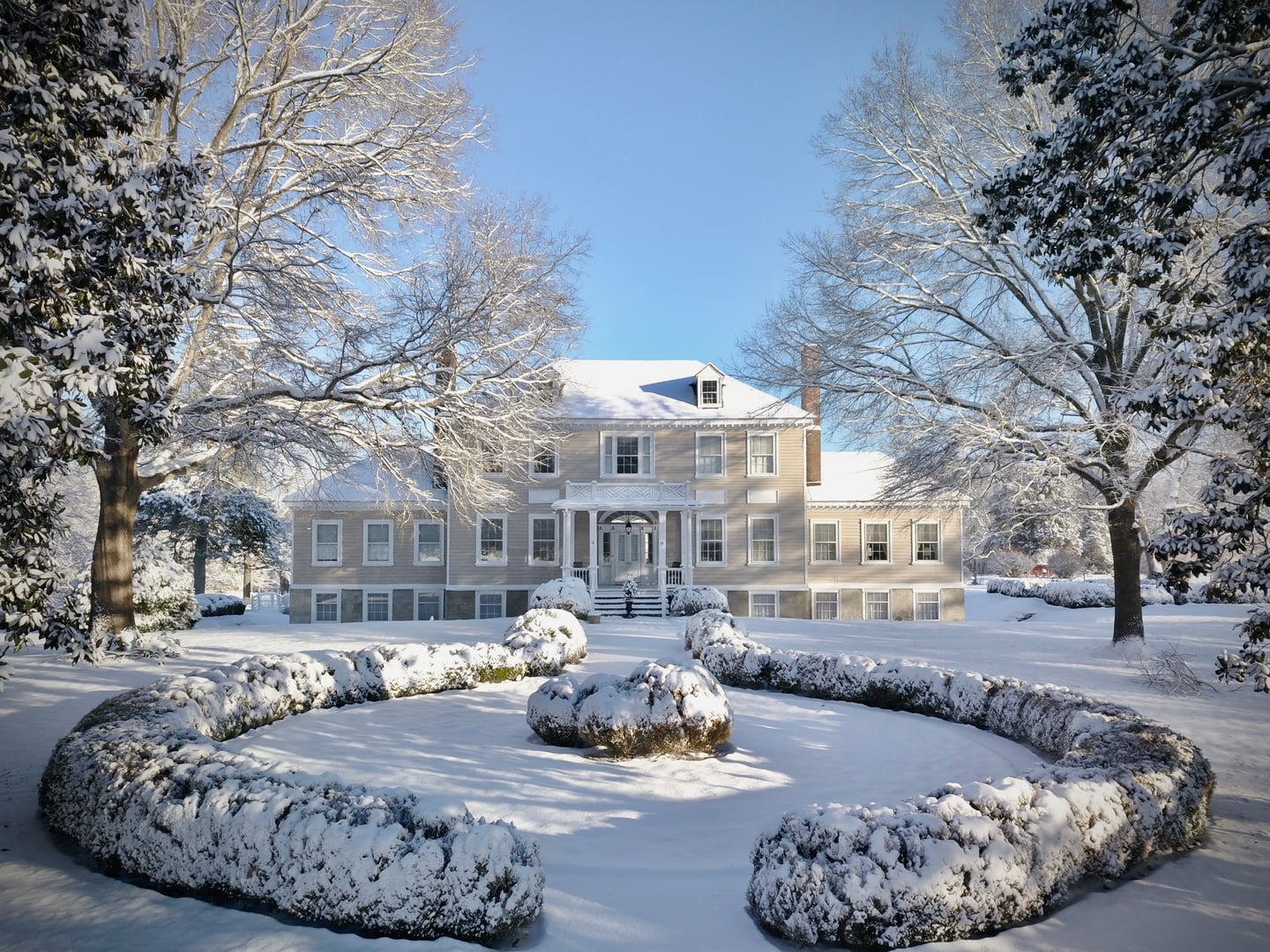
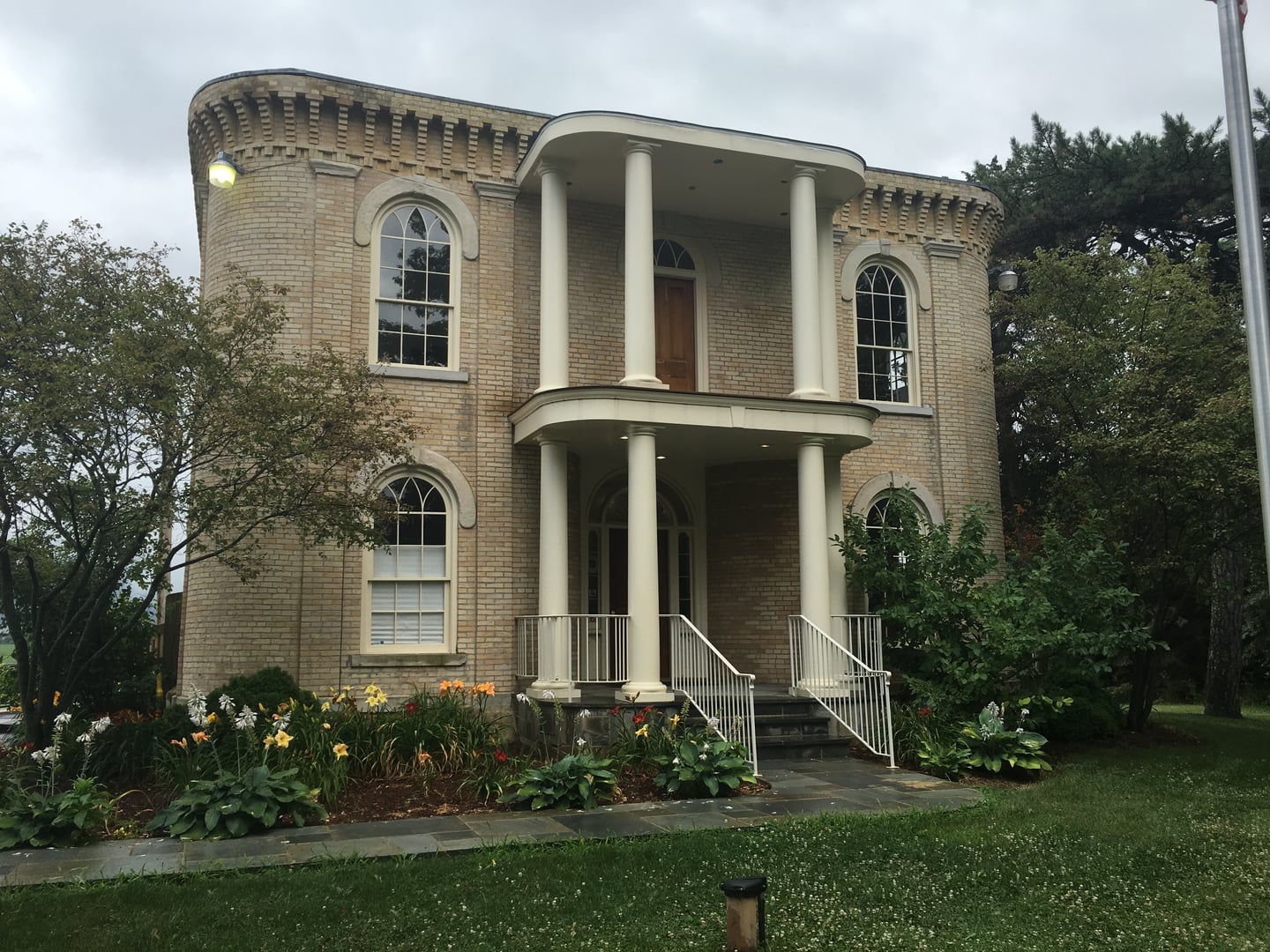
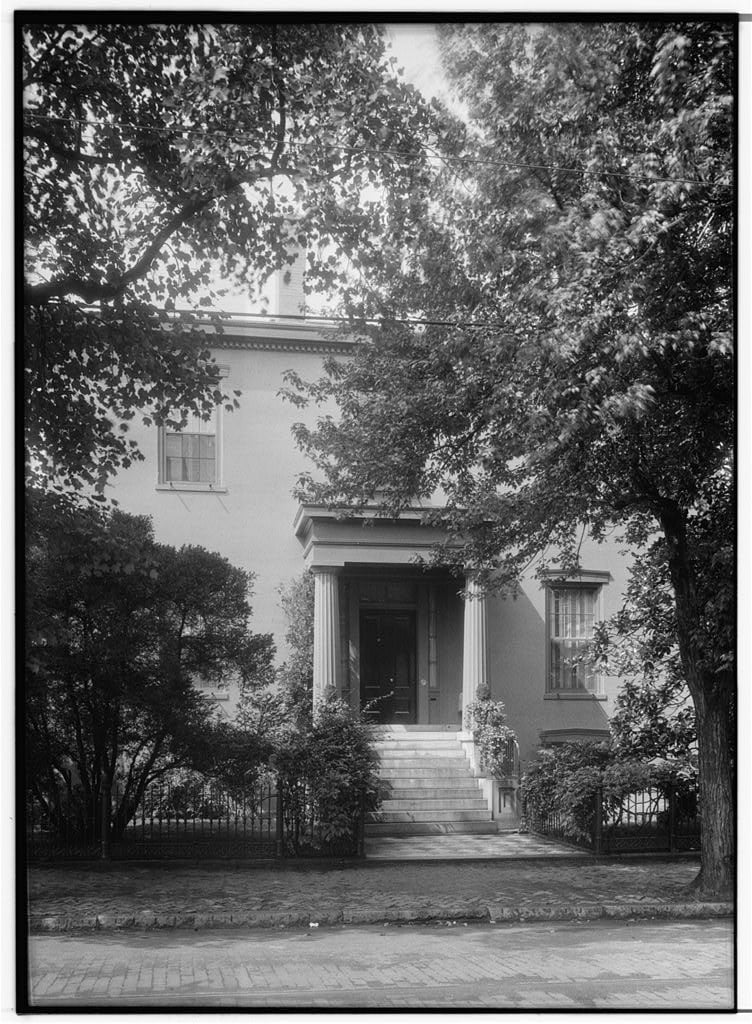
Carter's Grove sits on a bluff above the James River about six miles southeast of Williamsburg. The mansion was completed in 1755 by Carter Burwell, a grandson of the colonial planter Robert 'King' Carter, and is recognized as one of the finest surviving examples of mid-eighteenth-century Georgian architecture in the United States. The brickwork, paneling, and central-passage plan have been the subject of extensive architectural study, and the property is a National Historic Landmark.
The Colonial Williamsburg Foundation acquired the estate in the 1960s and developed it as a museum site. In the 1970s, archaeological investigation on the grounds led to the reconstruction of an eighteenth-century slave quarter and the partial recreation of the formal gardens. For decades the property was open to the public as part of the Williamsburg interpretive program.
In 2007 the foundation sold Carter's Grove for $15.3 million to CNET founder Halsey Minor, returning the estate to private ownership. A conservation easement co-held by the Virginia Outdoors Foundation and the Virginia Department of Historic Resources protects the mansion and 400 of the 476 acres from incompatible development. Per the easement, the owner is required to open the house to the public one day a year at the request of the Department of Historic Resources, but the property is otherwise closed.
Sources
- https://en.wikipedia.org/wiki/Carter's_Grove
- https://www.dhr.virginia.gov/historic-registers/047-0001/
- https://www.tclf.org/landscapes/carters-grove
- https://www.architectmagazine.com/Design/carters-grove-plantation-sold-for-15-3-million_o
ApparitionsPhantom footstepsCold spots
Carter's Grove accumulated a body of folklore during its years as a Colonial Williamsburg interpretive site. The mansion's drawing room is locally known as the 'refusal room,' a name attached to a romantic local tradition of a refused marriage proposal rather than to any documented event. During the property's public-museum era, staff and visitors associated the room with reports of fresh-cut flowers wilting overnight and other unexplained phenomena.
The grounds also generated stories tied to the seventeenth-century Wolstenholme Towne settlement, an early English community partially excavated on the property. Wolstenholme was destroyed during the 1622 attack on the James River colonies, and folklore around Carter's Grove has long described colonial-era figures glimpsed near the riverfront.
Because Carter's Grove returned to private ownership in 2007, none of these accounts can be investigated by visitors today. The mansion is not open for tours, ghost hunts, or paranormal research, and most existing folklore is preserved only in older Colonial Williamsburg interpretive material and travel writing from the museum era.