Self-Guided Visit
Psychic Readings and Metaphysical Shop
Visit Bottom of the Cup for a psychic reading or to browse the metaphysical shop's tarot decks, crystals, and candles.
- Days:
- Daily
- Times:
- 10am-6pm
Historic French Quarter psychic reading parlor and metaphysical shop
327 Chartres Street, New Orleans, LA 70130
Research updated May 2026
Age
All Ages
Cost
$$
Pricing for readings and shop items varies; ask in person.
Access
Wheelchair OK
Ground-floor French Quarter storefront
Equipment
Photos OK
French Quarter Architecture · New Orleans Antebellum History
Bottom of the Cup has operated continuously at 327 Chartres Street since 1929, building a reputation as one of New Orleans's oldest and most recognized psychic establishments, combining divination readings with tea service and metaphysical merchandise. The Julie legend often associated with the shop's name is tied to a different antebellum residence, at 734 Royal Street, where an Octoroon woman named Julie reportedly lived as the mistress of a wealthy Frenchman; that history belongs to the Royal Street address rather than to this Chartres Street building.
Sources
The Julie haunting legend is tied to a different antebellum building, at 734 Royal Street, rather than to this Chartres Street address. Visitors curious about reported activity at Bottom of the Cup itself should ask staff directly.
Visit Bottom of the Cup for a psychic reading or to browse the metaphysical shop's tarot decks, crystals, and candles.
Some links on this page may earn HauntBound a small commission when you book, at no extra cost to you. Our editorial picks are independent. Full disclosure
Every HauntBound history is researched from documented sources. We clearly separate verified historical fact from paranormal folklore.
Free Guide
11 verified stops, rated for families, mapped in order. Free.
One email to confirm, then the guide link. Unsubscribe anytime.
New Orleans, LA
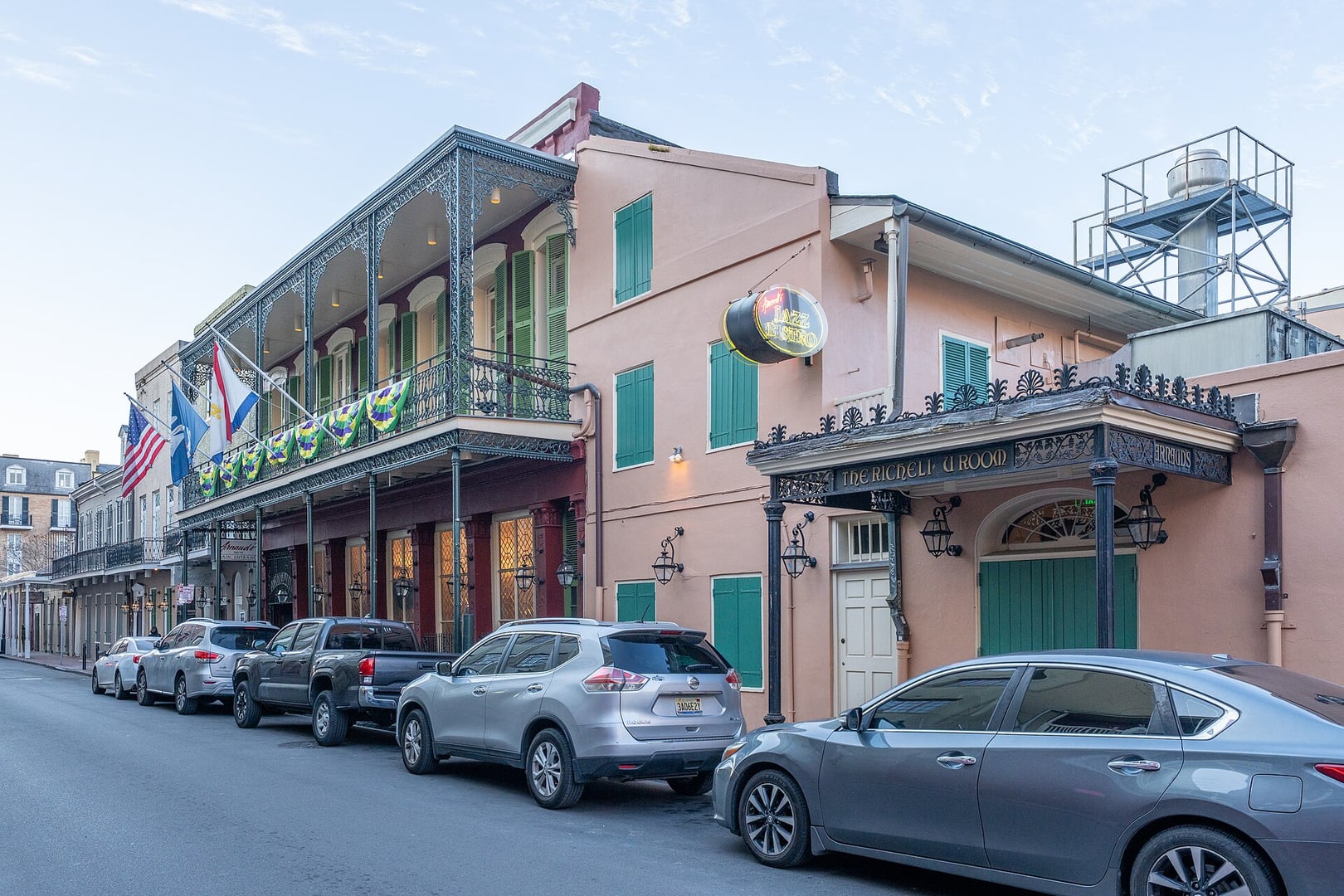
Arnaud's opened in the French Quarter in 1918, when French wine merchant Arnaud Cazenave — later known as "Count Arnaud" — began assembling a Creole restaurant out of adjoining buildings on Bienville Street. Now run by the fourth generation of the Casbarian family, it is one of New Orleans's oldest continuously operating fine-dining restaurants.
Alexandria, LA
Scottish immigrants opened a jewelry store near the Red River in 1865, capitalizing on the shipping traffic that moved through the city; the present building at 924 Third Street was constructed later, in 1931, and designed by Herman J. Duncan. The jewelry business later passed to Carl A. Schnack, a German immigrant owner who operated it through the mid-twentieth century. When Schnack's jewelry business relocated in the 1990s, a local attorney, a descendant of the jewelry business's original Scottish founders, purchased the Art Deco structure and converted it into an upscale restaurant named The Diamond Grill as a tribute to the building's commercial history.
Washington, LA
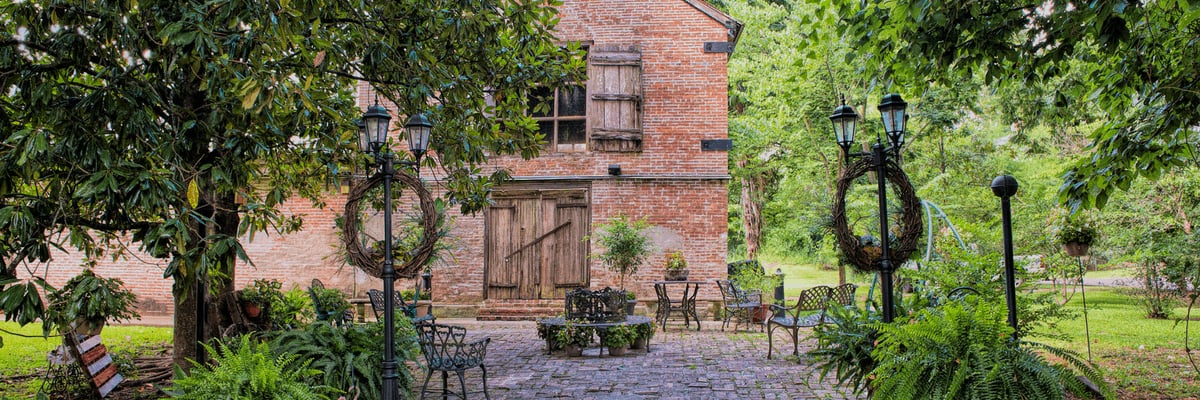
The Steamboat Warehouse on Main Street in Washington, Louisiana was constructed in the 1820s to store cotton from the surrounding St. Landry Parish farms, shipped via Bayou Courtableau. Washington is among Louisiana's oldest settlements, and this building is documented as the last surviving antebellum steamboat warehouse on the bayou. It has operated as a restaurant since 1977 under the management of the Huguet family.