Guided Tour Booking Required
Daytime Guided House Tour
Docent-led tour of the 1831 Federal-style townhouse including the only extant horse stable and 1830s open-hearth kitchen in the French Quarter.
- Duration:
- 1 hr
HauntBound archive · catalog record
Reported phenomena, as catalogued
1831 Federal-style mansion in the French Quarter, built for German-Jewish immigrant merchant Samuel Hermann; visitors report well-mannered apparitions, lavender scents, and fireplaces lit by unseen hands.
820 Saint Louis Street, New Orleans, LA 70112
Research updated May 2026
Age
All Ages
Cost
$$
General-admission museum tour pricing; check site for current rates.
Access
Limited Access
Historic structure with stairs and uneven surfaces; limited accessibility.
Equipment
Photos OK
Est. 1831 · National Historic Landmark (1974) · Only extant horse stable and 1830s open-hearth kitchen in the French Quarter · Rare American Federal-style residence in a predominantly Creole district · Operated as house museum since 1975
The Hermann-Grima House at 820 St. Louis Street was completed in 1831 for Samuel Hermann, a Jewish immigrant who had arrived in Louisiana from Germany in 1804 and built a fortune brokering cotton between New Orleans merchants and European buyers. Architect William Brand designed the Federal-style townhouse with restrained brick facades, a center-hall plan, and a rear courtyard featuring detached service buildings—an arrangement common to the French Quarter but executed here in a notably American architectural vocabulary.
Hermann's prosperity collapsed in the cotton panic of 1837. After filing bankruptcy, he was forced to sell the home in 1844 to Felix Grima, a prominent judge and notary. Grima moved in with his wife Adelaide and their four children; five more children were born in the house, bringing the family total to nine. The Grima family sided with the Confederacy during the Civil War and remained in the residence until 1921.
In the 1920s, the property was acquired by the Christian Woman's Exchange, which operated it as a boarding house for single women until 1975. Following extensive archaeological and archival research, the building was restored to its antebellum appearance and reopened as a historic house museum.
The Hermann-Grima House was designated a National Historic Landmark on May 30, 1974. It preserves the only extant horse stable and 1830s open-hearth kitchen in the French Quarter, both of which feature in regular cooking demonstrations and interpretive programming. Today the museum is operated by The Woman's Exchange and remains a key stop on French Quarter historical tours.
Sources
The Hermann-Grima House is widely described in regional ghost-tour literature as one of the friendliest haunted houses in New Orleans. According to Ghost City Tours and Nola Ghosts, the most commonly reported phenomena include the scent of roses or lavender (often attributed to a Grima family matriarch), fires that appear to ignite themselves in the parlor and bedroom fireplaces during winter, and apparitions of a couple in 19th-century attire moving through the public rooms.
Some accounts describe a less hospitable atmosphere near the wine cellar, where staff have reported cold spots and a brooding presence. Tour operators sometimes attribute these reports to Union soldiers who occupied the home during the Civil War occupation of New Orleans, though this attribution rests on tour-operator tradition rather than primary documentation.
Multiple regional sources note that the spirits described here are consistently characterized as polite and unobtrusive—what Ghost City Tours calls 'some of the friendliest souls in the city.' No injuries, malevolent encounters, or formal paranormal investigations are documented in the available record.
Notable Entities
Docent-led tour of the 1831 Federal-style townhouse including the only extant horse stable and 1830s open-hearth kitchen in the French Quarter.
Some links on this page may earn HauntBound a small commission when you book, at no extra cost to you. Our editorial picks are independent. Full disclosure
Every HauntBound history is researched from documented sources. We clearly separate verified historical fact from paranormal folklore.
Free Guide
11 verified stops, rated for families, mapped in order. Free.
One email to confirm, then the guide link. Unsubscribe anytime.
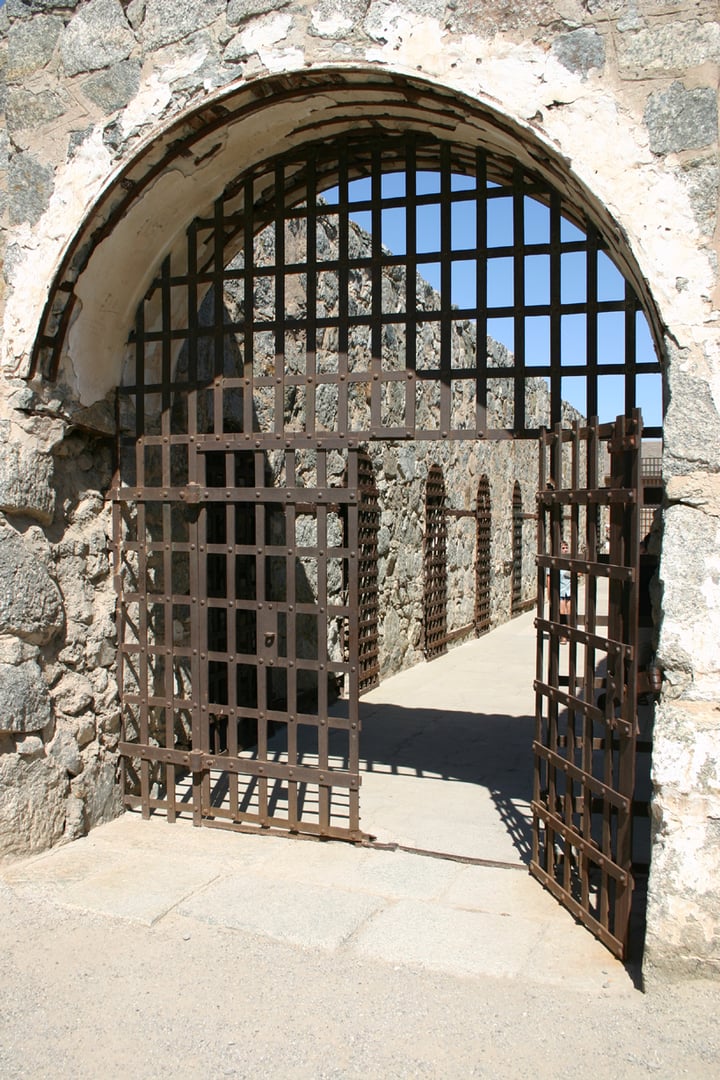
Yuma, AZ
Yuma Territorial Prison operated from 1876 to 1909 on a bluff overlooking the Colorado River in Yuma, Arizona. It held 3,069 prisoners during its 33-year operation, including 29 women. The facility became a state historic park and has been voted by USA Today readers as the Best Haunted Destination in the nation.
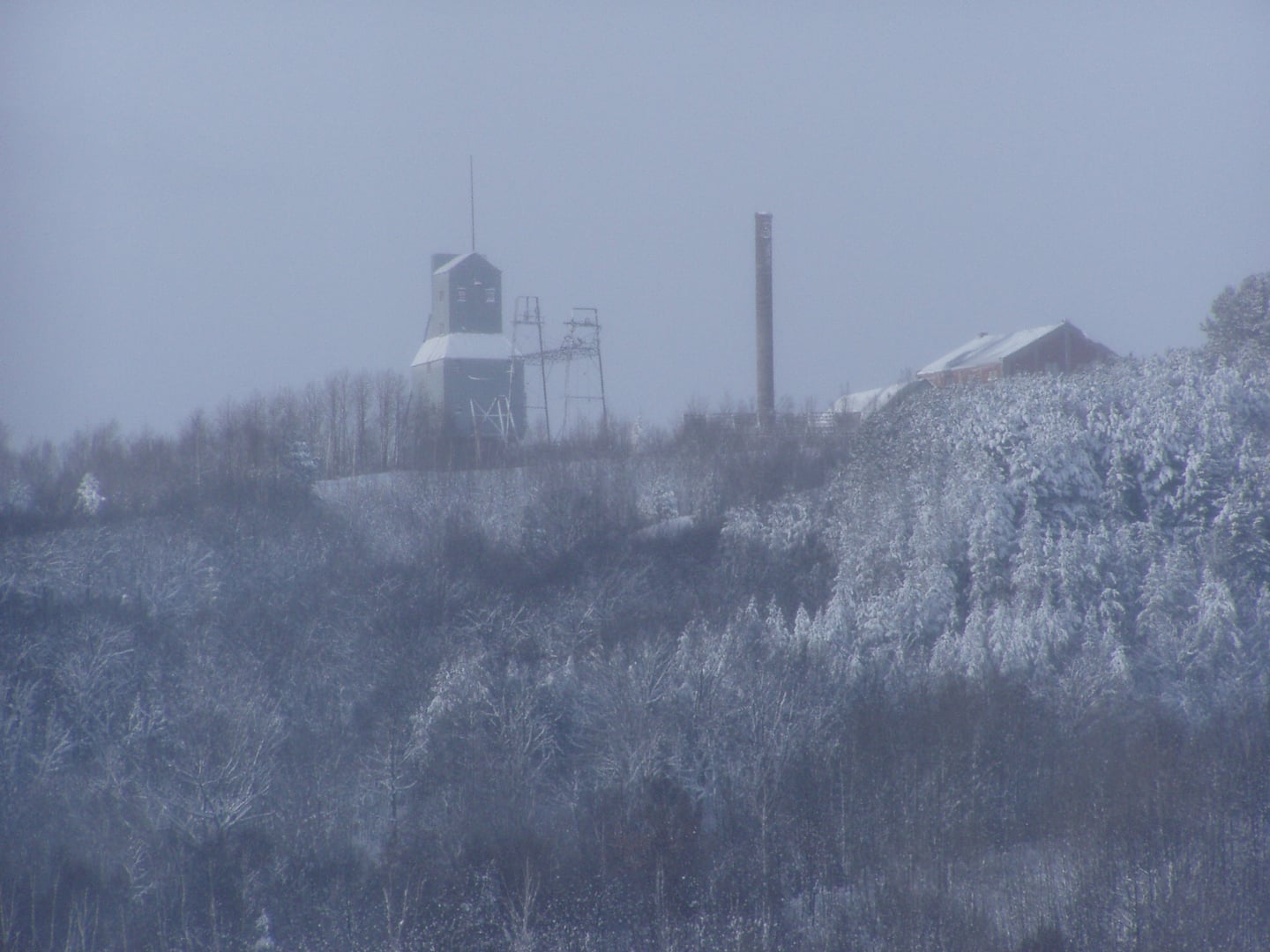
Hancock, MI
The Quincy Mining Company began extracting copper from the Keweenaw Peninsula in 1846 and operated continuously until 1945, producing nearly a billion pounds of copper. During that period, 253 workers died in documented underground accidents. At its deepest, the mine reached 9,000 feet — the deepest copper mine in the world at the time — and its No. 2 shaft hoist house is a National Historic Landmark.
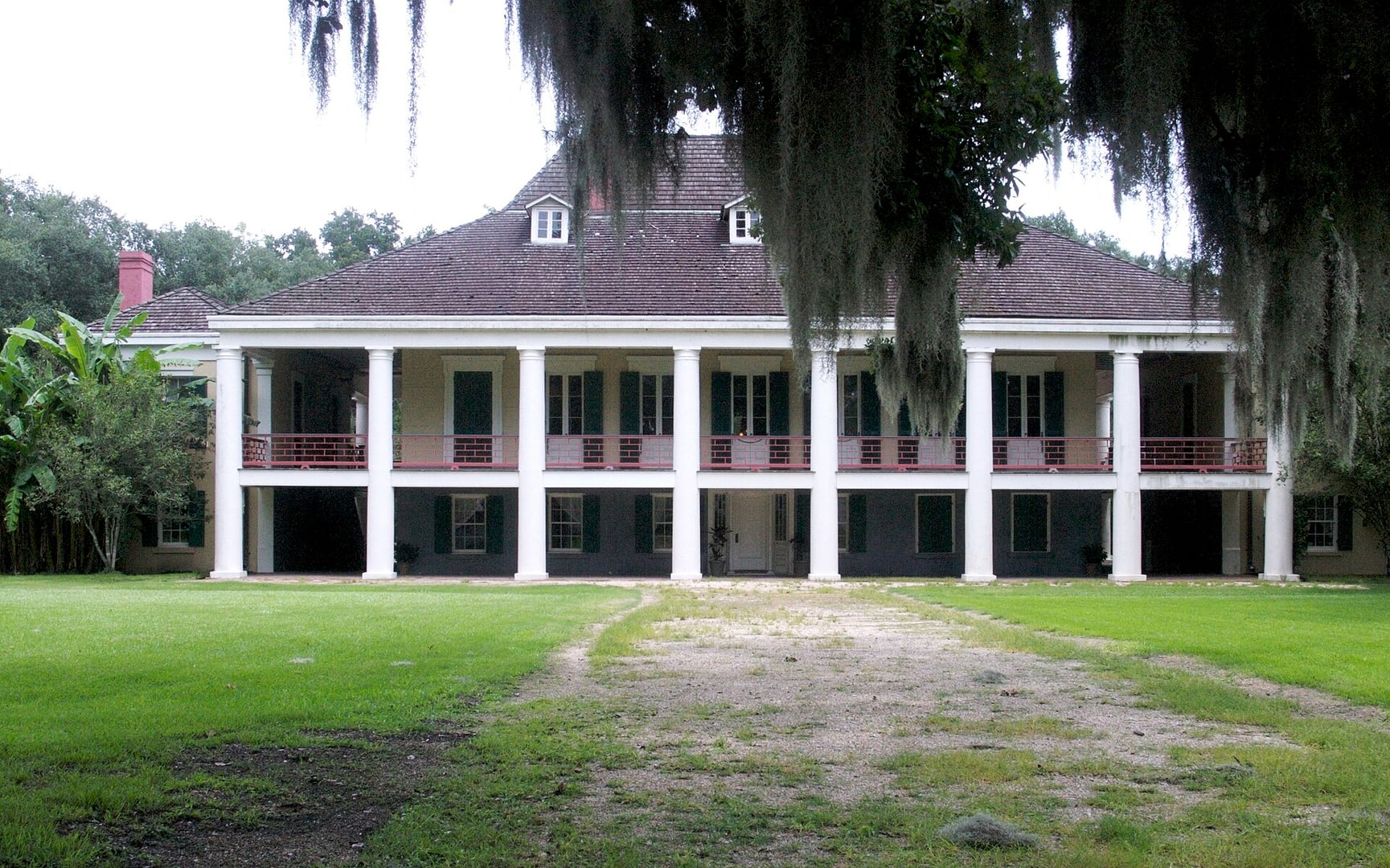
Destrehan, LA
Destrehan Plantation at 13034 River Road, Destrehan, Louisiana, is the oldest surviving plantation home in the lower Mississippi valley. Built between 1787 and 1790 for Robert de Logny, the property passed to Jean Noël Destrehan in 1792 and became a major sugar operation by the early 19th century. The plantation served as a trial and execution site following the 1811 German Coast Uprising.