Est. 1752 · Slavery and Remembrance Partner Site · Louisiana African American Heritage Trail · National Register of Historic Places · First Louisiana Museum Focused on Enslaved People's History
Ambroise Heidel, a German immigrant, acquired the West Bank river-road tract in 1752 and established the plantation that became Whitney. Heidel's descendants cultivated indigo, then rice and sugar through the antebellum period, expanding the enslaved population from a handful in the 1750s to roughly 100 by 1860. After Emancipation, the plantation continued as a working sugar operation under successive owners, including the Whitney family for whom it is now named, and remained in agricultural production until 1975.
New Orleans trial attorney John Cummings purchased the Whitney property in 1999 and spent more than 15 years restoring the structures and curating the interpretive program in partnership with historian Ibrahima Seck, who serves as the museum's director of research. The museum opened to the public in December 2014, the first plantation museum in Louisiana to make the history of enslaved people, not the planter family, the focus of interpretation.
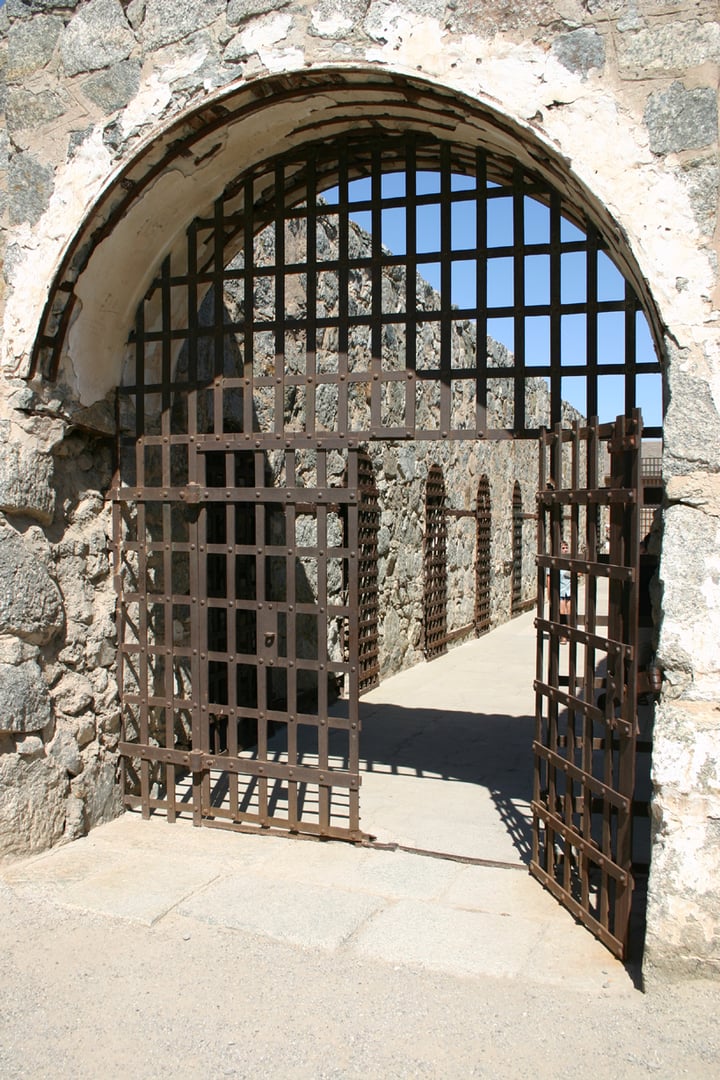
The site preserves 16 original structures: the 1790s Big House, two original slave cabins from the Mialaret plantation moved to Whitney for interpretive purposes, a freedmen's church relocated to the property, the Antioch Baptist Church built by formerly enslaved people in 1870, a French Creole barn, the overseer's house, a jail, and several outbuildings. The plantation also houses three major memorials: the Wall of Honor, inscribed with the names of more than 350 people enslaved at Whitney; the Allees Gwendolyn Midlo Hall, with the names of more than 100,000 enslaved people who lived in Louisiana before 1820; and the Field of Angels, commemorating 2,200 enslaved children who died in St. John the Baptist Parish before age three.
Whitney Plantation is a partner site of the Slavery and Remembrance program and the Louisiana African American Heritage Trail. It operates daily except Tuesday from 9:30 a.m. to 4:30 p.m., and offers both self-paced audio tours (in six languages) and 90-minute guided walking tours.
Sources
- https://whitneyplantation.org/about/
- https://whitneyplantation.org/plan-your-visit/
- https://slaveryandremembrance.org/partners/partner/?id=P0078
- https://www.explorelouisiana.com/african-american-heritage-trail/whitney-plantation
Residual haunting
Whitney Plantation's interpretive program is grounded in archival history and the oral testimonies collected by the Federal Writers' Project between 1936 and 1938. The museum's director of research, Ibrahima Seck, has been explicit in interviews that the museum's mission is the documentation and remembrance of enslaved life, not the entertainment industry of plantation tourism.
For that reason, this entry treats Whitney with the same archival respect the museum applies to its own work. Visitors regularly report a powerful emotional response at three specific memorials. The Wall of Honor, inscribed with the names of more than 350 people enslaved at Whitney, sits in a granite-paved courtyard. The Field of Angels memorializes 2,200 enslaved children who died in St. John the Baptist Parish before reaching their third birthday, with bronze sculpture by Rod Moorhead at its center. The Allees Gwendolyn Midlo Hall names more than 100,000 enslaved people who lived in Louisiana before 1820, the largest such named memorial in the United States.
Local folklore around the broader River Road plantation corridor includes paranormal accounts at several neighboring properties. Whitney does not solicit or curate such accounts. Visitors who experience the site describe its weight in terms of remembrance and confrontation with documented history; the museum's leadership asks that this be the framework for visitor experience.