Est. 1850 · Bayou Teche Sugar Plantation Era · Antebellum Louisiana Architecture
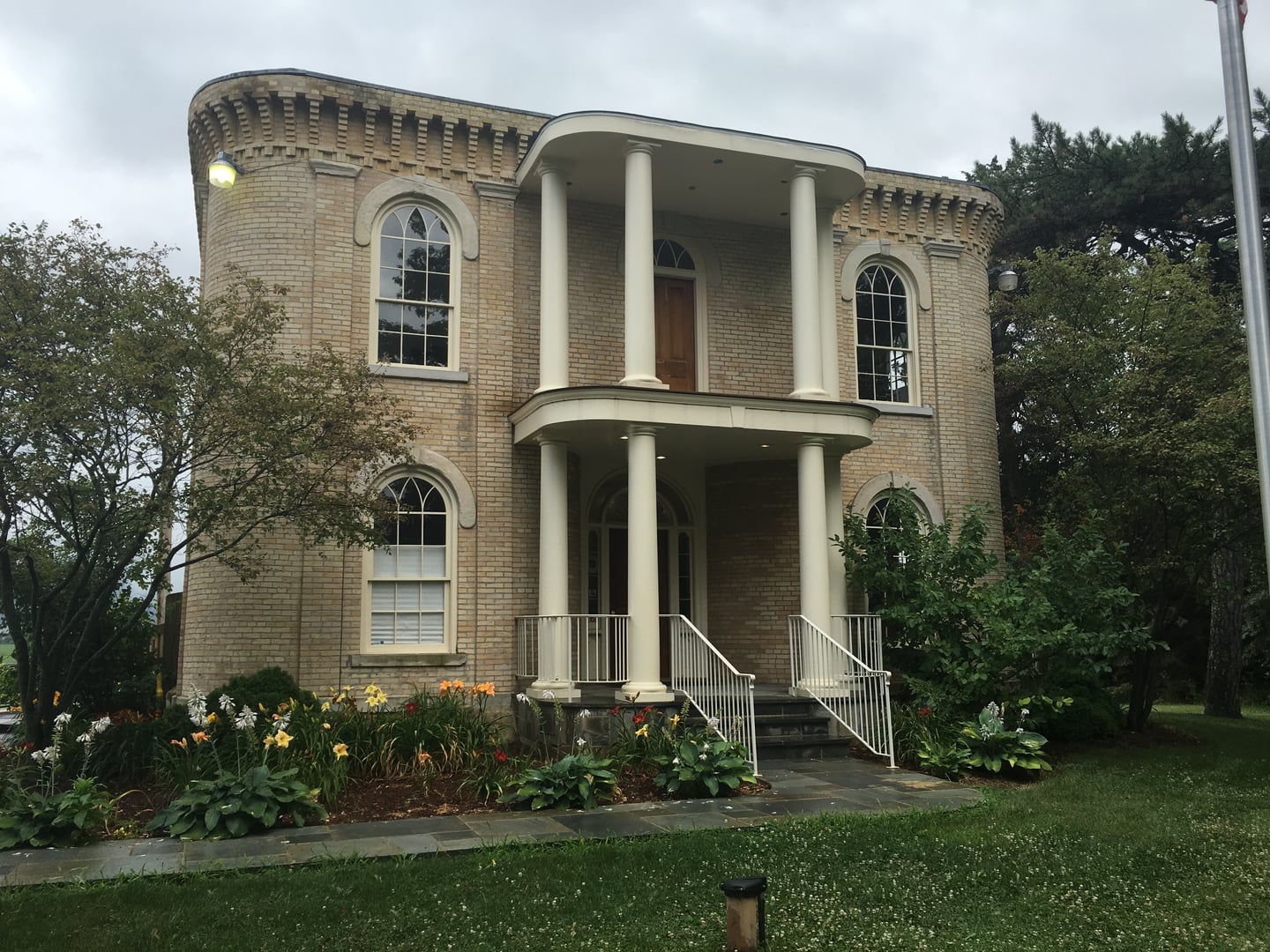
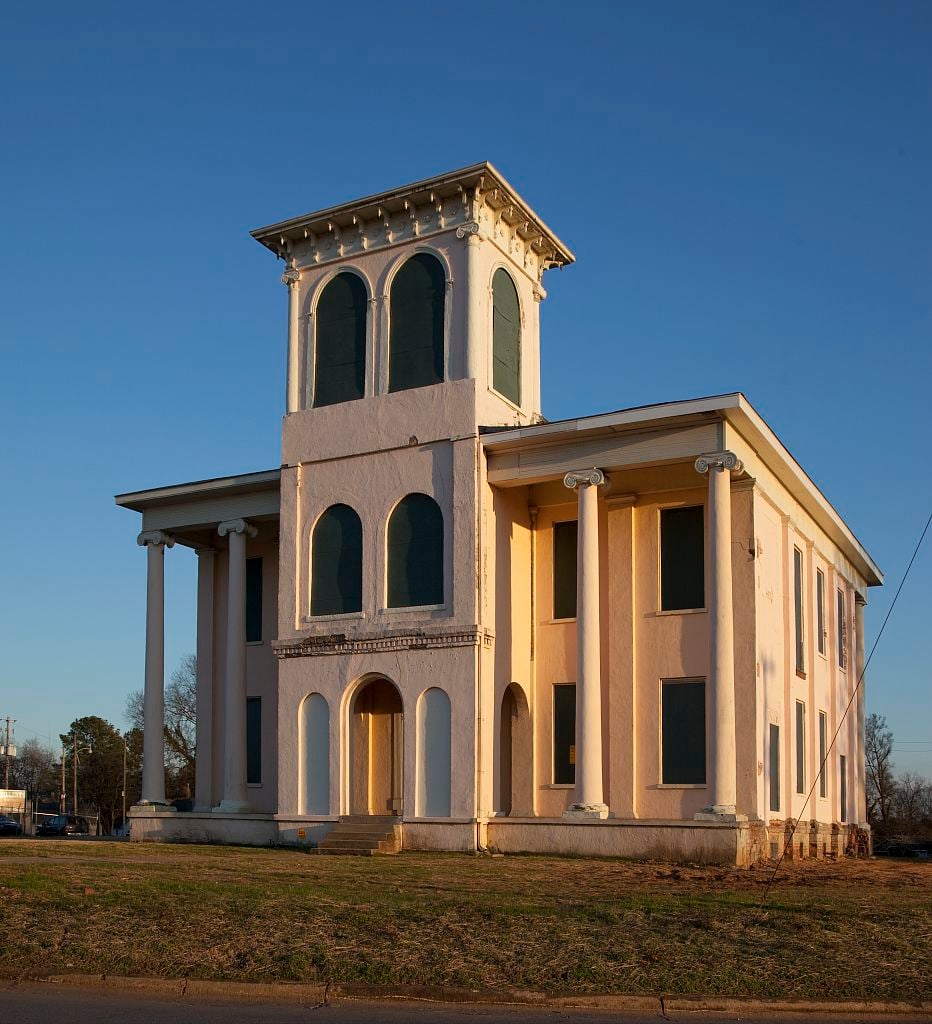
The Bayou Teche corridor between Centerville and Garden City supported some of the most productive sugar plantations in antebellum Louisiana. Susie Plantation was built between 1848 and 1852 by Royal Harris and his wife Adeline as a working sugar cane and rice operation, drawing on the rich alluvial soils of the bayou's natural levee and a labor force of enslaved people.
Royal Harris died in 1858, leaving the plantation to his widow Adeline. She subsequently remarried John H. Darnall. The couple's daughter Adeliza E. Harris, known as Addie, married James Stirling Hereford. Two years before her death, the working plantation was given to Hereford as a wedding dowry. Records of Addie's death are inconsistent across genealogical sources; the most-cited accounts place her death in 1872 at the residence, while other family histories give the year 1876 with a cause attributed to childbirth.
Addie Harris was buried on the plantation grounds. Her above-ground tomb sits near the main house, marked with a marble slab inscribed with words drawn from Matthew 9:24, traditionally rendered as a paraphrase: "Weep not for me, I am not dead, I only sleepeth."
The plantation property remains in private hands. The main house is intact and continues to be a working agricultural property. Susie Plantation is not interpreted as a historic site and is not open to the public; the tomb and house can be viewed only from the public road along Bayou Teche.
Sources
- https://www.louisianahauntedhouses.com/real-haunt/susie-plantation.html
- https://www.genealogy.com/forum/regional/states/topics/la/1430/
- http://hauntednation.blogspot.com/2016/08/susie-plantation-centerville-grave.html
ApparitionsResidual haunting
The lore at Susie Plantation centers on the inscription on Adeliza Harris's tomb. The marble slab announces her resting place with words drawn from biblical scripture, and the legend that has accumulated around the property treats her absence from the grave as something more literal than the inscription's intended consolation.
Accounts of Addie's apparition place her near or beside her tomb on the plantation grounds. Sightings are described from passers-by on the public road, and the figure is described as a young woman in 19th century dress. Reports are infrequent and tend to come from local accounts rather than from systematic investigation.
A separate phenomenon involves the periodic appearance of an unidentified Black male figure in photographs taken at the property. Local accounts describe the figure as not visible to photographers at the time of the shot but appearing in the developed image. The historical record offers no specific identification for this figure; the plantation's enslaved population would have included many people whose names are now lost to documentary evidence, and any attribution would be speculative.
The property is private and not formally investigated. The tomb itself, with its visible inscription and prominent placement near the main house, sustains the legend largely through its own theatrical force: an above-ground monument to a young woman's death, set on plantation grounds whose larger history of slavery has its own unresolved dead.
Notable Entities
Adeliza E. Harris