Est. 1907 · National Register of Historic Places · Historic Hotels of America · First hydraulic elevator in New Orleans
La Baronne Realty Company acquired the Poydras Street parcel in 1899 with plans for an upscale hotel. Construction did not begin until 1905, completed by New York contractors Milliken Brothers under architects Toledano and Wogan. The New Hotel Denechaud opened in January 1907 with 217 rooms and immediately distinguished itself with two firsts for New Orleans: hydraulic elevators and full electric lighting throughout the building. Justin Denechaud, for whom the hotel was named, oversaw its early prominence as one of the city's finest addresses.
Denechaud sold the property before World War I. New ownership renamed it the DeSoto Hotel; the hotel's own current history dates that rename to 1930, and it operated under that name for decades through the Jazz Age and into the mid-20th century. In 1971, new ownership rechristened it Le Pavillon, the name it holds today. The hotel was formally recognized by the U.S. Department of the Interior with a National Register of Historic Places designation in 1991, and entered the Historic Hotels of America program in 1994.
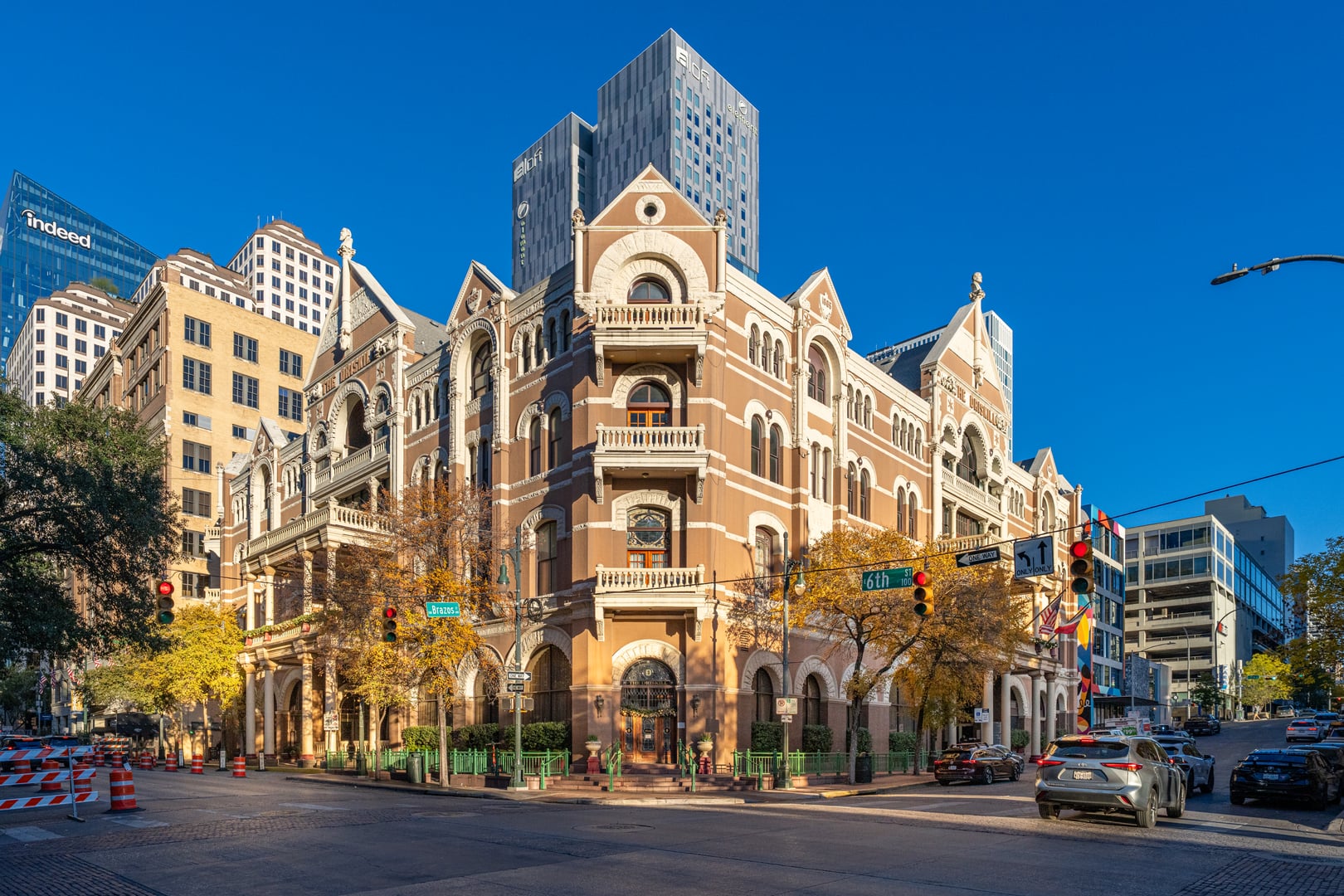
The building's Neoclassical facade at Baronne and Poydras features marble halls, crystal chandeliers, and gilded ceilings. The lobby's architectural details remain largely intact from the 1907 construction. The property holds 219 guest rooms and 7 suites, with The Crystal Room serving as the hotel's restaurant. As of 2025, Le Pavillon operates as a Marriott Tribute Collection property in the Central Business District, walking distance from the French Quarter and the Superdome.
Sources
- https://en.wikipedia.org/wiki/Le_Pavillon_Hotel
- https://www.historichotels.org/us/hotels-resorts/le-pavillon-hotel/history.php
- https://www.lepavillon.com/
- https://www.premierpm.com/blog/le-pavillon-new-orleans-listed-one-of-the-nations-top-haunted-hotel-destinations/
ApparitionsCold spotsPhantom soundsObject movementTouching/pushing
Paranormal investigators who have worked the property say the building sits on what they describe as a site of accumulated residual energy, pointing to the pre-hotel history of the block: a 19th-century neighborhood known for street accidents, and the National Theatre of 1867, which burned in 1887. Whether that history constitutes an explanation is a matter of perspective. What is documented is the consistency of the reports.
The hotel's current history credits a mischievous spirit named Phillipe, blamed for decades of pranks on the third floor, including sheets pulled from beds overnight and luggage mysteriously restacked by bellmen.
On the first floor and in Room 221, a well-dressed couple in 1920s-era evening wear has been observed by staff arriving before dawn. They enter the elevator; the elevator does not ascend. The couple does not appear in any other location. On the third floor, a dark-haired male figure called George has been associated with the particular annoyance of missing cleaning equipment, sheets pulled from occupied beds, and room keys relocated without explanation. The hotel's own orientation materials, according to investigators who have spoken with staff, do not mention any of this.
The fourth and seventh floors generate the broadest distribution of reported incidents, including cold spots in otherwise climate-controlled corridors, unexplained sounds, and what guests have described as figures standing at the foot of beds. These reports span decades and arrive independently from guests who have not communicated with each other before their stays.
Notable Entities
PhillipeThe 1920s CoupleGeorge