Est. 1839 · National Historic Landmark · Greek Revival Architecture · Louisiana Sugar Plantation History · Enslaved History · Film Location
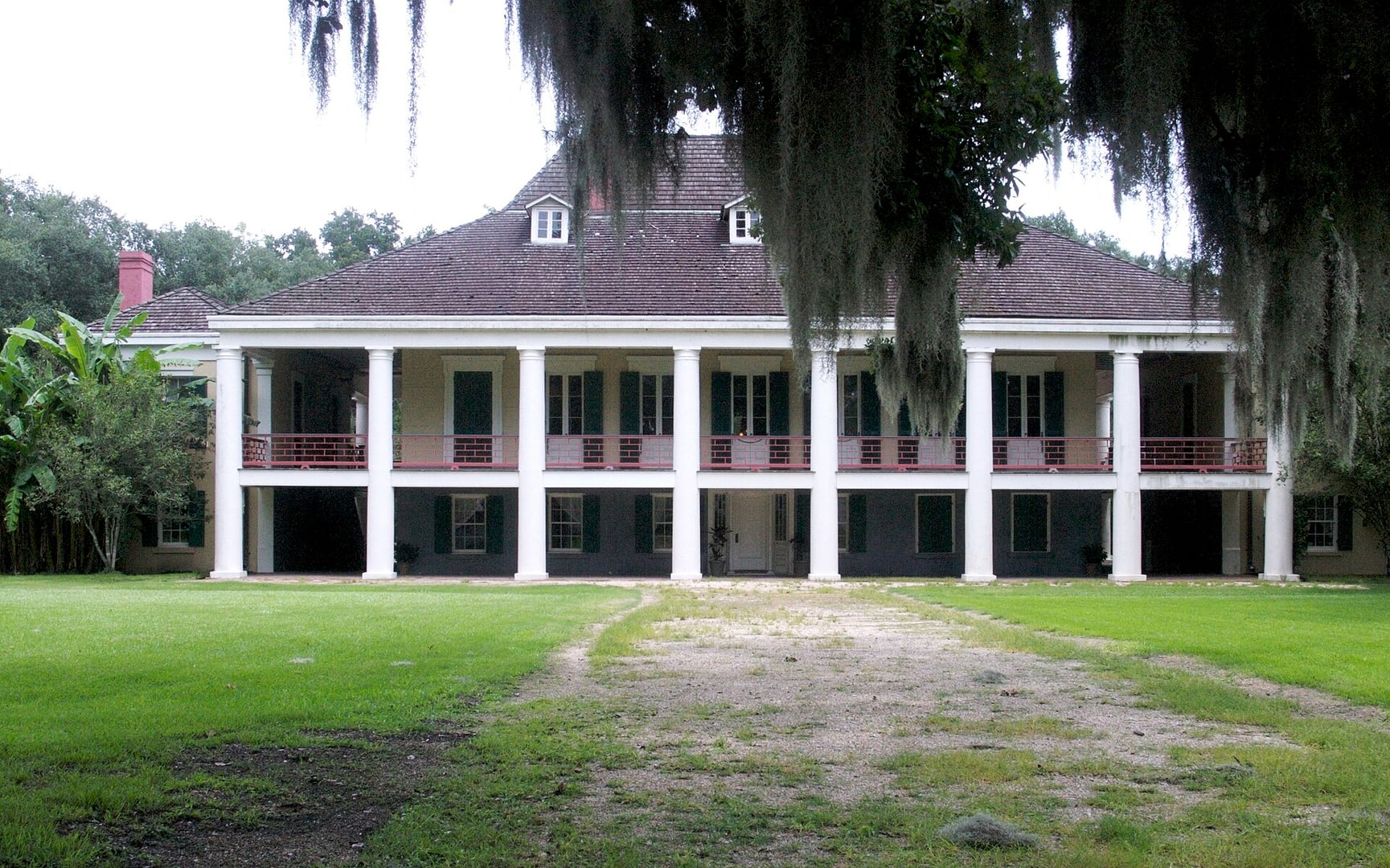
The oaks came first. Twenty-eight live oaks, planted in two rows of fourteen, form a 800-foot allee from the Mississippi River levee to the house site. Researchers estimate the trees were planted between the early 1700s and 1750, predating the current manor by at least several decades. An earlier structure may have stood at the terminus of the allee; the exact history of the site before Roman's ownership is not fully documented.
Jacques Telesphore Roman commissioned the Greek Revival house in 1839, constructing it to anchor one of the most visually dramatic plantation approaches in Louisiana. The property operated as a sugar plantation until the Civil War disrupted the regional agricultural economy; the Roman family, burdened by debt and the collapse of the enslaved labor system, was unable to sustain the operation afterward. The house passed through multiple owners through the late 19th and early 20th centuries, falling into significant disrepair.
The Oak Alley Foundation acquired the property in 1925 and began restoration. The plantation was designated a National Historic Landmark in 1974. In recent years, the Foundation has expanded its interpretive programming to include reconstructed slave quarters and guided tours specifically addressing the history of the enslaved people who built and worked the property.
The plantation appeared as 'Louis' estate' in the 1994 film Interview with the Vampire, which introduced the property to a new generation of visitors and contributed to its atmospheric reputation.
Sources
- https://oakalleyplantation.org/admissions-hours/
- https://hauntedus.com/louisiana/oak-alley-plantation-haunted/
- https://neworleansghosttour.com/hauntings-of-oak-alley-plantation/
- https://www.gardenista.com/posts/the-vampire-diaries-a-plantation-haunted-by-history-oak-alley/
ApparitionsCold spotsEMF anomaliesPhantom soundsPhantom voicesObject movement
The Lady in Black is Oak Alley's defining figure. She appears on horseback, moving through the shadow of the oak allee, or standing on the widow's walk above the main house. Multiple accounts describe her appearing and then simply not being there — not vanishing dramatically, but absent on the next look.
Security footage has, according to tour operators who work the site, captured temperature drops of 15 to 20 degrees coinciding with the moments visitors report the figure. The specific use of thermal data places these accounts in a slightly different category from pure witness testimony.
The apparition of Josephine Stewart, a later owner of the property, has been reported in the lavender room she favored during her lifetime. Male voices speaking French have been heard in the dining room. A woman's voice calling names from the nursery appears in multiple independent accounts. The servants' staircase at the rear of the house is associated with the sound of heavy boots ascending the treads, unhurried, from below.
In 2008, 35 visitors on a tour of the mansion witnessed a candlestick fly across a room. The incident drew attention from the television series Ghost Hunters, which filmed at the property that year.
The Louisiana Spirit Paranormal Investigators documented an episode in the attic in which an investigator experienced an electrical surge through one arm, dropping their equipment. No definitive explanation for the incident was recorded.
Oak Alley does not currently offer dedicated ghost hunts. The overnight cottages give investigators informal access to the grounds after the main house closes.
Notable Entities
The Lady in BlackJosephine Stewart